Tag: Ashish Bhasin

  • Expert-speak on advertising in times of mobile-first consumers

    Expert-speak on advertising in times of mobile-first consumers

    MUMBAI: With Indian government’s demonetisation of high-value currency notes in its second fortnight, there couldn’t have been a better time to discuss how mobile is moving businesses and whether the reality of a cashless economy is still a far-fetched theory.

    In an effort to cash in on the latest buzz words — ‘financial inclusion, ‘digital business’, ‘internet penetration’, ‘digital advertising’, etc. — Facebook recently hosted Mobile Moves Business, an industry event in Mumbai that was designed to bring together businesses, industry experts and marketers to help engage with today’s mobile-first consumers in India.

    Making a bold and future-facing statement, Dentsu Aegis Network South Asia Chairman Ashish Bhasin made it clear that the foundations of present day media planning, which depends primarily on frequencies of views, will be shaken as the lines between mediums start to blur.

    “We make a plan based on an assumption of an X number of times it (a campaign) is viewed on television, but we need to start considering that the same communication may be seen in an another format on an another platform several more number of times,” pointed out Bhasin, adding most market studies predicting digital ad ex to reach 40 per cent of the total pie will be proven wrong. “Digital will command 80 to 100 per cent of the total pie, I feel. Of course, the way we classify digital advertising will also change…TV, radio and even print will all become digital,” he said.

    Along with him on the panel discussing matters digital were Facebook India MD Umang Bedi, Vodafone India marketing SVP Sidharth Banerjee and Snapdeal marketing VP Kanika Kalra.

    Banerjee, who seconded Bhasin’s statement, was of the opinion that India, just like China, will soon reach an inflexion point in smart-phone penetration when that number reached one-third of the total phones in the market.

    “I can see that happening in the next 18 months or so. Getting the communication in mobile right will be the main issue then. What advertisers keep getting wrong is treating mobile (devices) like a separate medium to advertise on,” he said.

    Pointing out that advertisers shouldn’t forget the many India’s within India, Banerjee said, “While we ready ourselves for the digital and cashless India armed with smart-phones, we mustn’t forget about a part of India where features phones will still play an important role and marketers shouldn’t exclude them from their plans.”

    But smart tech and devices also bring along newer problems and challenges. Ad blocking, for example. The high rate of ad blocking in India was also addressed by the panel.

    “As the digital advertising market becomes more mature, the issue of privacy will only become more acute. I believe the way ahead is opt-ins. Let’s face it, users don’t pay for advertisements, so ads will always remain (like) an intrusion, “Bhasin highlighted a valid point, adding, “Going forward, consumers will have a choice to allow certain advertisers to communicate with them. So we marketers need to collectively respect the consumer’s choice. Sooner or later we will have laws concerning it and it is better to prepare for it with best practices in place.”

    Clarifying FB’s position on ad blocking, Bedi said that FB respected its users’ privacy and ensures only relevant sponsored ads reach users. “It isn’t bad but actually good for business as brands can seek out only those consumers who are interested in their communications, leading to higher fulfilment of purchase cycle instead of spraying and praying,” Bedi replied, when asked if the social media giant loses businesses due to ad blocking.
  • TV industry may lose Rs 500-600 cr due to demonetisation

    TV industry may lose Rs 500-600 cr due to demonetisation

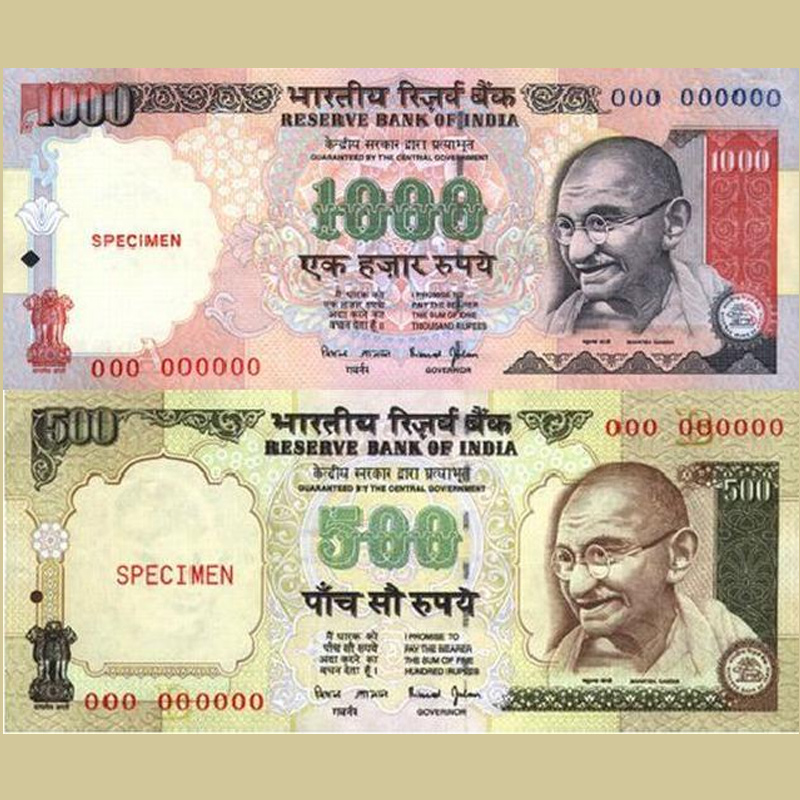
    MUMBAI: The government’s move to not accept Rs 500 and Rs 1000 currency notes as legal tender may affect the TV industry in a big way. 

    A recent media report has estimated that the Indian television industry is to suffer a loss of Rs 500 to Rs 600 crore in advertising revenue as fallout of PM Modi’s decision to demonetise close to 86 per cent of liquid cash in the economy.

    This is because several advertisers are postponing their campaigns scheduled to air in November and December due to a slowdown in consumer spending, a media buyer informed livemint.com. 

    As Colors TV CEO Raj Nayak puts it, “There is disruption in off-take of consumer goods & FMCG (fast moving consumer goods) products.”  According to a press statement shared by Nayak, the situation is also affecting new businesses as most advertisers are “clueless as to how the market will evolve and respond.”

    Dentsu Aegis Network South Asia chairman and CEO Ashish Bhasin feels that the reason for the cut back on the marketing spends could be the impact on sales that the demonetisation has had on the FMCG products.

    Typically, the October-December quarter is the most active quarter accounting for almost 30 to 40 percent of annual billing in terms of advertising spends. With how things are, that is unlikely to be the case this year, a worried Bhasin said.

    ALSO READ:   Demonetisation: Housing, online payment gung-ho; others find solace in India’s larger interest
     

  • TV industry may lose Rs 500-600 cr due to demonetisation

    TV industry may lose Rs 500-600 cr due to demonetisation

    MUMBAI: The government’s move to not accept Rs 500 and Rs 1000 currency notes as legal tender may affect the TV industry in a big way. 

    A recent media report has estimated that the Indian television industry is to suffer a loss of Rs 500 to Rs 600 crore in advertising revenue as fallout of PM Modi’s decision to demonetise close to 86 per cent of liquid cash in the economy.

    This is because several advertisers are postponing their campaigns scheduled to air in November and December due to a slowdown in consumer spending, a media buyer informed livemint.com. 

    As Colors TV CEO Raj Nayak puts it, “There is disruption in off-take of consumer goods & FMCG (fast moving consumer goods) products.”  According to a press statement shared by Nayak, the situation is also affecting new businesses as most advertisers are “clueless as to how the market will evolve and respond.”

    Dentsu Aegis Network South Asia chairman and CEO Ashish Bhasin feels that the reason for the cut back on the marketing spends could be the impact on sales that the demonetisation has had on the FMCG products.

    Typically, the October-December quarter is the most active quarter accounting for almost 30 to 40 percent of annual billing in terms of advertising spends. With how things are, that is unlikely to be the case this year, a worried Bhasin said.

    ALSO READ:   Demonetisation: Housing, online payment gung-ho; others find solace in India’s larger interest
     

  • DAN’s Ashish Bhasin is Goafest Organising Committee chairman

    DAN’s Ashish Bhasin is Goafest Organising Committee chairman

    MUMBAI: The Advertising Agencies Association of India and The Advertising Club today announced the appointment of Dentsu Aegis Network south Asia chairman and CEO Ashish Bhasin as the chairman of Goafest Organising Committee 2017. Independent Business Advisory founder Nagesh Alai has been elected as the co-chairman of the committee. The scheduled dates for Goafest 2017 will be announced soon.

    Other members on the committee are as below.

    · Bhaskar Das, ‎ President and Chief Growth Officer, Zee Unimedia

    · CVL Srinivas, Chief Executive Officer, South Asia, GroupM

    · Jaideep R Gandhi, Chairman, Jaya Advertising

    · M G Parameswaran, Founder at Brand-Building.com

    · Partho Dasgupta, Chief Executive Officer at BARC India,

    · Rana Barua, CEO, Contract Advertising

    · Rohit Ohri, Group chairman and CEO of FCB Ulka

    · Shashi Sinha, Chief Executive Officer, IPG Mediabrands

    · Tarun Rai, Tarun Rai, CEO, JWT, South Asia

    · Vikram Sakhuja, Group CEO at Madison Media

    Advertising Agencies Association of India (AAAs of I) president Nakul Chopra said, “Ashish has been a celebrated industry veteran and has deep understanding of this event. I am sure that he will bring new fervor and spirit into the event this year. I am sure that his vision will make Goafest 2017 scale new highs.”

    “Ashish has been an intrinsic part of the Goafest organizing committee last year and has played an important role in its success. I am sure that his rich experience, vision and insider view of media and advertising trends make him the best man for the role,” said Advertising Club president Raj Nayak.

    ”The event has emerged as a key thought leadership platform and I hope to be able to further elevate the experience of Goafest 2017 for the entire fraternity,” added Bhasin.

  • DAN’s Ashish Bhasin is Goafest Organising Committee chairman

    DAN’s Ashish Bhasin is Goafest Organising Committee chairman

    MUMBAI: The Advertising Agencies Association of India and The Advertising Club today announced the appointment of Dentsu Aegis Network south Asia chairman and CEO Ashish Bhasin as the chairman of Goafest Organising Committee 2017. Independent Business Advisory founder Nagesh Alai has been elected as the co-chairman of the committee. The scheduled dates for Goafest 2017 will be announced soon.

    Other members on the committee are as below.

    · Bhaskar Das, ‎ President and Chief Growth Officer, Zee Unimedia

    · CVL Srinivas, Chief Executive Officer, South Asia, GroupM

    · Jaideep R Gandhi, Chairman, Jaya Advertising

    · M G Parameswaran, Founder at Brand-Building.com

    · Partho Dasgupta, Chief Executive Officer at BARC India,

    · Rana Barua, CEO, Contract Advertising

    · Rohit Ohri, Group chairman and CEO of FCB Ulka

    · Shashi Sinha, Chief Executive Officer, IPG Mediabrands

    · Tarun Rai, Tarun Rai, CEO, JWT, South Asia

    · Vikram Sakhuja, Group CEO at Madison Media

    Advertising Agencies Association of India (AAAs of I) president Nakul Chopra said, “Ashish has been a celebrated industry veteran and has deep understanding of this event. I am sure that he will bring new fervor and spirit into the event this year. I am sure that his vision will make Goafest 2017 scale new highs.”

    “Ashish has been an intrinsic part of the Goafest organizing committee last year and has played an important role in its success. I am sure that his rich experience, vision and insider view of media and advertising trends make him the best man for the role,” said Advertising Club president Raj Nayak.

    ”The event has emerged as a key thought leadership platform and I hope to be able to further elevate the experience of Goafest 2017 for the entire fraternity,” added Bhasin.

  • The after-effect of Arnab Goswami’s exit

    The after-effect of Arnab Goswami’s exit

    MUMBAI: Seldom in the media industry, there are days when the newscaster becomes the breaking news. November 1 was one such day. November 1 was Arnab Goswami’s last day in office. Tuesday’s episode of The Newshour was Goswami’s last.

    The dynamic broadcast journalist who is often credited with pioneering debate-style news programming in India has called it a day as the editor-in-chief of the news channel — Times Now.

    Since the news surfaced, the media world has gone loony trying to guess ‘what is next for Arnab?’ Some speculate that Goswami plans to start his own independent media venture with digital media leanings, based on the strong hints that he had earlier dropped at a conference.

    Amid the hue and cry of ‘The nation wants to know’ what Goswami is up to post-Times Now, a question that hasn’t been entertained is — what does Arnab Goswami’s exit from Times Now mean for the channel and its network?

    While the channel hasn’t come out with an official statement (until the filing of this article) to address Goswami’s resignation, or its plans to find a replacement of Goswami, both as the face of the channel as well as the host of The Newshour, it goes without saying that the channel’s flagship prime time debate show ‘The Newshour’ that brings the channel its highest ad rates will not retain its brand identity without Goswami’s emphatic voice and pointed questions.

    Credited to most often boasting a full ad inventory, the show’s contribution to the network’s revenues is uncontested, and rumoured to be north of Rs 100 crore.

    A media expert requesting anonymity outright rejected the Rs 100-crore plus effect on Times revenue that is being bandied about in the news industry circles. According to this expert, the total revenue of Times Network was in the range of Rs 160-170 crore; how could the effect of the departure of an anchor be three-fourths of that figure?

    Although he admitted that it would definitely dent Times Network’s revenues, he was not willing to put a figure to it. He however acknowledged that The Newshour revenue commanded 8-10x the overall ‘Times Now’ channel’s ER. He sought to extrapolate a figure at the rate of Rs 20,000 per 10-second ad slot of the program.

    While other media experts shied away from commenting on the immediate monetary effect that Goswami’s decision would cost the network, most unanimously agreed that this event will definitely have significant repercussions.

    “Arnab has created a distinct identity within the English News consumers mind space. Newshour commands a premium over the channel’s operating rates to the tune of 10X, and that will have its impact on perception and pricing of the show. Having said that, organisations are larger than individuals, and Times is an entity that is a seasoned media / news group,” said Reliance Broadcast Network Limited’s chief business officer Vikas Khanchandani.

    Echoing similar sentiments was Dentsu Aegis Network south Asia chairman Ashish Bhasin. “Whenever someone as prominent and established as Arnab Goswami, who was akin to the face of Times Now the channel, leaves, it does shake up the network. I foresee a period of settling down on the part of the channel, post-Goswami’s resignation. Having said that, I believe organisations are larger than individuals and they will find an appropriate content replacement and a presenter on air.”

    Commenting on the ad rates of the show post-Goswami, Bhasin shared, “Tying it (Goswami’s resignation) to a loss in the network’s revenue and business will be making a hasty judgement. Ad rates aren’t as spontaneous as the stock exchange. The first effect, if any, will be on the viewership numbers. Only if the viewership numbers continue to drop for a prolonged period of time will there be an effect on the ad rates.”

    Whether Goswami’s goodbye will blow a hole in Times Now’s pockets or whether The Newshour will retain its glory amid loyal advertisers, or whether the network will replace the debate show with an equally engaging content are things that we can’t put a finger on for certain. What we do know for sure is that Goswami quitting Times Now is unprecedented in the industry.

    Said senior journalist in CNN-News18 is Bhupendra Chaubey: I have not worked with him for almost 10 years now but, what I remember of him as a colleague in NDTV, he is a bright companion. I wish him all the luck with whatever he plans to do.

    Similarly senior media executive and BTVi COO Monica Tata too expressed her shock upon hearing the news. “Waiting to hear more news about his future plans,” she added.

  • The after-effect of Arnab Goswami’s exit

    The after-effect of Arnab Goswami’s exit

    MUMBAI: Seldom in the media industry, there are days when the newscaster becomes the breaking news. November 1 was one such day. November 1 was Arnab Goswami’s last day in office. Tuesday’s episode of The Newshour was Goswami’s last.

    The dynamic broadcast journalist who is often credited with pioneering debate-style news programming in India has called it a day as the editor-in-chief of the news channel — Times Now.

    Since the news surfaced, the media world has gone loony trying to guess ‘what is next for Arnab?’ Some speculate that Goswami plans to start his own independent media venture with digital media leanings, based on the strong hints that he had earlier dropped at a conference.

    Amid the hue and cry of ‘The nation wants to know’ what Goswami is up to post-Times Now, a question that hasn’t been entertained is — what does Arnab Goswami’s exit from Times Now mean for the channel and its network?

    While the channel hasn’t come out with an official statement (until the filing of this article) to address Goswami’s resignation, or its plans to find a replacement of Goswami, both as the face of the channel as well as the host of The Newshour, it goes without saying that the channel’s flagship prime time debate show ‘The Newshour’ that brings the channel its highest ad rates will not retain its brand identity without Goswami’s emphatic voice and pointed questions.

    Credited to most often boasting a full ad inventory, the show’s contribution to the network’s revenues is uncontested, and rumoured to be north of Rs 100 crore.

    A media expert requesting anonymity outright rejected the Rs 100-crore plus effect on Times revenue that is being bandied about in the news industry circles. According to this expert, the total revenue of Times Network was in the range of Rs 160-170 crore; how could the effect of the departure of an anchor be three-fourths of that figure?

    Although he admitted that it would definitely dent Times Network’s revenues, he was not willing to put a figure to it. He however acknowledged that The Newshour revenue commanded 8-10x the overall ‘Times Now’ channel’s ER. He sought to extrapolate a figure at the rate of Rs 20,000 per 10-second ad slot of the program.

    While other media experts shied away from commenting on the immediate monetary effect that Goswami’s decision would cost the network, most unanimously agreed that this event will definitely have significant repercussions.

    “Arnab has created a distinct identity within the English News consumers mind space. Newshour commands a premium over the channel’s operating rates to the tune of 10X, and that will have its impact on perception and pricing of the show. Having said that, organisations are larger than individuals, and Times is an entity that is a seasoned media / news group,” said Reliance Broadcast Network Limited’s chief business officer Vikas Khanchandani.

    Echoing similar sentiments was Dentsu Aegis Network south Asia chairman Ashish Bhasin. “Whenever someone as prominent and established as Arnab Goswami, who was akin to the face of Times Now the channel, leaves, it does shake up the network. I foresee a period of settling down on the part of the channel, post-Goswami’s resignation. Having said that, I believe organisations are larger than individuals and they will find an appropriate content replacement and a presenter on air.”

    Commenting on the ad rates of the show post-Goswami, Bhasin shared, “Tying it (Goswami’s resignation) to a loss in the network’s revenue and business will be making a hasty judgement. Ad rates aren’t as spontaneous as the stock exchange. The first effect, if any, will be on the viewership numbers. Only if the viewership numbers continue to drop for a prolonged period of time will there be an effect on the ad rates.”

    Whether Goswami’s goodbye will blow a hole in Times Now’s pockets or whether The Newshour will retain its glory amid loyal advertisers, or whether the network will replace the debate show with an equally engaging content are things that we can’t put a finger on for certain. What we do know for sure is that Goswami quitting Times Now is unprecedented in the industry.

    Said senior journalist in CNN-News18 is Bhupendra Chaubey: I have not worked with him for almost 10 years now but, what I remember of him as a colleague in NDTV, he is a bright companion. I wish him all the luck with whatever he plans to do.

    Similarly senior media executive and BTVi COO Monica Tata too expressed her shock upon hearing the news. “Waiting to hear more news about his future plans,” she added.

  • TV festive ad spend to reach Rs 8000 cr; experts divided

    TV festive ad spend to reach Rs 8000 cr; experts divided

    MUMBAI: The festive months of October and November are welcome months not just for you and your family, but for most Indian brands as well. After all, they eagerly wait for this early window when consumers loosen up their purse strings and put their Diwali bonuses to good use, aka, shopping.

    Thus, it is almost a tradition in the marketing world to budget separately for the third financial quarter, and sometimes allot a majority share of their marcom budget to campaigns during this period. New trends emerge each year from consumer behaviour, which, in turn, decide how brands invest their advertising budgets. Unlike last few years, media experts have mixed opinions on what this year’s festive season means for the advertising industry as a whole.

    Many within the industry believe this Diwali isn’t lighting up as bright as they had wished. Brands aren’t spending ad dollars as enthusiastically as they had in the last few years. “The festive season itself has shortened this year. Instead of stretching out to November, this year Diwali is wrapping up by October, leaving a 15 to 20-day period for Diwali campaigns. Barring the bigger e-commerce players, we did not see many brands advertise before the 2nd week of October. Even when it comes to print, which usually commands the lion’s share of festive ad spends, there were very few jacket ads that were spotted,” pointed out Havas Media Group India CEO Anita Nayyar.

    This year’s most noticeable trend would be polarised points of view on how the e-commerce players are spending. According to several media reports, e-commerce players have cut down their media spends on television this year and are concentrating on print instead.

    “Compared to their spends last year, the spend on print has pretty much remained the same. They (the e-commerce players) have also had multiple sales promotions instead of just one major sale day and the print has dominated the promotion budget of these sales. When it comes to their spends on digital, most of them are performance related than pure innovation or advertising. It is directly tied to purchase,” observed a media planner requesting anonymity.

    The expert also correlated the category’s marketing spends strategy to the consolidation that has happened in the sector in the last one year, including major developments like Jabong being bought over by Flipkart’s Myntra.

    “In general, it wasn’t as great a year for e-commerce players as last year. The accountability is much higher on performance than it was in the previous few years. Most of their current spends are to make sure they have enough sales,” the planner adds.

    Nayyar too believes that e-commerce players have become very cautious of how they spend this year. “Not just in TV, but over all even throughout the year, e-commerce brands have toned down. Most of these companies are in their 5th and 6th year, and that is when returns have to show up.”

    What does that mean for the television industry? Have the ad revenues dropped because of this? “Not at all,” reassured another senior executive. According to him, “E-commerce spending on television has actually increased in the range of 60-65 per cent,” He acknowledges that ‘print pie is always the highest considering the tactical nature of festival communication with its local and regional role that it plays.”

    It could be because, “while the total number of players in the e-commerce have relatively reduced or opted out of spending increasingly on TV this year, the big players such as Amazon, Snapdeal, and Flipkart continue to spend a lot on TV,” shared Dentsu Aegis Network chairman Ashish Bhasin.

    With the festive season just around the corner, Droom, India’s pioneering online automobile transactional marketplace, is taking the celebrations up a few notches by allocating INR 10 crore to its marketing budget.

    Snapdeal earlier announced that it would spend Rs.200 crore on a 360-degree campaign spanning over 60 days in the run-up to the Diwali festival. eBay India marketing director Shivani Suri too recognises this period as the ‘most important time of the year, where they expect to do the most sales.” Online automobile marketplace Droom too had promised Rs 10 crore of its marketing budget to the season.

    According to Bhasin, the total festive season ad ex of the market across media is estimated to hit a whopping Rs 20,000 crore this year, which is a 10–12 per cent hike from last year. “Of this, Rs 8000 crore can come from television, is the estimate,” Bhasin shared.

    Another analyst who did not want to be named pegged this year’s TV ad-ex at Rs 3000 crore.

    When it came to analysing festive season advertising by categories, FMCG and automobile once again stole the show, especially when it comes to being the biggest spenders on the medium of television.

    “Automobile Category continues to spend the highest in festive season, followed by real estate. Then comes e-commerce. With similar contribution levels across categories, 30-50% increase in spends if you compare similar period of last year vs. vis-à-vis this year,” a planner shared.

    It should be noted that sales at the leading passenger vehicle makers, including Maruti Suzuki, Hyundai, Mahindra and Hero MotoCorp, had risen by 15 per cent this year to 253,007 units from 216,352 a year ago, as per an early September report.

    “Telecom is another important sector which has made its presence felt this festive season. With Jio’s launch acting as a catalyst for other competitors in the sectors to also up their marketing ante,” Bhasin added.

    Apart from the conventional players, categories such as electronic devices (read smartphones), home decor and accessories have also garnered could traction. As reported earlier in several leading dailies, Oppo and Vivo are spending close to Rs 80 to Rs 100 each on marketing this year, almost doubling their budget from last year. Other electronic segments aren’t far behind. As recently reported, Japanese electronics manufacturer Panasonic has raised its festive marketing budget in India to Rs 85 crore.

    Thus, while this year’s festive season may be short-lived for both, brands as well as consumers, celebration in India is definitely neither conservative nor curtailed.

  • TV festive ad spend to reach Rs 8000 cr; experts divided

    TV festive ad spend to reach Rs 8000 cr; experts divided

    MUMBAI: The festive months of October and November are welcome months not just for you and your family, but for most Indian brands as well. After all, they eagerly wait for this early window when consumers loosen up their purse strings and put their Diwali bonuses to good use, aka, shopping.

    Thus, it is almost a tradition in the marketing world to budget separately for the third financial quarter, and sometimes allot a majority share of their marcom budget to campaigns during this period. New trends emerge each year from consumer behaviour, which, in turn, decide how brands invest their advertising budgets. Unlike last few years, media experts have mixed opinions on what this year’s festive season means for the advertising industry as a whole.

    Many within the industry believe this Diwali isn’t lighting up as bright as they had wished. Brands aren’t spending ad dollars as enthusiastically as they had in the last few years. “The festive season itself has shortened this year. Instead of stretching out to November, this year Diwali is wrapping up by October, leaving a 15 to 20-day period for Diwali campaigns. Barring the bigger e-commerce players, we did not see many brands advertise before the 2nd week of October. Even when it comes to print, which usually commands the lion’s share of festive ad spends, there were very few jacket ads that were spotted,” pointed out Havas Media Group India CEO Anita Nayyar.

    This year’s most noticeable trend would be polarised points of view on how the e-commerce players are spending. According to several media reports, e-commerce players have cut down their media spends on television this year and are concentrating on print instead.

    “Compared to their spends last year, the spend on print has pretty much remained the same. They (the e-commerce players) have also had multiple sales promotions instead of just one major sale day and the print has dominated the promotion budget of these sales. When it comes to their spends on digital, most of them are performance related than pure innovation or advertising. It is directly tied to purchase,” observed a media planner requesting anonymity.

    The expert also correlated the category’s marketing spends strategy to the consolidation that has happened in the sector in the last one year, including major developments like Jabong being bought over by Flipkart’s Myntra.

    “In general, it wasn’t as great a year for e-commerce players as last year. The accountability is much higher on performance than it was in the previous few years. Most of their current spends are to make sure they have enough sales,” the planner adds.

    Nayyar too believes that e-commerce players have become very cautious of how they spend this year. “Not just in TV, but over all even throughout the year, e-commerce brands have toned down. Most of these companies are in their 5th and 6th year, and that is when returns have to show up.”

    What does that mean for the television industry? Have the ad revenues dropped because of this? “Not at all,” reassured another senior executive. According to him, “E-commerce spending on television has actually increased in the range of 60-65 per cent,” He acknowledges that ‘print pie is always the highest considering the tactical nature of festival communication with its local and regional role that it plays.”

    It could be because, “while the total number of players in the e-commerce have relatively reduced or opted out of spending increasingly on TV this year, the big players such as Amazon, Snapdeal, and Flipkart continue to spend a lot on TV,” shared Dentsu Aegis Network chairman Ashish Bhasin.

    With the festive season just around the corner, Droom, India’s pioneering online automobile transactional marketplace, is taking the celebrations up a few notches by allocating INR 10 crore to its marketing budget.

    Snapdeal earlier announced that it would spend Rs.200 crore on a 360-degree campaign spanning over 60 days in the run-up to the Diwali festival. eBay India marketing director Shivani Suri too recognises this period as the ‘most important time of the year, where they expect to do the most sales.” Online automobile marketplace Droom too had promised Rs 10 crore of its marketing budget to the season.

    According to Bhasin, the total festive season ad ex of the market across media is estimated to hit a whopping Rs 20,000 crore this year, which is a 10–12 per cent hike from last year. “Of this, Rs 8000 crore can come from television, is the estimate,” Bhasin shared.

    Another analyst who did not want to be named pegged this year’s TV ad-ex at Rs 3000 crore.

    When it came to analysing festive season advertising by categories, FMCG and automobile once again stole the show, especially when it comes to being the biggest spenders on the medium of television.

    “Automobile Category continues to spend the highest in festive season, followed by real estate. Then comes e-commerce. With similar contribution levels across categories, 30-50% increase in spends if you compare similar period of last year vs. vis-à-vis this year,” a planner shared.

    It should be noted that sales at the leading passenger vehicle makers, including Maruti Suzuki, Hyundai, Mahindra and Hero MotoCorp, had risen by 15 per cent this year to 253,007 units from 216,352 a year ago, as per an early September report.

    “Telecom is another important sector which has made its presence felt this festive season. With Jio’s launch acting as a catalyst for other competitors in the sectors to also up their marketing ante,” Bhasin added.

    Apart from the conventional players, categories such as electronic devices (read smartphones), home decor and accessories have also garnered could traction. As reported earlier in several leading dailies, Oppo and Vivo are spending close to Rs 80 to Rs 100 each on marketing this year, almost doubling their budget from last year. Other electronic segments aren’t far behind. As recently reported, Japanese electronics manufacturer Panasonic has raised its festive marketing budget in India to Rs 85 crore.

    Thus, while this year’s festive season may be short-lived for both, brands as well as consumers, celebration in India is definitely neither conservative nor curtailed.

  • WATConsult asks ‘WAT’s your Big Idea?’

    WATConsult asks ‘WAT’s your Big Idea?’

    MUMBAI: WATConsult has launched of one of its kind ideation competition for colleges across the country – WAT’s your Big Idea (#WYBI).

    WYBI is a unique platform which provides massive opportunities to the next generation, in the field of advertising and marketing. It is a college contact programme, where students get an opportunity to work on live projects, understand the nuances of creating digital campaigns for notable brands and showcase their creative skills to the best brand marketers in the country.

    Spread over 40 days, a student or team of students compete for a prize where ideation is the main predictor of the winner. The students can log onto www.watsyourbigidea.com and crack the creative brief given by a brand live, post which WATConsult will screen their applications.

    Shortlisted teams need to share a video detailing the idea which will further be shortlisted by a panel of esteemed jury which includes, Dentsu Aegis Network chairman and CEO – South Asia, Ashish Bhasin, WATConsult founder and CEO Rajiv Dingra, Bestseller India CEO and country head Vineet Gautam, L&T Investment Management Limited’s Kailash Kulkarni; Reliance Jio chief digital officer Vishal Sampat, HUL’s head of oral care, Sashwat Sharma; Radio Mirchi EVP Head-Digital Initiatives Rahul Balyan, and Warner Bros. India senior director and network head of English entertainment, Rohit Bhandari, before announcing the winners.

    WATConsult has partnered with 20 leading educational institutes across India, like MICA, SIMC, Amity University, XIC, IIMB, IIM (Indore), SP Jain, Jamnalal Bajaj NMIMS, MET, Jai Hind amongst others. The brands on board are Pepsodent (HUL), Jack and Jones, L&T Mutual Funds, Warner Bros, Radio Mirchi and LYF Smartphone+.

    WATConsult CEO and founder Rajiv Dingra said, “WAT’S your Big Idea are ideas for different brands are the main deliverables. WYBI is a unique platform that brings the industry together – brand marketers, agency and aspiring students with a singular goal to inspire and appreciate great ideas.”

    Dentsu Aegis Network chairman and CEO – south Asia Ashish Bhasin said, “It gives me immense pleasure to be on the jury for such an exciting initiative. The young generation is always bursting with vivacious ideas and with WATConsult’s initiative; we are sure we will witness some great ideas and introduce new talent in the industry. Dentsu Aegis Network has always stood for innovating the way brands are built and this is a good example of a step in that direction.”

    The selected winners will be rewarded monetarily and a job guarantee.