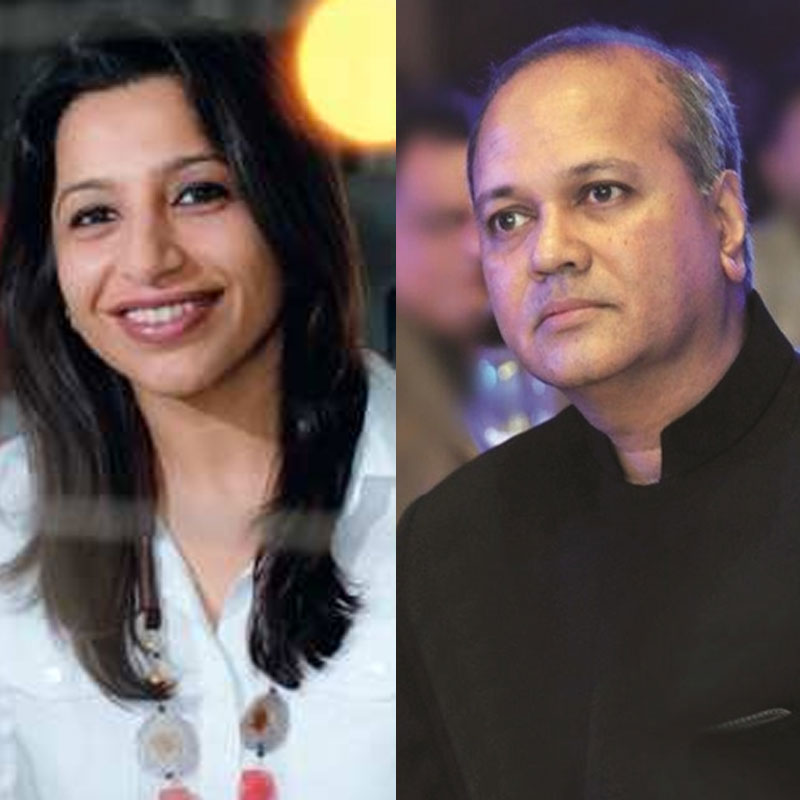
Tag: Ashish Bhasin

  • Twitter needs to be more user friendly, improve its ad targeting, boost content curation efforts

    Twitter needs to be more user friendly, improve its ad targeting, boost content curation efforts

    Mumbai: On 27 October, Elon Musk agreed to buy micro-blogging platform Twitter. In a message to advertisers he wrote, “Twitter aspires to be the most respected advertising platform in the world that strengthens your brand and grows your enterprise.” For advertisers and agencies it is a wait and watch mode. Some feel that things should improve given that Musk is a businessperson. At the same time, who owns it is not as important as making the right moves like ensuring a brand safe environment. It also needs to be more user friendly, improve its ad targeting. There is also room for improvement in the content curation area.

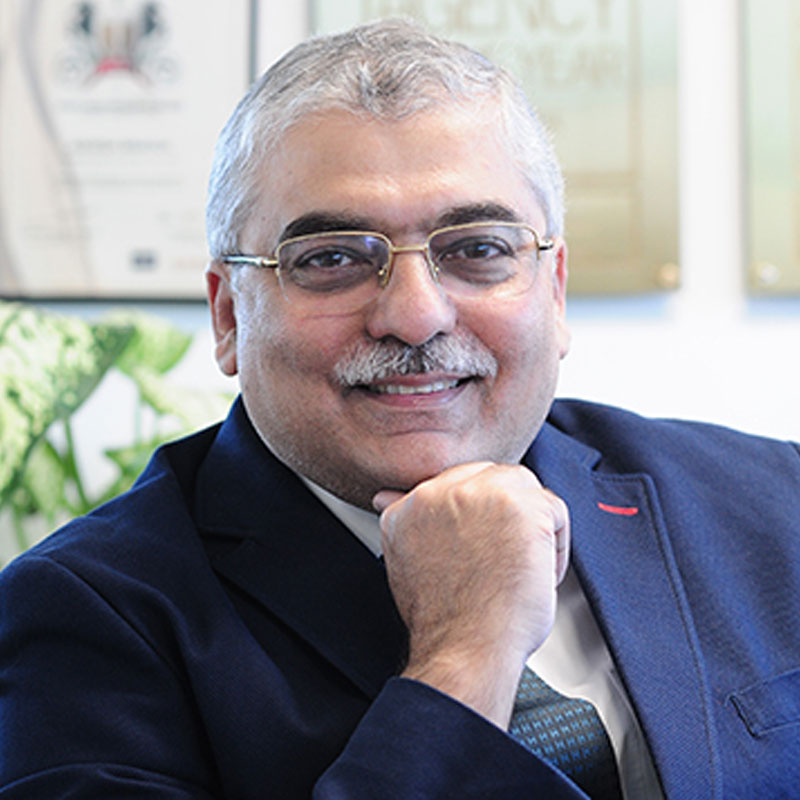
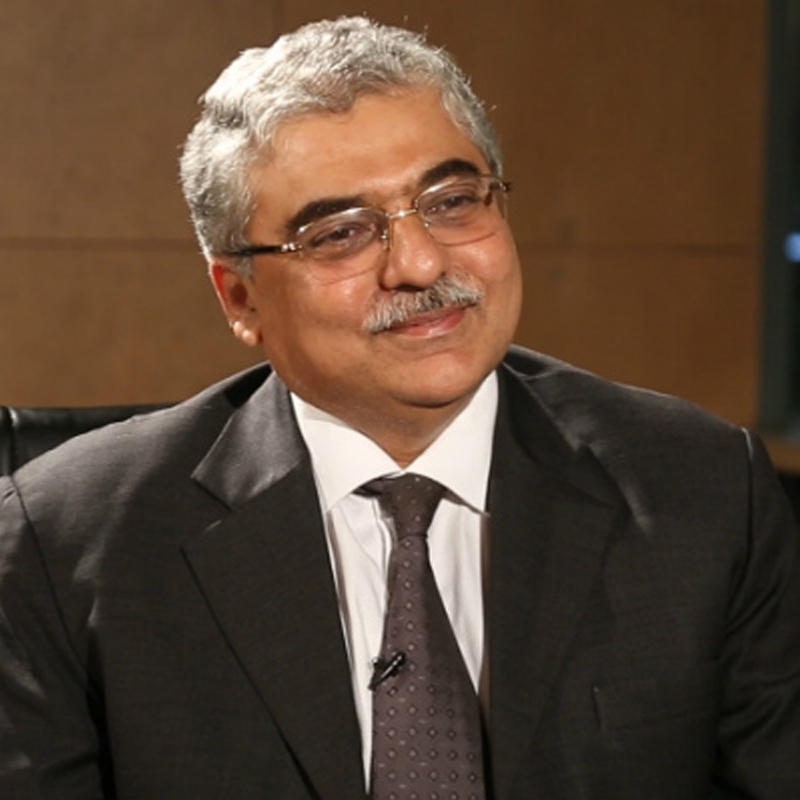
    Talking to Indiantelevision.com RD&X Network co-founder & chairman Ashish Bhasin said that who owns the majority stake in Twitter does not matter. “What matters is the policies and principles that Twitter is going to follow. Who owns it does not mean much to advertisers. What they will watch to see is the policy decisions being taken, the ROI, is the editorial environment conducive to them? Are their ads appearing in the right context? That is going to be far more important than ownership.”

    He goes on to tell that there are some changes proposed and some of them look positive as well. “The proof of the pudding will rest in what happens on the ground and not in statements that are made. Hopefully the changes will keep in mind the interests of brands and advertisers.” He noted that Twitter, if used properly, can lead to superb ROI. He, however, added that the lion’s share of digital advertising goes to Google and Facebook. Twitter is not in that league. “But it is an important medium for certain types of brands or certain objectives that brands may have. It can be a very powerful tool if used properly.

    “But from an advertisers point of view once the noise dies down one has to see the long run ROI as well as brand safety issues around editorial and freedom of speech. This is what brands are waiting to see before taking further long term decisions. But it can be pretty effective if used properly. With a relatively small sum of money you can get very powerful returns. You can reach a certain consumer base very quickly by using top of the mind issues,” Bhasin added.

    He points out that brand safety issues affect other digital platforms also, besides Twitter. Tech, in his opinion, can solve issues like fake news, inappropriate content, trumped up figures pertaining to viewership visibility. “This is an industry wide issue that needs to be tackled. Tech giants have the best of brains, sufficient resources and are cash rich to figure out a way to tackle this in the long run. Only the use of technology will be the solution. It cannot be done manually. The problem is too big and widespread.”

    Bhasin explains that the area of balancing free speech with content moderation has to be navigated very carefully. “You do not want to go too much to one side. Content that is obviously inflammatory or is promoting something illegal is about misuse of media, not about free speech.” He added that recognising diversity of India will be important for platforms like Twitter. It is a matter of how much a priority regional languages will be for Twitter. Mediums that want to exploit the full potential of India cannot restrict themselves to only English. “If they do then they will play only in a niche. Some platforms have adapted better than others to regionalisation,” he notes.

    Since Twitter is instantaneous it will have to be careful to follow all the rules, regulations and laws of the land. “It can go viral in a very short period of time. Therefore it is the responsibility of the platform to make sure that it is not being unfairly exploited by certain people. The government is coming out with more laws for social media platforms and following them will be key,” he brings out.

    Kurate Digital Consulting senior partner Uday Sodhi said that Twitter needs to scale and get in young audiences. It also needs to work on reducing fake profiles. “I’m sure it works as a good platform for brands but in India it is small compared to other social media platforms/ Facebook and Google.” He also noted that with all the politics and hatred in the country, brand safety could be an issue. “Also consumer information is very limited to run anything targeted at a group of consumers.” On whether Elon Musk can bring in Gen Z audiences he said that it is a wait and watch situation.

    Musk had also tweeted, “Twitter obviously cannot become a free-for-all hell-scape, where anything can be said with no consequences!” NOFILTR.Group partner chief marketing officer Hitarth Dadia meanwhile said that he is very excited about Musk owning it. “There are not a lot of billionaires who are relatable. Musk is extremely relatable. Platforms need a good shakeup every now and then for people to care about them. More people will take Twitter seriously.”

    Meanwhile dentsuMB India managing partner Indrajeet Mookerjee said that with the transition of Twitter moving to its new owner, it is certain for the platform to evolve in terms of technology and functionality. “Apart from dismissing key executives, a couple of changes we can expect from this transition are – monetisation, gaming, and a window to innovative advertising avenues. It would be interesting to see how brands leverage these changes innovatively to play it to their advantage.”

    In terms of Twitter’s goal to be the most respected ad platform, he noted that it surely isn’t easy to be so overnight and it would be a long journey for the platform to achieve it. “It is apparent that the platform is currently focusing on preventing the outflow of power users.”

    Shedding light on the role it plays in a digital marketing mix Mookerjee said that an effective way to incorporate this medium into the brand’s marketing plan is by using it as a top of funnel approach.” As a social platform, Twitter lends itself excellently to achieving the first two phases of the funnel that is awareness and consideration for B2B and B2C campaigns.

    “With a whopping 450 million monthly active Twitter users, the platform gives large and small businesses direct reach and avenues to engage with their target audience at their fingertips. Today, brands have capitalized on this by using Twitter as a tool to create interesting content that not only captures the audience’s attention but also draws them into having a conversation,” he states.

    He added that with over 500 million tweets daily, the platform is cluttered with micro-content that’s shared every minute. “However, it is this real-time engagement that continues to keep brands relevant and interact with their online community.”

    Social network for Web 3.0 influencers, educators, and artists Soclly co-founder Prayag Singh noted that some changes in Twitter are already being seen. The first is the cutting down on the workforce. “Sometimes you do not want to do it but it is mandatory for a long term goal. A lot of tech companies are cutting back.” Secondly is the platform’s move to diversify revenue streams beyond advertising. Hence the subscription fee of eight dollars a month for the blue tick verification. Thus there will also be more web 3 adoption. Musk supports Dogecoin.”

    So in the future there could be integration of this cryptocurrency into Twitter. Another move he feels will happen will be a more thorough investigation before an account is suspended. “You will see a more in-depth analysis of things.” He also expects Gen Z and millenials to have a more active presence on Twitter and share their thoughts. He expects challenges and changes to happen in terms of how brands showcase their presence on Twitter moving forward. He also thinks that Twitter Vines may return. This is short form video like Instagram Reels.

    Meanwhile Wing Communications CEO & founder Shiva Bhavani is very clear on what Twitter needs to do to be the most respected digital ad platform. “Twitter needs to provide more value to advertisers than any other platform. This means offering the best targeting options, the most effective ad formats, and the most insightful data. Twitter also needs to continue to invest in its ad product so that it remains at the cutting edge of digital advertising.”

    According to him, Twitter needs to be more user-friendly. “Twitter is notoriously difficult to use for beginners, and even experienced users can find the interface confusing and overwhelming. The platform needs to streamline its design and make it more intuitive to use.”

    Bhavani also feels that the social media company needs to improve its ad targeting: “Twitter’s ad targeting options are currently very basic, which makes it difficult for advertisers to reach their target audience. The platform needs to offer more detailed targeting options so that advertisers can better target their ads.”

    He is of the view that Twitter needs to do a better job of curating content. “Twitter is full of spammy and low-quality content, which can make it hard for users to find the good stuff. The platform needs to do a better job of curating its content so that users can easily find the best tweets.”

    When asked about the impact of a new owner Bhavani noted that one could see a lot of changes happening on Twitter under Musk. “For one, he could bring some much-needed innovation to the platform. He might also make some major changes to the way the content and things are displayed, or even get rid of them altogether”. 

    “And, of course, he could also add some new features that we can’t even imagine right now. Whatever happens, it’s sure to be interesting – and we can’t wait to see what Twitter looks like under Musk’s ownership,” he says further.

    At the same time, though, Bhavani noted that Twitter is a challenging platform for brands due to the amount of noise. The average person is exposed to over 34 GB of data per day, and that number is only increasing. In order to stand out, brands need to be strategic about their content and how they engage with their audience. 

    He suggests a few ways to cut through the noise on Twitter:

    1.      Use hashtags strategically: Hashtags are a great way to help your tweets get seen by more people. But don’t just use any old hashtag – make sure it’s relevant to your brand and your message.

    2.      Engage with influencers: Twitter is all about relationships. If you can build relationships with influencers in your industry, they can help amplify your message and reach a larger audience.

    3.      Be timely: Timing is everything on Twitter. Make sure you’re tweeting when your audience is most active, and you’re more likely to get seen.

    Bhavani pointed out that as more and more brands join Twitter, the question of how effective the platform is for them becomes increasingly relevant. “While there are many potential benefits to using Twitter as a marketing tool, including increased visibility and reach, it’s important to consider how well the platform aligns with your goals and objectives.”

    “For example, if you’re looking to use Twitter to drive website traffic or generate leads, you’ll need to make sure your content is optimised for these goals. The same goes for if you’re hoping to build brand awareness or create a strong connection with your audience – your tweets should be tailored accordingly,” he reveals.

    “Of course, no matter what your goal is, it’s essential to tweet regularly and interact with other users on the platform. The more active you are, the more likely you are to achieve success with Twitter,” he says.

    So, how effective is Twitter as a tool for brands? Bhavani elucidates, “It depends on what your goals are and how well you utilize the platform. With that said, there’s no doubt that Twitter can be a powerful marketing tool – it just takes some strategic planning and execution.”

    He goes on to add that Twitter has become an increasingly popular platform for businesses and individuals alike. As a result, many companies are now using Twitter as part of their digital marketing mix.

    So what role does Twitter play in the digital marketing mix? Bhavani mentions a few key ways that Twitter can be used to help achieve marketing objectives:

    1. Increasing brand awareness and reach: With over 500 million active users, Twitter provides businesses with a massive potential audience. By regularly tweeting interesting and relevant content, businesses can quickly grow their follower base and increase their brand visibility, he explains.

    2  Generating leads and sales: Twitter can also be used as a powerful lead generation tool. By sharing offers, coupons, or other incentives, businesses can encourage users to click through to their website or make a purchase, he noted.

    3. Building relationships and engaging with customers: In today’s digital world, customers expect brands to be responsive and engaged on social media. By actively listening to and responding to customers on Twitter, businesses can build strong relationships with their target audience.

    4. Providing customer service: Customers also increasingly expect brands to provide customer service via social media platforms such as Twitter. “By monitoring mentions of your business, you can quickly respond to any customer queries or concerns, helping in better customer satisfaction and engagement,” he says.

  • Sony-Zee merger marks the start of consolidation in the TV industry: Ashish Bhasin

    Sony-Zee merger marks the start of consolidation in the TV industry: Ashish Bhasin

    Mumbai: Recently, the shareholders of Zee Entertainment Enterprises (ZEEL) gave their approval for the proposed merger with Sony. RD&X Network co-founder & chairman Ashish Bhasin feels that this is the first step of consolidation in the TV industry.

    “I think that in the coming three to five years you will see more major players being born through consolidation with deeper pockets and more muscle. They will join Disney-Star India, Sony-Zee, Warner Bros. Discovery and others. On OTT as well, there will certainly be consolidation. OTT will run through a similar cycle to TV. TV saw lots of smaller players. Now consolidation is happening. In OTT, I expect something similar, though, with a lag in the timeline. Furthermore, as 5G expands and consumers begin to cut the cord, the line between what is TV and what is OTT will blur. I am certain that consolidation will be the rule. All the big players will look for more and more consolidation opportunities.”

    He further pointed out that mediums that do not go in for consolidation will always struggle. He gives the outdoor industry as an example. “The strength to invest is not there. Bettering the quality of the medium will not happen till there are fewer but larger, consolidated players, with a longer-term vision. Not consolidating will be a handicap for the medium. Print is reasonably consolidated in some ways. And print is slightly different as many organisations have a long history. Some were set up before our independence. It plays a role that is beyond commercial. So the journey there will be different. But apart from print, consolidation will be important moving forward in every medium.”

    Talking about the ramifications of the Sony-Zee merger, he noted that this is the beginning of consolidation in the Indian TV industry. “There will be fewer, bigger, consolidated players. The reason for this is that content is becoming more and more expensive in games. Distribution does not come easy and cheap. The Sony-Zee merger is probably the first step towards that. Consolidation will happen across genres and languages.” He added that there are many regional channels and smaller channels that may be acquired. Also, with OTT becoming important, there is scope for better consolidation there and with digital in general.

    A larger player means more content investment, which will have a positive impact on ad revenue growth. “A very strong entity will be created. Between the two of them, excluding sports, they have a market share of closer to 25 per cent. That gives them the opportunity to get better content. This will also result in better distribution. If that happens, viewership will improve and so will ad revenues. Ultimately, ad revenues are a function of supply and demand. If they create stickiness through better content, then ad revenues will also go up. Zee and Sony are very experienced players. So together they will become an even more formidable combination.”

    He agrees that they will get better bargaining power both on the content side and the advertising side. Furthermore, they can engage in more innovations and experiments. “But it is not just about power. There will be a combination of many benefits. They will be able to do better, bigger packages, deals across genres.” He also noted that stronger consolidated players can result in better deals and gave the example of cricket rights being sold for a huge upside (IPL, ICC).

    On the OTT front, he believes that the merger provides the entity with a greater opportunity to acquire better content. “A merger of this size will give clout in multiple areas, not just in one silo.” In terms of cultural synergy, he noted that in any merger and acquisition, one of the key targets is how do you integrate? Culture is a key part. “Acquiring organisations are geared up to make sure that this area is addressed. Each organisation has a different DNA. The challenge of the leadership is retaining the essence of the DNA while at the same time getting them to work in one direction. This is an on-going exercise. I am sure that Sony-Zee have already thought of it and they already have a plan.”

    Speaking about the Warner Bros.-Discovery merger, he said that it is important to measure potential impact not against the universe but within the niche that it is playing within. “Every merger handled well has a positive impact. If an advertiser only targets kids and the merger creates a big leader, say in kids, then it is a very different scenario for both the entity and that advertiser.”

  • RD&X Network onboards Ashish Bhasin as co-founder & chairman

    RD&X Network onboards Ashish Bhasin as co-founder & chairman

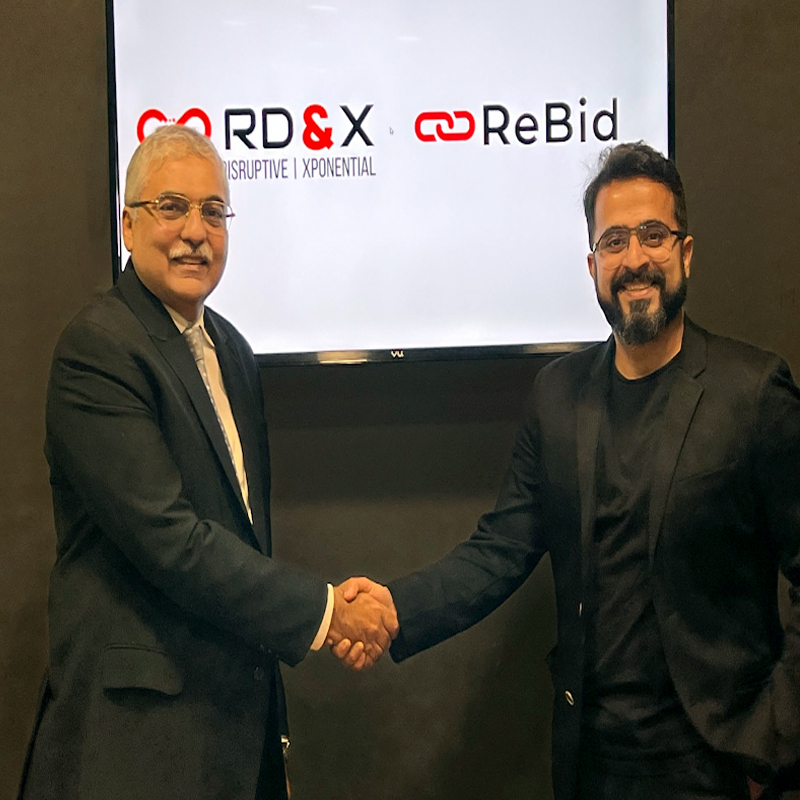
    MUMBAI: Global advertising & marketing transformation startup RD&X Network has appointed  Ashish Bhasin as co-founder & chairman. The former CEO APAC of Dentsu, Bhasin is an advertising and media veteran with over 34 years of industry experience which includes 24 successful agency acquisitions, management of 10,000+ people, and over $4 billion of ad spends in the APAC region.

    Founded by Rajiv Dingra, former CEO of WATConsult, RD&X Network is headquartered in Dubai and has technology teams based in Bangalore & Mumbai catering to a global market with special focus on USA, Middle East, and APAC regions.

    Speaking on this occasion, Bhasin said, “MadTech, a combination of MarTech and AdTech, is clearly the future of our industry as digital spends cross 60 per cent globally, reaching over a trillion dollars by 2027. Rajiv and the RD&X Network team have developed a unique AI-based platform that will enable direct clients, clients wanting to in-house, as well as digital, and advertising agencies. With one of the finest technology teams, a committed founder with experience and drive like Rajiv, RD&X Network has the potential to become the first India-Out, platform based global advertising and marketing startup. The opportunity to mentor and guide this process attracted me to join the RD&X Network. It is also my first entrepreneurial venture as a co-founder and I am delighted to partner with Rajiv.”

    Praising Bhasin’s accolades and experience, RD&X Network CEO founder Rajiv Dingra said, “Ashish is an advertising and media legend, who brings with him the unique experience and wisdom of scaling the digital advertising business, both organically and inorganically, across several markets, regions, and with diverse entrepreneurs. We have worked together in the past when WATConsult joined Dentsu, and I have witnessed his amazing zeal and drive first-hand as a leader always seeking to build the future of advertising by inspiring his team. We are extremely excited to have him onboard as our co-founder & chairman. Together, we intend to create the platform-driven future of the advertising industry as we take this step.”

    RD&X Network recently launched the world’s first Unified Marketing & Advertising Automation Platform, ReBid which uses AI-based algorithms to provide end-to-end unified workflow, data harmonisation and real-time reporting, all in one platform, said the company in its statement.

    It covers over 98 per cent of the relevant global digital ad spends, helping marketers regain control and prepare for a cookieless world, according to the company.

  • #Retrace2021: From Nykaa’s Falguni Nayar to dentsu veteran Ashish Bhasin, who all made news in 2021?

    #Retrace2021: From Nykaa’s Falguni Nayar to dentsu veteran Ashish Bhasin, who all made news in 2021?

    Mumbai: The year that began with the slowdown of pandemic cases, and phased opening of businesses across the country, is ending with another Covid variant rearing its head. The new cases of Omicron are spreading faster, even as the industry struggles to hold on to its post-pandemic revival after braving a deadly second wave in May early this year.

    Amid all these challenges, there were signs of resilience, that highlighted the advertising industry’s slow yet significant recovery this year. If 2020 was the year of ed-tech, 2021 only took the game a notch higher. E-commerce dominated headlines, and several D2C brands rose to success with their innovative advertising and marketing strategies. The year saw the largest number of startups joining the unicorn league, of which many of them are internet-based companies, including Flipkart, Nykaa, Zomato, and Paytm. The agencies too, adapted to the new normal, brainstorming newer ways to strengthen brand connect and retain audiences across media channels.

    With the curtains falling on this eventful, yet resilient year, we take a look at some of the biggest names that made headlines, and created a buzz in the world of brands, advertising, and marketing this year.

    1.      FALGUNI NAYAR, NYKAA FOUNDER

    An entrepreneur at 49 and a billionaire at 58, Nayar made waves with her company’s chartbuster initial public offering (IPO) in November. The ₹5,352-crore IPO of her FSN E-Commerce Ventures Ltd was oversubscribed nearly 82.5 times. On the same day, the company’s market capitalisation touched the ₹1 lakh crore mark, making Nayar who owns a 52.56 per cent stake in the company, India’s richest self-made woman billionaire. An investment banker, Nayar launched the beauty and fashion e-commerce platform Nykaa in March 2012 after quitting her job at Kotak Mahindra Capital. Today, Nykaa Fashion is a multi-brand platform with close to 1,500 brands—of which five are its own brands- two acquired and three it has built from scratch. Nykaa Beauty and Nykaa Fashion are separate businesses.

    Falguni Nayar: The billionaire founder of Nykaa who dared to dream at 50

    2.      BYJU RAVEENDRAN, BYJU’S FOUNDER-CEO

    Byju Raveendran-owned edtech, Byju’s has been on a dream run. The company, which saw its business grow rapidly during the pandemic, ramped up its user base and saw a swift growth in revenues. It also announced several deals around the world over, acquiring a number of its competitors, eight of which were this year. With this, Raveendran and his family have also expanded their fortunes, making them the 67th richest Indians, according to the IIFL Wealth Hurun India Rich List 2021. The home-grown edtech startup is now the 13th most valuable start-up in the world, as per CB Insights’ latest unicorn tracker. Currently valued at $21 billion, the Bengaluru-based start-up is also the world’s most valuable ed-tech start-up. It is also the only Indian name to feature in the list of the world’s elite unicorns as of December 2021. Recently, the ed-tech giant was in the news for its advanced discussions to go public through one of Churchill Capital’s special-purpose acquisition companies (SPAC). While an announcement could come as soon as January, the negotiations are not final. 

    3.      PARAG AGARWAL, TWITTER CEO

    2021 was also the year when Indians were taking over coveted leadership roles in the global forum. The first to mark his name was Indian-born Parag Agarwal, who was appointed as the CEO of the micro-blogging platform Twitter in November. An alumnus of IIT-Bombay, Agarwal had joined Twitter in 2011 and worked his way up the ladder to becoming the chief technology officer (CTO) by 2018 and was reportedly one of the ‘first choices’ of the company’s co-founder Jack Dorsey in the line of succession, after the latter announced his resignation. In a staunch endorsement of 37 years old Agrawal, Dorsey wrote: “He’s been my choice for some time, given how deeply he understands the company and its needs. Parag has been behind every critical decision that helped turn this company around… My trust in him as our CEO is bone-deep.” Before Twitter, Agrawal had briefly worked at Microsoft, AT&T, and Yahoo. He did his bachelor’s in engineering in computer science here, before moving to the US for further studies, his doctorate coming from Stanford University.   

    Jack Dorsey steps down, Parag Agarwal named as Twitter CEO

    4.      LEENA NAIR, CHANEL CEO

    In another proud moment for India, Maharashtra-born Leena Nair joined the list of Indian-origin CEOs of multinational brands in December. Her appointment as the CEO of the French luxury fashion house Chanel was unprecedented, given that Nair was a rank outsider with zilch experience in the fashion industry, not being a part of the Paris fashion scene.

    Before this, the 52-year-old had an illustrious career that spanned 30 years at Unilever, becoming the first female and youngest-ever chief human resources officer at the global company, in London- a position she resigned from to join the 111-year-old luxury group. Nair rose through the ranks of Unilever having started out as a management trainee. Under her watch Unilever achieved gender parity across global management. With the latest win, Nair is being hailed as a “serial glass-ceiling breaker”. An electronics and telecommunications engineer from Walchand College of Engineering in Sangli, Maharashtra, she did her MBA in Human Resources from XLRI Jamshedpur in 1992 before joining as a trainee at HUL.

    5.      PIYUSH PANDEY, OGILVY

    An advertising industry veteran with over three decades of experience in the industry, Pandey has donned several hats, representing Rajasthan in Ranji Trophy cricket during his younger days and being a tea taster are some of them before discovering advertising as a career choice. This year, the ad guru added one more feather to his cap when he took on the role of global creative chairman at WPP Plc. owned creative agency Ogilvy in May. He continues to serve as chairman of Ogilvy India helping brands understand their consumers.

    6.      ANITA NAYYAR, PATANJALI AYURVED COO-MEDIA & COMMUNICATIONS

    The year 2021 saw life turning 360 degrees and completing a full circle for former Havas media India boss Anita Nayyar in the advertising and media industry, as she joined Patanjali Ayurved as COO- Media & Communications in July, after a brief stint with Zee5 from May 2020 to March 2021. An industry veteran, Nayyar had an eventful two years, with transitions circumscribing the client-side from the agency side, before settling finally on the brand side, having managed many portfolios of brands across sectors in a career spanning three decades.

    #Retrace2021: Cautious optimism will drive industry growth in 2022

    The year also saw some of the country’s biggest agencies undergo senior-most level executive shuffles and the arrivals and departures of some of advertising’s top talents. In recent months, dentsu India network parted ways with many of its key leaders in an exodus that began in January. The exits were announced as part of its restructuring process to usher in the dentsu India 2.0 vision. The rejig, brings together its creative agencies under one umbrella, including Dentsu Webchutney, Taproot Dentsu, WATConsult, Perfect Relations, Isobar, Dentsu One, Dentsu India, and Dentsu Impact. The high-level exits from its India leadership team included veterans like Santosh Padhi, Shamsuddin Jasani, Vivek Bhargava, Rubeena Singh, Haresh Nayak, Gopa Menon, and the India CFO turned CEO Anand Bhadkamkar. After almost five years of being the CEO at the digital-first media agency iProspect, Rubeena Singh started new innings as the country manager at the short-video app Josh in October.

    7.      ASHISH BHASIN, DENTSU

    Ashish Bhasin -stepped down as dentsu International- CEO APAC & chairman India in November. An industry veteran with over 30 years’ experience, Bhasin had joined Aegis Media in June 2008 and was tasked with launching the business in the market. He was promoted to CEO, Dentsu Asia Pacific in September 2019. Earlier this year, Bhasin had resigned from the board of directors and Audit Committee of Broadcast Audience Research Council (BARC India) sparking the retirement rumours.

    Ashish Bhasin steps down as dentsu International CEO APAC & chairman India

    8.      SANTOSH PADHI AND AGNELLO DIAS, TAPROOT DENTSU


    The news about Padhi’s sudden exit from the agency he founded with Agnello Dias in 2009 shocked everyone in the industry. Padhi ended his historic innings with Taproot dentsu in September. An art graduate from Mumbai, Padhi began his career with DDB Mudra. He then moved on to Leo Burnett, where he was an executive creative director and later became the national head of art.

    Earlier in June, Taproot made some leadership level rejigs and announced that Agnello Dias (Aggie) will move on to a role as a consultant for key brands, but he too put in his papers around this time. Dias began his advertising career in 1989 and after working with many local and international agencies, including Dart, Interpublicity, Lowe and Leo Burnett, he joined JWT India in 2005, where he soon became the chief creative officer. It was in 2009 when the art and copy duo Padhi and Aggie, decided to together launch their independent creative boutique Taproot India — a bold independent setup. Over the last 12 years, Taproot dentsu rose to become one of India’s most prominent creative agencies, notching up several accolades along the way.

    9.      AJAY GEHLAUT, DENTSU CREATIVE

    Industry veteran Ajay Gahlaut joined dentsu Creative as group CCO in the midst of Dentsu India’s transformation journey towards dentsu India 2.0 and Ajay’s joining is a critical part of the plan, the agency said. Gahlaut, with over 27 years of experience in advertising, was with Publicis Worldwide, India, as chief creative officer and managing director till June 2020. He wrote the line ‘Do Boond Zindagi Ki’ that anchored the famous Pulse Polio Immunisation campaign with Amitabh Bachchan and the ‘Make It Large’ tagline for the whiskey brand Royal Stag. He was also the man behind the ‘Men will be men’ series of campaigns for whiskey brand Imperial Blue and the creator of the character ‘Mr. Murthy’ for Voltas air conditioners.

    10. SHAMSUDDIN JASANI, WUNDERMAN THOMPSON

    As Wunderman Thompson chairman and Group CEO South Asia Tarun Rai moved into a new role as executive director Strategic Initiatives, APAC, Jasani was roped in to take on the mantle. Before this, he was with Isobar as Group MD South Asia. Jasani is a veteran of the industry, having launched Isobar in India in 2008, growing it from a two-person team to over 300-strong across South Asia.

    Isobar’s Shamsuddin Jasani joins Wunderman Thompson South Asia as CEO

    11. PRITI MURTHY, GROUPM

    Priti joined GroupM India as president, GroupM Services India this October, which the network described as a ‘homecoming’ for her and strengthening of the GroupM India leadership team. As an industry veteran, Murthy has spent a large part of her 22+ year career with GroupM. Her last held role with GroupM was as the chief strategy officer at Maxus Global.

    Priti Murthy joins GroupM as president, GroupM services India

    12. ANISHA IYER, OMD India CEO

    Iyer was elevated to OMD India chief executive officer in December. With nearly 18 years of experience in the advertising business and a niche in digital and technology, she joined OMD, a subsidiary of the group, in 2019 as the managing director for Malaysia. Her previous stints include working in companies such as Mindshare, Madhouse, and GroupM in a career spanning two decades.

    13. ANUPRIYA ACHARYA, PUBLICIS GROUPE 

    Anupriya Acharya, a veteran in the media and advertising world, was re-elected as president of the Advertising Agencies Association of India (AAAI) for the year 2021-22 in September this year. Hailing from Dehradun, Acharya has worked with Ogilvy & Mather, McCann (then McCann Erickson), media agency Mindshare Fulcrum and The Media Edge in her 20 plus career. She has also remained the Group CEO of Zenith Optimedia (part of the Publicis Groupe), where she was elevated to lead the India business of Publicis Media in 2016 with a 900-plus strong team.

    14. SWATI BHATTACHARYA, FCB INDIA

    This year also saw the FCB Group India announce the restructuring of its creative agencies and a new three agency structure – FCB Ulka, FCB Interface and FCB India. FCB India, the newest agency in the fold, which’s led by Swati Bhattacharya as the creative chairperson, announced its newly elevated C-Suite leadership team. A noted industry professional, Bhattacharya has been the only woman CCO in India when she joined FCB Ulka in 2016. The brains behind award-winning campaigns like Sindoor Khela for the Times of India, Horlicks, Maggi sauces and noodles, Close up, Airtel, Kit Kat, 7Up, Pepsi, Pizza, UNICEF, Sunrise and Slice are some of her other note-worthy works.

    15. RAMESH NARAYAN, CANCO ADVERTISING

    Canco Advertising founder and Indian advertising doyen Ramesh Narayan was inducted into the prestigious Asian Federation of Advertising Associations (AFAA) Hall of Fame at the AdAsia conference held at Macao in December. “The AFAA Hall of Fame sets out to recognise those who’ve defined a generation of advertising, those who we look up to, who inspire us, and who have done what few others have ever done or could ever do; for those who have pioneered- the very few we can call legends,” said outgoing AFAA chairman, Raymond So about Narayan’s inclusion in the prestigious hall of fame. Earlier this year Narayan also released his book titled “A Different Route to Success”, which gives readers a ringside view of his professional life, having retired at the age of 50, after running Canco Advertising, an advertising agency he founded and ran for 24 years.

    Ramesh Narayan inducted into AFAA Hall of Fame

    16.  ARJUN MOHAN, upGrad CEO

    upGrad CEO ArjunMohan is an experienced industry professional having worked across sales, marketing, and product development domains for more than 15 years, before helming upGrad. One of the most creative edtechs in the country, when it comes to utilising marketing channels to amp up its reach, Mohan helped script a remarkable success story backed on innovative services and out-of-box marketing activities. The upGrad CEO is on a high this year with education going digital-first due to the compulsions brought about by the pandemic.

    17.  VINEETA SINGH, SUGAR COSMETICS CEO

    Singh famously gave up a crore-rupee job offer from an investment bank while she was still in her twenties because she wanted to dive into entrepreneurship. Sugar Cosmetics, a digital-first brand, is her third start-up—the first two did not take off but the second startup, Fab Bag, a subscription business that offered women an assortment of beauty products every month for a small fee- gave her enough data and insights to kickstart her third one. Unlike most digital-first brands, Sugar was early to develop an omnichannel presence and her mantra to make cosmetics for Indian skin tones and suited to the Indian environment paid off. In 2020-21, the D2C firm achieved Rs 130 crore in revenue, and raised $21 million (Rs 160 crore) in venture funding, bringing its valuation to Rs 750 crore.

    From the verge of closing shop, Sugar Cosmetics delivers 49x returns to investors

    18. GHAZAL ALAGH, MAMAEARTH CO-FOUNDER

    Baby and mother care brand Mamaearth turned unicorn after raising close to $80 million in a new round at unicorn valuation led by Sequoia. One among the few startups to turn unicorns with a woman co-founder, the five-year-old D2C brand took birth after Ghazal Alagh and her husband, Varun became parents. In 2016, the couple launched the brand under the parent company Honasa Consumer Pvt Ltd, in Gurugram using natural, plant-based or manmade ingredients, which are both certified safe as well as effective.  In just four years, Mamaearth became Asia’s first brand to get the MadeSafe certification for its toxin-free products. The company recently acquired a female-centric content platform, Momspresso, and associated influencer-engagement platform, Momspresso MyMoney to further accelerate engagement with consumers and strengthen content-to-commerce.

    19. ANIL KAPOOR, AD VETERAN

    Finally, taking a stock of all that we lost this year, there are some losses which cannot be restored ever in any manner whatsoever- and that’s the lives of people lost. This year saw the demise of many eminent names and talents of the industry, many of whom were lost to the Coronavirus.

    FCBUlka chairman emeritus Anil Kapoor passes away

    One such name is that of DraftFCB+ Ulka’s late chairman emeritus Anil Kapoor, who passed away after a prolonged battle with cancer, in April this year. His passing marked the end of an era in the advertising industry. Kapoor joined a struggling Ulka in 1988 and scripted one of the greatest turnaround stories in advertising. He was given charge of the situation to stop the exodus of clients and is credited with bringing in a fresh set of talent, including from institutions like the IIMs. Clients who had left returned and he built a leadership team that stuck together for decades. Kapoor’s career in the ad industry extended to over three decades, and under his guidance, Ulka group emerged among the top five advertising agencies of India. He was conferred with the Lifetime Achievement Award by the AAAI in 2013. His death leaves a huge void in the realm of India’s advertising industry.

    In memoriam: Anil ‘Billy’ Kapoor

  • Ashish Bhasin steps down as dentsu International CEO APAC & chairman India

    Ashish Bhasin steps down as dentsu International CEO APAC & chairman India

    Mumbai: dentsu International CEO – APAC and India chairman Ashish Bhasin has put in his papers and Friday is his last day at the company. dentsu international has confirmed the development in an official statement.

    Bhasin made the announcement in an internal email to his colleagues at dentsu where he broke the news that the company has accepted his request for early retirement.

    “I have had a wonderful 13+ years and have enjoyed leading dentsu India and dentsu APAC. In this journey I was lucky to have a brilliant team, very supportive colleagues and have made some lovely friends for life. Dentsu is a great company and I wish them the very best,” he wrote.

    He further added, “I am unable to comment on my future plans for now but in the meanwhile I am really looking forward to going to Harvard for the Advanced Management Program, for which I have secured admission for the next semester.”

    Confirming that Ashish Bhasin is seeking early retirement from dentsu after 13 years with the business, the company, in an official statement, added that a successor will be announced in due course.

    “To manage this transition, Simon Jones, CFO APAC & Belli Mathanda, COO APAC will work closely with our global CEO, Wendy Clark, who will have a greater focus on the region during this time supported by the APAC Executive team,” dentsu said.

    “This strong team is well placed to continue the positive transformation underway in the region as we simplify how we operate and bring together our leading capabilities in service of our clients in Creative, Media and CXM to realise our global ambition to be the most integrated agency network in the world,” stated the company.

    It further added that in India, Peter Huijboom will continue his interim, day-to-day leadership of the business with the India leadership team, while the company is in the final stages of its search and appointment of a new CEO in India.

    Bhasin joined dentsu in 2008 as India CEO and joined the global executive team when he was promoted to CEO, Asia Pacific in 2019.

  • dentsu India CEO Anand Bhadkamkar moves on

    dentsu India CEO Anand Bhadkamkar moves on

    Mumbai: Anand Bhadkamkar has stepped down as chief executive officer of dentsu International India. He was associated with the agency network for 14 years and served as CEO from September 2019.

    Dentsu International APAC, CEO and chairman India, Ashish Bhasin and dentsu media and global clients, global CEO, Peter Hujiboom will step in to assume the day-to-day leadership of dentsu India in the interim. The company has yet to find a successor for Bhadkamkar.

    “In the last year, and despite the pandemic, we have started to optimise our portfolio of brands into six global leadership brands, making us more agile and simpler for our clients to access our world-class capabilities and talents. To accelerate this transformation, Ashish Bhasin, CEO, APAC and chairman India, and Peter Huijboom, global CEO, media and global clients will assume interim, day-to-day leadership of dentsu India while the business completes its search for a successor to Anand Bhadkamkar, who leaves dentsu on August 31,” said the agency in a statement on Tuesday.

    “With this new structure, we are well-positioned to unlock higher levels of business performance, innovation, and solution-led strategies for our people and for our clients. Our ambitions and goals are interconnected, and this is the beginning of dentsu India 2.0’s new and transformed path to success,” it added.

    Bhadkamkar joined Dentsu Aegis Network as chief financial officer for India in 2008 and was given additional charge as chief operating officer in April 2019. During his 25-year career, he has been associated with Lowe Lintas and Ernst and Young.

    Bhadkamkar is a chartered accountant who completed his bachelor’s in commerce from Narsee Monjee College of Commerce and Economics.

  • Shifts in Consumer trends to look out for by 2030: Dentsu report

    Mumbai: Consumers are likely to prioritise concerns over climate change and data privacy, and look for ‘Titan Brands’ that fulfill all their lifestyle needs and technology up-gradation over the next decade, says a new report published by Dentsu International.

    The report – Dentsu Consumer Vision 2030: The Age of Inclusive Intelligence attempts to capture some of the long-term consumer trends that are likely to shape this decade and provides brands with a roadmap to navigate through the post-pandemic world.

    The projections are based on in-depth interviews with world-renowned futurists, academics, authors, and experts, together with multiple proprietary consumer surveys from over 20 countries.

    Concerns over health and climate change

    Health and well-being is a key theme throughout the report, with consumers reporting a desire to utilise technology to stay healthy in the future. As per the report, increase in e-commerce will pave the way for the ‘Rise of the Titan Brands’ trend, where online retailers will increase in size and scope.

    Majority of global consumers also expressed concerns over climate change and said that COVID-19 has made them more aware of the harm caused to the environment by global travel. This is likely to fuel greater consumer activism in the longer run, with purchasing decisions increasingly based on sustainable factors. Two-thirds of global consumers say that by 2030 they will not buy goods that could have a negative impact on the environment. 

    Technology rules the roost

    Trends forecast that technology will be leveraged in increasingly innovative ways to foster human connection. One-third of consumers today consider allowing AI to care for an elderly relative unsupervised. In 2030, robot companions will become more commonplace as a way of helping the elderly and disabled, providing in-home care more effectively, indicates the study.

    Changes in Consumer Behaviour

    The study identified four overarching themes that will shape the next ten years in terms of consumer behaviour and brand response: Universal Activism, Synthetic Society, Bigger Bolder Brands & The Human Dividend.

    Universal Activism

    The study underlines that brands will need to reconceive their customers as activists, driven in their decision-making by a new range of influences and causes, from climate change to data privacy and new definitions of identity. How brands communicate the concrete action they are taking along these causes, for instance, on combating climate change, alongside realising some of its benefits will be a delicate balancing act. It also predicts that by 2030, more and more consumers will be deploying new AI-enabled personal data assistants to manage their relationships with brands, creating a new power paradigm.

    Synthetic Society

    The study predicts by 2030 we’ll see the emergence of a new, privileged class of citizens who can afford technological upgrades to their physical and psychological states. Around a third of consumers would consider undergoing non-essential surgery to improve their mental health. By 2030, eSports and immersive gaming will have changed the way we look at ‘real-world’ sports and activities, forcing the latter to innovate to keep up.

    For brands, the implications are manifold. New arenas of potential sponsorship and partnerships will emerge as eSports become mainstream, while new domains of augmented experience will provide further opportunities for entertainment and engagement In the next decade, technology will be leveraged in increasingly innovative ways to foster human connection, forging togetherness despite distance or solitude, and democratising friendships and intimacy.

    Bigger Bolder Brands

    Over the next decade, the focus will shift to how brands can help service consumers more effectively across all aspects of their lifestyle. At the same time, data will enable brands to be more selective in the consumers they choose to engage with, focusing on those segments that will in time be most lucrative.

    Rise of the Titan brands:

    By 2030 we can expect to see consumers selecting specific brands to be their main lifestyle partners, becoming an integral part of their commercial activity and everyday lifestyle. Competing with these ‘Titan’ brands will also be made harder by their access to huge amounts of customer data, placing the onus on other brands to form effective partnerships and alliances— or to develop a direct-to-consumer relationship that secures access to first-party data.

    Every brand is a health brand:

    Nearly half of people globally believe that over the next five to ten years they will use technology to predict what will happen to their physical health. Building on this trend, in 2030, every brand will have become a health brand and all companies will be expected to help consumers enhance their wellbeing through the brand’s products and services.

    The Human Dividend

    Attention will shift towards those traits and capabilities that make us human, leading to a renewed celebration of what makes us unique. Humanised service will be at the centre of premium brand propositions by 2030. Faced with the threat of automation, there will be an even greater premium on human skills such as creativity and compassion—and the brands that successfully embody those traits. A never-before-event we could see emerge by 2030 is – ‘product labelling’ that clearly states whether something was produced by a robot or a human.

    Inclusive Intelligence : Crucial for brands

    Each of these trends carries specific implications for brands. But all of them sit on the concept of ‘inclusive intelligence’— the ability to incorporate new views, values, and behaviours into their value proposition against a backdrop of widening inequality, societal dislocation, and ethical complexity. This concept will be a key battleground for brands over the next decade, dentsu believes.

    dentsu international Global CEO Wendy Clark said: “What is very clear from the past year and the findings of ‘dentsu consumer vision 2030’ is that business leaders must prepare for a very different consumer landscape. One which is continually evolving via innovation in technology, health and well-being, activism, and climate change. Leading brands will use this information and inclusive intelligence to build human-centric experiences and relationships to meet these consumer expectations.” 

    dentsu Asia Pacific CEO Ashish Bhasin said: “Brands, especially those in our region, will need to be more open, more transparent, in the way they work and be comfortable collaborating outside of their organisations as they are within them. This is especially key in their dealings with clients, agency partners, NGOs, governments, communities. Building inclusive intelligence starts with superior consumer understanding. The time is now for brands to take charge of their future narrative by developing pre-emptive efforts in getting to know and predict end-user behaviour, rather than play catch-up with the speed of their consumers.” 

  • Dentsu names Prerna Mehrotra as APAC media CEO

    Dentsu names Prerna Mehrotra as APAC media CEO

    NEW DELHI: dentsu International APAC has named Prerna Mehrotra as its new CEO for APAC Media. She will take on the additional responsibility along with her role as the managing director of the media group in Singapore. 

    Mehrotra will be reporting to dentsu APAC CEO Ashish Bhasin and global CEO – media & global clients Peter Hujiboom. She will be responsible for driving dentsu’s global media strategy and delivery in the APAC region. Her focus will be on developing a portfolio of tools and capabilities to maximise effectiveness, relevance, and performance of the campaigns.  

    Mehrotra joined DAN back in 2016 as Amplify APAC head of investment management. She was also the client president at Carat. Previously, she has worked with Starcom and Zenith. 

  • Gautam Mehra gets additional role at Dentsu International

    Gautam Mehra gets additional role at Dentsu International

    NEW DELHI: Dentsu International has now entrusted Gautam Mehra, currently CEO, dentsu Programmatic & chief data officer, dentsu – South Asia, with the additional charge of chief data and product Officer – Asia Pacific (APAC) with immediate effect. He has been assigned to this new role with the intent to build a strong and unified APAC data and product offering across the dentsu network. Based in Mumbai, Gautam will report into Merkle APAC president Zhengda Shen for his additional role.

    Over the years, Mehra has been responsible for driving the data quotient for dentsu across India and South Asia, both internally andth clients. Notably, he led the creation of dentsu’s proprietary adtech product, the dentsu marketing cloud ecosystem – a cohesive system that brings together a slew of dentsu proprietary ecosystems such as the Facebook Marketing Partner (Ad-Tech) Badged DMC Explore, dentsu Play, dentsu TrueValue and other proprietary mar-tech tools used in over 32 markets globally. He has also led the unification of the data sciences and Amnet teams to create dentsu Programmatic, the leading programmatic player in India today.

    Mehra had started his career 20 years ago with his entrepreneurial venture, which was one of the first web development firms in India. Over the years, he did several stints in digital advertising working with the top brands in the country such as Viacom, Government of India, Standard Chartered Bank and Microsoft. In 2013, he joined dentsu following the acquisition of Communicate2 and led the Social & Display businesses of iProspect, the leading performance marketing and search agency of the country. Subsequently in 2016, he took on the role of Chief Data Officer for South Asia and has driven the groups data narrative in the sub-region.

    On the appointment, dentsu Asia Pacific CEO Ashish Bhasin said, “Data is central to our business strategy and the ability to handle data well and utilize it to its full capacity is critical in fine tuning way of reaching, interacting, and causing a reaction from the consumers; it ensures advertising efforts are in the right direction.”

    “Having Gautam drive this data agenda for us is crucial in the era of data explosion. He has earned a reputation of developing and delivering highly innovative data-led initiatives while embodying the spirit of innovation and entrepreneurism. This is a well-deserved promotion and I look forward to working closely with him,” Bhasin added.

    Zhengda Shen said, “Organizations are constantly challenged to evolve with agility and speed and adapt to ever changing consumer dynamics. Providing leadership for clients by integrating data, media, content and technology to navigate through this shifting landscape is a critical function of agencies. Gautam’s track record for driving innovations and developing globally scaled solutions makes him perfectly placed to help our clients in the region and to ensure that dentsu international continues to lead through innovation.”

    Mehra said, “There are almost no limits to what we can uncover by studying consumer behavior and their interplay with brands. I’m excited to apply my leadership, knowledge, and experience in delivering globally adopted tech driven products and solutions to further the data-driven culture of dentsu international and to build the practice across APAC, further cementing our dominance in this area within the region in using cutting edge technology to solve everyday client challenges.”

  • Ashish Bhasin hands over charge of AAAI to Anupriya Acharya

    Ashish Bhasin hands over charge of AAAI to Anupriya Acharya

    NEW DELHI: Ashish Bhasin, president of Advertising Agencies Association of India( AAAI)  has handed over charge of  AAAI to Publicis Groupe’s CEO south Asia, Anupriya Acharya, who was elected as the president of Advertising Agencies Association of India (AAAI) for the year 2020-21 at its Annual General Body Meeting held recently. 

    GroupM CEO south Asia Prasanth Kumar was unanimously elected VP of the association.

    Other elected members of the Executive Committee in alphabetical order are:

    Anand Bhadkamkar                       Dentsu Aegis Network Marketing Solutions Pvt Ltd

    Kunal Lalani                                   Crayons Advertising Pvt Ltd

    Mohit Joshi                                     Havas Media India Pvt Ltd

    Pranav Premnarayen                     Prem Associates Advertising & Marketing

    Rana Barua                                    Havas Worldwide India Pvt Ltd

    Vivek Srivastava                             Innocean Worldwide Communications Pvt Ltd

    Ashish Bhasin will be the ex-officio member of the AAAI Executive Committee for 2020-21 as its immediate past President.

    Acharya said “It’s a tremendous honor and also an enormous responsibility to be elected as the President of such a prestigious organisation. I am acutely aware that our industry, like the rest of the world, has just witnessed the most unprecedented times and it’s a difficult time for most. The pandemic has only underscored the relevance of collective thinking and the heightened role that AAAI can play. I will strive to do my best to further the interests of the advertising industry and take AAAI to greater heights as we emerge into the new normal. Many top advertising professionals have contributed very selflessly and relentlessly to the AAAI, both with and without executive positions. And that is what inspires me immensely as I take on this position. Many thanks to Ashish Bhasin for his leadership in the last two years as President – he has made great progress in making the association more inclusive, diverse, and future-ready. Also, thanks to all the Executive committee members and the secretariat for all the learning they have given me in the past many years”.

    Bhasin stated, “I have had the privilege to lead AAAI for two years as its president, I wish to thank all my fellow executive committee members for their wholehearted cooperation and valuable support. I would also like to congratulate Anupriya Acharya on her election as President. Anupriya has been a key member of the Indian media and advertising industry for a long time. I’m sure she will play a stellar role in taking forward the Association and its work. I wish her the very best for this role.”

    The Advertising Agencies Association of India (AAAI) is the apex national organisation of advertising agencies, formed in 1945, to promote their industry interests so that they continue to make an essential and ever-increasing contribution to the nation. The AAAI today is truly representative, with a large number of small, medium, and large-sized agencies as its members, who together account for almost 80% of the advertising business placed in the country.