MUMBAI: “Half the money I spend on advertising is wasted; the trouble is I don’t know which half.” Thus said John Wanamaker, who lived in the 19th century and, built up a $100 million retail business before becoming US Postmaster General.
Media agencies, advertisers, and broadcasters oft complained that the TV viewership and ratings methodology leaves a lot to be desired, because of which they did not know if the money that was being pumped into television was being well spent.
Thus was born the industry-backed Broadcast Audience Research Council (BARC) India, which earlier this year swallowed the earlier ratings provider TAM Media. There was hesitant happiness all around. One complaint that was consistently voiced was that BARC was taking its time to expand its viewership monitoring into rural areas, as that was what agencies and advertisers wanted to understand.
Came week 41 and BARC announced its new ratings, which included its rural panel. And lo and behold some surprising – or not so surprising results – emerged. Amongst them that Sun TV is the most watched channel nationally, while rerun and library channels such as Zee Anmol, Star Utsav and Rishtey figure among the Top 10. Another glaring number that emerged is that the leading Hindi news channel Aaj Tak had a viewership 120 times more than the English news channel Times Now.
Indiantelevision.com reached out to industry stakeholders to get their opinion on what they thought about the introduction of rural ratings by BARC. On the whole, most of them opined that they had not got enough time to go through the finer details of the ratings and it was early days. But they were quite delighted that BARC had finally done what it promised.
Said Havas Media CEO India and South Asia Anita Nair, “I haven’t had a look at the BARC rural data as of now so I’m not sure about the numbers, but I think it was important for us to get the rural data because the metro cities are getting saturated and 60-65 per cent of the audience are residing in rural areas. Thus if we have the rural data, we will know the exact trend in terms of number of viewers watching in rural areas, which in turn helps us in understanding as to how much money we are putting behind the audiences. Anything that has not been measured in the past and is measured now gives it lot of potential. Moreover research data especially in dark areas is always most welcome.”
Dentsu Aegis Network chairman and CEO of South Asia Ashish Basin added, “I think rural is very important in many categories as urban is getting saturated. So the level of penetration is increasing in rural. Therefore, for the first time we are going to have all India information, which will help in fine tuning media planning effectively.”
Helios Media managing director Divya Radhakrishnan said, “I am not really surprised with the BARC data as it has reflected exactly what we used to estimate. Though the biggest surprise is Sun TV being the number one TV channel in India as it is a Tamil language channel. Moreover, the data is going to impact people whose brands are going to the rural market.”
Added Lowe Lintas CCO Arun Iyer, “I think the BARC rural data is not going to change the creative of advertising. Rural ratings are going to help because overall advertisers are going to know whom they are reaching, what they like and what they don’t like. The better the data gets, the better it is for the advertisers. Moreover, the ratings will help realise the taste of audiences in rural India and offer a better understanding about them.”
There were others who tweeted. For example Unilever Asia, Africa, Middle East, Turkey and Russia vice president – media Rahul Welde said, “Great job @parthodasgupta. Great batting on a turning wicket. Jai ho.”
AAAI president Dr M G Ambi Parameswaran added on Twitter: “Congrats BARC. This is a first for the country.”
Colors CEO Raj Nayak tweeted that it’s “a big leap for the industry.”
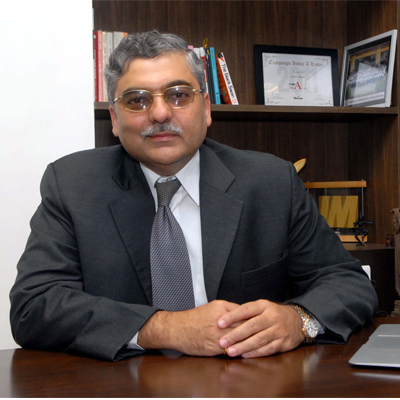
ET Now Brand Equity anchor Sonali Krishna congratulated BARC India CEO Partho Dasgupta, adding that she was “looking forward to it.”
And Indiantelevision.com founder & CEO Anil Wanvari tweeted: “Congrats Partho & BARC team.Look forward 2 some action from advertisers.”
And that is where the crunch lies. This is just week one; advertisers, agencies and broadcasters will probably not resort to any knee jerk reactions. They will play a wait and watch game. BARC’s viewership ratings will likely settle down and some trends will emerge as the weeks and months go by. Then each of them will have to rework their spends, programming, sales pitches and business models. Things will change further as it expands its sample and as television in Phase III and IV areas gets digitised over the next few years. It may have to respond to those changes with fine tuning how it studies viewing.