Tag: Arun Jaitley

  • High profile executive departures in 2016

    High profile executive departures in 2016

    MUMBAI/NEW DELHI: As the year comes to a close, let’s take a dekko at the major parting of ways between individuals and companies and also in companies themselves that hit the Indian broadcast, cable, satellite TV sectors. The list is definitely not comprehensive but the effort has been to try and cover what we at indiantelevision.com consider major split ups, including in the government.

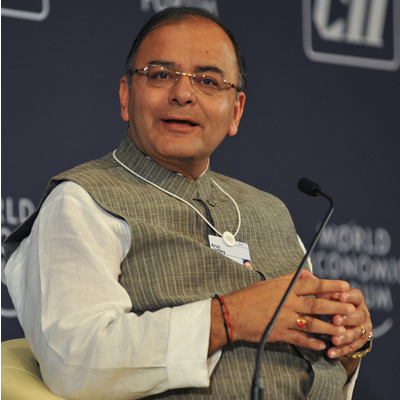
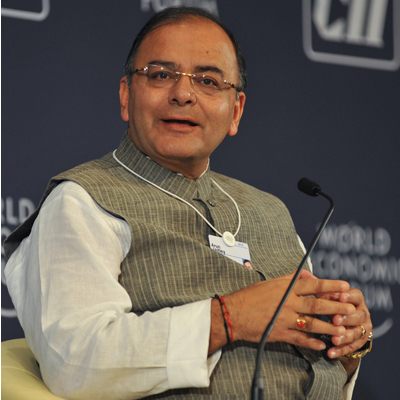
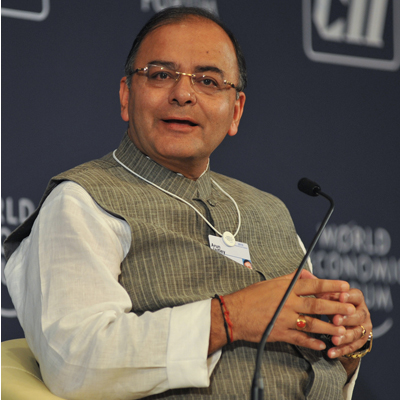
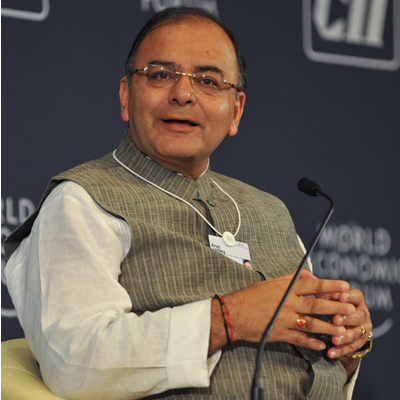
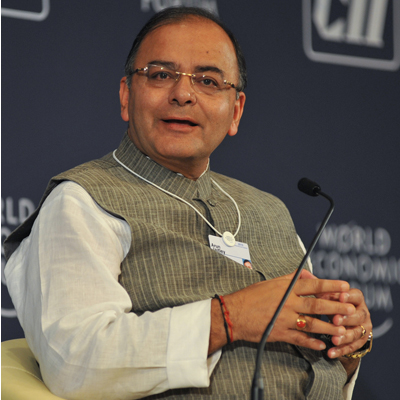
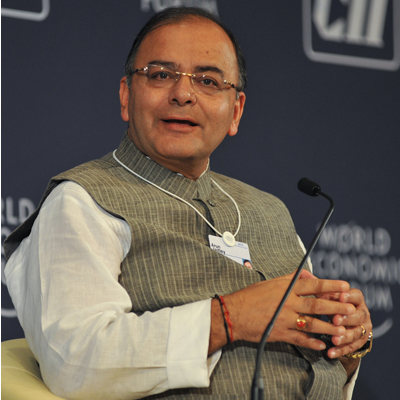
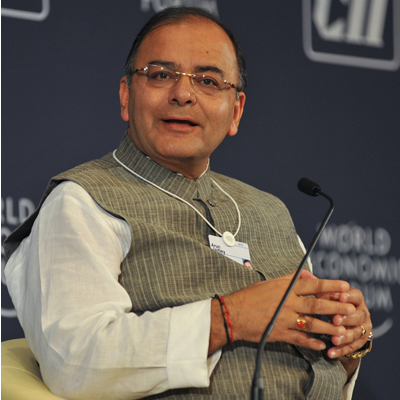
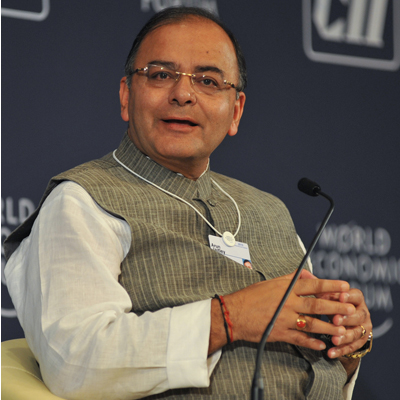
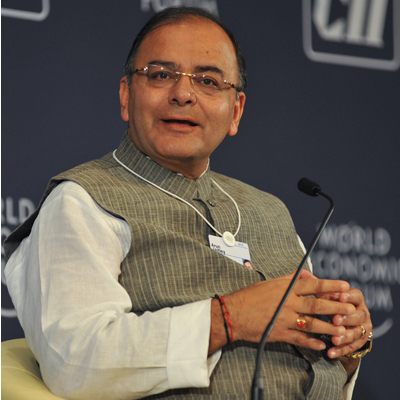
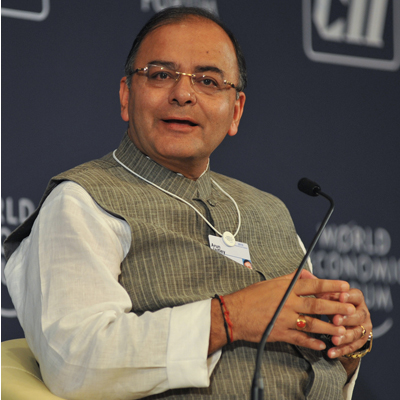
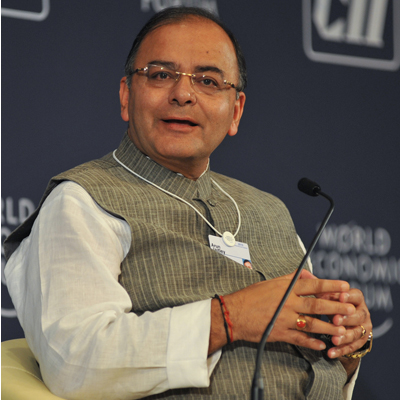
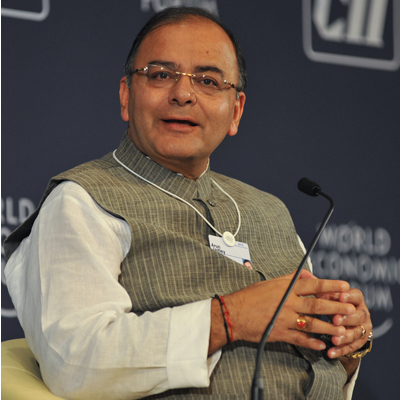
    Arun Jaitley: One of the most powerful politicians in the country was entrusted by PM Modi some very important portfolios when the BJP-led government came to power mid-2014.

    In a cabinet reshuffle in November 2014, Jaitley was also handed the important ministry of information & broadcasting (MIB) and he headed three ministries at one time, including the all-powerful Ministry of Finance.

    However mid-2016, MIB was handed to M. Venkaiah Naidu. Critics said it was PM’s way of sending a message to Jaitley, but with three ministries under him, it was asking too much from the man even as brilliant as he is. Jaitley retains the portfolios of  Corporate Affairs and Finance — and, probably, could turn out to be PM Modi’s best lieutenant in the all-out war on black economy declared via  demonetisation of high-value currency notes and other proposed measures .  

    Jawhar Sircar: A senior bureaucrat-academecian, he quit the government to take up in 2012 the challenging post of CEO of India’s pubcaster Prasar Bharati, overseeing the monolithic Doordarshan and the widely-reached All India Radio.

    An outspoken person and a hard taskmaster, Sircar attempted to bring about a revolution in Prasar Bharati’s way of functioning and improve its revenue and reach.

    Partially successful, he met with lot of resistance trying to change a slothful giant. In private, he admitted that what frustrated him was that the pubcaster is manned by a bunch corrupt, no-good, job-for-life-security-seeking blokes, who wanted to retain the status quo.

    With his tenure scheduled to end in first quarter of 2017, a “tired” Sircar (as per his own admissions on social media) finally threw in the towel and sought early retirement in October 2016, which was granted by the government. Sircar returned to his home base in Kolkata to lead a  retired life and giving talks on issues related to primarily arts. 

    Arnab Goswami: The popular anchor had made shouting out his guests as the trademark of his prime time show – News Hour on Times Now. So one only expected his departure to be as noisy – though it was unfathomable by many who thought he and the channel were one – conjoined at the hip.

    And Arnab did not disappoint. The media went berserk: mainline and trade portals, social media, could not stop talking about his departure for weeks, months, and they have not stopped even as the year is coming to a close.

    Goswami’s new venture, believed to be on the cutting edge of technology — and news – is christened Republic.

    Ashok Venkatramani: The CEO of ABP News saw the news network being reinvented, rebranded and recreated from Star News to ABP News a few years ago without losing viewership and business. Venkatramani strengthened the companys financials, brough in systems and rigour making ABP News a viable business operation. He improved the company’s margins, keeping costs under control, even as he expanded ABP News Network’s portfolio to five TV channels, six mobile products, six websites and three additional revenue verticals. Venkatramani quietly resigned without any hullabaloo in November after serving out his notice period. He was replaced by Atideb Sarkar, the son of ABP editor in chief Arup Sarkar.

    Rahul Shivshankar: He left News X in November 2016 to fill the the big shoes left behind by Arnab Goswami. The Kartikeya Sharma owned NewsX flourished under his ediorial leadershup of three years during the TAM era. The journey after BARC’s evolution was not  as good, but the former Headlines Today journalist has his own following.

    Known to be an insightful, incisive journalist, Shivshankar joined Times Now on 15 December as Chief Editor, returning to the company after six years.

    Shivshankar was Senior Editor in his previous stint at the Times Now. And he seems to have done well as Arnab’s replacement. Times Television Network CEO MK Anand has come on record to state that the news network’s viewership share has stayed intact, unaffected by the larger than life news anchor’s departure.

    Sameer Ahluwalia: In one of the more controversial moves, Zee Business head Sameer Ahluwalia parted ways with Zee Media Corp Ltd (ZMCL)  Ahluwalia was associated with the Zee Network for 19 years  and was known to be a close confidante of ZMCL chairman Subhash Chandra.

    Samir’s name was embroiled in the case of the alleged extortion of Rs 100 crore along with Zee News Editor-in-chief Sudheer Chaudhary. To make matters clear, the management had immediately accepted his resignation.

    RK Arora: Zee Media has seen a lot of changes in 2016, with RK Arora being one of those who made an entry and then an exit. Known for his industry acumen and powerful contacts, RK Arora quit Zee Media as executive director and chief cxecutive officer after a stint of around 15 months.

    Arora had joined Zee in May 2015 and parted ways in August 2016. The former News Nation strategic and operational head and ITV Network senior executive has moved onto a new venture JK Media and got into the business of running television news once again.

    Zee Media Group CEO News cluster Bhaskar Das: Leadership to him means delivering outcomes and not outputs. Identifying and mitigating pain-points come naturally to him. With a career spanning over three years, he was responsible for driving up the revenue of all news channels from the cluster that includes channels such as Zee News, Zee Business, Zee 24 Taas (Marathi) and 24 Ghanta (Bengali).

    Earlier this year, he was moved to Zee Entertainment’s media sales arm, Zee Unimedia. As the president and chief growth and innovation officer, he heads the group’s news business operations, including the digital properties.

    CNBC TV18 CEO Anil Uniyal: After working with the TV18 Broadcast for more than 15 years, Uniyal decided to hop on to the Raghav Bahl-Bloomberg venture. An insight provocateur, catalyst, a leader, he  served the network in various positions such as business director for Forbes, head of TV 18 Media operations, COO for Network 18 and lastly CEO for CNBC TV 18 and CNBC Awaaz. Uniyal joined as the CEO to lead Bahl’s joint venture with  Bloomberg.

    CNBC Awaaz and CNBC Bazaar editor Sanjay Pugalia: Right after the exit of Uniyal, Pugalia called it a day at Network18. He moved on after 12 years as editor of CNBC Awaaz and CNBC Bajar. Further, under his leadership CNBC Awaaz went to the number 1 position in its segment. Pugalia played an important role in the launch of Star News in India. He went on to join as president and editorial director of both, Raghav Bahl’s The Quint and Bloomberg Quint.

    India TV  CEO Paritosh Joshi: It’s all about respect and relationships for him. Acting as a strategist at India TV since 2012, he was brought on board as CEO in November 2015. While everyone hoped that this would be a long association, it was clearly taxing for him as he continued to commute between two metros. He has completed the circle and is back to being a strategist. The primary reason behind his exit was to return to his family in Mumbai. After quitting as the CEO of Star CJ Network in 2012, Joshi planned on starting his own venture in the media and entertainment space. He founded Principal, an advisory to advise clients on corporate strategy, marketing, revenue enhancement and other issues.

    Zee Digital Debashish Ghosh: With the explosion in the OTT and VOD ecosystem, opportunities are coming a-plenty for professionals. Zee Digital Convergence CEO Debashish Ghosh put in his papers at Zee Digital and hopped on board the Chinese tech and consumer electronics major LeEco. The salt and pepper coloured hair head took over as the new COO at LeEco’s India outfit in June 2016. While at Zee, he had taken charge of all the digital businesses of the Essel Group in India as CEO and whole time board director of India.com network in February 2013. He started his career with the Times of India Group in 1990 and worked as head of technology and advertising operations to becoming Times Business Solutions CEO in 2012.

    Zee TV Business Head Pradeep Hejmadi: From a broadcasting company to an audience measurement system and back to broadcasting, Hejmadi has seen it all. With multi-dimensional understanding of the media businesses, he moved from Nickelodeon India as director for business and operations to spearhead TAM media research as senior VP. He was responsible for revenue generation, client management, new business development and new product development. In July 2014, Zee Entertainment Enterprises Ltd (Zeel) appointed him as the business head of its flagship Hindi entertainment channel Zee TV.  Hejmadi called his last at Zee in May  2016 after spending two years with the company.

    Disney India CEO Siddharth Roy Kapur:  Kapur was one of the newsmakers  of the year 2016. He is married to the beuatiful Vidya Balan and his brothrs Aditya and Kunal have made a mark for themselves in Bollywood as on-screen talent.

    Siddharth quit Disney India as managing director in October to explore his own business interests. He was replaced by Mahesh Samat, the former CEO, who returned to the position that he held between 2008 and 2012, and officially took charge on November 28.

    While working for the company, Kapur introduced the Indian Broadway version of the timeless classic ‘Beauty and the Beast’, which was a huge success, apart from launching a slate of Bollywood projects for the studio and fine tuning the network’s channel bouquet.

    He joined UTV in 2005, took over as chief executive officer of UTV Motion Pictures in 2008 and after the integration of UTV with The Walt Disney Co. (India) in 2012, held the role of managing director-studios.

    He was promoted as managing director of Disney India in 2014.


    S.N. Sharma: He left a company he helped cofound to assist Reliance Industries boss Mukesh Ambani’s Jio to roll out a national cable TV and broadband network. But earlier this year, cable vet SN Sharma quit Jio to go back to his  original home DEN Networks.

    His former boss  Sameer Manchanda gave him a call and told him he needed his help to whip the floundering national MSO into shape. SN – not one to ignore a challenge – took up the assignment. Pradeep Parmeswaran the DEN CEO stepped down,  paving  the way for Sharma to come back, and continued  as an advisor to the company.

    Sharma has his task cut out but he has been taking strong but effective  steps with the company’s national jont ventures and he is steering it strongly into broadband. He  has confessed his stint at Reliance Jio has imbibed in him a telecom rigour which should go a long way in helping steer  DEN Networks into the fast lane.


    Jagdish Kumar Pillai: The buzz was anyway gaining in strength; that Jagdish Kumar was counting his days at the national MSO – probably the most respected nationally. And that he had got the go-ahead to depart from both the Hathway Cable & Datacom management and director Viren Raheja who has been spearheading his father Rajan  Rahejas’s  cable TV venture.

    With cable TV ARPUs being restrained the company is being restructured with Jagidish quitting and being replaced by Hathway broadband president  Rajan Gupta who was named the managing director. President – video business T. Panesar was also elevated as CEO-video business.

    Jagdish who was with the MSO for around half a decade said he was taking a sabbatical before making his  next move.


  • Less-cash to digital economy the goal, but remonetisation behaviour uncertain, feels Jaitley

    Less-cash to digital economy the goal, but remonetisation behaviour uncertain, feels Jaitley

    NEW DELHI: Huawei Telecommunications India CEO Jay Chen has said that demonetisation and the resultant shift to digital economy will help India bridge the digital gap and transform the country into a digitally empowered society and knowledge economy.

    Addressing a ‘Digital Economic Forum 2016’ organised by Times Network in association with Huawei India, Chen said “Today India is at the centre of the world’s attention thanks to the vision and leadership of the present Government. Key national initiatives have given an impetus to the Indian economy. Digital India specifically, is the engine of all the key initiatives. We believe the recent drive by the Government towards digital payments is the heart of a digital economy. The recent high value currency demonetisation is a lifetime opportunity for India to leapfrog into a digital economy.”

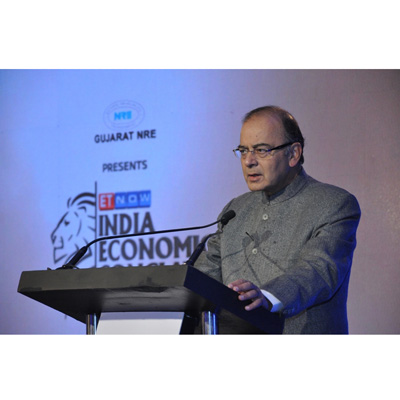
    Other speakers included Finance Minister Arun Jaitley, and Power and Coal Minister Piyush Goyal and those present included Vodafone India External Regulatory Affairs Director P Balaji, Mobikwik founder andf CEO Bipin Preet Singh, Shopclues founder Sanjay Sethi and State Bank of India MD Praveen Kumar. The forum included a panel discussion on ‘Digi-Monetisation: Sparking a less cash economy in India’ that involved participation from key industry experts.

    Jaitley said, “Management of the economy does not depend on the kind of slogans people create. India is an economy that has been suffering with a high cost of capital. The ultimate goal is to digitise the economy. A less-cash economy is supplemented with a digital economy. There is no settled behaviour as to how people will behave when remonetisation sets in. Digitising the economy gives us a great opportunity. Over the next few years, the incremental impact of Digi- monetisation will also be felt in the economy. Lastly, we should make political funding transparent.”

    Goyal said “Digital push was an integral part of demonetization exercise. Any move as big as demonetisation is bound to have some small issues. Today telecom companies have confirmed that spectrum is no longer an issue. Once the person gets addicted to digital transaction, then the possibility of fraud will also reduce. Currently we are looking for a change in the working and mindset of the country. As we say that, the country’s youth have a lot of potential for innovation. Lastly, I would like to congratulate the Times Network for such an initiative like Digital Economy Forum.”

    Times Network executive editor Navika Kumar moderated Q and A sessions with Jaitley and Goyal.

    Times Network MD and CEO M K Anand said, “As a successful media company we have to be aware of the pulse of our audience. In the last 12 years, we have seen a distinct change in the mood of this country. Indians are in a hurry to progress. And they are willing to undergo pain if needed to quickly move forward. We have aptly captured and reflected this mood of the nation in our hallmark tagline NOW or Nothing. This mood of the people is reflected by the most action oriented government that this country has seen in a long while. Demonetisation or remonetisation as we call it is an expression of Now or Nothing. As India’s premium network for influencers, we believe it is within our power and mandate to contribute to this historic endeavor. Amongst a series of initiatives aimed at bringing clarity and accelerating much needed understanding and action in this area, the Digital Economy Forum has been designed to look at Digitisation as a means and an end to Demonetisation and the benefits thereof.”

  • Less-cash to digital economy the goal, but remonetisation behaviour uncertain, feels Jaitley

    Less-cash to digital economy the goal, but remonetisation behaviour uncertain, feels Jaitley

    NEW DELHI: Huawei Telecommunications India CEO Jay Chen has said that demonetisation and the resultant shift to digital economy will help India bridge the digital gap and transform the country into a digitally empowered society and knowledge economy.

    Addressing a ‘Digital Economic Forum 2016’ organised by Times Network in association with Huawei India, Chen said “Today India is at the centre of the world’s attention thanks to the vision and leadership of the present Government. Key national initiatives have given an impetus to the Indian economy. Digital India specifically, is the engine of all the key initiatives. We believe the recent drive by the Government towards digital payments is the heart of a digital economy. The recent high value currency demonetisation is a lifetime opportunity for India to leapfrog into a digital economy.”

    Other speakers included Finance Minister Arun Jaitley, and Power and Coal Minister Piyush Goyal and those present included Vodafone India External Regulatory Affairs Director P Balaji, Mobikwik founder andf CEO Bipin Preet Singh, Shopclues founder Sanjay Sethi and State Bank of India MD Praveen Kumar. The forum included a panel discussion on ‘Digi-Monetisation: Sparking a less cash economy in India’ that involved participation from key industry experts.

    Jaitley said, “Management of the economy does not depend on the kind of slogans people create. India is an economy that has been suffering with a high cost of capital. The ultimate goal is to digitise the economy. A less-cash economy is supplemented with a digital economy. There is no settled behaviour as to how people will behave when remonetisation sets in. Digitising the economy gives us a great opportunity. Over the next few years, the incremental impact of Digi- monetisation will also be felt in the economy. Lastly, we should make political funding transparent.”

    Goyal said “Digital push was an integral part of demonetization exercise. Any move as big as demonetisation is bound to have some small issues. Today telecom companies have confirmed that spectrum is no longer an issue. Once the person gets addicted to digital transaction, then the possibility of fraud will also reduce. Currently we are looking for a change in the working and mindset of the country. As we say that, the country’s youth have a lot of potential for innovation. Lastly, I would like to congratulate the Times Network for such an initiative like Digital Economy Forum.”

    Times Network executive editor Navika Kumar moderated Q and A sessions with Jaitley and Goyal.

    Times Network MD and CEO M K Anand said, “As a successful media company we have to be aware of the pulse of our audience. In the last 12 years, we have seen a distinct change in the mood of this country. Indians are in a hurry to progress. And they are willing to undergo pain if needed to quickly move forward. We have aptly captured and reflected this mood of the nation in our hallmark tagline NOW or Nothing. This mood of the people is reflected by the most action oriented government that this country has seen in a long while. Demonetisation or remonetisation as we call it is an expression of Now or Nothing. As India’s premium network for influencers, we believe it is within our power and mandate to contribute to this historic endeavor. Amongst a series of initiatives aimed at bringing clarity and accelerating much needed understanding and action in this area, the Digital Economy Forum has been designed to look at Digitisation as a means and an end to Demonetisation and the benefits thereof.”

  • Jaitley, stakeholders discuss broadband speed & penetration, wi-fi, digitisation, open Net & cyber security

    Jaitley, stakeholders discuss broadband speed & penetration, wi-fi, digitisation, open Net & cyber security

    NEW DELHI: Finance minister Arun Jaitley has said the electronic market in India is one of the largest in the world, and is expected to reach $400 billion in 2020.

    Jaitley said that India’s competence in IT-Software was recognised globally and, in recent times, software development and Information Technology Enabled Services (ITeS, including BPO & KPO) industry had emerged as one of the most dynamic and vibrant sectors in India. He said that the government recognised the potential of IT sector, hence electronic systems and IT & BPM (Business Process Management) are included among 25 sectors in the ‘Make in India’ programme.

    In a pre-budget consultation with stakeholders from IT (Software / Hardware) Sector, he said that India’s external position was more robust of late, and the return to resilience to periodic global shocks was sustainable with lower trade and Current Account Deficits, stable exchange regime and the sound buffer of forex reserves.

    During the meeting, various suggestions were received from the participants for boosting the IT sector. It was brought forth that Government support was required for IT sector in view of increasing trends of protectionism and anti-globalisation abroad. Also rapid changing nature of technology in IT field makes it imperative to focus on R&D in IT, hence, the Government needs to promote R&D and innovation in IT sector in a big way.

    Further, there are issues about speed and penetration of broadband in India. Number of Wi-Fi hotspots is very low in the country. Hence, it was suggested that over-ground towers and underground fiber cable network need to be improved in a big way. At the consumer end, smart phone prices need to be further brought down so that broadband is more accessible to masses.

    It was appreciated in the discussion that green shoots are visible in smart phone manufacturing industry in India and manufacturing of these phones is increasing rapidly. Also, the street price of these Indian-made smart phones is competitive when compared to Chinese-made phones. So, the next logical focus of Indian smart phone manufacturers should be to target the export market.

    To further boost electronic manufacturing in country, suggestions were made to extend the duty differential scheme to all ITA goods, specifically for personal computers (Desktop, Laptop). A proposal requested that list of CPE goods should be make comprehensive for Duty Differential Scheme to further promote and implement ‘Make in India’ initiative. Representatives sought that this scheme must continue to exist in GST regime.

    A proposal for a ‘Component Trading Hub’ was discussed to create an ecosystem for electronics and IT hardware manufacturing. It would bring down logistics costs by creating robust infrastructure for connectivity. Participants also insisted on the need to encourage populated PCBs manufacturing in the country by restricting their direct imports.

    A representative from a robotic firm requested for incentives to boost the robotics sector in country which is non-existent now.

    Adoption of personal computers will be a catalyst for transformation of country to a digital economy and knowledge economy. It was also proposed that easy loans (3-4% per annum) should be provided by banks for the purchase of personal computers and cost of PC should be allowed for deduction under Section 80C of Income Tax Act.

    Concerns were shown in the meeting that increasing digitisation should not lead to increased digital divide in the country. So internet need to be more open, transparent and easily accessible to all. Suggestions were given to improve cyber security structure in India and establish a cyber test range. It was proposed that there should be a mechanism for reporting any vulnerability detected in a Government software System by any private person/agency.

    Along with Jaitley, the Meeting with the representatives of IT (Hardware & Software) Sector was also attended by Minister of State for Finance Santosh Gangwar, MoS (Finance &Corporate Affairs) Arjun Ram Meghwal, Finance Secretary Ashok Lavasa, Economic Affairs Affairs Department Secretary Shaktikanta Das, Financial Services Secretary Ms Anjuli Chib Duggal, Telecom Secretary J S Deepak, Department of Electronics & Information Technology (DEITY) Secretary Ms Aruna Sundararajan, Chief Economic Adviser (CEA) Dr. Arvind Subramanian, and Central Board of Direct Taxes Chairman Sushil Chandra.

    The representatives of the IT (Hardware & Software) Sector present during the meeting included NASSCOM President R Chandrashekhar, Broadband India Forum President T V Ramachandran, CMAI Association of India President N K Goyal, Fast Task Force & National President of Indian Cellular Association Pankaj Mahindroo, Electronics and Computer Software Export Promotion Council Chairman Prasad Garapati, Manufactures Association for Information Technology (MAIT) Vice President Nitin Kunkolienker, Electronic Industries Association of India Prtesident Vikram Desai, Ms Jaspreet Grewal of The Centre for Internet & Society, U B Praveen of Infosys, Arvind V.S. from WIPRO, Pauroos D Karkaria fromTCS, Ms Nisha Tompson who is Founder of Datameet, Ajith Pai who is COO of Delhivery, Sunil Dutt who is President, Device Sales, Jio Mobiles, and Grey Orange India CFO Vartul Jain among others.

  • Jaitley, stakeholders discuss broadband speed & penetration, wi-fi, digitisation, open Net & cyber security

    Jaitley, stakeholders discuss broadband speed & penetration, wi-fi, digitisation, open Net & cyber security

    NEW DELHI: Finance minister Arun Jaitley has said the electronic market in India is one of the largest in the world, and is expected to reach $400 billion in 2020.

    Jaitley said that India’s competence in IT-Software was recognised globally and, in recent times, software development and Information Technology Enabled Services (ITeS, including BPO & KPO) industry had emerged as one of the most dynamic and vibrant sectors in India. He said that the government recognised the potential of IT sector, hence electronic systems and IT & BPM (Business Process Management) are included among 25 sectors in the ‘Make in India’ programme.

    In a pre-budget consultation with stakeholders from IT (Software / Hardware) Sector, he said that India’s external position was more robust of late, and the return to resilience to periodic global shocks was sustainable with lower trade and Current Account Deficits, stable exchange regime and the sound buffer of forex reserves.

    During the meeting, various suggestions were received from the participants for boosting the IT sector. It was brought forth that Government support was required for IT sector in view of increasing trends of protectionism and anti-globalisation abroad. Also rapid changing nature of technology in IT field makes it imperative to focus on R&D in IT, hence, the Government needs to promote R&D and innovation in IT sector in a big way.

    Further, there are issues about speed and penetration of broadband in India. Number of Wi-Fi hotspots is very low in the country. Hence, it was suggested that over-ground towers and underground fiber cable network need to be improved in a big way. At the consumer end, smart phone prices need to be further brought down so that broadband is more accessible to masses.

    It was appreciated in the discussion that green shoots are visible in smart phone manufacturing industry in India and manufacturing of these phones is increasing rapidly. Also, the street price of these Indian-made smart phones is competitive when compared to Chinese-made phones. So, the next logical focus of Indian smart phone manufacturers should be to target the export market.

    To further boost electronic manufacturing in country, suggestions were made to extend the duty differential scheme to all ITA goods, specifically for personal computers (Desktop, Laptop). A proposal requested that list of CPE goods should be make comprehensive for Duty Differential Scheme to further promote and implement ‘Make in India’ initiative. Representatives sought that this scheme must continue to exist in GST regime.

    A proposal for a ‘Component Trading Hub’ was discussed to create an ecosystem for electronics and IT hardware manufacturing. It would bring down logistics costs by creating robust infrastructure for connectivity. Participants also insisted on the need to encourage populated PCBs manufacturing in the country by restricting their direct imports.

    A representative from a robotic firm requested for incentives to boost the robotics sector in country which is non-existent now.

    Adoption of personal computers will be a catalyst for transformation of country to a digital economy and knowledge economy. It was also proposed that easy loans (3-4% per annum) should be provided by banks for the purchase of personal computers and cost of PC should be allowed for deduction under Section 80C of Income Tax Act.

    Concerns were shown in the meeting that increasing digitisation should not lead to increased digital divide in the country. So internet need to be more open, transparent and easily accessible to all. Suggestions were given to improve cyber security structure in India and establish a cyber test range. It was proposed that there should be a mechanism for reporting any vulnerability detected in a Government software System by any private person/agency.

    Along with Jaitley, the Meeting with the representatives of IT (Hardware & Software) Sector was also attended by Minister of State for Finance Santosh Gangwar, MoS (Finance &Corporate Affairs) Arjun Ram Meghwal, Finance Secretary Ashok Lavasa, Economic Affairs Affairs Department Secretary Shaktikanta Das, Financial Services Secretary Ms Anjuli Chib Duggal, Telecom Secretary J S Deepak, Department of Electronics & Information Technology (DEITY) Secretary Ms Aruna Sundararajan, Chief Economic Adviser (CEA) Dr. Arvind Subramanian, and Central Board of Direct Taxes Chairman Sushil Chandra.

    The representatives of the IT (Hardware & Software) Sector present during the meeting included NASSCOM President R Chandrashekhar, Broadband India Forum President T V Ramachandran, CMAI Association of India President N K Goyal, Fast Task Force & National President of Indian Cellular Association Pankaj Mahindroo, Electronics and Computer Software Export Promotion Council Chairman Prasad Garapati, Manufactures Association for Information Technology (MAIT) Vice President Nitin Kunkolienker, Electronic Industries Association of India Prtesident Vikram Desai, Ms Jaspreet Grewal of The Centre for Internet & Society, U B Praveen of Infosys, Arvind V.S. from WIPRO, Pauroos D Karkaria fromTCS, Ms Nisha Tompson who is Founder of Datameet, Ajith Pai who is COO of Delhivery, Sunil Dutt who is President, Device Sales, Jio Mobiles, and Grey Orange India CFO Vartul Jain among others.

  • IBF demands ‘infrastructure status’ for broadcast and content distribution sector

    IBF demands ‘infrastructure status’ for broadcast and content distribution sector

    MUMBAI: Finance Minister Arun Jaitley invited various stakeholders for pre-Budget consultations in New Delhi last Saturday (26 November). Speaking to the media Indian Broadcasting Foundation (IBF) president Punit Goenka said: “I am happy to learn that IBF had good discussions with the finance minister and other key officials on some of the key issues related to Broadcasting Sector – both from policy and tax perspective. Grant of Infrastructure Status for broadcasting and content distribution sector was one of our key demands during the discussions. Once infrastructure status is granted, broadcasters and distribution platforms will be aided with better and affordable financing options in the very capital intensive growth phase to realise the mission of complete digitisation in the country”.

    During the pre-Budget discussions, IBF secretary general Girish Srivastava said that, “The broadcasting and content distribution infrastructure like telecom, is important infrastructure for the country. Besides delivering digital television signals, it can be effectively used to deliver broadband services and thereby effectively contributing to the e-Governance initiative of the Government. Once the addressability is introduced by way of digitalisation, broadcast services are likely to contribute substantial revenue in the form of GST and other taxes to the State exchequer because of the transparency associated with the digital content distribution services.”

    On the tax front, key concerns raised were related to extending the benefit of the carry forward of losses in case of amalgamation or merger for Broadcasting sector under section 72A as is being extended to Telecom, Software and ISP services, taxability in the hands of shareholders in case of amalgamation of a foreign company holding shares in Indian company into another foreign company, provision of lowering the outer limit in processing of returns, reduction in MAT rate, resolving the long standing issue of tax withholding on transponder hire charges treating them as Royalty because of retrospective amendment in Income Tax vis-à-vis DTAA which is causing a huge unnecessary annual burden of US$ 20 – $ 22 million on Broadcasting, DTH & HITS services etc.

    “Once our key demands raised on tax and regulatory front such as grant of infrastructure status, 72 A benefit, MAT rationalization, Transponder Royalty, TDS rationalization etc pertaining to both policy and procedural aspects are addressed by the Government, it would be a good example in the direction of ease of doing business in country” said ZEE Network president A Mohan.

    Mohan added further: “Television has become an integral part of everyone’s life and has attained a status akin to “essential services” as it is an important tool for dissemination of information and entertainment to masses. Accordingly Broadcasting and Distribution services should be subjected to a lower rate under GST regime as is applicable to essential services, to make them affordable to masses.”

    On the issue of taxability in the hands of shareholders in case of amalgamation of a foreign company holding shares in Indian company into another foreign company, Star India CFO Sanjay Jain mentioned that, “The Government should issue an amendment to the provisions to the Act to specify that similar exemption is available to shareholders as well on a high priority. The purpose of allowing merger of foreign companies would be defeated without extending similar exemption in the hands of shareholders of amalgamating company.”

  • IBF demands ‘infrastructure status’ for broadcast and content distribution sector

    IBF demands ‘infrastructure status’ for broadcast and content distribution sector

    MUMBAI: Finance Minister Arun Jaitley invited various stakeholders for pre-Budget consultations in New Delhi last Saturday (26 November). Speaking to the media Indian Broadcasting Foundation (IBF) president Punit Goenka said: “I am happy to learn that IBF had good discussions with the finance minister and other key officials on some of the key issues related to Broadcasting Sector – both from policy and tax perspective. Grant of Infrastructure Status for broadcasting and content distribution sector was one of our key demands during the discussions. Once infrastructure status is granted, broadcasters and distribution platforms will be aided with better and affordable financing options in the very capital intensive growth phase to realise the mission of complete digitisation in the country”.

    During the pre-Budget discussions, IBF secretary general Girish Srivastava said that, “The broadcasting and content distribution infrastructure like telecom, is important infrastructure for the country. Besides delivering digital television signals, it can be effectively used to deliver broadband services and thereby effectively contributing to the e-Governance initiative of the Government. Once the addressability is introduced by way of digitalisation, broadcast services are likely to contribute substantial revenue in the form of GST and other taxes to the State exchequer because of the transparency associated with the digital content distribution services.”

    On the tax front, key concerns raised were related to extending the benefit of the carry forward of losses in case of amalgamation or merger for Broadcasting sector under section 72A as is being extended to Telecom, Software and ISP services, taxability in the hands of shareholders in case of amalgamation of a foreign company holding shares in Indian company into another foreign company, provision of lowering the outer limit in processing of returns, reduction in MAT rate, resolving the long standing issue of tax withholding on transponder hire charges treating them as Royalty because of retrospective amendment in Income Tax vis-à-vis DTAA which is causing a huge unnecessary annual burden of US$ 20 – $ 22 million on Broadcasting, DTH & HITS services etc.

    “Once our key demands raised on tax and regulatory front such as grant of infrastructure status, 72 A benefit, MAT rationalization, Transponder Royalty, TDS rationalization etc pertaining to both policy and procedural aspects are addressed by the Government, it would be a good example in the direction of ease of doing business in country” said ZEE Network president A Mohan.

    Mohan added further: “Television has become an integral part of everyone’s life and has attained a status akin to “essential services” as it is an important tool for dissemination of information and entertainment to masses. Accordingly Broadcasting and Distribution services should be subjected to a lower rate under GST regime as is applicable to essential services, to make them affordable to masses.”

    On the issue of taxability in the hands of shareholders in case of amalgamation of a foreign company holding shares in Indian company into another foreign company, Star India CFO Sanjay Jain mentioned that, “The Government should issue an amendment to the provisions to the Act to specify that similar exemption is available to shareholders as well on a high priority. The purpose of allowing merger of foreign companies would be defeated without extending similar exemption in the hands of shareholders of amalgamating company.”

  • FM P-III second batch auction from 25 Oct; 14 in fray

    FM P-III second batch auction from 25 Oct; 14 in fray

    NEW DELHI: The e-auction of the second batch of FM Phase III will commence on 25 October 2016 from 09.30am.

    The Information and Broadcasting Ministry announced that as stipulated in the Notice Inviting Applications of 20 June 2016, bidders are required to submit their bid for at least one city in the first Clock Round. Any bidder failing to do so in the first Clock Round will forfeit its EMD in its entirety.

    The Ministry said any assistance in this regard is available on contact helpdesk +91-124- 430 2039 or support@c1eauctions.com. The second batch of FM Radio Phase-III channels comprises 266 channels in 92 cities. The channels include 227 channels in 69 fresh cities and 39 channels in 23 existing cities which had remained unsold as there were no bids.

    As in the first stage, the e-auctions will be conducted by C1 India Private Ltd. A Pre Bid conference was held on 11 July 2016, following by training and then a mock auction earlier this month.

    After the pre-qualification of bidders, the shortlist is:

    | 1 | Abhijit Realtors & lnfraventures (P) Ltd. |
    | 2 | Dharmik lnfomedia Private Ltd. |
    | 3 | Entertainment Network (I) Ltd. |
    | 4 | Hotel Polo Towers (P) Ltd. |
    | 5 | JCL Infra Limited |
    | 6 | Kal Radio Limited |
    | 7 | Malar Publication (P) Ltd. |
    | 8 | Purvy Broadcasts (P) Ltd. |
    | 9 | Rockstar El Private Limited |
    | 10 | Sambhaav Media Ltd. |
    | 11 | South Asia FM Limited |
    | 12 | The Malayala Manorama Co. Ltd. |
    | 13 | The Mathrubhumi Printing & Publishing Co. Ltd. |
    | 14 | Ushodaya Enterprises Private Limited |

    The first payment of 25 per cent of the successful bid amount will be made within five calendar days, and the remaining within 15 calendar days of the close of the auction and notification of successful bidders by the Government. The e-auction of the first batch of private FM radio phase-III comprising 135 channels in 69 Phase-II existing cities commenced on 27 July and was completed on 9 September after 125 rounds of bidding. Out of these, no bid was received in 13 cities having 26 channels, and partial bids were received in 9 cities with 12 channels remaining unsold, which Information and Broadcasting Minister Arun Jaitley justified on the ground of “the demand – supply based market economics and bidder’s strategy”. However, he told the Parliament on 4 December 2015 that the Ministry had received the full payment of Rs.1055.9 crore notified on 16 September by 1 October.

    Against the cumulative reserve price of Rs.550.18 crore for 135 channels, the government received aggregate provisional commitment of Rs.1156.9 crore for 97 channels in 56 cities. Out of 97 channels, 53 channels in 35 cities were sold at a premium over reserve price whereas 44 channels in 21 cities were sold at reserve price. The Ministry had decided to conduct e-auction of FM Radio Channels in batches under the extant FM Phase-III Policy.

  • FM P-III second batch auction from 25 Oct; 14 in fray

    FM P-III second batch auction from 25 Oct; 14 in fray

    NEW DELHI: The e-auction of the second batch of FM Phase III will commence on 25 October 2016 from 09.30am.

    The Information and Broadcasting Ministry announced that as stipulated in the Notice Inviting Applications of 20 June 2016, bidders are required to submit their bid for at least one city in the first Clock Round. Any bidder failing to do so in the first Clock Round will forfeit its EMD in its entirety.

    The Ministry said any assistance in this regard is available on contact helpdesk +91-124- 430 2039 or support@c1eauctions.com. The second batch of FM Radio Phase-III channels comprises 266 channels in 92 cities. The channels include 227 channels in 69 fresh cities and 39 channels in 23 existing cities which had remained unsold as there were no bids.

    As in the first stage, the e-auctions will be conducted by C1 India Private Ltd. A Pre Bid conference was held on 11 July 2016, following by training and then a mock auction earlier this month.

    After the pre-qualification of bidders, the shortlist is:

    | 1 | Abhijit Realtors & lnfraventures (P) Ltd. |
    | 2 | Dharmik lnfomedia Private Ltd. |
    | 3 | Entertainment Network (I) Ltd. |
    | 4 | Hotel Polo Towers (P) Ltd. |
    | 5 | JCL Infra Limited |
    | 6 | Kal Radio Limited |
    | 7 | Malar Publication (P) Ltd. |
    | 8 | Purvy Broadcasts (P) Ltd. |
    | 9 | Rockstar El Private Limited |
    | 10 | Sambhaav Media Ltd. |
    | 11 | South Asia FM Limited |
    | 12 | The Malayala Manorama Co. Ltd. |
    | 13 | The Mathrubhumi Printing & Publishing Co. Ltd. |
    | 14 | Ushodaya Enterprises Private Limited |

    The first payment of 25 per cent of the successful bid amount will be made within five calendar days, and the remaining within 15 calendar days of the close of the auction and notification of successful bidders by the Government. The e-auction of the first batch of private FM radio phase-III comprising 135 channels in 69 Phase-II existing cities commenced on 27 July and was completed on 9 September after 125 rounds of bidding. Out of these, no bid was received in 13 cities having 26 channels, and partial bids were received in 9 cities with 12 channels remaining unsold, which Information and Broadcasting Minister Arun Jaitley justified on the ground of “the demand – supply based market economics and bidder’s strategy”. However, he told the Parliament on 4 December 2015 that the Ministry had received the full payment of Rs.1055.9 crore notified on 16 September by 1 October.

    Against the cumulative reserve price of Rs.550.18 crore for 135 channels, the government received aggregate provisional commitment of Rs.1156.9 crore for 97 channels in 56 cities. Out of 97 channels, 53 channels in 35 cities were sold at a premium over reserve price whereas 44 channels in 21 cities were sold at reserve price. The Ministry had decided to conduct e-auction of FM Radio Channels in batches under the extant FM Phase-III Policy.

  • GST Constitutional Amendment Bill gets Lok Sabha nod after amendments

    GST Constitutional Amendment Bill gets Lok Sabha nod after amendments

    NEW DELHI: The long-awaited Goods and Services Tax Bill (GST), which has been riddled by several controversies which began in the time of the UPA government, has finally been passed with amendments worked out to pacify a vociferous opposition which held the majority in the Rajya Sabha.

    Although the Bill had been passed earlier in the Lok Sabha, an adamant Congress insisted on some changes which were worked out after talking to all states and the opposition parties.

    Thereafter, the amended bill had been introduced in the Rajya Sabha and passed last week. However, in view of the amendments, the amended Bill had to go through the entire rigmarole of a discussion in the Lok Sabha before it was passed unanimously.

    As the GST Bill is in the form of a Constitution Amendment, the rules required that it had to be passed by two-thirds of the members present and voting.

    The Amendment Bill will now go for Presidential assent to Pranab Mukherjee, but can become law only after it is ratified by at least fifteen state governments. The government hopes to get the approval within 30 days as it has set a deadline of 1 April 2017 for implementation of GST. Several states will have to call for special sessions to clear GST in the next 30 days.

    The Bill, which Finance Minister Arun Jaitley describes as a “one nation one tax” bill, was described by Prime Minister Narendra Modi as a major step “that will deliver us from tax terrorism.” He said “GST means a Great Step Taken by India, a Great Step of Transformation, Great Step towards Transparency.”

    Jaitley said India’s biggest tax reform will see the centre and states “pooling their sovereignty to reap the many benefits that will ultimately lead to India’s progress”. He claimed that “Tax evasion will lessen, there will be no tax on tax or a cascade of taxes and ease of doing business will improve.”

    The Rajya Sabha, where the government is in a minority, had passed the bill unanimously last week, with 203 members supporting and none against.

    Interestingly, the Congress reminded the government today that it had got the Bill passed in the Lok Sabha last year by the sheer dint of its numerical strength and not consensus.

    A GST council will be formed after that with states and the centre as members. This council will recommend rates and other modalities for GST, which will replace a raft of different state and local taxes with a single unified value added tax system turning India into world’s biggest single market.

    Parliament will need to clear two more GST-related bills and each state will have to pass its own law. The government will push to get this done in the winter session of Parliament to meet the deadline.

    FICCI President Harvardhan Neotia said: “The approval of the Constitutional Amendment Bill marks crossing of another milestone in the journey towards introduction of a Goods and Services Tax (GST) regime in the country. The industry eagerly looks forward to the implementation of this uniform and simplified tax regime. It is expected that GST will lead to easy tax compliance and improve India’s competitiveness in the global arena. Implementation of GST will be a big incentive for bringing new investments into India and eventually will foster the growth of the Indian economy. FICCI would be privileged to work with and support the Central and State Governments in enabling a timely and hassle-free roll out of GST in India”