Tag: ARPU

  • Q2-17: Airtel Digital TV revenue up, sees highest subscriber growth

    Q2-17: Airtel Digital TV revenue up, sees highest subscriber growth

    BENGALURU: Indian telecom major Bharti Airtel Limited’s Digital TV Services segment (DTH segment) reported 21.9 percent year-over-year (y-o-y) increase in operating revenues for the quarter ended 30 September 2016 (Q2-17, current quarter). Also, Operating Profit (Earnings Before interest and Tax – EBIT) of the DTH segment in the current quarter more than quadrupled (by 4.11 times) y-o-y.

    Airtel DTH reported revenues of Rs 854.5 crore in Q2-17 and Rs 706.8 crore in Q2-16. EBIT for the corresponding periods was Rs 69.9 crore (8.2 percent margin of the segment’s operating revenue) and Rs 1.7 crore (2.4 percent margin of the segment’s operating revenue) respectively.

    However, quarter-over-quarter (q-o-q) the segment reported 42.7 percent drop in EBIT for the current quarter as compared to Rs 121.9 crore (14.6 percent margin of the segment’s operating revenue) in the immediate trailing quarter. Revenue in Q2-17 was 2.1 percent higher q-o-q than Rs 836.9 crore in Q1-17.

    Subscription numbers, ARPU

    Airtel’s DTH segment added 18.29 lakh subscribers between Q2-16 and Q2-17, or a 17.3 percent y-o-y increase. The company says that this is the highest growth in percentage terms over seventeen quarters. It had 124.05 lakh subscribers as on 30 September 2016. Q-o-q, the segment witnessed a 2.1 percent growth (2.56 lakh adds) in subscribers from 121.49 lakh in Q1-17.

    ARPU in Q2-17 increased to Rs 232 from Rs 224 in the corresponding year ago quarter, but declined marginally (by Re 1) from Rs 233 in the immediate trailing quarter.

    Airtel numbers

    Bharti Airtel Limited saw a 3.4 percent increase in operating revenue to Rs 24,651.5 crore in Q2-17 as compared to Rs 23,835.7 crore in Q2-16, but witnessed a 3.5 percent q-o-q decline from Rs 25,546.5 crore. Profit after tax (PAT) in the current quarter declined 4.9 percent y-o-y to Rs 1,460.7 crore (5.9 percent margin) from Rs 1,536.1 crore (6.4 percent margin) and was almost flat (0.1 percent decline) q-o-q as compared to Rs 1,462 crore (5.7 percent margin).

    The JIO effect – Company speak.

    In a statement, Airtel MD and CEO, India & South Asia, Gopal Vittal said, “Our strong focus on enhancing customer experience and building a robust network has resulted in continued acceleration of revenue market share. Overall revenue momentum in India has been sustained during Q2 with a growth of 10.1 percent y-o-y. This is primarily due to the strong performance of our non-mobile businesses which grew in aggregate at 18.8 percent y-o-y, albeit our mobile business has experienced a slowdown in growths due to free services being offered by a new operator. But, we remain excited about the long term opportunity in India and believe that with the recently acquired spectrum, we are well positioned to lead India’s data revolution”.

     

  • Q2-17: Airtel Digital TV revenue up, sees highest subscriber growth

    Q2-17: Airtel Digital TV revenue up, sees highest subscriber growth

    BENGALURU: Indian telecom major Bharti Airtel Limited’s Digital TV Services segment (DTH segment) reported 21.9 percent year-over-year (y-o-y) increase in operating revenues for the quarter ended 30 September 2016 (Q2-17, current quarter). Also, Operating Profit (Earnings Before interest and Tax – EBIT) of the DTH segment in the current quarter more than quadrupled (by 4.11 times) y-o-y.

    Airtel DTH reported revenues of Rs 854.5 crore in Q2-17 and Rs 706.8 crore in Q2-16. EBIT for the corresponding periods was Rs 69.9 crore (8.2 percent margin of the segment’s operating revenue) and Rs 1.7 crore (2.4 percent margin of the segment’s operating revenue) respectively.

    However, quarter-over-quarter (q-o-q) the segment reported 42.7 percent drop in EBIT for the current quarter as compared to Rs 121.9 crore (14.6 percent margin of the segment’s operating revenue) in the immediate trailing quarter. Revenue in Q2-17 was 2.1 percent higher q-o-q than Rs 836.9 crore in Q1-17.

    Subscription numbers, ARPU

    Airtel’s DTH segment added 18.29 lakh subscribers between Q2-16 and Q2-17, or a 17.3 percent y-o-y increase. The company says that this is the highest growth in percentage terms over seventeen quarters. It had 124.05 lakh subscribers as on 30 September 2016. Q-o-q, the segment witnessed a 2.1 percent growth (2.56 lakh adds) in subscribers from 121.49 lakh in Q1-17.

    ARPU in Q2-17 increased to Rs 232 from Rs 224 in the corresponding year ago quarter, but declined marginally (by Re 1) from Rs 233 in the immediate trailing quarter.

    Airtel numbers

    Bharti Airtel Limited saw a 3.4 percent increase in operating revenue to Rs 24,651.5 crore in Q2-17 as compared to Rs 23,835.7 crore in Q2-16, but witnessed a 3.5 percent q-o-q decline from Rs 25,546.5 crore. Profit after tax (PAT) in the current quarter declined 4.9 percent y-o-y to Rs 1,460.7 crore (5.9 percent margin) from Rs 1,536.1 crore (6.4 percent margin) and was almost flat (0.1 percent decline) q-o-q as compared to Rs 1,462 crore (5.7 percent margin).

    The JIO effect – Company speak.

    In a statement, Airtel MD and CEO, India & South Asia, Gopal Vittal said, “Our strong focus on enhancing customer experience and building a robust network has resulted in continued acceleration of revenue market share. Overall revenue momentum in India has been sustained during Q2 with a growth of 10.1 percent y-o-y. This is primarily due to the strong performance of our non-mobile businesses which grew in aggregate at 18.8 percent y-o-y, albeit our mobile business has experienced a slowdown in growths due to free services being offered by a new operator. But, we remain excited about the long term opportunity in India and believe that with the recently acquired spectrum, we are well positioned to lead India’s data revolution”.
     

  • Q2-17: Higher subscription revenue, activation fees boosts Ortel revenue

    Q2-17: Higher subscription revenue, activation fees boosts Ortel revenue

    BENGALURU: The Bibhu Prasad Rath led regional cable television and broadband internet player Ortel Communications Limited (Ortel) reported 17.3 percent year-over-year (y-o-y) growth in total revenue from operations (TIO) for the quarter ended 30 September 2016 (Q2-17, current quarter). Quarter-over-quarter (q-o-q), TIO increased 2.5 percent in the current quarter as compared to the immediate trailing quarter. Ortel reported TIO of Rs 53.7 crore for Q2-17, of Rs 45.8 crore for Q2-16 and Rs 52.4 crore for Q1-17.

    Profit after tax (PAT) for Q2-17 declined 10.2 percent y-o-y to Rs 2.5 crore from Rs 2.8 crore in Q2-16, but almost tripled (2.95 times) q-o-q from Rs 0.9 crore in Q1-17.

    Company speak:

    Ortel President and CEO Rath said, “We reported steady performance during the quarter led by balanced growth in Cable TV and Broadband revenues. Subscription fees in both the segments jumped by 7 percent q-o-q. More importantly, I am happy to highlight that the overall costs have stabilized with 5 percent reduction in Total Expenses. This was possible due to management’s focus on efficiency and cost rationalisation.”

    “During the quarter, we turned EBITDA positive in the emerging markets of Andhra Pradesh, Chhattisgarh, West Bengal, Telengana and Madhya Pradesh. I believe, this is a huge positive for us and I am confident that the operating performance in the emerging markets will further improve as the subscriber base increases,” said Rath further.

    “The road ahead appears encouraging and we remain on track to demonstrate solid performance in times ahead. Full control over the last mile network as well as our strategy of focusing on B2C customers will continue to drive growth for us,” revealed Rath.

    Revenue breakup

    Cable TV revenue in Q2-17 increased 35.8 percent y-o-y to Rs 42 crore from Rs 30.9 crore in Q2-16 and increased 2 percent q-o-q from Rs 41.2 crore.

    Cable TV Activation fees or connection fees in Q2-17 were almost 6 times (5.9 times) at Rs 4.2 crore as compared to Rs 0.7 crore in Q2-16, but declined 8.1 percent q-o-q from Rs 4.6 crore.

    Cable TV subscription revenue in Q2-17 increased 44.4 percent y-o-y to Rs 29.7 crore from Rs 20.6 crore and increased 7.2 percent q-o-q from Rs 27.7 crore. Channel carriage fees in the current quarter declined 16 percent y-o-y to Rs 8.1 crore from Rs 9.7 crore and declined 9 percent q-o-q from Rs 8.9 crore.

    Broadband services revenue in Q2-17 increased 22.4 percent to Rs 10 crore from Rs 8.1 crore in Q2-16 and increased 4.8 percent q-o-q from Rs 9.5 crore. Internet connection fees in Q2-17 declined 33 percent y-o-y to Rs 0.5 crore from Rs 0.7 crore and declined 24.8 percent q-o-q. Internet subscription fees in Q2-17 increased 27.9 percent y-o-y to Rs 9.5 crore from Rs 7.4 crore and increased 7 percent q-o-q from Rs 8.8 crore.

    Ortel’s revenue from its infrastructure leasing segment in Q2-17 declined 83.5 percent to Rs 1 crore from Rs 6 crore in Q2-16 but increased 3.2 percent q-o-q.

    Subscription numbers (revenue generating units – RGUs’), ARPU

    During the current quarter, the total subscribers (both cable and television) stood at 804,889 subscribers. Net addition in Q2-17 stood at 34,748

    Television ARPU’s remained almost flat. Analog and Digital TV ARPU stood as Rs. 153 per month and Rs. 154 per month for Q2-17 and Q2-16 respectively. For the immediate trailing quarter, ARPU was Rs 152. Digital ARPU’s have been falling. In Q2-17 it was Rs 167, in Q2-16, it was Rs 183 and Q1-17, ARPU was Rs 169.

    The company added 1.573 broadband subscribers in Q2-17, taking its total broadband subscriber count to 79,182.

    Broadband ARPU in the current quarter increased to Rs 406 from Rs 395 in Q2-16 and Rs 401 in Q1-17.

    Let us look at the other numbers reported by Ortel in brief.

    Total expenses (TE) in Q2-17 increased 20 percent y-o-y to Rs 37.2 crore as compared to Rs 31 crore, and declined 4.8 percent q-o-q from Rs 39 crore.

    Programming cost in Q2-17 declined 8.5 percent y-o-y at Rs. 8.6 crore as compared to Rs 9.4 crore and declined 13.3 percent from Rs 10 crore. Employee expenses during the current quarter stood 6.8 percent higher y-o-y at Rs. 6 crore as compared to Rs 5.6 crore, but declined 3.1 percent q-o-q from Rs 6.2 crore.

    EBITDA in Q2-17 (including other income) came in at Rs. 17.1 crore (31.5 percent margin), representing a y-o-y decline of 1.2 percent from Rs 17.3 (35.8 percent margin), but a 22.8 percent q-o-q increase from Rs 13.9 crore (26.3 percent margin).

    Note: The unit of currency in this report is the Indian rupee – Rs (also conventionally represented by INR). The Indian numbering system or the Vedic numbering system has been used to denote money values. The basic conversion to the international norm would be:

    (a) 100,00,000 = 100 lakh = 10,000,000 = 10 million = 1 crore.

    (b) 10,000 lakh = 100 crore = 1 arab = 1 billion.


  • Q2-17: Higher subscription revenue, activation fees boosts Ortel revenue

    Q2-17: Higher subscription revenue, activation fees boosts Ortel revenue

    BENGALURU: The Bibhu Prasad Rath led regional cable television and broadband internet player Ortel Communications Limited (Ortel) reported 17.3 percent year-over-year (y-o-y) growth in total revenue from operations (TIO) for the quarter ended 30 September 2016 (Q2-17, current quarter). Quarter-over-quarter (q-o-q), TIO increased 2.5 percent in the current quarter as compared to the immediate trailing quarter. Ortel reported TIO of Rs 53.7 crore for Q2-17, of Rs 45.8 crore for Q2-16 and Rs 52.4 crore for Q1-17.

    Profit after tax (PAT) for Q2-17 declined 10.2 percent y-o-y to Rs 2.5 crore from Rs 2.8 crore in Q2-16, but almost tripled (2.95 times) q-o-q from Rs 0.9 crore in Q1-17.

    Company speak:

    Ortel President and CEO Rath said, “We reported steady performance during the quarter led by balanced growth in Cable TV and Broadband revenues. Subscription fees in both the segments jumped by 7 percent q-o-q. More importantly, I am happy to highlight that the overall costs have stabilized with 5 percent reduction in Total Expenses. This was possible due to management’s focus on efficiency and cost rationalisation.”

    “During the quarter, we turned EBITDA positive in the emerging markets of Andhra Pradesh, Chhattisgarh, West Bengal, Telengana and Madhya Pradesh. I believe, this is a huge positive for us and I am confident that the operating performance in the emerging markets will further improve as the subscriber base increases,” said Rath further.

    “The road ahead appears encouraging and we remain on track to demonstrate solid performance in times ahead. Full control over the last mile network as well as our strategy of focusing on B2C customers will continue to drive growth for us,” revealed Rath.

    Revenue breakup

    Cable TV revenue in Q2-17 increased 35.8 percent y-o-y to Rs 42 crore from Rs 30.9 crore in Q2-16 and increased 2 percent q-o-q from Rs 41.2 crore.

    Cable TV Activation fees or connection fees in Q2-17 were almost 6 times (5.9 times) at Rs 4.2 crore as compared to Rs 0.7 crore in Q2-16, but declined 8.1 percent q-o-q from Rs 4.6 crore.

    Cable TV subscription revenue in Q2-17 increased 44.4 percent y-o-y to Rs 29.7 crore from Rs 20.6 crore and increased 7.2 percent q-o-q from Rs 27.7 crore. Channel carriage fees in the current quarter declined 16 percent y-o-y to Rs 8.1 crore from Rs 9.7 crore and declined 9 percent q-o-q from Rs 8.9 crore.

    Broadband services revenue in Q2-17 increased 22.4 percent to Rs 10 crore from Rs 8.1 crore in Q2-16 and increased 4.8 percent q-o-q from Rs 9.5 crore. Internet connection fees in Q2-17 declined 33 percent y-o-y to Rs 0.5 crore from Rs 0.7 crore and declined 24.8 percent q-o-q. Internet subscription fees in Q2-17 increased 27.9 percent y-o-y to Rs 9.5 crore from Rs 7.4 crore and increased 7 percent q-o-q from Rs 8.8 crore.

    Ortel’s revenue from its infrastructure leasing segment in Q2-17 declined 83.5 percent to Rs 1 crore from Rs 6 crore in Q2-16 but increased 3.2 percent q-o-q.

    Subscription numbers (revenue generating units – RGUs’), ARPU

    During the current quarter, the total subscribers (both cable and television) stood at 804,889 subscribers. Net addition in Q2-17 stood at 34,748

    Television ARPU’s remained almost flat. Analog and Digital TV ARPU stood as Rs. 153 per month and Rs. 154 per month for Q2-17 and Q2-16 respectively. For the immediate trailing quarter, ARPU was Rs 152. Digital ARPU’s have been falling. In Q2-17 it was Rs 167, in Q2-16, it was Rs 183 and Q1-17, ARPU was Rs 169.

    The company added 1.573 broadband subscribers in Q2-17, taking its total broadband subscriber count to 79,182.

    Broadband ARPU in the current quarter increased to Rs 406 from Rs 395 in Q2-16 and Rs 401 in Q1-17.

    Let us look at the other numbers reported by Ortel in brief.

    Total expenses (TE) in Q2-17 increased 20 percent y-o-y to Rs 37.2 crore as compared to Rs 31 crore, and declined 4.8 percent q-o-q from Rs 39 crore.

    Programming cost in Q2-17 declined 8.5 percent y-o-y at Rs. 8.6 crore as compared to Rs 9.4 crore and declined 13.3 percent from Rs 10 crore. Employee expenses during the current quarter stood 6.8 percent higher y-o-y at Rs. 6 crore as compared to Rs 5.6 crore, but declined 3.1 percent q-o-q from Rs 6.2 crore.

    EBITDA in Q2-17 (including other income) came in at Rs. 17.1 crore (31.5 percent margin), representing a y-o-y decline of 1.2 percent from Rs 17.3 (35.8 percent margin), but a 22.8 percent q-o-q increase from Rs 13.9 crore (26.3 percent margin).

    Note: The unit of currency in this report is the Indian rupee – Rs (also conventionally represented by INR). The Indian numbering system or the Vedic numbering system has been used to denote money values. The basic conversion to the international norm would be:

    (a) 100,00,000 = 100 lakh = 10,000,000 = 10 million = 1 crore.

    (b) 10,000 lakh = 100 crore = 1 arab = 1 billion.


  • IDOS 2016: TRAI tariff framework coming next fortnight

    IDOS 2016: TRAI tariff framework coming next fortnight

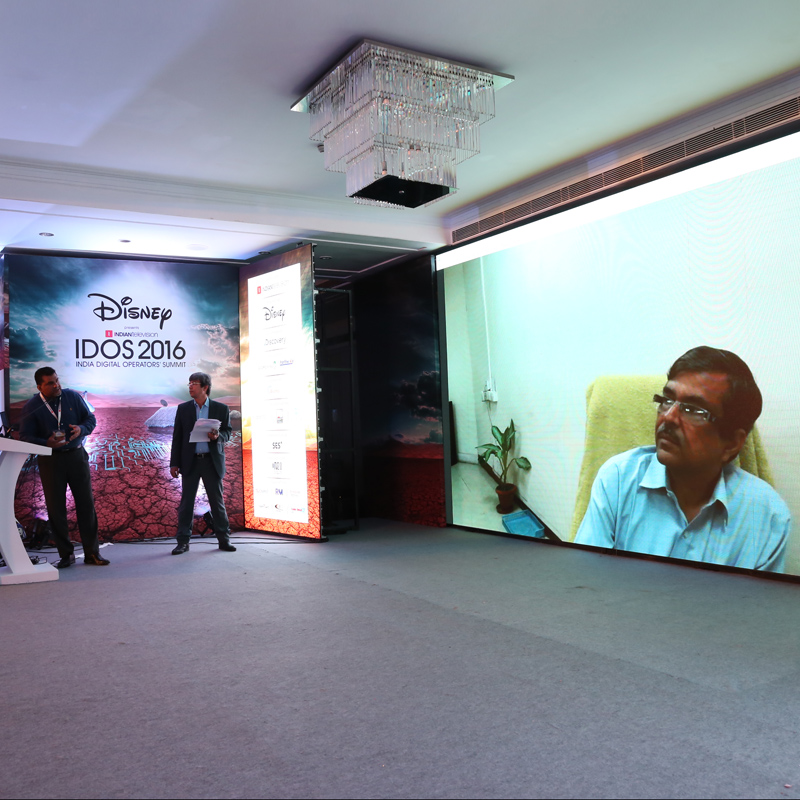
    GOA: The draft tariff framework of the Telecom Regulatory Authority of India (TRAI) is set to be released in a fortnight. This was declared by TRAI principal advisor (telecom services) Sunil Kumar Gupta in a Skype video conference with indiantelevision.com’s founder, CEO and editor-in-chief Anil Wanvari at IDOS 2016 here on Friday evening.

    “We have taken the views of all the stakeholders while drawing up the framework. It is based on the following four major planks — non-discriminatory pricing, transparency, consumer protection and overall growth of the industry,” he said.

    Gupta was clear that the sunset date for Phase IV was unshiftable. “Both MIB and we are very committed to this,” he said. “31 December 2016 is the sunset date for DAS Phase IV.”

    He cautioned that no one should take shelter around the fear that someone may try and scuttle phase IV by approaching the court. “There are enough set top boxes in the country today,” he said. “There is no shortage. Hence there can be no delay.”

    He reiterated that progress on digitisation and DAS has been good. “Revenues from the ground are going up in phase I and phase II,” he said. “According to MIB, 93 per cent of phase III has been digitised and in phase IV, there has been some good seeding too.”

    Gupta also warned that unless interconnection agreements are signed between MSOs and LCOs, the parties would not get any recourse from TDSAT as that is the direction that has been given. “It is important that the agreements are signed,” he said. “We have gone around the country and spoken to LCOs around the country. Often times they have been apprehensive about some of the agreements. But when we have explained to them, many of them have not read them properly, and hence the apprehension. When they have been explained and read it, they have gone ahead and done the shining.”

    He also expected a decisive verdict from the Delhi High Court in the first week of October around the Phase III litigation. Gupta urged the cable community to focus and keep the consumer aware of what was happening through their own networks and encourage him/her about DAS. “It is in the industry’s own interest,” he stated.

    On being asked whether TRAI would intervene and hasten the process on the infrastructure consultation paper, Gupta said there are some people who want to share infrastructure and some who don’t. On being prodded if the regulator would intervene if those who don’t want it to go through outweigh the ones who want it to, Gupta said, the consultation process would follow its due course. “Infrastructure sharing is between two private players, they can go ahead and do it. I don’t see why we need to intervene and mandate infrastructure sharing.”

    He also insisted that the entire industry – including the cable operators – need to tweak business models and the cable ops need to look at broadband seriously. “There is a lot of upside to broadband,” he said. “ARPUs are good over there, they can offer value to the consumer. Change is upon the industry and it needs to embrace this change and drive themselves forward. No telco can offer the kind of services, cable TV can offer, say 40 GB at a price of Rs 700-800 a month. The entire cable TV sector holds a lot of potential. Now the industry needs to realise it.”

  • IDOS 2016: TRAI tariff framework coming next fortnight

    IDOS 2016: TRAI tariff framework coming next fortnight

    GOA: The draft tariff framework of the Telecom Regulatory Authority of India (TRAI) is set to be released in a fortnight. This was declared by TRAI principal advisor (telecom services) Sunil Kumar Gupta in a Skype video conference with indiantelevision.com’s founder, CEO and editor-in-chief Anil Wanvari at IDOS 2016 here on Friday evening.

    “We have taken the views of all the stakeholders while drawing up the framework. It is based on the following four major planks — non-discriminatory pricing, transparency, consumer protection and overall growth of the industry,” he said.

    Gupta was clear that the sunset date for Phase IV was unshiftable. “Both MIB and we are very committed to this,” he said. “31 December 2016 is the sunset date for DAS Phase IV.”

    He cautioned that no one should take shelter around the fear that someone may try and scuttle phase IV by approaching the court. “There are enough set top boxes in the country today,” he said. “There is no shortage. Hence there can be no delay.”

    He reiterated that progress on digitisation and DAS has been good. “Revenues from the ground are going up in phase I and phase II,” he said. “According to MIB, 93 per cent of phase III has been digitised and in phase IV, there has been some good seeding too.”

    Gupta also warned that unless interconnection agreements are signed between MSOs and LCOs, the parties would not get any recourse from TDSAT as that is the direction that has been given. “It is important that the agreements are signed,” he said. “We have gone around the country and spoken to LCOs around the country. Often times they have been apprehensive about some of the agreements. But when we have explained to them, many of them have not read them properly, and hence the apprehension. When they have been explained and read it, they have gone ahead and done the shining.”

    He also expected a decisive verdict from the Delhi High Court in the first week of October around the Phase III litigation. Gupta urged the cable community to focus and keep the consumer aware of what was happening through their own networks and encourage him/her about DAS. “It is in the industry’s own interest,” he stated.

    On being asked whether TRAI would intervene and hasten the process on the infrastructure consultation paper, Gupta said there are some people who want to share infrastructure and some who don’t. On being prodded if the regulator would intervene if those who don’t want it to go through outweigh the ones who want it to, Gupta said, the consultation process would follow its due course. “Infrastructure sharing is between two private players, they can go ahead and do it. I don’t see why we need to intervene and mandate infrastructure sharing.”

    He also insisted that the entire industry – including the cable operators – need to tweak business models and the cable ops need to look at broadband seriously. “There is a lot of upside to broadband,” he said. “ARPUs are good over there, they can offer value to the consumer. Change is upon the industry and it needs to embrace this change and drive themselves forward. No telco can offer the kind of services, cable TV can offer, say 40 GB at a price of Rs 700-800 a month. The entire cable TV sector holds a lot of potential. Now the industry needs to realise it.”

  • Q1-17: Dish TV adds 4 lakh subs, subscription revenue up at Rs 728 cr

    Q1-17: Dish TV adds 4 lakh subs, subscription revenue up at Rs 728 cr

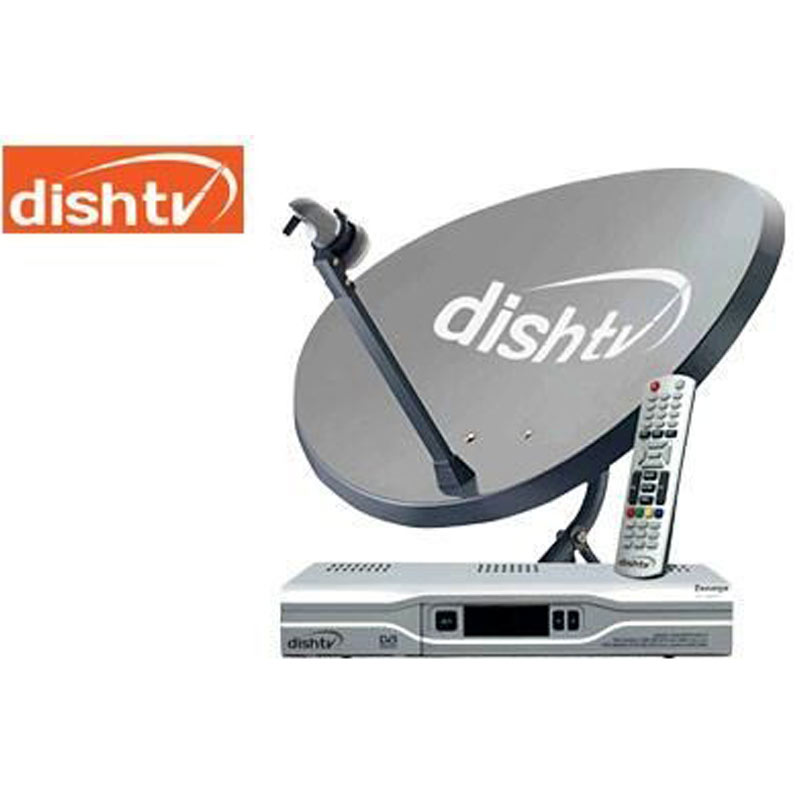
    BENGALURU: Indian direct to home (DTH) television operator Dish TV India Limited (Dish TV) has reported growth across important financial and operational parameters including operating revenues (TIO) , EBIDTA and subscription numbers. The company announced the addition of 402,000 net subscribers for the quarter ended 30 June 2016 (Q1-17, current). It closed the quarter with 149 lakh subscribers. Average revenue per user (ARPU) for Q1-17 remained the same year-over-year (y-o-y) and quarter-over-quarter (q-o-q) at Rs 174.

    Dish TV reported 6.7 percent higher y-o-y subscription revenue of Rs 728.2 crore for Q1-17, as compared to Rs 682.8 crore. Operating revenue in the current quarter increased 5.7 percent y-o-y to Rs 778.6 crore from Rs 736.7 crore in the corresponding quarter of the previous year. (Refer Note 2.1 and 2.2 below)

    Dish TV reported PAT of Rs. 50.9 crore in Q1-17, down 24.6 percent as compared to Rs 54.2 crore in Q1-16.

    EBIDTA in the current quarter increased 12.2 percent to Rs 264.6 crore from Rs 235.7 crore in Q1-16.

    Total expense in the current quarter increased 2.6 percent y-o-y to Rs 513.9 crore (66 percent of revenue) from Rs 500.9 crore (68 percent of revenue). (Refer note 2.3 below). Personnel cost increased 9.8 percent y-o-y to Rs 38.1 crore (4.9 percent of revenue) from Rs 34.7 crore (4.7 percent of revenue). Cost of sales and services declined 1.8 percent y-o-y to Rs 358.4 crore (46 percent of revenue) from Rs 365 crore (49.5 percent of revenue).

    Dish TV managing director Jawahar Goel said, “Buoyed by digitization, notwithstanding the relative seasonal weakness in 1Q, the industry collectively added around 15 percent higher subscribers compared to the same quarter last fiscal. Dish TV maintained its lead in incremental subscriber additions during the quarter. Our strengthened distribution in DAS Phase III and IV areas along with the popularity of the Dish TV Insta Care – 4- Hour Service Assurance Campaign were instrumental in helping us maintain an edge over competition. Our regional and mass-market offerings continued to remain crowd-pullers in respective geographies.”

    “The consumers growing passion for HD has the potential to trigger yet another round of growth, beyond that being driven by digitization, for the DTH industry. Going forward, we would continue to build on our HD advantage while focusing on its sales across the country,” Goel added.

    To further enhance the digital TV experience for subscribers and build an affordable and fast deployment model for itself, Dish TV recently selected Wyplay’s Frog as the Middleware for its next generation Set-Top-Boxes. Wyplay is an HTML5 browser based system and incorporates all features required for traditional linear broadcast TV consumption, on-demand content and applications distributed over the internet.

    Talking about the first quarter results, Goel said, “Healthy subscriber additions led to a 12.3 percent y-o-y increase in subscription revenues (on a like-to-like basis). EBITDA margin bounced to 34.0 percent from 32.0 per cent in the corresponding quarter last fiscal. Net Profit for the quarter was Rs. 409 million leading to FCF generation of Rs. 627 million. Churn for the quarter at 0.7 percent per month remained well within manageable limits.”

    Expressing his views on other regulatory overhangs Goel, said, “An industry favourable resolution of the DTH license fee matter should go a long way in ensuring non-discrimination amongst various distribution platforms in the country. We are also hopeful of a just and logical outcome of the currently debated TRAI consultation paper on Interconnection Framework for Broadcasting TV Services Distributed through Addressable Systems.”

    Notes: (1) The unit of currency in this report is the Indian rupee – Rs (also conventionally represented by INR). The Indian numbering system or the Vedic numbering system has been used to denote money values. The basic conversion to the international norm would be:

    (a) 100,00,000 = 100 lakh = 10,000,000 = 10 million = 1 crore.

    (b) 10,000 lakh = 100 crore = 1 arab = 1 billion.

    (2) Dish TV says

    (2.1) For Q1-17, subscription revenue, on a like-to-like basis, was Rs 766.9 crore, a growth of 12.3 percent y-o-y.

    (2.2) For Q1-17 operating revenue, on a like-to-like basis, was Rs 817.2 crore, a growth of 10.9 percent y-o-y.

    (2.3) For Q1-17, COGS, on a like-to-like basis, was Rs 3,97 crore, a change of 8.8 percent y-o-y. The resultant Total Expense, on-a like-to-like basis, was Rs. 552.6 crore, a change of 10.3 percent y-o-y.

  • Q1-17: Dish TV adds 4 lakh subs, subscription revenue up at Rs 728 cr

    Q1-17: Dish TV adds 4 lakh subs, subscription revenue up at Rs 728 cr

    BENGALURU: Indian direct to home (DTH) television operator Dish TV India Limited (Dish TV) has reported growth across important financial and operational parameters including operating revenues (TIO) , EBIDTA and subscription numbers. The company announced the addition of 402,000 net subscribers for the quarter ended 30 June 2016 (Q1-17, current). It closed the quarter with 149 lakh subscribers. Average revenue per user (ARPU) for Q1-17 remained the same year-over-year (y-o-y) and quarter-over-quarter (q-o-q) at Rs 174.

    Dish TV reported 6.7 percent higher y-o-y subscription revenue of Rs 728.2 crore for Q1-17, as compared to Rs 682.8 crore. Operating revenue in the current quarter increased 5.7 percent y-o-y to Rs 778.6 crore from Rs 736.7 crore in the corresponding quarter of the previous year. (Refer Note 2.1 and 2.2 below)

    Dish TV reported PAT of Rs. 50.9 crore in Q1-17, down 24.6 percent as compared to Rs 54.2 crore in Q1-16.

    EBIDTA in the current quarter increased 12.2 percent to Rs 264.6 crore from Rs 235.7 crore in Q1-16.

    Total expense in the current quarter increased 2.6 percent y-o-y to Rs 513.9 crore (66 percent of revenue) from Rs 500.9 crore (68 percent of revenue). (Refer note 2.3 below). Personnel cost increased 9.8 percent y-o-y to Rs 38.1 crore (4.9 percent of revenue) from Rs 34.7 crore (4.7 percent of revenue). Cost of sales and services declined 1.8 percent y-o-y to Rs 358.4 crore (46 percent of revenue) from Rs 365 crore (49.5 percent of revenue).

    Dish TV managing director Jawahar Goel said, “Buoyed by digitization, notwithstanding the relative seasonal weakness in 1Q, the industry collectively added around 15 percent higher subscribers compared to the same quarter last fiscal. Dish TV maintained its lead in incremental subscriber additions during the quarter. Our strengthened distribution in DAS Phase III and IV areas along with the popularity of the Dish TV Insta Care – 4- Hour Service Assurance Campaign were instrumental in helping us maintain an edge over competition. Our regional and mass-market offerings continued to remain crowd-pullers in respective geographies.”

    “The consumers growing passion for HD has the potential to trigger yet another round of growth, beyond that being driven by digitization, for the DTH industry. Going forward, we would continue to build on our HD advantage while focusing on its sales across the country,” Goel added.

    To further enhance the digital TV experience for subscribers and build an affordable and fast deployment model for itself, Dish TV recently selected Wyplay’s Frog as the Middleware for its next generation Set-Top-Boxes. Wyplay is an HTML5 browser based system and incorporates all features required for traditional linear broadcast TV consumption, on-demand content and applications distributed over the internet.

    Talking about the first quarter results, Goel said, “Healthy subscriber additions led to a 12.3 percent y-o-y increase in subscription revenues (on a like-to-like basis). EBITDA margin bounced to 34.0 percent from 32.0 per cent in the corresponding quarter last fiscal. Net Profit for the quarter was Rs. 409 million leading to FCF generation of Rs. 627 million. Churn for the quarter at 0.7 percent per month remained well within manageable limits.”

    Expressing his views on other regulatory overhangs Goel, said, “An industry favourable resolution of the DTH license fee matter should go a long way in ensuring non-discrimination amongst various distribution platforms in the country. We are also hopeful of a just and logical outcome of the currently debated TRAI consultation paper on Interconnection Framework for Broadcasting TV Services Distributed through Addressable Systems.”

    Notes: (1) The unit of currency in this report is the Indian rupee – Rs (also conventionally represented by INR). The Indian numbering system or the Vedic numbering system has been used to denote money values. The basic conversion to the international norm would be:

    (a) 100,00,000 = 100 lakh = 10,000,000 = 10 million = 1 crore.

    (b) 10,000 lakh = 100 crore = 1 arab = 1 billion.

    (2) Dish TV says

    (2.1) For Q1-17, subscription revenue, on a like-to-like basis, was Rs 766.9 crore, a growth of 12.3 percent y-o-y.

    (2.2) For Q1-17 operating revenue, on a like-to-like basis, was Rs 817.2 crore, a growth of 10.9 percent y-o-y.

    (2.3) For Q1-17, COGS, on a like-to-like basis, was Rs 3,97 crore, a change of 8.8 percent y-o-y. The resultant Total Expense, on-a like-to-like basis, was Rs. 552.6 crore, a change of 10.3 percent y-o-y.

  • Q1-17: Videocon d2h reports PAT, 15.5percent subscriber growth

    Q1-17: Videocon d2h reports PAT, 15.5percent subscriber growth

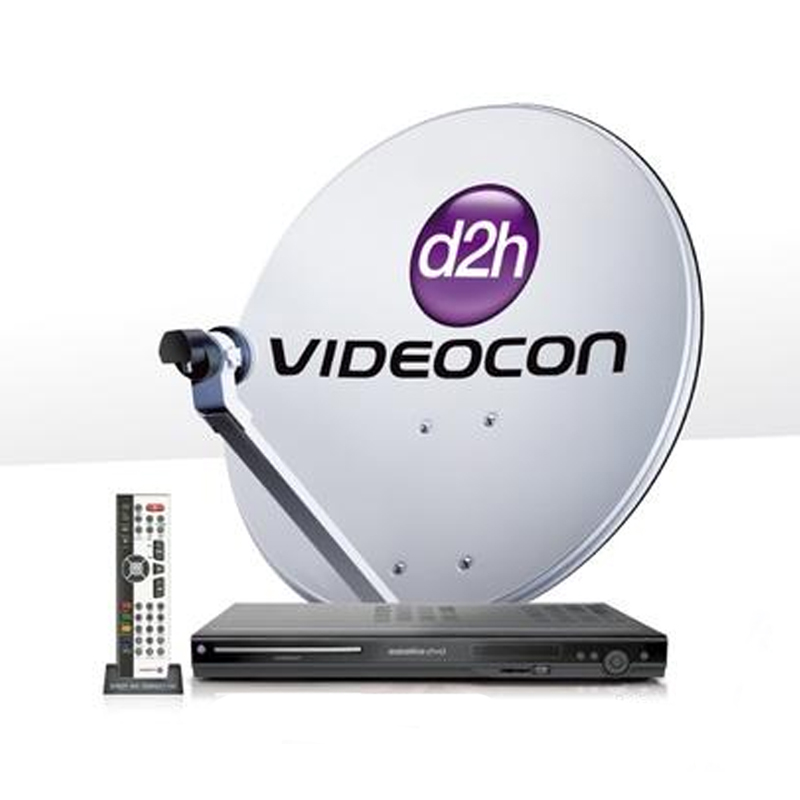
    BENGALURU: Videocon d2h is the second listed Indian DTH player to report a profit after tax (PAT), after the Essel group’s Dish TV that turned the numbers black last year. Videocon d2h reported PAT of Rs 2.7 crore for the quarter ended 30 June 2016 (Q1-17, current quarter). For the corresponding year ago quarter (Q1-16), the company had reported a loss of Rs 24.4 crore and for the immediate trailing quarter (Q4-16) reported loss was Rs 21.2 crore.

    The DTH major also reported 15.5 percent year-over-year (y-o-y) growth in net subscriber number growth at 122.9 lakh for Q1-17 as compared to 106.4 lakh and a 3.6 percent quarter-over-quarter (q-o-q) growth from118.6 lakh. Average revenue per user (ARPU) in the current quarter increased to Rs 219 from Rs 205 in Q1-16 and from Rs 214 in the immediate trailing quarter.

    Subscriber acquisition cost (SAC) in Q1-17 was higher at Rs 1,872 as compared to Rs 1,793 in Q1-16 and Rs 1,776 in Q4-16.

    Subscriber monthly churn in the current quarter was 0.49 percent; in Q1-16 it was slightly lower at 0.46 percent, while in the immediate trailing quarter it was much higher at 0.58 percent.

    Videocon d2h reported 23.5 percent y-o-y growth in total revenue from operations for Q1-17 at Rs 818.5 crore as compared to Rs 662.8 crore and a 6.1 percent q-o-q growth from Rs 771.5 crore.

    DAS III and IV are sunshine periods for the television carriage industry. Activation revenues have been adding to the top lines and bottom lines of most of the players. Videocon d2h subscription and activation revenue in the current quarter increased 23.9 percent y-o-y to Rs 752.3 crore from Rs 607.3 crore and increased 6.6 percent q-o-q from Rs 705.6 crore.

    Commenting on the results and company outlook, Videocon d2h executive chairman Saurabh Dhoot, said, “I’m delighted to share that the first quarter of fiscal 2017 has been a landmark quarter for our Company in its enduring journey. In this quarter, we have had a positive profit after tax and achieved free cash flow breakeven. This is a great achievement.

    “In line with our focus on paying down term loans, the Company recently pre-paid further term loans, strengthening our balance sheet further. We have significantly de-levered our balance sheet and become a stronger company going from strength to strength, reducing term loans by around $200 million since our IPO, with over $ 55 million repaid in the current fiscal year.”

    Speaking on the results, Videocon d2h CEO Anil Khera said, “We are happy to report that Adjusted EBITDA for the first quarter of fiscal year 2017 grew 32.4 percent year on year, which is primarily a result of strong subscriber growth, higher revenue realizations and better operating margins. During the quarter, we expanded our retail network in areas that come under India’s Phase III and Phase IV Digitalization program. We are happy to announce our strategic tie-up with Vodafone to enable recharge using their well-established m-pesa digital wallet and at Vodafone outlets, as it will give our customers an easy and efficient way to recharge their d2h account at their convenience.”

    Let us look at some of the other metrics reported by Videocon d2h

    Adjusted EBIDTA grew 32.4 percent y-o-y to Rs 251.9 crore (30.8 percent margin) from Rs 190.3 crore (28.7 percent margin) and grew 15 percent q-o-q from Rs 219.1 crore (28.4 percent margin). Videocon d2h reports that EBIDTA per subscriber has increased to Rs 70 in Q1-17 from Rs 61 in Q1-16 and from Rs 63 in Q4-16.

    Content costs margin in Q1-17 has reduced to 36.1 percent as compared to 37 percent in the corresponding year ago quarter and 37.5 percent in the immediate trailing quarter.

    Total expense in Q1-17 increased 19.7 percent y-o-y to Rs 739.8 crore from Rs 618.1 crore and increased 3.8 percent from Rs 721.8 crore.

    Selling and distribution expense in the current quarter increased 25.7 percent y-o-y to Rs 64 crore from Rs 50.9 crore, but declined 3.6 percent q-o-q from Rs 66.4 crore.

    Employee benefit expense in Q1-17 was 4 percent higher at Rs 32.2 crore as compared to Rs 30.9 crore in Q1-16 and 10.7 percent more than the Rs 29.1 crore in Q4-16.

    Net finance cost in Q1-17 was Rs 75.9 crore (9.3 percent of revenue from operations); in Q1-16 net finance cost was Rs 76.5 crore (11.5 percent of revenue from operations) and in Q4-16 it was Rs 77.8 crore (10.1 percent of revenue from operations).

    The company had term loans of Rs 2,187 crore and total cash and short term investments of Rs 612 crore as of June 30, 2016. Videocon d2h says that it has repaid term loans amounting to Rs 387 crore in the current fiscal year. With this, it has reduced total term loans by over Rs 1,300 crore since its IPO.

  • Q1-17: Videocon d2h reports PAT, 15.5percent subscriber growth

    Q1-17: Videocon d2h reports PAT, 15.5percent subscriber growth

    BENGALURU: Videocon d2h is the second listed Indian DTH player to report a profit after tax (PAT), after the Essel group’s Dish TV that turned the numbers black last year. Videocon d2h reported PAT of Rs 2.7 crore for the quarter ended 30 June 2016 (Q1-17, current quarter). For the corresponding year ago quarter (Q1-16), the company had reported a loss of Rs 24.4 crore and for the immediate trailing quarter (Q4-16) reported loss was Rs 21.2 crore.

    The DTH major also reported 15.5 percent year-over-year (y-o-y) growth in net subscriber number growth at 122.9 lakh for Q1-17 as compared to 106.4 lakh and a 3.6 percent quarter-over-quarter (q-o-q) growth from118.6 lakh. Average revenue per user (ARPU) in the current quarter increased to Rs 219 from Rs 205 in Q1-16 and from Rs 214 in the immediate trailing quarter.

    Subscriber acquisition cost (SAC) in Q1-17 was higher at Rs 1,872 as compared to Rs 1,793 in Q1-16 and Rs 1,776 in Q4-16.

    Subscriber monthly churn in the current quarter was 0.49 percent; in Q1-16 it was slightly lower at 0.46 percent, while in the immediate trailing quarter it was much higher at 0.58 percent.

    Videocon d2h reported 23.5 percent y-o-y growth in total revenue from operations for Q1-17 at Rs 818.5 crore as compared to Rs 662.8 crore and a 6.1 percent q-o-q growth from Rs 771.5 crore.

    DAS III and IV are sunshine periods for the television carriage industry. Activation revenues have been adding to the top lines and bottom lines of most of the players. Videocon d2h subscription and activation revenue in the current quarter increased 23.9 percent y-o-y to Rs 752.3 crore from Rs 607.3 crore and increased 6.6 percent q-o-q from Rs 705.6 crore.

    Commenting on the results and company outlook, Videocon d2h executive chairman Saurabh Dhoot, said, “I’m delighted to share that the first quarter of fiscal 2017 has been a landmark quarter for our Company in its enduring journey. In this quarter, we have had a positive profit after tax and achieved free cash flow breakeven. This is a great achievement.

    “In line with our focus on paying down term loans, the Company recently pre-paid further term loans, strengthening our balance sheet further. We have significantly de-levered our balance sheet and become a stronger company going from strength to strength, reducing term loans by around $200 million since our IPO, with over $ 55 million repaid in the current fiscal year.”

    Speaking on the results, Videocon d2h CEO Anil Khera said, “We are happy to report that Adjusted EBITDA for the first quarter of fiscal year 2017 grew 32.4 percent year on year, which is primarily a result of strong subscriber growth, higher revenue realizations and better operating margins. During the quarter, we expanded our retail network in areas that come under India’s Phase III and Phase IV Digitalization program. We are happy to announce our strategic tie-up with Vodafone to enable recharge using their well-established m-pesa digital wallet and at Vodafone outlets, as it will give our customers an easy and efficient way to recharge their d2h account at their convenience.”

    Let us look at some of the other metrics reported by Videocon d2h

    Adjusted EBIDTA grew 32.4 percent y-o-y to Rs 251.9 crore (30.8 percent margin) from Rs 190.3 crore (28.7 percent margin) and grew 15 percent q-o-q from Rs 219.1 crore (28.4 percent margin). Videocon d2h reports that EBIDTA per subscriber has increased to Rs 70 in Q1-17 from Rs 61 in Q1-16 and from Rs 63 in Q4-16.

    Content costs margin in Q1-17 has reduced to 36.1 percent as compared to 37 percent in the corresponding year ago quarter and 37.5 percent in the immediate trailing quarter.

    Total expense in Q1-17 increased 19.7 percent y-o-y to Rs 739.8 crore from Rs 618.1 crore and increased 3.8 percent from Rs 721.8 crore.

    Selling and distribution expense in the current quarter increased 25.7 percent y-o-y to Rs 64 crore from Rs 50.9 crore, but declined 3.6 percent q-o-q from Rs 66.4 crore.

    Employee benefit expense in Q1-17 was 4 percent higher at Rs 32.2 crore as compared to Rs 30.9 crore in Q1-16 and 10.7 percent more than the Rs 29.1 crore in Q4-16.

    Net finance cost in Q1-17 was Rs 75.9 crore (9.3 percent of revenue from operations); in Q1-16 net finance cost was Rs 76.5 crore (11.5 percent of revenue from operations) and in Q4-16 it was Rs 77.8 crore (10.1 percent of revenue from operations).

    The company had term loans of Rs 2,187 crore and total cash and short term investments of Rs 612 crore as of June 30, 2016. Videocon d2h says that it has repaid term loans amounting to Rs 387 crore in the current fiscal year. With this, it has reduced total term loans by over Rs 1,300 crore since its IPO.