Tag: ARPU

  • Telcos may migrate to ARPU-based model as 5-7 per cent hit feared

    Telcos may migrate to ARPU-based model as 5-7 per cent hit feared

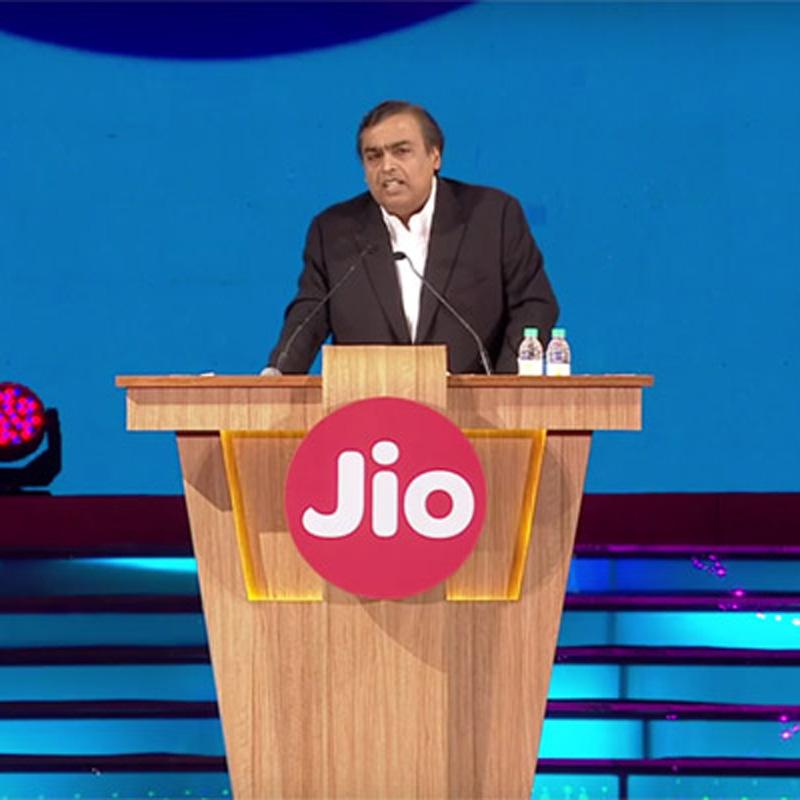
    MUMBAI: Loss of revenue on account of competitive pressure catalysed by the extension of Mukesh Ambani-led Reliance Jio free services and demonetisation may cumulatively affect telcos by 5-7 per cent.

    RJio recently announced an extension of its free services till 31 March, 2017. Speaking on the impact on the Indian telecom industry, ICRA Limited Associate Head – Corporate Ratings Harsh Jagnani, said: “At a time when the industry is already facing pressures on the operating metrics, owing to heightened competition, the extension of free services by RJio is expected to further push down the realisations in both the voice and the data segments. The impact is expected to be exacerbated by demonetisation of the higher denomination currency, which can lead to revenue loss of the telcos, especially in the pre-paid segment.”

    RJio, which launched its services in September 2016 with free voice calling along with lifetime free roaming, provided free unlimited data and a bouquet of mobile applications free till 31 December, 2016, as part of the inaugural offer. Recently, the company announced an extension of its free services till 31 March, 2017.

    The tariffs proposed, apart from being disruptive, are not looking at pricing voice and data separately, instead, it is seeing a subscriber holistically and offering bundled packages. The highlight is to develop a market with deep penetration and high consumption, especially for data, thereby targeting high average revenue per user (ARPU) subscribers.

    Apart from attractive pricing, other factors which can help RJio build a sizeable subscriber base are – (a) a big bang launch with a novelty factor, (b) a fresh network which gives good service, (c) a strong device ecosystem, and (d) a wide bouquet of content. These can translate into rapid subscriber additions, which would intensify the competition in the sector and increase the subscriber acquisition/retention costs for other operators. Nevertheless, the extent of subscriber addition and service quality delivered by RJio, its pricing strategies in the longer term, and the response by other operators remain watch events for the industry.

    ICRA is of the opinion that increasingly the industry would migrate from the revenue per minute (RPM) or the average revenue per megabyte (ARMB) approach to ARPU-based approach.

    “At a time when the industry is reeling under a Rs. 4,25,000-crore debt, this extension of free services by RJio has added to the industry’s woes. Heightened competitive pressures would impact the performance of the telcos during the next two quarters i.e. Q3 and Q4 of FY2017. Revenue loss, owing to demonetisation and pressure on operating metrics due to competitive pressures, intensified by extension of free services by RJio, are expected to negatively impact the revenue of the industry by 5-7% during the next two quarters,” Jagnani reiterated.

  • Telcos may migrate to ARPU-based model as 5-7 per cent hit feared

    Telcos may migrate to ARPU-based model as 5-7 per cent hit feared

    MUMBAI: Loss of revenue on account of competitive pressure catalysed by the extension of Mukesh Ambani-led Reliance Jio free services and demonetisation may cumulatively affect telcos by 5-7 per cent.

    RJio recently announced an extension of its free services till 31 March, 2017. Speaking on the impact on the Indian telecom industry, ICRA Limited Associate Head – Corporate Ratings Harsh Jagnani, said: “At a time when the industry is already facing pressures on the operating metrics, owing to heightened competition, the extension of free services by RJio is expected to further push down the realisations in both the voice and the data segments. The impact is expected to be exacerbated by demonetisation of the higher denomination currency, which can lead to revenue loss of the telcos, especially in the pre-paid segment.”

    RJio, which launched its services in September 2016 with free voice calling along with lifetime free roaming, provided free unlimited data and a bouquet of mobile applications free till 31 December, 2016, as part of the inaugural offer. Recently, the company announced an extension of its free services till 31 March, 2017.

    The tariffs proposed, apart from being disruptive, are not looking at pricing voice and data separately, instead, it is seeing a subscriber holistically and offering bundled packages. The highlight is to develop a market with deep penetration and high consumption, especially for data, thereby targeting high average revenue per user (ARPU) subscribers.

    Apart from attractive pricing, other factors which can help RJio build a sizeable subscriber base are – (a) a big bang launch with a novelty factor, (b) a fresh network which gives good service, (c) a strong device ecosystem, and (d) a wide bouquet of content. These can translate into rapid subscriber additions, which would intensify the competition in the sector and increase the subscriber acquisition/retention costs for other operators. Nevertheless, the extent of subscriber addition and service quality delivered by RJio, its pricing strategies in the longer term, and the response by other operators remain watch events for the industry.

    ICRA is of the opinion that increasingly the industry would migrate from the revenue per minute (RPM) or the average revenue per megabyte (ARMB) approach to ARPU-based approach.

    “At a time when the industry is reeling under a Rs. 4,25,000-crore debt, this extension of free services by RJio has added to the industry’s woes. Heightened competitive pressures would impact the performance of the telcos during the next two quarters i.e. Q3 and Q4 of FY2017. Revenue loss, owing to demonetisation and pressure on operating metrics due to competitive pressures, intensified by extension of free services by RJio, are expected to negatively impact the revenue of the industry by 5-7% during the next two quarters,” Jagnani reiterated.
  • Broadband rose 8.3 per cent till June 16; teledensity fell in urban, hike in rural

    Broadband rose 8.3 per cent till June 16; teledensity fell in urban, hike in rural

    MUMBAI: The number of telephone subscribers in India increased from 1,058.86 million at the end of Mar-16 to 1,059.86 million at the end of Jun-16, registering a growth of 0.09% over the previous quarter. This reflects year-on-year (Y-O-Y) growth of 5.25% over the same quarter of last year. The overall Teledensity in India declined from 83.36 as on 31 March, 2016 to 83.20 as on 30 June, 2016, according to TRAI statistics.

    Trends in Telephone subscribers and Teledensity in India: Subscription in Urban Areas declined from 609.69 million at the end of Mar-16 to 609.45 million at the end of Jun-16, and Urban Teledensity also declined from 154.01 to 153.22. However, Rural subscription increased from 449.17 million to 450.41 million and Rural Teledensity also increased from 51.37 to 51.41 during the same period.

    Of the total subscription, the share of Rural subscription increased from 42.42% at the end of Mar-16 to 42.50% at the end of Jun-16.

    Composition of Telephone Subscribers: With a net addition of 1.49 million subscribers during the quarter, total wireless (GSM+CDMA) subscriber base increased from 1,033.63 million at the end of Mar-16 to 1,035.12 million at the end of Jun-16, registering a growth rate of 0.14% over the previous quarter. The year-on-year (Y-O-Y) growth rate of wireless subscribers for Jun-16 is 5.54%.

    Wireless Tele-density declined from 81.38 at the end of Mar-16 to 81.26 at the end of Jun-16, according to TRAI statistics.

    Wireline subscriber base further declined from 25.22 million at the end of Mar-16 to 24.74 million at the end of Jun-16, registering a quarterly decline rate of 1.90%. The year-on-year (Y-O-Y) decline rate in wireline subscribers for Jun-16 is 5.38%.

    Wireline Teledensity declined from 1.99 at the end of Mar-16 to 1.94 at the end of Jun-16.

    Total number of Internet subscribers increased from 342.65 million at the end of Mar-16 to 350.48 million at the end of Jun-16, registering a quarterly growth rate of 2.28%. Out of 350.48 million, Wired Internet subscribers are 20.76 million and Wireless Internet subscribers are 329.72 million. Composition of internet subscription.

    The Internet subscriber base of 350.48 million at the end of Jun- 16 comprises Broadband Internet subscriber base of 162.06 million and Narrowband Internet subscriber base of 188.42
    million.

    The broadband Internet subscriber base grew by 8.22% from 149.75 million at the end of Mar-16 to 162.06 million at the end of Jun-16. On the other hand, the narrowband Internet subscriber
    base declined by 2.32% from 192.90 million at the end of Mar-16 to 188.42 million at the end of Jun-16.

    Monthly Average Revenue Per User (ARPU) for GSM service increased by 0.96%, from `125 in QE Mar-16 to `126 in QE Jun-16. Monthly ARPU for GSM service grew by 0.09% on Y-O-Y in this
    quarter, according to TRAI statistics.

    Prepaid ARPU for GSM service per month increased from `107 in QE Mar-16 to `108 in QE Jun-16, and Postpaid ARPU per month increased from `488 in QE Mar-16 to `495 in QE Jun-16.

    On an all India average, the overall MOU per subscriber per month for GSM service declined by 1.07% from 381 for QE Mar-16 to 377 in QE Jun-16.

    Prepaid MOU per subscriber for GSM service declined from 356 in QE Mar-16 to 351 in QE Jun-16, and postpaid MOU declined from 892 in QE Mar-16 to 889 in QE Jun-16.

    Monthly ARPU for CDMA full mobility service declined by 4.86%, from `103.50 in QE Mar-16 to `98.51 in QE Jun-16. Monthly ARPU for CDMA full mobility service declined by 7.95% on Y-O-Y
    basis in this quarter.

    The total MOU per subscriber per month for CDMA full mobility service declined by 12.54%, from 260 in QE Mar-16 to 228 in QE Jun-16. The outgoing MOUs declined from 150 in QE Mar-16 to
    130 in QE Jun-16, and incoming MOUs also declined from 110 in QE Mar-16 to 98 in QE Jun-16, according to TRAI statistics.

    Gross Revenue (GR) and Adjusted Gross Revenue (AGR) of Telecom Service Sector for the QE Jun-16 has been `73,344 Crore and `53,383 Crore respectively. GR and AGR increased by 7.33% and 10.34% respectively in QE Jun-16 as compared to previous quarter.

    The year-on-year (Y-O-Y) growth in GR and AGR over the same quarter in last year has been 12.79% and 13.26% respectively.

    Pass-through charges increased from `19,956 Crore in Q.E. Mar- 16 to `19,961 in Q.E. Jun-16. The quarterly and the year-on-year (Y-O-Y) growth rates of pass-through charges for QE Jun-16 are 0.03% and 11.54% respectively.

    The License Fee increased from `3,872 Crore for the QE Mar-16 to `4,314 Crore for the QE Jun-16. The quarterly and the year-onyear (Y-O-Y) growth rates of license fee are 11.43% and 14.05%
    respectively in this quarter.

    Access services contributed 83.84% of the total Adjusted Gross Revenue of telecom services. In Access services, Gross Revenue (GR), Adjusted Gross Revenue(AGR), License Fee and Spectrum Usage Charges(SUC) increased by 9.20%, 12.21%, 13.55% and 12.42% respectively whereas, Pass Through Charges declined by 0.67% in QE Jun-16, according to TRAI statistics.

    Monthly Average Revenue per User (ARPU) for Access Services based on AGR increased from `126.91 in QE Mar-16 to `140.88 in QE Jun-16.

  • Broadband rose 8.3 per cent till June 16; teledensity fell in urban, hike in rural

    Broadband rose 8.3 per cent till June 16; teledensity fell in urban, hike in rural

    MUMBAI: The number of telephone subscribers in India increased from 1,058.86 million at the end of Mar-16 to 1,059.86 million at the end of Jun-16, registering a growth of 0.09% over the previous quarter. This reflects year-on-year (Y-O-Y) growth of 5.25% over the same quarter of last year. The overall Teledensity in India declined from 83.36 as on 31 March, 2016 to 83.20 as on 30 June, 2016, according to TRAI statistics.

    Trends in Telephone subscribers and Teledensity in India: Subscription in Urban Areas declined from 609.69 million at the end of Mar-16 to 609.45 million at the end of Jun-16, and Urban Teledensity also declined from 154.01 to 153.22. However, Rural subscription increased from 449.17 million to 450.41 million and Rural Teledensity also increased from 51.37 to 51.41 during the same period.

    Of the total subscription, the share of Rural subscription increased from 42.42% at the end of Mar-16 to 42.50% at the end of Jun-16.

    Composition of Telephone Subscribers: With a net addition of 1.49 million subscribers during the quarter, total wireless (GSM+CDMA) subscriber base increased from 1,033.63 million at the end of Mar-16 to 1,035.12 million at the end of Jun-16, registering a growth rate of 0.14% over the previous quarter. The year-on-year (Y-O-Y) growth rate of wireless subscribers for Jun-16 is 5.54%.

    Wireless Tele-density declined from 81.38 at the end of Mar-16 to 81.26 at the end of Jun-16, according to TRAI statistics.

    Wireline subscriber base further declined from 25.22 million at the end of Mar-16 to 24.74 million at the end of Jun-16, registering a quarterly decline rate of 1.90%. The year-on-year (Y-O-Y) decline rate in wireline subscribers for Jun-16 is 5.38%.

    Wireline Teledensity declined from 1.99 at the end of Mar-16 to 1.94 at the end of Jun-16.

    Total number of Internet subscribers increased from 342.65 million at the end of Mar-16 to 350.48 million at the end of Jun-16, registering a quarterly growth rate of 2.28%. Out of 350.48 million, Wired Internet subscribers are 20.76 million and Wireless Internet subscribers are 329.72 million. Composition of internet subscription.

    The Internet subscriber base of 350.48 million at the end of Jun- 16 comprises Broadband Internet subscriber base of 162.06 million and Narrowband Internet subscriber base of 188.42
    million.

    The broadband Internet subscriber base grew by 8.22% from 149.75 million at the end of Mar-16 to 162.06 million at the end of Jun-16. On the other hand, the narrowband Internet subscriber
    base declined by 2.32% from 192.90 million at the end of Mar-16 to 188.42 million at the end of Jun-16.

    Monthly Average Revenue Per User (ARPU) for GSM service increased by 0.96%, from `125 in QE Mar-16 to `126 in QE Jun-16. Monthly ARPU for GSM service grew by 0.09% on Y-O-Y in this
    quarter, according to TRAI statistics.

    Prepaid ARPU for GSM service per month increased from `107 in QE Mar-16 to `108 in QE Jun-16, and Postpaid ARPU per month increased from `488 in QE Mar-16 to `495 in QE Jun-16.

    On an all India average, the overall MOU per subscriber per month for GSM service declined by 1.07% from 381 for QE Mar-16 to 377 in QE Jun-16.

    Prepaid MOU per subscriber for GSM service declined from 356 in QE Mar-16 to 351 in QE Jun-16, and postpaid MOU declined from 892 in QE Mar-16 to 889 in QE Jun-16.

    Monthly ARPU for CDMA full mobility service declined by 4.86%, from `103.50 in QE Mar-16 to `98.51 in QE Jun-16. Monthly ARPU for CDMA full mobility service declined by 7.95% on Y-O-Y
    basis in this quarter.

    The total MOU per subscriber per month for CDMA full mobility service declined by 12.54%, from 260 in QE Mar-16 to 228 in QE Jun-16. The outgoing MOUs declined from 150 in QE Mar-16 to
    130 in QE Jun-16, and incoming MOUs also declined from 110 in QE Mar-16 to 98 in QE Jun-16, according to TRAI statistics.

    Gross Revenue (GR) and Adjusted Gross Revenue (AGR) of Telecom Service Sector for the QE Jun-16 has been `73,344 Crore and `53,383 Crore respectively. GR and AGR increased by 7.33% and 10.34% respectively in QE Jun-16 as compared to previous quarter.

    The year-on-year (Y-O-Y) growth in GR and AGR over the same quarter in last year has been 12.79% and 13.26% respectively.

    Pass-through charges increased from `19,956 Crore in Q.E. Mar- 16 to `19,961 in Q.E. Jun-16. The quarterly and the year-on-year (Y-O-Y) growth rates of pass-through charges for QE Jun-16 are 0.03% and 11.54% respectively.

    The License Fee increased from `3,872 Crore for the QE Mar-16 to `4,314 Crore for the QE Jun-16. The quarterly and the year-onyear (Y-O-Y) growth rates of license fee are 11.43% and 14.05%
    respectively in this quarter.

    Access services contributed 83.84% of the total Adjusted Gross Revenue of telecom services. In Access services, Gross Revenue (GR), Adjusted Gross Revenue(AGR), License Fee and Spectrum Usage Charges(SUC) increased by 9.20%, 12.21%, 13.55% and 12.42% respectively whereas, Pass Through Charges declined by 0.67% in QE Jun-16, according to TRAI statistics.

    Monthly Average Revenue per User (ARPU) for Access Services based on AGR increased from `126.91 in QE Mar-16 to `140.88 in QE Jun-16.

  • Hathway Q2-17 revenue and EBIDTA up; adds 1 lakh broadband subs

    Hathway Q2-17 revenue and EBIDTA up; adds 1 lakh broadband subs

    BENGALURU: Indian multi system operator (MSO) Hathway Cable and Datacom Limited (Hathway) reported 18.8 per cent growth in Total Income from operations (TIO) and 11.9 percent growth in operating profits (EBIDTA) for the quarter ended 30 September 2016 (Q2-17, current quarter). The company reported TIO of Rs 321.07 crore in Q2-17 as compared to Rs 270.35 crore in the corresponding quarter of the previous year.

    The company’s EBDITA including other income in the current quarter was Rs 54.9 crore (17 percent EBIDTA margin) and was Rs 49.05 crore (17.9 percent EBIDTA margin) in Q2-16. The company’s loss in the current quarter increased to Rs 40.45 crore from a loss of Rs 31.99 crore in Q2-16.

    High growth in Cable subscription revenue, Activation fees and Broadband revenue are chiefly responsible for the improved performance says the company. The company’s broadband segment has been performing very well, as a matter of fact, among the national level MSOs’ Hathway has the highest subscription and revenue numbers among all of them. Within Hathway, in Q2-17, Broadband subscription had the highest contribution to revenue, even more than Cable TV subscription revenue

    Hathway’s broadband subscriber base increased to 8 lakh in Q2-17 from 7 lakh in the immediate trailing quarter. Consolidated broadband revenue in the current quarter as per IND AS increased 67 percent to Rs 120.3 crore from Rs 71.9 crore in the previous year. Broadband ARPU in the current quarter increased to Rs 643 from Rs 616 in the corresponding quarter of the previous year, but declined from Rs 670 in the immediate trailing quarter.

    Consolidated reported CATV subscription revenue as per IND AS in the current quarter increased 12 percent to Rs 120.2 crore from Rs 107.5 crore in Q2-16 Hathway says that it has achieved a milestone of deployed 18 lakh STBs, of which 8 lakh STBs were deployed in Phase III & IV areas during Q1- 17. The company says that it has now digitized 92 percent of its cable TV universe. CATV ARPU in DAS Phase I increased to Rs 105 from Rs 100 in the corresponding year ago quarter.CATV ARPU in Phase II areas increased to Rs 90 from Rs 80 in Q2-16. ARPU from phase III areas was Rs 30.

    Placement revenue as per IND AS in the current quarter declined 23 percent to Rs 65.4 crore from Rs 84.8 crore in Q2-16.
    Activation revenue as per IND AS increased 37 percent y-o-y in Q2-17 to Rs 20.2 crore from Rs 14.7 crore in Q2-16.
    Other revenue as per IND AS declined 5 percent in Q2-17 to Rs 4.8 crore from Rs 5.1 in Q2-16.

    Hathway’s Standalone Total Expenditure in Q2-17 increased 19 percent to Rs 340.49 crore (99.6 percent of TIO) from Rs 286.19 crore (105.9 percent of TIO) in the previous year.

    Standalone Pay channel cost in the current quarter increased 22.3 percent to Rs 104.31 crore (32.2 percent of TIO) from Rs 85.56 crore (31.3 percent of TIO) in FY-15. Standalone Employee Benefit expense in Q2-17 increased 46.9 percent y-o-y to Rs 23.53 crore from Rs 16.02 crore.

    Note: The unit of currency in this report is the Indian rupee – Rs (also conventionally represented by INR). The Indian numbering system or the Vedic numbering system has been used to denote money values. The basic conversion to the international norm would be:

    (a) 100,00,000 = 100 lakh = 10,000,000 = 10 million = 1 crore.

    (b) 10,000 lakh = 100 crore = 1 arab = 1 billion.

  • Hathway Q2-17 revenue and EBIDTA up; adds 1 lakh broadband subs

    Hathway Q2-17 revenue and EBIDTA up; adds 1 lakh broadband subs

    BENGALURU: Indian multi system operator (MSO) Hathway Cable and Datacom Limited (Hathway) reported 18.8 per cent growth in Total Income from operations (TIO) and 11.9 percent growth in operating profits (EBIDTA) for the quarter ended 30 September 2016 (Q2-17, current quarter). The company reported TIO of Rs 321.07 crore in Q2-17 as compared to Rs 270.35 crore in the corresponding quarter of the previous year.

    The company’s EBDITA including other income in the current quarter was Rs 54.9 crore (17 percent EBIDTA margin) and was Rs 49.05 crore (17.9 percent EBIDTA margin) in Q2-16. The company’s loss in the current quarter increased to Rs 40.45 crore from a loss of Rs 31.99 crore in Q2-16.

    High growth in Cable subscription revenue, Activation fees and Broadband revenue are chiefly responsible for the improved performance says the company. The company’s broadband segment has been performing very well, as a matter of fact, among the national level MSOs’ Hathway has the highest subscription and revenue numbers among all of them. Within Hathway, in Q2-17, Broadband subscription had the highest contribution to revenue, even more than Cable TV subscription revenue

    Hathway’s broadband subscriber base increased to 8 lakh in Q2-17 from 7 lakh in the immediate trailing quarter. Consolidated broadband revenue in the current quarter as per IND AS increased 67 percent to Rs 120.3 crore from Rs 71.9 crore in the previous year. Broadband ARPU in the current quarter increased to Rs 643 from Rs 616 in the corresponding quarter of the previous year, but declined from Rs 670 in the immediate trailing quarter.

    Consolidated reported CATV subscription revenue as per IND AS in the current quarter increased 12 percent to Rs 120.2 crore from Rs 107.5 crore in Q2-16 Hathway says that it has achieved a milestone of deployed 18 lakh STBs, of which 8 lakh STBs were deployed in Phase III & IV areas during Q1- 17. The company says that it has now digitized 92 percent of its cable TV universe. CATV ARPU in DAS Phase I increased to Rs 105 from Rs 100 in the corresponding year ago quarter.CATV ARPU in Phase II areas increased to Rs 90 from Rs 80 in Q2-16. ARPU from phase III areas was Rs 30.

    Placement revenue as per IND AS in the current quarter declined 23 percent to Rs 65.4 crore from Rs 84.8 crore in Q2-16.
    Activation revenue as per IND AS increased 37 percent y-o-y in Q2-17 to Rs 20.2 crore from Rs 14.7 crore in Q2-16.
    Other revenue as per IND AS declined 5 percent in Q2-17 to Rs 4.8 crore from Rs 5.1 in Q2-16.

    Hathway’s Standalone Total Expenditure in Q2-17 increased 19 percent to Rs 340.49 crore (99.6 percent of TIO) from Rs 286.19 crore (105.9 percent of TIO) in the previous year.

    Standalone Pay channel cost in the current quarter increased 22.3 percent to Rs 104.31 crore (32.2 percent of TIO) from Rs 85.56 crore (31.3 percent of TIO) in FY-15. Standalone Employee Benefit expense in Q2-17 increased 46.9 percent y-o-y to Rs 23.53 crore from Rs 16.02 crore.

    Note: The unit of currency in this report is the Indian rupee – Rs (also conventionally represented by INR). The Indian numbering system or the Vedic numbering system has been used to denote money values. The basic conversion to the international norm would be:

    (a) 100,00,000 = 100 lakh = 10,000,000 = 10 million = 1 crore.

    (b) 10,000 lakh = 100 crore = 1 arab = 1 billion.

  • Jio impacts Vodafone India H1-17 results

    Jio impacts Vodafone India H1-17 results

    BENGALURU: Vodafone Group Plc (Vodafone group) reported Group organic service revenue up 2.3 per cent for the half year ended 30 September 2016 (H1-17).  H1-17 Group revenue declined 3.9 per cent to €27,054 million as compared to € 28,151 million for H1-6 (corresponding period of the previous year). H1-17 Vodafone Group reported organic EBITDA growth of 4.3 per cent to €7,906 million, supported by strong cost control. In real terms, EBIDTA declined 1.7 per cent from $8,039 million reported for H1-16.

    India numbers

    Vodafone India contributed about 11.1 per cent to Vodafone Group revenues and adds about 43.7 per cent to Vodafone group mobile subscriber base in the quarter ended 30 September 2016 or Q2-17. About 51.4 per cent of the group’s voice usage was from India in Q2-17 at 183,555 million minutes (Total group 357,034 million minutes).

    Vodafone India Service revenue grew by 5.9 per cent (quarter ended 30 June 2016 or Q1-17: 6.4 per cent, Q2-17: 5.4 per cent) in H1-17 to Rs 22,579 crore from Rs 21,321 crore in H1-16. Excluding regulatory drags including MTR cuts, roaming price caps and an increase in service tax, the quarterly rate of growth slowed from 7.7 per cent in Q1-17 to 6.3 per cent in Q2-17. This underlying slowdown was mainly driven by lower data revenue growth resulting from increased competitive pressure says the company.

    Data revenue growth slowed from 22 per cent in Q1-17 to 16 per cent in Q2-17. This was driven by a flattening of unique data user growth quarter-on-quarter, reflecting the impact of ‘free’ promotional offers from a new entrant, viz., Reliance Jio. 

    Vodafone group’s active data customer base at the period end was 69.6 million or 6.96 crore (Q1-17- 69.7 million or 6.97 crore). Overall data pricing declined 14 per cent year-on-year, while data usage per customer continued to grow strongly to 504MB (+28 per cent). Vodafone group 3G / 4G customer base continued to grow to 36 million (3.6 crore), up 51 per cent, and smartphone penetration was now 34.5 per cent says the company. Vodafone India reported revenue from data of Rs 4,617 crore. Data ARPU (for users more than 1MB) was at Rs 164 in Q2-17 versus Rs 158 in Q2-16.

    Voice revenue growth increased to 2.7 per cent in Q2-17 (Q1-17: 2.2 per cent) supported by a growing customer base. This was despite seasonally lower average minutes of use per customer. Total mobile customers increased 2.8 million (28 lakh) over the period, giving a closing customer base of over 200 million for the first time (Q2: 200.7 million or 20.07 crore).
    During the period Vodafone India added 4,100 new 3G sites, taking the total to 63,000. It also has 13,000 4G sites. In the Indian spectrum auction during October Vodafone India increased its total spectrum holding by 62 per cent. 

    Overall Vodafone paid Rs 20,300 crore (€2.7 billion), of which 92 per cent was on spectrum for the 12 circles in which it claims to be a market leader. Vodafone India plans to extend its 4G footprint from 9 to 17 circles by the end of the current financial year. These circles cover around 91 per cent of Vodafone India’s service revenues and 94 per cent of its data revenues.

    EBITDA grew by 2.6 per cent in H1-17 to Rs 6,704 crore from Rs 6,534 crore, with the EBITDA margin declining by 0.1 percentage points to 29.6 per cent due to higher network and customer acquisition costs, which were largely offset by significant operating cost savings says the company.

    The Vodafone Group intends to proceed with an IPO of Vodafone India as soon as market conditions allow. It does not expect this to take place during the current financial year.

    Company speak

    Vodafone group chief executive Vittorio Colao said, ‘We have further improved our performance during the first half of the financial year with Europe modestly ahead of our expectations – led by Germany and Italy – and good execution in AMAP. Our substantial network investments and ‘more-for-more’ propositions have allowed us to capture opportunities from strong data demand, supporting European mobile contract ARPU and continued growth in emerging markets. As Europe’s fastest-growing broadband operator, we are driving rapid uptake of our consumer fixed and TV services while our wholly converged Enterprise business continues to outperform its peers. We are now translating faster revenue growth into margin expansion, supported by our focus on cost efficiency.

    Competition in India has increased in the year, reducing revenue growth and profitability. We have responded to this changing competitive environment by strengthening our data and voice commercial offers and by focusing our participation in the recent spectrum auction on acquiring frequencies in the more successful and profitable areas of the country.

    Overall, we expect to sustain our underlying performance in the second half of the year and remain on track to meet our full-year objectives despite macroeconomic uncertainties. This performance allows for improved returns to our shareholders, as reflected by the growth in the interim dividend.

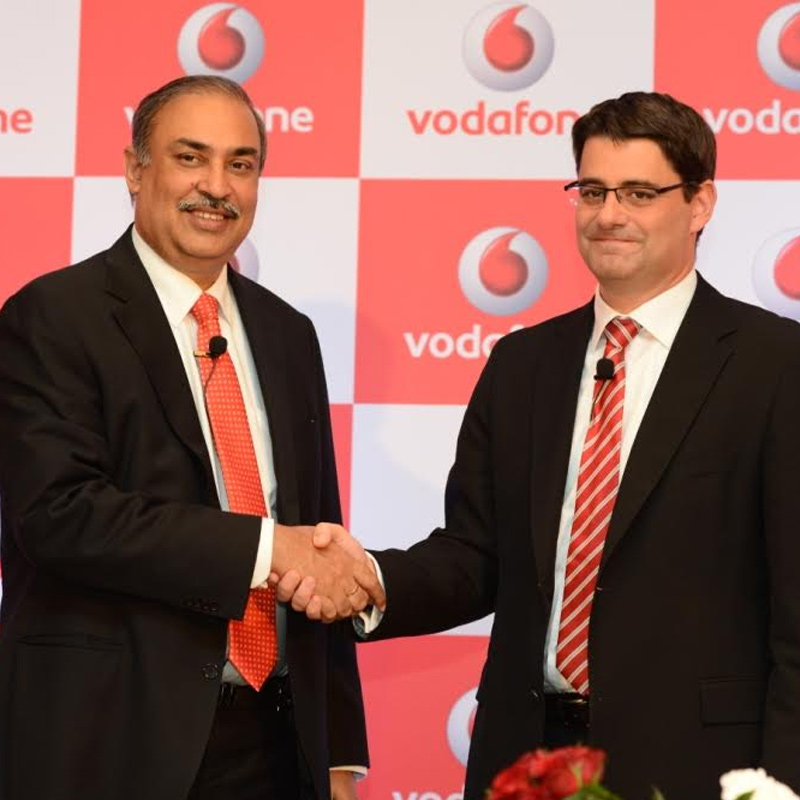
    Vodafone India managing director and CEO Sunil Sood commented: “Amidst a dynamic environment, we delivered a solid performance. We are well prepared for the increased level of competitive intensity that we are experiencing. We have strengthened our customer value propositions making Vodafone Play, your one window to the world of entertainment, launched exciting 4G offers – 9GB free on purchase of 1GB pack for new 4G handsets and revamped Vodafone RED for high end voice and data users. Further, we pioneered lifestyle propositions such as Vodafone U for young customers and Vodafone Flex, which allows customers to make a single recharge for voice, sms and data. We expanded our 4G footprint to 9 circles by launching services in 4 new circles. With the spectrum bought recently, we will roll out the Vodafone SuperNet 4G experience rapidly to 2,400 towns and in 8 additional circles by March. We continue to invest to expand our modern and scalable network with a strong backhaul, to support the increasing volumes and need for speed from both retail and enterprise customers. We remain committed to fulfill the evolving needs of our customers and leverage our global experience plus rich understanding of India to play a meaningful role in enabling Digital India.”

  • Jio impacts Vodafone India H1-17 results

    Jio impacts Vodafone India H1-17 results

    BENGALURU: Vodafone Group Plc (Vodafone group) reported Group organic service revenue up 2.3 per cent for the half year ended 30 September 2016 (H1-17).  H1-17 Group revenue declined 3.9 per cent to €27,054 million as compared to € 28,151 million for H1-6 (corresponding period of the previous year). H1-17 Vodafone Group reported organic EBITDA growth of 4.3 per cent to €7,906 million, supported by strong cost control. In real terms, EBIDTA declined 1.7 per cent from $8,039 million reported for H1-16.

    India numbers

    Vodafone India contributed about 11.1 per cent to Vodafone Group revenues and adds about 43.7 per cent to Vodafone group mobile subscriber base in the quarter ended 30 September 2016 or Q2-17. About 51.4 per cent of the group’s voice usage was from India in Q2-17 at 183,555 million minutes (Total group 357,034 million minutes).

    Vodafone India Service revenue grew by 5.9 per cent (quarter ended 30 June 2016 or Q1-17: 6.4 per cent, Q2-17: 5.4 per cent) in H1-17 to Rs 22,579 crore from Rs 21,321 crore in H1-16. Excluding regulatory drags including MTR cuts, roaming price caps and an increase in service tax, the quarterly rate of growth slowed from 7.7 per cent in Q1-17 to 6.3 per cent in Q2-17. This underlying slowdown was mainly driven by lower data revenue growth resulting from increased competitive pressure says the company.

    Data revenue growth slowed from 22 per cent in Q1-17 to 16 per cent in Q2-17. This was driven by a flattening of unique data user growth quarter-on-quarter, reflecting the impact of ‘free’ promotional offers from a new entrant, viz., Reliance Jio. 

    Vodafone group’s active data customer base at the period end was 69.6 million or 6.96 crore (Q1-17- 69.7 million or 6.97 crore). Overall data pricing declined 14 per cent year-on-year, while data usage per customer continued to grow strongly to 504MB (+28 per cent). Vodafone group 3G / 4G customer base continued to grow to 36 million (3.6 crore), up 51 per cent, and smartphone penetration was now 34.5 per cent says the company. Vodafone India reported revenue from data of Rs 4,617 crore. Data ARPU (for users more than 1MB) was at Rs 164 in Q2-17 versus Rs 158 in Q2-16.

    Voice revenue growth increased to 2.7 per cent in Q2-17 (Q1-17: 2.2 per cent) supported by a growing customer base. This was despite seasonally lower average minutes of use per customer. Total mobile customers increased 2.8 million (28 lakh) over the period, giving a closing customer base of over 200 million for the first time (Q2: 200.7 million or 20.07 crore).
    During the period Vodafone India added 4,100 new 3G sites, taking the total to 63,000. It also has 13,000 4G sites. In the Indian spectrum auction during October Vodafone India increased its total spectrum holding by 62 per cent. 

    Overall Vodafone paid Rs 20,300 crore (€2.7 billion), of which 92 per cent was on spectrum for the 12 circles in which it claims to be a market leader. Vodafone India plans to extend its 4G footprint from 9 to 17 circles by the end of the current financial year. These circles cover around 91 per cent of Vodafone India’s service revenues and 94 per cent of its data revenues.

    EBITDA grew by 2.6 per cent in H1-17 to Rs 6,704 crore from Rs 6,534 crore, with the EBITDA margin declining by 0.1 percentage points to 29.6 per cent due to higher network and customer acquisition costs, which were largely offset by significant operating cost savings says the company.

    The Vodafone Group intends to proceed with an IPO of Vodafone India as soon as market conditions allow. It does not expect this to take place during the current financial year.

    Company speak

    Vodafone group chief executive Vittorio Colao said, ‘We have further improved our performance during the first half of the financial year with Europe modestly ahead of our expectations – led by Germany and Italy – and good execution in AMAP. Our substantial network investments and ‘more-for-more’ propositions have allowed us to capture opportunities from strong data demand, supporting European mobile contract ARPU and continued growth in emerging markets. As Europe’s fastest-growing broadband operator, we are driving rapid uptake of our consumer fixed and TV services while our wholly converged Enterprise business continues to outperform its peers. We are now translating faster revenue growth into margin expansion, supported by our focus on cost efficiency.

    Competition in India has increased in the year, reducing revenue growth and profitability. We have responded to this changing competitive environment by strengthening our data and voice commercial offers and by focusing our participation in the recent spectrum auction on acquiring frequencies in the more successful and profitable areas of the country.

    Overall, we expect to sustain our underlying performance in the second half of the year and remain on track to meet our full-year objectives despite macroeconomic uncertainties. This performance allows for improved returns to our shareholders, as reflected by the growth in the interim dividend.

    Vodafone India managing director and CEO Sunil Sood commented: “Amidst a dynamic environment, we delivered a solid performance. We are well prepared for the increased level of competitive intensity that we are experiencing. We have strengthened our customer value propositions making Vodafone Play, your one window to the world of entertainment, launched exciting 4G offers – 9GB free on purchase of 1GB pack for new 4G handsets and revamped Vodafone RED for high end voice and data users. Further, we pioneered lifestyle propositions such as Vodafone U for young customers and Vodafone Flex, which allows customers to make a single recharge for voice, sms and data. We expanded our 4G footprint to 9 circles by launching services in 4 new circles. With the spectrum bought recently, we will roll out the Vodafone SuperNet 4G experience rapidly to 2,400 towns and in 8 additional circles by March. We continue to invest to expand our modern and scalable network with a strong backhaul, to support the increasing volumes and need for speed from both retail and enterprise customers. We remain committed to fulfill the evolving needs of our customers and leverage our global experience plus rich understanding of India to play a meaningful role in enabling Digital India.”

  • Q2-17: Videocon d2h top and bottom lines up

    Q2-17: Videocon d2h top and bottom lines up

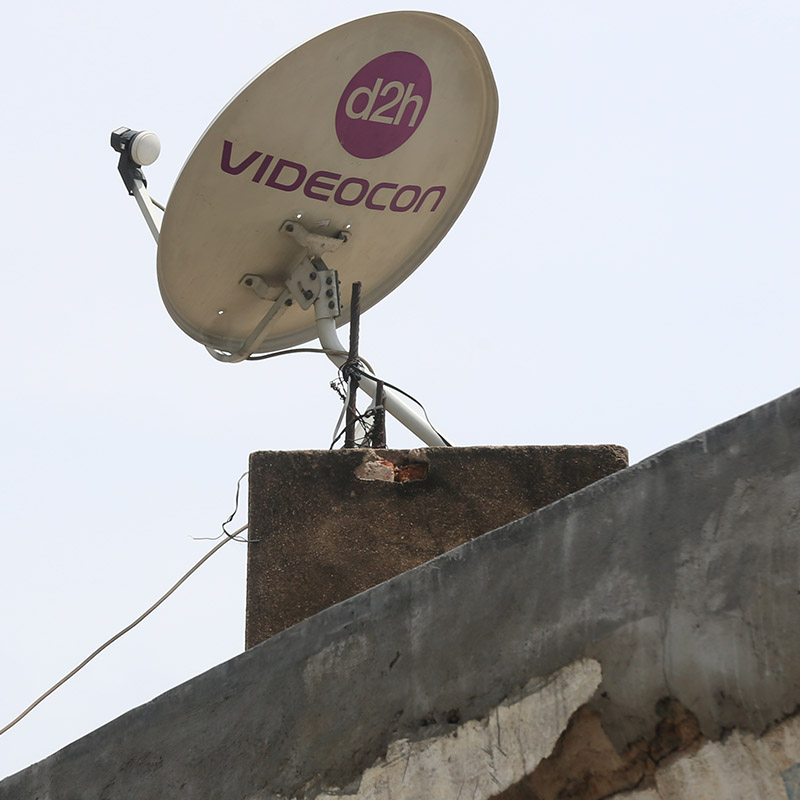
    BENGALURU: Last quarter, Videocon d2h was the second listed Indian DTH player to report a profit after tax (PAT), after the Essel group’s Dish TV that turned the numbers black last year. Taking that trend further, Videocon d2h reported PAT of Rs 6.32 crore (0.8 percent margin) for the quarter ended 30 September 2016 (Q2-17, current quarter). For the corresponding year ago quarter (Q2-17), the company had reported a loss of Rs 24.59 crore while for the immediate trailing quarter (Q1-17) the company had reported profit of Rs 2.66 crore (0.3 percent margin).

    Videocon d2h reported 12.5 percent y-o-y growth in total revenue from operations for Q2-17 at Rs 776.16 crore as compared to Rs 690.08 crore and a 1.7 percent q-o-q growth from Rs 763.25 crore.

    The DTH major also reported 15.5 percent year-over-year (y-o-y) growth in net subscriber numbers at 125.2 lakh for Q2-17 as compared to 108.4 lakh and a 1.9 percent quarter-over-quarter (q-o-q) growth from122.9 lakh. Monthly Average revenue per user (ARPU) in the current quarter increased to Rs 209 from Rs 201 in Q1-16 but declined by Rs 2 from Rs 211 in the immediate trailing quarter.

    Subscriber matrices

    Subscriber acquisition cost (SAC) in Q2-17 was higher at Rs 1,869 as compared to Rs 1,775 in Q2-16 but was lower than Rs 1,872 in Q1-17.

    Subscriber monthly churn in the current quarter was 0.95 percent; in Q1-16 it was slightly higher at 1.19 percent, while in the immediate trailing quarter it was much lower at 0.49 percent.

    DAS III and IV are sunshine periods for the television carriage industry. Activation revenues have been adding to the top lines and bottom lines of most of the players. Videocon d2h computed subscription and activation revenue in the current quarter increased 21.9 percent y-o-y to Rs 710.70 crore and increased 2 percent q-o-q from Rs 697 crore.

    A look at some of the other metrics reported by Videocon d2h

    Adjusted EBIDTA grew 38.3 percent y-o-y to Rs 260.41 crore (33.6 percent margin) from Rs 188.26 crore (27.3 percent margin) and grew 4.3 percent q-o-q from Rs 249.78 crore (32.7 percent margin). Videocon d2h reports that EBIDTA per subscriber has increased to Rs 71 in Q2-17 from Rs 59 in Q2-16 and from Rs 70 in Q1-17.

    Content costs margin in Q2-17 has reduced to 38.7 percent as compared to 40.7 percent in the corresponding year ago quarter and was flat as compared  to the immediate trailing quarter.

    Total expense in Q2-17 increased 5.2 percent y-o-y to Rs 684.29 crore from Rs 650.70 crore and was flat q-o-q as compared to Rs 684.53 crore.

    Selling and distribution expense in the current quarter increased 22.4 percent y-o-y to Rs 60.7 crore from Rs 49.6 crore, but declined 5.2 percent q-o-q from Rs 64 crore.

    Employee benefit expense in Q2-17 were 4 percent higher at Rs 31.5 crore as compared to Rs 30.3 crore in Q2-16 but were 2.2 percent lower than the Rs 32.2 crore in Q1-17.

    Net finance cost in Q2-17 was Rs 71.7 crore; in Q2-16 net finance cost was Rs 80.2 crore and in Q1-17 it was Rs 75.9 crore.

    Company speak

    Commenting on the results and company outlook, Videocon d2h executive chairman Saurabh Dhoot, said, “I’m pleased to report a terrific quarter with over 37% increase in EBITDA year on year, in spite of the previously announced increase in taxes which impacted ARPU. Our quarterly results performance is consistent with our five point strategy to 1) grow subscriber base, 2) enhance subscriber monetization, 3) focus on localization and premium services, 4) lead the market in technological innovation and 5) enhance operational efficiencies and improve margins. These imperatives are drivingour success at creating sustainable shareholder value.

    “We are excited and fully prepared to seize the significant subscriber growth opportunity ahead of us through our leading distribution, customer  service and differentiated content offering, supported by a strong balance sheet,’ added Dhoot.

    “We achieved positive profit after tax and turned free cash flow positive during the current fiscal year, which we believe is a great achievement,” concluded Dhoot.

    Speaking on the results, Videocon d2h CEO Anil Khera said, “We are extremely excited with the business growth opportunities ahead of the company. We welcome the regulators’ initiative to review and draft a tariff order that aims to create complete transparency in carriage and content deals and bring in commercial parity amongst distribution platforms.”

    Note: The unit of currency in this report is the Indian rupee – Rs (also conventionally represented by INR). The Indian numbering system or the Vedic numbering system has been used to denote money values. The basic conversion to the international norm would be:

    (a) 100,00,000 = 100 lakh = 10,000,000 = 10 million = 1 crore.

    (b) 10,000 lakh = 100 crore = 1 arab = 1 billion.


  • Q2-17: Videocon d2h top and bottom lines up

    Q2-17: Videocon d2h top and bottom lines up

    BENGALURU: Last quarter, Videocon d2h was the second listed Indian DTH player to report a profit after tax (PAT), after the Essel group’s Dish TV that turned the numbers black last year. Taking that trend further, Videocon d2h reported PAT of Rs 6.32 crore (0.8 percent margin) for the quarter ended 30 September 2016 (Q2-17, current quarter). For the corresponding year ago quarter (Q2-17), the company had reported a loss of Rs 24.59 crore while for the immediate trailing quarter (Q1-17) the company had reported profit of Rs 2.66 crore (0.3 percent margin).

    Videocon d2h reported 12.5 percent y-o-y growth in total revenue from operations for Q2-17 at Rs 776.16 crore as compared to Rs 690.08 crore and a 1.7 percent q-o-q growth from Rs 763.25 crore.

    The DTH major also reported 15.5 percent year-over-year (y-o-y) growth in net subscriber numbers at 125.2 lakh for Q2-17 as compared to 108.4 lakh and a 1.9 percent quarter-over-quarter (q-o-q) growth from122.9 lakh. Monthly Average revenue per user (ARPU) in the current quarter increased to Rs 209 from Rs 201 in Q1-16 but declined by Rs 2 from Rs 211 in the immediate trailing quarter.

    Subscriber matrices

    Subscriber acquisition cost (SAC) in Q2-17 was higher at Rs 1,869 as compared to Rs 1,775 in Q2-16 but was lower than Rs 1,872 in Q1-17.

    Subscriber monthly churn in the current quarter was 0.95 percent; in Q1-16 it was slightly higher at 1.19 percent, while in the immediate trailing quarter it was much lower at 0.49 percent.

    DAS III and IV are sunshine periods for the television carriage industry. Activation revenues have been adding to the top lines and bottom lines of most of the players. Videocon d2h computed subscription and activation revenue in the current quarter increased 21.9 percent y-o-y to Rs 710.70 crore and increased 2 percent q-o-q from Rs 697 crore.

    A look at some of the other metrics reported by Videocon d2h

    Adjusted EBIDTA grew 38.3 percent y-o-y to Rs 260.41 crore (33.6 percent margin) from Rs 188.26 crore (27.3 percent margin) and grew 4.3 percent q-o-q from Rs 249.78 crore (32.7 percent margin). Videocon d2h reports that EBIDTA per subscriber has increased to Rs 71 in Q2-17 from Rs 59 in Q2-16 and from Rs 70 in Q1-17.

    Content costs margin in Q2-17 has reduced to 38.7 percent as compared to 40.7 percent in the corresponding year ago quarter and was flat as compared  to the immediate trailing quarter.

    Total expense in Q2-17 increased 5.2 percent y-o-y to Rs 684.29 crore from Rs 650.70 crore and was flat q-o-q as compared to Rs 684.53 crore.

    Selling and distribution expense in the current quarter increased 22.4 percent y-o-y to Rs 60.7 crore from Rs 49.6 crore, but declined 5.2 percent q-o-q from Rs 64 crore.

    Employee benefit expense in Q2-17 were 4 percent higher at Rs 31.5 crore as compared to Rs 30.3 crore in Q2-16 but were 2.2 percent lower than the Rs 32.2 crore in Q1-17.

    Net finance cost in Q2-17 was Rs 71.7 crore; in Q2-16 net finance cost was Rs 80.2 crore and in Q1-17 it was Rs 75.9 crore.

    Company speak

    Commenting on the results and company outlook, Videocon d2h executive chairman Saurabh Dhoot, said, “I’m pleased to report a terrific quarter with over 37% increase in EBITDA year on year, in spite of the previously announced increase in taxes which impacted ARPU. Our quarterly results performance is consistent with our five point strategy to 1) grow subscriber base, 2) enhance subscriber monetization, 3) focus on localization and premium services, 4) lead the market in technological innovation and 5) enhance operational efficiencies and improve margins. These imperatives are drivingour success at creating sustainable shareholder value.

    “We are excited and fully prepared to seize the significant subscriber growth opportunity ahead of us through our leading distribution, customer  service and differentiated content offering, supported by a strong balance sheet,’ added Dhoot.

    “We achieved positive profit after tax and turned free cash flow positive during the current fiscal year, which we believe is a great achievement,” concluded Dhoot.

    Speaking on the results, Videocon d2h CEO Anil Khera said, “We are extremely excited with the business growth opportunities ahead of the company. We welcome the regulators’ initiative to review and draft a tariff order that aims to create complete transparency in carriage and content deals and bring in commercial parity amongst distribution platforms.”

    Note: The unit of currency in this report is the Indian rupee – Rs (also conventionally represented by INR). The Indian numbering system or the Vedic numbering system has been used to denote money values. The basic conversion to the international norm would be:

    (a) 100,00,000 = 100 lakh = 10,000,000 = 10 million = 1 crore.

    (b) 10,000 lakh = 100 crore = 1 arab = 1 billion.