Tag: Arianespace

  • Two Intelsat satellites with C and Ku-Band transponders set for launch tomorrow

    Two Intelsat satellites with C and Ku-Band transponders set for launch tomorrow

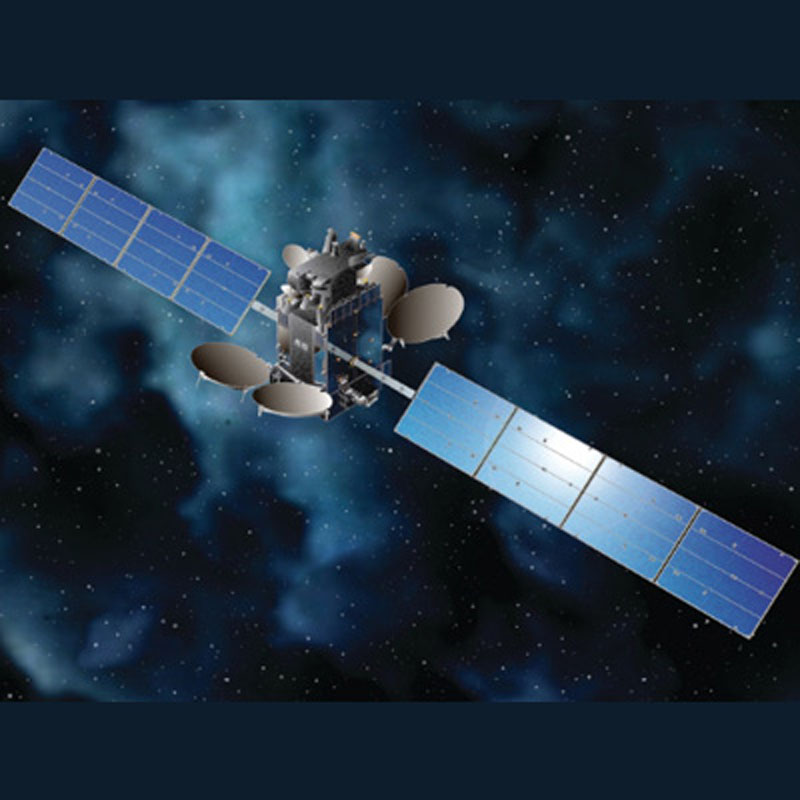
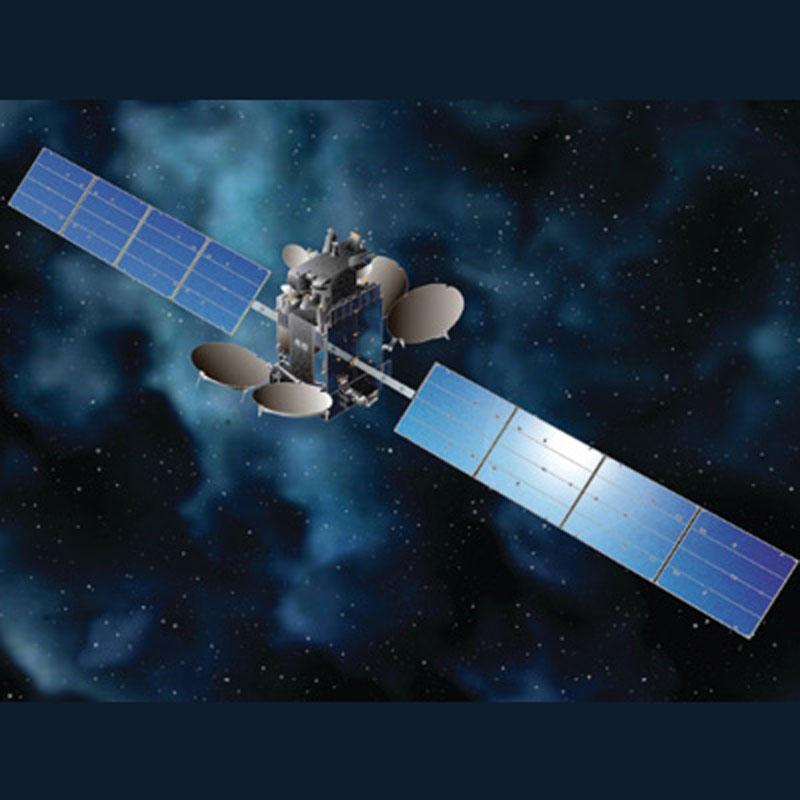
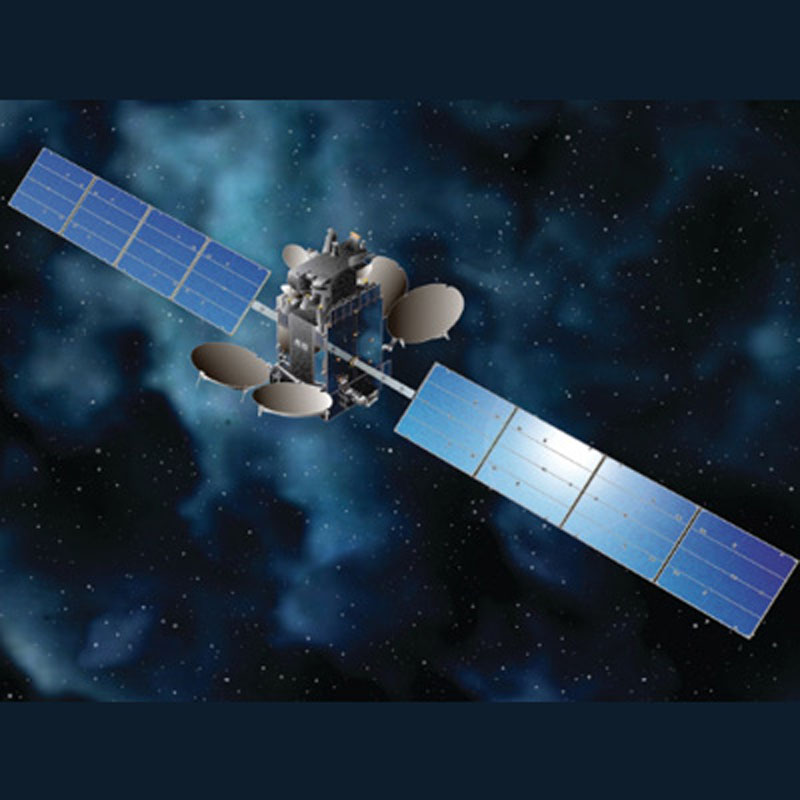
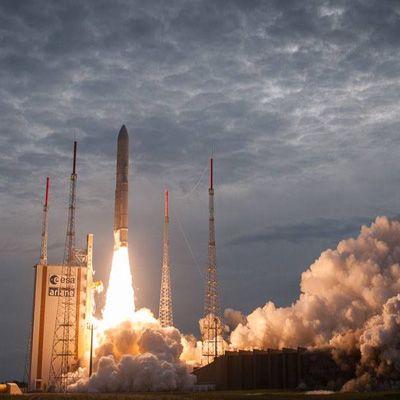
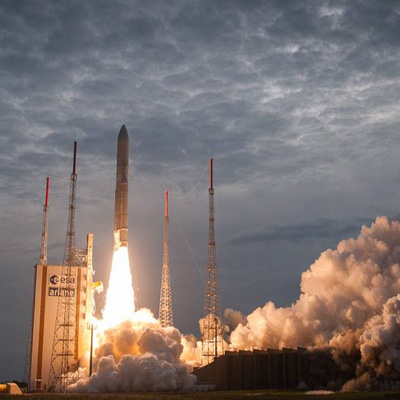
    NEW DELHI: Two Intelsat communications satellites – Intelsat 33e and Intelsat 36 – are being launched into orbit on 24 August, with Arianespace in the final stage of preparations.

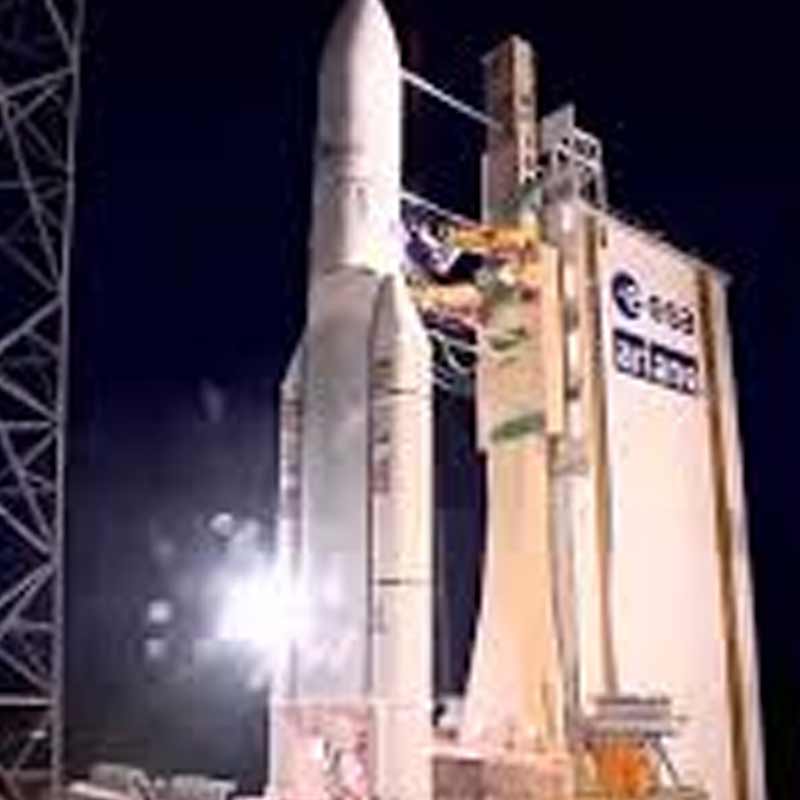
    This sixth mission of the year will be launched from the Ariane Launch Complex No. 3 (ELA 3) in Kourou, French Guiana, atop an Ariane 5 booster. The launch window starts at 5:55 p.m. EDT (21:55 GMT) and extends for 45 minutes.

    The work on the launch started in mid-July with the arrival of the satellites in French Guiana. Intelsat 33e and Intelsat 36 were shipped to the Guiana Space Centre in late July. Both spacecraft were put through a series of tests including electrical checks verifying command and telemetry systems, as well as electrical propulsion tests, validating the Xenon propulsion system. The engineers also performed bi-propellant tests to make sure that each thruster responds correctly to activation commands, and to prove there were no leaks.

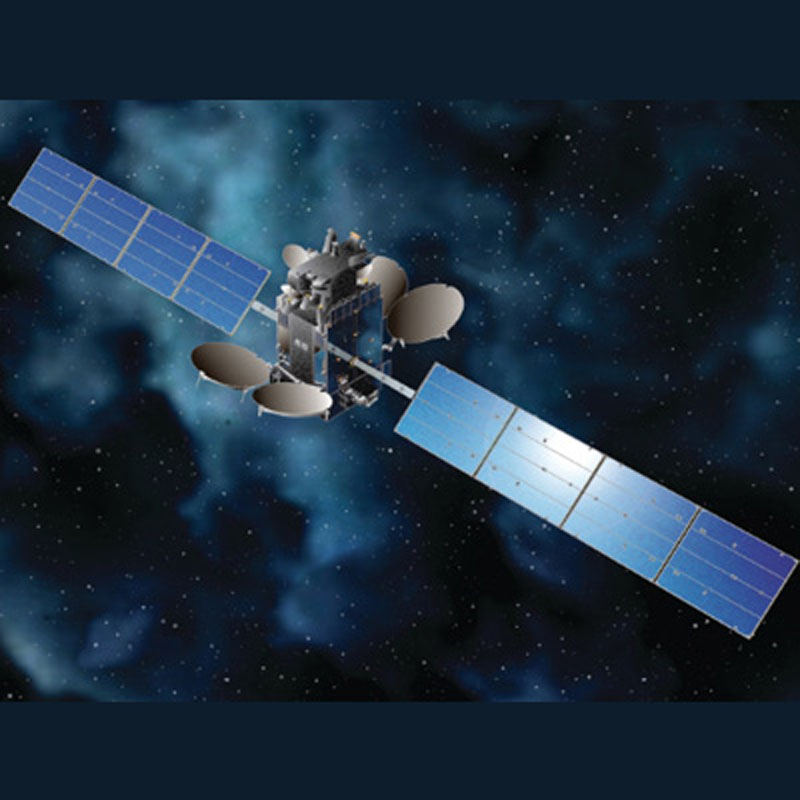
    With a lifetime of fifteen years, the Intelsat 33e has been built by Boeing and is based on its 702 MP platform. The satellite weighs 6.6 metric tons and measures 7.9 by 3.8 by 3.2 meters. It features two deployable solar wings, each with four panels of ultra-triple-junction gallium arsenide solar cells, capable of generating up to 13 kilowatts of power.

    Equipped with 20 C-band and 249 Ku-band transponders, Intelsat 33e will be inserted into a geosynchronous orbit inclined 60 degrees East, replacing Intelsat 904. The satellite is designed to deliver carrier-grade telecom, enterprise networks, aeronautical connectivity, and certain media services.

    This is the second spacecraft in the company’s EpicNG series – a high-performance, next-generation satellite platform that delivers global high-throughput technology.

    Its Ku-band spot beams are to provide broadband services for Europe, Africa, West Asia, and Asia, while a Ku-band wide beam provides broadcast coverage of Europe, West Asia, and Asia. The satellite’s C-band spot beams will cover high traffic telecommunications centres in Europe, Central Africa, West Asia, Asia, and Australia. When it comes to the C-band wide beam, it is expected to deliver coverage over sub-Saharan Africa for data and media services.

    Intelsat 36 with a life of over fifteen years was manufactured by Space Systems/Loral (SSL) and is based on the SSL-1300 bus. Weighing about 3.25 metric tons, its dimensions are 17 by 10 by 11 feet (5.2 by 3.1 by 3.4 meters). The spacecraft has two deployable solar arrays that will generate up to 15.8 kilowatts of power. Intelsat 36 is fitted with 34 Ku-band transponders and 10 C-band transponders. Its Ku-band payload will support Intelsat’s MultiChoice direct-to-home service in South Africa, while the C-band payload is expected to provide in-orbit resilience for the video content distribution neighborhood at 68.5 degrees East where the satellite will be co-located in a geosynchronous orbit, together with Intelsat 20.

    The Intelsat 33e satellite was on 6 August mated with the payload adapter in the S5 payload facility and four days later it was encapsulated in the payload fairing. Intelsat 36 was installed on the payload adapter four days later and its encapsulation took place afterwards with the stack was placed atop the Ariane 5 launcher.

    The launch rehearsal and final preparations of the booster for the upcoming liftoff were held last week, while the rollout of the rocket to the launch pad was scheduled to be performed one day before the planned blastoff. The final countdown for the liftoff will be commenced 11 hours and 30 minutes ahead of the launch.

    Designated VA232 in Arianespace’s numbering system, it will see the Ariane 5 rocket fly for about 42 minutes when Intelsat 33e will be released into orbit first nearly 29 minutes after launch, while Intelsat 36 will separate 13 minutes later.

    According to Intelsat Investor Relations Vice President Dianne J. VanBeber, “We take the next step in establishing our Intelsat EpicNG high-throughput platform with Intelsat 33e, the second in our series of seven planned satellites. We also launch Intelsat 36, which is a fully committed custom payload for an important DTH customer in South Africa,”

    The Ariane 5 in ECA configuration is the heavy-lift rocket for missions to geostationary transfer orbit (GTO) and usually carries two telecommunications satellite payloads. The flight is powered during the initial flight phase by a cryogenic core stage and two solid rocket boosters, followed by the use of a cryogenic upper stage for orbital injection of the payload.

    The 54.8-meter tall ECA is an improved version of the Ariane 5 launcher, designed to deliver payloads, mainly communications satellites, weighing up to 10 tonnes.

    Although it has the same general architecture, some significant changes were made to the basic structure of the generic version to increase thrust and enable it to carry heavier payloads. ECA is also used by institutional customers for non-GTO missions; for example, launching ESA’s Herschel and Planck scientific missions in 2008.

    This will be the 232nd liftoff of an Ariane vehicle from the Kourou Spaceport. It will be the fourth Ariane 5 launch of 2016 (the 87th Ariane 5 launch overall) and the sixth of 12 flights planned this year by Arianespace, utilizing its family of the heavy-lift Ariane 5, the medium-lift Soyuz, and the lightweight Vega.

    Arianespace’s next launch is scheduled for 16 September when it is expected to send into orbit PeruSat 1 for the Peruvian Armed Forces and four SkySat Earth-observing microsatellites for Skybox Imaging. The mission will be performed by the Vega launcher, lifting off from Kourou.

  • Two Intelsat satellites with C and Ku-Band transponders set for launch tomorrow

    Two Intelsat satellites with C and Ku-Band transponders set for launch tomorrow

    NEW DELHI: Two Intelsat communications satellites – Intelsat 33e and Intelsat 36 – are being launched into orbit on 24 August, with Arianespace in the final stage of preparations.

    This sixth mission of the year will be launched from the Ariane Launch Complex No. 3 (ELA 3) in Kourou, French Guiana, atop an Ariane 5 booster. The launch window starts at 5:55 p.m. EDT (21:55 GMT) and extends for 45 minutes.

    The work on the launch started in mid-July with the arrival of the satellites in French Guiana. Intelsat 33e and Intelsat 36 were shipped to the Guiana Space Centre in late July. Both spacecraft were put through a series of tests including electrical checks verifying command and telemetry systems, as well as electrical propulsion tests, validating the Xenon propulsion system. The engineers also performed bi-propellant tests to make sure that each thruster responds correctly to activation commands, and to prove there were no leaks.

    With a lifetime of fifteen years, the Intelsat 33e has been built by Boeing and is based on its 702 MP platform. The satellite weighs 6.6 metric tons and measures 7.9 by 3.8 by 3.2 meters. It features two deployable solar wings, each with four panels of ultra-triple-junction gallium arsenide solar cells, capable of generating up to 13 kilowatts of power.

    Equipped with 20 C-band and 249 Ku-band transponders, Intelsat 33e will be inserted into a geosynchronous orbit inclined 60 degrees East, replacing Intelsat 904. The satellite is designed to deliver carrier-grade telecom, enterprise networks, aeronautical connectivity, and certain media services.

    This is the second spacecraft in the company’s EpicNG series – a high-performance, next-generation satellite platform that delivers global high-throughput technology.

    Its Ku-band spot beams are to provide broadband services for Europe, Africa, West Asia, and Asia, while a Ku-band wide beam provides broadcast coverage of Europe, West Asia, and Asia. The satellite’s C-band spot beams will cover high traffic telecommunications centres in Europe, Central Africa, West Asia, Asia, and Australia. When it comes to the C-band wide beam, it is expected to deliver coverage over sub-Saharan Africa for data and media services.

    Intelsat 36 with a life of over fifteen years was manufactured by Space Systems/Loral (SSL) and is based on the SSL-1300 bus. Weighing about 3.25 metric tons, its dimensions are 17 by 10 by 11 feet (5.2 by 3.1 by 3.4 meters). The spacecraft has two deployable solar arrays that will generate up to 15.8 kilowatts of power. Intelsat 36 is fitted with 34 Ku-band transponders and 10 C-band transponders. Its Ku-band payload will support Intelsat’s MultiChoice direct-to-home service in South Africa, while the C-band payload is expected to provide in-orbit resilience for the video content distribution neighborhood at 68.5 degrees East where the satellite will be co-located in a geosynchronous orbit, together with Intelsat 20.

    The Intelsat 33e satellite was on 6 August mated with the payload adapter in the S5 payload facility and four days later it was encapsulated in the payload fairing. Intelsat 36 was installed on the payload adapter four days later and its encapsulation took place afterwards with the stack was placed atop the Ariane 5 launcher.

    The launch rehearsal and final preparations of the booster for the upcoming liftoff were held last week, while the rollout of the rocket to the launch pad was scheduled to be performed one day before the planned blastoff. The final countdown for the liftoff will be commenced 11 hours and 30 minutes ahead of the launch.

    Designated VA232 in Arianespace’s numbering system, it will see the Ariane 5 rocket fly for about 42 minutes when Intelsat 33e will be released into orbit first nearly 29 minutes after launch, while Intelsat 36 will separate 13 minutes later.

    According to Intelsat Investor Relations Vice President Dianne J. VanBeber, “We take the next step in establishing our Intelsat EpicNG high-throughput platform with Intelsat 33e, the second in our series of seven planned satellites. We also launch Intelsat 36, which is a fully committed custom payload for an important DTH customer in South Africa,”

    The Ariane 5 in ECA configuration is the heavy-lift rocket for missions to geostationary transfer orbit (GTO) and usually carries two telecommunications satellite payloads. The flight is powered during the initial flight phase by a cryogenic core stage and two solid rocket boosters, followed by the use of a cryogenic upper stage for orbital injection of the payload.

    The 54.8-meter tall ECA is an improved version of the Ariane 5 launcher, designed to deliver payloads, mainly communications satellites, weighing up to 10 tonnes.

    Although it has the same general architecture, some significant changes were made to the basic structure of the generic version to increase thrust and enable it to carry heavier payloads. ECA is also used by institutional customers for non-GTO missions; for example, launching ESA’s Herschel and Planck scientific missions in 2008.

    This will be the 232nd liftoff of an Ariane vehicle from the Kourou Spaceport. It will be the fourth Ariane 5 launch of 2016 (the 87th Ariane 5 launch overall) and the sixth of 12 flights planned this year by Arianespace, utilizing its family of the heavy-lift Ariane 5, the medium-lift Soyuz, and the lightweight Vega.

    Arianespace’s next launch is scheduled for 16 September when it is expected to send into orbit PeruSat 1 for the Peruvian Armed Forces and four SkySat Earth-observing microsatellites for Skybox Imaging. The mission will be performed by the Vega launcher, lifting off from Kourou.

  • Arianespace to launch Azerspace-2/Intelsat 38 telecom satellites in 2017

    Arianespace to launch Azerspace-2/Intelsat 38 telecom satellites in 2017

    MUMBAI: Azercosmos and Intelsat have chosen Arianespace to launch the Azerspace-2/Intelsat 38 telecommunication satellite. The satellite will be launched by an Ariane 5 launch vehicle from the Guiana Space Center, located in Kourou, French Guiana.


    Expected to launch in 2017, Azerspace-2 will be Azercosmos’ second telecommunications satellite, and will expand on the current capacity of Azerspace-1. It will support growing demand for Direct-to-Home (DTH), government, and network services in Europe, Central and South Asia, the Middle East and Sub-Saharan Africa.


    “Arianespace is honored to continue its longstanding partnership with Intelsat and be selected again by Azercosmos for the launch of its second satellite, following the success of Azerspace/Africasat-1A on 7 February, 2013. This contract will give us the opportunity to implement a tailor made launch solution that complies with both Azercosmos and Intelsat requirements, hence demonstrating our capability to address the needs of both regional and global satellite operators worldwide,” said Arianespace chairman and CEO Stéphane Israël.


    For Intelsat, the satellite will provide continuity of service for the Intelsat 12 satellite currently stationed at 45 degrees East, an orbital location which hosts DTH platforms for Central and Eastern Europe as well as the Asia-Pacific region. Intelsat 38 will also provide connectivity for corporate networks and government applications in Africa.


    “This new satellite will provide Azercosmos with additional capacity for the increasing demand in the region, and will allow us to continue to bring the best service to our customers. We are pleased to collaborate with two world leaders in the satellite industry,” said Azercosmos chairman and CEO Rashad Nabiyev.

     
    Intelsat EVP and chief technology officer Thierry Guillemin added, “In today’s competitive environment, fast and reliable access to space is an absolute imperative. Arianespace has a long and proven track record of executing against its launch manifest and we look forward to partnering with them once again to ensure the reliable delivery of the Azercosmos 2/Intelsat 38 satellite into orbit in 2017.”


    Azerspace-2/Intelsat 38 will be designed and built by Space Systems/Loral. The satellite design is based on the highly reliable 1300 satellite platform that provides the flexibility for a broad range of applications and technology advances.

  • ISRO’s GSAT-15 launch on 11 November; DTH to benefit

    ISRO’s GSAT-15 launch on 11 November; DTH to benefit

    NEW DELHI: Even as Indians are celebrating the festival of lights, a new bird  from the Indian Space Research Organisation (ISRO) is set to be blasted off into geostationary orbit come early 11 November from Kouro in French Guiana.  The satellite GSAT-15 – with its 24 Ku-band transponders – is going to provide a lifeline to India’s DTH television operators.


    It is currently waiting at the launch pad as a payload of an Ariane 5 Rocket  – launch firm Arianespace’s trusted launcher – in launch complex No 3 in Kouru. The satellite cost – including the launch fee – is at Rs 860 crore.


    The GSAT-15 will replace two older birds – INSAT-3A and INSAT-4B – both are which are at the fag end of their lives. INSAT 3A will expire in November while 4b will cease functioning later next year.


    Most of the transponder capacity on these two satellites is being utilized by Prasar Bharati’s DD and  DTH operators FreeDish and  Sun Direct, according to satellite TV tracker Lyngsat.


    GSAT-15 will thus see these services being shifted to its transponders, which will also serve the needs of VSAT operators who offer Digital satellite news gathering operations to India’s news channels. It will also be carrying as a GPS-Aided GEO Augmented Navigation (GAGAN) payload operating in L1 and L5 bands as  a backup service for airlines and other users of augmented GPS-based system.  According to ISRO, it has a design life of 12 years and its weight will be 3,164 kg at lift-off


    The Ariane-5 VA-227 launch vehicle, which will launch GSAT 15, will also carry Arabsat-6B for Arabsat, Saudi Arabia. Arabsat-6B, to be renamed BADR-7 once in orbit, will be the ninth satellite orbited by Arianespace for use by the operator Arabsat, based in Riyadh, Saudi Arabia. It is the initial sixth-generation satellite for Arabsat’s fleet, providing broadcast, broadband and telecommunications services over the Middle East, Africa and Central Asia.


    The Ariane 5 mission will have a total payload lift performance of 9,810 kg, Arianespace said. This includes the two satellites’ mass at liftoff – 5,798 kg for Arabsat-6B and 3,164 kg for GSAT-15 – along with launcher integration hardware and Ariane 5’s dual-passenger deployment system, it added.


    The launch is planned to take place during a launch window of 21:34 and 22:17 pm coordinated universal time (around 03:04 am IST).


    Interested viewers can watch it live on http://www.arianespace.tv.

  • SES entrusts Arianespace with SES-12 launch

    SES entrusts Arianespace with SES-12 launch

    MUMBAI: SES has selected Arianespace to launch the powerful new hybrid communications satellite, SES-12, on board an Ariane 5 booster from the European Space Center in Kourou, French Guiana, during Q4 2017. This will be the 40th launch of an SES spacecraft on board an European Ariane launch vehicle.


    The new satellite will expand SES’s capabilities to provide direct-to-home (DTH) broadcasting, VSAT, Mobility and High Throughput Satellite (HTS) data connectivity services in the fast growing Asia-Pacific region, including rapidly growing markets such as India and Indonesia.


    The spacecraft will be positioned at the well-established SES orbital slot of 95 degrees East, providing incremental as well as replacement capacity with excellent view angles across the Asia-Pacific region. SES-12 will replace SES’s existing NSS-6 satellite and will be co-located with SES-8. Today, SES serves close to 20 million DTH households in India and Indo-China from this orbital slot.


    SES-12 is being built by Airbus Defence and Space based on the highly reliable Eurostar E3000 platform. The satellite is designed to operate for 15 years, with a payload comprising 68 high-power physical Ku-band transponders and eight physical Ka-band transponders. The spacecraft will be equipped with an electric plasma propulsion system for orbit raising and on-orbit manoeuvres.


    The payload of the hybrid SES-12 satellite consists of two distinct but complementary missions: first, traditional wide beam coverage, and second, a high-powered Ku-band multi spot beam payload (HTS).


    The traditional wide-beam mission consists of 54 (36 MHz equivalent) transponders that will provide state-of-the-art replacement and growth capacity for SES’s existing DTH, government and VSAT customers, allowing for a seamless transition from NSS-6 to SES-12. In addition, the design provides incremental growth capacity to support new DTH platforms and other services targeting the Asia-Pacific region.


    The second mission consists of 70 Ku-band spot beams and 11 Ka-band spot beams delivering over 14 GHz for VSAT, Enterprise, Mobility and Government applications. This mission also includes a Digital Transparent Processor (DTP), which provides anti-jamming capabilities as well as increased payload flexibility in order to provide customized bandwidth solutions to SES customers.

  • Arianespace to launch Arabsat’s BADR-6 satellite

    MUMBAI: As part of its upcoming ambitious fleet renewal and expansion program for the next 3 years, Satcom operator Arabsat has selected Arianespace for the launch of its recently ordered BADR-6 satellite in 2008.

    BADR-6, a fourth-generation satellite, will be built jointly by EADS-Astrium and AlcatelAleniaSpace for the communications payload, based on the Eurostar 2000+ platform. Weighing 3,400 kg at launch, the satellite will be fitted with 24 C-band and 20 Ku-band transponders with a design life of about 15 years. BADR-6 is designed to primarily provide video broadcasting services for the entire Middle East and North Africa (MENA) region from Arabsat’s 26°East geostationary orbital location and by far the MENA region’s leading video neighbourhood.

    Co-located with the rest of the BADR constellation of satellites at Arabsat’s “hot-spot” for DTH entertainment, it will be reaching an audience of 130 Million viewers from Morocco to the Gulf and a large part of sub-Saharan Africa. Moreover, BADR-6 will also provide Arabsat with additional in-orbit back-up capacity for its core television and radio customers, as well as a significantly larger number of options for optimising its telephony and data transmissions.

    Arianespace CEO Jean-Yves Le Gall says, “Arianespace is very proud and honoured to have once again been chosen by the leading operator Arabsat. We have maintained a preferred relationship with Arabsat since launching the Arabsat-1A satellite in 1985. Furthermore, being chosen for this new satellite launch right when Arabsat has announced an ambitious deployment plan is a clear recognition of the top quality and excellence offered by Arianespace’s launch service. We consider it as a significant milestone, hopefully strengthening our cooperation in the close future”.

  • Arianespace to launch a satellite for Vietnam

    Arianespace to launch a satellite for Vietnam

    MUMBAI: French satellite launch service provider Arianespace will launch in 2008 the Vinasat-1 satellite for Vietnam Posts and Telecommunications Corporation (VNPT). Vinasat-1 will be built by Lockheed Martin Commercial Space Systems (LMCSS).

    The first Vietnamese telecommunications satellite, Vinasat-1 will be launched on an Ariane 5 vehicle during the first half of 2008 from the Guiana Space Center, Europe’s Spaceport in Kourou, French Guiana.

    Vinasat-1 is the 275th contract won by Arianespace since the company’s founding in March 1980 and the 53rd launch for a satellite operator in the Asia-Pacific region. Vinasat-1 is the 39th satellite platform built by Lockheed Martin to be launched by Arianespace.

    Weighing about 2,600 kg at launch, Vinasat-1 will be positioned at 132 degrees East Longitude, and will offer a design life exceeding 15 years. Fitted with 20 C- and Ku-band transponders, the satellite will provide radio, television and telephone transmission services for all of Vietnam and the Asia Pacific region from its geostationary orbit.

    Arianespace CEO Jean-Yves Le Gall says, “We are delighted to be working with the people at LMCSS once again. This contract is the latest mark of recognition of the excellent service and solutions offered by Arianespace. We are also very honoured to be selected to orbit Vietnam’s first communications satellite, and we are very proud to be participating in the country’s economic development.”

    Lockheed Martin Commercial Space Systems president Ted Gavrilis said, “Lockheed Martin Commercial Space Systems is proud to join Arianespace’s highly professional launch team to ensure the successful launch of Vinasat-1.

    “We are confident that the expertise and heritage we bring to the Vinasat-1 programme, along with Arianespace’s outstanding launch service, will result in superior program execution for an on-time delivery of Vietnam’s first telecommunications spacecraft.”

  • Isro, Arianespace, CNes complete 25 years of cooperation

    Isro, Arianespace, CNes complete 25 years of cooperation

    MUMBAI: European satellite launch firm Arianespace has announced that exactly 25 years ago (19 June 1981), Europe’s Ariane launcher orbited the Indian experimental satellite Apple, built by the Indian Space Research Organisation (Isro).

    Since then, Arianespace, Isro and the French space agency CNes have developed a space partnership, forging commercial, government and industrial alliances. 

    Within the scope of this cooperation, Isro and Arianespace have signed 13 launch contracts to date. Since the first launch in June 1981, eleven other satellites have been successfully launched by Ariane rockets from the Guiana Space Center in Kourou, French Guiana. Arianespace also has a 13th satellite in its order book, Insat 4B, scheduled for launch in the first quarter of 2007.

    In March 2004, Arianespace signed a collaboration agreement with Antrix, the company that markets Indian launch vehicles. Since then Arianespace has offered India’s PSLV and GSLV launchers, most notably as backup for small satellites which Arianespace’s own family of launchers cannot handle.

    Arianespace recently signed a launch service contract for European operator Eutelsat’s W2M satellite. W2M will be built by a new consortium of Antrix and Astrium Satellites, which proposes a satellite platform built by Isro equipped with a payload supplied by Astrium Satellites.

    The collaboration between the Indian and French space agencies kicked off in 1972 with the signature of a bipartite agreement, followed in 1993 by a more general framework agreement. Isro and CNes have teamed up on major projects over the years, most notably in Earth Observation, with the Megha-Tropiques mission, and in telemedicine.

    Today, new collaborations are being studied in oceanography, data collection and radio communications, and will enable the two agencies and their teams to further strengthen their relationship.

  • Isro schedules Insat 4C launch for July

    Isro schedules Insat 4C launch for July

    MUMBAI: All indications point to the second half of the year being when we will see some fresh action on the direct-to-home (DTH) television services front. Even as the timeline for the Tata Sky DTH service looks to be June-July, the Indian Space Research Organisation (Isro) is all set to launch Insat 4C, the latest in the Insat series, in July.

    Kalanithi Maran’s Sun Group, which has booked space on Insat 4C, is negotiating with Isro for eight Ku-band transponders. Earlier Sun had indicated that it would start its Sun Direct DTH service with five transponders which it would ramp up to nine.

    “Sun now wants to start with eight transponders. The company is in discussions with Isro,” an industry source says.

    Though Insat 4C has a capacity of 12 Ku-band transponders, the problem with Isro is that it has got demand from other operators as well. The government requires four transponders for village telephony over a period of time. Even National Informatics Centre (NIC) has asked for four transponders to start with. “We have committed to giving them one transponder each. We may give some transponders to NIC on Insat 4B, which is slated for launch in the first quarter of 2007 as we have to coordinate with the launch vehicle (Arianespace’s commercial launcher Ariane 5),” says Isro contract management and legal services director SB Iyer.

    Isro will also be handing over two Ku-band transponders to media companies for digital satellite news gathering (DSNG) activities. “DSNG is a fast-growing segment. We are providing two transponders for DSNG operators,” Iyer says.

    With one-to-two transponders reserved for spare capacity, Sun may have to finally settle for less than what it wants. But Isro will allocate transponders to customers who are ready to take them first.

    Meanwhile, Anil Ambani’s Reliance has also booked space for its own DTH plans. As things stand now, there may be no room even on Insat 4B as the space on Insat 4B is reserved for Doordarshan which wants six Ku-band transponders at the minimum.

    Subhash Chandra’s Dish TV, which is on NSS satellite, has not yet indicated to Isro whether it wants space on the Insat series. BPCL, the other player which is waiting to launch, has also not applied to Isro for transponder space.

    Insat 4C will be put into orbit in July by the Geo-synchronous Satellite Launch Vehicle-5 (GSLV), to be launched from Isro’s Sriharikota facility.

    With 12 high power Ku-band transponders, Insat 4C is the first Indian satellite to exclusively offer DTH playout facilities. The satellite will have the capacity to beam about 150 television channels in all.

    The other two satellites of the Insat 4 series — 4A and 4B — have both Ku-band and C-band capacity, carrying 12 transponders of each. Insat 4A launched last December.

    Isro has already allocated all the 12 transponders on Insat 4A for Tata Sky, the 80:20 joint venture between the Tatas and Star Group.