Tag: Arianespace

  • India launches its heftiest satellite yet

    India launches its heftiest satellite yet

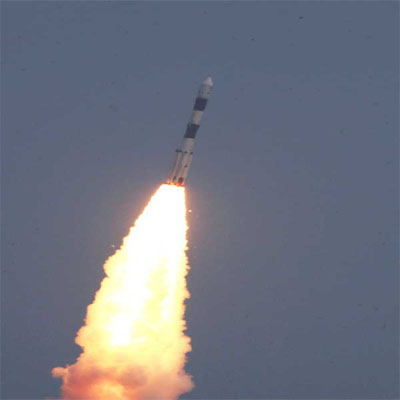
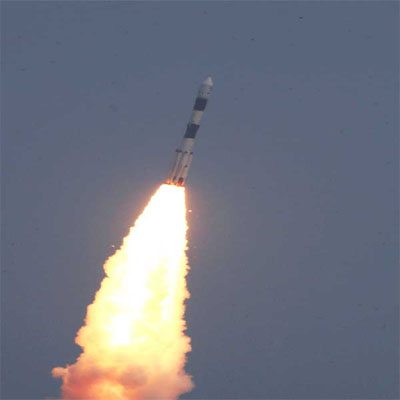
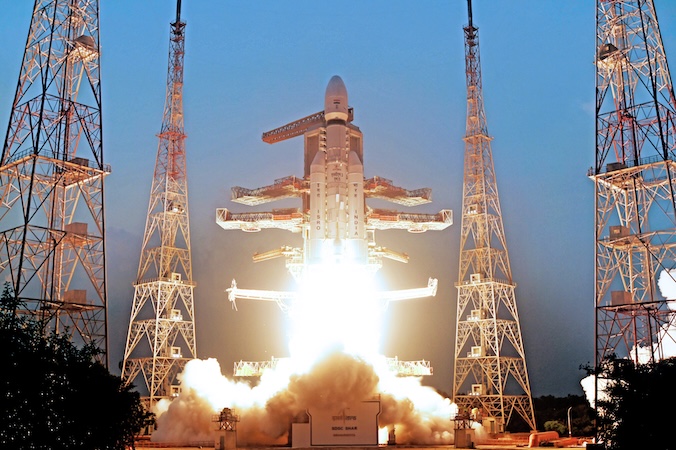
    SRIHARIKOTA: India just flexed its space muscles. On 2 November, the Indian Space Research Organisation (Isro) hurled its heaviest communications satellite ever into orbit from home soil—a 4,400 kg behemoth called CMS-03 that will keep the navy’s ships, submarines and aircraft chattering across the Indian Ocean. The launch from Sriharikota at 5:26 pm marked the end of an embarrassing era: no longer must India send its bulkiest satellites abroad for a lift.

    The rocket doing the heavy lifting was LVM3, ISRO’s most powerful launcher and now nicknamed “Bahubali” for its Herculean payload capacity. This souped-up version sports a beefier cryogenic upper stage—the C32, carrying 32,000kg of fuel and belching 22 tonnes of thrust, a 10 per cent upgrade on the previous model. It can now haul 4,000kg to geosynchronous orbit and 8,000kg to low Earth orbit without breaking a sweat.

    Until now, India’s chunkier satellites hitched rides with foreigners. France’s Arianespace launched the 5,854kg GSAT-11 and 4,181kg GSAT-24. Elon Musk’s SpaceX ferried the 4,700kg GSAT-20. No more. Isro chairman V Narayanan crowed about the mission being “a shining example of Atmanirbhar Bharat”—self-reliant India, in case the point wasn’t clear enough.

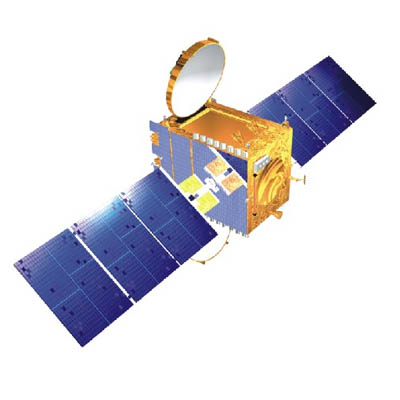
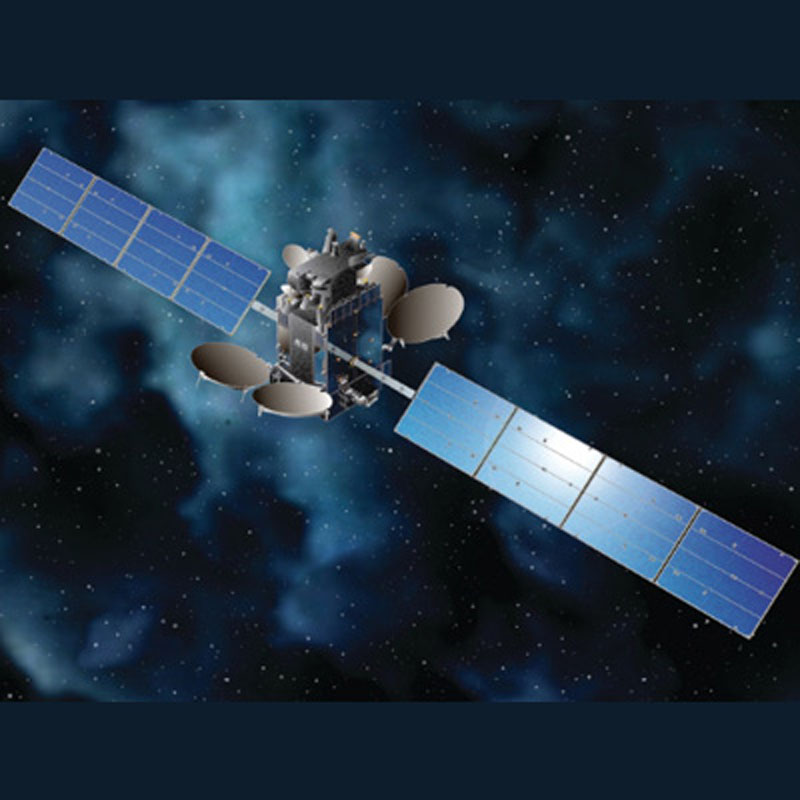
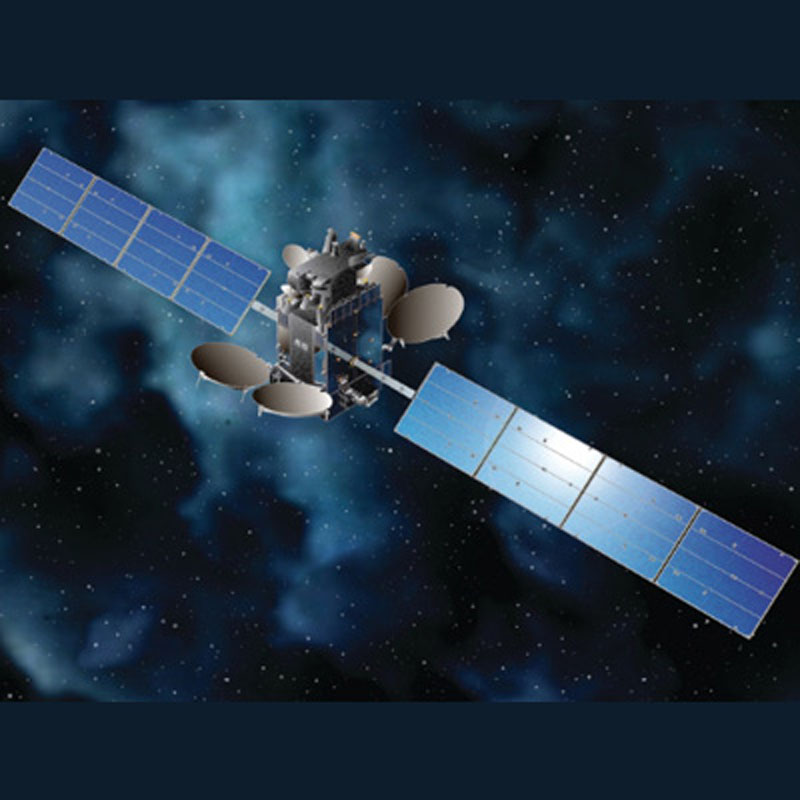
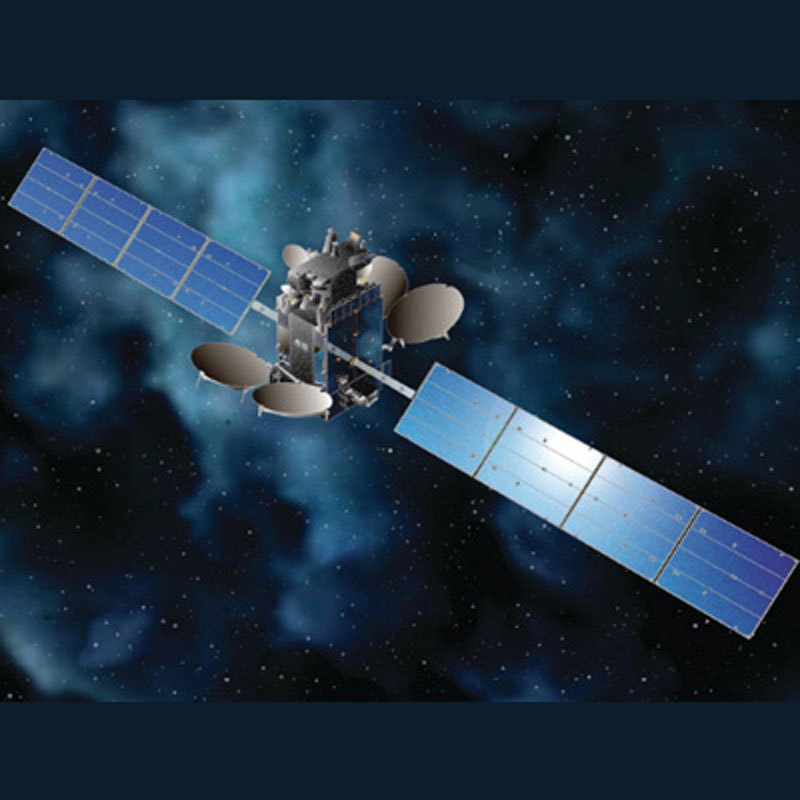
    The CMS-03, also known as GSAT-7R, isn’t just heavy; it’s clever. Bristling with indigenous components, the multiband satellite will provide encrypted voice, data and video links for 15 years, giving the Indian Navy real-time situational awareness across a vast oceanic region. The navy called it a testament to national self-sufficiency in maritime defence.

    This was LVM3’s eighth consecutive successful launch, following triumphs like Chandrayaan-2, Chandrayaan-3 (which made India the first nation to land near the lunar south pole), and OneWeb satellite deployments. The upgraded rocket also feeds directly into Isro’s Gaganyaan programme, which aims to send astronauts into space. Three uncrewed missions are planned first, including one carrying Vyommitra, a robotic astronaut, later this year.

    Narayanan said the space organisation is eyeing seven more launches by March 2026, with another LVM3 mission slated for December. India’s space sector, he declared, is “soaring high.

    With launches this meaty, it’s hard to argue.

  • Arianespace appoints David Cavaillolès as CEO replacing Stéphane Israël

    Arianespace appoints David Cavaillolès as CEO replacing Stéphane Israël

    MUMBAI: Arianespace has gone in for 36  year old David Cavaillolès to become CEO of the European space rocket launch firm from January 2025.

    David has been a rising young  star, starting out in insurance at ACPR as a financial supervision expert after acquiring two masters  degrees, one in sciences, economic, and mathematics followed by another in finance which included actuarial finance. 

    He stayed there for a couple of years following which he joined the public sector, first as an inspector of finances for a couple of years for the French government, then as a senior ministerial adviser in the office of  the minister of  education, research and innovation where he was given  charge of space David advised the ministry on its  industrial strategy for launchers and satellites, Newspace, among many other areas.

    He held this position for two and a half years before being lured back to the private sector by Capgemini Financial Services where he stayed for five years and theee months, rising from head of ADM Paris  practice to chief sales officer of the French office of Capgemini.

    His growth has been rapid throughout his career, especially considering that he was headhunted to lead Arianespace at the young age of 36.

    David replaces Stéphane Israël the outgoing  CEO of Arianespace, who has been at the company’s helm since April 2013 and is currently pursuing new opportunities.  As CEO, Stéphane Israël  played a key role in developing the Ariane industrial cluster with the Ariane 6 launcher, and in transforming Arianespace, which became a subsidiary of ArianeGroup in 2017. 

    After consolidating the Ariane 5, Vega and Soyuz launcher families and supporting the development of Ariane 6 and Vega C next-generation launchers, Stéphane Israël gave Arianespace’s offering a new direction, transitioning from dual GEO satellite launches to solutions designed for large constellations in low-Earth orbit and the growing diversity of satellites. 

    Thanks to these initiatives, Arianespace reached a record rate of 15 launches in 2021 while taking orders for 30 Ariane 6 launches and 15 Vega C launches. Since April 2013, Stephane Israël has supervised 108 launches, including, recently, the emblematic James Webb Telescope (JWST) mission for Nasa and the Juice probe launch for the European Space Agency (ESA).

    “Every day I have spent since April 2013 writing this chapter in the history of Arianespace has been a great honor and an extraordinary human adventure,” said Stéphane Israël. “I am pleased to entrust my successor with a company boasting a solid order book to ramp up the launch rate as of 2025. With Ariane 6, Arianespace will be able to capture the opportunities arising in a dynamic and fast-changing market.”

    ArianeGroup CEO Martin Sion said: “Stéphane has supported Arianespace through major milestones, from the height of Ariane 5’s success to the first flight of Ariane 6. He also worked hard to transform Arianespace in line with ArianeGroup.”
     

  • ‘Demand-driven’ communication satellite GSAT-24 launched; capacity leased to Tata Play

    ‘Demand-driven’ communication satellite GSAT-24 launched; capacity leased to Tata Play

    Mumbai: NewSpace India (NSIL) on Thursday successfully launched GSAT-24 in its first “demand-driven” communication satellite mission post space sector reforms, leasing the entire capacity on board to direct-to-home (DTH) service Tata Play, as per a news agency report.

    The 24 Ku-band communication satellite was built by Indian Space Research Organisation (ISRO) for NSIL. It will provide pan-India coverage to meet DTH application needs, stated the report.

    The satellite was launched by French company Arianespace in French Guiana (South America).

    As part of the space reforms announced by the government in June 2020, NSIL incorporated in March 2019, was mandated to undertake operational satellite missions on a “demand-driven” model, wherein it had the responsibility to build, launch, own and operate satellites and provide services to its committed customer.

    GSAT-24 is configured on ISRO’s proven I-3k Bus with a mission life of 15 years.

    “Demand-driven” mode basically means when a satellite is launched, one will know who the end customers are going to be and what’s the kind of utilisation and commitment so that you have very effective utilisation of this satellite capacity once it goes into orbit,” the news report said qouting an NSIL official.

    “Earlier the mode was supply driven, with capacity being leased after the launch with largely no firm commitment by customers beforehand,” the official added.

    “The entire mission including satellite, satellite launch, launch campaign, insurance, in-orbit maintenance, transformation and support is fully funded by NSIL. Once the satellite is in orbit it will be fully funded and owned by NSIL,” NSIL chairman & managing director Radhakrishnan Durairaj also opined in the report.

    Post the successful launch of GSAT-24, NSIL would own and operate 11 communication satellites in-orbit and meet the bulk of the communication needs of the country.

    NSIL is the commercial arm of ISRO and a public sector undertaking by the Government of India.

  • Gsat-11, India’s heaviest comms satellite, launched

    Gsat-11, India’s heaviest comms satellite, launched

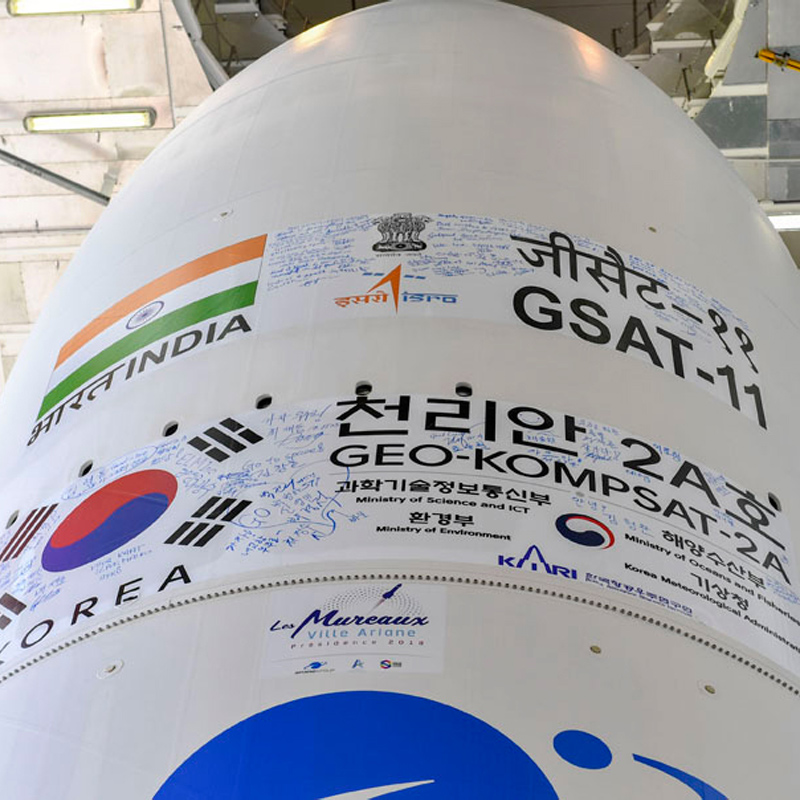
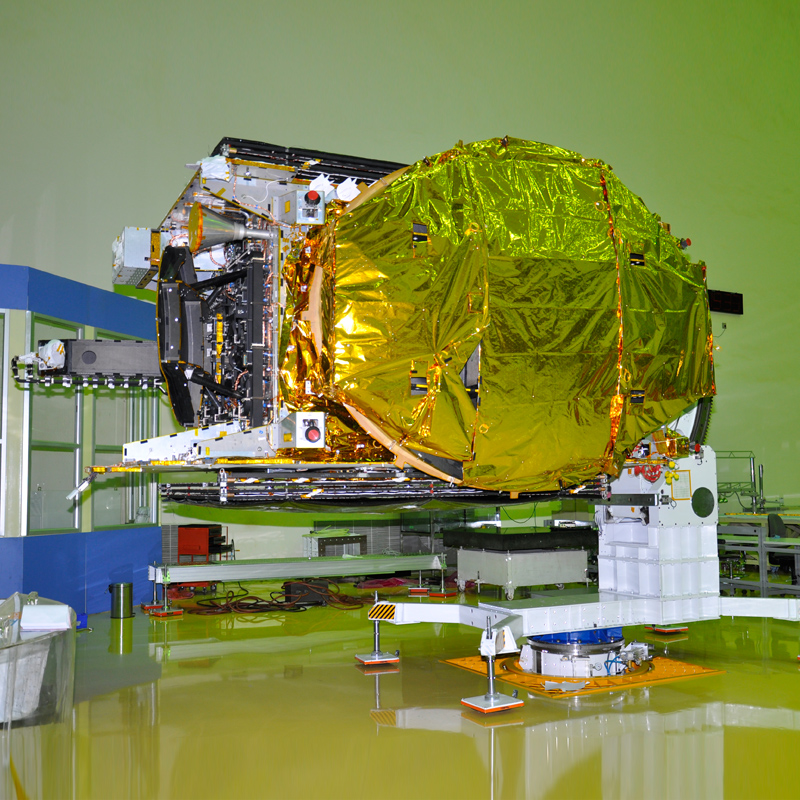
    NEW DELHI: Indian Space Research Organisation (ISRO)’s heaviest and most-advanced high throughput communication satellite GSAT- 11 was successfully launched from the Spaceport in French Guiana during the early hours of today.

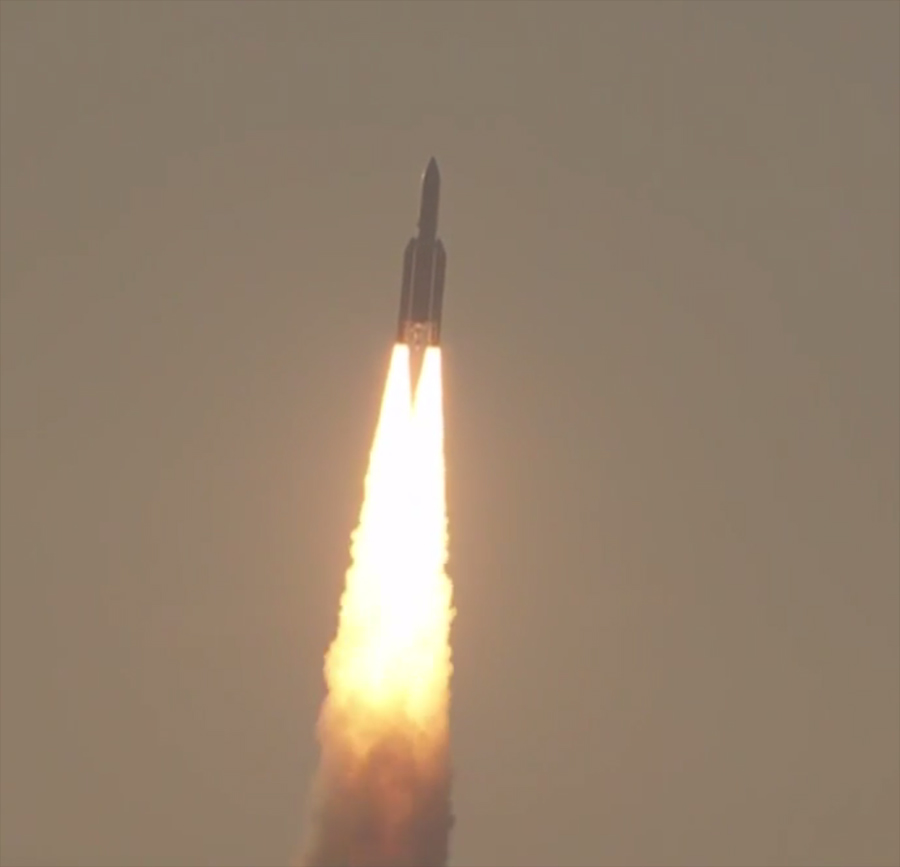
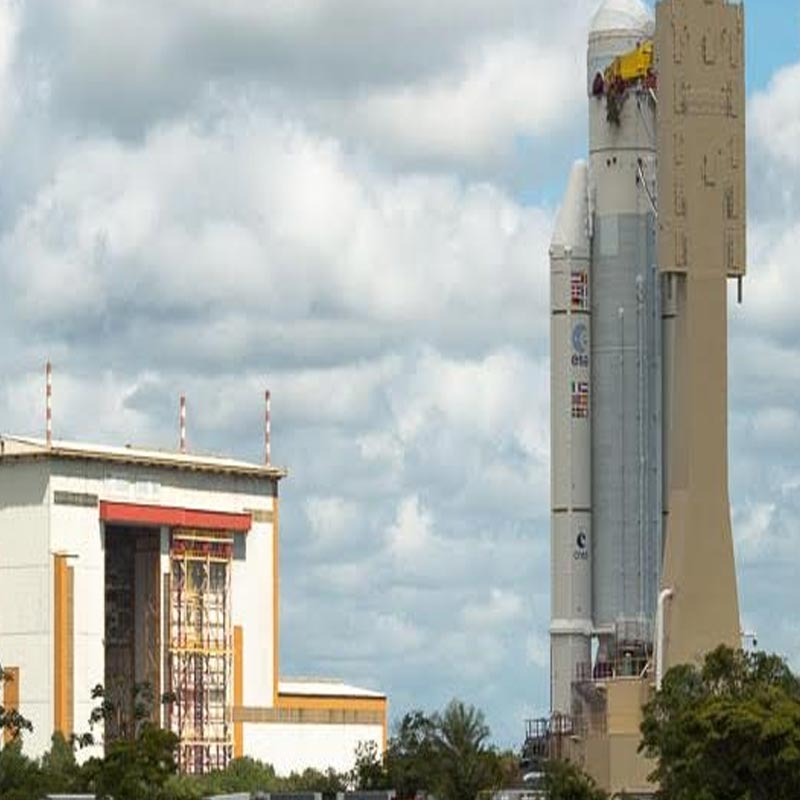
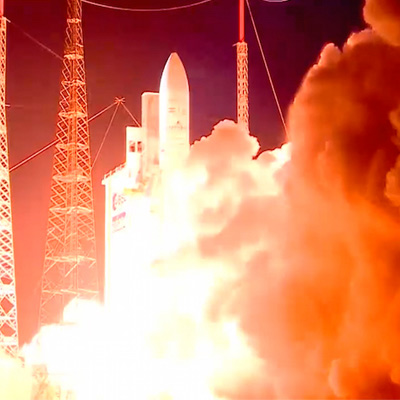
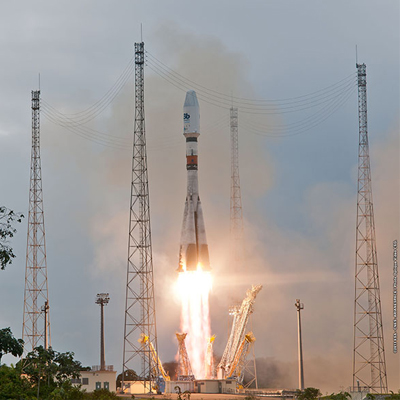
    The launch vehicle Ariane 5 VA-246 lifted off from Kourou Launch Base, French Guiana at 2.07 am (IST) carrying India’s GSAT-11 and South Korea’s GEO-KOMPSAT-2A satellites, as scheduled. Ariane 5 is one of three launch vehicles operated by Arianespace along with Soyuz and Vega.

    After a 30-min flight, GSAT-11 separated from the Ariane 5 upper stage in an elliptical geosynchronous transfer orbit. The achieved orbit was very close to the intended one.

    The 5,854-kg GSAT-11 will provide high data rate connectivity to users of Indian mainland and islands through 32 user beams in Ku-band and 8 hub beams in Ka-band.

    “GSAT-11 will boost the broadband connectivity to rural and inaccessible gram panchayats in the country coming under the Bharat Net project, which is part of Digital India programme,” ISRO chairman Dr K Sivan said.

    The Bharat Net project aims to enhance the public welfare schemes like e-banking, e-health, e-governance and entertainment services among others.

    Sivan said GSAT-11 will act as a forerunner to all future high throughput communication satellites. “Today’s successful mission has boosted the confidence of the entire team,” he added.

    This 10th mission in 2018 reflects the availability and flexibility of Arianespace, which has performed a launch every two weeks since 6 November, the European company said on its website, adding since the launch of India’s APPLE experimental satellite on Ariane Flight L03 in 1981, Arianespace has won nearly all of India’s geostationary orbit launch contracts opened to non-Indian launch vehicles, and has signed 24 launch contracts with the Indian space agency.

    GSAT-11 is the 22nd satellite from ISRO to be launched by Arianespace, and the largest and heaviest satellite ever built by India’s space agency. Arianespace has two other ISRO satellites in its order book to launch: GSAT-30 and GSAT-31. The latter, GSAT-31, will be lifted by Arianespace early next year.

    GSAT-11 was initially planned for launch on 25 May 2018 but was rescheduled with the ISRO citing the need for additional technical checks.

  • GSAT 17 to be inducted into INSAT/GSAT system after tests

    GSAT 17 to be inducted into INSAT/GSAT system after tests

    NEW DELHI: The GSAT-17 launched last month is undergoing in-orbit tests after which it will be inducted into the INSAT/GSAT system for providing various communication services to the country in C, Extended-C and S-band.

    The communication satellite, with a lift-off mass of 3477 Kg – carrying communication, Data Relay Transponder (DRT), Search & Rescue Payload – was successfully launched on 29 June using Ariane-5 launch vehicle from Kourou launch base of Arianespace.

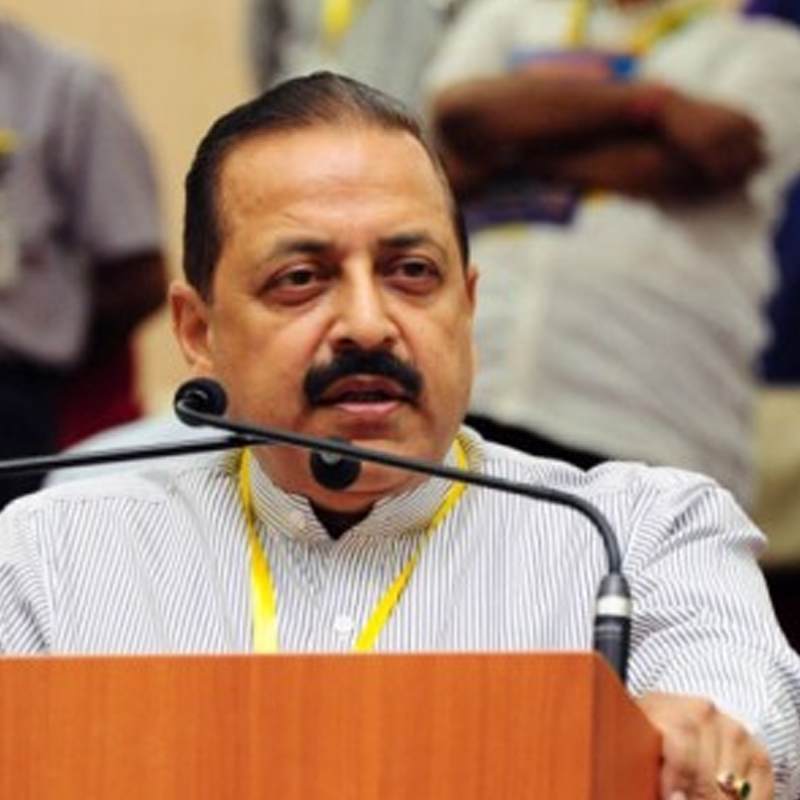
    Space department minister Jitendra Singh told the Parliament that the GSAT-17 carries a Data Relay Transponder for receiving meteorological, hydrological and oceanographic data from Automatic Weather Stations, Automatic Rain Gauges and Agro Met Stations and relaying back for down linking in extended C-Band.

    It also carries a Search & Rescue Payload, which picks up and relays the alert signals originating from the distress beacons of maritime, aviation and land based users to help in rescue services.

    Also Read :

    India’s GSAT-17 communication satellite launched successfully

    Arianespace to launch ISRO-built DTH & telecom satellites

    DTH-aiding GSAT-19 launch plan under way

  • Arianespace to launch ISRO-built DTH & telecom satellites

    MUMBAI: Preparations are afoot to launch two satellites aboard Arianespace’s workhorse Ariane 5 rocket for delivery to GTO (geosynchronous transfer orbit). Hellas Sat 3 / Inmarsat S EAN and GSAT-17 have been scheduled to lift off from the spaceport in Kourou, French Guiana, on 28 June (Wednesday), during a 77-minute window opening at 20:59 GMT (4:59 p.m. EDT).

    Encased in the 17-meter (55.8-foot) tall RUAG-manufactured fairing are the GSAT-17 and Hellas Sat 3 / Inmarsat S EAN satellites. GSAT-17, a 3,477-kg (7,665-pound) telecommunications satellite built by and for India, will launch in the lower position of the SYLDA payload adapter, Space Flight Insider reported.

    One of the aims of the Ariane 5 mission is the launch of two satellites on a single vehicle. On the top of the around 54.8-meter (180-foot) rocket is a pair of satellites destined to provide telecommunications and direct-to-home (DTH) television services to their respective markets.

    Sharing a single ride to orbit offers cost saving opportunities to the customers and is something at which Arianespace has become very adept. The France-based MNC has indeed been a leader in launching two large satellites to GTO for around 20 years.

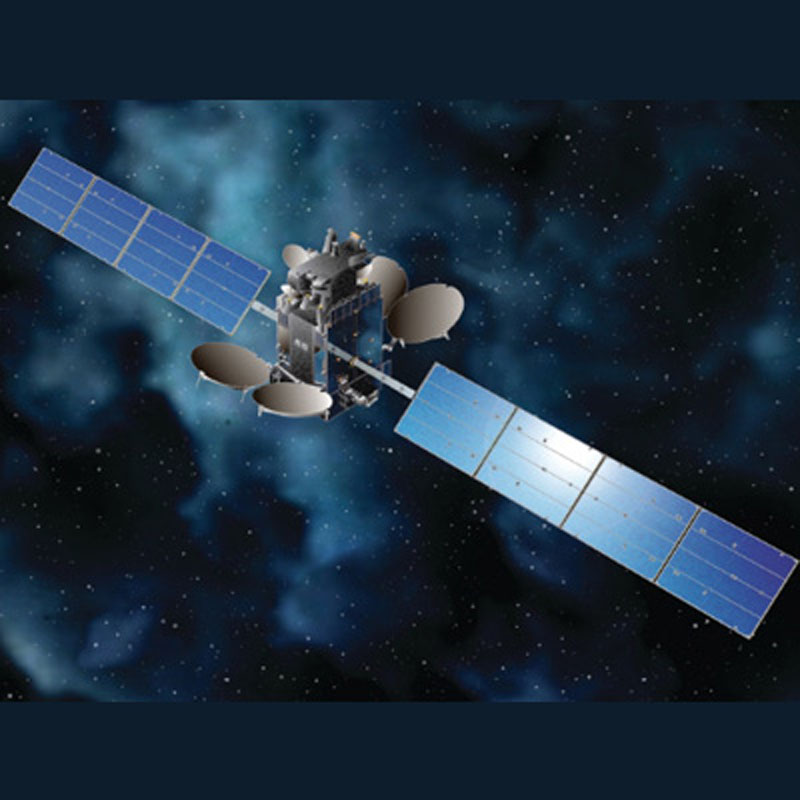
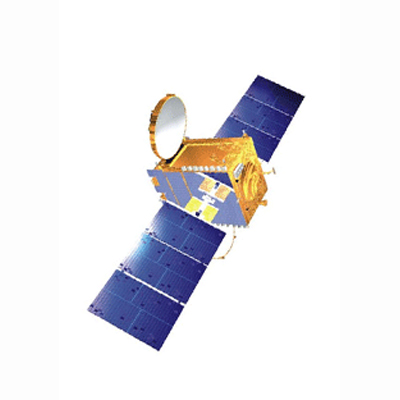
    GSAT-17, which has been built by the Indian Space Research Organization (ISRO), is constructed on the indigenous I-3K satellite bus. The chassis is outfitted with twin solar panels, capable of producing up to a total of 6,500 watts of DC power, tapering to 5,200 watts at the end of its 15-year design life. The satellite will provide telecommunications services, as well as support data relay and government functions, from its position at 93.5 degrees East via multiple C-band transponders.

    The first, Hellas Sat 3, was built for and will be operated by Hellas Sat. It will provide telecommunications and DTH television services to customers in Europe, the Middle East, and Sub-Saharan African countries.

  • GSAT-18 successfully launches, new capacity for DTH operators, TV channels

    GSAT-18 successfully launches, new capacity for DTH operators, TV channels

    MUMBAI: Indian DTH operators, television channels, VSAT and digital satellite news gathering providers are a happy lot because of a development in Kouro French Guiana this morning. The reason: the successful launch of Arianespace’s Ariane 5 VA 531 rocket with its passenger, the Indian Space Research Organisation’s GSAT-18 satellite. When the satellite starts ticking fully a few weeks later, its 48 transponders ranging from Ku-band, C-Band to extended C-Band will be beaming their signals over India to Indian TV viewers and companies.

    32:28 minutes after blasting off from the launch site, the 3,400 kg GSAT-18 was placed in geo-synchronous transfer orbit (GTO) this morning around 2:30 am. And, ISRO officials including the Indian ambassador in France Mohan Kumar leapt up, fisting the air in triumph.

    Following that, ISRO’s master control facility took charge of it and will perform operations which will result it being placed in a circular geo-stationary orbit. Following this, ISRO will deploy the solar panels – which will provide it power over its 15 year life – and antenna. The satellite will then be stabilized on three axis, placed at 74 degrees East longitude, and become part of ISRO’s 14 telecom fleet in space

    Later, it is planned to experimentally turn on the communication payloads of GSAT-18. After the successful completion of all the in-orbit tests, GSAT-18 will be ready for operational use.

    This was the Indian space organisation’s twentieth satellite mission through Arianespace. It will add to that count when it launches two more satellites – GSAT 11 and GSAT-11 – using Arianespace launchers in 2017.

    The VA 531 flight had another payload – Australia’s SkyMuster II satellite – which too was placed successfully in orbit. SkyMuster II aims to provide broadband facilities to remote locations in Australia.

    Prime minister Narendra Modi sent out his congratulatory message on Twitter to the scientists at ISRO.

  • GSAT-18 successfully launches, new capacity for DTH operators, TV channels

    GSAT-18 successfully launches, new capacity for DTH operators, TV channels

    MUMBAI: Indian DTH operators, television channels, VSAT and digital satellite news gathering providers are a happy lot because of a development in Kouro French Guiana this morning. The reason: the successful launch of Arianespace’s Ariane 5 VA 531 rocket with its passenger, the Indian Space Research Organisation’s GSAT-18 satellite. When the satellite starts ticking fully a few weeks later, its 48 transponders ranging from Ku-band, C-Band to extended C-Band will be beaming their signals over India to Indian TV viewers and companies.

    32:28 minutes after blasting off from the launch site, the 3,400 kg GSAT-18 was placed in geo-synchronous transfer orbit (GTO) this morning around 2:30 am. And, ISRO officials including the Indian ambassador in France Mohan Kumar leapt up, fisting the air in triumph.

    Following that, ISRO’s master control facility took charge of it and will perform operations which will result it being placed in a circular geo-stationary orbit. Following this, ISRO will deploy the solar panels – which will provide it power over its 15 year life – and antenna. The satellite will then be stabilized on three axis, placed at 74 degrees East longitude, and become part of ISRO’s 14 telecom fleet in space

    Later, it is planned to experimentally turn on the communication payloads of GSAT-18. After the successful completion of all the in-orbit tests, GSAT-18 will be ready for operational use.

    This was the Indian space organisation’s twentieth satellite mission through Arianespace. It will add to that count when it launches two more satellites – GSAT 11 and GSAT-11 – using Arianespace launchers in 2017.

    The VA 531 flight had another payload – Australia’s SkyMuster II satellite – which too was placed successfully in orbit. SkyMuster II aims to provide broadband facilities to remote locations in Australia.

    Prime minister Narendra Modi sent out his congratulatory message on Twitter to the scientists at ISRO.

  • Bad weather pushes forward GSAT-18 launch

    Bad weather pushes forward GSAT-18 launch

    MUMBAI: The nation – and communication satellite trackers – will have to wait for another day. The Indian Space Research Organisation (ISRO) has announced that the launch of its GSAT-18 communications satellite has been delayed by a day. According to its launch partner, Arianespace, the flight was forced to be postponed on account of unfavorable weather conditions.

    GSAT-18 was slated to be launched early 5 October 2016 morning (Indian standard time) by Arianespace using an Ariane 5 rocket from Kouro in French Guiana. Now, the launch date has been pushed forward to 6 October at 1:15 am.

    This is not the first time that GSAT-18’s launch has been delayed. It was initially to be launched on 12 July 2016 along with the Japanese satellite Superbird-8 but a shipping mishap which damaged the latter forced the cancellation of the liftoff. The Indian satellite has another passenger on board the Araine’s Fligh VA 231, Australia’s broadband satellite SkyMuster II.

    GSAT-18 is to be placed at 74 degrees east and has a payload of 24 C-band transponders, 12 upper extended C-band transponders, 12 Ku-band transponders and 2 Ku-Beacon transmitters. The bird has a lifespan of 15 years and it will primarily go to augment the capacity of DTH television, broadcast TV, as well as telecom services in India.

  • Bad weather pushes forward GSAT-18 launch

    Bad weather pushes forward GSAT-18 launch

    MUMBAI: The nation – and communication satellite trackers – will have to wait for another day. The Indian Space Research Organisation (ISRO) has announced that the launch of its GSAT-18 communications satellite has been delayed by a day. According to its launch partner, Arianespace, the flight was forced to be postponed on account of unfavorable weather conditions.

    GSAT-18 was slated to be launched early 5 October 2016 morning (Indian standard time) by Arianespace using an Ariane 5 rocket from Kouro in French Guiana. Now, the launch date has been pushed forward to 6 October at 1:15 am.

    This is not the first time that GSAT-18’s launch has been delayed. It was initially to be launched on 12 July 2016 along with the Japanese satellite Superbird-8 but a shipping mishap which damaged the latter forced the cancellation of the liftoff. The Indian satellite has another passenger on board the Araine’s Fligh VA 231, Australia’s broadband satellite SkyMuster II.

    GSAT-18 is to be placed at 74 degrees east and has a payload of 24 C-band transponders, 12 upper extended C-band transponders, 12 Ku-band transponders and 2 Ku-Beacon transmitters. The bird has a lifespan of 15 years and it will primarily go to augment the capacity of DTH television, broadcast TV, as well as telecom services in India.