Tag: Apple

  • Sony Six and Kix rope in multiple brands for India VS Sri Lanka series

    Sony Six and Kix rope in multiple brands for India VS Sri Lanka series

    MUMBAI: As Team India under the leadership of Virat Kohli is set to take on Sri Lanka tomorrow (12 August, 2015),Multi Screen Media’s sports expertise Sony Six and Kix have roped in multiple sponsors for the series, which comprise three Test matches.


    Sony Six, which acquired the series’ rights for a speculated $3.2 million, has brought on board Cricbuzz as the title sponsor along with other brands such as Idea, Apple, Royal Stag, Cycle Pure Agarbathies and Think and Learn Pvt Ltd. Additionally, the channel’s ad sales team is also in last stages of formalities with a few more brands.


    While the India – Sri Lanka series will be Lanka legend Kumar Sangakkara’s last encounter with international cricket, it will also be the first real test of Kohli’s leadership skills.


    Speaking to Indiantelevision.com, MSM president Rohit Gupta said, “The series is highly awaited as this becomes the first real test of Virat Kohli. Also this is the final outing for Kumar Sangakkara. Test matches have its own flare and audience and we are sure that it will garner good viewership. We have sold the slots at normal rates and are happy with the reaction from advertisers so far.”


    Sony Six and Sony Kix business head Prasana Krishnan had earlier said, “We are delighted to partner Sri Lanka Cricket Board as the official broadcaster of the series. The fixture between the two Asian giants is one of the most sought after and keenly followed contests in cricket and we are proud to be bringing it live to our viewers. And it will be interesting to watch how the Indian squad fares under Virat’s aggressive style of leadership.”


    MSM’s new launch Sony Kix will be telecasting the Hindi feed, while Sony Six will air the English version of the coverage. Krishnan is of the opinion that the India VS Sri Lanka series will play a pivotal role is enhancing the reach of the channel. “The three month old channel has already created a huge demand and the series will certainly enhance its presence,” he said.


    A cricket expert on condition of anonymity asserted, “The test will not only be of two teams but of the Test format. Test cricket is still the real test of skill; we saw that in Ashes recently but at the same time the format is losing it commercial value, which poses a threat over it in the long run. As a cricket fan, I am waiting for the series to unfold. I feel Harbajjan Singh will come out of the series with flying colours. Also a great of the game will be hanging his boots, which makes it all the more interesting. Overall, I would like to see quality cricket, packed stadium and overwhelming viewership statistics.”


    According to sources in the media planning fraternity, MSM is selling a 10 second ad slot for the India – Sri Lanka series between Rs 50,000 – 75,000.

  • Apple pips Google to take top spot as most valuable brand

    Apple pips Google to take top spot as most valuable brand

    MUMBAI: Apple has overtaken Google to reclaim the title of ‘world’s most valuable brand’ in the 2015 BrandZ Top 100 Most Valuable Global Brands released by WPP and Millward Brown.

    Apple has increased its brand value to $247 billion, a rise of 67 per cent year on year. Google (no.2) also grew, achieving a nine per cent value increase to reach $173.7billion. Microsoft, now worth $115.5billion, is the new no.3, rising one position with value growth of 28 per cent.

    Though the AppleWatch has proved extremely popular, it is the success of the iPhone 6 that has been the main driver of Apple’s brand value growth.

    Millward Brown’s Global Head of BrandZ Doreen Wang said, “Apple continues to ‘own’ its category by innovating and leading the curve in a way that generates real benefits for consumers. It meets their rational and emotional needs, and makes life easier in a fun and relevant way. Apple is clear on what it stands for, and never stops refreshing its message to sustain the difference that makes it so desirable.”

    The total brand value of the Top 100 now stands at $3.3 trillion, a 14 per cent increase on 2014 and a 126 per cent growth over the 10 years since the ranking was first launched.

    WPP’s The Store CEO, EMEA and Asia David Roth said, “Brand value has risen substantially despite a disruptive decade. This is a pivotal moment for brand builders. We’re at the threshold of a new normal, and a changing consumer. The past 10 years of valuing brands proves that investing in creating strong, valuable brands delivers superior returns to shareholders.”

    Highlights and key findings from this year’s BrandZ Top 100 study include:

    •Technology is the fastest-growing category – up 24 per cent in the last year, the tech brands in the Top 100 are worth more than $1 trillion, nearly a third of the value of all brands in the ranking.

    •Facebook is the fastest riser, with 99 per cent growth achieved through its successful strategy of acquiring and integrating other social apps such as Instagram and WhatsApp, and an understanding of how to monetise and cross-sell its platforms.

    •E-commerce boosts retail brand value as Alibaba enters ranking and overtakes Amazon – Chinese e-commerce leader Alibaba entered the retail ranking at $66.4billion, helping to grow the retail category ranking by 24 per cent and overtaking both Amazon and Walmart. The most valuable retail brands Alibaba and Amazon, which lack physical stores, are now worth more than Walmart, which has 11,000 stores worldwide.

    The BrandZ Top 100 Most Valuable Global Brands is now in its tenth year. Analysis of the 10-year trajectory of the brands in the ranking has revealed that:

    •Europe’s brand powerhouses stagnate as Chinese brands grow and US brands make a comeback. The number of Chinese brands continues to grow with 14 brands in the Top 100, up from one in 2006, and an increase of 1004 per cent in value. The value of US brands grew by 137 per cent in the last 10 years (up 15 per cent in the last year) compared to just 31 per cent in Europe (down -9.3 per cent in the last year). There are now just 24 brands from Europe in the ranking (down from 35 in 2006). This represents a shift from West to East; most of the brands that have been ‘pushed out’ of the Top 100 by China were from Europe.

    •High value brands provide faster bottom-line growth and shareholder value. In the last 10 years, a measurement of the strongest brands from the Top 100 as a ‘stock portfolio’ shows their share price has risen over three times more than the MSCI World Index and almost two thirds more than the S&P500.

  • HBO partners Apple to launch standalone streaming service

    HBO partners Apple to launch standalone streaming service

    MUMBAI: Home Box Office will launch its standalone premium streaming service called HBO Now in April, bringing the new product to audiences in time for the fifth season of Game of Thrones. HBO has joined hands with Apple, wherein for the first time an HBO subscription will be made available directly to Apple customers through HBO Now.


    HBO Now provides instant access to HBO’s programming. Watch every episode of every season of the best series programming, more of the biggest and latest Hollywood hit movies, original HBO Films, groundbreaking documentaries, sports, and comedy and music specials.


    Apple will give viewers the ability to enjoy HBO programming via HBO Now. Upon launch, customers can subscribe using the HBO Now app on their iPhone, iPad or iPod touch or directly on Apple TV for instant access. Users can purchase HBO Now directly in-app for $14.99 a month. Upon registering, subscribers will also be able to watch at HBONow.com. HBO will offer a 30 day introductory free trial period to new HBO Now customers who sign up through Apple in April.


    HBO continues to be in discussions with its existing network of distributors and new digital partners to offer HBO Now. At launch, HBO Now will be available on iOS devices and on PCs.


    “HBO Now is the next phase of innovation at HBO. With this new partnership, a natural evolution for the network, we have access to millions of Apple customers who are used to getting their favorite apps immediately. Now, they can do the same with an HBO subscription,” said HBO chairman and CEO Richard Plepler.


    “HBO Now offers a new generation of HBO fans many of the best TV programs in the world without a cable or satellite subscription. Now, with the same simplicity as buying an app, customers can subscribe to HBO Now and instantly start viewing their favorite HBO programs as they air—this is huge,” added Apple senior vice president of Internet software and services Eddy Cue.


    Similar to HBO Go, HBO Now will offer more than 2,000 titles online. This includes series like Game of Thrones, True Detective, Silicon Valley, Girls, Veep andThe Leftovers, as well as classics like The Sopranos, Sex and the City, True Blood, The Wire and Deadwood


    Upcoming original programs like Westworld, the drama series starring Anthony Hopkins, Ed Harris and Evan Rachel Wood; The Brink, the dark comedy series starring Jack Black and Tim Robbins; the new season of the Emmy-winning True Detective, with Vince Vaughn, Colin Farrell and Rachel McAdams; and HBO Films’ Bessie, starring Queen Latifah, will become available on HBO Now as they air on HBO.


    In addition, HBO Now will showcase Last Week Tonight with John Oliver, named “best of 2014” on many critics’ lists; Vice, the Emmy-winning, cutting-edge news magazine series hosted by Shane Smith; HBO Sports documentaries, series and World Championship Boxing events; and documentary programming like Going Clear: Scientology and the Prison of Belief, The Jinx: The Life and Deaths of Robert Durst and the Oscar winning, Citizenfour.

  • Interbrand: Apple and Google continue to be the best global brands

    Interbrand: Apple and Google continue to be the best global brands

    MUMBAI: Continuing the trend, Apple and Google have claimed the top positions on Interbrand’s Best Global Brands ranking for the second year in a row followed by the well-known beverage brand Coca Cola, the business services company IBM and Microsoft, which recently acquired Nokia.


    Valued at $118.9 billion, Apple (#1) increased its brand value by 21 per cent while Google (#2), which is valued at $107.43 billion, increased its brand value by 15 per cent.


    “Apple and Google’s meteoric rise to more than $100 billion is truly a testament to the power of brand building,” said Interbrand global CEO Jez Frampton. “These leading brands have reached new pinnacles—in terms of both their growth and in the history of Best Global Brands—by creating experiences that are seamless, contextually relevant, and increasingly based around an overarching ecosystem of integrated products and services, both physical and digital.”


    Also for the first time, Huawei (#94), the Chinese telecommunications and network equipment provider, makes Best Global Brands history as the first Chinese company to appear on Interbrand’s ranking with a brand value that exceeds $100 billion.


    “The company is currently the third largest smartphone manufacturer in the world—just behind Samsung and Apple. The Chinese brand is one of five new entrants to enter the Best Global Brands ranking this year—the others being DHL (#81), Land Rover (#91), FedEx (#92), and Hugo Boss (#97),” the press release said.
    According to the report, the top risers in 2014 include Facebook (#29, +86%), Audi (#45, +27%), Amazon (#15, +25%), Volkswagen (#31, +23%), and Nissan (#56, +23%).


    The world’s largest social network, Facebook continues to exceed expectations. Reported on its Q2 earnings call, income from its operations was a staggering $1.4 billion.


    “Facebook’s acquisitions of messaging service WhatsApp for $19 billion and Oculus VR for $2 billion signal a new strategy unfolding. The company is building a vast product portfolio, brimming with competing services and apps,” the report stated.


    Audi is another top-rising automotive brand in this year’s Best Global Brands report. It was a record-breaking year for the brand, having sold the greatest amount of cars in its history, and having achieved an operating profit of more than $6 billion.


    The company also plans to invest more than $30 billion through 2018 in new products, technology, and production sites. Earlier this year, it also announced a partnership with Google, which will allow Audi drivers and passengers to use an Android-powered entertainment and information system that will run on the car’s hardware.


    Another top riser, Amazon, ‘Earth’s most customer-centric company,’ with its commitment to responsiveness has become part of the brand’s mythos. It continues to grow its core business through services such as Amazon Prime, which, at one point, garnered more than a million subscribers in a single week, the report added.


    While Volkswagen, one of this year’s top-rising Best Global Brands, is striving to become the world’s leading automaker by 2018, Nissan continues to drive up the Best Global Brands ranking with improved financial and brand performance.


    On the other hand among the new entrants this year; DHL (#81) has opened a sea of opportunity for delivery and logistics companies whereas FedEx is also realigning its business to make the most of the booming e-commerce sector.


    “As international online shopping continues to grow—and is poised to grow 200 percent in the next five years—brands like DHL and FedEx have made strides in bolstering their e-commerce capabilities,” the report reveals.


    Among other findings, the research states, “This year, the collective brand value of the automotive brands appearing on the Best Global Brands ranking increased 14.6 percent. All 14 automotive brands collectively make up a combined brand value of $211.9 billion.”


    This year’s top 14 automotive brands include: Toyota (#8, +20%), Mercedes-Benz (#10, +8%), BMW (#11, +7%), Honda (#20, +17%), Volkswagen (#31, +23%), Ford (#39, +18%), Hyundai (#40, +16%), Audi (#45, +27%), Nissan (#56, +23%), Porsche (#60, +11%), Kia (#74, +15%), Chevrolet (#82, +10%), Harley-Davidson (#87, +13%), and Land Rover (#91, new).


    “The technology sector leads as the most valuable category overall. Legacy and one-time leading brands struggle to evolve at the pace of change,” the study adds.
    Out of this year’s top 100 brands, 13 hail from the tech sector. The category as a whole grew 11.3 percent year-over-year, and collectively is worth $493.2 billion in brand value.


     While Facebook (#29, +86%), Apple (#1, +21%), and Google (#2, +15%) represent this year’s fastest growing brands, a number of one-time leading brands experienced the steepest decline in brand value.


    “Finnish communications and information technology provider Nokia (#98, -44%) experienced the largest decline in value among the top 100 brands, dropping from its #57 position in 2013 to #98 this year,” the survey discloses.


    Against the backdrop of global economic recovery, financial services brands are also experiencing growth in brand value.


    All 11 financial services brands appearing on this year’s Best Global Brands ranking increased in brand value: American Express (#23, +11%), HSBC (#33, +8%), J.P. Morgan (#35, +9%), Goldman Sachs (#47, +3%), Citi (#48, +10%), AXA (#53, +14%), Allianz (#55, +15%), Morgan Stanley (#63, +11%), Visa (#69, +10%), Santander (#75, +16%), and MasterCard (#88, +13%).


    Started in 1974, Interbrand is a brand consultancy, with a network of 33 offices in 27 countries. It identifies the top 100 most valuable brands every year.


  • U2 partners with Apple for a new album

    U2 partners with Apple for a new album

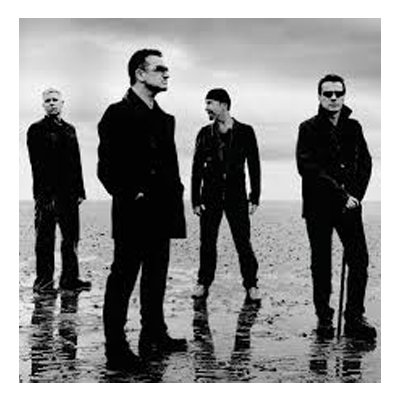
    MUMBAI:  The veteran Irish rock band U2 revealed that they partnered with Apple for the release of their latest album. Titled Songs of Innocence, the album is available for free on iTunes till it’s officially released on 14 October this year.


    The surprise announcement was made at a California event where Apple CEO Tim Cook unveiled the firm’s latest iPhone and a new smartwatch. This is the first album in five years an U2 album has been offered for free to the 500 million users of Apple’s iTunes service.


    The said album has 11 songs, which includes the lead single ‘The Miracle’ which the group performed in the Apple event.


    Talking at the event launch, U2 lead singer Bono said, “From the very beginning U2 has always wanted our music to reach as many people as possible, the clue is in our name I suppose – so today is kind of mind-blowing to us. The most personal album we’ve written could be shared with half a billion people… by hitting send. If only songwriting was that easy.”


    “It’s exciting and humbling to think that people who don’t know U2 or listen to rock music for that matter might check us out. Working with Apple is always a blast. They only want to do things that haven’t been done before – that’s a thrill to be part of,” he added.


    Despite the group’s unprecedented move to give it for free, Songs of Innocence will not be eligible to be nominated for the next Grammy Awards.


    U2’s last album, No Line on the Horizon, hit the top spot in the UK charts in 2009 and eventually surpassed the five-million-sales mark worldwide.


    The Irish band is famed for producing some of the landmark albums of the 1980s and early 1990s, including The Joshua Tree and Achtung Baby.

  • Google buys new startups-Emu and Directr

    Google buys new startups-Emu and Directr

    MUMBAI: Google recently acquired two start-up companies; a movie making app Directr and a messaging app Emu. The acquisitions were made to augment its messaging technology and its video advertising business.


     The move was confirmed by the Emu team on its website. The announcement said, “As of 25 August 2014, we’ll be shutting down the Emu app. It will no longer be available in the App Store and existing users won’t be able to send, receive or download messages.”


    Founded by a former employee of Apple and Google Gummi Hafsteinsson and Dave Feldman, who previously worked for Microsoft and Yahoo, Emu, the instant mobile messaging app also integrates Siri or Google Now-like virtual assistant.


     “We know it’s an inconvenience and we regret that,” Emu said on its website.


    The Emu messenger app made its debut on Android in October last year, while the Emu for iPhone app began in April this year.


    Google’s YouTube unit acquired a mobile-video app Directr- a two-year old company used by small businesses to create marketing promotional videos. According to an announcement by the company, the app will now be available free without the in-app fees, which was up to $500 for the premium offering.


    Corroborating the acquisition, the Directr team said “We are incredibly excited to take the next step on that journey and announce that we are joining the video ads team at YouTube. For now, everything you love about Directr is staying the same and we’ll continue to focus on helping businesses create great video quickly and easily. One immediate bonus: Directr will soon be all free, all the time.”


    Directr offers a mobile app for Apple iOS platform that makes it easy for small businesses to shoot, edit and upload short videos. It assists users with frame selection and building a storyboard, adding background music, and subtitles. The Directr iOS apps come in two variants; one for personal use and one for business.


    YouTube also declared the acquisition on Google+ saying, “Directr is joining the YouTube ads team, where they’ll help us make it easier for advertisers to create and upload awesome videos.”

  • Sir Martin Sorrell shares 10 trends shaping the global ad business

    Sir Martin Sorrell shares 10 trends shaping the global ad business

    The world’s biggest media conglomerate, which shapes the advertising and marketing of brands globally, has good news for marketing companies even though some nations are going through economic crises.


    WPP’s founder and CEO Sir Martin Sorrell shared his views on the trends impacting the global marketing service industry on his Linkedin blog.


    “As we plan for the future of our business, looking across the 110 countries in which we operate, we try to identify the trends that we think are shaping the global marketing services industry.


    Here’s our top ten:


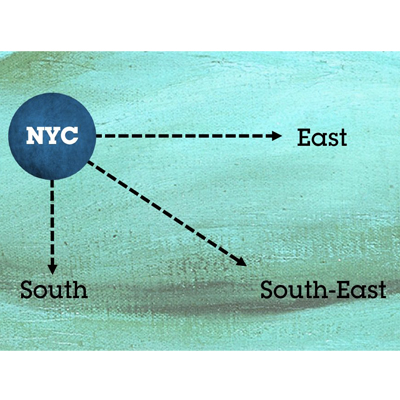
    1. Power is shifting South, East and South East

    New York is still very much the centre of the world, but power (economic, political and social) is becoming more widely distributed, marching South, East and South East: to Latin America, India, China, Russia, Africa and the Middle East, and Central and Eastern Europe.


    Although growth rates in these markets have slowed, the underlying trends persist as economic development lifts countless millions into lives of greater prosperity, aspiration and consumption.


    2. Supply exceeds demand – except in talent

    Despite the events that followed the collapse of Lehman Brothers in 2008, manufacturing production still generally outstrips consumer demand. This is good news for marketing companies, because manufacturers need to invest in branding in order to differentiate their products from the competition.


    Meanwhile, the war for talent, particularly in traditional Western companies, has only just begun. The squeeze is coming from two directions: declining birth rates and smaller family sizes; and the relentless rise of the web and associated digital technologies.


    Simply, there will be fewer entrants to the jobs market and, when they do enter it, young people expect to work for tech-focused, more networked, less bureaucratic companies. It is hard now; it will be harder in 20 years.


    3. Disintermediation (and a post-digital world)

    An ugly word, with even uglier consequences for those who fail to manage it. It’s the name of the game for web giants like Apple, Google and Amazon, which have removed large chunks of the supply chain (think music retailers, business directories and bookshops) in order to deliver goods and services to consumers more simply and at lower cost.


    Take our “frienemy” Google: our biggest trading partner (as the largest recipient of our clients’ media investment) and one of our main rivals, too. It’s a formidable competitor that has grown very big indeed by – some say – eating everyone else’s lunch, but marketing services businesses have a crucial advantage.


    Google (like Facebook, Twitter, LinkedIn and others) is not a neutral intermediary, but a media owner. Google sells Google, Facebook sells Facebook and Twitter sells Twitter.


    We, however, are independent, meaning we can give disinterested, platform-agnostic advice to clients. You wouldn’t hand your media plan to News Corporation or Viacom and let them tell you where to spend your advertising dollars and pounds, so why hand it to Google and co?


    Taking a broader view of our increasingly tech-based world, words like “digital”, “programmatic” and “data” will soon feel out-dated and obsolete as, enmeshed with so many aspects of our daily lives, network-based technologies, automation and the large-scale analysis of information become the norm.


    The internet has been a tremendous net positive for the advertising and communications services business, allowing us to reach consumers more efficiently, more usefully and often more creatively on behalf of clients. But it won’t be long before those clients stop asking our agencies for a “digital” marketing strategy (many already have). It will simply be an inherent part of what we’re expected to offer.


    4. Changing power dynamics in retail

    For the last 20 years or so the big retailers like Walmart, Tesco and Carrefour have had a lot more power than manufacturers because they deal directly with consumers who are accustomed to visiting their stores.


    This won’t change overnight, but manufacturers can now have direct relationships with consumers via the web and e-commerce platforms in particular. Amazon is the example we all think of in the West, but watch out for Alibaba, the Chinese behemoth due to list on the New York Stock Exchange later this summer in what could be the largest IPO in corporate history (and heading a capitalisation of around $200 billion).


    5. The growing reputation of internal communications


    Once an unloved adjunct to the HR department, internal comms has moved up the food chain and enlightened leaders now see it as critical to business success.


    One of the biggest challenges facing any chairman or CEO is how to communicate strategic and structural change within their own organisations. The prestige has traditionally been attached to external communications, but getting internal constituencies on board is at least as important, and arguably more than half of our business.


    6. Global and local on the up, regional down

    The way our clients structure and organise their businesses is changing. Globalisation continues apace, making the need for a strong corporate centre even more important.


    Increasingly, though, what CEOs want is a nimble, much more networked centre, with direct connections to local markets. This hands greater responsibility and accountability to local managers, and puts pressure on regional management layers that act as a buffer, preventing information from flowing and things from happening.


    7. Finance and procurement have too much clout, but this will change

    Some companies seem to think they can cost-cut their way to growth. This misconception is a post-Lehman phenomenon: corporates still bear the mental scars of the crash, and conservatism rules.


    But there’s hope: the accountants will only hold sway over the chief marketing officers in the short-term. There’s a limit to how much you can cut, but top-line growth (driven by investment in marketing) is infinite, at least until you reach 100% market share.


    8. Bigger government


    Governments are becoming ever more important – as regulators, investors and clients. Following the global financial crisis and ensuing recession, governments have had to step in and assert themselves – just as they did during and after the Great Depression in the 1930s and 1940s. And they’re not going to retreat any time soon.


    Administrations need to communicate public policy to citizens, drive health initiatives, recruit people, promote their countries abroad, encourage tourism and foreign investment, and build their digital government capabilities. All of which require the services of our industry.


    9. Sustainability is no longer “soft”

    The days when companies regarded sustainability as a bit of window-dressing (or, worse, a profit-sapping distraction) are, happily, long gone. Today’s business leaders understand that social responsibility goes hand-in-hand with sustained growth and profitability.


    Business needs permission from society to operate, and virtually every CEO recognises that you ignore stakeholders at your peril – if you’re trying to build brands for the long term.


    10. Merger flops won’t put others off

    Despite the failure of one or two recent high-profile mega-mergers, we expect consolidation to continue – among clients, media owners and marketing services agencies. Bigger companies will have the advantages of scale, technology and investment, while those that remain small will have flexibility and a more entrepreneurial spirit on their side.


    FMCG and pharmaceuticals (driven by companies like 3G and Valeant) are where we anticipate the greatest consolidation, while our own industry is likely to see some activity – with IPG and Havas the subject of constant takeover rumours. At WPP we’ll continue to play our part by focusing on small- and medium-sized strategic acquisitions (31 so far this year, and counting).”


     (These are purely personal views of  WPP’s founder and CEO Sir Martin Sorrell and indiantelevision.com does not subscribe to these views.)
  • Times Now – Creating History yet again on Social Media

    Times Now – Creating History yet again on Social Media

    MUMBAI: TIMES NOW, India’s No. 1 English News channel has successfully executed the biggest election campaign on social media in the last 90 days. TIMES NOW, in the last one and a half months recorded tremendous interaction and engagement levels on all election related activities across platforms like social media, mobile and on air integration.

    SOCIAL MEDIA

    • Across six days we had more than 10 hashtags trending worldwide with #Results2014 and #May16WithArnab both being top trends worldwide for both 15th and 16th May. #Results2014 and #May16 With Arnab both were top trends worldwide for both 15th and 16th May.

    •100+ hashtags trended during the 90 days of coverage on TIMES NOW

    • 400 million+ potential impressions were generated by TIMES NOW hashtags on Twitter during the Elections Counting Week

    • We also used the innovative Tweet to SMS service to provide election result updates to more than 38,000 people directly to their mobile via SMS

    • TIMES NOW itself garnered more than 3.8 lakh followers across the campaign period

    TIMES NOW INDIA’S ELECTION HQ APP

    • TIMES NOW app got more than 1,00,000 downloads in two weeks with more than 1.5 million + page views on the app, 3.5 lakh + live feed views & 4.5 lakh + video views

    • The app was the featured app on Android, Windows and Apple for the election week

    YOUTUBE

    • 4 lac+ people logged in on the TIMES NOW’s LIVE YouTube feed to watch the counting day coverage live

    • 1.5+ million views on TIMES NOW’s YouTube channel in a period of 15 days on video content created around the elections

    We wanted to make sure that TIMES NOW provided content across platforms and facilitated information dissemination to the audience in the most proactive manner. We used a mixture of social networks, mobile applications, SMS service as well as live feeds in order to make sure that our audience had the most updated election news across 90 days.

    Social Network: We primarily used twitter to reach out to our audiences since, as an English News channel, we have a huge audience overlap with this particular social media platform. The campaign was driven largely by the television content but was amplified by social media. We took the twitter sentiments and created on air components with them, seamlessly creating cross platform content integration. We created a huge buzz on twitter across the counting week from May 8th onwards with hashtags like #MegaExitPolls,  #PollofPolls, #ModiSpeaksToArnab, #May16WithArnab, #Results2014, #TimesNowatTimesSquare and #Modiat7RCR trending in India & Worldwide. This was achieved through a mix of pre event seeding and conversation drivers. For example, for the Modi interview, we had less than twelve hours to create a buzz since the story broke in the morning and the airing was in the evening. So we made sure that enough conversation happened around the hashtag by creating vines from the episode to build anticipation, using images and quotes; and pushing out tune in reminders. Also, on the 15th, to create brand recall and drive viewership, we had a contest (for the first time ever from the Times Now handle) which asked people to tell us their views on the issues which would be addressed on counting day.  The contest got massive response with the hashtag #May16WithArnab trending worldwide for both the days. Across the campaign we concentrated on coining hashtags which were simple to use, easy to insert in conversations and most importantly were relevant to the news of the day.

    We also made twitter updates accessible to people via SMS through the TimesNowLive handle for all major events like exit polls, counting days and government formation.

    Regular updates of news were also done on facebook and google+, again with the same hashtag to maintain continuity. This was also displayed on screen, to drive maximum recall.

    Mobile: TIMES NOW launched the exclusive election app, bringing live feed and video content of all the election programming while giving viewers a chance to interact with each other and the channel. This created an immersive second screen experience for our viewers and led to a large amount of engagement.

    Video Content:  The election coverage was also available on Youtube as a LIVE feed and was a part of the election hub created by Google especially for the event. We also strategically used vine videos throughout the campaign to promote stand alone events like interviews, breaking news etc.

    With such stupendous growth & performance, TIMES NOW is only set to create bigger records & grow exponentially on Social Media with more & more audience engaging with us.

    Click here for full report

  • Apple to acquire Beats Music to strengthen mobile segment

    Apple to acquire Beats Music to strengthen mobile segment

    NEW DELHI: iPhone maker Apple today announced a $3 billion deal to acquire subscription streaming music service Beats Music and Beats Electronics.


    Apple will expand Beats Music subscription service and Beats headphones, speakers and audio software to more markets through the Apple Online Store, Apple’s retail stores and select Apple authorised resellers.


    Currently, Beats is more popular in the United States. Beats co-founders Jimmy Iovine and Dre will join Apple, as part of the acquisition.


    “Music is such an important part of all of our lives and holds a special place within our hearts at Apple,” said Apple CEO Tim Cook. “That’s why we have kept investing in music and are bringing together these extraordinary teams so we can continue to create the most innovative music products and services in the world,” he added.


     The acquisition of Beats will assist the device vendor to spruce up its music offerings, from free streaming with iTunes Radio to subscription service in Beats.


     In five years since launch, the Beats “b” has become the brand of choice in the music and sports worlds, and is the market leader in the premium headphone market, said Apple in a statement.


    Music superstars including Lady Gaga, Lil Wayne and Nicki Minaj have designed their own customised Beats headphones and speakers.


    Fashion designers and street artists such as Alexander Wang, Futura and Snarkitecture collaborated on special limited products, while athletes including LeBron James, Serena Williams and Neymar use Beats as a critical part of their training and game day process.

  • Google overtakes Apple to become world’s most valuable brand

    Google overtakes Apple to become world’s most valuable brand

    MUMBAI: After three years at the top, Apple slipped to number two position as Google overtook it to become the world’s most valuable global brand in the ‘2014 BrandZ Top 100 Most Valuable Global Brand’ ranking.

    Google worth $159 billion saw an increase of 40 per cent year on year whereas Apple slipped on the back of a 20 per cent decline in brand value, to $148 billion. Whilst Apple remains a top performing brand, there is a growing perception that it is no longer redefining technology for consumers, reflected by a lack of dramatic new product launches. The world’s leading B2B brand, IBM, held onto its number three position with a brand value of $108 billion.

    Millward Brown Optimor MD Nick Cooper said, “Google has been hugely innovative in the last year with Google Glass, investments in artificial intelligence and a multitude of partnerships that see its Android operating system becoming embedded in other goods such as cars. All of this activity sends a very strong signal to consumers about what Google is about and it has coincided with a slowdown at Apple.”

    “This year’s index highlights the end of the recession, with a strong recovery in valuations and, for the first time, real growth across every category and the Top 100 as a whole,” said WPP’s The Store CEO David Roth. “What’s remarkable is the way that strong brands have led the recovery. Seventy-one of the brands listed in our 2014 Top 100 were there in 2008. Despite the financial turmoil and the digital disruption that have decimated many businesses during the last few years, these brands have remained in the ranking, proving the durability of strong brands.”

    The BrandZ Top 100 Most Valuable Global Brands study, commissioned by WPP and conducted by Millward Brown Optimor, is now in its ninth year.

    The combined value of the Global Top 100 has nearly doubled since the first ranking was produced in 2006. The Top 100 today are worth $2.9 trillion, an increase of 49 per cent compared with the 2008 valuation, which marked the start of the banking and currency crisis.

    The BrandZ Top 10 Most Valuable Global Brands 2014