Tag: Apple

  • Smart connected device market up 29% in 2012: IDC

    Smart connected device market up 29% in 2012: IDC

    MUMBAI: Worldwide shipments of smart connected devices grew by 29.1 per cent in 2012, crossing one billion units shipped with a value of $576.9 billion.

    According to the International Data Corporation (IDC) Smart Connected Device Tracker, the market expansion was largely driven by 78.4 per cent year-over-year growth in tablet shipments, which surpassed 128 million in 2012.

    Looking specifically at the results for the fourth quarter of 2012, the combined shipments of desktop PCs, notebook PCs, tablets, and smartphones was nearly 378 million and revenues were more than $168 billion.

    In terms of market share, Apple significantly closed the gap with market leader Samsung in the quarter, as the combination of Apple‘s iPhone 5 and iPad Mini brought Apple up to 20.3 per cent unit shipment share versus 21.2 per cent for Samsung. On a revenue basis for the fourth quarter, Apple continued to dominate with 30.7 per cent share versus 20.4 per cent share for Samsung.

    Going forward, IDC expects that tablet shipments will surpass desktop PCs in 2013 and portable PCs in 2014. In 2013, worldwide desktop PC shipments are expected to drop by 4.3 per cent and portable PCs to maintain a flat growth of 0.9 per cent. The tablet market, on the other hand, is expected to reach a new high of 190 million shipment units with year-on-year growth of 48.7 per cent while the smartphone market is expected to grow by 27.2 per cent to 918.5 million units.

    From a regional perspective, the smart connected device volume in emerging markets grew by 41.3 per cent in 2012 with the tablet volume growing by 111.3 per cent and smartphone volume by 69.7 per cent year over- year. Mature markets, on the other hand, grew by 15.6 per cent and saw a huge plunge in the PC market in the year 2012.

    By the end of 2017, IDC predicts that the tablet and smartphone markets will have a huge growth potential in the emerging markets. During this time, tablet unit shipments are expected to increase by a factor of three with a shipment value of $125 billion dollars while smartphone unit shipments are expected to double and reach a shipment value of $462 billion dollars. Portable PCs, on the other hand, will show a moderate single-digit growth while desktop PCs are expected to consistently decline year over year with almost no growth in 2017.

    IDC‘s Worldwide Smart Connected Device Tracker research analyst Megha Saini said, “In emerging markets, consumer spending typically starts with mobile phones and, in many cases, moves to tablets before PCs. The pressure on the PC market is significantly increasing and we can see longer replacement cycles coming into effect very soon and that, too, will put downward pressure on PC sales.”

    Looking forward, IDC predicts the worldwide smart connected device space will continue to surge with shipments surpassing 2.2 billion units and revenues reaching $814.3 billion in 2017. IDC Program VP for clients and Displays Bob O‘Donnell said, “Consumers and business buyers are now starting to see smartphones, tablets, and PCs as a single continuum of connected devices separated primarily by screen size.

    “Each of these devices is primarily used for data applications and different individuals choose different sets of screen sizes in order to fit their unique needs. These kinds of developments are creating exciting new opportunities that will continue to drive the smart connected devices market forward in a positive way.”

  • Discovery hires Laslie Grandy to look at its Digital Media arm

    Discovery hires Laslie Grandy to look at its Digital Media arm

    MUMBAI: Discovery Communications has named Leslie Grandy as Senior Vice President of Product & Development within the company’s Digital Media division.

    Grandy, a former executive at T-Mobile, Apple and RealNetworks, will oversee Discovery’s U.S. TV Networks’ digital product, mobile, development, design and project management teams.

    In the newly created role, Grandy will be tasked with driving innovative product development behind the digital extensions of Discovery Communications’ U.S. TV networks. Grandy will focus on delivering compelling digital experiences that delight fans of Discovery’s networks before, during and after the on air shows.

    “Our mission is to deliver, extend and enhance the living room experience across all screens in a way that super serves our fans,” said Guhan Selvaretnam, Senior Vice President, Digital Media, to whom Grandy will report.

    “With a strong track record of delivering results, Leslie brings the perfect mix of consumer-focused, data-driven and user-centric experience to the team. We are thrilled to have her join the Discovery family.”

  • FT in content deal with HTC for news aggregation service

    FT in content deal with HTC for news aggregation service

    MUMBAI: The Financial Times has partnered with HTC for the launch of HTC BlinkFeed, a news aggregator available on the new HTC One smartphones devices, offering select FT content for free.

    HTC BlinkFeed brings content to the device’s home screen, enabling users to see content that is most interesting to them without having to open a series of apps. It offers instant access to a continuous feed of aggregated content, including daily blog posts and videos from the Financial Times.

    A limited amount of FT content is free, but readers will have to register and subscribe if they wish to read further articles.
    FT.com MD Rob Grimshaw said, “This move supports the FT’s successful channel neutral strategy, offering our readers flexibility and freedom of choice in how they choose to receive our content. As well as being on HTC BlinkFeed, FT content is available on News Republic, the multi-platform news aggregator app from personal mobile media company, Mobiles Republic. Mobile is an important channel for the Financial Times, driving around a third of traffic to FT.com and 15% of subscriptions.”

    The FT web app, launched in June 2011, now has more than 3.5 million users. The FT Windows 8 app launched in August 2011 and extended the FT’s mobile footprint across all three major tablet platforms (Windows, Apple and Android), giving readers more flexibility in accessing FT content.

  • Size matters in changing adland

    MUMBAI: In the acquisition storm swirling across the advertising world, there are two strong currents that are pushing from below to force change in adland: the digital might of Google, Microsoft and their likes and the emerging high-growth markets including India.

    The compulsion to do buyout deals and outsize competitive agencies is coming from an evil that is economic crisis. Global media agencies are looking for safe harbours away from the slowing advertising markets of the United States and Europe.

    Prolonged recession since 2008 is providing the ideal climate for these deals to fertilise. The smaller players have become more open to sell as they seek escape from financial stress and acquisition prices become more affordable.

    “We will see more mergers and acquisitions take place. In a downswing, the values become lucrative and the benefits of consolidation become more apparent,” says Publicis South Asia CEO Nakul Chopra.

    The BBHs of the world were born in a different era and in a different period of history. Now is the time to build scale, volume, value and efficiencies through size. The scramble is on to consolidate advertising spends among the top five agencies, much like the way the other industries behave.

    “How long can the ad industry stay fragmented? It is the era of consolidation at the top,” says former Havas Media CEO and now
    BCCL director customer strategy Anita Nayyar.

    There is no other way to survive the onslaught of the digital players in a convergent media world. Agencies need to invest in digital expertise, technology and geographies. For tapping say Google, agencies with size will have a distinct advantage.

    And who knows where the ambitions of these digital giants will end? Sitting on huge cash piles, Google, Facebook, Apple or Microsoft may find business sense in owning media and entertainment companies as the world moves rapidly towards convergent economies.

    And what if they suddenly develop the appetite to gobble up extended areas like the agency business?

    That may be too much of an extended logic. It is definitely not the reason behind the current urge of agency owners to grow into bigger giants. Consolidation to tap deeper into clients in a digital era is the one big pull. And in a mightier ad world, growth can come through buyouts that provide complementary strengths.

    Japan’s Dentsu, overwhelmingly dependent on its revenues from the home market, has taken one such giant leap by agreeing to buy London-based Aegis Group for a whopping $4.9 billion. This will enable it to fly with greater stamina in Europe, a market it had earlier tried to dig into but failed. The Aegis buyout will place the Tokyo-based agency in the top position in the Asia-Pacific region while it becomes the second largest in western Europe, the fastest growing in North America and a global leader in digital markets.

    The Japanese agency couldn‘t have waited longer to spread far and wide. WPP has done a spate of acquisitions across the world, the most recent being independent digital agency AKQA. Publicis Groupe, on the other hand, gobbled up London-based Bartle Bogle Hegarty (BBH) for $848.5 million. The French agency also bought Rosetta, a digital marketing company, last year.

    “In this consolidation wave, Dentsu needed to balance their footprint. There was an inherent strategic need,” says Chopra.

    Consolidation among the bigger agencies is nowhere near completion. Havas and the Interpublic Group could become the new targets for acquisition as the pecking order of the top five agencies remain unchanged even after combining Dentsu and Aegis. WPP leads the pack, followed by Omnicom, Publicis, IPG and Dentsu.

    The acquisition fever has also spread to the Indian shores. The largest takeover activity was made last year when Omnicom snapped up majority stake in Anil Ambani‘s Reliance-owned Mudra Group. The most recent acquisitions this year have been the total buyout of digital agency Indigo Consulting by Publicis’ Leo Burnett and 51 per cent of Hungama Digital by WPP’s JWT.

    “In this digital era, there is a need to offer a wider level of specialised services. We acquired Indigo Consulting, one of the largest digital agencies in India,” says Leo Burnett chairman and CEO for Indian subcontinent Arvind Sharma.

    The acquisitions across geographies are not going to end. The cross-border deals are, in fact, going to multiply. “The big change sweeping across the world is the power of the digital medium. In this cyclic wave, inorganic expansion is becoming an important route. Agencies want to leapfrog their understanding in the digital arena as consumer behaviour is changing fast. Since digital means global platforms, we are seeing more cross-border deals like Dentsu intending to acquire Aegis,” says ZenithOptimedia CEO Satyajit Sen.

    Sharma believes that mergers and acquisitions will last for at least a decade. “The dominance of television is waning and ad spends are moving away to digital. The market is getting more segmented and ad models are becoming complex. Also, TV, tablets and smart phones are merging into each other. Media companies are acquiring specialities as digital is becoming a powerful communication tool. Technology is driving interest and consumer time. These require new perspectives and new skillsets,” he explains.

    India with a 1.2 billion demographic has become a very important growth market for the global agencies. Commenting on S&P’s remark about India being the first fallen angel, WPP Group CEO Martin Sorrell told CNBC TV18‘s Anuradha Sengupta in an interview that “If India is a fallen angel, I would like to be a fallen angel.”

    The angels are inhabiting Brazil, Russia, India and China. While US is seeing very slow growth and Europe is caught in a debt crisis, the BRIC countries are growing strongly though of late they are tending to reverse their crazy pace.

    Sharma believes acquisitions will keep happening in India. If 4G turns out to be a success and the projection of 200 million subscribers over the next five years actually happens, it would throw open a lot of opportunities and challenges for agencies.

    “We will see digital and special units and talent being gobbled up. New creative shops will keep coming up and it normally takes seven years of growth for such smaller outfits to be a target for acquisition,” he says.

    Agrees Sen, “Acquisitions will be on the rise. Network agencies will have an advantage.”

    Will that signal the end of the mushrooming of independent agencies in India? Madison Media Group CEO Gautam Kiyawat does not think so. “Creative shops can be successful without the scale attached to it. I don’t see their death in India. They will continue to exist in numbers,” he says.

    The advertising landscape will possibly witness two trends. While mid-sized agencies will be buyout targets, the smaller creative outfits will find space to exist.

    Nayyar feels India will not follow the global trend where the top league will be occupied by five agencies who will dominate the market. Being diverse in nature, India will be a 10-15 player market. Agencies with sizeable volumes like Madison already exist. Like China, India is a volume market,” she avers.

    Percept Limited joint managing director Shailendra Singh agrees that India will have more players with strong volume business. “India is a totally different market. “We are a totally different market. Percept will not sell. Our media business, in fact, has been made the company of the year in the Group. We are client heavy and our growth is steady,” he asserts.

    The consolidation wave is looked at as a healthy development by some industry experts. “The trend to break free and set up smaller units has fragmented the market too much and clients have gained from this. The industry needs to work with better rates,” says Nayyar.

    Sharma holds a contrarian view. According to him, consolidation is not deep or penetrative enough to push up rates. “Consolidation has not been so dramatic that it will have an impact on agency compensations in the short run. It may slow down the drop in agency compensations but not necessarily push them up,” he says.
  • Mobile ad firm Millennial Media files for $75 mn IPO

    Mobile ad firm Millennial Media files for $75 mn IPO

    MUMBAI: US-based mobile advertising company, Millennial Media, has filed for a $75 million initial public offering (IPO).

    The company intends to use the funds to expand its operations overseas and go head-on against Google and Apple.

    According to documents filed with the Securities and Exchange Commission, Baltimore‘s Millennial Media‘s revenues grew to nearly $70 million in the first nine months of 2011. It saw a 138 per cent increase over the same period in 2010.

    The company said that its revenue is ‘commonly‘ generated by running mobile ads for companies on a cost per thousand (CPT), cost per click (CPC) or cost per action (CPA) basis.

    The net loss reported for the period was $417,000.

    Millennial serves 40 billion ad impressions per month, per the S-1. That makes it an even bigger sever of ads than Rovio, the maker of Angry Birds, which serves 10 billion.

    The company opened a branch in the UK in 2010. It also opened an office in Singapore last year.

    The main competitor‘s of Millennial media are Google and Apple. In 2010, Google acquired mobile advertising company, AdMob, while Apple acquired another of Millennial‘s competitors, Quattro Wireless.

    The lead underwriters of the IPO are Morgan Stanley, Goldman Sachs and Barclays Capital.

  • Marketers should anticipate threats: LK Gupta

    Marketers should anticipate threats: LK Gupta

    MUMBAI: Marketers should look at the new opportunities to grow themselves and should stay ahead of time, these were the thoughts of LG Electronics CMO Laxmikant Gupta, who was speaking at the World Brand Congress (WBC) that is being held in Mumbai.

    He said, “The moment we start thinking that new opportunity is threatening our existing practices, we start forcing ourselves to think of new ideas. When change happens, when new things start happening in the market, our reaction is ‘can I use this technology?‘, ‘how will it help me?‘ When there is an opportunity we go from clutter to the opportunity which ends up becoming a clutter.”

    “Almost all brands are present on Facebook today. Once the consumer clicks on the like button he starts getting brand messages, about products, innovations, services, developments. Everything does have a use by day and expiry date. One has to reinvent ideas. A better way to differentiate when every company has same opportunity, the questions should be how this new opportunity threatens my present practices, my existence,” Gupta added.

    Gupta explained this with an example. He said, “When in early 2000s Apple invented i-pods, it changed the music industry model. I-pod alone contributed to 45 per cent revenue of Apple in first year. Later, in mobile industry, camera handset started struggling. Apple thought that will it be a threat if mobiles with camera start producing music features too. If that happens it will kill i-pod. Then i-phone was launched. Today it makes more than 50 per cent global profit of the mobile industry. With each changing scenario, see how it can affect you today or tomorrow.”

    “No one thought of the demise of Orkut or My space but the launch of Facebook, its applications attracted so many that it eventually killed Orkut and MySpace.com. Spot problems before things get worst. Don‘t wait for the crisis,” he added.
     
    “Youtube as a video channel is bigger than many of the TV channels we used to watch. Also, giving consumer a search is as important as giving her a store, to experience your product. Banner advertising can assure you visibility but does not assure that consumer will walk out with a positive perspective. You need to talk to bloggers or people who can write reviews because that can help consumers have a viewpoint about your product,” he emphasised.

    On the usage of social media Gupta said, “Brands like MTV and LG, are on FB for not just talking about product. The main purpose is to engage consumer in a way that they want to come back to your page, interact with you. You should create general interaction through Facebook instead of creating impression. When we know that people are talking about the brand online one should see whether they are positive or negatives that is being talked about. The positives should be reinforced and negatives should be checked and corrected.”

  • Clooney likely to play Steve Jobs!

    Clooney likely to play Steve Jobs!

    MUMBAI: George Clooney is in the running with his former ER co-star Noah Wyle to play the late Apple boss Steve Jobs in a yet untitled film.

    The biopic, that is expected to roll next year, will chart the life of the entrepreneur who died last month from pancreatic cancer when he was 56.

    Clooney and Noah had both essayed the role of doctors in the long-running hospital series ER that picked up as many as 23 Emmy Awards.

    Clooney was recently forced to pull out of TV series The Man From U.N.C.L.E‘ as the role required physical exertion.

  • Apple is world’s top value brand, says WPP’s BrandZ

    Apple is world’s top value brand, says WPP’s BrandZ

    MUMBAI: Apple has emerged as the most valuable brand in the world, ending the four-year reign of Google at the top of the table, says the sixth edition of BrandZ Top 100 Most Valuable Global Brands study.

    With an 84 per cent increase in value over the past year and 859 per cent since 2006, Apple now stands at $153.3 billion, according to estimates by WPP‘s brand research company, Millward Brown Optimor. 
     
    Also, emerging markets account for 19 of the top 100 brands.

    During last year‘s economic recovery, the combined value of all the brands in the top 100 has risen by 17 per cent and is now worth $2.4 trillion.

    In terms of geography, according to BrandZ study 2011, 19 of the Top 100 brands now originate in “BRICs” markets, versus only two in 2006.

    The study claims that the growing presence of brands from BRICs in this global ranking highlights the expanding purchasing power of people in these countries. While many of these brands are buoyed by the size of their local customer base, many more now have international ambition including Petrobras in Brazil (No. 61 in the ranking with a brand value of $13.4 billion); ICICI Bank in India (No. 53 and worth $14.9 billion) and China‘s largest search engine Baidu (No. 29, up 46 places, and valued at $22.5 billion). 
      
    Despite these successes, however, consumers in the BRIC regions continue to favor Western brands. Louis Vuitton, for example, (for which Brazil is its second-largest market) benefited from the new energy and confidence in the BRICs region. Its 23 per cent growth in brand value to $24.3 billion has helped this luxury retailer achieve 26th place in the ranking, a three-spot increase from 2010.

    Said David Roth at WPP, “In the last year, the global economy shifted from recovery to real growth, the combined value of all brands in the Top 100 ranking has risen by 64 percent since 2006 and is now worth $2.4 trillion. Strong brands, while not immune to the vicissitudes of the market, are more protected, prepared, resourceful and resilient.”

    The BrandZ Top 100 Most Valuable Global Brands study, commissioned by WPP and conducted by Millward Brown Optimor, identifies and ranks the world‘s most valuable 100 brands by their dollar value, an analysis based on financial data combined with consumer measures of brand equity.

    The Most Valuable Global Brands 2011 :

    Rank Brand Value in $ million Brand value change from 2010
    1
    Apple 153,285 + 84 per cent
    2
    Google 111,498 – 2 per cent
    3
    IBM 100,849 + 17 per cent
    4
    McDonald‘s* 81,016 + 23 per cent
    5
    Microsoft 78,243 +2 per cent
    6
    Coca-Cola 73,752 +8 per cent
    7
    at&t 69,916
    8
    Marlboro 67,522 +18 per cent
    9
    China Mobile 57,326 +9 per cent
    10
    GE 50,318 +12 per cent


    The Brand Value of Coca-Cola includes Lites, Diets and Zero

    Adds Millward Brown CEO Eileen Campbell, “Business leaders can embrace brand management as a critical competency for building long-term financial value. Compared with an overall improvement of 13 per cent in the world‘s equity markets during 2010, the best brands grew their value 30 per cent faster.”

    The study also says that heritage brands stayed relevant in a technology age.

    Brands such as Coca-Cola (No. 6), GE (No. 10), IBM (No. 3) and McDonald‘s (No. 4), stand out in this study of global brand strength as brands that have survived for more than 50 years. Leadership, strategy and tactics aside, what all of these companies have in common is their use of brand to remain relevant to consumers and drive global business success.

    Technology and telecom brands have dominated the ranking:

    Technology brands, which make up one-third of the Top 100 brands, continue to demonstrate their relevance in our daily lives.

    While Apple leads the ranking, it is followed in second place by Google, with a brand value of $111.5 billion, and IBM in third place with a brand value of $100.9 billion.

    Facebook makes its debut in the Top 100 ranking this year at No. 35 with the highest increase in brand value, 246 per cent, making the brand worth $19.1 billion. Online retailer Amazon also edged past Walmart to become the No. 1 retail brand and 14th overall, with a 37 per cent rise in brand value to $37.6 billion.

    Fast food, luxury and technology brands led brand value appreciation: Each of the 13 market sectors covered in this study grew in value over the last year. Fast food led the sector growth (22 per cent) followed by luxury (19 per cent) and technology (18 per cent). The oil and gas sector experienced the slowest rate of growth (1 per cent).

    BrandZ Top 100 also says that brands are ever more dependent on their use of technology to win consumers‘ hearts and minds.

    The brand values of Burberry, Chanel, Louis Vuitton and Coca-Cola all benefited from their use of technology, for example, by harnessing social media and apps. At the same time, the dependencies demonstrated in the physical world between applications, devices and operating platforms are creating similar branded interdependencies.

    Brands that are aware of the risks can leverage these associations to drive value and growth, the study advises.

    Also, Toyota has reclaimed the position as most valuable car brand demonstrating the power of strong brands to recover from the most fundamental challenges to product efficacy and reputation. Toyota‘s brand, which is rated by consumers as “great value,” rose 11 per cent to $24.1 billion.
     

  • Apple launches TV interface

    Apple launches TV interface

    MUMBAI: Apple is moving steadily towards its aim of changing the way consumers view entertainment in the digital arena. The company’s founder and CEO Steve Jobs has unveiled a new mobile phone and a set-top box that allows people to stream video from their computers to their televisions.

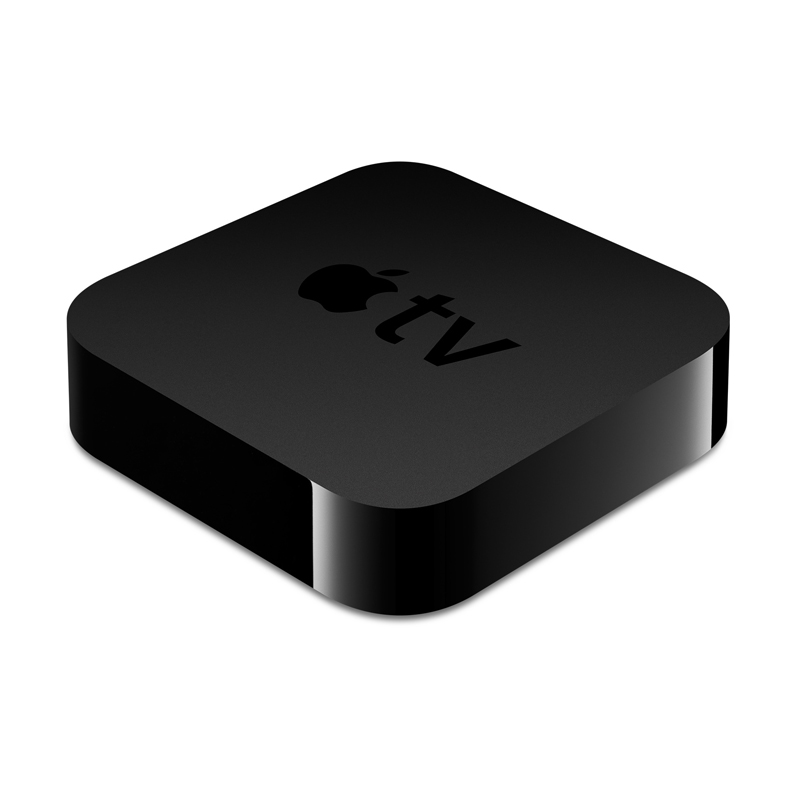
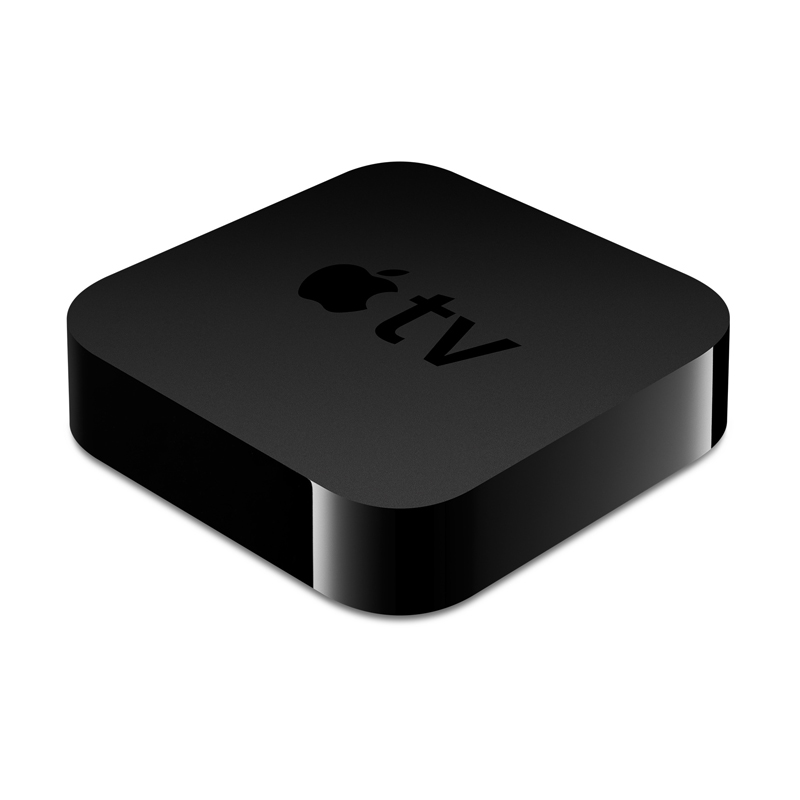
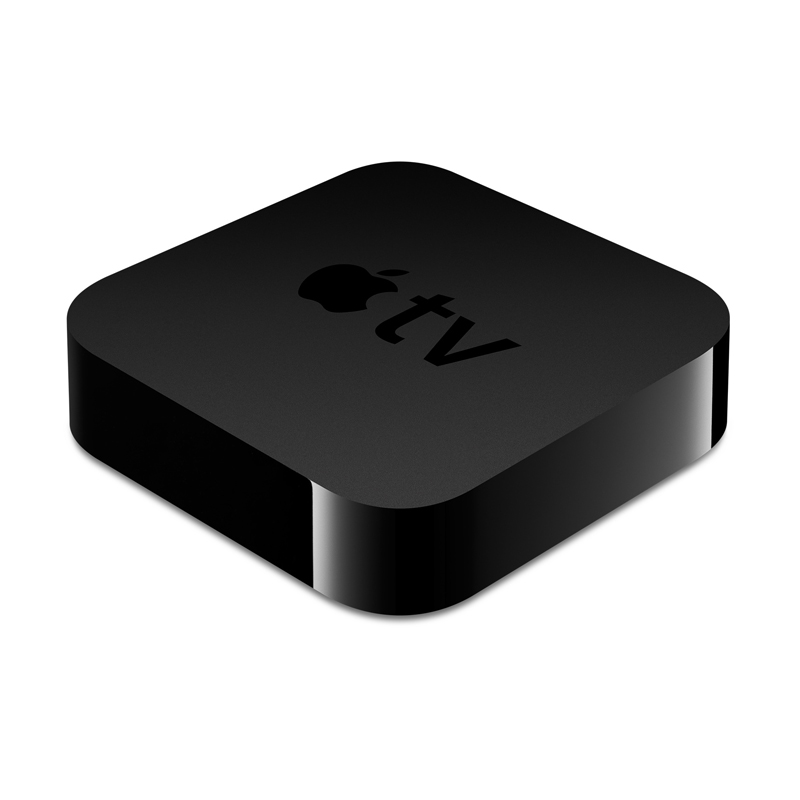
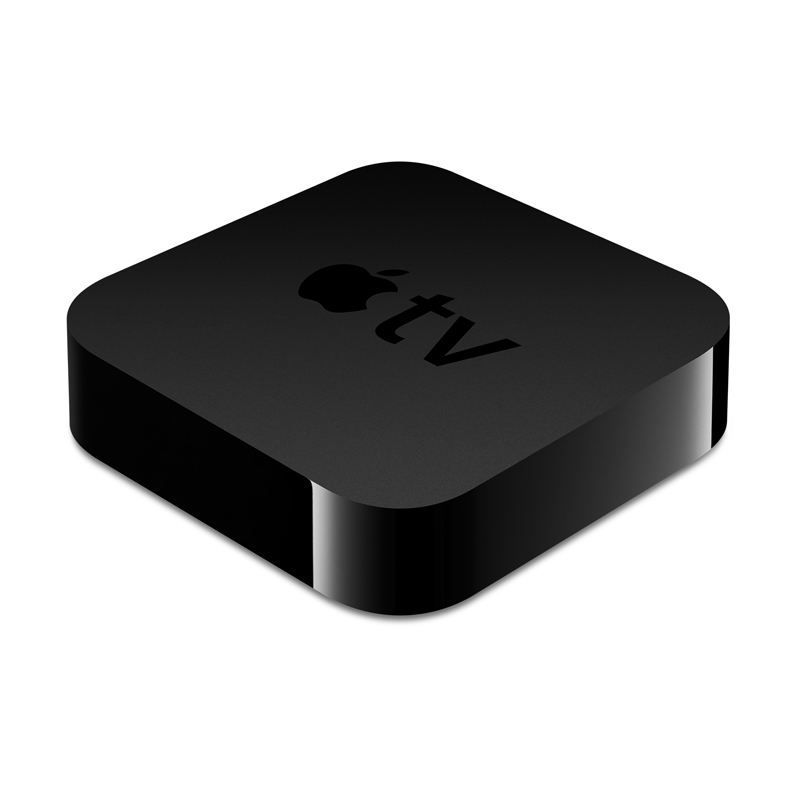
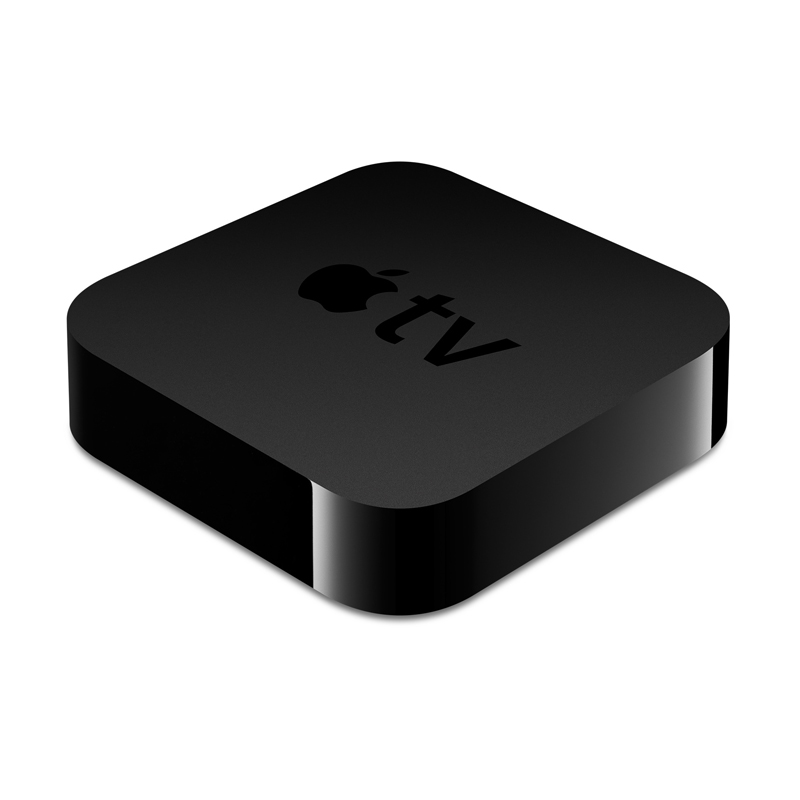
    Apple TV, the company says allows users to wirelessly play iTunes content from the Mac or PC onto the teelvision. This service can be used for movies, TV shows, music, photos and podcasts.

    Using Apple TV’s interface, one can browse and view his/her entire collection of digital media from across the room using the simple and intuitive Apple Remote. Apple TV connects to almost all modern widescreen television sets.

    Jobs says, “Apple TV is like a DVD player for the 21st century—you connect it to your entertainment system just like a DVD player, but it plays digital content you get from the Internet rather than DVDs you get from a physical store.

    “Apple TV plays the same iTunes content that users enjoy on their computers and iPods, so now they can even watch part of a movie in their living room, and watch the rest later on their iPod.”

    Apple TV has a 40GB hard drive to store up to 50 hours of video, 9,000 songs, 25,000 photos or a combination of each and is capable of delivering high-definition 720p output. Apple TV can be connected to a broad range of widescreen TVs and home theater systems and comes standard with HDMI, component video, analog and optical audio ports. Using high-speed AirPort® 802.11 wireless networking, Apple TV can auto-sync content from one computer or stream content from up to five additional computers right to your TV without any wires.

    The integration of Apple TV and iTunes lets users choose from over 250 feature-length movies and 350 TV shows in near DVD quality; four million songs, 5,000 music videos, 100,000 podcasts and 20,000 audiobooks.

    Apple also unveiled the iPhone. it has partnered with and Cingular which cloaims to be the largest wireless carrier in the US. It will be Apple’s exclusive US carrier partner the iPhone. As part of this multi-year partnership, Apple and Cingular are working together to provide innovative new features to mobile phone users, such as iPhone’s pioneering and unique Visual Voicemail, a first on any mobile phone in the world.

  • Global revenue from online video will grow to nearly $1.5 billion by the end of 2007

    Global revenue from online video will grow to nearly $1.5 billion by the end of 2007

    MUMBAI: Global revenue from online video sales, rentals or subscriptions will total just $298 million this year, but will grow to nearly $1.5 billion by the end of 2007.

    A report from research firm Strategy Analytics states that With more than 100 million TV shows, movies and other programs downloaded, 2006 will be remembered as the year in which online sales of prerecorded video finally became a real business.

    Kicked off by a strong push from Apple Computer and other media companies, online video sales will be driven by a fast-growing broadband audience seeking new ways to find, watch and pay for video.

    TUsing demand elasticity analysis and feedback from 1,700 broadband users, Strategy Analytics projects that by 2010 global revenue will surge to $5.9 billion, accounting for eight percent of total home video industry revenues. Regions covered in this global forecast report include Asia Pacific, Central and Latin America, Europe, Middle East and Africa, and North America.

    Companies covered in this report include ABC, Amazon, AOL, Apple, BitTorrent, British Telecom, Channel 4, CinemaNow, Deutsche Telekom, Glowria, Google, Guba, LOVEFiLM, Microsoft, MovieLink, Telecom Italia, Telefonica, Starz Entertainment, Viacom, Wal-Mart, the Walt Disney and YouTube.