Tag: Apple Vision Pro

  • Global media & entertainment industry trends in 2024: A ChatGpt perspective

    Global media & entertainment industry trends in 2024: A ChatGpt perspective

    MUMBAI: We asked ChatGPT to list the the major trends that shaped the media and entertainment industry globally. The points below popped up. It makes for an interesting read though it’s not totally accurate nor is it comprehensive. Our take will follow before the year end.  

    The global media and entertainment industry has experienced significant evolution throughout 2024, driven by technological advancements, changing consumer behaviors, and emerging trends. Here’s a summary of the major trends that shaped the industry:

    1. Rise of Artificial Intelligence in Content Creation
    * Generative AI Tools: AI technologies like ChatGPT, MidJourney, and Runway became central to content creation, enabling faster production of scripts, visuals, and music.
    * Personalised Content Recommendations: AI-powered algorithms enhanced streaming platforms’ ability to tailor content recommendations, improving user engagement.
    * AI-Generated Personalization: Tools creating localised or individualised media experiences surged, particularly in advertising and video games.

    2. Streaming Services Recalibrating Strategies
    * Ad-Supported Tiers: Subscription fatigue led many streaming platforms, including Netflix and Disney+, to push ad-supported, lower-cost tiers.
    * Content Consolidation: A focus on reducing content sprawl resulted in platforms combining offerings or trimming underperforming shows and films.
    * Global Expansion: Streaming services increasingly tapped into regional markets by producing localized content for Asia, Africa, and South America.

    3. Emergence of Immersive Media Experiences
    * Virtual Reality (VR) & Augmented Reality (AR): Devices like Apple Vision Pro and Meta Quest Pro drove interest in immersive storytelling, gaming, and live events.
    * Metaverse Content Development: Brands and creators experimented with interactive environments and events in virtual worlds.
    * Interactive Formats: Gamified content, branching narratives, and user-driven storylines gained traction.

    4. Short-Form and Snackable Content Dominance
    * TikTok and Beyond: The dominance of platforms like TikTok encouraged media companies to produce short, engaging clips.
    * Vertical Video Popularity: Content tailored for mobile-first consumption flourished, influencing even traditional media formats.
    * Attention Economy: Media companies innovated with concise storytelling to capture fragmented viewer attention.

    5. Return of Theatrical and Live Entertainment
    * Cinema Revival: Theaters saw a resurgence, boosted by blockbuster releases, event-driven screenings, and premium cinema formats like Imax and 4DX.
    * Hybrid Releases: While theatrical releases thrived, hybrid distribution (simultaneous streaming and cinema) became a viable model for mid-budget films.
    * Concert and Event Growth: Live music tours, particularly from major artists like Taylor Swift and Beyoncé, dominated revenue charts and demonstrated the demand for in-person experiences.

    6. Sustainability and Ethical Media Production
    * Green Media Practices: Film and television productions adopted eco-friendly measures, reducing carbon footprints and promoting sustainable workflows.
    * Diversity and Inclusion: Representation across media improved, but challenges remained in truly diversifying behind-the-scenes talent pools.
    * Social Impact Storytelling: Audiences increasingly gravitated toward narratives addressing climate change, mental health, and social justice issues.

    7. Monetisation through Digital Collectibles and NFTs
    * NFT Decline and Evolution: While hype cooled, NFTs remained relevant for ticketing, fan engagement, and collectible merchandise in gaming and music.
    * Web3 Integration: Blockchain technologies supported decentralized content ownership, giving creators more control and audiences new ways to engage.

    8. Gaming Industry’s Ascendancy
    * Cloud Gaming Growth: Services like Xbox Cloud Gaming and Nvidia GeForce Now expanded, making high-quality gaming more accessible.
    * Cross-Platform Integration: Games became more interoperable across devices and operating systems.
    * Esports Globalisation: The esports industry grew, tapping into emerging markets and younger demographics with global tournaments and localized leagues.

    9. News and Media Trust Challenges
    * Combatting Misinformation: AI-driven content verification tools and regulatory frameworks addressed fake news proliferation.
    * Subscription Models: News outlets leaned further into subscription-based models amid declines in advertising revenue.
    * Hyper-Local Journalism: A renaissance in local reporting emerged to meet demand for community-specific news.

    10. Increased Regulatory Scrutiny
    * Content Moderation: Governments globally demanded stricter regulation of harmful online content.
    * Antitrust Actions: Media conglomerates faced challenges around mergers and acquisitions amid antitrust concerns.
    * Data Privacy Laws: Compliance with emerging privacy laws reshaped advertising and data-gathering practices.

    These trends reflect a dynamic year for the media and entertainment industry, setting the stage for further innovation and evolution in 2025

    (Even the image has been generated using Microsoft Image Generator; no copyright is intended)

  • GameCloud Technologies announces support for Apple Vision Pro

    GameCloud Technologies announces support for Apple Vision Pro

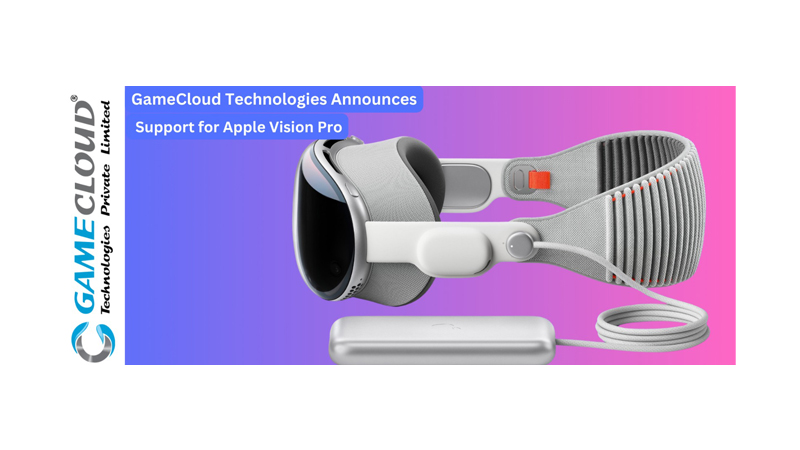
    Mumbai: In a significant development for the XR industry, GameCloud Technologies Pvt Ltd has announced its support for the Apple Vision Pro, Apple’s latest foray into spatial computing. This move marks a pivotal moment in the XR landscape, positioning GameCloud Technologies at the forefront of testing and development for cutting-edge mixed reality applications.

    The Apple Vision Pro is a groundbreaking device in the realm of mixed reality, blending AR, VR, and mixed reality (MR) to create an unparalleled user experience. With its advanced capabilities, the Vision Pro is set to revolutionize how users interact with digital content, offering immersive and interactive experiences unlike anything seen before.

    The leading XR testing and development company will offer its services for the new mixed-reality headset from Apple

    GameCloud Technologies, known for its expertise in XR testing and development through the independent division, QualityReality.com, is adding this new device in its existing VR hardware inventory to also provide its customers with access to the Vision Pro headset and its visionOS platform. This strategic move will enable the company to offer a comprehensive suite of services for developers of XR applications and games, ensuring that they can optimize their games and apps for the unique capabilities of Vision Pro.

    The company’s decision to support the Vision Pro stems from its commitment to staying at the cutting edge of XR technology. By integrating the latest hardware and software advancements into its services, GameCloud Technologies ensures that its customers are always ahead of the curve in delivering engaging and immersive XR experiences.

    “We are excited to support the Apple Vision Pro, which we believe is a game-changer for the XR industry. Our customers can rely on us to provide them with the best XR testing and development services, as well as the latest technologies and hardware. We are committed to helping our customers create immersive and engaging XR experiences that leverage the full potential of the Vision Pro and visionOS,” said GameCloud Technologies CEO Laxmikant Thipse.

    This announcement is more than just a new service offering, it’s a testament to GameCloud Technologies’ dedication to innovation and excellence in the XR domain. By aligning with Apple’s Vision Pro, the company not only expands its capabilities but also reinforces its position as a leader in the rapidly evolving world of XR.

    For developers and creators in the XR space, this collaboration presents an exciting opportunity. With GameCloud Technologies’ support, they can now explore the vast possibilities of Vision Pro, pushing the boundaries of what’s possible in AR, VR, and MR. From gaming to education, entertainment to training, the applications of this technology are virtually limitless.

    GameCloud, through QualityReality.com, is undertaking the heavy lifting by investing in the latest technologies of this kind. This approach ensures that their customers avoid the capital investment in rapidly depreciating assets and hardware that becomes outdated within a year in today’s fast-paced technological environment. Consequently, GameCloud, via QualityReality.com, guarantees that customers incur no capital expenditure (CAPEX) and only a negligible operational expenditure (OPEX) by outsourcing to QualityReality.com.

    GameCloud Technologies’ support for the Apple Vision Pro is a significant milestone in the XR industry. It paves the way for the creation of more innovative, immersive, and engaging XR experiences, harnessing the power of the latest technologies to transform how we interact with the digital world. As the XR landscape continues to evolve, GameCloud Technologies remains at the forefront, leading the charge in testing and development for the next generation of mixed reality experiences.

    The Apple Vision Pro headset, a highly anticipated mixed-reality device, is currently priced at $3,499 in the United States, where it first launched. This price is for the model with 256GB of storage, making it a premium offering in the AR headset market. In comparison, Meta’s high-performance Quest Pro VR headset is priced significantly lower, at around $999, while its Quest 3 model is even more affordable, retailing at $499. The Quest 2, another model from Meta, is available for as low as $299. This stark price difference highlights the Apple Vision Pro as a considerably more expensive option in the realm of immersive headsets. Especially for the small teams developing apps and games on VR platforms, this cost is significantly on the higher side.