Tag: Apple TV

  • YouTube launches TV app in the US to better serve in-home viewing

    YouTube launches TV app in the US to better serve in-home viewing

    MUMBAI: YouTube continues to march into traditional TV’s domain. Earlier this year, it launched its 40 channel bundle in the US for about $35 in certain markets. Along with some originals, the personalisation and recommendation has helped its content consumption skyrocket. Using Chromecast, viewers in 50 markets in the US can now watch it on their TV sets, apart from wirelessly watching it on their tablets, their phones and their computers.

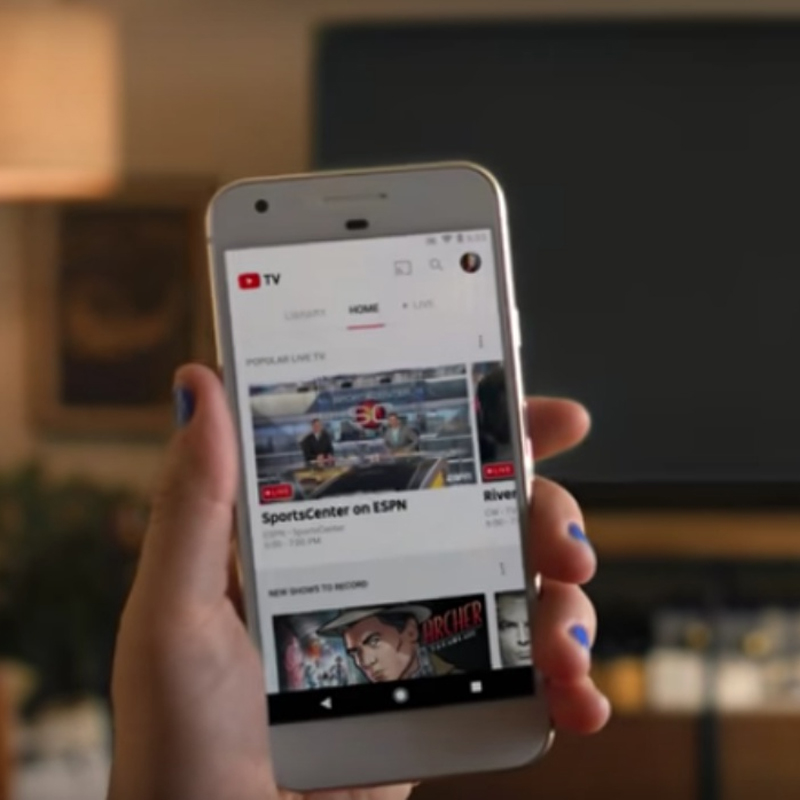
    But that was a thing of the past: it has just announced the launch of its own YouTube app which will first be available on the Android app store for any Android TVs and Xbox Ones, followed by releases on Apple TV, Roku and smart TVs from Samsung Sony and LG.

    Why did the streaming service-turned- cloud pay TV operator have to take this route? YouTube executives state that customers insisted that they wanted it on more fixed devices, especially in US living rooms which are primarily TVs. Data showed that despite the mobile first option, living room is still the hub of entertainment.

    Additionally, it is just protecting its turf. Traditional advertising on desktop browsers is sliding, and mobile ads are picking up the slack, even as viewers are continuing to consume content in living rooms on their TV sets. By launching an app for its YouTube TV, it will be able to capture some more ad dollars is the reasoning.

    The YouTube TV app has an in-depth programming guide. Each channel has a page which features the top programmes, a zapper sidebar lets you scroll through channels even as a you watch a show of your own. And what’s most important is the voice enabled search which allows you to talk to your TV set.

    The YouTube TV app built for actual television sets doesn’t cut any of the features you find on the mobile version, but it does add a bunch of new ones. Mobile didn’t feature an in-depth programming guide, but the living room experience has one, so you can see what’s playing a few hours in the future. There are also channel pages that show off top picks from network partners. The programming team built the app in HTML so it can easily be ported onto any device without having to recreate it for other operating systems of other smart TVs.

    Recent data releases from YouTube have revealed that close to a billion hours of video are being watched every day. Mobile viewing accounts for 600 million; desktop is at 300 million hours, while TV accounts for 100 million hours. But the last is growing at a rapid 70 per cent per annum; hence the YouTube App will only see it accelerate faster.

    Clearly, the battle for viewers eyeballs with traditionally delivered cable TV is only going to get more intense. When the service will arrive in India is not known. But it’s something that both India’s struggling cable TV MSOs and operators need to keep a close watch on. Google, with its billions of dollars in cash reserves, can turn on the switch in a second. And that might be too late for the low-on-cash Indian cable TV distribution system.

  • 1000 hours of original content a year is our target: Hoichoi’s Vishnu Mohta

    1000 hours of original content a year is our target: Hoichoi’s Vishnu Mohta

    The Bengali content market may not be spoken of much, but it is not without its share of audience. There are 258 million Bengali speaking people around the world, and this is the target for the latest kid on the block. Hoichoi, a Bengali OTT platform was launched on 20 September 2017 by Shree Venkatesh Films, a Kolkata-based media company.

    Hoichoi means positive activities happening around you. The ad-free platform has already launched seven original web series and three more are lined up for this month. Co-founder Vishnu Mohta, who has been with SVF since a decade, speaks to Indiantelevision.com’s Kirti Chauhan about the growth and future plans of the platform.

    What was the thought behind launching a Bengali OTT platform?

    We wanted to give our customers high-quality Bengali entertainment and the market was ready for it. Currently, India is equipped with all the ingredients to make content available over the internet with a ready to serve system, availability of bandwidth, cheap data, digital payment friendly generation and a smartphone handy generation. It was the right time to provide content for people to consume on their smart phones and set top boxes, which include internet, connected devices like – Apple TV, Roku TV, Amazon Fire TV, etc.

    Where all are the Bengali audiences located?

    India and Bangladesh contribute the largest Bengali community. In India, the Bengali speaking community is around 90 million, wherein, Bangladesh has a population of around 160-170 million Bengali expats and rest of the world has a Bengali diaspora between 5-8 million.

    Currently, 30-40 per cent of Indian population has access to the internet. However, in the coming five years, the number will double, which will include the crowd of tier II and III cities. This new internet user will prefer to consume content in his vernacular language. 75 per cent of the new internet users will come from rural India, of which 75 per cent want to consume content in their local language.

    What would make a person pick Hoichoi over others?

    Our experience of over 20 years has enabled us to understand the needs of the Bengali people, which will be visible through our original content. Apart from this, we have the largest collection of the best in Bengali entertainment that is not available on any other platform. We are offering 360 degree entertainment – movies, original shows and in the future, it will be music streaming. We have started with over 500 movies, 1000 songs and 10 original shows in Bengali language.

    What type of content does the Bengali community like to watch?

    They are an evolved audience. They like to watch mystery shows and films, horror movies, mass films, documentaries and much more. They have an ability to absorb different genres of content.

    What are the new shows in pipeline?

    We are coming up with a stand up comedy show called ‘Stand up’, then another show is ‘Bhutu Re’ which is an investigative story around a haunted house and the third one is ‘Bouma Detective’ where a housewife will be playing the role of a detective. We have 4 shows for November and December too.

    You have kept different subscription charges for Indian and global audiences. Will the same pricing be applied in Bangladesh, which economically weaker than India?

    Our subscription charges for Indian audiences are Rs 399 for 12 months, Rs 249 for six months and Rs 149 for three months. Internationally we have kept the charges around $8.99 per month and $79.99 per year. The international audience is ready to pay for content since they are already in the habit. We haven’t come up with subscription charges for Bangladeshi audiences yet but it won’t be very different from India.

    Will there be any content specifically catering to Bengali audience of Bangladesh?

    We are in process of buying and creating content for Bangladeshi audience. We are creating 2 feature films in Bangladesh, likely to release next year.

    Why did you choose ViewLift for technology over Brightcove, Kaltura or Diagonal Technologies?

    We wanted to work with an experienced company that is aware of current technological demands of the Indian market, since we are new to digital. ViewLift is specifically working on this technology from the past 10 years and has already launched similar platforms worldwide. We are the first Indian company to have worked with ViewLift. Other technology providers like Brightcove, Kaltura and Diagonal are best in content management system. They are a platform itself and you can build on top of it but can’t provide an end-to-end customisation.

    Why you did not choose in-house technology option?

    It would have been a time-consuming experience for us if we had taken the in-house technology option. There was a possibility of making mistakes in the beginning while dealing with the learning of new technology. We did not want to make any mistake in the beginning and so decided to take an expert as our technology partner for best results.

    What is the average time spent on Hoichoi?

    We have just begun and within a month, the average time spent on Hoichoi is around 39-40 minutes.

    How large is your team?

    Hoichoi is a collaboration of three separate teams. We have 300 experts working for SVF, some of whom are actively engaged in the development of Hoichoi. We have 35-40 people of ViewLift working with us. And, Hoichoi separately has a team of 30-35 experts. Altogether, 200 people are working for Hoichoi.

    What are your future targets?

    Our ambition is to create 1000 hours of original content every year, i.e., three hours per day. In addition, we are targeting to launch two shows every month.

    Q. When and what are you planning to bring for kids in your library?

    Kids as a separate genre on Hoichoi will likely be seen early next year. It will be a combination of acquired/curated and created content. Satyajit Ray has written various interesting stories catering to kids. We are planning to translate them in animation for our kids.

    ALSO READ :

    Niche regional OTT player Hoichoi offers Bengali content on iOS, Android and Chromecast

    #hoyejak: We used all SVF properties to promote Hoichoi, says Vishnu Mohta

    Hoichoi launches ‘Paranoia’ thriller series

    Hoichoi original adult-comedy Dupur Thakurpo campaign launched
  • SonyLiv to scale up via Amazon Fire & Apple TV, courtesy Cisco IVP

    MUMBAI: Sony Pictures Networks (SPN) and Cisco will together extend SonyLiv video experience to Amazon Fire TV and Apple TV customers in India.

    The Cisco Infinite Video Platform (IVP) provides SonyLiv with a fully cloud-based infrastructure, allowing it to offer more than 40,000 hours of broadcast-quality premium viewing experiences, including Live TV.

    Cisco IVP features superior security protocols that protect the video content from all kinds of threats. Through Cisco IVP, SonyLiv will be able to scale up, brand and market its OTT app on Amazon Fire TV and Apple TV in India.

    Users have access to rich content including movies, a strong line-up of events across all sports, shows, music, TV shows and much more across multiple devices and platforms.

    SonyLiv EVP and Head – Digital Business Uday Sodhi said,“SonyLiv has reinvented how users immerse themselves in unmatched entertainment experience. Our association with Cisco provides us the ability to extend our SonyLiv offering to a new set of consumers,allowing them access to our vast content catalogue. Our focus is on bringing the best of Cisco’s technology expertise and our content prowess to establish new benchmarks in the OTT space.”

    Cisco India & SAARC MD – service provider business Sanjay Kaul said, “Superior-quality videos are the way forward. Video will be 75 per cent of India’s mobile data traffic by 2021. Therefore, it is imperative that content-providers are equipped to scale up and deliver dynamic user experience. Cisco’s Infinite Video Platform offers SonyLiv an opportunity to secure its place as the leader by delivering broadcast-quality entertainment to Amazon Fire TV and Apple TV consumers.”

  • Apple TV: Unified Streaming selected to power dimsum subtitles

    MUMBAI: Malaysian VOD service dimsum has chosen Unified Streaming, a leader in cross-platform video-streaming technologies, to provide WebVTT subtitle support conversion for its subscribers with Apple TV.

    Smooth subtitling is crucial for dimsum. The SVOD service delivers the best multi-genre content from across Asia to a target audience of young, connected and mobile Malaysians.

    dimsum’s decision to partner with Unified Streaming came with the realization that Apple TV requires subtitles to be in WebVTT format and subtitle information to be present in a manifest file. Unified Streaming’s software program known as Unified Packager proved the ideal solution.

    “It works seamlessly with our existing workflow, which requires minimum effort in implementation by utilising Unified Packager to manipulate HLS manifest and splitting of multi subtitles”, says Boon Kim San, dimsum’s Manager of Apps Development and Operations.

    Besides efficiently packaging subtitles, Unified Packager uses one ingest format and can be integrated into any existing workflow and CMS. This means dimsum can offer uninterrupted and buffering-free HD streaming, along with advanced video player features including multiple DRM, audio languages and subtitles.

    “We are excited to be helping dimsum deliver the best subtitled viewing experience to its subscribers.” says Unified Streaming’s VP of Global Sales Simon Westbroek.

    About Unified Packager: Unified Packager is a software program that uses MP4 files to produce segmented output in HDS, HLS, MPEG-DASH and MSS formats. DRM can be applied using the command-line options. It smoothly handles advanced features for adding multiple audio codecs, such as Dolby Digital Plus (E-AC-3), DTS Express and Fraunhofer HE-AAC v2 (multichannel). Using subtitles is easy: Unified Packager supports using DFXP, ISMT, SRT and WebVTT.

    About Unified Streaming: Unified Streaming is dedicated to helping companies create and execute smart video streaming technologies. Its products are in operation around the world, with customers ranging from live news broadcasters and major TV networks to service providers and technology partners.

    The ease of use and reliability of our solutions allow customers to shorten their time-to-market. Our solutions fit into existing frameworks (Apache, IIS, Lighttpd, Nginx) thus allowing for greater return on existing investment and reducing delivery cost significantly.

  • FB to make TV-style video app

    FB to make TV-style video app

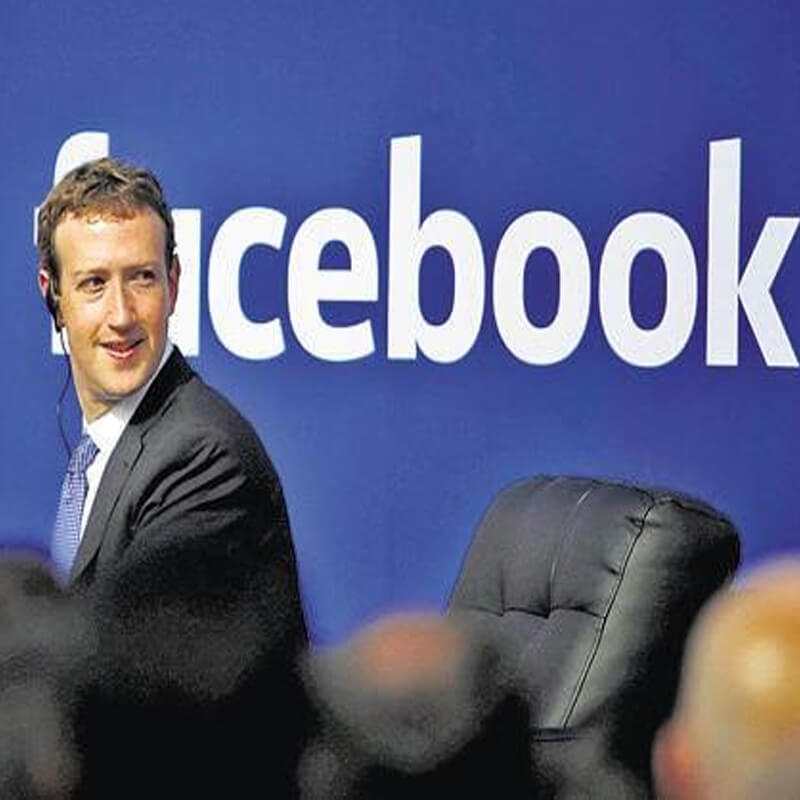
    MUMBAI: Facebook is seeking publishers to make specific and niche content and also working on a TV-style video app. FB has no definite model of video programming except for live streams posted by its users and short video clips.

    The App is part of an initiative to own a video-first company – allowing for competition for TV advertising revenue. FB’s strategy to push more video content on the platform has been well prescribed, according to a report in WSJ.

    The report did not give details of attributes of the app, but said that the video programming content would last for around 10 minutes, from scripted shows to entertainment and sports.

    While there was no mention of which streaming boxes FB TV content will stream through, it may aim to start with Apple TV. 

    Also Read:

    Supreme Court flags privacy issues regarding WhatsApp, FB

    FB-WPP to nurture mobile-first creativity tools

  • FB to make TV-style video app

    FB to make TV-style video app

    MUMBAI: Facebook is seeking publishers to make specific and niche content and also working on a TV-style video app. FB has no definite model of video programming except for live streams posted by its users and short video clips.

    The App is part of an initiative to own a video-first company – allowing for competition for TV advertising revenue. FB’s strategy to push more video content on the platform has been well prescribed, according to a report in WSJ.

    The report did not give details of attributes of the app, but said that the video programming content would last for around 10 minutes, from scripted shows to entertainment and sports.

    While there was no mention of which streaming boxes FB TV content will stream through, it may aim to start with Apple TV. 

    Also Read:

    Supreme Court flags privacy issues regarding WhatsApp, FB

    FB-WPP to nurture mobile-first creativity tools

  • 2016: Hotstar is Apple TV’s & Voot Google Play’s top app

    2016: Hotstar is Apple TV’s & Voot Google Play’s top app

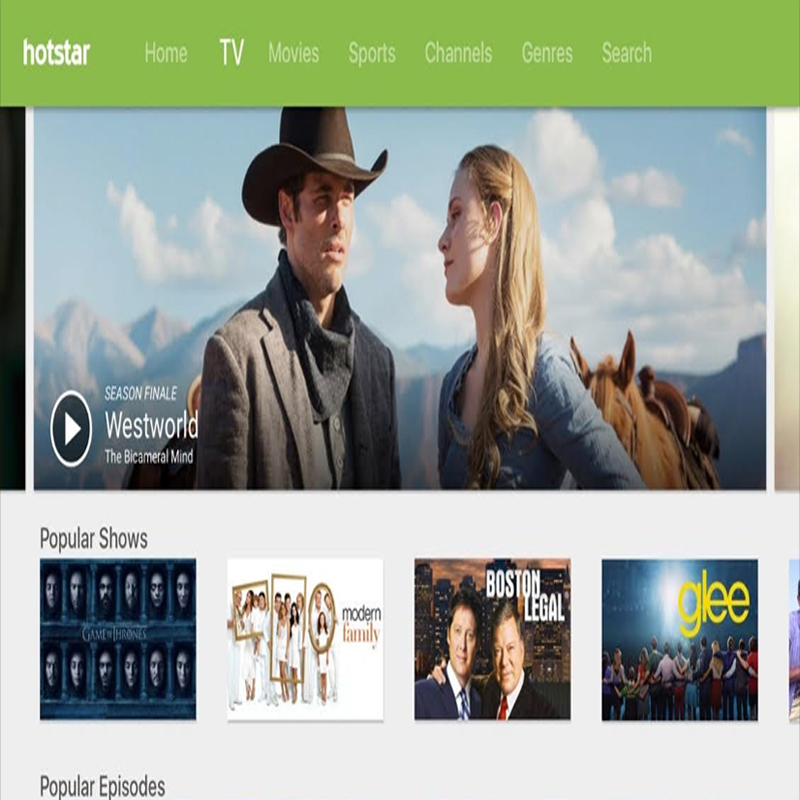
    MUMBAI: Hotstar has appropriated the top spot on amazing iTunes as Apple TV’s app of the year for India 2016. The app was launched on Apple TV in August and the recognition comes on the back of a breakthrough year in which Hotstar continued to lead and disrupt the Indian market place. Indiantelevision.com also reported about a similar recognition in the digital space yesterday. In its year of launch, Viacom18’s video-on demand platform, Voot made it to the prestigious -Best Apps of the year 2016 India list on Google Play.

    2016 saw Hotstar introduce a host of new tech features and content proposition for its ever-increasing number of consumers, which currently stands at a whopping 130 million downloads.

    “India is the only country in the world where a streaming platform like Hotstar exists where the best TV shows from around the world, movie premieres and live sports are available on a single platform. The Indian consumer today is absolutely at the frontiers of mobile video: no consumer in any other part of the world has access to better options than the Indian consumer. Now, we are setting our sights on shaping the connected TV experience in India,” said Hotstar CEO Ajit Mohan.

    While innovation on live sports streaming continued to draw fans with the deeply engaging coverage of the Vivo IPL 2016, Rio 2016 Olympic Games, Premier League football and Kabaddi World Cup on Virtual Reality, the entertainment offerings were significantly beefed up when Hotstar launched its premium service in April making the best of international shows available in India alongside their US airing.

    The lineup on the premium service includes Emmy award-winning TV shows such as Game of Thrones, The Night Of, Westworld, Veep, and American Crime Story that are all exclusively available in India on Hotstar.

    Also Read:

    Viacom18’s Voot ranked among 2016’s best apps on Google Play

  • 2016: Hotstar is Apple TV’s & Voot Google Play’s top app

    2016: Hotstar is Apple TV’s & Voot Google Play’s top app

    MUMBAI: Hotstar has appropriated the top spot on amazing iTunes as Apple TV’s app of the year for India 2016. The app was launched on Apple TV in August and the recognition comes on the back of a breakthrough year in which Hotstar continued to lead and disrupt the Indian market place. Indiantelevision.com also reported about a similar recognition in the digital space yesterday. In its year of launch, Viacom18’s video-on demand platform, Voot made it to the prestigious -Best Apps of the year 2016 India list on Google Play.

    2016 saw Hotstar introduce a host of new tech features and content proposition for its ever-increasing number of consumers, which currently stands at a whopping 130 million downloads.

    “India is the only country in the world where a streaming platform like Hotstar exists where the best TV shows from around the world, movie premieres and live sports are available on a single platform. The Indian consumer today is absolutely at the frontiers of mobile video: no consumer in any other part of the world has access to better options than the Indian consumer. Now, we are setting our sights on shaping the connected TV experience in India,” said Hotstar CEO Ajit Mohan.

    While innovation on live sports streaming continued to draw fans with the deeply engaging coverage of the Vivo IPL 2016, Rio 2016 Olympic Games, Premier League football and Kabaddi World Cup on Virtual Reality, the entertainment offerings were significantly beefed up when Hotstar launched its premium service in April making the best of international shows available in India alongside their US airing.

    The lineup on the premium service includes Emmy award-winning TV shows such as Game of Thrones, The Night Of, Westworld, Veep, and American Crime Story that are all exclusively available in India on Hotstar.

    Also Read:

    Viacom18’s Voot ranked among 2016’s best apps on Google Play

  • ‘Regional VOD, cashless subs among 2017 trends’

    ‘Regional VOD, cashless subs among 2017 trends’

    MUMBAI: The video on demand streaming industry in India is only blooming, with a host of developments in this year. The digital eco-system has seen production houses like Balaji Telefilms, Indian broadcasting networks such as Star India, Sony Pictures Networks, Viacom18, Zee, etc and few international players like Netflix, Hooq, Amazon Prime, Spuul, etc entering this space which caters to the varied tastes of a very heterogeneous Indian audience. The demand for customized viewing of digital content in India is only increasing. Various factors such as smartphone penetration, launch of 4G, data cost coming down, better infrastructure, diverse library of content offerings not only in Hindi and English but also in several regional languages, etc are the key factors that have driven the rise  of video content this year.  

    In the year 2017, according to the Akamai & NASSCOM report on the future of internet in India, the mobile video content to grow at an 83 per cent CAGR in next 5 years. OTT has not only arrived, it is here to stay, and the advent of 4G and improved bandwidth speeds have only re-enforced this. With increased competition between the video on demand apps, regional content that appeals to particular states will be the key to capture user share.

    Online video subscription numbers fluctuate dramatically every month. The number of unique online video viewers will grow from 66 million in 2015 to 355 million in 2020. E-payments and mobile wallets are getting more popular among the millennials in the country. Digitization of cash will accelerate over the next few years.

    Spuul India’s Rajiv Vaidya opined:

    Cord Cutting

    Today’s viewers have a choice of a host of viewing platforms to choose from, including digital television, internet, tablets and smartphones. Revolutionary app-powered devices like Roku, Apple TV, Chromecast and other streaming devices lets viewers watch their favourite shows across a variety of screens. According to the Akamai & NASSCOM report on the future of internet in India, the mobile video content to grow at an 83 per cent CAGR in five years. Every major television manufacturer now offers “smart” television sets, with integrated internet features that provide access to a host of on-demand streaming media directly. OTT has not only arrived, it is here to stay, and the advent of 4G and improved bandwidth speeds have only re-enforced this. This surging popularity of OTT platforms has challenged the exclusivity that linear television enjoyed till quite recently. Broadcasters have begun witnessing the market trend of “cord cutting”, with a sizeable segment of viewers tuning out from cable subscription and completely switching over to OTT platforms. In fact the millennials have grown up watching shows online, and will possibly never subscribe to paid television services due to multiple streaming options now available and multiple generations that are accustomed to on-demand services. Looking at trends in the US, 2010 was the first year that regular pay television saw a quarterly decline in subscription numbers (this was reported by WSJ, back in 2012). We’re still a while away from that but a small pocket of users in India (usually in the larger cities) are exploring their options when it comes to cord cutting.

    Let’s go regional

    With increased competition between the video on demand apps, regional content that appeals to particular states will be the key to capture user share. According to the Akamai & NASSCOM report on the future of internet in India, about 75% of the new internet users consume content in local language. The real trick in winning the market is to capture the Tier III towns and the rural areas. According to the Frost & Sullivan report a large percentage of video-on-demand viewership in India is fragmented across states and languages. We have seen a lot of growth in regional content on the video on demand apps, fuelled by demand from both local viewers and the international diaspora. According to Internet and Mobile Association in India (IMAI), the Internet user base will cross 500 million by 2018, with rural Internet users alone being almost 210 million.

    Micro transactions and cashless transactions

    According to the Frost & Sullivan report there are 66 million unique connected video viewers in India, of which 1.3 million are paid video subscribers. Online video subscription numbers fluctuate dramatically every month. The number of unique online video viewers will grow from 66 million in 2015 to 355 million in 2020. The country is heading for a cashless economy with a colossal change in the way netizens make their day to day transactions. E-payments and mobile wallets are getting more popular among the millennials in the country. Digitization of cash will accelerate over the next few years. Non-cash payment transactions, which today constitute 22 per cent of all consumer payments, will overtake cash transactions by 2023. Digital payments instruments will drive the growth in non-cash payments, according to Google BCG Report. Micro-transactions will form a substantial portion of the industry, with over 50 per cent of person-to-merchant transactions expected to be under INR 100 the study said. The report predicts that the value of remittances and money transfer that will pass through alternate digital payment instruments will double to 30 per cent by 2020.

  • ‘Regional VOD, cashless subs among 2017 trends’

    ‘Regional VOD, cashless subs among 2017 trends’

    MUMBAI: The video on demand streaming industry in India is only blooming, with a host of developments in this year. The digital eco-system has seen production houses like Balaji Telefilms, Indian broadcasting networks such as Star India, Sony Pictures Networks, Viacom18, Zee, etc and few international players like Netflix, Hooq, Amazon Prime, Spuul, etc entering this space which caters to the varied tastes of a very heterogeneous Indian audience. The demand for customized viewing of digital content in India is only increasing. Various factors such as smartphone penetration, launch of 4G, data cost coming down, better infrastructure, diverse library of content offerings not only in Hindi and English but also in several regional languages, etc are the key factors that have driven the rise  of video content this year.  

    In the year 2017, according to the Akamai & NASSCOM report on the future of internet in India, the mobile video content to grow at an 83 per cent CAGR in next 5 years. OTT has not only arrived, it is here to stay, and the advent of 4G and improved bandwidth speeds have only re-enforced this. With increased competition between the video on demand apps, regional content that appeals to particular states will be the key to capture user share.

    Online video subscription numbers fluctuate dramatically every month. The number of unique online video viewers will grow from 66 million in 2015 to 355 million in 2020. E-payments and mobile wallets are getting more popular among the millennials in the country. Digitization of cash will accelerate over the next few years.

    Spuul India’s Rajiv Vaidya opined:

    Cord Cutting

    Today’s viewers have a choice of a host of viewing platforms to choose from, including digital television, internet, tablets and smartphones. Revolutionary app-powered devices like Roku, Apple TV, Chromecast and other streaming devices lets viewers watch their favourite shows across a variety of screens. According to the Akamai & NASSCOM report on the future of internet in India, the mobile video content to grow at an 83 per cent CAGR in five years. Every major television manufacturer now offers “smart” television sets, with integrated internet features that provide access to a host of on-demand streaming media directly. OTT has not only arrived, it is here to stay, and the advent of 4G and improved bandwidth speeds have only re-enforced this. This surging popularity of OTT platforms has challenged the exclusivity that linear television enjoyed till quite recently. Broadcasters have begun witnessing the market trend of “cord cutting”, with a sizeable segment of viewers tuning out from cable subscription and completely switching over to OTT platforms. In fact the millennials have grown up watching shows online, and will possibly never subscribe to paid television services due to multiple streaming options now available and multiple generations that are accustomed to on-demand services. Looking at trends in the US, 2010 was the first year that regular pay television saw a quarterly decline in subscription numbers (this was reported by WSJ, back in 2012). We’re still a while away from that but a small pocket of users in India (usually in the larger cities) are exploring their options when it comes to cord cutting.

    Let’s go regional

    With increased competition between the video on demand apps, regional content that appeals to particular states will be the key to capture user share. According to the Akamai & NASSCOM report on the future of internet in India, about 75% of the new internet users consume content in local language. The real trick in winning the market is to capture the Tier III towns and the rural areas. According to the Frost & Sullivan report a large percentage of video-on-demand viewership in India is fragmented across states and languages. We have seen a lot of growth in regional content on the video on demand apps, fuelled by demand from both local viewers and the international diaspora. According to Internet and Mobile Association in India (IMAI), the Internet user base will cross 500 million by 2018, with rural Internet users alone being almost 210 million.

    Micro transactions and cashless transactions

    According to the Frost & Sullivan report there are 66 million unique connected video viewers in India, of which 1.3 million are paid video subscribers. Online video subscription numbers fluctuate dramatically every month. The number of unique online video viewers will grow from 66 million in 2015 to 355 million in 2020. The country is heading for a cashless economy with a colossal change in the way netizens make their day to day transactions. E-payments and mobile wallets are getting more popular among the millennials in the country. Digitization of cash will accelerate over the next few years. Non-cash payment transactions, which today constitute 22 per cent of all consumer payments, will overtake cash transactions by 2023. Digital payments instruments will drive the growth in non-cash payments, according to Google BCG Report. Micro-transactions will form a substantial portion of the industry, with over 50 per cent of person-to-merchant transactions expected to be under INR 100 the study said. The report predicts that the value of remittances and money transfer that will pass through alternate digital payment instruments will double to 30 per cent by 2020.