Tag: APOS India Summit

  • HITS combines flexibility of DTH and reliability of cable: NXT Digital CEO Vynsley Fernandes

    HITS combines flexibility of DTH and reliability of cable: NXT Digital CEO Vynsley Fernandes

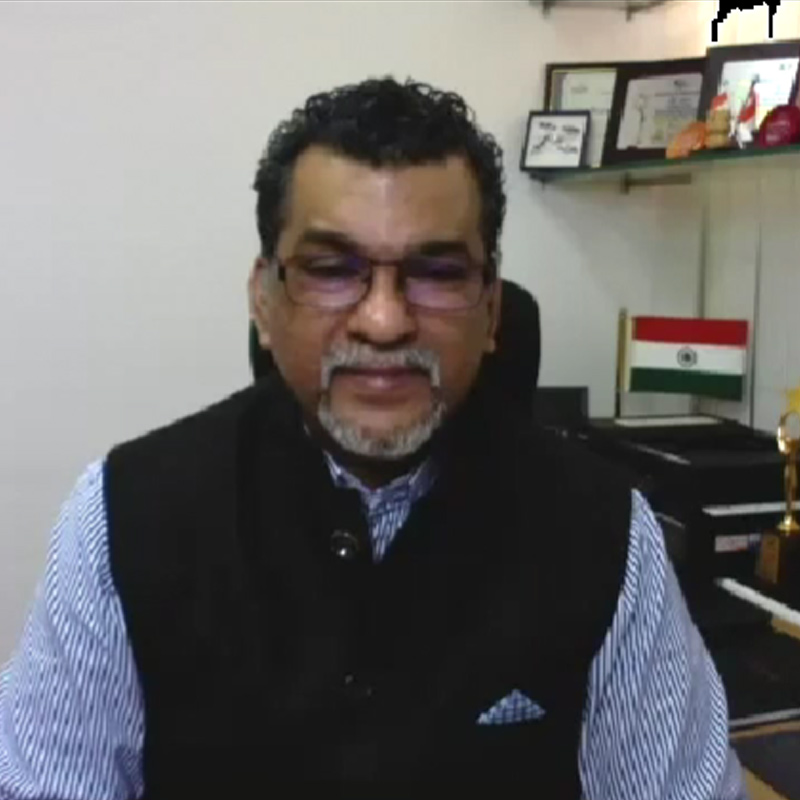
    Mumbai: Headend-in-the-sky (HITS) combined the flexibility and quality of direct-to-home (DTH) services and the reliability and pricing of cable television, said NXT Digital managing director and chief executive officer Vynsley Fernandes on Wednesday. NXT Digital is the only HITS operator in India and Fernandes is bullish on the prospects of video and broadband aggregation using HITS technology.

    In a conversation with Media Partners Asia co-founder and senior partner Vivek Couto at the Apos India summit on Wednesday, Fernandes spoke about structural developments in the TV distribution ecosystem, pricing parity for consumers, satellite broadband policy and more.

    Cable TV has been around since 1995 and the Hinduja Group introduced HITS to India in 2015. The way HITS technology works is that channels are aggregated at an Earth Station, uplinked to a satellite and instead of being downlinked directly to the customers, like DTH, they are received by cable operators via a refrigerator-sized unit and redistributed to customers, explained Fernandes. HITS allows local cable operators to digitise overnight in remote markets such as Lakshadweep, Andaman and Kargil.

    HITS is a capex light model. Post pandemic, there were last mile owners who wanted to be relevant and grow. The challenge was investing in the back-end and connecting to consumers. Fernandes said, “We already have access to 4400 pin codes and we’ve launched 40 NXT Hubs across the country. These NXT Hubs are owned and operated by us and are future-ready. Any last mile owner within 150 square feet can approach a NXT Hub and offer 650 TV channels and broadband speeds of 100 mbps overnight. It empowers the last mile owner to become a digital services provider. By the end of this financial year (March 2022) we will have 100 such NXT Hubs across the country.”

    “Last year, cyclones hit India and MSO fibre got damaged. They had the option to lay fibre but that would take a couple of months or move to another platform. We thought, what if they used our infrastructure to go digital? So, we approached the ministry and shared this idea. Credit to the ministry of information and broadcasting, literally in a few months by November 2020 it was promulgating infrastructure sharing for HITS with MSOs,” he added.

    Speaking about structural developments in the content distribution ecosystem, Fernandes said, “There are two things happening that are changing the structural makeup of distribution in terms of consumption – NTO 1.0 which is bringing parity and transparency and the pandemic.”

    “Post-pandemic, OTT platforms have realised that they can be more relevant to customers as part of an aggregated offering rather than as a standalone service,” observed Fernandes. “In metros where broadband speeds are 100 mbps and above, in towns and smaller markets, people want the same product but in smaller bundles or what we call ‘skinny bundles’. These customers have broadband speeds of 10mbps and their main consumption is not entertainment but access to e-medicine or e-education.”

    In terms of how much a consumer is willing to pay for content, Vynsley noted, “The actual prices differ widely across the country. There are markets where consumers average revenue per user (ARPU) is under $3, content cost is $2-3. In these markets, there’s not much offtake in terms of paid OTT services, instead consumers access YouTube and other freemium platforms. If you move to cities, the pricing is $300 (Rs 28,000-30,000) for an annual subscription. This is a significant opportunity for multi-system operators for flexi-play.”

    Fernandes is of the view that HITS will increase revenues for the entire ecosystem. “Today, a lot of MSOs look at certain markets as not viable because the cost of connectivity is still significant,” he said. “That’s why infrastructure sharing will benefit MSOs and broadcasters. MSO will share capacity and be able to deliver value to customers and better quality of service, while broadcasters will improve their bottom lines.”

    In Q1, NXT Digital reported five million video subscribers and one million broadband users growing at 7-10 per cent year-on-year. “There is a 30 per cent overlap between our video and broadband user base,” said Fernandes. “That means a quarter of a million customers are consuming both linear/digital products. There is a runway to grow that base to a healthy 50-60 per cent and that’s our target vision for the business. We’ve just launched our OTT product and are looking at bundled ARPUs. Linear TV ARPUs are currently at Rs 300 and OTT delivers higher ARPUs for us. It doesn’t concern me too much which part of revenue delivers but our offering should reach every demographic in the country.”

    During the pandemic, the government couldn’t reach out of several million people who resided in areas where connectivity was patchy. It was prompted to launch e-agriculture and e-medicine services and Telecom Regulatory Authority of India (Trai) has released recommendations on satellite-based connectivity for low bit rate applications. “The government is working on a clear plan and sees the tremendous need for broadband over satellite,” noted Fernandes.

    “Satellite broadband is a clear parallel to HITS which was needed to deliver video in markets that could not be serviced by terrestrial networks,” said Fernandes. “Broadband serves the same void by catering to markets that cannot be serviced by terrestrial fibre. Today, a broadband over satellite provider needs four things – reach and footprint, a company with experience working with satellite, regulatory knowledge and ability to work with industry stakeholders.”
  • Star India consolidated its market share post-lockdown: Kevin Vaz

    Star India consolidated its market share post-lockdown: Kevin Vaz

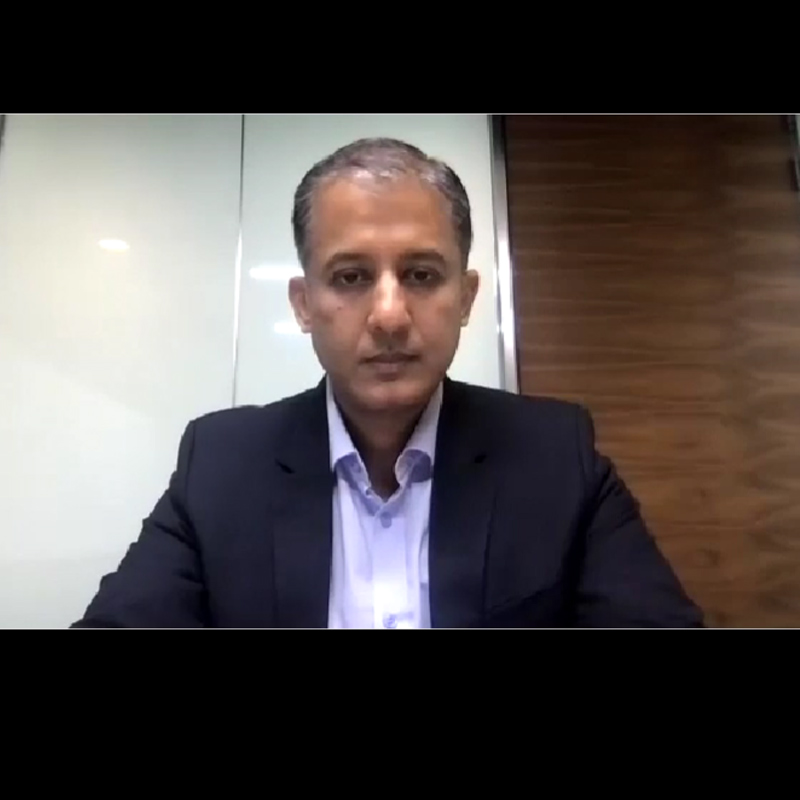
    Mumbai: In the 18 months post-lockdown, Star TV network has emerged as the top broadcaster with over 30 per cent network share and strong growth across network channels, said Star and Disney India president and head – network entertainment channels Kevin Vaz.

    In the Hindi segment – Star Plus and Star Utsav are leaders, and Star Plus has grown to a seven year high, said Vaz while addressing the APOS India summit that began virtually on Tuesday. 

    While there have been tectonic shifts in the regional markets, Vaz said Star Pravah initially ranked third among the top channels reached the top position, and Star Vijay, which was Star India’s first regional channel competing in one of the toughest markets, became number one in primetime. Markets where Star TV had a stronghold – Malayalam (Asianet) and Telugu (Star Maa) have only grown further.

    In conversation with Media Partners Asia co-founder and senior partner Vivek Couto, he also spoke about the recovery of TV advertising business, the future of regional TV, investments in content on TV, resurgence of free-to-air (FTA) and future of mass TV.

    “There are several positive macroeconomic factors that are indicating that the economy is bouncing back,” noted Vaz, adding that the IMF has predicted 10 per cent growth in the coming year. “IIP Index reported 11.9 per cent growth in August. GST collections are up by 17 per cent compared to 2019. The last three months have seen GST collections crossing Rs one crore every month. The successful vaccination drive where 1.2 billion Indians have received at least one shot has led to a positive future outlook.”

    In terms of depth of advertisers, Vaz observed that the set of advertisers has shifted in the past five years. For instance, five years ago 92 per cent of advertising for the Indian Premier League (IPL) came from categories such as beverages, telecom, handsets and consumer durables. However, now the new age companies such as e-commerce, fintech, gaming and edtech are changing the paradigm.

    “These companies have grown their contribution from eight per cent to 40 per cent with the remaining 60 per cent constituted by traditional advertisers. Five years back there were 35 unicorns in the country. This year there are 72 unicorns which are expected to grow to 100 unicorns in the year ahead. These companies have a lot of funds, they want to grow their customer base and advertising on TV is their first point of call,” said Vaz.

    Discussing the situation during the lockdown, Vaz said TV broadcasters were caught in a dichotomy as advertisers were pulling back yet with the consumer sitting at home, this was the best chance to create strong partnerships and serve them really good content. “We decided to double down on investments and keep investing in brands keeping the consumer at the focus. We also changed the programming schedule. For example, Star Pravah increased its original programming from two hours to five hours and regional channels such as Star Vijay and Star Maa started serving 45-55 hours of original content every week. The result we see today is that every channel is a leader,” he added.

    TV has a lot of scope to grow in the country, noted Vaz. There are 300-325 million households out of which TV reaches 210 million. The rural markets added 20 million homes in the last five years, he said. Every week 750 million viewers tune in to watch TV and consume one trillion minutes of content, indicating that TV is the preferred entertainment medium. Vaz said that TV viewers in regional markets consume four hours of TV every day which is 25 per cent higher than the national average. So, growth in HSM markets will come by getting them to stick to TV for a longer period of time.

    In terms of content investments, Vaz said that Disney and Star India’s strategy is agnostic to screens. He remarked, “We continue to invest more on TV by launching new channels, opening in new markets. In each market, we intend to have one entertainment, one movie and one music channel to serve wholesome viewing to the consumer.”

    He also talked about how the production values on TV have also been scaled up with the launch of big historical dramas and mythological shows. Apart from regular fiction shows, he said finite shows where production values are higher will also be part of TV offering.   

    Speaking about the resurgence of FTA channels, Vaz said, “We are committed to serving every consumer segment. The FTA market is an incremental opportunity. There are 40 million FTA households. The awareness of pay channels is not high in these markets. Most consumers will begin their TV journey with an FTA channel. The monetisation opportunity is to upsell them. It is important to target this audience as their consumption is disproportionate in the rural markets.”

  • We’re conveying broadcasters’ concerns to the regulator: MIB Secy Apurva Chandra on NTO 2.0

    We’re conveying broadcasters’ concerns to the regulator: MIB Secy Apurva Chandra on NTO 2.0

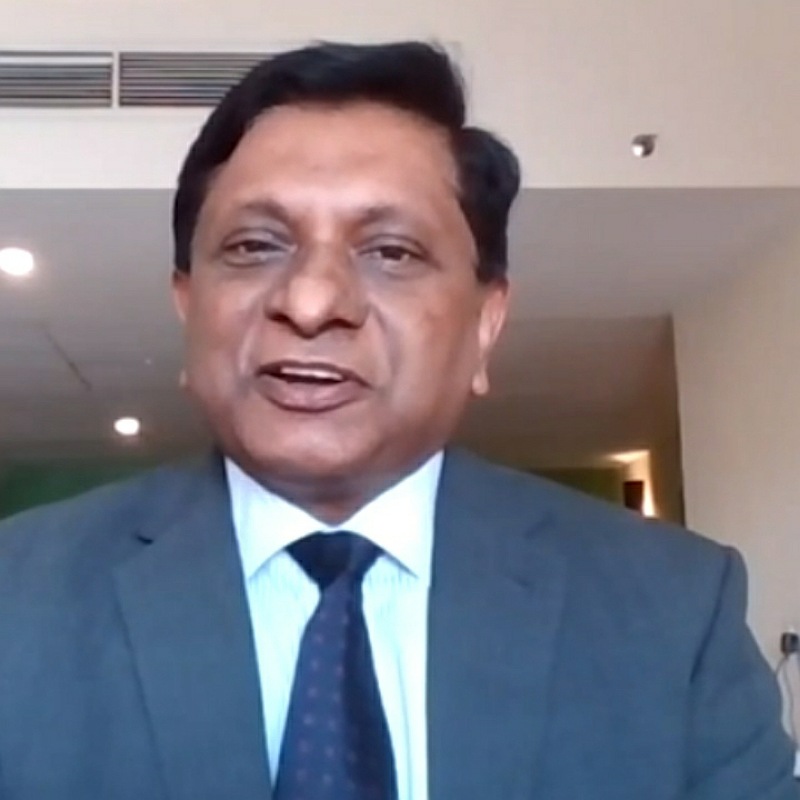
    Mumbai: Despite the pandemic-induced slowdown, India’s media and entertainment industry can grow at least nine per cent every year to reach $70 billion by 2030, said ministry of information and broadcasting (MIB) secretary Apurva Chandra.

    The top ministry official was discussing the evolution of India’s broadcasting industry at the Apos India Summit that began virtually on Tuesday.

    Highlighting how the $25 billion industry is being recognised as a significant generator of employment, Chandra said the sector’s role in growing the nation’s soft power through dissemination of content worldwide is laudable.  The phenomenon has especially been powered in a big way by the pandemic-induced OTT boom.

    “The massive proliferation and adoption of OTT platforms have led to Indian content being translated into several languages and released internationally, thus making it available anywhere in the world at the same time. As I understand from the likes of Amazon and Netflix, there are a lot of viewers of Indian content abroad, including in countries like Mexico, Brazil and Spain,” said Chandra.

    The burgeoning of online video has however been accompanied by growing piracy concerns. While there exists in India a robust and well-entrenched Copyright Act that is administered by the department for promotion of industry and internal trade, the MIB is in the drafting stages of a ‘Cinematograph Act’. “The new legislation which will have a specific anti-piracy provision has already been introduced in the parliament,” informed Chandra.  

    Additionally the ministry has also agreed to extend in-principle support to CII’s (Confederation of Indian Industry) proposal of formulating an industry body to tackle all forms of copyright violations.

    The MIB secretary also noted the recent developments pertaining to the implementation of the New Tariff Order (NTO) 2.0, and said the ministry is in touch with the broadcasters regarding the issue.

    “The New Tariff Order (NTO) 1.0 guidelines implemented a couple of years ago gave rise to some apprehensions among broadcasters, and these seem to have been further aggravated by NTO 2.0. Prior decision on the matter has been challenged in the Supreme Court. We are also in touch with the broadcasters regularly and are conveying their concerns to the regulator (Trai),” said Chandra, adding that the ministry can act as a bridge between industry stakeholders and regulators, particularly in the context of recent regulatory changes.

    Chandra added that he welcomes the idea of the ministry having a larger role to play in the regulation of the broadcasting industry. “The MIB has received a request for inducting a part-time member from the sector into Trai, and we are open to the suggestions/nominations in this regard,” he added.

    Sharing his perspective on the scope for a unified regulatory policy/body for the M&E industry, he said that given the complexities and diversity of the sector, there needs to be a much larger debate on whether all stakeholders can come under a common policy. “It is bound to have its own challenges and concerns,” he reckoned.

    Among other initiatives, a ‘Broadcaster Seva Portal’ will soon be launched to take all application and approval procedures online. Changes in uplinking and downlinking guidelines can also be expected in the next three-four months, he said.