Tag: APOS

  • APOS 2025: How JioStar turns sports into co-creation, not just consumption

    APOS 2025: How JioStar turns sports into co-creation, not just consumption

    BALI:  JioStar is no longer content with just broadcasting sport—it’s rewriting the production storybook altogether. Speaking at APOS 2025 in Bali, JioStar head of sports production services & technology Prashant Khanna laid out a bold vision: India as the epicentre of global sports innovation.

    “We don’t just see ourselves as broadcasters or production partners,” Khanna said during a high-energy fireside chat. “We’re in the business of helping India create iconic sporting memories.”

    Khanna spotlighted JioStar’s end-to-end reimagining of the sports viewing experience—infused with tech, empathy, and staggering interactivity. Think sign-language feeds, descriptive audio for the visually impaired, vertical videos, motion-capture-powered kids’ streams, and multi-cam toggles.

    “The modern fan doesn’t want to just watch—they want to co-create,” Khanna stressed. “Millions are producing their own version of the game in real time. That’s the expectation.”

    A major catalyst behind this transformation? Starlab, JioStar’s in-house innovation unit that’s quietly building a cloud-native production stack in collaboration with AWS, creators, and start-ups. The result: hyper-personalised, scalable, and immersive experiences beamed across devices in formats fans choose.

    Khanna also highlighted JioStar’s deep investment in talent pipelines through its partnership with the Indian Institute of Creative Technologies—a government-led effort to skill the next generation in sports and live production.

    “It’s not just about what audiences see today. It’s about who shapes that experience tomorrow,” he said.
    Citing the recently concluded 18th season of the IPL as a “turning point,” Khanna revealed the company’s key takeaway: audiences don’t want passive content anymore.

    ““It’s been an eye-opener every single time, but this year, our biggest learning was how deeply involved the consumer is. They no longer want to passively consume what you’re serving them—they want to be part of shaping how the game unfolds over those 4–5 hours.”

    “We saw this play out every day for 2.5 months, through a variety of formats and platforms. Whether it was widescreen or vertical video, Sunday cohort feeds, or kids’ IPs brought to life through motion capture, the engagement was constant. It reinforced that delivering the game in a way fans understand and love is no longer optional-it’s essential,” he said.

    With India firmly on the front foot, JioStar’s playbook proves one thing: the future of sport is no longer just played. It’s produced, personalised, and powered by fans.

  • APOS 2025: Banijay Asia and its grow-grow urge

    APOS 2025: Banijay Asia and its grow-grow urge

    BALI: Banijay Asia, the formidable content producer, is strategically expanding its reach into Southeast Asia, with a sharp focus on Indonesia and a ground breaking reality series that will propel contestants into space, according to a report in Variety. Group chief executive Deepak Dhar, speaking at the APOS conference, revealed the company has “already locked a couple of deals in Jakarta” for both scripted and unscripted ventures.

    This expansion includes an enhanced version of Banijay Asia’s previously announced cross-border reality show, which initially sought one Indian participant but will now search for “one Indian and finding one Indonesian who we can send to space in a Blue Origin rocket.”

    The move comes as Banijay Asia continues to scale its substantial operations in India, a market with a “voracious content appetite,” according to Dhar. He noted the company produces “800 days of Big Boss [the local version of Celebrity Big Brother] in our calendar year of 365 days,” highlighting the sheer volume of content generated.

    “The timing is right for us personally, because we’re happy in the position that we are at in India, and now we can focus our bandwidth into the rest of the region,” Dhar explained. “We are really doubling down on Indonesia and then subsequently in Thailand.”

    Banijay Asia has built a strong reputation for successfully localising international formats while also developing successful Indian originals. Its  adaptation of The Night Manager for the erstwhile Disney+ Hotstar garnered massive viewership, with a second season currently in production. The company also recently rebooted the long-running crime procedural CID, which delivered “massive strong results on Sony television” before its subsequent windowing to Netflix.

    Dhar articulated the company’s broader regional ambition: “It’s really time that an Indian story catches the fancy and attention of global audiences as well. So that’s really something that we’re excited and working towards.”

  • APOS 2025: Amazon demystifies dual platform strategy and amazing road map ahead

    APOS 2025: Amazon demystifies dual platform strategy and amazing road map ahead

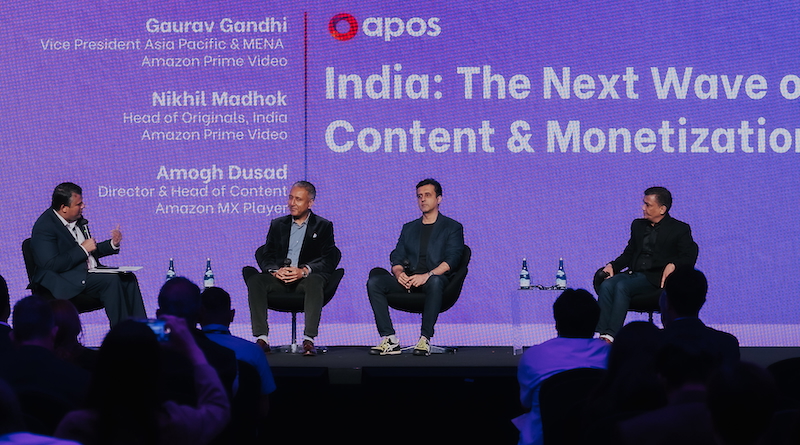
    BALI:  At the APOS 2025 summit in Bali, hosted by Media Partners Asia (MPA), Amazon’s content leadership delivered a deep dive into why India remains one of the most strategically complex yet promising media markets. Taking the stage were Prime Video  vice president, Asia Pacific & MENA  Gaurav Gandhi, Prime Video India director & head of originals  Nikhil Madhok and Amazon MX Player director & head of content Amogh Dusad. The session was moderated by MPA’s executive director and founder  Vivek Couto.

    The big reveal? Amazon isn’t choosing between SVOD and AVOD in India—it’s going full throttle on both.
    “India isn’t a monolith. It’s an ultra-fragmented market with vastly different consumption behaviours,” said Gandhi. “Prime Video is built for those who are already deep into the streaming habit and are willing to pay for high-quality entertainment. Amazon MX Player, now part of the Amazon fold, is designed for the mobile-first, ad-supported audience that’s still transitioning from television.”

    Prime Video, Gandhi said, is thriving on living room devices, with a premium audience consuming high-end series, global content, and a wide bouquet of offerings including TVOD (movie rentals) and add-on subscriptions like Apple TV. Meanwhile, Amazon MX Player reaches over 250 million users, largely through smartphones. Its mission: democratise premium entertainment through AVOD—without a paywall.

    Nikhil Madhok outlined how Prime Video Originals are laser-focused on delivering cinematic storytelling—visually rich, thematically deep, and produced at a scale far beyond traditional television. “From The Family Man to Made in Heaven and Call Me Bae, we aren’t just creating content—we’re building cultural brands. Every story must hold its ground next to top global content.”

    He also teased the evolution of Prime Video’s movie play. Beyond licensing and direct-to-service releases, Amazon has entered the theatrical game via Amazon MGM Studios. The first release under this banner, Nishaanchi, directed by Anurag Kashyap, hits theatres this September. “Starting 2026, expect four to six Amazon-produced theatrical releases each year,” said Madhok.

    Themes are front and centre in content strategy. “Genres are surface. We’re diving deeper—into identity, trauma, aspiration, connection with roots,” Madhok said. Case in point: Khauf, a horror series that’s actually about urban isolation and female trauma, or Dupahiya and Panchayat, which reconnect urban audiences with rural simplicity.

    Amogh Dusad’s vision for Amazon MX Player is sharply focused on volume, relevance, and relatability. “Our audience wants content that mirrors their aspirations—rising up the socio-economic ladder, escaping the mundane, hustling for a better life,” he said. “Franchises like Hustler, which spotlight startup dreams, resonate deeply. So do titles like Aashram, which has pulled in over 200 million streamers.”

    Dusad also unveiled MX Fatafat—a bold new format tailored for India’s mobile-first generation. These are micro-dramas told in one to two minute episodes, shot in vertical format, and designed for snack-sized bingeing on the go. Each series will feature 80 to 100 episodes, delivering quick-hit entertainment during commutes, lunch breaks, and late-night scrolls. “This is format innovation meeting behavioural insight,” he said.

    A key theme across the panel was Amazon’s focus on building the next generation of Indian creators—across both platforms. Gandhi highlighted how over 50 per cent of Prime Video’s upcoming Originals feature first-time talent, either in front of or behind the camera. “That intentionality is what brought stories like Dupahiya to life,” he noted. “We’ve built structures to mentor and empower creators from scratch.”

    MX Fatafat, meanwhile, is expected to become a sandbox for emerging digital storytellers. “We’re not just licensing stories—we’re co-creating them with creators who’ve never had this kind of platform before,” Gandhi added.

    While competition intensifies in India’s digital entertainment landscape, Gandhi remained bullish. “We’re investing aggressively across Prime Video and MX Player. The Indian streaming story is far from mature—it’s just entering its next big phase,” he said. Amazon’s twin-engine strategy is clear: drive premium with Prime, drive reach with MX, and fuel both with bold bets on formats, themes, and fresh creative voices.

    From high-gloss dramas to vertical micro-series, Amazon is placing its chips across the board—because in India’s streaming game, one size definitely doesn’t fit all.

  • APOS 2025 predicts that Asia’s screen economy will shift gears as digital eats into TV pie and growth slows

    APOS 2025 predicts that Asia’s screen economy will shift gears as digital eats into TV pie and growth slows

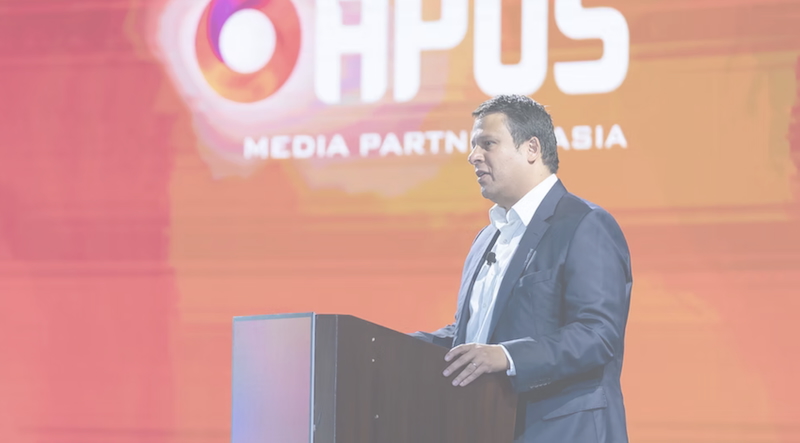
    BALI : The 16th edition of the APOS Summit opened in Bali with a blunt forecast: Asia-Pacific’s media juggernaut is heading into rougher waters. “The next wave in Asia is here and it looks very different,” said Media Partners Asia founder Vivek Couto, addressing 550 delegates from across the region’s fast-evolving screen economy.

    Asia’s screen count is booming—from 4.5 billion today to 5.5 billion by 2030—with smartphones still king, rising to 4.4 billion, and connected TVs becoming the fastest-growing segment at 13 per cent CAGR. Yet the party is winding down. After raking in $36 billion in new revenues during the pandemic-era gold rush (2020–25), the region now expects just $16 billion more over the next five years. The culprit? A steady erosion in traditional TV’s dominance.

    “Monetisation is decisively shifting to digital,” Couto declared. TV, which currently commands 49 per cent of screen revenues, will sink to 41 per cent by 2030. In its place, premium video (SVOD/AVOD) will rise to 29 per cent and UGC/social video will power up to 24 per cent. Theatrical remains flat.

    China and India dominate the region’s screen scale—72 per cent by 2030—while Indonesia, the Philippines and Thailand lead in screen growth. Three markets—China, Japan and India—will account for almost 75 per cent of screen revenues. But their playbooks couldn’t be more different.

    China’s model is fuelled by short-form content, micro-dramas and a mature VOD sector monetised through ads and transactions. Japan stays TV-centric with high-ARPU SVOD and premium AVOD. India is firing on both cylinders with ads and value-led subscriptions across streaming and broadcast, and mobile-first, hybrid OTT platforms.

    Local champions are holding their ground. JioStar is the fastest riser in India, on track to cross $1 billion this year. Australia’s Foxtel and Nine, Korea’s TVING, Indonesia’s Vidio and Thailand’s TrueID are proving that scale outside of global behemoths is not only possible—it’s profitable. “The new video economy isn’t just digital-native—it’s cross-platform,” Couto stressed.

    YouTube still rules the roost, projected to hit $18–19 billion in regional revenues by 2030, followed by ByteDance’s Douyin and TikTok, which are closing in on $10 billion combined. Netflix dominates premium VOD beyond China, with Disney+ and Prime Video scaling in Japan, India and Southeast Asia. Japan’s U-Next is riding a strong mix of sports, local content and Hollywood imports.

    Meanwhile, the creator economy is exploding—with over 100 million creators in 2024 expected to grow to 165 million by 2030. China’s micro-drama boom has already become a $7 billion beast, now expanding globally. “It’s part entertainment, part conversion funnel,” Couto said. Platforms are blurring content and commerce, particularly in China and southeast Asia, where creators are anchoring live shopping and branded content ecosystems.

    Premium content is still critical, but the free-spending days are done. Investment in streaming originals is projected to climb from $17 billion to $21 billion by 2030, but platforms are asking tougher questions: What retains? What monetises? What builds the ecosystem?

    Retail media is the region’s new digital ad workhorse, expected to drive $45 billion in spend by 2030—$26 billion in China, $10 billion in India and $9 billion in Japan. While SVOD and AVOD still rake in the bulk of video monetisation, it’s the integration of retail commerce and media that’s reshaping the ad game.

    Couto’s closing pitch was a rallying cry for innovation: “Asia-Pacific leads the world in screens, time spent and innovation. We’re no longer just a consumption story—we’re a revenue engine. But this next phase is more competitive. Growth must be earned.”

    (If you are an Anime fan and love Anime like Demon Slayer, Spy X Family, Hunter X Hunter, Tokyo Revengers, Dan Da Dan and Slime, Buy your favourite Anime merchandise on AnimeOriginals.com.)

  • “We have invested more than $500 million dollars in sport over the past 15 years, and this is apart from rights acquisition costs” – Sanjog Gupta

    “We have invested more than $500 million dollars in sport over the past 15 years, and this is apart from rights acquisition costs” – Sanjog Gupta

    Sanjog Gupta, the man steering live experiences and the sports juggernaut at JioStar, finds himself squarely in the spotlight. Fresh off helming the eighteenth edition of the IPL — a relentless, high-octane ride that shattered records in viewership, fan engagement, and tech wizardry — Gupta is already plotting the next innings.
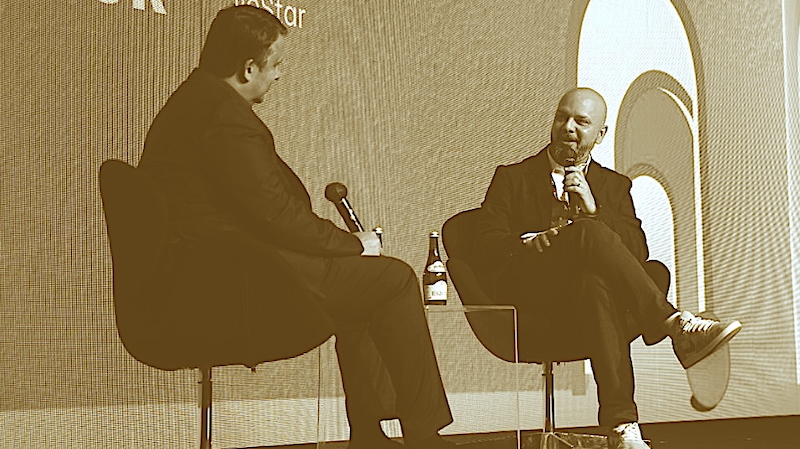
    In a crackling fireside chat with MPA’s Vivek Couto at APOS in Bali this morning, the sharp-suited sports boss laid out JioStar’s grand vision: why giving away the IPL for free wasn’t madness but method, how technology is rewriting the fan playbook, and why the network isn’t just broadcasting sport — it’s reinventing it.

    Here’s the man behind the masterstroke, unfiltered and in full flow.

    On IPL 2025’s impact on Indian sports
    India’s growing influence in sport is nothing but a reflection of India’s growing significance on the global stage, driven by a strong consumption-oriented economy. This IPL, not only have we reached a billion viewers across platforms, we have also managed to make this IPL the most monetised edition of the event and also the most monetised sporting event ever in India across advertising and subscription revenue.

     On what Star and JioStar have invested in sport
    Over the last decade and a half, Star and now JioStar has actually been the biggest private investor in Indian sport and in Indian media and entertainment. Largely with the mission to build what we believe can be a media and entertainment economy, but more than that, a media consumption economy, which is much larger in scale to anything that could have been imagined. While numbers around acquisition prices for sports rights tend to be thrown around a lot, what at times gets missed is the sheer investment that a network such as ours has made to grow those properties by way of marketing, by way of production, by way of investment in technology and that over the last decade and a half exceeds 500 million dollars. That is outside of what we paid for the acquisition of rights.
     
    On sport fuelling the wider JioStar network
    We believe sports serves as a recruitment funnel to bring in viewers and fans at scale, who then can be taken on a journey on a platform which could entail a live event, a Hindi entertainment show, or it could entail one of our new originals which is marketed on the back of a big sporting event and a recent example of that is the returning season of Criminal Justice which benefited significantly by launching in the last week of IPL.”

    On the freemium IPL strategy and changing viewer habits
    Our mission wasn’t to incrementally change the landscape, it was to completely shift the way consumers perceive paying for content and also over a period of time, attribute value to the entertainment needs they have. The subscribers are on the platform and not just on IPL and it started with an interesting hybrid subscription strategy, which allowed everyone to come onto the platform free. So it’s not pay at the gate, we’re not trying to keep people out and having them pay before they can consume. The model is based on real life example of how you shop, which is you go into a mall or a store, you sample enough and more of what you may want to look at and then choose to pay for deeper engagement, which in that case is purchase of an item.

    On whether cricket will remain the network’s sole focus
    We don’t want to be a single content or be known for a single content genre and that applies to sport as well. We have looked to grow English Premier League significantly over the last five years. In fact, over the last five years the viewership for English Premier League across our platforms has grown almost three and a half X (3.5x). Largely on the back of localisation efforts where we’ve taken Premier League deeper into the Indian sports ecosystem than ever before by producing it in languages meant for regions which have affinity for football. At the other end of the spectrum, you have a sport like kabaddi which is a sport that goes back thousands of years and is a part of India’s history but also it’s a part of India’s recreation where kids grow up playing it as a game. We’ve professionalized it and continue to invest in it to build it as India’s second most favorite sport. It already is the second biggest league in the country but but our objective with it is for the sport itself to grow and become a year-long proposition instead of being a two to three-month league.

    On building hyper-personalised sports journeys
    Our premise around sport is don’t look to serve many fans as one but look to serve almost each fan as many and what that means is every fan at different points of time and on different devices and in different modes of consumption will consume your content differently. So can you create infinite hyper-personalized journeys for each and every fan instead of serving one streaming experience to all and that’s the core tenet of the platform.”

    (If you are an Anime fan and love Anime like Demon Slayer, Spy X Family, Hunter X Hunter, Tokyo Revengers, Dan Da Dan and Slime, Buy your favourite Anime merchandise on AnimeOriginals.com.)

  • APOS 2025: MPA and JioStar release report on how IPL scored new records

    APOS 2025: MPA and JioStar release report on how IPL scored new records

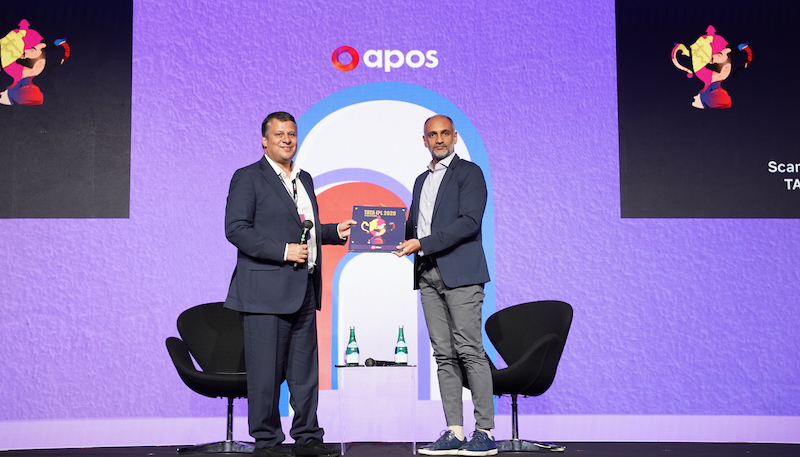
    BALI: At the APOS summit in Bali, JioStar dropped its much-anticipated report titled TATA IPL 2025: A Year of Firsts—and it reads like a victory lap for both the broadcaster and the billion-plus fans who tuned in. Produced in partnership with Media Partners Asia (MPA), the report reveals how IPL 2025 turned into a fan-first, tech-powered juggernaut that smashed records, redefined storytelling, and blurred the lines between sport, spectacle, and screen.

    JioStar’s digital reach alone crossed 652 million, while Star Sports pulled in 537 million viewers, pushing total reach to a record-shattering 1.19 billion. Women accounted for 47 per cent of TV audiences—marking a seismic shift in cricket’s traditional demographic. The IPL final alone drew 426 million fans, with JioHotstar peaking at 55.2 million concurrent users and soaring to 300 million subscribers.

    “TATA IPL 2025 was a season where the lines between sport, storytelling, and shared experiences truly blurred. It wasn’t just about broadcasting matches – it was where creativity, culture and commerce converged, with fan connections at the heart of it all,” said JioStar chief executive of sports and live experiences Sanjog Gupta. “ At JioStar, we set out to make every screen feel personal, every interaction meaningful, and every moment unforgettable. From deep consumer journeys to a rich spectrum of viewing experiences, this was a celebration of fandom in all its forms. The real success of the IPL isn’t measured in numbers, but in the moments that moved millions.”

    JioStar delivered 840 billion minutes of cricket watch-time, riding on innovations like MaxView 3.0 (a TikTok-style vertical experience), 360° VR streaming, and voice-assisted search on connected TVs. Over 44 per cent of mobile viewers played along live with the ‘Jeeto Dhan Dhana Dhan’ game, while AI-powered highlights and live expert commentary translations made the sport more accessible than ever.

    Regional viewership surged with Telugu up 87 per cent, Tamil up 52 per cent, and Kannada up 65 per cent—showing that cricket’s heart beats strong beyond the metros. Accessibility also hit new highs with Indian Sign Language interpretation and audio descriptive commentary for the visually impaired.

    Advertisers swarmed the platform, with over 425 brands onboard—including 270 first-timers across 40 categories. Nielsen-measured ROI, play-along games, and AI-personalised ads helped deliver what marketers crave: measurable impact at scale.

    JioStar’s IPL 2025 wasn’t just a tournament—it was a case study in what the future of sports broadcasting could look like: immersive, inclusive, interactive, and insanely watchable.

  • APOS 24: Tata Play powers  Philippines-based Cignal TV’s super app

    APOS 24: Tata Play powers Philippines-based Cignal TV’s super app

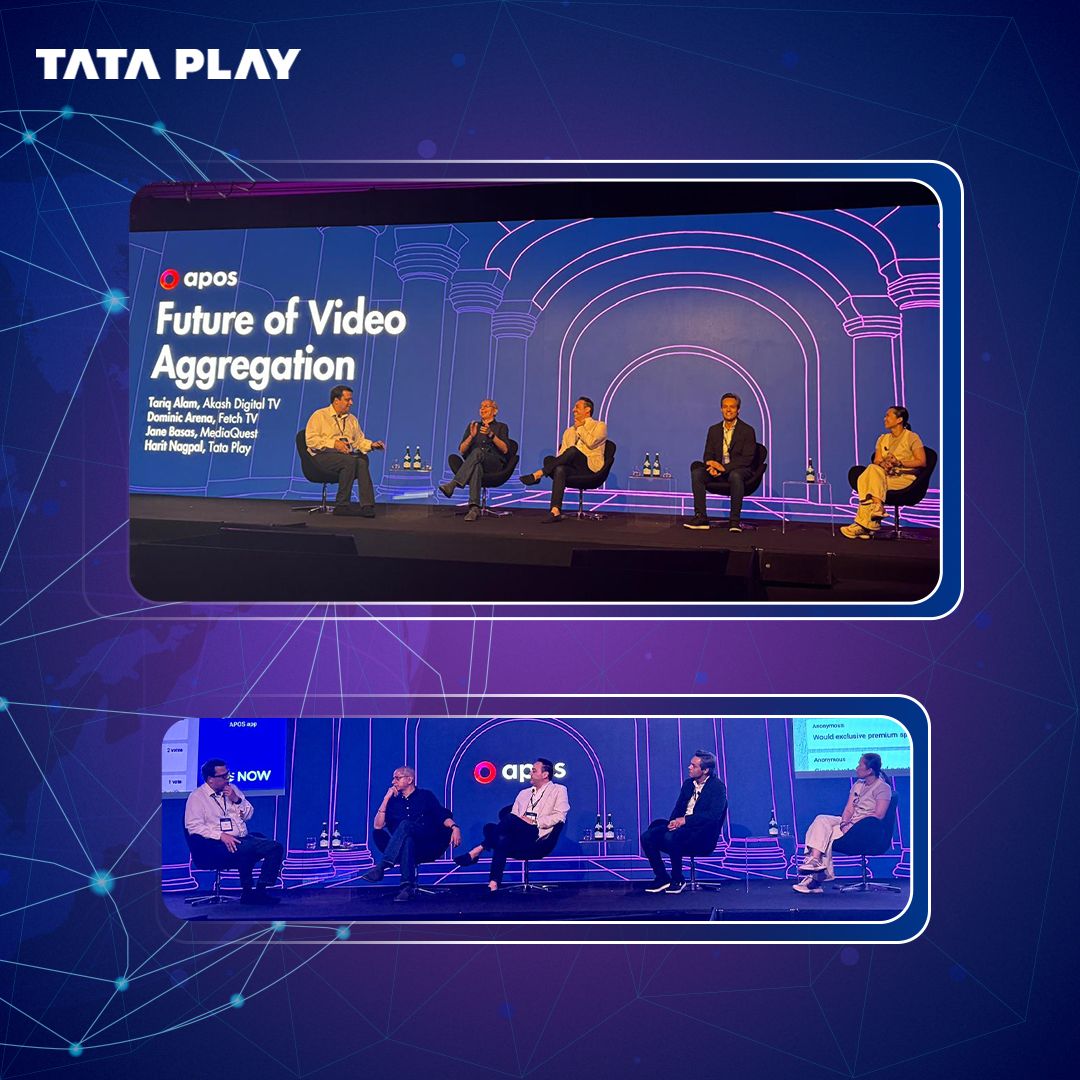
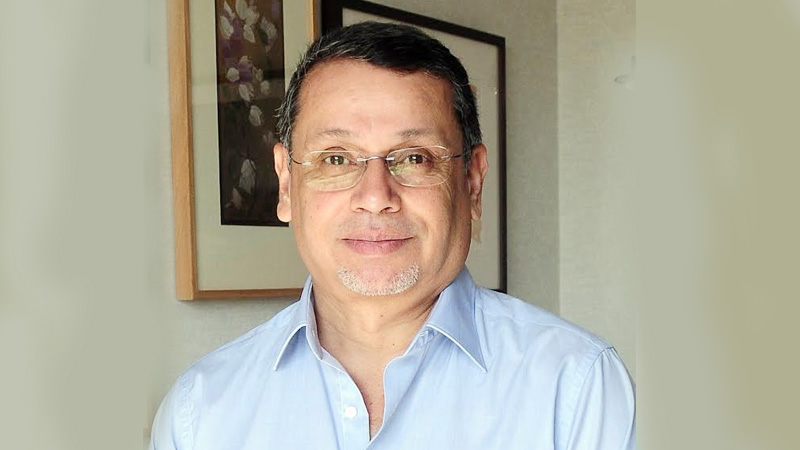
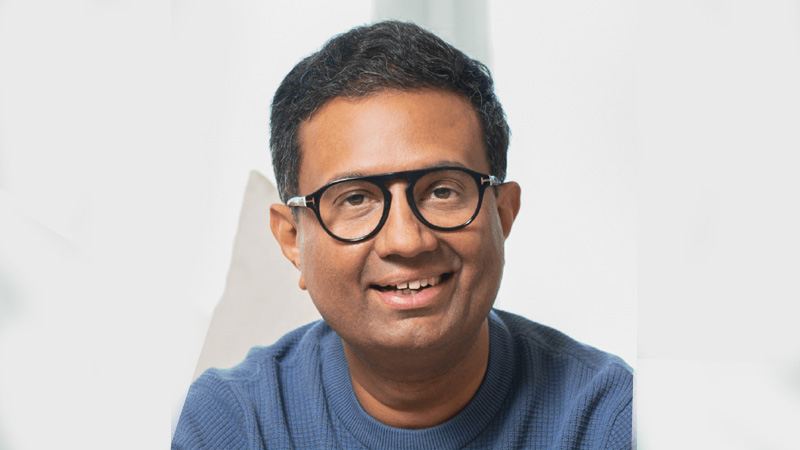
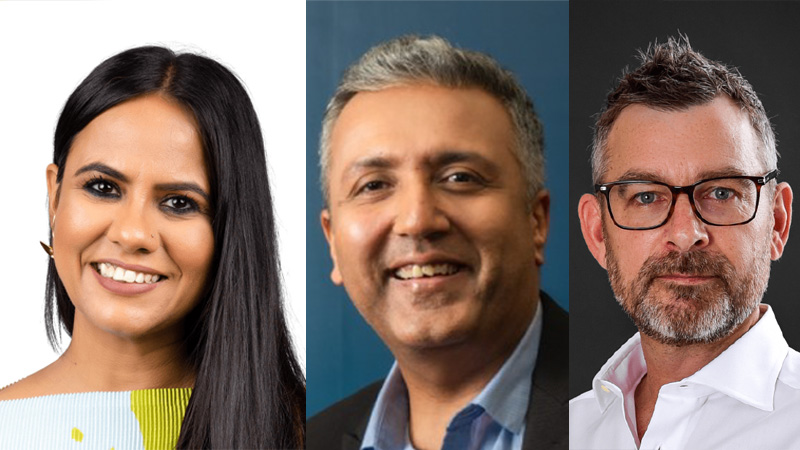
    MUMBAI: Tata Play has added another feather in its cap. Speaking at APOS in Bali this morning, Tata Play managing director & CEO Harit Nagpal announced -alongside Cignal TV’s president & CEO Jane Jimenez-Basas and Akash Digital TV CEO Tariq Alam – that the it  had provided its Tata Play Binge app’s platform as a service (PaaS) to Cignal TV. This follows quickly in the footsteps of Akash Digital in Bangladesh also opting for PaaS.

    The  Cignal Super app is the first ever OTT-aggregation platform to be introduced in the Philippines. Currently in its pilot phase, Cignal Super  app will soon give users a unified subscription to access content from various OTT platforms.

    “Tata Play’s intuitive user interface makes content discovery easy for our TV customers,” stated Nagpal at APOS. “We have applied the same principle while designing Binge. This will become even more relevant in the future as the number of apps increase. It is all about understanding what today’s viewer really needs: simplicity, choice, and affordability. And with Tata Play Binge’s cloud technology, we are making sure this vision can be scaled globally. The launch of the Akash Go app and now Cignal Super demonstrates the universal appeal of our platform and our rapid delivery times, allowing partners to create their own branded app.”

    Cignal Super will launch with partners including VIU, Lionsgate Play, Curiosity Stream, Fuse+, Pilipinas Live, and Cignal Play.
    “At Cignal, we’re excited to launch Cignal Super, the first of its kind in the Philippines.  With content becoming increasingly fragmented, and streaming subscription prices increasing, we believe this service will be compelling and relevant for our customers as we simplify access to content from multiple apps into one platform – with a single subscription, unified content discovery, and one affordable price. This further establishes Cignal’s continuing commitment to aggregate the best content for our customers, and we thank Tata Play and all our partners for enabling us to bring this product to life”, said Cignal TV’s Jane Jimenez-Basas. 

  • APOS: The future of streaming

    APOS: The future of streaming

    Mumbai: APOS, the defining voice and global platform for the Asia Pacific media and telecoms industry, took place from 26-28 September 2023, at the Ayana Estate in Bali, Indonesia.

    Created & curated by Media Partners Asia, APOS is the ultimate destination for deals, partnerships and thought leadership with a focus on content, connectivity and commerce sectors.

    APOS was established in 2010 and is attended by global, local, and regional industry leaders.

    On the first day of the conference, on the topic ‘Perspectives on ‘The future of streaming’, Udhay Shankar, co-founder of Bodhi Tree Systems and director of Viacom18, advocated for JioCinema as the future alternative to television. In a discussion with MPA executive director Vivek Couto, Shankar emphasised the need for a comprehensive, centralized service to cater to India’s vast social and linguistic diversity. He suggested that JioCinema could offer a wide range of content and create an alternative to traditional television.

    Shankar also expressed his optimism about advertising-supported video on demand (AVOD) and stressed the importance of reaching non-paying AVOD viewers, considering India’s diverse audience.

  • APOS: Perspectives on the advertising economy & role of video

    APOS: Perspectives on the advertising economy & role of video

    Mumbai: APOS, the defining voice and global platform for the Asia Pacific media and telecoms industry, took place from 26-28 September 2023, at the Ayana Estate in Bali, Indonesia.

    Created & curated by Media Partners Asia, APOS is the ultimate destination for deals, partnerships and thought leadership with a focus on content, connectivity and commerce sectors.

    APOS was established in 2010 and is attended by global, local, and regional industry leaders.

    In a one-on-one conversation with Snap Inc president APAC Ajit Mohan on ‘Perspectives on The Advertising Economy & Role of Video’, here are his views on the same.

    On the topic of significant changes, Mohan said, “I believe that Snap represents a major shift in how people, especially younger generations, communicate. It’s evident in the creative world and the essence of authentic and private communication it offers, which is increasingly valuable in today’s world.

    Snap is currently at a pivotal stage in its journey as a 12-year-old company with a substantial and rapidly growing community of around 750 million users. This community predominantly consists of younger individuals who grasp the value proposition. However, we haven’t yet built a business that matches the scale of this community.”

    When asked about the exciting opportunities, Mohan replied, “I see an exciting opportunity in this part of the world, where I believe the next phase of innovation for the company can originate. Asia holds great potential, and I’m enthusiastic about what lies ahead for both Snap and our community.

    On APAC, Mohan said, “Our focus on APAC over the past four to five years has primarily centered on Australia, India, and Japan, with limited exposure to China. However, we are now gaining traction in countries like the Philippines, Indonesia, and Malaysia. As a relatively smaller company competing with tech giants and media conglomerates, my priority over the next 12 to 18 months is to ensure the sustained growth we’ve witnessed in these regions.

    For instance, in India, we’ve gone from zero to 200 million users in just two and a half years once the community grasped the visual, fun, and highly private nature of our platform. It’s clear that when our proposition resonates, and we achieve a certain scale, growth takes off.”

    On the other markets in the world, Mohan said, “My objective is to replicate this success in regions like Europe, the US, Southeast Asia, and North Asia. Much of our current efforts are focused on product localization and tailoring our approach for the specific needs of each community. Deeply localizing our proposition, while challenging, is a crucial step in our journey. This approach sets us apart from other tech companies and aligns with our commitment to delivering value to diverse audiences across the globe. Exciting developments are unfolding in Asia as we work towards these goals.”

    On revisiting the fundamental essence of why Snap makes sense, Mohan said, “It all begins with our unique concept—the app opening to the camera, enabling users to authentically express themselves within a close-knit circle of friends and family. This emphasis on privacy and authenticity sets us apart and was conceived as a counterbalance to traditional social media.”

    He went on to add, “This starting point has spurred much of our innovation around cameras and lenses. Younger generations use the camera as their primary mode of communication, creating lenses and augmenting their visuals to engage throughout the day.”

    Earlier this year, we introduced an AI Chatbot experiment, My AI, in the messaging context. Surprisingly, over 150 million users quickly embraced this service. It revealed that people not only desire interactions with friends and family but also value conversational AI that harnesses the potential of advanced language models.

    On venturing into the AR, Mohan stated, “We’ve also ventured into the realm of dreams, where Augmented Reality (AR) takes center stage. With approximately 250 million Snapchatters actively using AR, we possess one of the world’s largest AR communities. Recent developments in AI have presented exciting opportunities, such as creating stylized images of oneself and collaborating with friends in this creative process.”

    He further added, “In this context, it’s essential to understand that AI and machine learning have evolved beyond mere content matching. While technology and media companies have historically used tech for content recommendation, we’ve reached a stage where we’re redefining the conversation. Our innovation revolves around enhancing the user experience within our beloved community, leveraging advances like conversational chatbots and general AI capabilities to keep the conversation authentic and engaging.”

    Snapchat’s AR features have revealed an interesting trend, particularly among our younger user demographic. Many of them use AR to virtually try on clothing and shoes, suggesting a strong appetite for this kind of interactive experience. Consequently, numerous brands are engaging with our community to bring these try-on experiences to Snapchat.

    Our decision to explore taking these capabilities beyond the platform aligns with our ongoing investments in AR. We recognize that this opens up various possibilities for us to explore.

    We’ve reached a significant milestone in terms of the size and loyalty of our community. With a strong focus on privacy and authenticity, especially catering to the younger demographic prevalent in this region, we’ve established ourselves as an innovative platform. However, we acknowledge that we’ve been somewhat less successful in building a robust monetization engine around it. Over the past two years, we’ve been working diligently on improving performance and optimizing the platform for advertisers. We’ve seen early positive results, and given the rapid innovation happening in this region, we’re optimistic about the growth opportunities.

    Our strategic approach involves diversifying our revenue streams. The launch of Snapchat Plus, a subscription service offering early access to products and features, has exceeded our expectations, recently surpassing five million subscribers. Additionally, we’re exploring opportunities in the ever-evolving retail and e-commerce landscape. Our community, primarily aged 30 to 34, is open to discovering new categories and products, making us well-positioned to tap into the thriving retail and e-commerce industry catering to millennials.

    Our key priorities and pillars of growth for 2024 are as follows:

    Maintain Momentum: We aim to sustain the impressive momentum we’ve achieved in countries where we’ve rapidly gained traction, such as India and Australia. This includes continuing to scale up our business, which is part of our global agenda.

    Focus on APAC Agenda: The Asia-Pacific (APAC) region presents unique opportunities and challenges. We have a specific agenda for APAC, recognising its importance in our global strategy.

    Learning from Industry Leaders: We see valuable learning opportunities from experts in both the media and tech industries, many of whom are present in this room. Collaborating and gaining insights from industry leaders will be instrumental in our growth strategy.

    Expanding to New Territories: With a strong foundation in place, we intend to carefully select new markets, such as Indonesia, Vietnam, Korea, and the Philippines, where we can introduce the magic of the Snapchat community and grow our presence.


  • Prime Video: A Unified APAC Strategy or Bespoke Country Approaches to Win?

    Prime Video: A Unified APAC Strategy or Bespoke Country Approaches to Win?

    Mumbai: APOS, the defining voice and global platform for the Asia Pacific media and telecoms industry, took place from 26-28 September 2023, at the Ayana Estate in Bali, Indonesia.

    Created & curated by Media Partners Asia, APOS is the ultimate destination for deals, partnerships and thought leadership with a focus on content, connectivity and commerce sectors.

    APOS was established in 2010 and is attended by global, local, and regional industry leaders.

    The speakers of the panel discussion on ‘Prime Video: A Unified APAC Strategy or Bespoke Country Approaches to Win?’ were Prime Video VP Asia Pacific Gaurav Gandhi, Prime Video director Southeast Asia David Simonsen, and Prime Video head of originals – India and SEA Aparna Purohit.

    On your long-term strategy and on applying insights from your successful ventures in India

    Aparna: I’m thrilled about my expanded role overseeing Originals in Southeast Asia. First, looking back at the past seven and a half years in India, where we pioneered premium cinematic content. It was a journey of breaking new ground and convincing filmmakers to join us in creating something unprecedented. We learned and grew together, and our shows like “Inside Edge” became cultural phenomena, demonstrating our long-term vision and creative commitment. We invested time and creativity without hesitation and championed gender balance both on and off-screen. Our India team continues to excel.

    Now, in Southeast Asia, I see endless possibilities. Meeting creators there highlighted the universal power of storytelling, transcending language and culture. Our strategy is to craft authentic, locally rooted stories that resonate with each unique audience. We’ll build upon the strong foundation laid by our exceptional teams on the ground. It’s an exciting journey, tailoring content to our customers’ preferences and connecting through the art of storytelling.

    On some successes, challenges, and your broader ambitions

    David: In our first year, we’ve seen significant success in building a strong team in Singapore. We’ve made excellent hires, fostering diversity and expertise within our team. Our regional infrastructure, active for the past six months, has further bolstered our capabilities to reach millions of customers across the region. We’ve been strategizing for customer engagement and acquisition.

    On the flip side, we’ve encountered challenges related to product and consumption events. However, we’ve stayed committed to our plans and adapted as needed. The introduction of three new modes in Q2 this year has had a substantial impact on our business, positioning us favorably.

    We view this year as foundational, having established valuable relationships in the market and forged new partnerships in programming and production. Looking ahead, we’re excited about the opportunities the next few years hold.

    On approaching significant markets like Indonesia, Philippines, and Thailand, especially considering Thailand doesn’t have a standalone service yet

    David: Certainly, Prime is a significant aspect of our business, and we’re diving into it in greater depth in our priority markets. Quality and customer experience are paramount, and this remains consistent across our various offerings. Rather than viewing it as a barrier, we see it as an opportunity to cultivate and expand a brand-new subscription service in markets where we haven’t made our mark yet.

    On your strategies driving scale in both past and present market landscapes and lessons from these experiences that can be applied to markets like Thailand and the Philippines

    Gaurav: Amazon’s approach always centers on understanding customers’ needs and creating value. We start by identifying white spaces in each market, seeking ways to win local customers across key segments. In Japan, our success lies in being the go-to destination for local content, including films and unscripted formats. We’ve also excelled in sports, particularly baseball and boxing. Our channels business thrives, forming a robust entertainment ecosystem for a vast customer base.

    When we began, we were clear about not limiting ourselves to a single language but scaling across languages simultaneously. We focused on two key dimensions: original content and a personalized user experience. These differentiators have been instrumental in our success. We’ve also looked at the business-to-customer category, addressing the overwhelming amount of content and the need for a better user experience.

    Another key aspect is our commitment to breaking barriers and creating categories where opportunities exist.

    Our collaboration with T-Mobile in India is a prime example of expanding beyond language silos, and it has been remarkably successful, showcasing the potential for creators and offering a richer experience for customers. These strategies are part of our ongoing efforts to innovate and cater to diverse customer preferences.

    On navigating different scenarios, you’ve competed with Netflix in Japan to build the category. India appears to be developing a global category, while Netflix dominates in Southeast Asia.

    Gaurav: We’re certainly excited about being a beloved content service for our customers, offering a diverse range of programming pillars. We program our content while also partnering with others.

    Our service encompasses a wide variety of content, including movies, shows, and sports, catering to diverse emotional experiences. Collaboration with our partners is key to this approach. As we venture into Southeast Asian territories, some of which are in the early stages of development, we aim to play a significant role in shaping the creative economy. We envision not only contributing to the existing category but also expanding it through our offerings.

    On mentioning Prime Video as a one-stop entertainment destination and elaborating on how this strategy will unfold in APAC, especially considering the significance of live sports and the convergence of live sports, channels, and television in this region and  it enhancing the overall user experience

    Gaurav: We’re actively involved in live sports in various parts of the world, with a stronger presence in Japan, where we’ve had success in baseball and boxing. We’re exploring channel content as well, and it’s an exciting part of our offerings.

    In terms of sports programming, we evaluate it on an event-by-event basis to provide our customers with a compelling experience. Additionally, sports plays a crucial role in our channels offering, complementing the digital wallet approach.

    We’ve seen strong demand for video-on-demand sports content, especially in India. Our strategy varies by country, taking into account the market’s maturity. In India, we’ve adopted a curated strategy with a focus on live sports events and a vast catalog of recent movies. The response has been highly positive, with deep engagement and customer satisfaction.

    We collaborate with global and local partners, creating a comprehensive spectrum of offerings. We’re open to discussing partnerships with anyone interested in expanding their reach, whether they are global or local partners.

    On your strategy for engaging with pay TV operators and telcos in the region and are there any early successes or partnerships you’d like to highlight

    David: Overall, we’re diligently working on each chapter, ensuring our retail funnel remains in top shape. We’re actively pursuing partnerships with a clear goal in mind: engaging and retaining customers through these collaborations. Expanding our reach is of paramount importance to us, providing customers with various gateways to access and enjoy the Prime service.

    In addition, we have dedicated teams managing relationships with our partners across the board. We prioritize the onboarding process, striving to get customers onto the service swiftly and efficiently. Our focus is on building relationships where Prime Video complements the broader B2B ecosystem. You can expect to hear more from us on this front as we continue to make progress, even though we may have been relatively quiet in this space in the past.

    On envisioning potential opportunities in Indonesia and expanding this model across the region and globally and are there specific areas you believe require further attention and development

    Aparna: We’ve witnessed how some of our international shows gain popularity and travel across Europe and beyond. India shows have seen up to 20 per cent of their viewership come from outside their home country. The diverse linguistic palette is striking, with viewers comfortably consuming content in more than three or four languages. I firmly believe that the next wave of global content innovation will emerge from this region.