Tag: APAC

  • Turner names Clement Schwebig CFO for APAC

    MUMBAI: Turner Asia-Pacific has announced that Clement Schwebig has been promoted to chief financial officer, in addition to his current role as the SVP- business development licensing in China.

    Shitiz Jain, SVP finance, has been leading Turner’s financial growth and planning, as well as assisting the regional management team to maximize financial results across the entire portfolio of Turner’s kids, news and general entertainment brands, and businesses in the region. Jain, who leaves the network on a high, will be pursuing a new opportunity at the end of June 2017.

    Schwebig joined Turner Asia Pacific in 2013. Over the last three years, he has successfully led the company’s efforts to grow beyond its core business by creating new local and pan-regional channels, and in developing local content opportunities to further Turner’s presence in the market. He has also led Turner’s growth strategy across the region in the digital space, as well as Turner’s consumer products and location-based entertainment businesses.

    Some of his recent notable achievements so far include Warner TV, Cartoon Network Amazone waterpark in Thailand, the acquisition and development of the Tuzki franchise and repositioning Cartoon Network’s consumer product business for growth.

    “Clement is a seasoned media executive with substantial experience encompassing all aspects of business operations in TV broadcasting and production, including strategy, finance and sales. With his new responsibilities as CFO, Clément will play an even more active role in shaping the strategy and direction for Turner APAC as it transforms into a data informed, fan-centric media company,” commented Turner Asia Pacific president Ricky Ow.

    “As a core member of my management team, Shitiz has provided invaluable strategic and financial counsel for the APAC and Turner International executive teams. We are very grateful for the significant contributions he has made, and his help in evolving the business rapidly in order to meet consumer demand and technological change. We wish him success in his next venture,” he added.

    “I have truly enjoyed working with Ricky and the Turner team as we worked on transforming the network and developing new opportunities particularly in Kids and Asian entertainment. It has been a great experience,” said Jain.

    “With his strong financial acumen and experience combined with his deep understanding our business in Asia Pacific, Clement is ideally suited to lead the finance operations of Turner APAC. I’m confident the financial management of our APAC business will continue to be very well managed in his capable hands and he will make even greater contributions in driving our APAC business forward,” added Trey Turner, Chief Financial Officer, Turner International. “I would also like to express our gratitude and appreciation for Shitiz’s strong leadership of Turner APAC finance operations over the last three years. He leaves us with very best wishes for his future endeavours.”

    “I could not be more thrilled to be working with Ricky and Trey, and the rest of the Turner APAC team, as we chart new growth and opportunities during this exciting period for the industry,” said Schwebig, CFO and SVP Business Development, Licensing and China.

  • MPA: India & China power APAC ad rev, ads in largest medium TV still robust

    MUMBAI: Global media research and consulting firm Media Partners Asia’s findings in “Asia Pacific Advertising Trends” indicate that net advertising revenues in Asia Pacific, measured after discounts across 14 markets, were up by 6.8 per cent in 2016 to reach ~$ 170 billion (€160bn), compared with an 8.5 per cent expansion in 2015.

    Ad spend across these markets will increase by a further 6.4 per cent in 2017, and at a 4.9 per cent CAGR between 2017 and 2022, according to MPA forecast. This follows a 7.6 per cent CAGR between 2012 and 2017, Advanced Television reported.

    India is on path to become the third largest advertising market across the Asia-Pacific region, after China and Japan to touch $17.1 billion by 2022 from the existing 9.2 billion in 2017, according to the report. India is poised to replace Australia which may touch $13.2 billion by 2022 from $11.8 billion in 2017, added from the report.

    MPA executive director Vivek Couto said that future growth was becoming more challenged, as markets mature and working populations stagnate or decline. “This leaves China and India as the main dynamos of advertising growth.”

    India is likely to become Asia Pacific’s best performing ad market over the next five years, with net ad revenue expanding at a 13.1 per cent CAGR between 2017 and 2022. This will help India overtake Australia to become the region’s third largest ad market by 2022, after China and Japan. Australia will fall to fourth place, while Korea will remain in fifth.

    India, forecast to enjoy the fastest growth over the next five years, will see net ad revenue expanding to $17.1 billion by 2022, up from $9.2 billion in 2017. For Australia, another mature market, net ad revenue will rise to $13.2 billion by 2022, from $11.8 billion in 2017. Despite slow growth, Korea will hold onto its position as Asia Pacific’s fifth largest ad market, with net ad revenue touching $9.7 billion by 2022, up from $9.0 billion in 2017.

    That momentum will make the Philippines the second-fastest growing ad market after India, among the 14 Asia Pacific markets measured by MPA. Thailand follows as the third quickest, with a 6.8 per cent CAGR forecast for 2017 to 2022. Next is Indonesia, projected to notch up a 6.2 per cent CAGR over the same period.

    “Domestic demand is stabilising across key Asian economies, helping boost consumption, which is encouraging for advertising expenditure,” Couto said. “External demand is also improving, as exports reach new highs in a number of markets, but activity may decelerate significantly in 2H 2017. In general, economic growth is slowing down, although among growth markets, China, India, Indonesia and the Philippines remain strong. Among mature markets, Japan is proving to be somewhat resilient and robust.”

    Internet advertising continues to grow at a red-hot pace, climbing 20.8 per cent in 2016 across the 14 markets in MPA’s report to reach $66 billion. In 2016, the internet was the biggest medium for advertising in Australia, China, Korea, New Zealand and Taiwan. MPA expects that by 2022, Hong Kong, Japan and Singapore will join their ranks.

    Television advertising remains robust in many territories, especially in India, Indonesia, Japan, the Philippines, Thailand and Vietnam. However, net TV ad spend as a whole slightly contracted in 2016, by 0.5 per cent across the 14 markets surveyed by MPA. Free-to-air TV ad revenues are becoming weaker in Australia and Korea among larger markets, and in Hong Kong, Malaysia and Singapore among smaller markets.

    Nonetheless, TV will still be the largest ad medium in India, Indonesia, the Philippines, Thailand and Vietnam by 2022. At the same time, the internet will also become the second-largest ad medium in these geographies over the next five years. The biggest swings will take place in Southeast Asia, as mobile and video advertising drive internet ad spends to new heights.

    “Consumers are spending more time on mobile, social and online video platforms, driving demand for internet advertising,” Couto notes. “In most places, Google, including YouTube, and Facebook are dominant. In some markets however, especially in India, Japan and Korea, local digital players, as well as key incumbents in TV and print, are beginning to grab a bigger slice of the pie. China, meanwhile, is entirely dominated by a local ecosystem.”

  • Facebook exec ponders: How to hold the brain’s attention?

    GOA: The final session of Goafest 2017 concluded with the stating of a few significant points by the head of Facebook creative shop India and global accounts APAC Juhi Kalia.

    Kalia stated, “We exist in an environment which is content-rich but the attention span is poor — a mere eight seconds. That is understandable as the amount of information an average person is fed is equivalent to 174 newspapers a day.

    “The flip side is that the human brain is adapting to this shift, and evolving. We now register information at a faster rate and process information in many (newer) ways. The brain processes visual information 60,000 times faster than text, it gets coded in long-term memory and, therefore, has more recall,” she explained.

    The way people consume content is also evolving. “Consumption is no longer linear. It is customised, frequent and fast. Even our bodies have adapted to this shift, wherein our postures reflect what kind of content we’re consuming.”

    Juhi elucidated on how the different platforms elicit different mindsets and perception. Instagram gives its users the perception of discovery, inspiration and transportation, while Facebook is known for connection and recognition. In the end though, it all boils down to: content.

    “A great creative is a great creative regardless of the platform. Her parting shot to the engrossed audience was, “What we need to understand is how to tell stories based on how people are interacting with the platform. We are at that point in time where we have to find new ways to tell stories.”

    The fast-paced and cutting-edge final session of Goafest 2017 certainly opened up a lot of minds to new technologies and usage of social media platforms. As the day came to an end and people headed to the sundowner at the lawns to unwind, one can’t help but admire the past three days of learning, and it is with a bittersweet smile that people get set for the closing party of Goafest 2017.

    AlsO Read :

    Laura Ries, Phogat sisters, Amitabh Kant impart leadership lessons: Goafest ’17 concludes

    Goafest 2017: Carat chief strategist observes data’s great tool, but gut feeling critical

  • Vicks launches #TouchOfCare campaign

    MUMBAI: Vicks, a brand synonymous with care globally, has launched a heartwarming new campaign ‘Touch of Care’. It reasserts the importance of care while challenging and seeking to redefine what family is in contemporary society. The campaign leads with the idea that ‘Family is where Care is’ portraying the real life story of an orphan and her newfound ‘mother’.

    Created by Publicis Singapore, the story is told in the first person by the orphaned girl Gayatri herself. The film beautifully captures how Gauri cared for Gayatri as her own, against all odds, with deep compassion and love. The story reflects the challenges that Gauri faces from the rest of society, as a transgender woman.

    The Vicks Brand has stood for Family Care in India for over 50 years. However, family today is not always as tightly defined as it once was. With the changing face of life across India and an increasing number of people living away from their traditional environments –the idea of family now goes far beyond just biological connections or sharing a surname. Vicks has therefore adopted this bold and progressive stance- that above all else, it is care that is the ultimate definition of what a family is.

    According to P&G CEO Nitin Darbari: “Vicks has always been about the gentle touch of a mother’s care, as she caresses and gives relief to her child. With the #TouchOfCare campaign we are going a step further and expounding the importance of care beyond just the traditional perception of family. The campaign shows how people who, though not connected by blood, end up being family through care itself”.

    Publicis Singapore CCO – global clients Ajay Thrivikraman commented “Looking for a way to express this powerful idea was both a heartening and humbling experience, once we realized that stories of extraordinary care are all around us in real life, and we are honoured that Gauri and Gayatri gave us an opportunity to share their story of care with the world.”

    Publicis Communications APAC chief strategy officer Ed Booty said: “Great brands don’t just reflect safe and accepted norms, instead they dare to set agendas in culture at large. That is our ambition with this work for Vicks – to give the timeless idea of Family Care a fresh and contemporary meaning.”

    Film director Neeraj Ghaywan said: “It was an immensely gratifying and inspiring experience to put together Gauri and Gayatri’s story. #TouchOfCare questions our conventional understanding of a mother and what constitutes a family.”

  • Adore partners Riedel solution

    MUMBAI: In its continuing quest to provide broadcasters with traditional and new media solutions, systems integrator Adore Technologies Singapore has selected Riedel’s Artist digital matrix intercom solution for Accenture’s state-of-the- art webcast facility in Gurgaon, India.

    “Riedel is known for world-class network and communications products, and its Artist intercom system is a great example. With its outstanding feature set, intuitive interfaces, and scalability, Artist was our only real choice when proposing a robust solution to Accenture,” said Adore Technologies COO Rajesh Yadvendu. “We are pleased to align once more with Riedel on this project, and we’re greatly reassured by the high level of service that we have come to expect from the Riedel team.”

    The Riedel Artist systems will equip Accenture with an advanced modular communications platform that delivers the power and versatility to address the project’s complete gamut of intercom requirements. The Artist’s fiber-based network provides a decentralised infrastructure that can simplify the distribution of audio while providing communications of the highest quality.

    The facility’s new IP infrastructure provides a flexible, format-agnostic, and scalable infrastructure for SD, HD, and Ultra-HD (4K and 8K) video to enable both highly efficient workflows and a reduction in capital and operating costs. In addition, intelligent use of bandwidth harnesses the potential of a 100 Gigabit Ethernet IP network.

    “Adore is a renowned brand in the broadcast and systems integration space with a wealth of experience in system integration,” said Riedel’s director – APAC Cameron O’Neill. “We are proud to have been given the mandate by Adore to equip Accenture’s Gurgaon facility with Riedel’s Artist Intercom systems, and we’re looking forward to this exciting partnership as we increase our level of engagement in India.”

  • Inclined to stop watching pirated content, say 50% consumers: Irdeto

    NEW DELHI: Despite the high number of consumers around the globe watching pirated video content (52%), nearly half (48%) would stop or watch less illegal content after learning the damage that piracy causes the media industry.

    This willingness by nearly half of consumers to change their viewing habits would mean a huge impact that education could have on reducing the number of people who pirate video content.

    This was one of the main findings of The Global Consumer Piracy Survey of more than 25,000 adults across 30 countries conducted by major leader in digital platform security Irdeto. The report was made public in a Cable Congress in Brussles in Belgium.

    The positive outcome of an industry-wide education initiative could have the most impact in Latin America and Asia-Pacific regon.

    The survey showed that fifty-nine percent of consumers who watch pirated content in Latin America and 55% in APAC stated they would watch less or stop watching pirated video content after learning that piracy results in revenue loss from studios, affecting investments in future content creation.

    APAC (61%) and Latin America (70%) had the most consumers who admitted to watching pirated content, while those in Europe (45%) and the US (32%) said they pirate the least. These results indicate that consumers in Europe and the US have more access to the content they desire, reducing their need to watch pirated content.

    The survey also showed that 18 to 24 year old consumers in India (20%) were the most likely to watch pirated content on a streaming device. Around 52% percent of consumers in China in this age bracket indicated that mobile devices are their preferred method of consuming pirated content (that is, smartphones or tablets).

    Conversely, only 45% in Europe and 38% of respondents from the United States said that they would watch less or stop watching pirated content. This indicates that simply educating consumers in these regions about damages associated with revenue loss may not be enough.

    However, an education initiative focusing on piracy’s impact on the creative process of producing content, coupled with knowledge on how piracy is often linked to criminal organizations and that pirated content could include malware aimed at stealing consumer’s personal information, may resonate better in those markets, according to an Irdeto release.

    Irdeto CEO Doug Lowther said: “A battle is being waged in the media & entertainment industry. Legal content offerings are no longer only competing against each other. Pirates have undoubtedly grown into a formidable foe that should not be ignored. With more than half of consumers openly admitting to watching pirated content, it is crucial that the industry tackle piracy head-on. To do so will require technology and services to protect the legal content as well as a comprehensive education program to help change the behavior of consumers. Coupled with a 360-degree anti-piracy strategy, the market is fully prepared to take the battle against piracy to the next level.”

    The Irdeto Global Consumer Piracy Survey also showed an illegal vs legal awareness gap: While many consumers across the globe recognize that producing or sharing pirated video content is illegal (70%), far fewer people are aware that streaming or downloading (watching the content) is also against the law (59%). In Latin America, this gap was widest with 75% of respondents stating that producing or sharing pirated content is illegal, compared to only 60% recognizing that streaming or downloading is illegal.

    The overall survey results suggest that more education may be required around the globe to educate consumers that engaging in any form of piracy (producing, sharing, downloading or streaming) is illegal, Irdeto said.

    In nearly every country surveyed, many consumers recognize that producing or sharing pirated video content is illegal. But the survey found that this was not the case in Russia. A staggering 87% of respondents do not think that producing or sharing pirated video content is illegal. In addition, 66% believe that it is not illegal to download or stream pirated video content.

    Laptops were universally the preferred device for the consumption of pirated video content. Consumers in Europe (65%), APAC (45%), Latin America (53%) and the US (41%) stated that this was their most frequent method of consuming pirated content. However, a shift has already started, with many 18 to 24 year old youngsers surveyed indicating that they use mobile or streaming devices the most to watch or access pirated video content.

    The Gulf Cooperation Council (GCC) cracked the top five in both categories, indicating that its population of 18 to 24 year old people are ahead of the curve when it comes to using mobile or streaming devices instead of laptops to view pirated video content.

    Interestingly, the Kodi box only registered as a top device to pirate content in the UK, with 11% of pirating consumers using the streaming device to access illegal content. The second highest percentage was in Portugal where 6% of consumers use Kodi to access pirated content. The highest percentage of Kodi users in the UK were in the 35-44 and 55+ age groups at 18% each. This is in stark contrast to the 3% of 18-24 year old’s using a Kodi box to pirate content.

    Movies that are currently being shown in cinemas/theaters (27%) and TV series (21%) were the most popular types of pirated content. Also, while live sports piracy is a growing industry problem, one surprise in the survey results was the percentage of pirating consumers who indicated that live sports was the type of pirated video content they were most interested in. The only countries that listed it in their top two were Portugal (25%), Egypt (23%) and GCC (19%).

    While the negative impact of live sports piracy is already being felt by the industry, this indicates that the market still has an opportunity to educate consumers about the damage that piracy causes the live sports space before the problem grows even larger. This education will be especially important for males as more men in each country indicated that live sports is the type of content they are most interested in pirating, while a majority of women prefer to pirate TV series.

    “Education around the negative impact of piracy on both the industry and the consumers themselves is an important element of any anti-piracy strategy,” said Irdeto vice-president of services Rory O’Connor. “The results of this survey show that many countries are open to change. To elicit this change in consumer habits will take a concerted effort from all the industry players to not only educate consumers about the negative impact of piracy, but also continued innovation to address the three elements of consumer choice – content, value and convenience.”

    The survey was commissioned by Irdeto and conducted online from 29 December 2016 to 16 February 2017 by YouGov Plc. A total of 25,738 adults (aged 18+) in 30 countries agreed to take part in the survey. Countries surveyed include: Argentina, Australia, Austria, Brazil, China, Colombia, Denmark, Egypt, GCC (GCC region cluster comprised of Saudi Arabia, UAE, Kuwait, Qatar, Bahrain and Oman), Germany, India, Indonesia, Italy, Mexico, Poland, Portugal, Romania, Russia, Spain, Sweden, Switzerland, Turkey, Ukraine, UK and US. Figures have been weighted appropriately to be representative of adults in each country (e.g. nationally representative, urban representative, online representative).
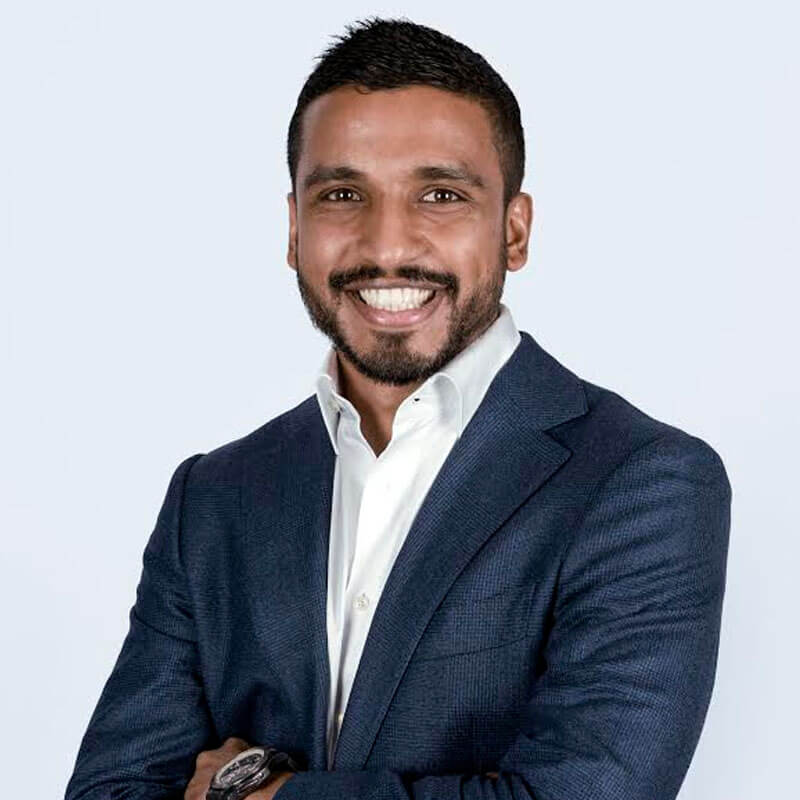
  • Smartphone chip market to be worth US$ 5bn by ’22: Report

    MUMBAI: GNSS Chip Market is estimated to be worth US$ 5.22 billion by 2022. Some of the factors driving the growth of the GNSS chip market include the high penetration of electronic, wearable, and connecting devices; increasing demand for accurate and real-time data; rising demand for high-speed Internet and network coverage such as 4G/5G; and growing popularity of IoT.

    According to a new market research report, “GNSS Chip Market by Devices (Smartphones, In-Vehicle Systems, Tablets, Personal Navigation), Application (Location-Based Services, Navigation, Telematics, Surveying, Mapping, Timing & Synchronization), Vertical and Geography – Global Forecast to 2022,” published by MarketsandMarkets, the market, also covering India, is expected to be expanding at a CAGR of 7.9 per cent between 2016 and 2022.

    The key players operating in the GNSS chip market include Qualcomm Incorporated (U.S.), STMicroelectronics N.V. (Switzerland), Intel Corporation (U.S.), Mediatek Inc. (Taiwan), U-Blox Holdings AG (Switzerland), Broadcom Corporation (U.S.), Furuno Electric Co., Ltd. (Japan), Skyworks Solutions, Inc. (U.S.), Quectel Wireless Solutions Co., Ltd. (China), and Navika Electronics (India).

    “Smartphones to hold the largest size of the overall GNSS chip market”

    Smartphones held the largest size of the GNSS chip market in 2015. GNSS chips in smartphones are used for applications such as location-based services (LBS), online games, and mobile geographic information systems (GISs), among others. Smartphones are expected to hold the largest size of the GNSS chip market during the forecast period due to the increasing demand in developing countries and the need for real-time information pertaining to the exact location of vehicles, individuals, and other assets. With the growing demand for smartphones, personal navigation devices, , and tablets, among others, are now equipped with GPS/GNSS receiver chips and navigation software to enable the users to navigate from one place to other. Due to the miniaturization of smartphones, the demand for GNSS chips is increasing. Also, the miniaturization of GNSS chips enables the chips to get integrated in small as well highly sensitive devices.

    “Location-based services (LBS) to hold the largest share of GNSS”

    The LBS application is expected to dominate the global GNSS chip market between 2016 and 2022. LBS are the most widely used applications in various devices such as smartphones, tablets, wearable devices, in-vehicle systems, and personal navigation devices. In addition, technological innovations and miniaturization of electronic devices have led to the increased demand for GNSS chips for consumer electronics products such as tablets, smartphones, laptops, and digital cameras, among others. LBS, on the basis of application, can be categorized into mapping, discovery and infotainment, emergency support and disaster management, leisure and social networking, location-based advertising, location-based games and augmented reality, and tracking, among others. All the aforementioned factors are driving the growth of the market for location-based services.

    “APAC GNSS chip market expected to grow at a high rate”

    APAC is expected to be the fastest-growing market for GNSS chip during the forecast period. This market growth can be attributed to the growth in the construction industry and the development of the transportation infrastructure in this region. The major factors responsible for the growth of these sectors include the rapid urbanisation and growing population. The construction industry in APAC would continue to account for the largest share of the GNSS chip market in the coming years. Due to the increasing adoption of IoT and portable consumer electronics devices in countries such as China, Japan, and South Korea, the GNSS chip market in
    APAC is expected to grow at a high rate.

    Also Read:

    Dish TV & ALi tie up – chipset tech vital for secure VAS, enriched viewing

  • Bruce Anderson announced as Dejero CEO

    MUMBAI: Dejero, an innovator in cloud-managed solutions that simplify the transport of live video and real-time data across remote or mobile IP networks, has announced Bruce Anderson as its new CEO, taking over from Brian Cram who has headed the company for the last five years.

    Hailing from Zimbabwe, Anderson is a veteran senior executive with a 20-year proven record of managing international businesses for multinational corporations, most recently for the global commodity producer and trader firm Glencore. Anderson has strong leadership skills and is highly goal oriented with a strong entrepreneurial flair for driving business results and maximizing profitability. He is an Honours Bachelor of Accounting Science graduate from the University of South Africa, a country where he also qualified as a Chartered Accountant. He is familiar with Dejero’s business after spending years living and working in Canada.

    “Joining Dejero at a time of accelerated growth for the company and huge change that is taking place across the entire media and entertainment sector is hugely exciting,” said Bruce Anderson. “I look forward to taking the business forward as we expand Dejero’s portfolio and increase our presence across the globe. I particularly look forward to meeting Dejero’s existing customers and partners and to working with the in-house team to drive the next phase of our growth.”

    “We are delighted to welcome Bruce Anderson to the team, as he brings in-depth global experience and expertise to our company at a time when Dejero is poised to sustainably grow not only geographically, but also into new market verticals,” said Dejero founder and CTO Bogdan Frusina.

    Anderson’s priorities as he hits the ground will be to drive the launch of new connectivity solutions later in the year, that provide fast, reliable and secure access to the public Internet and private networks. The new Dejero products and services will enable news companies and production teams to access media assets at a broadcast centre or studio, and quickly transfer very large files from their vehicle while on location or in transit, saving valuable time.

    Other priorities for the new CEO will include further expansion of the Dejero portfolio within the LATAM, EMEA and APAC markets, supported by a recent $14 million growth financing deal that was recently struck with Wellington Financial LP.

    Frusina continued, “I would like to warmly thank Brian Cram as he transitions his responsibilities to Bruce having accomplished so much in his time as CEO. Brian had always intended to pass the reigns over, it was just a matter of timing and he has now decided that the time is right. Bruce is the perfect candidate to take over from Brian in that respect.”

    Under the stewardship of Brian Cram, Dejero became a leader in remote connectivity solutions for the broadcast market and has been recognised on Deloitte’s Fast 50 and Fast 500 for the past three consecutive years. Brian Cram remains an investor in Dejero.

  • Xaxis names Arshan Saha APAC president

    Xaxis names Arshan Saha APAC president

    MUMBAI: Xaxis the world’s largest programmatic media and technology platform, today announced the promotion of ArshanSaha to President, Asia Pacific (APAC). Saha was previously Vice President, South and Southeast Asia. As one of the founding members of Xaxis APAC, Saha helped established offices in Singapore, Malaysia, Thailand, Indonesia, Philippines, Vietnam and India.

    “Arshan has played an integral role in establishing Xaxis as the programmatic advertising platform of choice in Asia Pacific,” said Xaxis global president Nicolas Bidon. “He has done an incredible job of expanding Xaxis’ programmatic footprint and building the region’s business with great management skills, passion for our clients’ success and knowledge of the industry. I look forward to his continued leadership as APAC President.”

    “The tremendous success and growth of Xaxis has culminated in the creation of [m]PLATFORM which we are looking forward to roll out across APAC. Arshan has played a significant role in this success with his ability to understand and navigate clients and publishers in the region. I cannot think of a better candidate to take Xaxis APAC to the next level”, says [m]PLATFORM.
    APAC president Michel De Rijk.

    Over the last 4.5 years at Xaxis, Arshan’s leadership included full charge of all seven markets’ P&Ls, as well as growing the businesses 20-fold within a short span of three years. Prior to joining Xaxis in 2012, Arshan served as Regional Director for Southeast Asia at Innity Corp. where he played a critical role in establishing the company as the leading media network in the region. Arshan’s portfolio included over 300 clients across multiple industries, an array of large to mid-sized publishers, as well as technology vendors across APAC, driving best-in-class -advertising technology and innovation. He was also most recently voted as Campaign Asia’s 40 under 40 most talented individuals in Asia.

    “I am incredibly honored to lead our team of committed programmatic experts here in APAC. As leaders, we will continue to set standards and drive the industry forward with our proprietary technology and unique data so the entire ecosystem is able to benefit from measurable value.” said Arshan “It’s a very exciting time as clients are demanding empowerment and guarantees to be able to navigate through the programmatic landscape whilst at the other end of the spectrum we have a consumer who is seeking relevance and personalization.”

  • Xaxis names Arshan Saha APAC president

    Xaxis names Arshan Saha APAC president

    MUMBAI: Xaxis the world’s largest programmatic media and technology platform, today announced the promotion of ArshanSaha to President, Asia Pacific (APAC). Saha was previously Vice President, South and Southeast Asia. As one of the founding members of Xaxis APAC, Saha helped established offices in Singapore, Malaysia, Thailand, Indonesia, Philippines, Vietnam and India.

    “Arshan has played an integral role in establishing Xaxis as the programmatic advertising platform of choice in Asia Pacific,” said Xaxis global president Nicolas Bidon. “He has done an incredible job of expanding Xaxis’ programmatic footprint and building the region’s business with great management skills, passion for our clients’ success and knowledge of the industry. I look forward to his continued leadership as APAC President.”

    “The tremendous success and growth of Xaxis has culminated in the creation of [m]PLATFORM which we are looking forward to roll out across APAC. Arshan has played a significant role in this success with his ability to understand and navigate clients and publishers in the region. I cannot think of a better candidate to take Xaxis APAC to the next level”, says [m]PLATFORM.
    APAC president Michel De Rijk.

    Over the last 4.5 years at Xaxis, Arshan’s leadership included full charge of all seven markets’ P&Ls, as well as growing the businesses 20-fold within a short span of three years. Prior to joining Xaxis in 2012, Arshan served as Regional Director for Southeast Asia at Innity Corp. where he played a critical role in establishing the company as the leading media network in the region. Arshan’s portfolio included over 300 clients across multiple industries, an array of large to mid-sized publishers, as well as technology vendors across APAC, driving best-in-class -advertising technology and innovation. He was also most recently voted as Campaign Asia’s 40 under 40 most talented individuals in Asia.

    “I am incredibly honored to lead our team of committed programmatic experts here in APAC. As leaders, we will continue to set standards and drive the industry forward with our proprietary technology and unique data so the entire ecosystem is able to benefit from measurable value.” said Arshan “It’s a very exciting time as clients are demanding empowerment and guarantees to be able to navigate through the programmatic landscape whilst at the other end of the spectrum we have a consumer who is seeking relevance and personalization.”