Tag: APAC

  • 81% Indians find ads intrusive: KMB study

    81% Indians find ads intrusive: KMB study

    MUMBAI: A well-executed multichannel campaign is a thing of beauty. But over one in four of the campaigns we see are not well integrated, and consumers are much more critical than marketers about campaign connectivity. Also, less than half of all campaigns take full advantage of different channels by properly customising content to different contexts.

    The address the issue, Kantar Millward Brown conducted a study which examined the global state of multichannel advertising campaigns. The study revealed that 78 per cent of consumers surveyed in Asia Pacific are seeing more ads in a wider variety of places than they did three years ago and consumers in India are seeing the most substantial uplift followed by Philippines and Singapore.

    People believe multichannel advertising builds brands and leaves a stronger impression. Well-integrated and customised ad campaigns can improve overall campaign effectiveness by 57 per cent. This implies that brands can have a larger impact with their investment and more than half of marketers are missing out on the opportunity to substantially boost their activity.

    Ineffective and disengaged advertising runs the risk of alienating the viewers and people are uncomfortable with the increase in intrusive advertising. Indian consumers feel most bombarded by intrusive advertising (81 per cent), followed by New Zealand (76 per cent) and the Philippines (72 per cent). On the contrary, Koreans and Indonesians are the least bothered by intrusive ads but more than half the population see ads in a negative light and that should be a wake-up call for marketers.

    While stating that marketers need to start thinking intelligently about how they integrate their campaigns, Kantar Millward Brown head of media and digital for APAC Pablo Gomez opines that marketers are putting enough focus on customisation. “Consumers are exposed to more advertising than ever before and are becoming more judgemental of what they see as a result. Importantly, the study showed that people react to advertising differently depending on the channel, and crucially, they are least receptive to ads on digital media,” he said.

    Consumers expect multichannel campaigns to deliver basic connective elements or hygiene factors like the same logo and slogan. To some extent consumers are right. All brand cues contribute to campaign effectiveness, and the more cues the better. However, consistent characters or personalities are the individual cues which most help brand impact; these differentiate the best campaigns.

    Viewers expect TV to be the best with the rest of a campaign, but integration benefits all channels. Brands should plan for synergy because about 25 per cent of all brand contributions from media are typically attributable to synergy effects. We know that all channels benefit from synergies, but some channels work particularly well with each other. The strongest overall synergy combinations are TV & Facebook, and TV & outdoor. A recent Budweiser campaign in China was strongly integrated thanks to multiple consistent elements (celebrity, colour scheme, bottle, logo, slogan) across TV, online and outdoor executions. It is a well-executed example of ‘matching luggage’ which also extends to the style and mood of the content.

    At the end of the day, brands need to use all senses. Visual cues are important, and memorable characters differentiate, but audio cues like consistent voiceovers and music also help. Consumers will not notice all brand integration cues, so test to see if the campaign fits together. Additionally, marketers need to develop content for channels where they can adapt excellently and make the most of the format. They need to find a balance between integration and customisation and a great campaign needs enough familiarity to tie campaign elements together, but enough novelty to engage with complementary content.

  • Vice strengthens foothold in APAC, Hosi Simon made CEO

    Vice strengthens foothold in APAC, Hosi Simon made CEO

    MACAU: Vice Media has announced a major expansion of its offerings across the Asia Pacific region, with a plethora of new deals that will allow it to reach hundreds of millions of additional viewers.

    Vice India will launch in early 2018 through a partnership with the Times of India Group, allowing it to produce and distribute local programming for online, mobile and linear platforms. New offices in Mumbai and Delhi will host full-scale Vice operations, including a local offering of virtue worldwide and a full-service content production studio producing scripted, film, news and culture content from India for television, SVOD, OTT and digital platforms.

    With an online video market that is expected to hit $ 46 billion over the next five years, the APAC region is home to 60 percent of the world’s young people, according to the United Nations, demonstrating a significant opportunity for the youth-focused media brand.

    Vice global general manager Hosi Simon will relocate to Singapore, the new headquarters of Vice APAC, to become chief executive officer for the region. Simon announced the new role and the series of partnerships today at the CASBAA Convention 2017 in Macau.

    In addition to opening a full-service content and commercial hub in Singapore, which will offer a studio for local documentary, scripted and film content production, and provide creative services through Virtue Worldwide, Vice announced new offices and partnerships that will allow the youth brand to expand its reach and library of intellectual property.

    Vice is building on its partnership with Docomo Digital in Japan across several territories in Asia. It has also entered into partnerships with leading global and local brands in the region, with more territory launches, partnerships and employee appointments to be announced in the coming weeks.

    “We believe there is a huge opportunity for Vice to build out a deeply relevant, highly local, youth media company across the Asia Pacific region,” said Simon. “With the growing importance of local culture to young people, along with a surging youth population and increased connectivity, some of the most dominant forms of global youth culture across technology, music, fashion, consumer brands, food and identity will come from this part of the world. We hope to play a significant role in creating and giving a voice to these movements, and helping to bring them to the rest of the world.”

    The full slate of announcements to expand in the APAC region include:

    Vice Singapore – Under the direction of new Vice Asia Pacific CEO Hosi Simon, the Vice Singapore regional headquarters will serve as the nucleus for Asia Pacific activity, becoming a content hub offering the full scale of Vice services, including complete production capabilities, locally staffed editorial content, and creative services through Virtue Worldwide. Vice Singapore will be fully operational by January 2018.

    Vice Indonesia – Vice remains in close partnership with JawaPos TV, which will air branded Viceland blocks and Vice news tonight episodes, and digital content in primetime slots beginning this month. Young people aged 18-34 comprise 50 percent of Indonesia’s overall population,opening the door for it to reach the young audience on whatever platform they consume content.

    Expansion of Vice + Docomo Digital partnership: Based on the success of Vice Japan’s partnership with Docomo Digital, Vice and Docomo have significantly expanded their partnership to bring Vice+, Vice’s subscription video on demand (SVOD) service, into Singapore, India, Hong Kong, Taiwan, Thailand, and other territories to be announced. This will allow Vice content to reach millions of new young people in a region with a fast growing youth population.

    Virtue worldwide brand partnerships: Virtue worldwide has entered into major brand partnerships that will see the creative agency that was born out of Vice provide creative services throughout the Asia Pacific region.  Launch partnerships in the region include Unilever in Indonesia, National Basketball Association in China, Budweiser in Australia, Nike in Thailand and the Philippines, and a BMW/Alexander Wang collaboration around a new vehicle launch in China.

    Vice has operated in the Asia Pacific region since 2003 and currently has offices in Australia, New Zealand, Japan, China and Indonesia. This vast expansion in the region follows the series of deals Vice announced earlier this year, providing major inroads into the nascent mobile content market in the APAC region, and furthers Vice’s ability to bring content directly to young people on whatever screen they are watching. The series of deals will allow Vice to further cultivate the growing young audiences across the APAC region, growing its presence across multiple screens and reaching millions of new viewers across the region.

    Simon assumes the role of CEO, Vice Asia Pacific after serving as global general manager of Vice Media for over a decade, where he oversaw the strategy, growth and operations of Vice digital assets around the world, including Vice’s owned and operated channels, publishing and large-scale brand partnerships, and mobile and OTT platforms, and launched many of the newer offices around the world.

    Vice has developed an outstanding global reputation for producing the gold standard of video content for young people, forging innovative distribution partnerships across mobile, digital and linear platforms with A+E Networks, HBO, YouTube, Snapchat, Sky, 20th Century Fox, Verizon, Canal+, and more to take its programming to young people everywhere.

    These deals significantly increase Vice’s vast international footprint, ushering in new audiences, revenue streams, and content production.  With these deals, Vice’s award-winning multi-platform programming across lifestyle, culture, news, sports, food and more, will be delivered to over 80 territories by Q1 2018.

  • Smart city initiatives in APAC to improve quality of life: DAN & MIT

    Smart city initiatives in APAC to improve quality of life: DAN & MIT

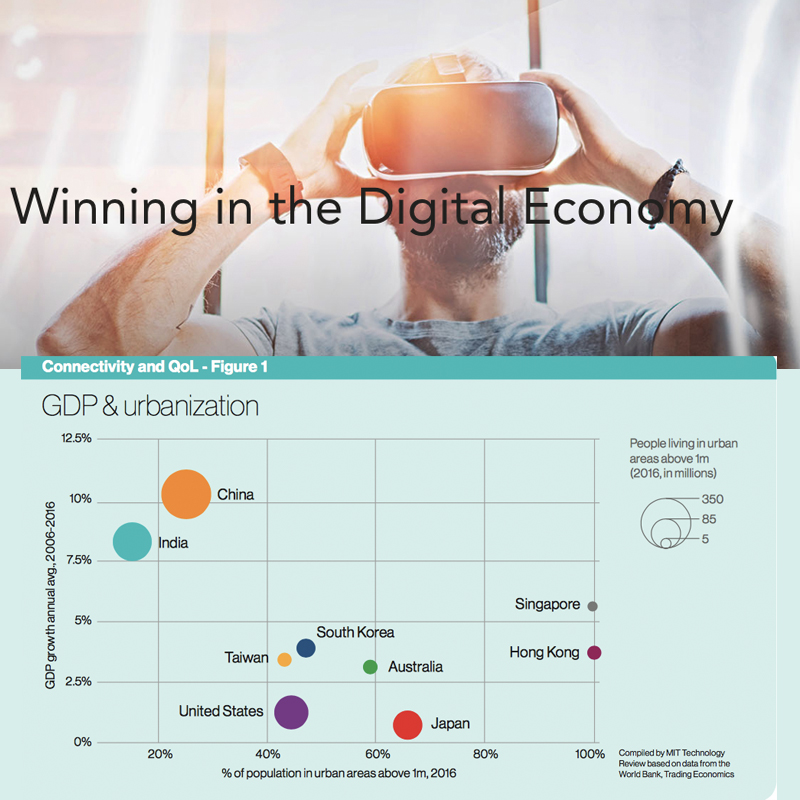
    MUMBAI: Dentsu Aegis Network has launched a new white paper examining the progress of Asia Pacific’s smart cities, including local deep-dives into eight key markets in the region. In its third year, this series on Asia Pacific’s digital disruption aims to deliver thought leadership to arm Dentsu Aegis Network and its agency brands’ clients and partners with the insight they need to succeed in the digital economy.

    In collaboration with MIT Technology Review, the report argues that increasingly, smart city initiatives in Asia Pacific are being developed and driven to improve quality of life for the region’s citizens and consumers, to manage cities’ growth sustainably, and to maintain their global competitiveness.

    The paper titled “Connectivity and QoL : How digital consumer habits and ubiquitous technology are driving smart city development in Asia Pacific” – consolidates extensive in-market research and nearly two-dozen in-depth interviews with key industry players from India, Singapore, Hong Kong, China, Taiwan, South Korea, Japan, and Australia.

    Dentsu Aegis Network Asia Pacific CEO Nick Waters said, “Asia Pacific has enjoyed robust economic expansion in recent years, with cities at the heart of this growth. With development comes challenges, but cities in the region are transforming these challenges into opportunities with the help of technology and innovation. Smart cities in Asia Pacific are quickly becoming pilot markets for the digital economy.

    “The white paper helps us understand what drives the development of smart cities in Asia Pacific, how businesses can leverage them to develop digital economy solutions and how we can contribute to make these cities more viable, livable and sustainable,” Nick added.

     The report found two key factors that distinguish Asia Pacific’s smart city efforts from other regions around the globe. Governments and businesses are more willing to invest in experimental models that exploit new technologies, business models, and urban planning design. For example, the development of new ‘greenfield’ smart cities from scratch such as South Korea’s Songdo International Business District, Japan’s Fujisawa Sustainable Smart Town, Hong Kong’s Smart City @ Kowloon East, and others.

    Asia Pacific also has a unique approach in its efforts to engage private sector players in developing smart cities. More collaboration has emerged between the government and the region’s leading technology firms – China’s Alibaba, India’s Reliance Communications, Japan’s Panasonic, and others – to deliver smart city projects.

    MIT Technology Review CEO and Publisher Elizabeth Bramson-Boudreau explains, “While no two Asia Pacific markets have the exact same mix of smart city strategies or assets, we have found that nearly all such projects attempt to use smart cities to serve two goals simultaneously: address immediate infrastructure or service delivery challenges while ‘future-proofing’ their economies against threats looming on the horizon.”

    The paper also outlines six common themes of Asia Pacific’s successful smart city initiatives, including: leveraging cloud technology; creating ‘open’ and accessible ecosystems, and through this harnessing the power of startup ecosystems; consumer-driven application development; mixing ‘greenfield’ and ‘brownfield’ smart city experiments; IoT and sensor-based platforms; and cashless economies.

    Dentsu Aegis Network chairman and CEO South Asia Ashish Bhasin said, “India is currently moving towards massive urbanisation. Consequently, its need for building smart cities is immediate when compared to many other countries. Home to one of the most populated and diverse demographics in the world, India witnesses the migration of 20-30 people every minute from rural regions to urban cities. Yes, India is a complex country and therefore, its infrastructural challenges are huge but so are the opportunities. We have a large consumer base, we are well-connected and mobile-enabled. And these elements will act as huge enablers to create our smart cities and introduce economic transformation.”

  • Digital TV, growing telecom major drivers of coaxial cable growth in A-Pac: Study

    Digital TV, growing telecom major drivers of coaxial cable growth in A-Pac: Study

    MUMBAI: The global coaxial cables market is mature owing to the use of coaxial cables in industries for a long time and the slow or stagnant product innovation.

    Coaxial cables are used for supplying television channels and providing Internet access and telephony services to homes and offices. They are also used for connecting equipment in mobile telecommunication stations and antennas.

    Technavio’s latest report on the global coaxial cables market provides an analysis of the most important trends expected to impact the market outlook from 2017-2021.

    Countries like the US, Germany, France, Japan, and China are the biggest existing markets for coaxial cables, with developing countries in APAC and MEA contributing the highest toward market growth. Regions like the US already have a large network of coaxial cables connecting almost all the CATV (community antenna television, commonly known as “cable TV”) subscribers. The driver for these cables in developed regions is the growth of broadband cable Internet users, while the major driver in developing nations (including India) is the adoption of digital television and the rapidly growing telecommunication sector.

    The top three emerging trends driving the global coaxial cables market according to Technavio heavy industry research analysts are: Growing investment in the aerospace sector Expanding infrastructure and construction growth Increase in global defense spending

    Growing investment in the aerospace sector: The aerospace and defense sector is a major user of coaxial and micro-coaxial cables. These are used to provide interconnection between essential electronic components in aircraft. Since aircraft have several radio communication equipment, isolation of the radio signals is critical for the smooth functioning of this equipment, which makes coaxial cables play a major role in electronic communication. These factors are likely to boost the global coaxial cables market in the coming years and drive its demand even higher.

    “Major aircraft manufacturers such as Airbus and Boeing are looking to increase production to meet the delays caused in aircraft deliveries. The commercial aircraft sector is likely to witness robust growth in aircraft demand, especially for smaller and medium-sized aircraft from domestic carriers as industry profits rise,” says Anju Ajay Kumar, a lead analyst at Technavio for research on engineering tools.

    Expanding infrastructure and construction growth: The rising economic activity and rapid urbanization will be driving the growth in new infrastructure and construction. To support the growing demand from various demographics segments, services like telecom and Internet access are necessary. Expansion in these sectors will directly impact the demand for coaxial cables.

    “China, Vietnam, and India will be spending a significant share of their GDP on average in infrastructure development. The fastest growing economy in the region, Vietnam, will need to invest hundreds of billions in infrastructure development to match up with its neighboring countries. The surge in demand for mobile devices equipped with next-generation wireless Internet access is likely to spur the construction and demand of mobile towers, stations, and related equipment, which are large consumers of coaxial cables,” adds Anju.

    Increase in global defense spending: The rising economic activity and rapid urbanization will be driving the growth in new infrastructure and construction. To support the growing demand from various demographics segments, services like telecom and Internet access are necessary.

  • Asian OTTs use global, local content, AVoD and SVoD mix to consolidate position, says report

    Asian OTTs use global, local content, AVoD and SVoD mix to consolidate position, says report

    MUMBAI: Over-the-Top services are steadily gaining traction in APAC, but succeeding in a highly diverse and price-sensitive market will entail a thorough understanding of consumer preferences and intent.

    OTT players in the region are already partnering with mobile operators to drive subscribership. Examples include Viu’s various partnerships with Telekom Malaysia, Maxis and U Mobile in Malaysia, Indosat in Indonesia, CSL in Hong Kong and Idea cellular in India among others.

    A new report, “OTT Video in Asia-Pacific: Localised content and business models are key while mobile will offer opportunity for future video growth” has been added to the repository of Market Research Hub (MRH).

    Strategies of the four key OTT video service providers have been discussed in the report in the form of four case studies. The key OTT video service providers profiled in the case studies include Netflix, iflix, Viu, and Hotstar.

    The success of OTT services in any market depends upon a host of factors, with viewer awareness and receptiveness among the key factors. Smartphone ownership, cellular and broadband penetration levels, and pay-TV subscription are the other key factors that influence the scope of OTT video services in a market.

    The APAC region remains diverse, with a significant variation in internet and broadband penetration levels. Further, owing to lax piracy laws, a significant section of the consumer base is habitual of downloading pirated copies from the internet. In view of these factors, many OTT video service providers are using a mix of AVoD and SVoD to consolidate their position.

    According to the report, content remains an integral part of overall viewer experience in APAC. OTT video service providers have realised the importance of high-quality content, as a result of which, content production has gained prominence. Further, increase in smartphone ownership and launch of 4G services in several APAC countries are leading to collaboration between telecom service providers and OTT video service providers.

    According to the report, OTT service providers in countries that have low OTT readiness can commence with AVoD services to raise awareness and interest among viewers. The report comments that this strategy has helped Hotstar and Viu in gaining a significant foothold in the APAC OTT video services market.

    However, AVoD as a business model is likely to face a lot of challenges, on account of high cost of content acquisition. Further, relying on one particular form of content may not work, and OTT service providers may have to rely on a mix of local and international content to appeal to a wider target audience.

  • Pepperfry campaign: iProspect recognised at Google Awards

    Pepperfry campaign: iProspect recognised at Google Awards

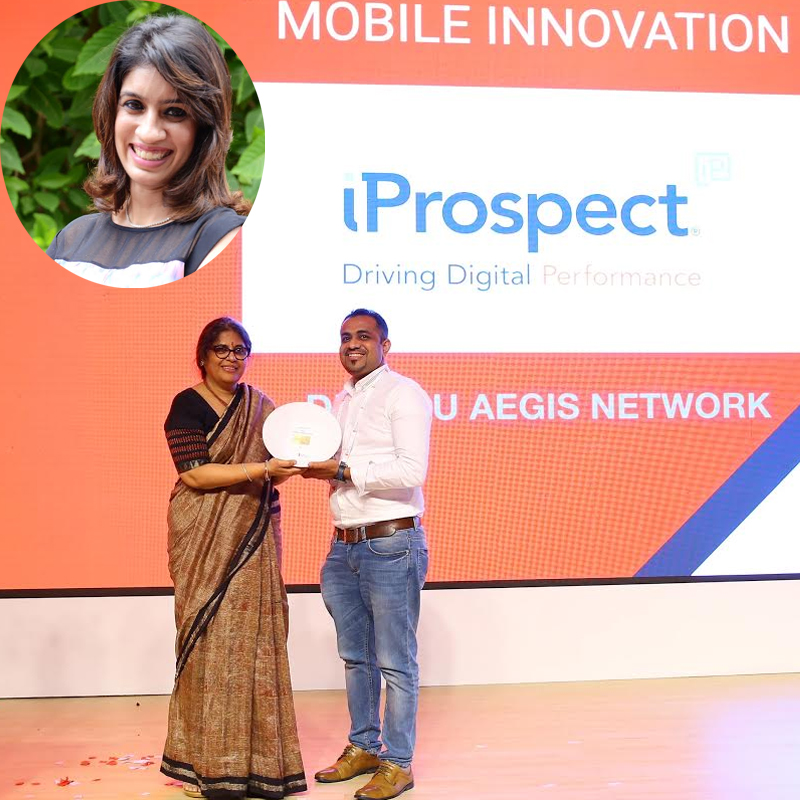
    MUMBAI: iProspect India, the global digital agency from Dentsu Aegis Network, has won the Mobile Innovation Award for its campaign for Pepperfry.com at the Google Premier Partner Awards in India.

    The campaign will now compete at the APAC level and the winning campaigns at APAC will further be shortlisted for the global awards to take place in New York on 28 September, 2017. The first ever Google Premier Partner Awards recognizes and celebrates the top-performing Google Premier Partners for their contributions to digital marketing, product innovation and client growth.

    iProspect’s proprietary tool iSync was used for the Pepperfry.com campaign. iSync delivers online ads synchronised with television, radio advertising, weather, sporting events, and 3rd party in real time. The objective of the campaign was to leverage the online opportunity created by the offline (TV) campaigns of Pepperfry.com and its competitor. The strategy was pegged on the insight that the online brand searches of the competitor’s brand would increase during the time period that its television ads were aired. It focused on dynamically bidding up on the competitor’s brand keywords, during their TVC slot, which ensured that users saw Pepperfry.com ads on searching for the competitor’s brand. Similarly, bidding up Pepperfry.com’s brand keywords 20 per cent on mobile during their TVC slots, amplifying the reach of its ads online.

    iSync synced Pepperfry.com’s digital media buys to Pepperfry.com’s and its competitor’s TV ad slots. Messaging to capture the consumer’s content such as compelling offers in the ad copies, in sync with the messaging on TV were highlighted. This increased relevancy from the customers’ point of view and therein increased clicks on the ad. Results comprised 42 per cent of the mobile impression share on competitor keywords, 146 per cent increase in impression share, 82,000 brand impressions achieved in just 21 days against the competitor, 63 per cent increase in CTR (Click through Rate), 1 per cent conversion rate on competitor traffic, 301 per cent increase in number of clicks and 235 per cent increase in sales.

    iProspect India CEO Rubeena Singh said, “The e-commerce category is the top digital spender. It spends the majority of its digital ad spends on search (42 per cent ), followed by social media (20 per cent). Ad spending on mobile is estimated to grow at a rate of 59 per cent CAGR to reach Rs 133.25 billion in 2020. These figures are testimony to the fact that mobile will continue to grow at a rapid pace in the future and companies will accordingly increase investments in this digital platform.”

    “It’s been exciting to see the submissions from digital marketing leaders from India. We’re delighted to celebrate the Premier Google Partners who have made it to the winner list for Awards,” said Google India director – India agencies Sam Singh.

    “To sync our existing digital marketing campaigns to offline marketing inputs was a creative solution to an age-old omnichannel ambition. We congratulate the iProspect team for winning the coveted award – it is well deserved! The award winning campaign has been instrumental in improving business metrics for us. We look forward to more of such interesting innovations going ahead,” said Pepperfry.com senior manager – digital marketing Abhishek Dasgupta.

  • APAC may lead US$ 6-bn b’cast equipment market growth by ’23

    APAC may lead US$ 6-bn b’cast equipment market growth by ’23

    MUMBAI: The global broadcast equipment market is expected to expand from USD 4.38 billion in 2017 to USD 5.82 billion by 2023, at a CAGR of 4.87 per cent between 2017 and 2023.

    Although North America is expected to hold the largest market share, the broadcast equipment market in APAC is likely to witness the highest growth rate between 2017 and 2023. The major players in the broadcast equipment market include Cisco Systems, Inc. (US), Ericsson AB (Sweden), Harmonic Inc. (US), Evertz Microsystems, Ltd. (Canada), and Grass Valley (Canada).

    The CAGR projection has been done by MarketsandMarkets, which provides quantified B2B research on 30,000 high-growth niche opportunities/threats with the help of 850 fulltime analysts and SMEs, in recently published report titled: “Broadcast Equipment Market — by application, technology, products and geography – to 2023.”

    The rising demand for ultra high definition (UHD) content production and transmission, radical shift of products from hardware oriented to software and open architecture based, and increasing D2C offerings through OTT services and multi-channel networks in developed economies are some of the factors driving the growth of the broadcast equipment market.

    Increasing use of video servers to store and play out multiple video streams to drive the growth of broadcast equipment market 

    The broadcast equipment market, on the basis of product, has been segmented into dish antennas, amplifiers, switchers, encoders, video servers, transmitters and repeaters, modulators, and others.

    The market for video servers is likely to grow at the highest rate between 2017 and 2023. The increasing number of broadcasters offering direct-to-consumer (D2C) propositions through OTT services, along with traditional distribution routes, is fueling the growth of the market for video servers. In broadcasting, servers act as hosts and are used to deliver various contents or videos. These servers are used to store and play out multiple video streams without degrading the video signals. 

    Broadcast video servers often store hundreds of hours of compressed audio and video (in different codecs), play out multiple and synchronized simultaneous streams of videos, and also ensure quality interfaces such as SDI for digital video and XLR for balanced analogue audio, and AES/EBU digital audio.

    Market for digital broadcasting expected to grow at a high rate between 2017 and 2023 

    The market for digital broadcasting is expected to grow at a high rate between 2017 and 2023. Digital broadcasting offers several advantages over analogue broadcasting, including choice of programming and services such as additional channels, HD offerings, radio data services, and pay programs. It also allows consumers to avail better quality content with considerably lesser signal interference, without compromising on picture quality.

    North America held the largest share of the broadcast equipment market in 2016. The increasing number of cable and satellite television channels and the rising penetration of the Internet have provided broadcasters with many choices for their own creative and political expression. The growing cultural diversity throughout North America has also led to the increase in the number of broadcast channels, which, in turn, has boosted the demand for broadcast equipment in this region. Europe is also one of the potential markets for broadcast equipment. The broadcast equipment market in APAC is expected to grow at the highest rate between 2017 and 2023.

    MarketsandMarkets research claims to impact 70-80 per cent of worldwide companies’ revenues. It is currently servicing 5000 customers including 80 per cent of global Fortune 1000 companies. 

    Also Read:

    What’s driving the APAC broadcasting equipment market’s growth

    DD modernisation cost over 3 years was Rs 383 crore

  • PointNine Lintas launched, Vikas Mehta named CEO

    MUMBAI: MullenLowe Lintas Group has announced the launch of its new independent full-service agency in India, PointNine Lintas. It would offer omni-channel marketing capabilities including creative (on and offline), PR, activation, experiential, social, media and digital transformation; all under one roof.

    PointNine Lintas will commence operations on 1 August, 2017.

    The existing marketing services of the Group will be aggregated under this new agency and will operate as its divisions. These include GolinOpinion – PR, reputation management; LinTeractive – digital marketing & transformation and LinEngage – activation, experiential & shopper. These divisions will come together to offer full-service horizontal offerings to clients of PointNine Lintas, while continuing to retain their vertical offerings for existing clients. The new agency has a roadmap to further expand its capabilities by adding new offerings to its service stack, including creative, media, technology and platforms.

    Announcing the new agency, Joseph George (Joe), Group Chairman and CEO, MullenLowe Lintas Group said, “We made our intentions to go full-service clear four years ago. While the list of companies and industries pursuing full-service (under different labels) has grown tremendously in this time, the approach to it remains more or less the same. PointNine Lintas is a fresh take at an agency model that’s multi-faceted at its core. So far, only holding companies have seen some success with this approach, but it’s restricted to a handful of very large global clients. An agency network doing this would be a first, and we believe it could broaden the base of clients who can tap into it.”

    Along with Lowe Lintas and Mullen Lintas, PointNine Lintas would be the third independent agency of the MullenLowe Lintas Group in India. Vikas Mehta, currently Group CMO and President, Marketing Services for MullenLowe Lintas Group, has been named CEO of PointNine Lintas.

    Vikas has been with the MullenLowe Group for over a decade in various local and regional roles in the APAC region including Managing Director – Lowe Viet Nam and Regional Growth Officer – Lowe Asia-Pacific. He moved to MullenLowe Lintas Group India in 2013 as the country’s first agency-CMO. In 2014, he took an additional mandate to rebuild the group’s digital business by relaunching LinTeractive. Since 2015, he’s also been President of the Group’s Marketing Services divisions. Prior to his management stints, Vikas was a planner and he authored strategies, papers and case-studies that have won over 50 international awards for marketing effectiveness. Major ones include Effie (India, Singapore and APAC), Asian Marketing Effectiveness Awards, APAC Tambuli Awards, WARC Asia Prize for Strategy, 4A’s Jay Chiat Awards, among others.

    Speaking of the appointment, Joes said, “I have worked closely with Vikas the past four years and I am absolutely certain that he is most qualified to deliver on this ambition. Not just because of his subject matter competencies required for a multi-service agency, but also for his passionate, stubborn and informed belief in ‘full service’ being the only way to go!”

    Vikas said, “We have gone from the age of communication to the age of experiences. While the market has evolved at a furious pace, the agency models haven’t. The opportunity to take the Lintas pedigree and build an agency for the experiential economy is an inspiring one. Hyper-bundling is our biggest priority as a network and I’m grateful for the challenge to build a new agency that’s hyper-bundled from day zero”.

    PointNine Lintas will work on an operating model that’s designed to evolve, much like the OS of your preferred device, to reflect the accelerated pace at which the marketing landscape is shifting. In fact, the name PointNine reflects exactly that; a philosophy of ‘forever beta’, by choice.

  • India tops in avg app downloads per month

    NEW DELHI: A new study shows that Indians led in the number of apps downloaded per month in the first quarter of 201

    The survey that covered 10 countries showed that Indians downloaded an average of just over forty apps per month, even though the number of apps available on a smartphone was just under eighty as against over 100 apps available in smartphones in Japan.

    In South Korea, Mexico, Brazil, Japan, and India, the top 20% of smartphone users spent over four hours per day in apps.The emerging markets of Mexico, Brazil, and India had the highest time for users at the median and at the bottom 20%.

    The average user’s time spent varied widely between countries, from just over 1.5 hours per day in France to well over three hours in South Korea, where average Indian user’s time spend was 2.5 hours.

    Nearly 75% of users install at least one app per month, according to app data and insights provider App Annie. App Annie delivers the most trusted for your business to succeed in the global app economy. Over 800,000 registered members rely on App Annie to better understand the app market, their businesses and the opportunities around them. The company is headquartered in San Francisco with 450 employees across 15 global offices.

    In the ten countries analyzed, the users on average used over thirty apps per month and over nine apps per day. The other countries covered were Germany, China, France, United Kingdom and United States.

    In terms of time spent per user, mobile gamers in Japan and South Korea far exceeded those in the other countries.

    Users continue to download apps at a high rate. In all countries analyzed, over 65% of users installed at least one app in May 2017. In half of the countries analyzed, over half of all users installed two or more apps.

    On the whole, people are still looking for new apps to add to their arsenal. As mobile becomes more central to more industries, users will continue to be open to integrating new apps into their lives.

    This indicates strong adoption of apps even for the least-avid users in these countries, thanks to widespread adoption of apps such as WhatsApp and an emerging mobile-first lifestyle

    In terms of time per user, Travel & Local is an increasingly important category. In the United States, users now spend over two hours per month on average in these apps, and time per user in these apps is strongly growing across the board.

    The per cent of users who use these apps is already over 75% and increasing in most countries analyzed.

    The top 10% of mobile gamers are spending more time playing games. With these gains outstripping the increases at the median, the industry may be moving in a more core-centric direction.

    Even in Japan and South Korea, where time spent towers over the other countries, the top 10% increased its time spent in these countries. These gamers are spending roughly 3 hours per day in games.

    Especially in these countries, hardcore mobile games continue to be massively popular. In South Korea, Lineage II: Revolution exemplifies this. In Q1 2017, the online role-playing game had both the most total time spent and the highest time per user as any game in South Korea

    The total time spent in mobile apps will exceed 3.5 trillion hours in 2021.

    Exploding install bases in emerging markets will play a major part in this trend, and in APAC’s expanding lead

    Notably, Germany over performs in Shopping where it ranks as the number four country by average time spent, in contrast to its number seven position by average spent time spent overall. A significant portion of German mobile shoppers’ time comes from both eBay and eBay Kleinanzeigen, eBay’s local classifieds app in Germany.

    Brazil was the only country in the set whose users spent more time on average in Finance apps than Shopping.

    A large amount of this time was spent in banking apps. Six banking apps in Brazil, led by Banco de Brasil, exceeded 10% usage penetration. For comparison, no banking app in the United States achieved this.

  • VoD software market may expand to $ 7.5 bn by ’22, A-Pac leads

    MUMBAI: The global video streaming (VoD) software market size is expected to grow from USD 3.25 billion in 2017 to USD 7.50 billion by 2022, at a Compound Annual Growth Rate (CAGR) of 18.2%. The major factors driving the video streaming software market are increasing traction of VaaS in enterprises due to lower cost of ownership, extensive growth of online videos, and growing needs for on-demand streaming. However, network connectivity issues and the technical difficulties involved in video streaming are some of the major factors hindering the growth of the video streaming software market, according to ReportLinker study.

    Increasing traction of Video-as-a-Service (VaaS) in enterprises due to lower cost of ownership, the extensive growth of online videos, and growing needs for on-demand streaming are driving the video streaming software market.

    Video Analytics is expected to witness the highest growth rate during the forecast period: The video analytics solutions segment is expected to have the highest growth rate during the forecast period, as video analytics solutions offer a 360-degree view of enterprise viewer habits and behaviors, producing critical intelligence to support enterprise strategic goals. Through video analytics, enterprises can club Artificial Intelligence (AI), machine learning, and cognitive technologies to extract actionable insights from the video files.

    Broadcasters, operators, and media vertical is expected to have the largest market share in 2017: The broadcasters, operators, and media vertical is expected to witness the highest adoption of video streaming software, as the video streaming software helps broadcasters, operators, and media companies to maximize monetisation, minimize operational overheads, offer better services, and enhance viewing experiences.

    Asia Pacific (APAC) is expected to grow at the highest CAGR: The APAC region includes emerging economies such as China, Australia, Singapore, and India. In these countries, enterprises are rapidly deploying video streaming software solutions. APAC is expected to grow at the highest CAGR during the forecast period. This is mainly due to the increasing adoption of advanced technologies, growing usage of digital media among organizations and individuals, and the rising awareness about business productivity. In terms of market size, North America is expected to lead the video streaming software market in 2017.

    In-depth interviews were conducted with Chief Executive Officers (CEOs), marketing directors, innovation and technology directors, and executives from various key organizations operating in the video streaming software market.

    The breakup of the profiles of the primary participants is given below:

    • By Company: Tier 1 – 24%, Tier 2 – 41%, and Tier 3 – 35%
    • By Designation: C-Level – 57%, Director Level – 36%, Others – 7%
    • By Region: North America – 49%, Europe – 28%, APAC – 16%, RoW – 7%

    The key video streaming software providers profiled in the report are as follows:
    Anvato, Inc. (Mountain View, US), BoxCast (Cleveland, US), Brightcove, Inc. (Boston, US), Contus (Chennai, India), DaCast (San Francisco, US), Haivision, Inc. (Montreal, Canada), IBM Corporation (New York, US), Kaltura, Inc. (New York, US), Kollective Technology, Inc. (Bend, US), KZO Innovations (Reston, US), MediaPlatform (Beverly Hills, US), Ooyala, Inc. (Santa Clara, US), Nuvola Media PTE Ltd. (Singapore), Panopto (Pittsburgh, US), Polycom, Inc. (San Jose, US), Qumu Corporation (Minneapolis, US), Ramp (Boston, US), Sonic Foundry, Inc. (Madison, US), StreamShark (Victoria, Australia), uStudio, Inc. (Austin, US), VBrick (Herndon, US), VIDIZMO, LLC. (Sterling, US), Vzaar (London, UK), Wowza Media Systems LLC. (Colorado, US) and YuJa (San Jose, US).