Tag: APAC

  • Barbie’s ‘Power Of Play’: Mattel, BBDO remind parents

    Barbie’s ‘Power Of Play’: Mattel, BBDO remind parents

    MUMBAI: Mattel Asia has launched a new video for its Barbie® brand as part of its broader initiative to empower girls. Mattel Asia, takes on the widely held belief in Asia that imaginative play is not important to a child’s development, with the release of, “The Power of Play with Barbie,” a part of the You Can Be Anything brand campaign.

    “Barbie is the only brand that allows girls to imagine anything they can be. With this campaign we wanted to build an emotional connection with Asian parents by introducing them to the wonderful benefits of imaginative play and storytelling with Barbie to promote confidence and curiosity, said APAC Marketing director Andrea Vitali.

    Unlike in the western markets where Barbie has had decades of heritage, in Asia the campaign needed to show, not tell, millennial Asian moms the positive benefits of imaginative play that their daughters could develop when the play with Barbie. The centrepiece of the campaign is an online video structured as a social experiment. In part one of the experiment, five girls from Asia and Australia were asked to tell an imaginative story on the spot: the girls stalled, hesitated, and eventually gave up. In part two, the girls unboxed one of four Barbie products and were asked to tell a story again: this time, the girls naturally expressed inspired stories using Barbie to role-play and connect with others, demonstrating creativity, improvisation and emotional intelligence.

    “Building on the global success of the Cannes Lion awarded global campaign ‘Imagine the Possibilities’ we worked with BBDO Asia to develop an engaging video that we hope will connect with moms while communicating the values of our brand,” Vitali added.

    The campaign will launch across social and video platforms across Asia, including Facebook, WeChat, YouTube, and Weibo. In addition to the core video, the campaign will be supported by social-by-design content including snackable video, animated gifs and additional images to drive to e-Commerce. The campaign goes live on 25 October 2016.

  • Barbie’s ‘Power Of Play’: Mattel, BBDO remind parents

    Barbie’s ‘Power Of Play’: Mattel, BBDO remind parents

    MUMBAI: Mattel Asia has launched a new video for its Barbie® brand as part of its broader initiative to empower girls. Mattel Asia, takes on the widely held belief in Asia that imaginative play is not important to a child’s development, with the release of, “The Power of Play with Barbie,” a part of the You Can Be Anything brand campaign.

    “Barbie is the only brand that allows girls to imagine anything they can be. With this campaign we wanted to build an emotional connection with Asian parents by introducing them to the wonderful benefits of imaginative play and storytelling with Barbie to promote confidence and curiosity, said APAC Marketing director Andrea Vitali.

    Unlike in the western markets where Barbie has had decades of heritage, in Asia the campaign needed to show, not tell, millennial Asian moms the positive benefits of imaginative play that their daughters could develop when the play with Barbie. The centrepiece of the campaign is an online video structured as a social experiment. In part one of the experiment, five girls from Asia and Australia were asked to tell an imaginative story on the spot: the girls stalled, hesitated, and eventually gave up. In part two, the girls unboxed one of four Barbie products and were asked to tell a story again: this time, the girls naturally expressed inspired stories using Barbie to role-play and connect with others, demonstrating creativity, improvisation and emotional intelligence.

    “Building on the global success of the Cannes Lion awarded global campaign ‘Imagine the Possibilities’ we worked with BBDO Asia to develop an engaging video that we hope will connect with moms while communicating the values of our brand,” Vitali added.

    The campaign will launch across social and video platforms across Asia, including Facebook, WeChat, YouTube, and Weibo. In addition to the core video, the campaign will be supported by social-by-design content including snackable video, animated gifs and additional images to drive to e-Commerce. The campaign goes live on 25 October 2016.

  • India, China to propel APAC, beat CAS Europe market share

    India, China to propel APAC, beat CAS Europe market share

    MUMBAI: APAC is expected to overtake the market share of Europe in future due to an increasing demand for digital TV set-up boxes in countries such as China and India. North America and Europe dominated the global CAS market in 2015. APAC region is estimated to mark a growth rate of 12.0 per cent CAGR during the forecast period 2016 to 2025.

    As per market research by ‘the Insight Partners’, increased digital TV penetration in households coupled with rising internet users will boost the CAS market at a CAGR of 9.1 per cent.

    North America is one of the key regions with the highest demand for CAS due to high adoption of internet services, followed by Europe. Developing countries in APAC and MEA are anticipated to experience significant adoption of CA systems, due to growing internet infrastructure and modernizing traditional TV services. Thus, North America and Europe dominated.

    Conditional Access System (CAS) offers a secure platform to broadcast the digital content through subscription based plans. CAS has set new dimension to the end user viewership and also has set up new revenue opportunities to operators and others who broadcast digital content. Today, CA technology and services are sophisticated, and are more than ever mission-critical for a successful pay TV business venture. In a growing competitive environment, in order to attract customers, traditional pay TV operators have had to diversify their offering from the original idea of offering premium content, to pay per view (PPV).

    The global conditional access systems market was estimated to be $ 2.32 billion in 2015, and is expected to reach $ 5.53 billion by 2025.

    Internet services exhibits a tremendous global growth and creating plethora of opportunities for the CAS market in near future along with increasing number of subscribers. This would also help the CAS market to continue its growth despite of declining STB market. The demand for internet TV and videos for home entertainment would become the prime factor driving the CAS growth. Internet service providers are using CAS for secured content delivery to subscribers. Increasing demand for personalized services and applications such as Netflix, Voot, Hot Star, etc. will accelerate the demand for CAS going ahead.

    Germany Conditional Access Systems market is expected to exhibit highest growth rate of 11.2 per cent during 2016 – 2025. This will outpace the growth rate of the U.K., thereby Germany leading the Europe CAS market by 2025.

    Some of the key players profiled in the report are Nagravision SA, Verimatrix, Inc., Irdeto, Viacess-Orca, Cisco, Inc., Coretrust, Inc., Conax AS, China Digital TV, Wellav Technologies Ltd. and ARRIS International plc.

  • India, China to propel APAC, beat CAS Europe market share

    India, China to propel APAC, beat CAS Europe market share

    MUMBAI: APAC is expected to overtake the market share of Europe in future due to an increasing demand for digital TV set-up boxes in countries such as China and India. North America and Europe dominated the global CAS market in 2015. APAC region is estimated to mark a growth rate of 12.0 per cent CAGR during the forecast period 2016 to 2025.

    As per market research by ‘the Insight Partners’, increased digital TV penetration in households coupled with rising internet users will boost the CAS market at a CAGR of 9.1 per cent.

    North America is one of the key regions with the highest demand for CAS due to high adoption of internet services, followed by Europe. Developing countries in APAC and MEA are anticipated to experience significant adoption of CA systems, due to growing internet infrastructure and modernizing traditional TV services. Thus, North America and Europe dominated.

    Conditional Access System (CAS) offers a secure platform to broadcast the digital content through subscription based plans. CAS has set new dimension to the end user viewership and also has set up new revenue opportunities to operators and others who broadcast digital content. Today, CA technology and services are sophisticated, and are more than ever mission-critical for a successful pay TV business venture. In a growing competitive environment, in order to attract customers, traditional pay TV operators have had to diversify their offering from the original idea of offering premium content, to pay per view (PPV).

    The global conditional access systems market was estimated to be $ 2.32 billion in 2015, and is expected to reach $ 5.53 billion by 2025.

    Internet services exhibits a tremendous global growth and creating plethora of opportunities for the CAS market in near future along with increasing number of subscribers. This would also help the CAS market to continue its growth despite of declining STB market. The demand for internet TV and videos for home entertainment would become the prime factor driving the CAS growth. Internet service providers are using CAS for secured content delivery to subscribers. Increasing demand for personalized services and applications such as Netflix, Voot, Hot Star, etc. will accelerate the demand for CAS going ahead.

    Germany Conditional Access Systems market is expected to exhibit highest growth rate of 11.2 per cent during 2016 – 2025. This will outpace the growth rate of the U.K., thereby Germany leading the Europe CAS market by 2025.

    Some of the key players profiled in the report are Nagravision SA, Verimatrix, Inc., Irdeto, Viacess-Orca, Cisco, Inc., Coretrust, Inc., Conax AS, China Digital TV, Wellav Technologies Ltd. and ARRIS International plc.

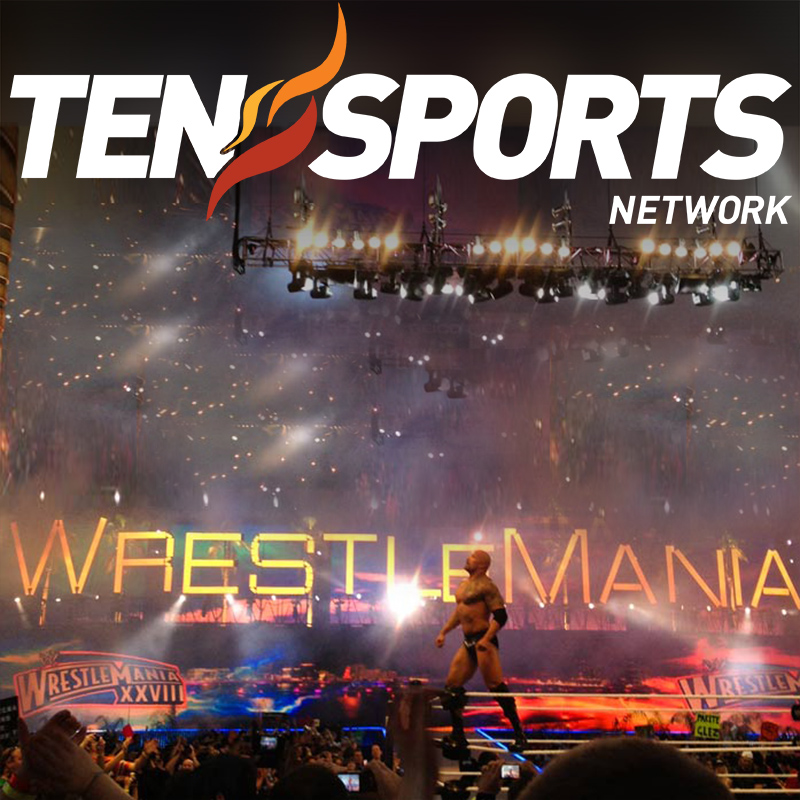
  • Ten Sports proposed sale: Biz acumen trumps emotions

    Ten Sports proposed sale: Biz acumen trumps emotions

    NEW DELHI: In business, emotions have importance, but they have to be weighed against the larger interest (of the company). This was Zee boss Subhash Chandra telling an eager journalist on the media beat for a business newspaper in the fag end of 90s after having just bought out Rupert Murdoch from three joint ventures in a cash-and-stock deal worth few shades less than $ 300 million.

    When an announcement came on 29 August 2016, almost 16 years and mega growth later, on the Bombay Stock Exchange from Zee Entertainment Enterprises Ltd (ZEEL) that in order to maximize shareholders returns, the company, while exploring various strategic options to start or exit businesses, is in an advanced stage of negotiations to sell off its sports business (carried out under the Ten Sports brand), it generated lot of hiccups all around. This despite the fact that the rumor about an impending sale had been going around for quite some time now.

    But to indiantelevision.com shedding off of a business that could — and is partially doing so, financial analysts opine — turn the company’s bottomline scarlet is classic Chandra. A risk taker to the core, he is equally quick to invest as he is to divest. Of course, at a price that makes sense. He has designed his group to be very bottom line focused and cut losses whenever things are not looking good.

    Though it could be argued that this time round the final call to exit the sports business in the face of rising content acquisition costs and inadequate proportionate revenues (India’s slow digitisation process has been hampering real-time growth in subscription earnings) must have been taken by Chandra’s eldest son helming ZEEL, Punit Goenka, a true chip off the old block.

    The speculated price for Ten Sports’ impending sale, acquired from its Dubai-based owner Abdul Rahman Bukhatir’s Taj Group in 2006, is around Rs 2,000 crore. The prospective buyer: Japan’s Sony group’s Sony Pictures Networks India (SPN India), presently headquartered in the US with its APAC head office in Singapore.

    If the Indian Premier League (IPL) cricket is now a phenomenon to reckon with in world sports, being compared with the likes of the money-spinning NBA, tennis and golf leagues, it had an ancestor in ICL (Indian Cricket League).

    Conceptualized by Zee with Chandra’s active backing, ICL in the mid-2000 era couldn’t flower like IPL, a property of the Indian cricket board. Reason: Zee and Chandra were on the wrong side of the Indian cricket bosses who refused to recognize ICL and also pressured the international cricket community to boycott it terming it an illegitimate affair. A lot of cloak and dagger followed with some associates and partners apparently letting him down as he sought to fulfill his passion and dream that sports television in India should be in the hands of Indians, rather than some foreign broadcasters as it is in other countries.

    And, then came Lalit Modi with his own blueprint for a cricket league about nine years back that’s now known as IPL and, along with Kaun Banega Crorepati (KBC), is one of the bigger revenue earners for the present broadcast rights holder SPN India. However, many argue that Modi simply polished Chandra’s ICL — an allegation that the now-banished Indian has always denied saying the IPL idea was much older than even ICL.

    ZEEL did make attempts to get the broadcast rights for the IPL too to boost revenues for its Ten Sports channels, but was out-batted and bowled by the Indian cricket bosses. Not to mention that in the meantime the acquisition cost of cricket rights related to anything Indian kept going north.

    In a cricket-crazy nation where advertisers pour in money in cricket (except probably the original domestic leagues like the Ranji and the Duleep Trophy that get much discounted rates from sponsors and broadcasters), Zee’s Ten Sports ventured out looking for cricket rights in places like Sri Lanka, Bangladesh, and Zimbabwe, which enthused sponsors less compared to, say, an India vs. Australia cricket series. Additionally, from time to time the Essel group announced that it would be putting together other cricket leagues, involving local Indian domestic teams or international ones. But apparently, that did not go well, either courtesy resistance from boards or the fact they ended up being commercially unviable.

    Though while announcing its financial results for the first quarter for FY 2017 ending June, Zee did mention that key properties on its sports channels during the April-June 2017 quarter included telecast of Zimbabwe vs. India cricket series, WI-Australia-SA cricket series, the UEFA Champions League football final and WWE among others. The sports business revenue in the first quarter of FY2017 was Rs 1,700 million, while the cost incurred in this quarter was Rs 1,529 million. Certainly a narrow gap that would tend to get narrower with former ally-turned-competitor Murdoch’s Star India investing aggressively in sports led by cricket rights.

    For Ten Sports to survive largely on properties that not only had limited appeal for viewers and, thus, Indian sponsors (considered one of the bigger spenders in the world of sports, especially cricket) it would have always been an uphill task. Despite a Tour de France here and US Open tennis there with some premium golf thrown in for good via a dedicated golf channel.

    In most countries, unlike India, the business of sports broadcasting thrives on monopoly or most duopoly. Like in the UK with Sky Sports or in the US with Fox Sports and ESPN (NBC does make an occasional splash in the US with mega sporting properties like the recent Olympics coverage) or in Australia with Fox and Channel Nine.

    In India, three players in the sports broadcasting business – actually there’s a fourth in Nimbus, but it has retreated to being a niche player with a few sports – was a tad too much. SPN India had been gradually curating its sports telecast properties over the past 10 years or so – of which of course the premier one was the mega spinner IPL – and had launched a couple of channels, with ambitions to launch more. And then came the blinder of an announcement that SPN India was marshalling forces and getting into bed with the global sports heavyweight ESPN as it made efforts to make a comeback into sports television in India. This followed the annulment of its Star-ESPN joint venture (meant specifically for Asia) and the necessary cooling off period post its divorce from Star about a couple of years back.

    A three-way fight for Indian viewers despite 153 million TV households and growing was always going to be tough when Star was splurging money on sporting properties and the now Sony-ESPN joint venture brought to the table the expertise and deep pockets of two global media conglomerates.

    With the kind of financial muscle these two media heavyweight gorillas bring, Goenka and Chandra probably thought it would not be okay just being a member of the pack. And in such a scenario, it clearly makes business sense to cut one’s losses and get out. And if emotions have no business to be in business, then Zee getting out of the sports business makes more sense. Still, it must have been a tough call for Chandra and Punit to cut the cord.

    However, the sale deed has yet to be signed – ZEEL informed the BSE that it is in advanced discussions to sell its sports business to potential buyer(s). The ball is in the hands of Sony Pictures Television worldwide networks boss Andy Kaplan, SPN India CEO NP Singh and of course the two main players out on the green – Subhash Chandra and Punit Goenka. Keep watching this space!

    (SPN India and Zeel have since announced that they had reached an agreement on the buyout of Ten Sports. Read the announcement by clicking on the link below)

    SPN India acquires ZEEL’s Ten Sports for USD 385 mn
    http://www.indiantelevision.com/television/tv-channels/gecs/spn-india-acquires-zeels-ten-sports-for-usd-385-mn-160831

  • Ten Sports proposed sale: Biz acumen trumps emotions

    Ten Sports proposed sale: Biz acumen trumps emotions

    NEW DELHI: In business, emotions have importance, but they have to be weighed against the larger interest (of the company). This was Zee boss Subhash Chandra telling an eager journalist on the media beat for a business newspaper in the fag end of 90s after having just bought out Rupert Murdoch from three joint ventures in a cash-and-stock deal worth few shades less than $ 300 million.

    When an announcement came on 29 August 2016, almost 16 years and mega growth later, on the Bombay Stock Exchange from Zee Entertainment Enterprises Ltd (ZEEL) that in order to maximize shareholders returns, the company, while exploring various strategic options to start or exit businesses, is in an advanced stage of negotiations to sell off its sports business (carried out under the Ten Sports brand), it generated lot of hiccups all around. This despite the fact that the rumor about an impending sale had been going around for quite some time now.

    But to indiantelevision.com shedding off of a business that could — and is partially doing so, financial analysts opine — turn the company’s bottomline scarlet is classic Chandra. A risk taker to the core, he is equally quick to invest as he is to divest. Of course, at a price that makes sense. He has designed his group to be very bottom line focused and cut losses whenever things are not looking good.

    Though it could be argued that this time round the final call to exit the sports business in the face of rising content acquisition costs and inadequate proportionate revenues (India’s slow digitisation process has been hampering real-time growth in subscription earnings) must have been taken by Chandra’s eldest son helming ZEEL, Punit Goenka, a true chip off the old block.

    The speculated price for Ten Sports’ impending sale, acquired from its Dubai-based owner Abdul Rahman Bukhatir’s Taj Group in 2006, is around Rs 2,000 crore. The prospective buyer: Japan’s Sony group’s Sony Pictures Networks India (SPN India), presently headquartered in the US with its APAC head office in Singapore.

    If the Indian Premier League (IPL) cricket is now a phenomenon to reckon with in world sports, being compared with the likes of the money-spinning NBA, tennis and golf leagues, it had an ancestor in ICL (Indian Cricket League).

    Conceptualized by Zee with Chandra’s active backing, ICL in the mid-2000 era couldn’t flower like IPL, a property of the Indian cricket board. Reason: Zee and Chandra were on the wrong side of the Indian cricket bosses who refused to recognize ICL and also pressured the international cricket community to boycott it terming it an illegitimate affair. A lot of cloak and dagger followed with some associates and partners apparently letting him down as he sought to fulfill his passion and dream that sports television in India should be in the hands of Indians, rather than some foreign broadcasters as it is in other countries.

    And, then came Lalit Modi with his own blueprint for a cricket league about nine years back that’s now known as IPL and, along with Kaun Banega Crorepati (KBC), is one of the bigger revenue earners for the present broadcast rights holder SPN India. However, many argue that Modi simply polished Chandra’s ICL — an allegation that the now-banished Indian has always denied saying the IPL idea was much older than even ICL.

    ZEEL did make attempts to get the broadcast rights for the IPL too to boost revenues for its Ten Sports channels, but was out-batted and bowled by the Indian cricket bosses. Not to mention that in the meantime the acquisition cost of cricket rights related to anything Indian kept going north.

    In a cricket-crazy nation where advertisers pour in money in cricket (except probably the original domestic leagues like the Ranji and the Duleep Trophy that get much discounted rates from sponsors and broadcasters), Zee’s Ten Sports ventured out looking for cricket rights in places like Sri Lanka, Bangladesh, and Zimbabwe, which enthused sponsors less compared to, say, an India vs. Australia cricket series. Additionally, from time to time the Essel group announced that it would be putting together other cricket leagues, involving local Indian domestic teams or international ones. But apparently, that did not go well, either courtesy resistance from boards or the fact they ended up being commercially unviable.

    Though while announcing its financial results for the first quarter for FY 2017 ending June, Zee did mention that key properties on its sports channels during the April-June 2017 quarter included telecast of Zimbabwe vs. India cricket series, WI-Australia-SA cricket series, the UEFA Champions League football final and WWE among others. The sports business revenue in the first quarter of FY2017 was Rs 1,700 million, while the cost incurred in this quarter was Rs 1,529 million. Certainly a narrow gap that would tend to get narrower with former ally-turned-competitor Murdoch’s Star India investing aggressively in sports led by cricket rights.

    For Ten Sports to survive largely on properties that not only had limited appeal for viewers and, thus, Indian sponsors (considered one of the bigger spenders in the world of sports, especially cricket) it would have always been an uphill task. Despite a Tour de France here and US Open tennis there with some premium golf thrown in for good via a dedicated golf channel.

    In most countries, unlike India, the business of sports broadcasting thrives on monopoly or most duopoly. Like in the UK with Sky Sports or in the US with Fox Sports and ESPN (NBC does make an occasional splash in the US with mega sporting properties like the recent Olympics coverage) or in Australia with Fox and Channel Nine.

    In India, three players in the sports broadcasting business – actually there’s a fourth in Nimbus, but it has retreated to being a niche player with a few sports – was a tad too much. SPN India had been gradually curating its sports telecast properties over the past 10 years or so – of which of course the premier one was the mega spinner IPL – and had launched a couple of channels, with ambitions to launch more. And then came the blinder of an announcement that SPN India was marshalling forces and getting into bed with the global sports heavyweight ESPN as it made efforts to make a comeback into sports television in India. This followed the annulment of its Star-ESPN joint venture (meant specifically for Asia) and the necessary cooling off period post its divorce from Star about a couple of years back.

    A three-way fight for Indian viewers despite 153 million TV households and growing was always going to be tough when Star was splurging money on sporting properties and the now Sony-ESPN joint venture brought to the table the expertise and deep pockets of two global media conglomerates.

    With the kind of financial muscle these two media heavyweight gorillas bring, Goenka and Chandra probably thought it would not be okay just being a member of the pack. And in such a scenario, it clearly makes business sense to cut one’s losses and get out. And if emotions have no business to be in business, then Zee getting out of the sports business makes more sense. Still, it must have been a tough call for Chandra and Punit to cut the cord.

    However, the sale deed has yet to be signed – ZEEL informed the BSE that it is in advanced discussions to sell its sports business to potential buyer(s). The ball is in the hands of Sony Pictures Television worldwide networks boss Andy Kaplan, SPN India CEO NP Singh and of course the two main players out on the green – Subhash Chandra and Punit Goenka. Keep watching this space!

    (SPN India and Zeel have since announced that they had reached an agreement on the buyout of Ten Sports. Read the announcement by clicking on the link below)

    SPN India acquires ZEEL’s Ten Sports for USD 385 mn
    http://www.indiantelevision.com/television/tv-channels/gecs/spn-india-acquires-zeels-ten-sports-for-usd-385-mn-160831
  • Shopmatic helps SMEs and individual entrepreneurs in APAC

    Shopmatic helps SMEs and individual entrepreneurs in APAC

    MUMBAI: Shopmatic, a Singapore-based e-commerce company providing a platform for any merchant to take their business online, has joined hands with leading e-commerce marketplaces like Amazon, eBay, Lazada. The alliance will seamlessly enable Shopmatic merchants in Singapore to develop their own webstores for a global presence and sell their products or services on these marketplaces in a convenient, hassle-free manner.

    A financial and business management hub, Singapore provides a strong digital infrastructure with the highest internet penetration in Southeast Asia. Industry analysts estimate that three out of every four residents in the country will use the internet at least once a month [1], a figure well above that for any other country in the region. The platform is focused on helping not only the small and medium businesses of the Asian countries to find their feet in the online world, but also give these firms global exposure.

    Commenting on this alliance Shopmatic CEO Anurag Avula said, “As a global e-commerce company, our primary focus is to empower merchants and individual business owners with an online platform which can help them in reaching out to a bigger audience and boost their business through greater speed and efficiency. By tying up with these successful e-commerce powerhouses, we are enabling our user base in Singapore to leverage the penetration and popularity of these portals and gain instant access to millions of customers across the globe. Meanwhile, they will also continue enjoying the benefits of being enlisted on our platform that provides them with an entire ecosystem to grow their business in the virtual world.”

    Shopmatic has established partnerships with numerous international and local companies in order to make it easier for its users to sell online. Recently, Shopmatic signed deals with global online payments giant PayPal to enable its merchants in expanding their sales across the globe. On the logistics front, Shopmatic has made strategic partnerships with local and global logistics players like Delhivery and Aramex. These tie-ups have been instrumental in helping individual entrepreneurs manage everything that is required to let their business grow, including exposing them to international markets with the help of Shopmatic’s global footprint.

  • Shopmatic helps SMEs and individual entrepreneurs in APAC

    Shopmatic helps SMEs and individual entrepreneurs in APAC

    MUMBAI: Shopmatic, a Singapore-based e-commerce company providing a platform for any merchant to take their business online, has joined hands with leading e-commerce marketplaces like Amazon, eBay, Lazada. The alliance will seamlessly enable Shopmatic merchants in Singapore to develop their own webstores for a global presence and sell their products or services on these marketplaces in a convenient, hassle-free manner.

    A financial and business management hub, Singapore provides a strong digital infrastructure with the highest internet penetration in Southeast Asia. Industry analysts estimate that three out of every four residents in the country will use the internet at least once a month [1], a figure well above that for any other country in the region. The platform is focused on helping not only the small and medium businesses of the Asian countries to find their feet in the online world, but also give these firms global exposure.

    Commenting on this alliance Shopmatic CEO Anurag Avula said, “As a global e-commerce company, our primary focus is to empower merchants and individual business owners with an online platform which can help them in reaching out to a bigger audience and boost their business through greater speed and efficiency. By tying up with these successful e-commerce powerhouses, we are enabling our user base in Singapore to leverage the penetration and popularity of these portals and gain instant access to millions of customers across the globe. Meanwhile, they will also continue enjoying the benefits of being enlisted on our platform that provides them with an entire ecosystem to grow their business in the virtual world.”

    Shopmatic has established partnerships with numerous international and local companies in order to make it easier for its users to sell online. Recently, Shopmatic signed deals with global online payments giant PayPal to enable its merchants in expanding their sales across the globe. On the logistics front, Shopmatic has made strategic partnerships with local and global logistics players like Delhivery and Aramex. These tie-ups have been instrumental in helping individual entrepreneurs manage everything that is required to let their business grow, including exposing them to international markets with the help of Shopmatic’s global footprint.

  • Ad Club Bangalore receives 1200 entries for Big Bang Awards 2016

    Ad Club Bangalore receives 1200 entries for Big Bang Awards 2016

    MUMBAI: The Advertising Club, Bangalore has received a record number of entries for Big Bang Awards this year. A total of 1200 entries were received making it the highest number of entries received in last 20 years. Keeping in mind the changing media scenario, many categories have been added this year especially in the digital, strategy and data spaces.

    “The response we received this year is unprecedented and we are all gearing up for putting up a great event for our prestigious annual award night”, said Sanchayeeta Verma, President of Ad Club Bangalore.

    “The Big Bang Awards, is unique as it is fully online from its entry to judging stage. This enables both, people from across cities to participate and judges from across the country and APAC to evaluate the entries”, Verma further added.

    Malavika Harita, former President and Chairperson of The Big Bang Awards Committee, said “We have put together a jury of over 75 eminent people drawn from Creative, Media, PR, Marketing, Advertising, Reasearch and Healthcare, to judge the record number of entries received this year. We have been conducting the Big Bang Awards for over 20 years now, without ever courting a controversy.”

    Arvind Kumar, Executive Director of the Bangalore Advertising Club for the past 10 years, said “There would be a panel of judges for each category, who would judge the entries over a span of a week, online, according to pre-set criteria. The entire technology back end is managed by Global Best Awards, USA, for the fourth year in a row. The entire system is very transparent because all entries have a computer generated unique id which does not reveal the agency or entrant name. The panel of judges do not know who the other judges are in their group. This a very robust and well oiled system that we follow and is unique to our club.”

    The Big Bang Awards Event will be held in Bangalore on September 23rd and entry is by invitation only. For further details, log on toww.adclubbangalore.net .

    Visit our Facebook page The Ad Club Bangalore and follow us on Twitter @the adclubBangalore

  • Ad Club Bangalore receives 1200 entries for Big Bang Awards 2016

    Ad Club Bangalore receives 1200 entries for Big Bang Awards 2016

    MUMBAI: The Advertising Club, Bangalore has received a record number of entries for Big Bang Awards this year. A total of 1200 entries were received making it the highest number of entries received in last 20 years. Keeping in mind the changing media scenario, many categories have been added this year especially in the digital, strategy and data spaces.

    “The response we received this year is unprecedented and we are all gearing up for putting up a great event for our prestigious annual award night”, said Sanchayeeta Verma, President of Ad Club Bangalore.

    “The Big Bang Awards, is unique as it is fully online from its entry to judging stage. This enables both, people from across cities to participate and judges from across the country and APAC to evaluate the entries”, Verma further added.

    Malavika Harita, former President and Chairperson of The Big Bang Awards Committee, said “We have put together a jury of over 75 eminent people drawn from Creative, Media, PR, Marketing, Advertising, Reasearch and Healthcare, to judge the record number of entries received this year. We have been conducting the Big Bang Awards for over 20 years now, without ever courting a controversy.”

    Arvind Kumar, Executive Director of the Bangalore Advertising Club for the past 10 years, said “There would be a panel of judges for each category, who would judge the entries over a span of a week, online, according to pre-set criteria. The entire technology back end is managed by Global Best Awards, USA, for the fourth year in a row. The entire system is very transparent because all entries have a computer generated unique id which does not reveal the agency or entrant name. The panel of judges do not know who the other judges are in their group. This a very robust and well oiled system that we follow and is unique to our club.”

    The Big Bang Awards Event will be held in Bangalore on September 23rd and entry is by invitation only. For further details, log on toww.adclubbangalore.net .

    Visit our Facebook page The Ad Club Bangalore and follow us on Twitter @the adclubBangalore