Tag: Anurag Kashyap

  • Netflix announces new Indian original film ‘Lust Stories’

    Netflix announces new Indian original film ‘Lust Stories’

    MUMBAI: In order to connect more with Indian audiences, over the top (OTT) giant Netflix has announced the premiere of another original film for India after the huge success of Love Per Square Foot. The new title Lust Stories is directed by the prominent faces of industry, Zoya Akhtar, Karan Johar, Anurag Kashyap, and Dibakar Banerjee.

    Lust Stories laces four short films that deal with real life relationships in modern India each directed by one of the names above. It has a stellar cast from the Indian film industry including actors such as Radhika Apte, Manisha Koirala, Vicky Kaushal, Bhumi Pednekar and Kiara Advani.

    For this venture, Netflix has again collaborated with Ronnie Screwvala’s RSVP as producer in association with Ashi Dua of Flying Unicorn Entertainment.

    “I’m really excited and proud to have been able to do this with Ronnie Screwvala and the four most exciting and exuberant filmmakers in India on a platform that not only gives us the liberty to tell the stories exactly the way we want to, but also tell them to people from countries and cultures that are vastly different from ours. The artist and the aesthetes all connected through the language of films,” said Dua.

    Netflix is banking on Indian content being its gateway to the hearts of the people. Another original Sacred Games is set to release on 6 July. All the Indian originals will be available globally increasing the scope of Indian talent to reach a wide audience worldwide.

    Also Read :

    Netflix announces 3 new India originals

    Netflix and YG Entertainment to launch YG future strategy office Bigbang’s Seungri


  • Women filmmakers’ northeast works to be highlighted at India fest in NY

    Women filmmakers’ northeast works to be highlighted at India fest in NY

    NEW DELHI: Three films from northeast India and a special focus on films made by women filmmakers will be the highlights of the second edition of the India Kaleidoscope Film Festival (IKFF) to be held in New York next month. The festival is being presented by the Museum of the Moving Image (MOMI) and The India Centre Foundation (ICF) from 9 to 12 November 2017.

    Drishyam Films’ Kadvi Hawa directed by Nila Madhab Panda will open the festival and it will close with Director Prakash Kunte’s Cycle. Actor-turned-produced Priyanka Chopra’s Pahuna and Anurag Kashyap’s Mukkabaaz will also feature at the festival.

    The films to be screened will explore the most relevant and pressing topics facing the subcontinent, are being made by today’s most progressive filmmakers working in regional languages. This year, India Kaleidoscope will span seven different regional Indian languages and include new programming initiatives that bring independent regional Indian cinema to an even wider audience.

    The India Centre Foundation Founding Director Priya Giri Desai said “It is an honour to offer these cinematic works to the film-going community and to give exposure to new sights, sounds and languages from across the Indian subcontinent.”

    Museum of the Moving Image Chief Curator David Schwartz said, “India Kaleidoscope, in just its second year, is already making a great impact as a showcase for the incredible diversity of Indian cinema, with its focus on artistic and independent films from the many regions of this sprawling, culturally rich country.”

    “Indian cinema today is independent and regional language cinema, and these films represent the best and most exciting work from the country. We are thrilled to present this eclectic and wholly original selection of films and filmmakers to the New York and US audience,” said Sudeep Sharma, Festival Programmer.

    India Kaleidoscope Film Festival 2017 will screen eight feature films, seven of which will be US or North American premieres. Most of the films will feature directors in person, and a major chunk of the programming lineup feature films directed by women filmmakers.

    In an effort to expand IKFF to wider audiences, this year’s closing night screening will be held at the SAG-AFTRA Foundation Theatre in Manhattan. All films will be screened with English subtitles.

    The IKFF 2017 programming committee includes Priya Giri Desai (The India Center Foundation), Ashok Sinha (The India Center Foundation), Priyadarshini Shanker (NYU Cinema Studies), Anupama Kapse (Loyola Marymount), Tristine Skyler (Writer and Producer), Ritesh Mehta (Film Independent) and Sudeep Sharma (Film Programmer); with additional programming support from Uma da Cunha and Christina Marouda (Museum of the Moving Image, IFFLA).

    The films are: Kadvi Hawa in Hindi stars Sanjay Mishra, Ranvir Shorey, and Tillotama Shome;  Mukkabaaz in Hindi has Vineet Kumar Singh, Zoya Hussain, and Jimmy Shergill; Sonar Baran Pakhi by director Bobby Sarma Baruah in Rajbangshi stars Pranami Borah, Arati Barua, and Pranjal Saikia; Prakasan by Director Bash Mohammed stars Dinesh Prabhakar, and Laya Krishna; Pahuna by director Paakhi Tyrewala in Sikkimese stars Ishika Gurung, Anmoul Limboo, and Manju KC Nanu; and Cycle by director: Prakash Kunte in Marathi stars Hrishikesh Joshi, Priyadarshan Jadhav, and Bhalachandra Kadam.

    The documentaries are Up Down And Sideways (Kho ki pa lü) by directors Anushka Meenakshi and Iswar Srikumar in Chokri on rice cultivators, and Last Days. Last Shot by director Sumira Roy in Hindi/Bengali/Bhojpuri on how Life and death co-exist every day on the banks of the Ganges in Varanasi.

    ALSO READ :

    Maiden Indian film fest in Poland honours Koirala, Mittra

    Two internationally renowned Indian films get country premiere at MAMI

    NY Indian Filmfest: ‘Mukti Bhawan’ is best feature, short on  Kejriwal is best docu

    L’Oreal Paris ambassadors brighten red carpet at Cannes Film Festival


  • FICCI Frames: Bridging the gap between story-tellers & industry veterans

    MUMBAI: An initiative started in 2015, to bridge the gap between the media and entertainment industry experts and the storytellers, Frame Your Idea (FYI) is back once again for its third edition. It will be taking place simultaneously with FICCI FRAMES 2017, from 21 March to 23 March 2017 at  Renaissance Powai, Mumbai.

    At the aforementioned event, anyone with a content idea, story or screenplay for a film / TV / digital web series / show / animation / documentary can register, turn up and pitch it within 10 minutes, to the right people in the business. If one has finished content that may be under post-production or seeking distribution, that can be pitched too.

    The 2017 edition of FYI is also empowered by the Screenwriters Association, Mumbai.

    Previous credits to this event are quite a few as well. Anurag Kashyap’s next (unannounced) is a script written by journalist turned writer Nihit Bhave which Phantom Films found at FYI 2015. Rakyesh Omprakash Mehra’s ROMP and Disney India found scripts at FYI 2015. Eros Trinity pictures found writers to hire for its writers’ room at FYI 2016.

    Read detailed story here

    “Frame Your Idea is a unique platform that interfaces young talent and bright idea with producers, broadcasters and content buyers on an unprecedented scale. I would urge all the  creators, illustrators, writers and storytellers to come and pitch your next big idea at Frame Your Idea at FICCI FRAMES 2017,” said FICCI AVGC Forum, co-chairman, Munjal Shroff.

    FYI 2016 witnessed the attendance of over 70 production houses, studios, broadcasters, content commissioners. Over 300 participants pitched in the categories of film, tv, nished content, digital, animation and documentary. Over 3000 meetings took place over the course of three days, between content creators and content idea owners.

    Here are the categories of content at FYI 2017 that one can pitch for:

    – Film TV
    – Digital/web series
    – Animation
    – Documentary
    – Finished Content

    FYI lists commissioners / broadcasters / producers on its webpage and calls for entries (cci-frames.com/fyi). Applicants who register, provide their producer preference list and get allotted meetings by an automated system on a first-come-first served basis.

    On the day of the event, participants are handed a schedule sheet for their meetings based on which they meet the producers for 10 minutes each; that they have opted for during registration.


  • Intriguing social drama ‘Gulaal’ premieres today

    MUMBAI: Bollywood has seen a plethora of films based on state politics, but there has never been a narrative as startling as ‘Gulaal’. Boasting of superlative performances, this film directed by Anurag Kashyap cuts through the layers of grass-root politics situated in the regions from Rajasthan to Bihar. Zee Classic with its brand promise of Woh Zamana Kare Deewana, will premiere ‘Gulaal’ in India’s Finest Films on Friday, 3 March, at 10pm.

    ‘Gulaal’ revolves around a central god-like leader, illegitimate methods of conducting politics, folk songs heartily sung by Rekha Bharadwaj and strong noteworthy performances by Kay Kay Menon, Mahie Gill, Raj Singh Chaudhary, Jesse Randhawa, Piyush Mishra and a climax that is sure to give goosebumps! The film took seven long years of wait and relentless struggle by Anurag Kashyap to make it happen. It is highly credited for its compelling storytelling and dark themed narrative.

    Dilip Singh (Raj Singh Chaudhary), a soft-spoken man comes to Rajasthan to study law. Due to the lack of hostel occupancy, he is forced to stay with an unstable man Rananjay Singh (Abhimanyu Singh). During his constant attempts to relocate, Dilip encounters a room-full of men who torture and abuse him. He is then locked up in a room with a lady (Jesse Randhawa). Dilip partners with Rananjay and Dukey Bana (Kay Kay Menon) to plan to take revenge on the people who humiliated him. Dukey Bana is a local uncrowned monarch who was contesting for the forthcoming university elections. Murders, bloodshed and conniving tactics to get to the top is what forms the rest of the film.

  • Period films don’t work in India

    MUMBAI: Period films, whether fantasy or based on real events, don’t work in India. They usually spell disaster at the box office. Rangoon adds to the list of recent disasters like Pankaj Kapur’s Mausam (2011), Kunal Kohli’s Teri MeriKahaani (2012) and Anurag Kashyap’s Bombay Velvet (2015). Just when one thought Kashyap’s indulgence called Bombay Velvet was the ultimate disaster at the box office, Rangoon has come as the bigger one.

    The other day, Rangoon director Vishal Bhardwaj stated on a TV show that he had no clue about World War II having been fought on an Indian border and yet he decided to make this film? It was okay to do that if one was making a fantasy but not a period film from a chapter from the history as huge as World War II!

    *Rangoon opened on 24 February, a general holiday for Mahashivratri. The holiday could not in any way help the film generate a decent opening response. In fact, it was pathetic opening of five crore.

    There was no sign of Saturday adding anything much as the film remained stagnant while the Sunday collections hovering at same levels with nil improvement.

    The film ended its first weekend with a tally of Rs 14.5 crore.

    The film may not even recover its cost on print and promotion, proving to be a total disaster.

    *The Attack On Ghazi, a film on the 1971 war of the Indian Navy drowning the powerful Pakistan Navy submarine, Ghazi, is appreciated but not enough to make its mark on the box office. The film collects Rs 11.4 crore from its Hindi version in its first week. The film may gain some more patronage as the week’s release, Rangoon, is poor.

    *Running Shaadi is poor, just managing to cross a crore mark in its first week with a figure of Rs 1.5 crore.

    *Irada, despite the presence of Naseeruddin Shah and Arshad Warsi in the cast, fails to get footfalls and falls short of one crore mark in its first week raking in just about Rs 90 lakh!

    *Jolly LLB seems to be making the most of poor oppositions despite being a mediocre film, especially compared to the first version. The brand equity of the title and Akshay Kumar in the lead have helped the film sustain. The film has added a good Rs 23.8 crore in its second week taking its two week total to Rs 95.9 crore. However, the film still needs to hold its own to emerge as an earning film.

    *Raees adds Rs 20 lakh in its fourth week to take its four week total to Rs 130.6 crore.

    *Kaabil collects Rs 50 lakh in its fourth week to take its four week total to Rs 92.7 crore.

    *Dangal has added another Rs 20 lakh to its total in its ninth week taking its nine week total to Rs 388.1 crore.

  • ’17-18: Eros Media to produce 50 films in multiple languages

    ’17-18: Eros Media to produce 50 films in multiple languages

    MUMBAI: Eros International Plc, a leading global company in the Indian film entertainment industry, has announced that its majority-owned subsidiary, Eros International Media Limited, released its film production lineup for 2017-18.

    Eros International Media plans to produce over 50 films across multiple languages, making it the largest slate by any Indian studio this year, offering a diversified slate of marquee and content-driven films. In addition to this strong production slate, the Company will also continue to selectively acquire content on an opportunistic basis, according to a Business Wire release in the U.K.

    The company has ramped up its own productions with an exciting lineup under development, encompassing a significant number of releases across budgets, genres and languages through key partnerships. These partnerships include talented producer-director, Aanand L Rai and their joint production entity Colour Yellow Production, NextGen Films and Trinity Pictures, Eros’ in-house franchise label.

    Eros International Media managing director Sunil Lulla said, “We are delighted to collaborate with some of the best creative forces in the business and build a strong portfolio of films. We continue to see great opportunity in nurturing talent, creating IP in-house and remain focused on delivering our promise to provide wholesome entertainment to audiences with the right mix of popular and content driven cinema”.

    Following the critical and commercial successes of Raanjhanaa, Tanu Weds Manu Returns, Nil Battey Sannata and Happy Bhag Jayegi, Eros continues its association with Aanand L Rai and will roll out eight more titles with Colour Yellow which include Rai’s directorial venture starring Shah Rukh Khan, a quirky romantic comedy Shubh Mangal Savdhaan by south director RS Prasanna and two films, Mukkebaz and Manmarziyaan, will be helmed by Anurag Kashyap and Rahul Sankalya’s Nimmo. Following the success of Happy Bhag Jayegi, director Mudassar Aziz will reunite on a film he will direct along with another interesting collaboration with Navdeep Singh (of NH10 and Manorama Six Feet Under fame) for a project that is currently in the scripting stage. Additionally, a Malayalam film Moothon starring Nivin Pauly that Rai will be co-producing with Ajay Rai and Alan McAlex, to be directed by Geetu Mohandas, who’s last film Liar’s Dice was India’s official entry at the 87th Academy Awards is also in the pipeline from the banner.

    Aanand L Rai said, “Eros and Colour Yellow share an amazing synergy which reflects in the kind of films we make together, showcasing Indian ethos that touch hearts. What makes this association special is how, as partners, the teams bond and celebrate each project together.”

    Eros’ new slate also boasts of five films in association with NextGen Films, namely the blockbuster actor-director duo—Tiger Shroff and Sabbir Khan’s action-packed musical Munna Michael, Sushant Singh Rajput’s space odyssey Chandamama Door Ke, directed by Sanjay Puran Singh and directors Rahul Dholakia and Sabbir Khan’s next projects along with another project titled Make in India to be announced soon.

    Director Rahul Dholakia adds, “Eros and NextGen are very established film companies and I am looking forward to partnering with them in my next venture.”

    Trinity Pictures, the company’s visionary venture and in-house franchise label has five franchises across new and diverse genres lined up in the next couple of years— a spy-superhero film, Sniff directed by Amole Gupte, a live action bilingual (Hindi and Tamil) elephant film to be directed by multiple award winning Tamil director, Prabhu Solomon, ace director Krish’s buddy cop film which will be shot in Hindi and Tamil simultaneously, featuring popular lead actors from both South and Bollywood and two Indo-China co-productions, a first for any Indian studio—Kabir Khan’s travel drama and Siddharth Anand’s cross-cultural romantic comedy.

    “It’s exciting to jointly develop the Indo-China project with Eros and I hope we create new milestones together. This project will reach out to a much wider audience, new geographies and territories opening up the fastest growing film market of the world, China”, added director Kabir Khan.

    Also Read:


  • ’17-18: Eros Media to produce 50 films in multiple languages

    ’17-18: Eros Media to produce 50 films in multiple languages

    MUMBAI: Eros International Plc, a leading global company in the Indian film entertainment industry, has announced that its majority-owned subsidiary, Eros International Media Limited, released its film production lineup for 2017-18.

    Eros International Media plans to produce over 50 films across multiple languages, making it the largest slate by any Indian studio this year, offering a diversified slate of marquee and content-driven films. In addition to this strong production slate, the Company will also continue to selectively acquire content on an opportunistic basis, according to a Business Wire release in the U.K.

    The company has ramped up its own productions with an exciting lineup under development, encompassing a significant number of releases across budgets, genres and languages through key partnerships. These partnerships include talented producer-director, Aanand L Rai and their joint production entity Colour Yellow Production, NextGen Films and Trinity Pictures, Eros’ in-house franchise label.

    Eros International Media managing director Sunil Lulla said, “We are delighted to collaborate with some of the best creative forces in the business and build a strong portfolio of films. We continue to see great opportunity in nurturing talent, creating IP in-house and remain focused on delivering our promise to provide wholesome entertainment to audiences with the right mix of popular and content driven cinema”.

    Following the critical and commercial successes of Raanjhanaa, Tanu Weds Manu Returns, Nil Battey Sannata and Happy Bhag Jayegi, Eros continues its association with Aanand L Rai and will roll out eight more titles with Colour Yellow which include Rai’s directorial venture starring Shah Rukh Khan, a quirky romantic comedy Shubh Mangal Savdhaan by south director RS Prasanna and two films, Mukkebaz and Manmarziyaan, will be helmed by Anurag Kashyap and Rahul Sankalya’s Nimmo. Following the success of Happy Bhag Jayegi, director Mudassar Aziz will reunite on a film he will direct along with another interesting collaboration with Navdeep Singh (of NH10 and Manorama Six Feet Under fame) for a project that is currently in the scripting stage. Additionally, a Malayalam film Moothon starring Nivin Pauly that Rai will be co-producing with Ajay Rai and Alan McAlex, to be directed by Geetu Mohandas, who’s last film Liar’s Dice was India’s official entry at the 87th Academy Awards is also in the pipeline from the banner.

    Aanand L Rai said, “Eros and Colour Yellow share an amazing synergy which reflects in the kind of films we make together, showcasing Indian ethos that touch hearts. What makes this association special is how, as partners, the teams bond and celebrate each project together.”

    Eros’ new slate also boasts of five films in association with NextGen Films, namely the blockbuster actor-director duo—Tiger Shroff and Sabbir Khan’s action-packed musical Munna Michael, Sushant Singh Rajput’s space odyssey Chandamama Door Ke, directed by Sanjay Puran Singh and directors Rahul Dholakia and Sabbir Khan’s next projects along with another project titled Make in India to be announced soon.

    Director Rahul Dholakia adds, “Eros and NextGen are very established film companies and I am looking forward to partnering with them in my next venture.”

    Trinity Pictures, the company’s visionary venture and in-house franchise label has five franchises across new and diverse genres lined up in the next couple of years— a spy-superhero film, Sniff directed by Amole Gupte, a live action bilingual (Hindi and Tamil) elephant film to be directed by multiple award winning Tamil director, Prabhu Solomon, ace director Krish’s buddy cop film which will be shot in Hindi and Tamil simultaneously, featuring popular lead actors from both South and Bollywood and two Indo-China co-productions, a first for any Indian studio—Kabir Khan’s travel drama and Siddharth Anand’s cross-cultural romantic comedy.

    “It’s exciting to jointly develop the Indo-China project with Eros and I hope we create new milestones together. This project will reach out to a much wider audience, new geographies and territories opening up the fastest growing film market of the world, China”, added director Kabir Khan.

    Also Read:


  • TV is story-teller’s new novel; audience is Bharat, not India: Star’s Banerjee

    TV is story-teller’s new novel; audience is Bharat, not India: Star’s Banerjee

    MUMBAI: Since five to six years, television has become the talking point. Th series such as ‘Breaking Bad’ to Transparent to Narcos to ‘Game of Thrones’ to 24, and now POW (Prisoners of Wars) has changed the experience of television viewing.

    Filmmakers nationally and internationally are now getting into television. Abhinay Deo who has done 24, Anurag Kashyap (Yudh), Anurag Basu( Rabindranath Series) and Nikkhil Adavni (POW) are getting into multi-series television shows.

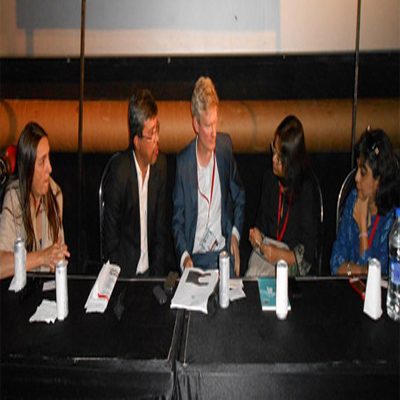
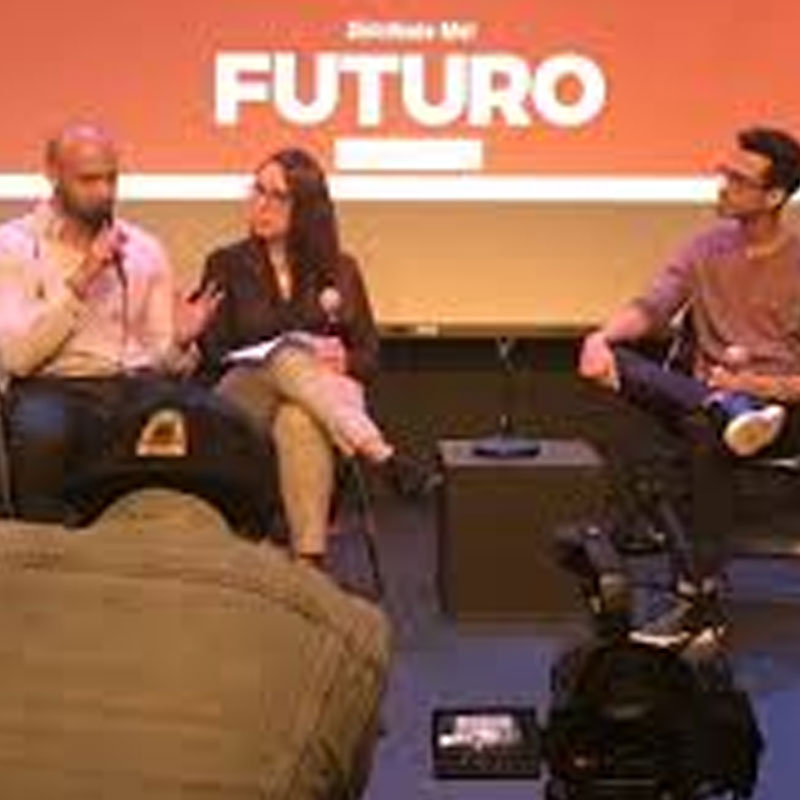
    In a panel discussion on ‘Evolution of Storytelling on Television’ at ‘JIO Mami Mumbai Film Festival with Star’, the question of the hour was — Why all of a sudden television has become more important? The scale and scope for a nuanced story-telling on television, higher reach and inclusive nature of television vis-à-vis films, how TV entertains not just India but Bharat. How television impacts the lives of viewers directly and stimulates change in individuals and society at large?

    And, who could better address this question than those who dabbled in the television space, the likes of — the Israeli writer and director Gideon Raff, the American filmmaker Cary Fukunaga, the Star India content studio head Gaurav Banerjee and the Indian filmmaker and director Nikkhil Advani.

    The session was moderated by Y-Films content and development head Nikhil Taneja. Taneja raised a question to the panellists: Why television has become more important all of a sudden?

    “I don’t know what’s happening worldwide but, in the United States, there has been probably a dearth of mid-range budget dramatic stories which are niche, and I think people were attracted to such stories, and there is an opportunity to tell such stories on television,” says Fukunaga.

    Raff adds, “There is a lack of scope for adult stories told in cinema nowadays. It’s harder and harder to tell stories in our way in cinema, and so, I think, a lot of such stories came to television.”

    While Banerjee believes that television is the new novel, and therefore a lot of stories which need to be told in a scheduled timeframe where graphs need to be longer is only possible on television. Also, television remains the medium for writers, and creative directors. “Television audience is larger, and they give more and more opportunity to get our crafts right whereas, I think, in film business, it is more of a first day, a first look (game), and therefore it has gone into the marketer’s domain,” opined Banerjee.

    public://Amrita-Puri-Nikkhil-Advani-Sandhya-Mridul_0.jpg
    Amrita Puri, Nikkhil Advani and Sandhya Mridul

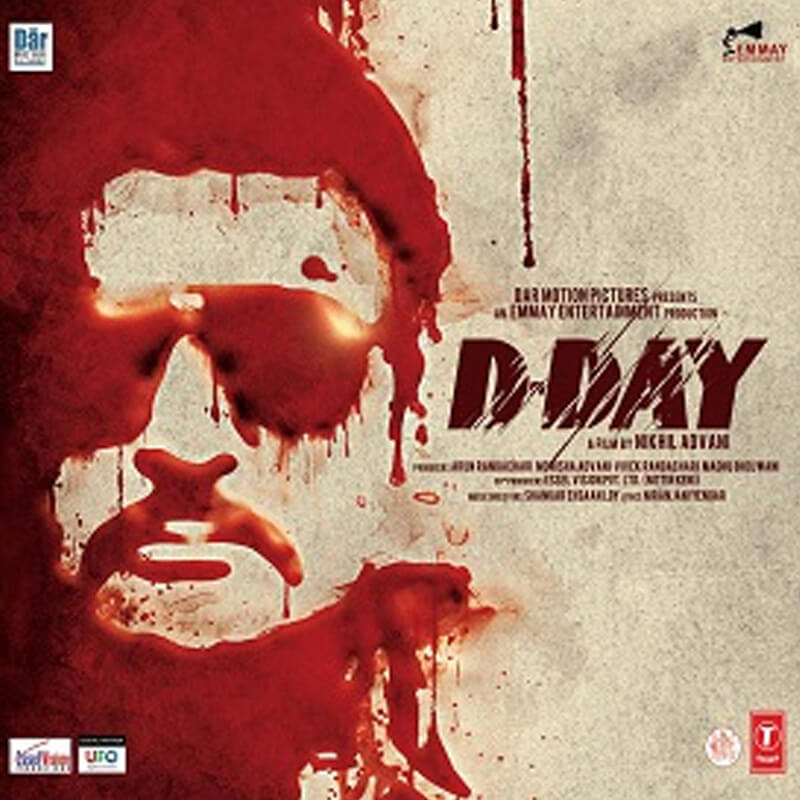
    Advani, who recently forayed into television production with the Indian adaptation of ‘Prisoners of War’, recalls, “I approached it with a lot of skepticism when Star approached me. I did ‘D-Day’ and it was difficult film for me, and after the launch, everybody was saying that why don’t you make the D-Day part 2? So, a leading channel in Hindi GEC space wanted to do something similar, and they came to me with Hatufim. If you were on such a story with an amazing team, then why we shouldn’t come to television?”

    Before Ekta Kapoor came to television, the Indian women did not hold the remote control of a television set, which were controlled by men. After Ekta’s serial came in with women as the protagonist, the remote travelled to women. Somewhere, it empowered women in India. “How does television impact the lives of viewers directly and stimulates change in individuals and society at large?,” asked Taneja.

    Banerjee said that a study on television in India was done by two professors from University of Chicago in which they surveyed rural India, and researched the early time of satellite television. At that point in time, Ekta Kapoor was making around 47 of the top 50 shows. “There were women who were taking charge for the first time of their destiny,” he said.

    “For a large part of our county, we are talking to Bharat, and not to India. In Bharat, the experience in television viewing is new. There, a storyteller such as Ekta or shows such as ‘Diya Aur Baati Hum’ is changing destinies. A lot of comment has been made on ‘Naagin’ and ‘Bharamraskhas’. “I have nothing to do with these shows as they are not on my network, but nobody’s sleep has been affected more than mine with the normal success of these shows. If you want to tell a fantasy story around a snake, there is no problem with that. In the west, they have Twilight and you too have the ‘Game of Thrones’. Yes, I do have a problem with a lot of regressive content but that doesn’t happen on TV screen alone; that happens in news channels and in a lot of movies made in India,” opined Banerjee.

    You work with your story the way you want, your actors are not determined with what Friday Box Office is going to be like. For long formats on television, one can explore characters and graphs, but it’s not that the films are not fun. Its important to tell a story, and films and television are the media for reaching out to the masses.


  • TV is story-teller’s new novel; audience is Bharat, not India: Star’s Banerjee

    TV is story-teller’s new novel; audience is Bharat, not India: Star’s Banerjee

    MUMBAI: Since five to six years, television has become the talking point. Th series such as ‘Breaking Bad’ to Transparent to Narcos to ‘Game of Thrones’ to 24, and now POW (Prisoners of Wars) has changed the experience of television viewing.

    Filmmakers nationally and internationally are now getting into television. Abhinay Deo who has done 24, Anurag Kashyap (Yudh), Anurag Basu( Rabindranath Series) and Nikkhil Adavni (POW) are getting into multi-series television shows.

    In a panel discussion on ‘Evolution of Storytelling on Television’ at ‘JIO Mami Mumbai Film Festival with Star’, the question of the hour was — Why all of a sudden television has become more important? The scale and scope for a nuanced story-telling on television, higher reach and inclusive nature of television vis-à-vis films, how TV entertains not just India but Bharat. How television impacts the lives of viewers directly and stimulates change in individuals and society at large?

    And, who could better address this question than those who dabbled in the television space, the likes of — the Israeli writer and director Gideon Raff, the American filmmaker Cary Fukunaga, the Star India content studio head Gaurav Banerjee and the Indian filmmaker and director Nikkhil Advani.

    The session was moderated by Y-Films content and development head Nikhil Taneja. Taneja raised a question to the panellists: Why television has become more important all of a sudden?

    “I don’t know what’s happening worldwide but, in the United States, there has been probably a dearth of mid-range budget dramatic stories which are niche, and I think people were attracted to such stories, and there is an opportunity to tell such stories on television,” says Fukunaga.

    Raff adds, “There is a lack of scope for adult stories told in cinema nowadays. It’s harder and harder to tell stories in our way in cinema, and so, I think, a lot of such stories came to television.”

    While Banerjee believes that television is the new novel, and therefore a lot of stories which need to be told in a scheduled timeframe where graphs need to be longer is only possible on television. Also, television remains the medium for writers, and creative directors. “Television audience is larger, and they give more and more opportunity to get our crafts right whereas, I think, in film business, it is more of a first day, a first look (game), and therefore it has gone into the marketer’s domain,” opined Banerjee.

    public://Amrita-Puri-Nikkhil-Advani-Sandhya-Mridul_0.jpg
    Amrita Puri, Nikkhil Advani and Sandhya Mridul

    Advani, who recently forayed into television production with the Indian adaptation of ‘Prisoners of War’, recalls, “I approached it with a lot of skepticism when Star approached me. I did ‘D-Day’ and it was difficult film for me, and after the launch, everybody was saying that why don’t you make the D-Day part 2? So, a leading channel in Hindi GEC space wanted to do something similar, and they came to me with Hatufim. If you were on such a story with an amazing team, then why we shouldn’t come to television?”

    Before Ekta Kapoor came to television, the Indian women did not hold the remote control of a television set, which were controlled by men. After Ekta’s serial came in with women as the protagonist, the remote travelled to women. Somewhere, it empowered women in India. “How does television impact the lives of viewers directly and stimulates change in individuals and society at large?,” asked Taneja.

    Banerjee said that a study on television in India was done by two professors from University of Chicago in which they surveyed rural India, and researched the early time of satellite television. At that point in time, Ekta Kapoor was making around 47 of the top 50 shows. “There were women who were taking charge for the first time of their destiny,” he said.

    “For a large part of our county, we are talking to Bharat, and not to India. In Bharat, the experience in television viewing is new. There, a storyteller such as Ekta or shows such as ‘Diya Aur Baati Hum’ is changing destinies. A lot of comment has been made on ‘Naagin’ and ‘Bharamraskhas’. “I have nothing to do with these shows as they are not on my network, but nobody’s sleep has been affected more than mine with the normal success of these shows. If you want to tell a fantasy story around a snake, there is no problem with that. In the west, they have Twilight and you too have the ‘Game of Thrones’. Yes, I do have a problem with a lot of regressive content but that doesn’t happen on TV screen alone; that happens in news channels and in a lot of movies made in India,” opined Banerjee.

    You work with your story the way you want, your actors are not determined with what Friday Box Office is going to be like. For long formats on television, one can explore characters and graphs, but it’s not that the films are not fun. Its important to tell a story, and films and television are the media for reaching out to the masses.


  • Movies: A drab week of creative bankruptcy

    Movies: A drab week of creative bankruptcy

    MUMBAI: *Baar Baar Dekho meets with universally negative response from viewers. A half-baked idea gone totally haywire which makes watching the film tiring. Besides the story, the execution and length, the casting proved to be the last straw. The chemistry between Sidharth Malhotra and Katrina Kaif is non-existent. All that the film earned on the social media was puns galore on its title.

    The film opened with weak collections on Friday grossing just about Rs 6 crore with no significant improvement on Saturday while, on Sunday, the collections dropped, instead, to put together Rs 18.4crore during the opening weekend. The film may face trying times in the day ahead before it completes its first week run.

    *Freaky Ali, a sport-oriented comedy-romance, deals with the sport of golf, a sport alien to layman. The film banking totally on Nawazuddin Siddiqui to play the underdog urchin to excel in an elite sport did not quite manage to draw the crowds, and the sustenance thereafter seemed unlikely.

    The film opened with poor collections as expected and remained that way to end its opening weekend with Rs 6.4 crore. The film may end up with cancelled shows in the days to come for want of footfalls.

    *Akira adds to the list of rejected woman action-‘hero’ films. The protagonist, Sonakshi Sinha, turning to action after a number of romantic roles went against her image. Also, Anurag Kashyap as the main villain was taking the paying public for granted and added to the problems. The film had a below-average opening weekend, and could not add much over the next four days as it concluded its first week with Rs 24.1 crore.

    *Yeh Toh Two Much Ho Gaya, Sunshine Music Tours and Travels and Island City have proved to be disasters.

    *A Flying Jatt has managed to hold on to the second week run though the collections are on a lower side. The film added Rs 1.75 crore in its second week to take its two-week total to Rs 35.5 crore.

    *MohenjoDaro collections have dropped to below Rs 10 lakh in its fourth week making the film one of the biggest disasters in a long time.

    *Rustom collected Rs 2.1 crore in its fourth week to take its four-week total to Rs 123.7 crore.