Tag: Anurag Basu

  • Distributors’ ‘star films’ gamble backfires

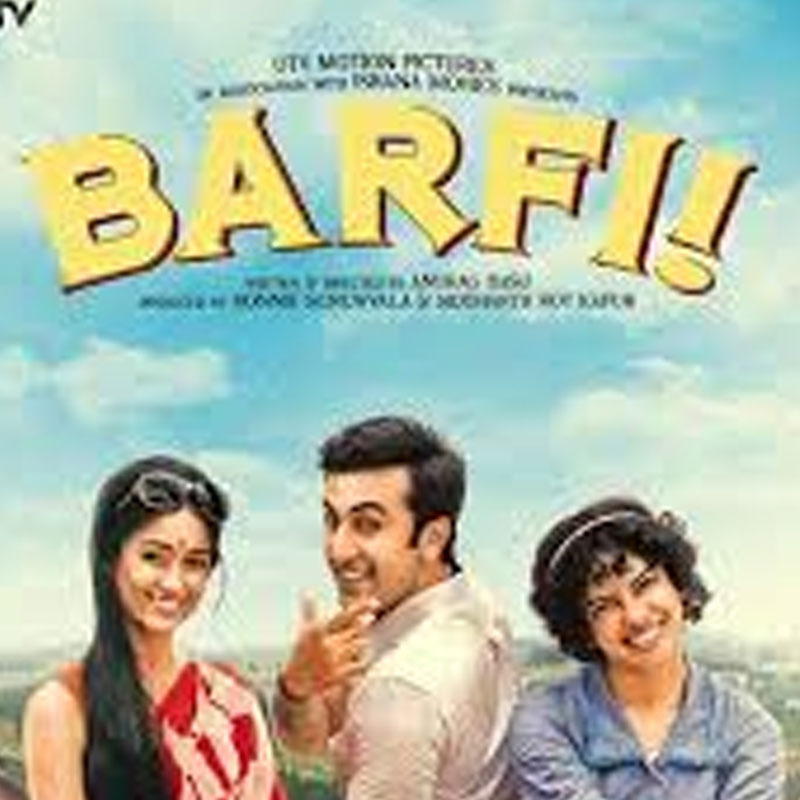
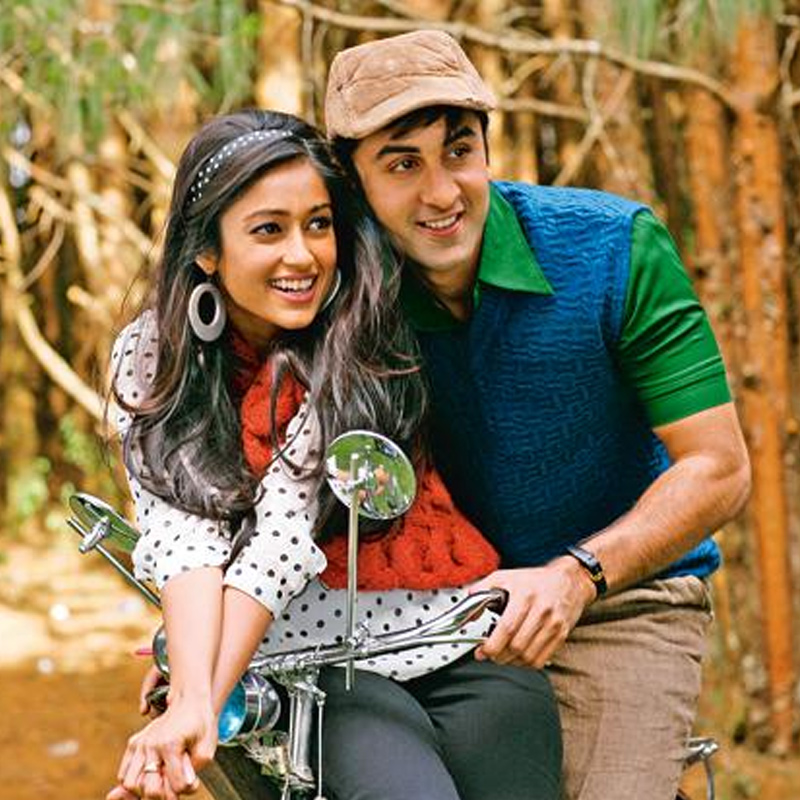
    Jagga Jasoos is the latest film to release last Friday. The team of Anurag Basu and Ranbir Kappor who combined to give Barfi (2012) were expected to come up with something better. What is more, even Ranbir Kapoor had put his faith Basu and turned a co-producer in the project!

    The film, in the making since 2014, however, turned out to be a major disappointment at the box office. At some places, the early morning shows (9 am) which normally draw the college crowds because of low admission rates, had to be cancelled due to lack of audience.

    The film collected Rs 7.9 crore on day one which was not impressive since the film was given an extensive 1800-screen release. Whatever the film collected was mainly from two metros, especially Mumbai followed by Delhi with rest of the circuits being way below par and none crossing even a one crore mark on day one.

    The film did show some improvement over the weekend on Saturday and Sunday as children took to the film but, considering the public reports are negative on the film and that it needs to work its way to over Rs 200 crore (Rs 2k million) figure to break even, the figures are not at all encouraging. What is more, there has been a considerable drop on Monday.

    On Tubelight front, distributors with the principal distributor, N H Studioz, are reported to have approached Salman Khan Esq for the refund of some amounts as they have suffered huge losses. The film was reportedly sold to N H Studioz for reportedly a whopping Rs 135 crore (Rs 1350 million) which would need a recovery of Rs 325 crore. There are just few precedents of a film doing that kind of business and the gamble by the distributor backfired. The film has fallen short of the target by as much as Rs 225 crore. The Khan Esq is said to be considering the distributors’ request favourably.

    *Jagga Jasoos, a film inspired by The Adventures of Tin Tin and other sources, does not quite get the opening it should have considering the film’s cast and others in the billing. The film manages to collect 7.9 crore on its opening Friday. It improves a bit on Saturday and Sunday. The film ends its first weekend with Rs 31.3 crore. The Monday footfalls are not encouraging.

    *Mom, again a costly film compared to its face value, stands to lose big time considering it had nothing new to offer. Woman oriented action have it tough to find a slot with the Hindi audience unless backed by a solid story. They are few and far in-between. Bad for Mom that it followed in the same plot as the recently released Maatr, which stole it of its novelty. The film collected Rs 22.5 crore in its first week.

    *Guest In London fails badly ending its first week with a meagre Rs 6.7 crore.

    *Ek Haseena Thi Ek Deewana Tha adds Rs 30 lakh in its second week taking its two week total to Rs 1.35 crore.

    *Tubelight has collected Rs 80 lakh in its third week to take its three week tally to Rs 115.1 crore.

  • TV is story-teller’s new novel; audience is Bharat, not India: Star’s Banerjee

    TV is story-teller’s new novel; audience is Bharat, not India: Star’s Banerjee

    MUMBAI: Since five to six years, television has become the talking point. Th series such as ‘Breaking Bad’ to Transparent to Narcos to ‘Game of Thrones’ to 24, and now POW (Prisoners of Wars) has changed the experience of television viewing.

    Filmmakers nationally and internationally are now getting into television. Abhinay Deo who has done 24, Anurag Kashyap (Yudh), Anurag Basu( Rabindranath Series) and Nikkhil Adavni (POW) are getting into multi-series television shows.

    In a panel discussion on ‘Evolution of Storytelling on Television’ at ‘JIO Mami Mumbai Film Festival with Star’, the question of the hour was — Why all of a sudden television has become more important? The scale and scope for a nuanced story-telling on television, higher reach and inclusive nature of television vis-à-vis films, how TV entertains not just India but Bharat. How television impacts the lives of viewers directly and stimulates change in individuals and society at large?

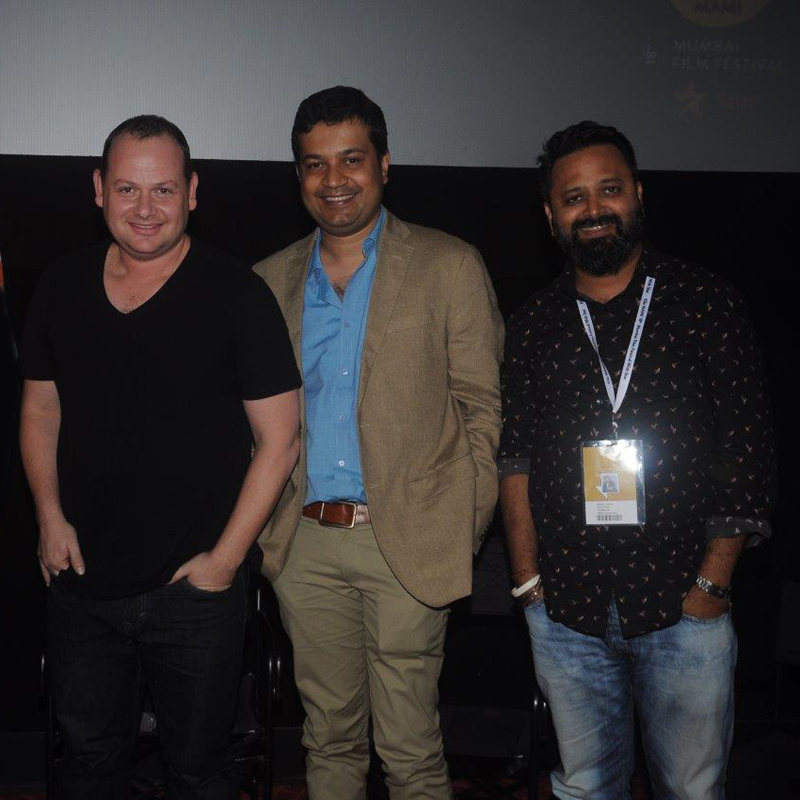
    And, who could better address this question than those who dabbled in the television space, the likes of — the Israeli writer and director Gideon Raff, the American filmmaker Cary Fukunaga, the Star India content studio head Gaurav Banerjee and the Indian filmmaker and director Nikkhil Advani.

    The session was moderated by Y-Films content and development head Nikhil Taneja. Taneja raised a question to the panellists: Why television has become more important all of a sudden?

    “I don’t know what’s happening worldwide but, in the United States, there has been probably a dearth of mid-range budget dramatic stories which are niche, and I think people were attracted to such stories, and there is an opportunity to tell such stories on television,” says Fukunaga.

    Raff adds, “There is a lack of scope for adult stories told in cinema nowadays. It’s harder and harder to tell stories in our way in cinema, and so, I think, a lot of such stories came to television.”

    While Banerjee believes that television is the new novel, and therefore a lot of stories which need to be told in a scheduled timeframe where graphs need to be longer is only possible on television. Also, television remains the medium for writers, and creative directors. “Television audience is larger, and they give more and more opportunity to get our crafts right whereas, I think, in film business, it is more of a first day, a first look (game), and therefore it has gone into the marketer’s domain,” opined Banerjee.

    public://Amrita-Puri-Nikkhil-Advani-Sandhya-Mridul_0.jpg
    Amrita Puri, Nikkhil Advani and Sandhya Mridul

    Advani, who recently forayed into television production with the Indian adaptation of ‘Prisoners of War’, recalls, “I approached it with a lot of skepticism when Star approached me. I did ‘D-Day’ and it was difficult film for me, and after the launch, everybody was saying that why don’t you make the D-Day part 2? So, a leading channel in Hindi GEC space wanted to do something similar, and they came to me with Hatufim. If you were on such a story with an amazing team, then why we shouldn’t come to television?”

    Before Ekta Kapoor came to television, the Indian women did not hold the remote control of a television set, which were controlled by men. After Ekta’s serial came in with women as the protagonist, the remote travelled to women. Somewhere, it empowered women in India. “How does television impact the lives of viewers directly and stimulates change in individuals and society at large?,” asked Taneja.

    Banerjee said that a study on television in India was done by two professors from University of Chicago in which they surveyed rural India, and researched the early time of satellite television. At that point in time, Ekta Kapoor was making around 47 of the top 50 shows. “There were women who were taking charge for the first time of their destiny,” he said.

    “For a large part of our county, we are talking to Bharat, and not to India. In Bharat, the experience in television viewing is new. There, a storyteller such as Ekta or shows such as ‘Diya Aur Baati Hum’ is changing destinies. A lot of comment has been made on ‘Naagin’ and ‘Bharamraskhas’. “I have nothing to do with these shows as they are not on my network, but nobody’s sleep has been affected more than mine with the normal success of these shows. If you want to tell a fantasy story around a snake, there is no problem with that. In the west, they have Twilight and you too have the ‘Game of Thrones’. Yes, I do have a problem with a lot of regressive content but that doesn’t happen on TV screen alone; that happens in news channels and in a lot of movies made in India,” opined Banerjee.

    You work with your story the way you want, your actors are not determined with what Friday Box Office is going to be like. For long formats on television, one can explore characters and graphs, but it’s not that the films are not fun. Its important to tell a story, and films and television are the media for reaching out to the masses.


  • TV is story-teller’s new novel; audience is Bharat, not India: Star’s Banerjee

    TV is story-teller’s new novel; audience is Bharat, not India: Star’s Banerjee

    MUMBAI: Since five to six years, television has become the talking point. Th series such as ‘Breaking Bad’ to Transparent to Narcos to ‘Game of Thrones’ to 24, and now POW (Prisoners of Wars) has changed the experience of television viewing.

    Filmmakers nationally and internationally are now getting into television. Abhinay Deo who has done 24, Anurag Kashyap (Yudh), Anurag Basu( Rabindranath Series) and Nikkhil Adavni (POW) are getting into multi-series television shows.

    In a panel discussion on ‘Evolution of Storytelling on Television’ at ‘JIO Mami Mumbai Film Festival with Star’, the question of the hour was — Why all of a sudden television has become more important? The scale and scope for a nuanced story-telling on television, higher reach and inclusive nature of television vis-à-vis films, how TV entertains not just India but Bharat. How television impacts the lives of viewers directly and stimulates change in individuals and society at large?

    And, who could better address this question than those who dabbled in the television space, the likes of — the Israeli writer and director Gideon Raff, the American filmmaker Cary Fukunaga, the Star India content studio head Gaurav Banerjee and the Indian filmmaker and director Nikkhil Advani.

    The session was moderated by Y-Films content and development head Nikhil Taneja. Taneja raised a question to the panellists: Why television has become more important all of a sudden?

    “I don’t know what’s happening worldwide but, in the United States, there has been probably a dearth of mid-range budget dramatic stories which are niche, and I think people were attracted to such stories, and there is an opportunity to tell such stories on television,” says Fukunaga.

    Raff adds, “There is a lack of scope for adult stories told in cinema nowadays. It’s harder and harder to tell stories in our way in cinema, and so, I think, a lot of such stories came to television.”

    While Banerjee believes that television is the new novel, and therefore a lot of stories which need to be told in a scheduled timeframe where graphs need to be longer is only possible on television. Also, television remains the medium for writers, and creative directors. “Television audience is larger, and they give more and more opportunity to get our crafts right whereas, I think, in film business, it is more of a first day, a first look (game), and therefore it has gone into the marketer’s domain,” opined Banerjee.

    public://Amrita-Puri-Nikkhil-Advani-Sandhya-Mridul_0.jpg
    Amrita Puri, Nikkhil Advani and Sandhya Mridul

    Advani, who recently forayed into television production with the Indian adaptation of ‘Prisoners of War’, recalls, “I approached it with a lot of skepticism when Star approached me. I did ‘D-Day’ and it was difficult film for me, and after the launch, everybody was saying that why don’t you make the D-Day part 2? So, a leading channel in Hindi GEC space wanted to do something similar, and they came to me with Hatufim. If you were on such a story with an amazing team, then why we shouldn’t come to television?”

    Before Ekta Kapoor came to television, the Indian women did not hold the remote control of a television set, which were controlled by men. After Ekta’s serial came in with women as the protagonist, the remote travelled to women. Somewhere, it empowered women in India. “How does television impact the lives of viewers directly and stimulates change in individuals and society at large?,” asked Taneja.

    Banerjee said that a study on television in India was done by two professors from University of Chicago in which they surveyed rural India, and researched the early time of satellite television. At that point in time, Ekta Kapoor was making around 47 of the top 50 shows. “There were women who were taking charge for the first time of their destiny,” he said.

    “For a large part of our county, we are talking to Bharat, and not to India. In Bharat, the experience in television viewing is new. There, a storyteller such as Ekta or shows such as ‘Diya Aur Baati Hum’ is changing destinies. A lot of comment has been made on ‘Naagin’ and ‘Bharamraskhas’. “I have nothing to do with these shows as they are not on my network, but nobody’s sleep has been affected more than mine with the normal success of these shows. If you want to tell a fantasy story around a snake, there is no problem with that. In the west, they have Twilight and you too have the ‘Game of Thrones’. Yes, I do have a problem with a lot of regressive content but that doesn’t happen on TV screen alone; that happens in news channels and in a lot of movies made in India,” opined Banerjee.

    You work with your story the way you want, your actors are not determined with what Friday Box Office is going to be like. For long formats on television, one can explore characters and graphs, but it’s not that the films are not fun. Its important to tell a story, and films and television are the media for reaching out to the masses.


  • The Epic channel bags six metals at Promax India Awards

    The Epic channel bags six metals at Promax India Awards

    Mumbai: On May 12 Promax India Awards honored The EPIC Channel with six awards. The channel won four Gold and two Silver awards.

    Of the four Gold awards, the ‘EPIC At 10’ promotion won two of these awards for the Best Integrated Marketing Campaign (Out-Of-House) and the Best Launch Campaign (Out-Of-House).  The show ‘Raja, Rasoi Aur Anya Kahaniyaan’ was awarded with the Best Promo Using Only Programming Footage. While the program, ‘Khwaabon Ka Safar’ won a gold for the Best Innovative Use of Digital.

    One silver was awarded for the Best Sound Editing for the acclaimed show, Raja, Rasoi Aur Anya Kahaniyaan while the other silver was given to Khwaabon Ka Safar for the Best Co-Branded Promotion with Philips.

    The Epic AT 10 campaign won the awards for sheer originality in content and creativity. It was conceptualized by Grey Worldwide who innovatively used Bollywood stalwarts including Anurag Basu, Javed Akhtar and Naseeruddin Shah to launch the three shows, Stories by Rabindranath Tagore, Jaane Pehchaane With Jaaved Akhtar and Mid-Wicket Tales With Naseeruddin Shah.


  • The Epic channel bags six metals at Promax India Awards

    The Epic channel bags six metals at Promax India Awards

    Mumbai: On May 12 Promax India Awards honored The EPIC Channel with six awards. The channel won four Gold and two Silver awards.

    Of the four Gold awards, the ‘EPIC At 10’ promotion won two of these awards for the Best Integrated Marketing Campaign (Out-Of-House) and the Best Launch Campaign (Out-Of-House).  The show ‘Raja, Rasoi Aur Anya Kahaniyaan’ was awarded with the Best Promo Using Only Programming Footage. While the program, ‘Khwaabon Ka Safar’ won a gold for the Best Innovative Use of Digital.

    One silver was awarded for the Best Sound Editing for the acclaimed show, Raja, Rasoi Aur Anya Kahaniyaan while the other silver was given to Khwaabon Ka Safar for the Best Co-Branded Promotion with Philips.

    The Epic AT 10 campaign won the awards for sheer originality in content and creativity. It was conceptualized by Grey Worldwide who innovatively used Bollywood stalwarts including Anurag Basu, Javed Akhtar and Naseeruddin Shah to launch the three shows, Stories by Rabindranath Tagore, Jaane Pehchaane With Jaaved Akhtar and Mid-Wicket Tales With Naseeruddin Shah.


  • Grey Group India’s Epic@10 wins two gold at Pro Max awards

    Grey Group India’s Epic@10 wins two gold at Pro Max awards

    MUMBAI: Grey Group’s campaign ‘Epic@10’ for Epic TV has been honoured at Promax award held on 12 May with two golds under catergories — Best launch campaign Out of house and  Best integrated marketing campaign.

    Last year, Grey group India had kicked off the campaign for India’s first genre-specific Hindi entertainment channel, Epic, and launched the 360 degree branding positioning for the winning campaign- ‘Maaf Kijiye Abhi Dus Nahin Baje that aimed to claim public attention to the 10pm TV viewing time on Epic channel and become the new prime time on television.

    Combining insight with some of the biggest of Bollywood, the Epic channel intended to launch three new television shows to strike an emotional connect with the audience. The shows titled as ‘Jaane Pehchaane’ by Javed Akhtar explores the journey and evolution of Bollywood over the decades.‘Mid-Wicket Tales’ by Naseeruddin Shah unearths some of the best-kept secrets in the history of Indian cricket. Lastly, stories by Rabindranath Tagore is a modern outlook to some of the best-written tales, narrated in Anurag Basu’s signature style.

    The campaign created a buzz of curiosity amongst this quintessential Bollywood/cricket fan with them wanting to know more.

  • Grey Group India’s Epic@10 wins two gold at Pro Max awards

    Grey Group India’s Epic@10 wins two gold at Pro Max awards

    MUMBAI: Grey Group’s campaign ‘Epic@10’ for Epic TV has been honoured at Promax award held on 12 May with two golds under catergories — Best launch campaign Out of house and  Best integrated marketing campaign.

    Last year, Grey group India had kicked off the campaign for India’s first genre-specific Hindi entertainment channel, Epic, and launched the 360 degree branding positioning for the winning campaign- ‘Maaf Kijiye Abhi Dus Nahin Baje that aimed to claim public attention to the 10pm TV viewing time on Epic channel and become the new prime time on television.

    Combining insight with some of the biggest of Bollywood, the Epic channel intended to launch three new television shows to strike an emotional connect with the audience. The shows titled as ‘Jaane Pehchaane’ by Javed Akhtar explores the journey and evolution of Bollywood over the decades.‘Mid-Wicket Tales’ by Naseeruddin Shah unearths some of the best-kept secrets in the history of Indian cricket. Lastly, stories by Rabindranath Tagore is a modern outlook to some of the best-written tales, narrated in Anurag Basu’s signature style.

    The campaign created a buzz of curiosity amongst this quintessential Bollywood/cricket fan with them wanting to know more.

  • Anurag Basu to helm ‘Stories by Rabindranath Tagore’ for Epic

    Anurag Basu to helm ‘Stories by Rabindranath Tagore’ for Epic

    MUMBAI: In order to connect better with the audiences, segmented Hindi entertainment channel Epic is gearing up to launch a series that masterfully recreates the magic of old Bengal through some of Rabindranath Tagore’s short stories and novels.


    ‘Stories by Rabindranath Tagore’ showcasing ‘epic’ tales like Choker Bali, Charulata, Atithi and Kabuliwala amongst others will bring intricately etched characters created by Tagore to the small screen. The series will be directed by filmmaker Anurag Basu, who has to his credit movies like Barfi and Life in a Metro


    Through this series, the characters of Tagore’s stories will spring into life through Basu’s imagination and vision.


    Set in a politically volatile period, the stories are constantly shifting in the social world of the early 20th century in undivided Bengal. The hub of new India, Calcutta is the melting pot where the protagonists are pouring in from their rural, social and cultural spaces to encourage this upcoming new world.


    Talking about the show, Epic founder and managing director Mahesh Samat says that he has always been a big admirer of Tagore and his work. “Many of Tagore’s stories are perfect for television and after discussing the thought with Basu, I felt that it would be a great fit for Epic. With Basu, we found the perfect synergy in vision and passion for recreating Tagore’s stories for television. In fact, he wanted to do this for the past 10 years. The show looks great. Let’s hope the viewers enjoy watching it as much as we enjoyed making it for them,” said Samat.


    Basu retains Tagore’s style of narrative even in the visual medium and enhances words of his pages by bringing in talent that truly captures the essence of each his beloved characters. Unlike ordinary characters, these personalities pack a rebellious punch.


    The filmmaker delves deeper into this society in transition, with songs, music, cultural references and its newfound political and social manifestations, a little more than the actual described world within Tagore’s narratives.


    Keeping in line with the channel strategy, Stories by Rabindranath Tagore is a finite series with 26 episodes and is slated to hit the television screens in July this year.


    The channel has been in active conversation with its viewers since its launch in November last year. “A feedback we received was to recreate stories of iconic authors and this lead us to develop Stories by Rabindranath Tagore. As we go forward, we are going to explore many other authors.”


    Epic is leaving no stones unturned to market the big-budget property. The channel released the show’s first look recently on Rabindranath Tagore’s birthday (9 May). The first look has already grabbed eyeballs of close to 78,000 views on YouTube at the time of writing the article.


    “Since 9 May was the Bengali birthday of Tagore and Basu, it was the ideal day to release the first look of the show. We’ve got people talking about the show and it’s going strong. We will maintain the momentum till the show launches. There’s a lot more coming up but I wouldn’t want to kill the surprise so early. Needless to say, this show is an important part of our overall plans,” informs Samat.


    Stories by Rabindranath Tagore has talented actors like Amrita Puri and Radhika Apte on board, who have played key roles in the self-titled stories, Charulata and Chokher Bali respectively. Epic will be working closely with the actors to keep the buzz going.


    Media planners are gung-ho about the show. Maxus managing partner Navin Khemka believes that it is a great concept and Tagore’s stories are popular. “If produced well, the show could drive eyeballs to the channel. It will click with the mature audiences. The buzz on the channel is positive. A lot of sampling is happening. If this program drives stickiness for them it will be good,” Khemka opines.

  • Epic awaits BARC rollout; to launch new programming

    Epic awaits BARC rollout; to launch new programming

    MUMBAI: The media and entertainment industry will now have to get used to a new ratings system, which is scheduled to begin by the end of this month. And as Broadcast Audience Research Council (BARC) gears up to roll out its ratings data, Epic has a treat in store for audiences with a fresh programming line-up.  


    A lot of speculation and anxiety over the new television rating system came to rest last week when BARC announced that the new ratings system would be out every Wednesday by April end.


    In order to launch its new shows the “segmented” Hindi general entertainment channel (GEC) Epic is waiting for the new ratings rollout.


    A source close to the development tells Indiantelevision.com, “The channel is now four months old and has gone through its initial run. We are waiting for the BARC ratings to roll out and then put the new programmes on-air so that we know how the shows are doing in terms of numbers. Moreover, with that we will also have a clearer picture to show to advertisers.”


    Though the content is kept under wraps, a show which has already created a lot of buzz before its release is Anurag Basu’s adaptation of Rabindranath Tagore’s Chokher Bali.


    Additionally, veteran Bollywood scriptwriter and poet Javed Akhtar has also been roped for a show called Jaane Pehchaane on the channel. The series is slated to go on air in June and will have Akhtar as a narrator reminiscing about films, actors and famous dialogues of yesteryears.


    Positioned as the first ‘segmented’ channel on Indian television, Epic currently airs only four shows throughout the day  – two fiction series titled Dharmakshetra and Siyaasat and two non-fiction shows – Kahi Suni and Ekaant.


    Founded by former Disney India managing director Mahesh Samat, Epic clocked around 1,246 GVTs in its debut week when it launched in November last year.


    Wanting viewers to step in and out as per their convenience, all the shows on the channel were designed for a finite period. Epic began airing content pertaining to Indian history, folklore and mythology, in a contemporary storytelling format.


    The channel started with around 13-15 weekly shows, most of which were hour-long. On weekends, the channel airs films that are in sync with its core proposition, Kahaniyaan Hindustan Ki (Hindi for fables of India), chosen from the channel’s library of 20 movies. On weekdays, Epic airs around two-and-a-half hours of original content starting at 8 pm.

  • Anurag Basu as third Judge on India’s Best Cinestars Ki Khoj

    Anurag Basu as third Judge on India’s Best Cinestars Ki Khoj

    MUMBAI: The Award winning Director will join Sonali Bendre and Victor on the Judge’s Panel of the show!


    Joining the panel as the third judge on Zee TV’s India’s Best Cinestars Ki Khoj is the renowned director Anurag Basu. Having made the Oscar nominated masterpiece Barfi, this will be his second outing as a judge on a reality show; his first being Zee TV’s India’s Best Draamebaaz.


    Having sensitively addressed mature themes through his films, Basu is known for getting the best out of his actors. While he is quite a task-master when it comes to work, his sense of humor is something that will make the contestants feel at ease while auditioning in front of him. Having been in the industry for decades, Anurag comes with immense understanding of gauging an actor’s abilities and selecting the right kind of talent.


    Talking about his association with the show, Anurag said, “As a director, I could connect with the idea of Cinestars Ki Khoj which is to search for the most promising acting talent in the country and provide them with a platform on national television to showcase their acting ability and creativity. I think the pool of talent we have in our country needs that, given how difficult it is for a talented outsider to make an inroad into the industry and land a suitable role. When I was approached to come on the show as a judge, I took it up as I felt it would be a great opportunity to come in touch with fresh talent, new ideas and the contestants could benefit from my insights and experience. This is an extension of my work with Zee TV that started with India’s Best Dramebaaz.”


    A little unhappy about joining the show late, he added, “I was away in South Africa for the shoot of my forthcoming film. Would have liked to be a part of the journey right from the outset ideally.”


    Apart from judging a reality show the second time, Anurag was glad to have been paired with Sonali Bendre- with who he has worked in the past. Ensuring a lot of dhamaal and great potential, Anurag will soon be seen having a blast alongside two judges and the anchor of the show – Hussain Kwajerwala!


    Stay tuned to Cera India’s Best Cinestars Ki Khoj powered by Glam Up, Every Saturday and Sunday at 9 PM, Only on Zee TV!