Tag: Ankit Agrawal

  • How Indian brands hit the festive marketing jackpot in 2025

    How Indian brands hit the festive marketing jackpot in 2025

    MUMBAI: If there’s anything we Indians look forward to as much as our morning chai and newspaper, it’s the festive season. Homes come alive with the glow of diyas, embodying the victory of good over evil; floors bloom with rangoli and laxmi charans; the air fills with laughter, and the sweet aroma of mithai. And amid all this joy, brands flood algorithms, billboards, and social media timelines, eager to strengthen their customer base or build one from scratch. It’s the most lucrative time of the year for brands, with marketers pulling out all stops to win over audiences. For instance, international brands go all out to strike a chord with their Indian diaspora. Who would’ve thought we’d ever see a Diwali Barbie draped in a Anita Dongre lehenga choli? With cultural resonance ticked off and fair representation for the brown community, this isn’t just festive marketing, it’s festive marketing on steroids.

    Back home, Indian brands aren’t far behind, leaving no stone unturned during the peak festive season. The festive marketing report card for India’s FMCG sector is glowing. This year, the festive season didn’t just light up homes; it set marketing budgets ablaze. With recent GST cuts lowering costs and boosting consumer sentiment, brands rolled out campaigns that evoke creativity, value, and cultural relevance.

    For instance, launching gold scheme campaigns is fairly common in the retail jewellery industry, but Tanishq changed the script altogether. The House of Tata brand launched a campaign, headlined by former cricketer Sachin Tendulkar, encouraging households to repurpose existing gold, estimated at 25,000 tonnes in homes, into new designs. This reduces dependence on gold imports, which account for nearly 99 per cent of India’s annual requirement. By highlighting locally sourced and recycled gold, the campaign shifts the focus toward Indian production and sustainability, while still tapping into the cultural significance of gold during festivals.

    Meanwhile, it’s no news that the concert economy in India is booming. Recently, celebrated rapper and singer Travis Scott brought his Circus Maximus World Tour to India. Bookmyshow’s new campaign ‘Travis Wali Diwali’ shows how some brands can make the most of such moments and bring in attention from their target audience. Set in a vibrant Delhi household, the film shows how young Indians blend tradition with contemporary flair, from Travis-inspired rangolis and cactus-themed décor to stylish fusion outfits. The film captures the true spirit of a generation that embraces global trends while staying rooted in India’s festive culture.

    Squidjc founder Siddharth Jalan believes that last year’s post-pandemic, bargain-heavy approach is giving way to “premium storytelling” that taps into culture and identity rather than just price. He noted that consumers aren’t hunting for deals as much as they are looking to feel “part of the broader narrative.” For instance, “People don’t want a brand or a product, they want the story. Can I buy into the story? That’s when I’ll purchase your product,” he added.

    Meanwhile, Abhay Group managing director and co-founder Apurv Modi points out that the ad-spend boom is being fuelled by newer platforms and formats. The rise of quick commerce, precise digital targeting and interactive hoardings is enabling brands to be everywhere i.e physical stores, social media platforms, and even hyperlocal outdoor screens.

    The two leaders find common ground in noting how digital-out-of-home (DOOH) and hyperlocal advertising are gaining traction as outdoor screens become programmatic and locally tailored. At the same time, brands are diversifying across channels such as quick commerce, social media apps like Whatsapp, and precision-targeted digital spaces, reflecting how today’s consumers shop and engage. Modi added that experiential rewards and bundled offers are replacing simple markdowns, creating stronger perceived value.

    On similar grounds, Jalan emphasises that Gen Z and emerging consumers are drawn to campaigns that lean into sustainability, inclusivity and regional identity, rather than just discount tags.

    Influencer marketing has become another critical avenue. “Budgets are increasingly moving toward micro-influencers and mixed-use influencers who can authentically connect with niche audiences. Consumers are inspired by brands that integrate culture and identity into their messaging,” he explained.

    Other notable industry moguls said this year marked a clear shift towards campaigns that marry value, emotion, and innovation: a trinity that made festive marketing more personal and purposeful than ever before. And with recent GST cuts lowering costs and lifting consumer sentiment, brands across the country are rolling out campaigns that club all these factors.

    “This year, festive marketing is becoming even more value, and emotion driven. Compared to
    previous years, we’re seeing a greater emphasis on regional relevance, personalisation, and
    deeper engagement, rather than just top-of-the-funnel campaigns,” said Hyfun Foods head of marketing Vincent Noronha. “The recent GST rate cuts, especially packaged foods, have certainly freed up some marketing budgets. This provides both established and emerging brands, particularly regional players, an opportunity to increase visibility during the busy festive window.”  

    The brand recently launched its campaign “Hyfun Khao Sona Pao,” offering a direct incentive of winning gold to its customers. The campaign taps into the Indian tradition of auspicious gold purchases during festivals, creating an immediate call-to-action beyond the product itself. By strategically combining OOH advertising in Bengaluru and Delhi NCR with digital ads and quick commerce platform banners, the brand has orchestrated a cohesive, high-recall marketing blitz to leave a lasting imprint on consumers.

    In a similar vein, for skincare brand Joy Personal Care (RSH Global), GST cuts and rising disposable incomes are driving broader festive engagement. CMO Poulomi Roy notes, “Economic stability, along with government measures such as GST rate reductions and tax exemptions up to ₹12 lakh, has boosted consumer confidence and purchasing power. Coupled with renewed optimism and increasing disposable incomes, these conditions are encouraging brands to invest more actively in festive campaigns.” Consumers now seek fresh looks and meaningful brand experiences, prompting brands to maintain engagement throughout the season via targeted offers, new product launches, and regional content, she added.  

    Roy predicts that with rising disposable incomes leading to greater affluence, certain FMCG and food categories might witness the first wave of increased consumption particularly dairy, cheese, biscuits, sauces, condiments, and instant food products. In the personal care segment, stronger traction for larger pack sizes in everyday categories such as lotions and shampoos is anticipated.

    Whereas, incense sticks manufacturer and supplier Zed Black’s director Ankit Agrawal pointed out, “Lower GST rates bring cost flexibility, allowing us to reinvest in regional activations and consumer engagement.” The brand unveiled an experiential campaign featuring an eight-foot Durga idol made of incense sticks during Pujo in Kolkata, illustrating the shift from generic festive greetings to immersive storytelling. Premiumisation is a key driver, with consumers upgrading to aesthetically appealing, long-lasting products, from masala agarbatti to white-stick series.

    However, Jalan offered a measured view, “GST reductions are more of a motivator than a game-changer. Consumers may feel happier, but purchasing habits haven’t shifted dramatically. For brands, the opportunity lies in leveraging the festive moment effectively and delivering value without compromising brand equity.”  

    He also identified key categories seeing an uptick in festive campaigns. “Beauty, fashion, and footwear are booming, along with niche segments like spices and seeds. There’s a post-pandemic appetite for premium, culturally resonant, and exotic products, giving brands more room to innovate and engage.”

    There has been another consequential observation being made around the industry during this festive season: the resurgence of OOH and DOOH campaigns, but with a twist.

    The role of outdoor advertising has evolved. Hyperglocal business head Sumit Taneja, observed that “brands are investing heavily in OOH and point-of-purchase branding to build stronger festive visibility.” Large-format sites, high-street displays, and transit zones, combined with in-store décor and last-mile activations, are converting awareness into purchase. Real-time data, automation, and immersive displays ensure campaigns reach consumers where they shop, travel, and celebrate.

    Meanwhile, The Stone Sapphire India managing director & CEO Shobhit Singh had a lot to add regarding the surge of DOOH campaigns. “In an over-crowded and noisy digital environment, outdoor media delivers scale, visibility, and credibility, especially in high footfall locations like malls, shopping areas, and residential developments. For purchases in gifts for the home and toys, where sight and gift-giving are very important experiential elements to OOH, such as interactive displays, augmented reality billboards, and 3D displays, are connecting the offline life with digital storytelling. OOH is no longer stagnant; it is establishing itself as a dynamic storytelling opportunity, activating festive sentiment and impulse purchases,” he opined.

    Roy offered a slightly different perspective. “While traditional OOH may not always directly drive engagement, formats that encourage interaction and enhance the overall experience are proving to be more effective. Interactive setups near shopping hubs and digital OOH enhanced with augmented AI can deliver stronger engagement and create more memorable brand experiences, both during the festive season and beyond.”  

    Jalan also agreed on the fact that DOOH is seeing a resurgence. “Outdoor is evolving. Digital billboards are no longer prohibitively costly, and even smaller startups can leverage them for short bursts of highly targeted campaigns. Hyperlocal digital outdoor, near points of sale, is increasingly being used to drive sales with a higher ROI,” he said.  

    Personalisation and technology are also playing a key role. “There’s tracking software that allows brands to analyse movement around a billboard and even create interactive afterimages in real time. While this isn’t widespread yet in India, it’s an example of how innovation is shaping engagement,” he added.

    Similarly, Roy also shed some light on emerging technologies influencing festive campaigns. “Martech continues to be strong. Brands are using data analytics and audience insights to better understand purchase intentions, personalize festive messaging, and deliver more relevant consumer experiences across digital and offline touchpoints,” she opined.

    What stands out this festive season is how brands are pushing beyond conventional campaigns to create experiences that truly resonate with consumers. From hyperlocal DOOH activations and interactive outdoor displays to storytelling rooted in culture, identity, and emotion, marketers are finding innovative ways to capture attention and engagement. Technology, personalisation, and cultural insight are no longer optional, they are essential tools in connecting with audiences in meaningful ways.
     

  • Cityflo launches in Delhi, aiming to transform corporate travel

    Cityflo launches in Delhi, aiming to transform corporate travel

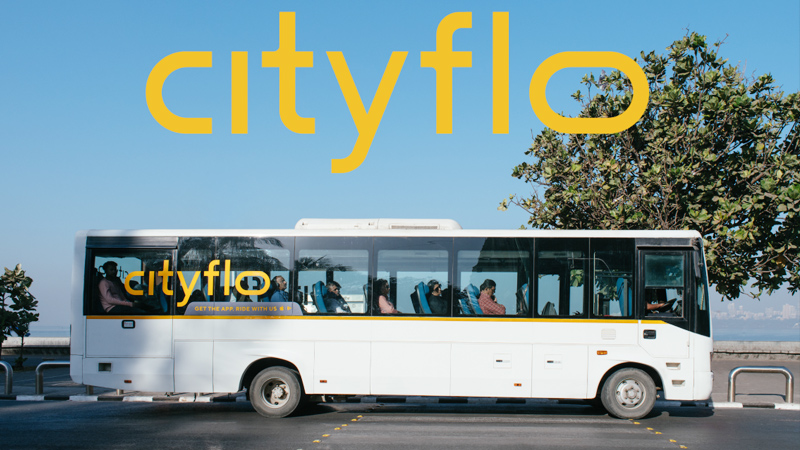
    MUMBAI: Cityflo has announced its expansion into Delhi to cater to the daily transit needs of corporate professionals. Founded in 2015 by IIT Bombay alumni Jerin Venad, Rushabh Shah, Ankit Agrawal, and Sankalp Kelshikar, Mumbai-based Cityflo offers a luxury bus service as a superior alternative to existing transport options. Having already served over 2.5 million professionals in Mumbai and Hyderabad, the company now seeks to transform commutes in the capital.

    Initially, Cityflo will operate on high-demand routes such as DLF cyber city, ensuring seamless connectivity across major residential hubs in Delhi. The company plans to deploy 100 buses within the first year, targeting over 80,000 customers in DLF cyber city and contributing an estimated Rs 25 crore to its topline revenue this year.

    Cityflo co-founder & CEO, Jerin Venad stated, “Delhi’s commuters struggle with unreliable schedules and poor vehicle conditions, even from global mobility providers. We aim to change that narrative by offering a dependable, comfortable, and seamless travel experience.”

    As part of its Cityflo corporate programme, the company will forge strategic partnerships with many corporates, integrating its services into daily work commutes at scale.Unlike existing options prone to last-minute cancellations, unhygienic conditions, and unpredictable schedules, Cityflo positions itself as a premium and reliable alternative.

    Beyond benefiting individual commuters, Cityflo is also assisting companies in providing employees with a stress-free journey to work. In the coming months, the company plans to rapidly expand its fleet and enter new markets, aiming to become the go-to solution for professionals seeking a high-quality commute.

    Cityflo is backed by marquee investors including Lightbox Ventures, Chiratae Ventures, Anupam Mittal, Alteria Capital, and India Quotient.


  • “We have tried to create a brand with a universal appeal:” MDPH’s Ankit Agrawal

    “We have tried to create a brand with a universal appeal:” MDPH’s Ankit Agrawal

    Mumbai: Immersed in the rich tapestry of cultures, incense sticks and perfumery have woven themselves into the sensory experiences of diverse civilisations. From ancient rituals to modern practices, the fragrant allure of incense has played a pivotal role in spiritual ceremonies and daily life worldwide.

    Mysore Deep Perfumery House (MDPH), a beacon of innovation, embarked on a transformative journey in 1992, infusing the world of agarbattis with creativity and quality. Evolving from Purab Paschim Uttar Dakshin to the iconic Zed Black in 2000, this perfumery powerhouse not only embraces cultural diversity but also stands as a symbol of aromatic craftsmanship, eco-conscious practices, and captivating fragrances that transcend time and borders.

    Indian Television in conversation with Mysore Deep Perfumery House director Ankit Agrawal gained insights on the brand’s genesis, USP, incorporation of eco-friendly practices, and much more…

    Edited Excerpts:

    On Mysore Deep Perfumery House’s launch, the journey till now, and Zed Black Agarbatti differentiating itself from other brands

    In the bustling city of Indore, a humble garage harbored the seeds of a groundbreaking success story. In 1992, Mr Prakash Agrawal took a bold step, channeling his entrepreneurial spirit into the world of agarbattis. Armed with a loan of Rs 5 lakh and a determination to excel, he laid the foundation of Mysore Deep Perfumery House (MDPH), a name now synonymous with innovation and quality in the agarbatti industry. Mr Prakash Agrawal’s entrepreneurial journey took a remarkable turn when he chose to challenge conventional wisdom and in the thriving Indian agarbatti market of the 90s, Agrawal saw an opportunity and seized it. He launched his own brand Purab Paschim Uttar Dakshin, thus breaking the stronghold of established agarbatti hubs like Bengaluru and Mysuru. He fine-tuned his offerings to suit local preferences, slowly but surely building a loyal customer base. The game-changer, however, was the introduction of Zed Black in 2000 and the brand rapidly climbed the ranks, setting new standards for the industry and capturing the imagination of consumers across India.

    One of the main differentiating factors of Zed Black from other agarbatti brands is that we have not used any divine images or spiritual symbols on our packaging. We have tried to create a brand with a universal appeal.

    On the role that fragrance plays in spirituality and religious practices in your opinion and Zed Black’s contribution to this aspect

    Incense sticks, with their fragrant whisps of smoke, have woven themselves into the rich tapestry of cultures worldwide, creating sensory experiences that transcend borders and time. From ancient rituals to contemporary practices, these aromatic wonders have played a pivotal role in shaping cultural expressions, spiritual ceremonies, and daily life across diverse civilizations. Since ancient times, Incense Sticks have been an integral part of cultures in many Asian countries like India, China, Japan, Lagos, Korea, Vietnam, Thailand, Cambodia and more.

    Recently, incense has experienced a resurgence in popularity, with people around the world incorporating it into their daily lives. As the world has become more interconnected, the use of incense has transcended cultural boundaries. Whether it’s the heady scent of sandalwood in an Indian temple or as a delectable ambience enhancer, incense has become a shared language of the senses, fostering a sense of unity in diversity and remain a testament to the enduring and universal nature of humanity’s quest for connection, tranquility, and the divine.

    On strategies that Zed Black undertakes to stand out during the festive seasons; some specific marketing initiatives or noteworthy campaigns that proved particularly successful for Zed Black Agarbatti and the key factors that contributed to its success

    Zed Black has over the years undertaken several initiatives to stand out not just in the festive season but also throughout the year. A major noteworthy campaign was the announcement of former India captain MS Dhoni as the brand ambassador for Zed Black. This was a coup of sorts as this was the first time we were able to use the image of brand ambassador on the packaging. When dhoop was not considered as a high-end product, we roped in Bollywood star Hritik Roshan to be the ambassador of Manthan Dhoop. These 2 signings helped to carve a place for Zed Black in the highly competitive Indian agarbatti market.

    We also tied up with IPL Team Delhi Capitals as one of the key sponsors for the team. Zed Black also tied up for the recent Ind vs South Africa Series. These global sporting events helped get more eyeballs on our brand which has led to more global expansion.

    On ZedBlack Agarbatti incorporating eco-friendly practices in its day-to-day operations as well as in production and packaging

    MDPH understands the need to be eco-conscious, so we are in the process of converting our manufacturing facilities to run on solar power. Our new facility in Rampipliya in Madhya Pradesh is running on Solar power. As a brand, we make a dedicated effort to reduce the carbon footprint and to provide a sustainable product.

    On different traditions influencing market trends for Zed Black Agarbatti and are there any new and unique fragrances that you’re planning to introduce

    Zed Black has embraced the cultural diversity of our great country. We have come up with several fragrances which are sold in specific parts of the country i.e. – Arij which is sold in Orissa or Pineapple fragrance which is sold in Kerala and Assam.

    We as a brand work closely with our on-ground sales team to understand the consumers mindset and introduce fragrances that will appeal to them. We have introduced bamboo-less Parfum Series Dhoop Sticks, fragrances like Yellow Champa, Attar Phool, Rose, and ever-popular Chandan are part of various segments like incense sticks, dhoop cones and more. Sambrani Dhoop which gives a feel of having a mini havan at home are popular amongst the masses.

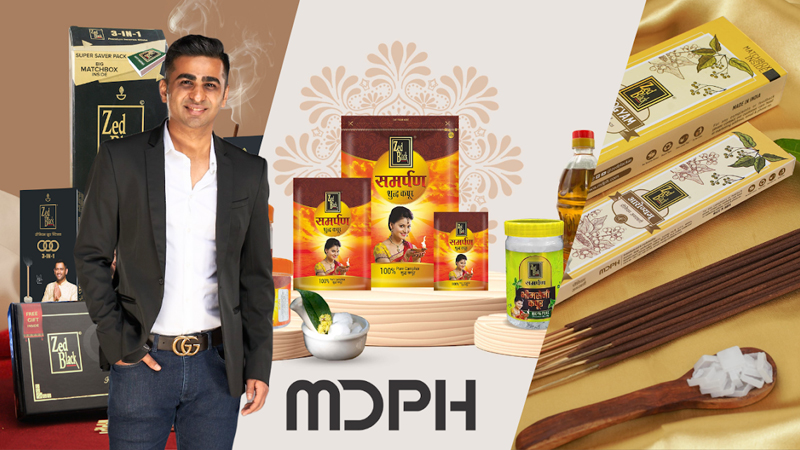
    We have introduced Samarpan series which is into puja essentials under which we have camphor, puja oil, chandan tika and more. Beyond agarbatti and related products, the brand has ventured into edible oil, tea, hand sanitizers, confectionery, and more.

    On ZedBlack Agarbatti, ensuring customer expectations are met during festivals without compromising on product quality and brand reputation amid heightened consumer demand

    For this festive season, Zed Black has launched Zed Black Exclusive Series boasts of premium handmade products like Golden Myst 4in1, Sandalwood and Patchouli range which are exotic hand-rolled flora batti. The Zed Black Luxe series is the latest innovation from the house of MDPH, which is bamboo-less and long-lasting. offering a fragrance that would linger around and create a blissful ambience for a longer period. Launched in traditional Chandan, Gulab, Loban & Mogra fragrances, these are a perfect gifting solution if you are looking for an eco-friendly option. Our product range can be used in any festival, be it Navratri, Diwali or Chhath Puja.

    On ZedBlack Agarbatti leveraging social media platforms to effectively connect with and engage its target audience

    Zed Black and MDPH have leveraged social media by creating visually appealing content showcasing the product, sharing behind-the-scenes glimpses of TVC shoots, running promotions, and encouraging user-generated content. We keep our followers engaged through polls, Q&A sessions, and responding promptly to comments. We also boost visibility by utilizing relevant hashtags, collaborating with influencers, and hosting giveaways amongst other activities.

    On ZedBlack Agarbatti seamlessly integrating brick-and-mortar and e-commerce channels to enhance the overall shopping experience for customers

    Indian retail industry has seen tremendous change, especially in consumer behaviour and preferences. This is also the same in the case of the retail landscape for incense products, commonly known as agarbattis, which has undergone a transformative journey in recent years, marked by the contrast between online and brick-and-mortar sales.

    The rise of e-commerce and the allure of online shopping has not diminished the popularity of the physical presence of traditional stores which remains deeply ingrained in the fabric of Indian retail, indicating that the brick-and-mortar concept is here to stay. The ability to touch, feel, smell and experience products like incense sticks firsthand remains an integral part of the Indian shopping tradition and this fosters trust and confidence in the purchase decision of the consumer. Many brick-and-mortar stores in India are not resisting technological advancements; instead, they are adapting and integrating digital elements to enhance the overall shopping experience. Many traditional retailers have embraced e-commerce, offering omnichannel solutions that combine the convenience of online browsing with the tangible experience of in-store shopping.

    On expansion plans for the current fiscal year (FY24) and for the future and the target revenue the company has set for itself

    MDPH has seen exponential growth over the past few years. Our net sales have increased multifold since the previous fiscal. We have seen a consistent jump and double-digit growth since the last five years and now the company has seen 15 per cent quarter-on-quarter growth in revenue this fiscal as well. After making a mark with incense sticks and puja category, with our foray into F&B, confectionery, we are expecting a turnover of Rs 1000 cr by FY27.

    Besides Agarbatti and related products, we have expanded into the confectionary and candy business. We have set up a new plant and added new machines to increase production and have set up five to six production lines and expanding to more two to three production lines to increase the production of Din Din variants like lollipops, jellies, and candies.

  • MS Dhoni’s heartwarming father-daughter bonding in Zed Black TVC: ‘Mann Ki Shanti'”

    MS Dhoni’s heartwarming father-daughter bonding in Zed Black TVC: ‘Mann Ki Shanti’”

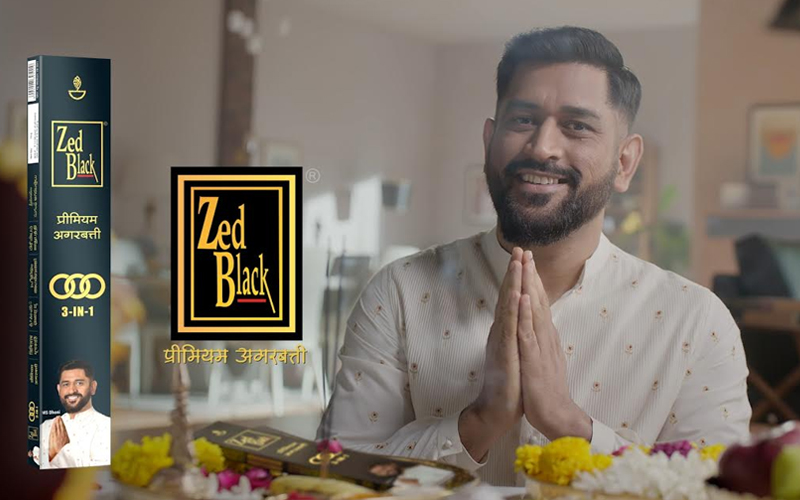
        Mumbai: Zed Black, a leading incense sticks brand, is thrilled to announce the launch of its latest TVC campaign for Zed Black 3-in-1 premium incense sticks featuring the cricketing legend and former captain of the Indian cricket team, MS Dhoni. The campaign aims to emphasize the importance of incorporating daily prayers into one’s routine for a balanced and fulfilled life.

    In today’s fast-paced world, where individuals often find themselves consumed by various commitments and responsibilities, the act of taking a moment to connect with oneself through prayer can be immensely grounding. Zed Black’s continued collaboration with MS Dhoni as a brand ambassador for the last six years seeks to encourage people to pause, reflect, and engage in a practice that fosters inner peace and spiritual well-being.

    “Mann Ki Shanti” is not just a TVC campaign; it’s a heartfelt endeavour to bring attention to the value of daily prayers in maintaining mental and emotional equilibrium. Dhoni, known for his exceptional leadership and unshakeable composure, resonates with the campaign’s message on multiple levels”, shared Mysore Deep Perfumery House & Zed Black director Ankit Agrawal.

    The TVC showcases Zed Black and MS Dhoni sharing a timeless message for all. In the latest TVC, the cricketing legend assumes the role of a doting father sitting for prayers as his playful daughter comes running. Dhoni emphasizes with a smile the importance of a regular prayer for ‘Mann Ki Shanti’. Dhoni, besides being a cricket legend, is also a complete family man. He does a perfect job of conveying the sentiment for all households. Add to this his legendary cool vibes and a relaxed smile, the message hits home!

    Zed Black TVC campaigns have always struck a chord with the masses & netizens. Be it the gamechanger commercial where the captain cool was spotted sporting a retro jersey look on the field for its flagship campaign ‘Prarthna Hogi Sweekar’ or MS Dhoni sharing the importance of viral prayers in a guruji avatar last festive season. Likewise, through this latest campaign, Zed Black aims to spark conversations around the benefits of incorporating daily prayers as a means to achieve balance and mental clarity.

    “We are honored to collaborate with MS Dhoni yet again, a true icon who embodies resilience and strength,” said Mysore Deep Perfumery House & Zed Black director Anshul Agrawal. “As a brand, we are committed to promoting holistic well-being, and we believe that this campaign will inspire individuals to carve out time for daily prayers, nurturing their spiritual growth.”

    The hallmark of Zed Black’s success lies in its commitment to sustainable manufacturing practices. Zed Black’s manufacturing unit, based in Indore, Madhya Pradesh has made history by becoming the world’s largest solar-powered raw agarbatti production facility. The company has successfully scaled its production capacity to an astounding 3.5 crore incense sticks per day, positioning itself as a major player in the global market. The company is today amongst the top three agarbatti manufacturers in the country.

    Conceptualised by Oberoi IBC the TVC will be promoted through a 360-degree approach across news & GEC channels for the festive season and will be accompanied by a robust social media and online engagement strategy, encouraging viewers to share their own experiences with daily prayers using the hashtag #MannKiShanti.

    MDPH has a plethora of top-notch quality products under its own household brands in categories such as agarbatti, essential oils, hand sanitizers, packaged tea, dhoop batti, confectionery, and more under its premium bestseller flagship labels Zed Black, Manthan, Samarpan, Orva and Din Din.

    Founded in 1992, at the heart of MDPH is its 4,000-plus workforce, of which 80 per cent are women who are involved in all aspects of incense sticks manufacturing–from perfume making to packaging. The company processes over three crore incense sticks every day at its 9,40,000 sq. ft manufacturing facility in Madhya Pradesh, comprising of four factories. It has in its kitty over 1,200+ products that are exported to over 40+ countries across six continents and 15 lakh packs of Zed Black incense sticks are sold daily.