Tag: Anita Nayyar

  • Anita Nayyar quits Patanjali Ayurved

    Anita Nayyar quits Patanjali Ayurved

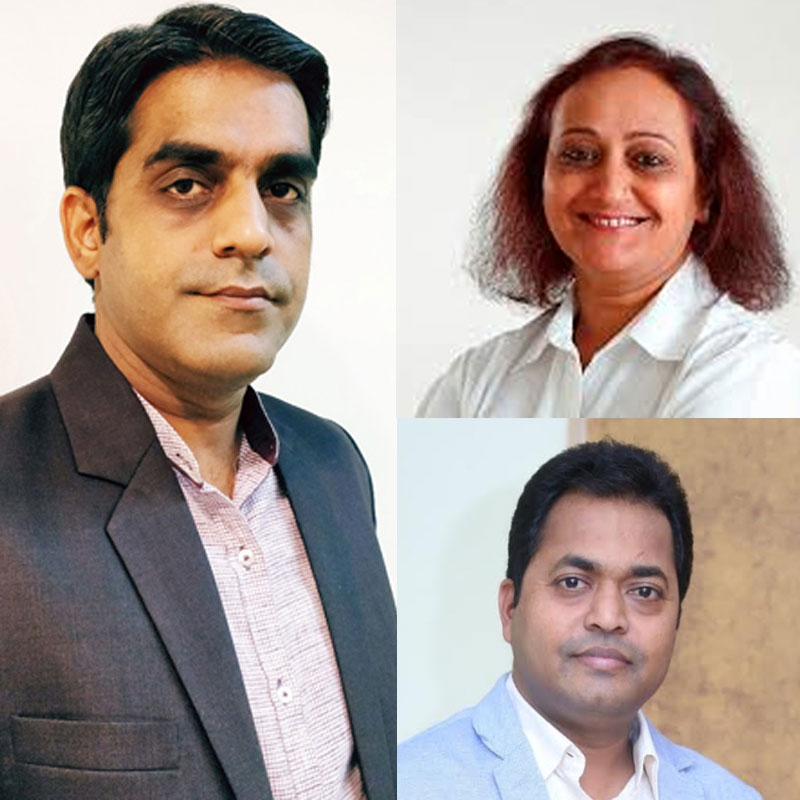
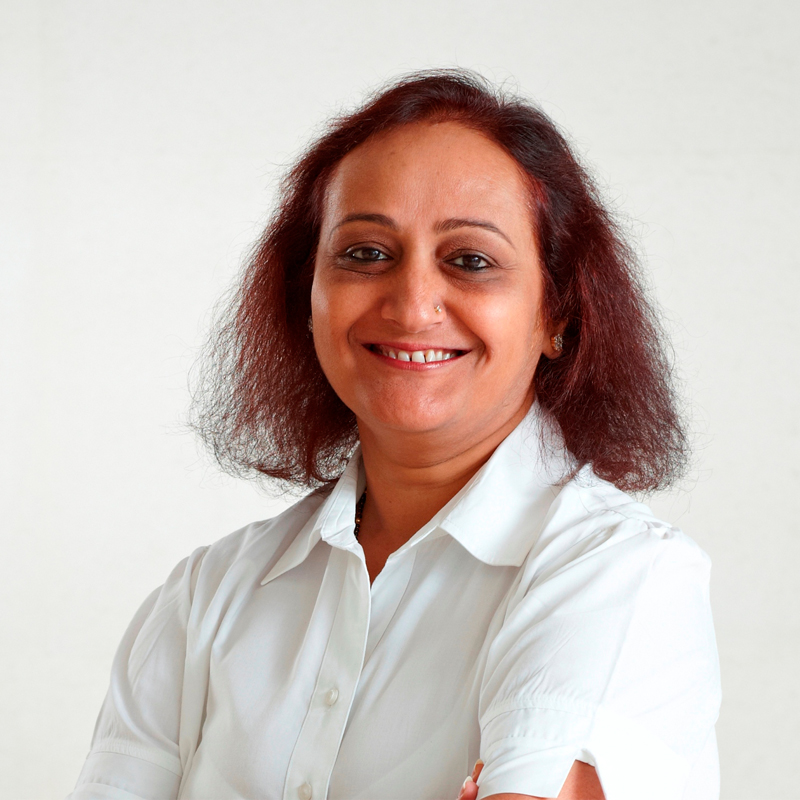
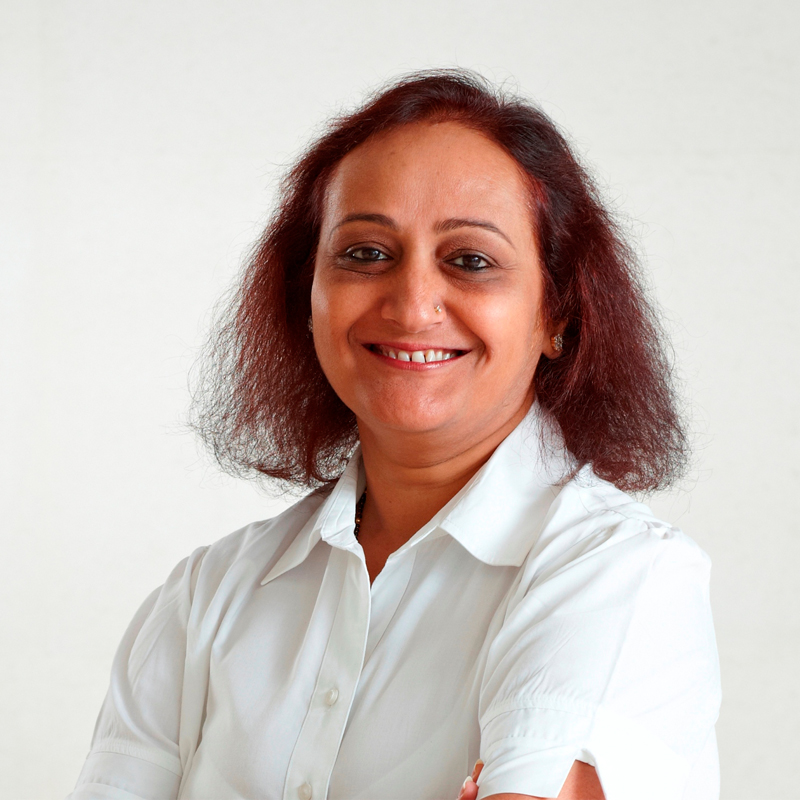
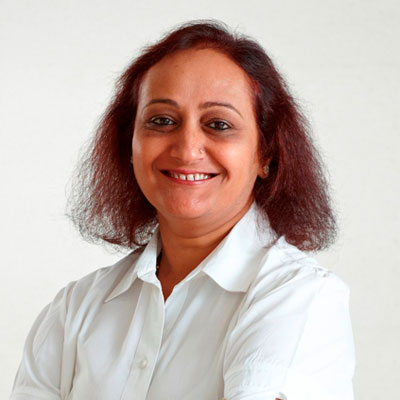
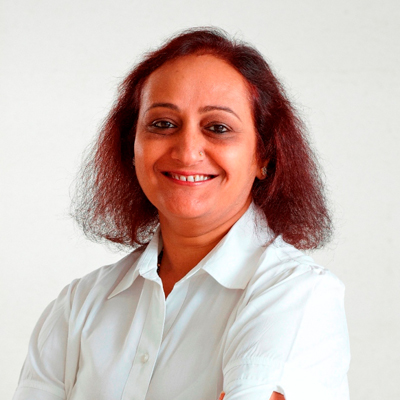
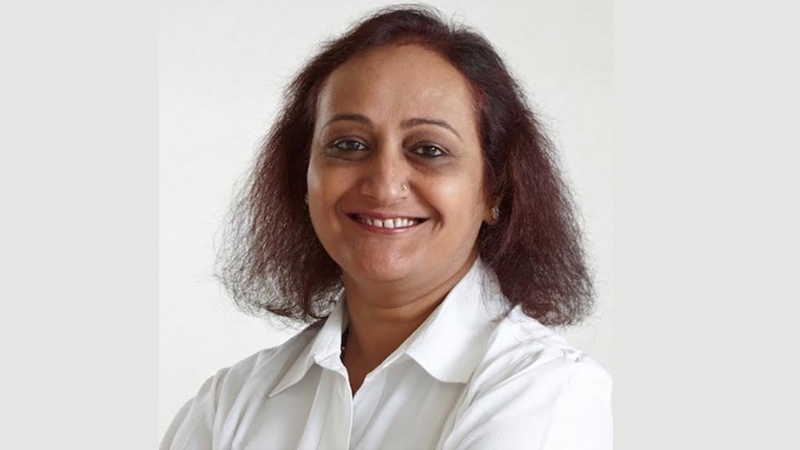
    Mumbai: Anita Nayyar has resigned from her role at Patanjali Ayurved, where she served as the COO for media, branding, and communication since 2021.

    Previously, she held positions such as head of customer strategy & relationships at ZEE5 and CEO for India and South East Asia at Havas Media Group, contributing thirteen years to the organisation.

    With leadership roles at Ogilvy, Lintas-Initiative Media, Mediacom, and Mudra, Nayyar’s next career move is currently undisclosed.

  • News channels data blackout could devalue TV ratings as a currency

    News channels data blackout could devalue TV ratings as a currency

    Mumbai: The news genre relies more heavily on TV ratings than others, argued industry stakeholders during a virtual webinar organised by Indiantelevision.com on Tuesday, highlighting that a major part of their revenues comes from advertising and discontinuation of TV ratings has impacted their ability to customise content, distribution and negotiate fair rates with advertisers.

    The virtual panel discussion – ‘The Need for News TV Ratings’ organised by Indiantelevision.com was powered by Megaphone TV, and joined by stakeholders in the news broadcast and advertising industry. The session was moderated by Indiantelevision.com group’s founder CEO and editor-in-chief Anil Wanwari.

    News broadcasters, agencies and advertisers highlighted that they are keen to understand how market dynamics have changed in terms of reach and viewership for the news channels after more than 15 months of ratings blackout by Broadcast Audience Research Council (Barc) India. The ministry of information and broadcasting has mandated that ratings for news channels be resumed immediately, however, Barc India is yet to share the ratings for news channels.

    TV ratings are a currency

    TV ratings are a currency for selling advertising and are important for news channels. In a populous and diverse country such as India, these ratings are intended to be a statistical representation that intends to show the trend of ‘What India Watches’ and relies on certain methodologies to arrive at these conclusions. In October 2020, Barc suspended reporting data for individual news channels though it continued to report the viewership trend for the entire news genre.

    “We are a midsized advertiser and we have a news-forward plan because we cater to a strong male audience,” said Lupin head of marketing consumer healthcare Supratik Sengupta. “During the blackout, at an AdEx level, we did not implement a news forward plan because we didn’t have the data. We shifted a certain amount of spends to digital and took gut calls on certain leading news channels in the absence of data. Without granular ratings, we started rotating our spends among the top four to five channels.”

    He added, “Week 39’2020 was the last time data was reported for news channels. We’ve had a data dark situation for almost 60 weeks. It is criminal that a genre is not reported for such a long time, whatever the reason. Today, I don’t know the changes, if any, in news channels’ ratings compared to last time data was reported.”

    “In absence of rating, we have been making justified recommendations to clients based on past data and other performance indicators such as views on digital assets,” stated Omnicom Media Group India managing partner and head of investment Yatin Balyan. “The advertisers’ sales team reviews on particular channels, in certain geographies also enabled us to make a more justified recommendation.”

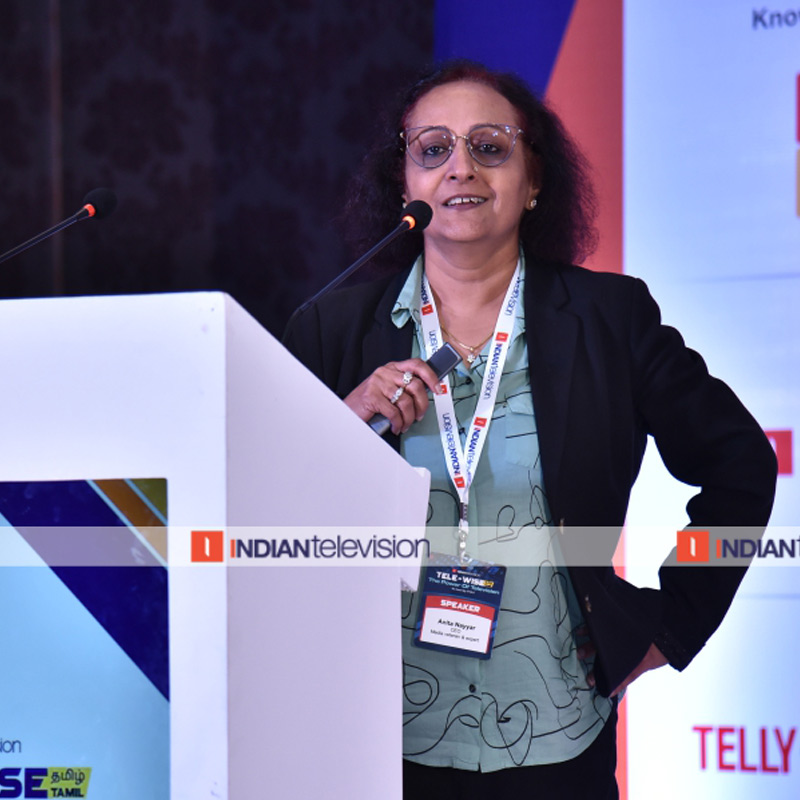
    Patanjali Ayurved COO – media and communications Anita Nayyar highlighted that there was a lot of volatility of viewership in the news space due to factors like recent events such as elections or budget, therefore regular reporting of ratings is important. “A news channel that stood on top in one week may drop dramatically in the next week because they do not have decent content. As a currency accepted by the industry, TV ratings told us whether to stop investing in a news channel because we all know where to invest based on historical data. Unlike the GEC genre, there is no reason why a newcomer cannot top the charts in the news genre because it is completely dependent on the content and the pulse of the audience the channel touches upon,” she added.

    Impact on news channels

    The suspension of news channels had come at a time when relatively new channels were also garnering a significant share of viewership among news channels and advertisers were believed to be closely observing to see if this growth in ratings was a one-off or a long-term trend.

    “The new entrants in the news industry have broken many glass ceilings of content and distribution to go to the top,” said Republic Media Network owner founder and editor-in-chief Arnab Goswami. “Nobody studies TV ratings more than news channels, so we may respond with better quality content, deeper discussion and ways to make the content more interactive. I spend over Rs 100 crore in distribution every year and have a right to know which markets are contributing to my viewership and plan accordingly.”

    He further added, “Barc is supposed to make its decisions based on a consultative process but were media agencies, news channels and advertisers consulted before the decision to suspend ratings was taken? The process of determining ratings is the same for news genre and GECs yet only news channel ratings have been stopped.”

    “The Hindi news genre which commands the largest share of revenues in the news genre saw a distinct change in the pecking order just before TV ratings were stopped,” said TV9 Network CEO Barun Das. “Even today there is ambiguity on why only news channel ratings have been suspended. The Technical Committee at Barc has approved a fresh way of calculating the data for the news genre but it continues to report other genres as usual.”

    “There’s certainly going to be a spike in ratings during the elections,” noted Das alluding to the upcoming state elections. “Media buyers and advertisers would feel more confident spending their money and leveraging the news genre if the ratings are made available. The entire genre would benefit, especially the smaller regional channels whose dependence on advertiser confidence is greater than ours.”

    “A period of 15 months is too much time for any industry to go without measurement,” remarked independent media consultant and industry observer Paritosh Joshi. “Any industry that does not measure itself sees a drop in revenue. A currency is a store of value, medium of exchange and basis of accounting, and all of these things are relevant as far as broadcasting is concerned. If you don’t have a basis of accounting or a medium of exchange for a significant period of time then it devalues the currency.”  

    Monthly ratings for news genre

    The ministry of information and broadcasting has recommended that Barc release news channels data based on a four-week average rolling concept. It has also instituted a committee to look into return path data (RPD) and its applications to strengthen TV measurement. Right off the bat, Paritosh Joshi noted, “RPD is not a substitute for a statistically sound sample.”

    “In my mind, metrics such as TVR/TRP data tell you about the market share of a channel and as an advertiser I would like to have that data as quickly and frequently as possible,” said Sengupta. “While a four-week rolling basis for reporting data will not be a challenge at the planning level because we look at anywhere between four, six and 13-weeks average data for planning, it will be a problem at the post-evaluation level when I have to determine my campaign’s performance. That’s because we will only get an average and not exact data for the week that my ad spot ran.”

    “Secondly, I am not aware of what measures Barc has taken to protect my data,” he added.

    “While we take a long view of a four-week, eight-week or 13-week average basis, weekly ratings are important,” stated Balyan. “That’s because not every event, property or programme that we buy has a longer format. Take an election or any special programming on a news channel, we need to understand how our investments on that particular programme or channel have performed. We need to have a learning base to make a futuristic recommendation and thereby our approach to a particular partner.”

    Paritosh Joshi shared an example of best practice followed by the UK’s TV measurement council BARB. He said, “If a particular broadcast platform’s previous three or six-months’ share of voice in the entire raw panel has come down by a certain percentage (let’s say one per cent), it is no longer qualified for weekly ratings. Depending on how low the ratings have fallen, the frequency of that channels’ ratings may be changed to month, quarterly or even half yearly.”

    He elaborated, “This is not necessarily bad nor does it discredit the platform. Just because the India Readership Survey does a quarterly reporting of data or longer, doesn’t mean that has stopped anyone from buying print. In fact, in some cases it works very well, giving fairly decent forensics to show how viewers are behaving. So, the frequency of data reporting should not depend on the genre, but rather on an objective determinant that says what the share of voice was in the previously leading period. There is really no need to put out all the data in the same way. While we may choose to go with a one size fits all approach in India, this is not the best practice.”

  • #Retrace2021: From Nykaa’s Falguni Nayar to dentsu veteran Ashish Bhasin, who all made news in 2021?

    #Retrace2021: From Nykaa’s Falguni Nayar to dentsu veteran Ashish Bhasin, who all made news in 2021?

    Mumbai: The year that began with the slowdown of pandemic cases, and phased opening of businesses across the country, is ending with another Covid variant rearing its head. The new cases of Omicron are spreading faster, even as the industry struggles to hold on to its post-pandemic revival after braving a deadly second wave in May early this year.

    Amid all these challenges, there were signs of resilience, that highlighted the advertising industry’s slow yet significant recovery this year. If 2020 was the year of ed-tech, 2021 only took the game a notch higher. E-commerce dominated headlines, and several D2C brands rose to success with their innovative advertising and marketing strategies. The year saw the largest number of startups joining the unicorn league, of which many of them are internet-based companies, including Flipkart, Nykaa, Zomato, and Paytm. The agencies too, adapted to the new normal, brainstorming newer ways to strengthen brand connect and retain audiences across media channels.

    With the curtains falling on this eventful, yet resilient year, we take a look at some of the biggest names that made headlines, and created a buzz in the world of brands, advertising, and marketing this year.

    1.      FALGUNI NAYAR, NYKAA FOUNDER

    An entrepreneur at 49 and a billionaire at 58, Nayar made waves with her company’s chartbuster initial public offering (IPO) in November. The ₹5,352-crore IPO of her FSN E-Commerce Ventures Ltd was oversubscribed nearly 82.5 times. On the same day, the company’s market capitalisation touched the ₹1 lakh crore mark, making Nayar who owns a 52.56 per cent stake in the company, India’s richest self-made woman billionaire. An investment banker, Nayar launched the beauty and fashion e-commerce platform Nykaa in March 2012 after quitting her job at Kotak Mahindra Capital. Today, Nykaa Fashion is a multi-brand platform with close to 1,500 brands—of which five are its own brands- two acquired and three it has built from scratch. Nykaa Beauty and Nykaa Fashion are separate businesses.

    Falguni Nayar: The billionaire founder of Nykaa who dared to dream at 50

    2.      BYJU RAVEENDRAN, BYJU’S FOUNDER-CEO

    Byju Raveendran-owned edtech, Byju’s has been on a dream run. The company, which saw its business grow rapidly during the pandemic, ramped up its user base and saw a swift growth in revenues. It also announced several deals around the world over, acquiring a number of its competitors, eight of which were this year. With this, Raveendran and his family have also expanded their fortunes, making them the 67th richest Indians, according to the IIFL Wealth Hurun India Rich List 2021. The home-grown edtech startup is now the 13th most valuable start-up in the world, as per CB Insights’ latest unicorn tracker. Currently valued at $21 billion, the Bengaluru-based start-up is also the world’s most valuable ed-tech start-up. It is also the only Indian name to feature in the list of the world’s elite unicorns as of December 2021. Recently, the ed-tech giant was in the news for its advanced discussions to go public through one of Churchill Capital’s special-purpose acquisition companies (SPAC). While an announcement could come as soon as January, the negotiations are not final. 

    3.      PARAG AGARWAL, TWITTER CEO

    2021 was also the year when Indians were taking over coveted leadership roles in the global forum. The first to mark his name was Indian-born Parag Agarwal, who was appointed as the CEO of the micro-blogging platform Twitter in November. An alumnus of IIT-Bombay, Agarwal had joined Twitter in 2011 and worked his way up the ladder to becoming the chief technology officer (CTO) by 2018 and was reportedly one of the ‘first choices’ of the company’s co-founder Jack Dorsey in the line of succession, after the latter announced his resignation. In a staunch endorsement of 37 years old Agrawal, Dorsey wrote: “He’s been my choice for some time, given how deeply he understands the company and its needs. Parag has been behind every critical decision that helped turn this company around… My trust in him as our CEO is bone-deep.” Before Twitter, Agrawal had briefly worked at Microsoft, AT&T, and Yahoo. He did his bachelor’s in engineering in computer science here, before moving to the US for further studies, his doctorate coming from Stanford University.   

    Jack Dorsey steps down, Parag Agarwal named as Twitter CEO

    4.      LEENA NAIR, CHANEL CEO

    In another proud moment for India, Maharashtra-born Leena Nair joined the list of Indian-origin CEOs of multinational brands in December. Her appointment as the CEO of the French luxury fashion house Chanel was unprecedented, given that Nair was a rank outsider with zilch experience in the fashion industry, not being a part of the Paris fashion scene.

    Before this, the 52-year-old had an illustrious career that spanned 30 years at Unilever, becoming the first female and youngest-ever chief human resources officer at the global company, in London- a position she resigned from to join the 111-year-old luxury group. Nair rose through the ranks of Unilever having started out as a management trainee. Under her watch Unilever achieved gender parity across global management. With the latest win, Nair is being hailed as a “serial glass-ceiling breaker”. An electronics and telecommunications engineer from Walchand College of Engineering in Sangli, Maharashtra, she did her MBA in Human Resources from XLRI Jamshedpur in 1992 before joining as a trainee at HUL.

    5.      PIYUSH PANDEY, OGILVY

    An advertising industry veteran with over three decades of experience in the industry, Pandey has donned several hats, representing Rajasthan in Ranji Trophy cricket during his younger days and being a tea taster are some of them before discovering advertising as a career choice. This year, the ad guru added one more feather to his cap when he took on the role of global creative chairman at WPP Plc. owned creative agency Ogilvy in May. He continues to serve as chairman of Ogilvy India helping brands understand their consumers.

    6.      ANITA NAYYAR, PATANJALI AYURVED COO-MEDIA & COMMUNICATIONS

    The year 2021 saw life turning 360 degrees and completing a full circle for former Havas media India boss Anita Nayyar in the advertising and media industry, as she joined Patanjali Ayurved as COO- Media & Communications in July, after a brief stint with Zee5 from May 2020 to March 2021. An industry veteran, Nayyar had an eventful two years, with transitions circumscribing the client-side from the agency side, before settling finally on the brand side, having managed many portfolios of brands across sectors in a career spanning three decades.

    #Retrace2021: Cautious optimism will drive industry growth in 2022

    The year also saw some of the country’s biggest agencies undergo senior-most level executive shuffles and the arrivals and departures of some of advertising’s top talents. In recent months, dentsu India network parted ways with many of its key leaders in an exodus that began in January. The exits were announced as part of its restructuring process to usher in the dentsu India 2.0 vision. The rejig, brings together its creative agencies under one umbrella, including Dentsu Webchutney, Taproot Dentsu, WATConsult, Perfect Relations, Isobar, Dentsu One, Dentsu India, and Dentsu Impact. The high-level exits from its India leadership team included veterans like Santosh Padhi, Shamsuddin Jasani, Vivek Bhargava, Rubeena Singh, Haresh Nayak, Gopa Menon, and the India CFO turned CEO Anand Bhadkamkar. After almost five years of being the CEO at the digital-first media agency iProspect, Rubeena Singh started new innings as the country manager at the short-video app Josh in October.

    7.      ASHISH BHASIN, DENTSU

    Ashish Bhasin -stepped down as dentsu International- CEO APAC & chairman India in November. An industry veteran with over 30 years’ experience, Bhasin had joined Aegis Media in June 2008 and was tasked with launching the business in the market. He was promoted to CEO, Dentsu Asia Pacific in September 2019. Earlier this year, Bhasin had resigned from the board of directors and Audit Committee of Broadcast Audience Research Council (BARC India) sparking the retirement rumours.

    Ashish Bhasin steps down as dentsu International CEO APAC & chairman India

    8.      SANTOSH PADHI AND AGNELLO DIAS, TAPROOT DENTSU


    The news about Padhi’s sudden exit from the agency he founded with Agnello Dias in 2009 shocked everyone in the industry. Padhi ended his historic innings with Taproot dentsu in September. An art graduate from Mumbai, Padhi began his career with DDB Mudra. He then moved on to Leo Burnett, where he was an executive creative director and later became the national head of art.

    Earlier in June, Taproot made some leadership level rejigs and announced that Agnello Dias (Aggie) will move on to a role as a consultant for key brands, but he too put in his papers around this time. Dias began his advertising career in 1989 and after working with many local and international agencies, including Dart, Interpublicity, Lowe and Leo Burnett, he joined JWT India in 2005, where he soon became the chief creative officer. It was in 2009 when the art and copy duo Padhi and Aggie, decided to together launch their independent creative boutique Taproot India — a bold independent setup. Over the last 12 years, Taproot dentsu rose to become one of India’s most prominent creative agencies, notching up several accolades along the way.

    9.      AJAY GEHLAUT, DENTSU CREATIVE

    Industry veteran Ajay Gahlaut joined dentsu Creative as group CCO in the midst of Dentsu India’s transformation journey towards dentsu India 2.0 and Ajay’s joining is a critical part of the plan, the agency said. Gahlaut, with over 27 years of experience in advertising, was with Publicis Worldwide, India, as chief creative officer and managing director till June 2020. He wrote the line ‘Do Boond Zindagi Ki’ that anchored the famous Pulse Polio Immunisation campaign with Amitabh Bachchan and the ‘Make It Large’ tagline for the whiskey brand Royal Stag. He was also the man behind the ‘Men will be men’ series of campaigns for whiskey brand Imperial Blue and the creator of the character ‘Mr. Murthy’ for Voltas air conditioners.

    10. SHAMSUDDIN JASANI, WUNDERMAN THOMPSON

    As Wunderman Thompson chairman and Group CEO South Asia Tarun Rai moved into a new role as executive director Strategic Initiatives, APAC, Jasani was roped in to take on the mantle. Before this, he was with Isobar as Group MD South Asia. Jasani is a veteran of the industry, having launched Isobar in India in 2008, growing it from a two-person team to over 300-strong across South Asia.

    Isobar’s Shamsuddin Jasani joins Wunderman Thompson South Asia as CEO

    11. PRITI MURTHY, GROUPM

    Priti joined GroupM India as president, GroupM Services India this October, which the network described as a ‘homecoming’ for her and strengthening of the GroupM India leadership team. As an industry veteran, Murthy has spent a large part of her 22+ year career with GroupM. Her last held role with GroupM was as the chief strategy officer at Maxus Global.

    Priti Murthy joins GroupM as president, GroupM services India

    12. ANISHA IYER, OMD India CEO

    Iyer was elevated to OMD India chief executive officer in December. With nearly 18 years of experience in the advertising business and a niche in digital and technology, she joined OMD, a subsidiary of the group, in 2019 as the managing director for Malaysia. Her previous stints include working in companies such as Mindshare, Madhouse, and GroupM in a career spanning two decades.

    13. ANUPRIYA ACHARYA, PUBLICIS GROUPE 

    Anupriya Acharya, a veteran in the media and advertising world, was re-elected as president of the Advertising Agencies Association of India (AAAI) for the year 2021-22 in September this year. Hailing from Dehradun, Acharya has worked with Ogilvy & Mather, McCann (then McCann Erickson), media agency Mindshare Fulcrum and The Media Edge in her 20 plus career. She has also remained the Group CEO of Zenith Optimedia (part of the Publicis Groupe), where she was elevated to lead the India business of Publicis Media in 2016 with a 900-plus strong team.

    14. SWATI BHATTACHARYA, FCB INDIA

    This year also saw the FCB Group India announce the restructuring of its creative agencies and a new three agency structure – FCB Ulka, FCB Interface and FCB India. FCB India, the newest agency in the fold, which’s led by Swati Bhattacharya as the creative chairperson, announced its newly elevated C-Suite leadership team. A noted industry professional, Bhattacharya has been the only woman CCO in India when she joined FCB Ulka in 2016. The brains behind award-winning campaigns like Sindoor Khela for the Times of India, Horlicks, Maggi sauces and noodles, Close up, Airtel, Kit Kat, 7Up, Pepsi, Pizza, UNICEF, Sunrise and Slice are some of her other note-worthy works.

    15. RAMESH NARAYAN, CANCO ADVERTISING

    Canco Advertising founder and Indian advertising doyen Ramesh Narayan was inducted into the prestigious Asian Federation of Advertising Associations (AFAA) Hall of Fame at the AdAsia conference held at Macao in December. “The AFAA Hall of Fame sets out to recognise those who’ve defined a generation of advertising, those who we look up to, who inspire us, and who have done what few others have ever done or could ever do; for those who have pioneered- the very few we can call legends,” said outgoing AFAA chairman, Raymond So about Narayan’s inclusion in the prestigious hall of fame. Earlier this year Narayan also released his book titled “A Different Route to Success”, which gives readers a ringside view of his professional life, having retired at the age of 50, after running Canco Advertising, an advertising agency he founded and ran for 24 years.

    Ramesh Narayan inducted into AFAA Hall of Fame

    16.  ARJUN MOHAN, upGrad CEO

    upGrad CEO ArjunMohan is an experienced industry professional having worked across sales, marketing, and product development domains for more than 15 years, before helming upGrad. One of the most creative edtechs in the country, when it comes to utilising marketing channels to amp up its reach, Mohan helped script a remarkable success story backed on innovative services and out-of-box marketing activities. The upGrad CEO is on a high this year with education going digital-first due to the compulsions brought about by the pandemic.

    17.  VINEETA SINGH, SUGAR COSMETICS CEO

    Singh famously gave up a crore-rupee job offer from an investment bank while she was still in her twenties because she wanted to dive into entrepreneurship. Sugar Cosmetics, a digital-first brand, is her third start-up—the first two did not take off but the second startup, Fab Bag, a subscription business that offered women an assortment of beauty products every month for a small fee- gave her enough data and insights to kickstart her third one. Unlike most digital-first brands, Sugar was early to develop an omnichannel presence and her mantra to make cosmetics for Indian skin tones and suited to the Indian environment paid off. In 2020-21, the D2C firm achieved Rs 130 crore in revenue, and raised $21 million (Rs 160 crore) in venture funding, bringing its valuation to Rs 750 crore.

    From the verge of closing shop, Sugar Cosmetics delivers 49x returns to investors

    18. GHAZAL ALAGH, MAMAEARTH CO-FOUNDER

    Baby and mother care brand Mamaearth turned unicorn after raising close to $80 million in a new round at unicorn valuation led by Sequoia. One among the few startups to turn unicorns with a woman co-founder, the five-year-old D2C brand took birth after Ghazal Alagh and her husband, Varun became parents. In 2016, the couple launched the brand under the parent company Honasa Consumer Pvt Ltd, in Gurugram using natural, plant-based or manmade ingredients, which are both certified safe as well as effective.  In just four years, Mamaearth became Asia’s first brand to get the MadeSafe certification for its toxin-free products. The company recently acquired a female-centric content platform, Momspresso, and associated influencer-engagement platform, Momspresso MyMoney to further accelerate engagement with consumers and strengthen content-to-commerce.

    19. ANIL KAPOOR, AD VETERAN

    Finally, taking a stock of all that we lost this year, there are some losses which cannot be restored ever in any manner whatsoever- and that’s the lives of people lost. This year saw the demise of many eminent names and talents of the industry, many of whom were lost to the Coronavirus.

    FCBUlka chairman emeritus Anil Kapoor passes away

    One such name is that of DraftFCB+ Ulka’s late chairman emeritus Anil Kapoor, who passed away after a prolonged battle with cancer, in April this year. His passing marked the end of an era in the advertising industry. Kapoor joined a struggling Ulka in 1988 and scripted one of the greatest turnaround stories in advertising. He was given charge of the situation to stop the exodus of clients and is credited with bringing in a fresh set of talent, including from institutions like the IIMs. Clients who had left returned and he built a leadership team that stuck together for decades. Kapoor’s career in the ad industry extended to over three decades, and under his guidance, Ulka group emerged among the top five advertising agencies of India. He was conferred with the Lifetime Achievement Award by the AAAI in 2013. His death leaves a huge void in the realm of India’s advertising industry.

    In memoriam: Anil ‘Billy’ Kapoor

  • #Retrace2021: Cautious optimism will drive industry growth in 2022

    #Retrace2021: Cautious optimism will drive industry growth in 2022

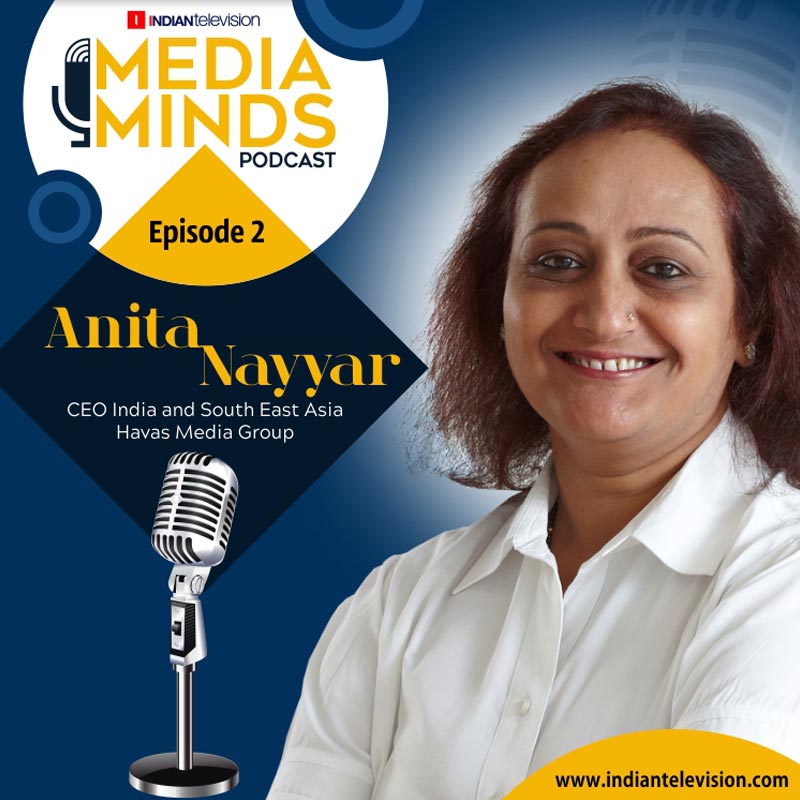
    Mumbai: The year 2021 saw work-life turning 360 degrees for former Havas media India boss Anita Nayyar, as she joined Patanjali Ayurved as COO- Media & Communications, after a year-long stint with Zee5 as head of customer strategy and relations.

    An industry veteran with over three decades of experience, Nayyar has managed many portfolios of brands across sectors. She has played leadership roles in several media and advertising agencies including Saatchi & Saatchi, Ogilvy & Mather, Initiative Media, MediaCom, and Starcom Worldwide. Nayyar spent the longest tenure at Havas – the agency she joined in 2007 as chief executive of the India operations. Under her aegis, the agency grew exponentially and expanded its offerings as an integrated communications group. She subsequently headed Havas Media Southeast Asia (SEA) in addition to her role as CEO of Havas Media.  

    As the year draws to a close, Indiantelevision.com, got into a freewheeling conversation with Anita Nayyar about her big professional move in 2021, leading the media and communications strategy at Patanjali Ayurved, and outlook on industry’s growth as we enter 2022.

    Edited excerpts:

    On looking back at 2021 and her transition from Zee5 to Patanjali

    I spent over 30 years working with agencies and publishers. After so many years on the agency side, I thought I had done my bit. Plus, the monotony tends to set in. So, it’s good to learn something new from the other side of the table. That’s how Zee5 happened. On the whole, I have worked with advertising agencies, media agencies, publishing platforms, as well as new-age digital platforms like Zee5. So when Patanjali came in, I thought it’s a good opportunity to do a full circle and explore all aspects of advertising, marketing, and communication. So to that extent, I feel it completes my circle in the industry.

    On how the year was for Patanjali as a brand, and her priorities when she joined the company in July

    Patanjali is one of those aggressive Indian brands, which has galloped its way through to the top in the Indian FMCG industry. When I took over as the COO for media branding and communication, the idea was to oversee all the strategies that are happening in their advertising domain, how they are progressing and what is it that we can do better. It was interesting to see their (Baba Ramdev and Acharya Balkrishna) vision. Sometimes, it’s even difficult to match up to the speed at which their vision for the company goes- both in the Wellness, fitness, and the Ayurveda sector. Also, the fight that they are bringing to the table for the MNCs in the FMCG category. Patanjali Ayurveda, along with Ruchi Soya, is the second-largest FMCG brand in the country.

    On any key innovation that the brand brought in this year

    The company is constantly innovating, in terms of the categories and areas they have entered in over the years. Like IT solutions or Agri sciences for example and this foresight of acquiring Ruchi Soya. The brand has kept up with the times, even by propagating the fact that they are ‘swadeshi’ as well as ‘Make in India’ initiatives. So innovation, to my mind, is the core of this brand. We have recently launched a Nutrela nutraceutical range of supplements, that’s the new category that Patanjali along with Ruchi Soya has entered into. And it’s interesting as there aren’t too many players in this segment and the fact that people have become very conscious about their health and wellness, especially in the last two years.

    On any changes in the brand’s media strategy in 2021

    This past year has fared fairly well for the brand because we have strategically invested in some high-impact properties. As a brand, we have been highly visible on the news channels and we have done a lot of GECs as well, and as such, there’s a tremendous amount of reach and awareness for the category. New marketing campaigns are on and we are in the process of working on our annualised spend and strategies, so let’s see how that goes.

    On looking ahead to 2022 and expectations for the brand

    We are cautiously optimistic. In businesses, when there’s recovery, optimism is the core. If you aren’t optimistic how will you take risks and move forward? That applies to life in general. But, if I were to wrap up my expectations for the brand in a single word, it’s ‘growth’. That is what every organisation’s looking for and we specifically do so, because we want to bridge the gap between the number one in the industry. And we are getting there. In the media branding and communications domain, I want to maximise the return on investment (ROI) that we are doing in the media industry.

    On key industry trends that might dominate next year

    The past year has certainly fast-paced the digital transformation of companies, whether it was entertainment, online shopping, or the use of digital platforms to connect with other people. It was anyways slated to grow between 25-30 per cent earlier also, the needle just moved quicker now. To my mind, next year we will see a healthy mix of both TV and digital and each medium plays an important role, depending on what the objectives are. TV, of course, remains the mainstay because of its reach and low CPMs (Cost per Thousands) that it offers.

    Print was badly hit during the pandemic. It is doing a little better, but still nowhere close to where they were pre-pandemic as yet. Outdoor is back and Cinema is also showing signs of recovery, depending on the titles that are playing.

    Each medium today has a role to play from that aspect and we use them for their attributes. So I think overall for the media industry and, as per industry reports too, there should be a growth of 12-16 per cent in the media & advertising industry, which given the situation is not a bad thing. 

    On any personal learnings that she will take into the next year

    My personal learning may sound a little clichéd, but it was very important for me to explore other areas and not remain stuck to a particular area of expertise. It’s when you try to explore other fields that you know what your proficiencies are. Every domain that I’ve worked in has given me immense learning. So, it’s a good check for one to constantly keep trying newer opportunities and opening up newer avenues for one’s own learning. If you continue to explore newer domains, it just keeps adding to your professional and personal growth as well. 

  • Patanjali Ayurved onboards Anita Nayyar as COO – media & communications

    Patanjali Ayurved onboards Anita Nayyar as COO – media & communications

    MUMBAI: Patanjali Ayurved has appointed senior media, marketing and advertising professional Anita Nayyar as its chief operating officer-media and communications. Nayyar updated her LinkedIn profile to reflect the development. 

    In her last stint, Nayyar was ZEE5’s customer strategy and relationships head.

    In her expansive career spanning over two decades, Nayyar has been instrumental in driving strategic business development, client relations and creative narratives for brands across her stints at varied Indian and global firms. 

    Nayyar joined Havas in 2007 as CEO of Havas Media India. Under her leadership Havas Media in India grew and expanded its offerings as an integrated communications group. In 2018, Nayyar was promoted to CEO of Havas Media Southeast Asia on the back of an accelerated growth strategy in the region, in addition to her role as CEO of Havas Media India.

    In the past, Nayyar has played leadership roles in advertising and media agencies – Ogilvy, Lintas-Initiative Media, Mediacom, Mudra, Starcom.

  • Zee5’s customer strategy head Anita Nayyar quits

    Zee5’s customer strategy head Anita Nayyar quits

    KOLKATA: Senior media and marketing professional Anita Nayyar has moved on from OTT platform Zee5. Nayyar was heading customer strategy and relationships at the organisation.

    In her expansive career spanning over 20 years, Nayyar has been instrumental in driving strategic business development, client relations and creative narratives for brands across her stints at varied Indian and global firms.

    Prior to Zee5, she was associated with Havas Media Group as the CEO India & southeast Asia. She has been acclaimed and received accolades on various platforms over the years for her leadership and achievements.

    She also worked with Starcom, Mudra Communications at the outset of her career. She is skilled in digital strategy, marketing strategy, digital marketing, digital media planning and buying.

  • #Throwback2020: Rejigs in the Indian marketing world

    #Throwback2020: Rejigs in the Indian marketing world

    NEW DELHI: Change is the only constant, and 2020 was a year of change. Big ones.On personal and professional fronts, both. Folkspicked up new skills, explored previously untried things, made self-discoveries. The trend reflected in the way people moved across industries, looking for fresh challenges and opportunities – looking for change. The marketing and advertising industry was also no stranger to this. There were a number of movements within agencies, some also chose alternate industries to grow, and many others were promoted to new roles. Here is part one of an intensive overview of how the year fared for the marketing and advertising world in terms of people movements, appointments, and elevations: 

    The year started with WatConsult founder Rajiv Dingra vacating the CEO chair and taking up an advisory role in the agency from the house of dentsu International (earlier Dentsu Aegis Network). He was replaced by Heeru Dingra. Rajeev went on to launch a new venture, RD&X Network, later in the year. 

    Next, Cheil India social media strategist Abhishek Mudgal exited from the agency to join Cars24 as brand manager -digital. Erstwhile CCO south-east and south Asia and VC – India at Ogilvy Sonal Dabral moved on from the creative powerhouse after a two-and-half-year stint to start his journey as an independent creative consultant. 

    Sonal Dabral

    Another big exit from the agency world came whenHavas Media India and SEACEO Anita Nayyar ended her 13-year-long journey with the agency. She later joined Zee5 as head – customer strategy and relationships. Following her exit, Mohit Joshi was elevated to the India leadership role. 

    Anita Nayyar

    The next big transition was made by Anita Kotwani. She left the post of SVP – new business and client lead, The Walt Disney Business at Mindshare India, ending a 16-year-long relationship with the agency, and headed to Carat India as its CEO. 

    Anita Kotwani

    Most recently, Nabendu Bhattacharyya, an industry veteran with more than two decades of experience in the Indian out-of-home (OOH) space, stepped down as CEO and MD of Milestone Brandcom, the India-based OOH specialist agency from the house of dentsu international. He is moving on to follow his personal interests after spending six years with the network. 

    Another exit from dentsu International came earlier in the year with Isobar India’s chief growth officer Shekhar Mhaskar departing the company. Also, Dentsu India CCO Malvika Mehra bid adieu to the network to begin afresh as an independent creative director and brand consultant.  

    Malvika Mehra


    Dentsu roped in Rohit Mukherjee as creative director, south for Isobar India. Prior to this, Mukherjee was associate creative director with Bates India. 

    A slew of exits happened at Publicis Worldwide India too. Managing director for the company’s India operations including Publicis Ambience, Publicis Capital, Publicis Beehive, Publicis Health and Publicis Business Srija Chatterjee left as the group dissolved the position. CCO and MD Ajay Gahlout also stepped down from his position to pursue personal interests. Chief strategy officer and managing partner Neeraj Bassi also called it quits in 2020. He went on to join Havas Group India as the chief strategy officer. 

    Neeraj Bassi

    On the other hand, Publicis announced the appointment of Sanju Menon as chief operating officer of Publicis Ambience and Publicis Beehive. He joined from Leo Burnett India, where his last role was as executive vice president managing the entire Bajaj portfolio for the agency. The group also roped in Deepak Pant as head, data science practice, from Cognizant where he worked as the director AI & analytics of the digital business.

    GroupM, South Asia COO and CFO Sridhar Ramasubramanian on boarded as the CFO for Publicis Groupe, South Asia. The group appointed Mimi Deb to lead its dedicated bespoke unit platformGSK. 

    Simultaneously, Rachana Lokhande, co-chief executive officer (CEO) of GroupM-owned outdoor agencyKinetic India, chose to resign from her position. She was replaced by Ajay Mehta who took on the additional charge as MD – Kinetic along with the post of managing director of cinema (ITV). Mehta also joined the GroupM India executive committee (ExCo).

    Wavemakar also found its South Asia CEO in Ajay Gupte, who was earlier the COO for Wavemaker India, after Kartik Sharma moved on to join Omnicom Media Group as Chief Executive for India operations,

    Ajay Gupte

    In another internal rejig within the GroupM network, Mindshare Fulcrum SVP Premjeet Sodhi joined Wavemaker India as chief growth officer. He was soon elevated to the post of chief strategy officer. Mindshare chief innovation officer – South Asia Mac Machaiah was appointed as the lead of Wavemaker unit for ITC business. Vishal Jacob returned to Wavemaker India as chief digital officer, after close to two years with GroupM as a principal consultant – change planning and transformation. Additionally, Sandeep Pandey, who led product and strategy, was elevated as Wavemaker’s global head of analytics.

    Additionally, Mirum India brought on board former 82.5 Communications SVP Mohit Ahuja as the director of brand strategy and client services. 

    To be continued… 
     

  • News networks’ COVID-19 campaigns seek engagement, brand image

    News networks’ COVID-19 campaigns seek engagement, brand image

    MUMBAI: It’s been almost a month since lockdown and news channels have launched dozens of campaigns on both television and digital platforms to talk about COVID-19. Though the preliminary objective of these campaigns is to create awareness and educate the audience, they also help channels create engagement and that eventually may result in getting more advertisers.

    Havas Media Group India and South East Asia chief executive officer Anita Nayyar says, “Marketing campaigns, irrespective of the genre, are meant to improve the brand image or to address any other marketing objective of the channel and that also applies to news channels. Hence, it is a given that campaigns being run by news channels will help to promote them.”

    Network18 was the first to launch a campaign called #IndiaGives, wherein each employee of the network donated one day's salary to daily-wage workers and all those severely impacted due to this unprecedented crisis.

    The network is also running a full-fledged television and digital awareness and self-help campaign – #MakeYourOwnMask, which aims to create awareness about the most basic infection prevention and control measure – wearing masks outdoors. In addition, each news channel of the network has its own special programming.

    “Our campaigns are aligned with the issues of the day,” says Network18 chief executive officer – television news Avinash Kaul. “A key differentiator of most of our campaigns is that they are editorial-led, with our journalists championing them and our programming also reflects that. This adds a great deal of credibility to the campaigns. As a company, we always take the long view.”

    Stating that it has always been involved with causes that are aligned with nation-building, Kaul says, “We believe that institutions and great brands are built by being operationally nimble, caring and having a long term vision that aligns with national and societal concerns and aspirations.”

    News channels are always aligned to causes more than anybody else, says TRA Research CEO N Chandramouli. “Cause marketing is a very old tool used by news agencies and currently, they have taken the cause of COVID-19 scenario." He also adds the this is due to a lack of advertisers despite the exponential viewership growth in the recent past.

    Times Network has launched an umbrella campaign called ‘Fighting Fear with Facts’ that focusses on delivering fact-based reportage and defuse panic and fear while offering uninterrupted news to its viewers. The network’s news brands have also come up with special programming along with campaign initiatives like Factoids, Safety Tips, Do’s and Don’ts, Myth busters, among others.

    In the same line as its peers, Times Network has also launched the campaign ‘India Cares’ across its network channels to mobilise support from the viewers to raise funds to PM CARES Fund, to support the migrants and daily labourers, whose livelihoods have been challenged by the epidemic.

    “We believe in creating one campaign as the face of the brand rather coming up with various campaigns and confusing viewers,” says a source.

    “At this time of crisis, the communication shouldn’t be pushy about your product through campaigns. Rather, it should focus on asserting some motivation and inspiration to the viewers,” says DigitalKites senior vice-president Amit Lall.

    Unlike the other two, ABP News Network has launched different campaigns on its channels covering region-specific COVID-19 stories. The network’s Hindi news channel ABP News has initiated a campaign called #CoronakoDhona to strengthen the consciousness of the virus and ensure the safety of the people.

    The network’s Marathi news channel — ABP Majha along with a campaign has curated a special show called ‘Corona Parishad’ to impart the COVID-19 knowledge to the viewers. Similarly, an initiative on ABP Ganga called ‘Corona Ke Karam Yodha’ was telecast to throw light on the unsung heroes of COVID-19, whether they are policemen, doctors, or any other individuals.

    ABP News Network chief executive officer Avinash Pandey says: “We measure the success of our organisation through the kind of influence we have on our viewers. For us, nothing comes above the support and aid to people and communities in the time of need. COVID-19 has emanated a sense of disruption and despair worldwide. Through these initiatives and campaigns, our aim was to safeguard the health of the people, spread maximum awareness, create a positive societal impact and most importantly, fulfill our long-standing commitment to deliver the best at all times.”

    “The reason channels are coming up with a lot of campaigns is because they are seeing the sentiments of viewers are low and currently there are fewer advertisers buying ad space and inventories," adds Lall.

    “The campaigns run by news channels are being seen as public service and disseminating information to help build awareness of the unforeseen situation the country is in,” says Nayyar.

    Recently, the News Broadcasters Federation showed its resistance to media agencies trying to cut down ad rates by 50 per cent despite news being the most-watched genre.

    Even the News Broadcasters Association spoke about the fact that even top channels are seeing less than 50 per cent ad bookings even as agencies are trying to defer payments to channels.

    Even though news channels are doing their bit of social service, they will also need revenue to keep the business running. Under normal circumstances, channels may have roped in sponsors for various campaigns as well. But right now, the market looks bleak.

  • Brands shift ad spends to digital platforms to tide over COVID-19 crisis

    Brands shift ad spends to digital platforms to tide over COVID-19 crisis

    MUMBAI/NEW DELHI: The emergence of COVID-19 has thrown the near-to-mid-term strategies of businesses off-track. Global media ad spending has been hit as well. According to industry experts, the long-term impact will be positive. However, the next quarter is going to be very crucial for the advertising world.

    Indiantelevision.com spoke to industry stakeholders to get their feedback.

    Havas Media Group CEO India and South East Asia Anita Nayyar says, “In the short-term, only the most necessary, topical and critical advertising will see the light of the day. There will be brands that will look at the situation positively and continue building in a comparatively non-cluttered environment.”

    Brands have to be sensitive to people’s worries as well as that of manufacturers. The consumer is wary of buying, at the same time the manufacturer can’t produce and supply goods. Advertising, then, has to take into account these factors, too.

    Lionsgate South Asia MD Rohit Jain believes that the impact is likely to last two to three quarters before returning to normalcy. “Unfortunately, for most advertisers at this point, it does not make sense to advertise when they can’t deliver or make available on the shelf. Outliers at this point are perhaps the personal hygiene industry and the media and entertainment industry where consumption has shot up.”

    Dentsu Aegis Network India CEO Anand Bhadkamkar says that the advertising plans, which were under execution before the pandemic broke out, are consistently being evaluated by clients before execution. But, it is a wait-and-watch situation till 14 April when the lockdown is likely to be lifted and things can get back to normal. He feels that it would be a slow walk back to growth. However, he is sanguine about the long-term outlook. “As far as the Indian market is concerned it will bounce back. According to me, the long-term impact will be positive,” he says.

    Even as the world practices social distancing, people are still connected through social media and that gives brands and agencies hope. 82.5 Communications chairman and chief creative officer Sumanto Chattopadhyay says, “Social media is helping brands work around media and production limitations and still reach out to consumers. This is a temporary surge for the medium, which will also have a long-term impact as brands get used to communicating this way.”

    On the consumer front, people are locked down at home with genuine concerns about their health, safety, and even livelihood. In such a case, they do not wish to be bombarded with ads. Chattopadhyay adds, “In today’s time, a lot of regular advertising is irrelevant. Add to that the shutdown of newspaper printing and severe challenges in video production. Yes, media plans have to be rejigged.”

    The advertising industry is quickly evaluating what is doing well and what is falling flat. In the wake of the pandemic, advertising firms are introducing swift changes in their media plans.

    According to Bhadkamkar, clients are reviewing and revising media plans as the market situation unfolds. The evolving COVID-19 situation is compelling businesses to consistently evaluate their strategies. "Media plans which were conceptualised prior to the virus outbreak would not be relevant and effective in today’s uncertainty. The coming three weeks will be crucial for brands," he notes.

    BARC India and Nielsen's data has revealed that a lot of viewing is taking place both on TV and OTT platforms. This opens up opportunities for ad spends in the digital medium. Bhadkamkar says, “People are getting used to more digital markets in terms of ad spends. The digital market will grow much faster as compared to what it was earlier.”

    Lionsgate had plans for an OOH campaign but the pandemic has caused it to realign its focus by upping digital investments to engage with consumers and inform them about the latest offerings. “While we have a big release in April, John Wick 3, the first digital premiere, we are trying to optimise our creative and spend on digital to increase our reach and create top-of-mind recall. OOH would have further helped us widen the reach but, in such times, we are looking at higher impact properties on digital and strong showcasing on the partner apps,” says Jain.

    The fraternity believes that this pandemic has also given an opportunity to rethink how various industries want to conduct the business. In every adversity, there is an opportunity. The 2008 recession taught marketers to find efficiencies with much lower spending. Today’s situation may relook at the need for physical movement in favour of online interactions. Warming up to ad spends on digital could be the long-term positive impact of COVID-19.

  • Despite viewership growth, DD needs to overcome content, advertising challenges

    Despite viewership growth, DD needs to overcome content, advertising challenges

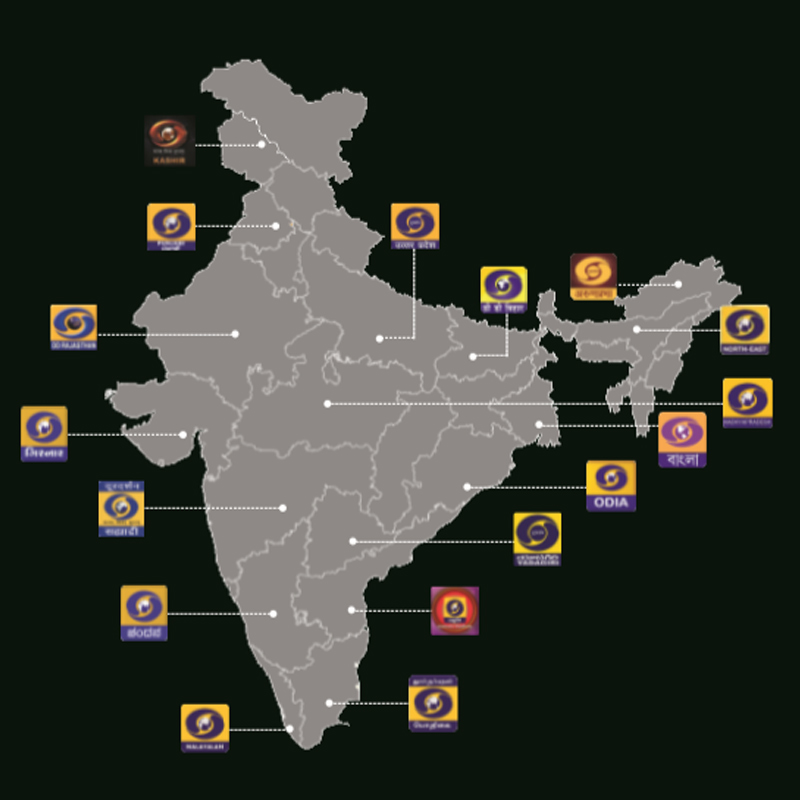
    MUMBAI: India’s public broadcaster, Prasar Bharati, is one of the largest public broadcasters in the world. It got a big boost with DD Free Dish that enabled it to reach into the interior parts of the country where pay channels didn’t have much headway. In 2019, Prasar Bharati added 11 regional channels on DD Free Dish to expand its reach, gaining 16 per cent more viewership over the previous year (2018). Half of its viewership comes from Hindi channels and the other half from regional language channels.

    Among the 24 DD channels measured by BARC India, the viewership of its English news channel DD India grew 63 per cent over the previous year, while that of DD Kisan gained 48 per cent. Notably, in the English news space, DD India contributes to 22 per cent of the entire genre viewership.

    Prasar Bharati CEO Shashi S Vempati says, “Doordarshan is not just a broadcaster; it is an institution that has helped germinate, build and popularise television in India. In the dynamic broadcast sector, Doordarshan, too, is transforming itself to keep in sync with its core mandate of public service broadcasting as well as meet audience expectations.”

    He further says, “Towards this, we rely on data and insights from BARC India to help target and deliver our content in a more effective manner. BARC India has done a great job in building the world’s largest TV viewership measurement system. As a key stakeholder of BARC India, we continue to engage and collaborate with the industry body as it consolidates and expands its services further.”

    Recently, the pubcaster revived two of its shows Ramayan and Mahabharat during the covid-19 crisis. Although it no longer enjoys a monopoly position, Doordarshan continues to have its dedicated audience and exercises its specific responsibility of public service and socially-relevant broadcasting.

    Joel Multimedia founder & CEO Varghese Thomas says, “India's public broadcaster was the one and only destination for television advertisers three decades ago. DD National, DD Metro and about 15 regional channels used to feature in all TV plans until the late 1990s. The public broadcaster has gifted a lot of good shows to the Indian television Industry such as Mahabharat, Ramayan, Surbhi, Rangoli, Chitrahaar, Superhit Muqabla, Shanti, Swabhiman etc. (Some of them were privately produced). The Friday and Saturday Hindi feature films were bumper hits among advertisers. Has anyone thought of creating a fantastic show out of a morning time band at 7 am on Sundays with a show like Rangoli? That was the power of Doordarshan during those days.”

    Thomas believes that after the entrance of satellite TV channels, pubcasters could not withstand the fast-changing trends and lost audience to private channels. He says, “Today, the HSM market has 57 per cent penetration of TV in the urban+rural markets. The proliferation of satellite channels with deep pockets and focus on innovative content has changed the way TV is consumed in India.  From fiction to sitcoms to reality shows, satellite channels have all that to entertain the ever-hungry TV audience. As the audience moved, advertisers have also moved to satellite channels as it was offering multi-dimensional opportunities for the brand rather than just buying a TV spot of 30 seconds.”

    Thomas, however, believes that though people in metros prefer satellite channels over public broadcasters only due to the programming, it would be a good idea to consider the public broadcaster for smaller towns and villages. “The terrestrial reach of the broadcaster is exclusive and no other broadcaster caters to that space which is very important. DD Free Dish is another superhit with 35 million connections and it's a great platform for even FTA satellite channels for distribution. Last year, the public broadcaster has generated revenue of Rs 500+ crore only by striking distribution deals with private channels.”

    According to the 2nd edition of BARC India- What India Watched 2019, the total viewership on DD grew to 573 billion viewing minutes in 2019 from 492 billion viewing minutes in 2018. The viewing minutes on DD's GEC channels grew by 19 per cent from 355 billion viewing minutes in 2018 to 424 billion viewing minutes in 2019.

    News genre witnessed five per cent growth in 2019 at 25 billion viewing minutes from 24 billion viewing minutes in 2018. Sports grew by four per cent at 101 billion viewing minutes in 2019 from 98 billion viewing minutes in 2018 and niche/others genre grew by 48 per cent at 23 billion viewing minutes in 2019 from 16 billion viewing minutes in 2018.

    “In spite of an increase in viewership, the number of advertisers in 2019 reduced by eight to10 per cent. In terms of spends there was growth in 2018 but in 2019 overall spends across DD network dropped by 30-35 per cent. Large CPG brands have also reduced spends on the DD channels in 2019,” informs Carat India executive VP Mayank Bhatnagar.

    He, too, agrees that the network has a vast untapped potential in the rural belt of the country. “The government has taken several steps to improve the quality of content and added new content to attract viewers. The viewership growth is exceptional, driven by the quality of the content and audience connect via increased presence on social media platforms. However, currently facing immense pressure from other FTA channels, DD needs to invest in the right content which is relatable and relevant to audiences,” he opines.

    Havas Media Group CEO India and South East Asia Anita Nayyar believe that if the public broadcaster is able to help advertisers with an attractive number of eyeballs and quality reach through innovative programming, it can get more investments.

    Nayyar says, “Depending upon the kind of audience and the markets it caters to and reaches, the investments follow. Advertisers are interested in reach and that too quality reach. With reach, the focus should be on quality of programming and that will get quality advertisers. As long as the same is delivered it should automatically attract advertisers and investments.”

    She further opines, “Unfortunately, the perception of public broadcasters in spite of the reach is not up to the mark and perceived to be low quality on both the audience and content fronts. With so many options available to view and great quality content available all across they have tough competition and will need to rise to the occasion.”

    There was some negative growth as well in some of the languages like Gujarati and Punjabi. Gujarati witnessed a fall of 5 per cent, the viewing minutes decreased to 9 billion in 2019 from 9.3 billion in 2018. Punjabi witnessed a 13 per cent fall in viewing minutes from 49 billion viewing minutes from 43 billion viewing minutes in 2018.