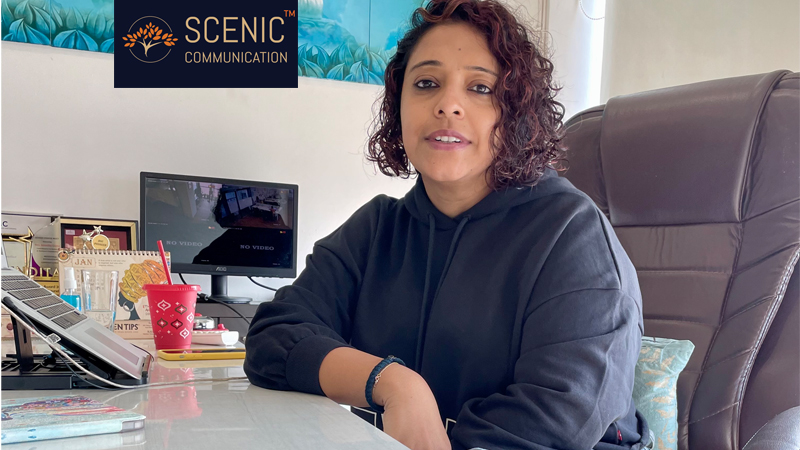
Tag: Anindita Gupta

  • Ephemeral content and FOMO marketing: Engaging audiences in a fast-paced digital world

    Ephemeral content and FOMO marketing: Engaging audiences in a fast-paced digital world

    Mumbai: Staying ahead in the ever-evolving landscape of digital marketing, requires constant adaptation to emerging trends. Catching and holding the attention of your audience can be a challenge. A trend that has gained significant traction in recent years is the use of ephemeral content and fear of missing out (FOMO) marketing strategies. In a world where information is fleeting and attention spans are short, businesses are embracing these tools to captivate audiences and foster a sense of urgency. Ephemeral content, characterized by its short-lived nature, offers marketers a unique and engaging way to connect with their audience.

    Understanding Ephemeral Content and FOMO:

    Ephemeral content refers to short-lived, temporary pieces of multimedia, typically lasting for only a brief period. The rise of platforms like Snapchat and Instagram Stories has contributed to the popularity of this format. The temporary nature of ephemeral content aligns with the modern consumer’s preference for quick, digestible information, making it an ideal vehicle for conveying messages in a concise and engaging manner.

    Fear of Missing Out (FOMO) is a psychological phenomenon where individuals fear being excluded from valuable experiences or information. Marketers can tap into this innate human emotion to drive engagement and conversion.

    Brands can utilise ephemeral content and Fear of Missing Out (FOMO) marketing in various ways to enhance their digital presence, foster audience engagement, and drive business outcomes. Here are practical strategies for incorporating these elements into a brand’s marketing approach:

    1.   Immediacy: Ephemeral content demands immediate attention, creating a sense of urgency among consumers. The fear of missing out on time-sensitive information is a powerful motivator.

    2.   Authenticity: Short-lived content is perceived as more authentic and spontaneous, fostering a connection between brands and audiences. Behind-the-scenes glimpses and real-time updates humanize the brand, making it relatable.

    3.   Event coverage: Whether it’s a product launch, industry conference, or behind-the-scenes look at daily operations, leveraging ephemeral content to provide real-time coverage creates a FOMO effect. Audiences feel a sense of exclusion if they are not part of the live experience.

    4.   Visual appeal: Ephemeral content relies heavily on visuals, utilizing images and videos to convey messages. The visually rich nature of this format enhances engagement and resonates with the preferences of modern consumers.

    5.   Sneak peeks and teasers: Build anticipation by sharing sneak peeks or teasers of upcoming products or announcements. The fleeting nature of ephemeral content adds an element of mystery, driving curiosity and interest.

    6.   Limited-time offers: Create a sense of urgency by offering exclusive deals or promotions with a limited timeframe. Communicate the urgency through ephemeral content, compelling followers to act quickly to avoid missing out.

    Conclusion:

    In the dynamic landscape of digital marketing, embracing ephemeral content and FOMO strategies is crucial for capturing the attention of today’s audiences. The immediacy, authenticity, and visual appeal of short-lived content align seamlessly with the preferences of modern consumers. By leveraging FOMO, businesses can create a sense of urgency and exclusivity, fostering deeper connections with their audience in our fast-paced digital world. As technology continues to advance, marketers must stay attuned to these trends, adapting and innovating to maintain relevance and effectively engage their target demographic.

    The author of this article is Scenic Communication co-founder Anindita Gupta.

  • The role of AI in public relations: Uncovering the pros and cons

    The role of AI in public relations: Uncovering the pros and cons

    Mumbai: The rapid advancement of technology in recent years has had a profound impact on various aspects of society, economics, and everyday life. This is particularly evident in the field of communications, where Public Relations (PR) has undergone significant changes. With the emergence of the internet and social media, PR professionals have had to adapt to new platforms and channels.

    Artificial Intelligence (AI) has also made its mark in the PR industry, with a survey showing that 67.8% of PR professionals are already utilizing AI in their work. This growing link between AI and PR highlights the need to explore how AI is being used in the industry and the impact it has on the landscape.

    While the introduction of AI in the PR industry will undoubtedly bring about changes, these changes do not necessarily have to be negative. With the right approach, AI can be a valuable tool for PR professionals.

    One noticeable shift is that AI is taking over repetitive and mundane tasks that were previously time-consuming. This means that PR professionals need to develop new skills or refine existing ones to stay relevant in this changing landscape. The importance of critical thinking, adaptability, editing, and storytelling skills is emphasized in The State of PR Technology 2023 report.

    AI offers several advantages in the field of PR. With its ability to automate repetitive tasks, it leads to substantial savings in both time and resources. It also enables quick analysis of large volumes of data, providing valuable insights for decision-making. AI helps identify target audiences accurately, leading to more personalized and effective communication. Additionally, AI plays a crucial role in crisis management by monitoring social media and news platforms in real-time, alerting PR professionals to potential crises and facilitating prompt responses. AI-powered chatbots and virtual assistants enhance customer engagement by providing personalized responses, improving the overall customer experience.

    However, there are also concerns associated with AI in PR. The potential lack of empathy and emotional intelligence in AI systems can hinder the building of strong relationships. Ethical issues surrounding privacy, bias, and misinformation can also arise, affecting public trust. The automation capabilities of AI may lead to job displacement for PR professionals, particularly in tasks that can be easily automated. Moreover, an overreliance on technology can restrict creativity, intuition, and human judgment, which are crucial elements in the field of PR. There is also a risk to a company’s reputation as AI algorithms can make mistakes or misinterpret data, potentially resulting in inaccurate or damaging PR campaigns.

    Conclusion:

    It is important to note that while AI offers significant benefits in PR, human expertise and judgment are still essential. PR professionals need to interpret and contextualize the data and insights provided by AI tools, build relationships, and make strategic decisions based on their understanding of the brand and industry. AI should be seen as a tool that enhances and supports PR efforts, allowing professionals to work more efficiently and effectively.

    The author of this article is Scenic Communication co-founder Anindita Gupta. 

  • Guest Article: The building blocks of successful PR campaigns

    Guest Article: The building blocks of successful PR campaigns

    Mumbai: In the ever-evolving landscape of public relations, crafting a successful PR campaign is both an art and a science. It requires finesse, strategy, and a deep understanding of your client’s goals and objectives. As the founder of Scenic Communication, I’ve witnessed firsthand the transformational power of a well-executed PR campaign. Today, I’ll share with you the building blocks that underpin the success of every PR campaign we undertake.

    1.   Strategic Planning: The Foundation

    Every successful PR campaign begins with a solid strategic plan. This is where you define your goals, target audience, key messages, and the tactics you’ll employ. It’s crucial to align your PR efforts with your client’s broader business objectives to ensure your campaign has a meaningful impact.

    2.   Audience Understanding: Know Your Stakeholders

    To effectively reach your audience, you must first understand them. Conduct thorough research to identify your target audience’s demographics, interests, behaviors, and pain points. Tailor your messages to resonate with their needs and preferences. Remember, successful PR is about building relationships, and knowing your audience is key to forging those connections.

    3.   Compelling Storytelling: The Heart of PR

    Great PR is essentially great storytelling. Craft narratives that captivate your audience, highlight your client’s strengths, and showcase their uniqueness. Storytelling humanizes brands and fosters emotional connections, making your messages more memorable and impactful.

    4.   Media Relations: Forge Valuable Connections

    Building relationships with the media is a cornerstone of PR. Cultivate connections with journalists, bloggers, and influencers in your client’s industry. Be a resource, not just a promoter. Provide valuable insights, data, and expert opinions to position your client as an industry thought leader.

    5.   Content Creation: Fuel Your Campaign

    Content is king in today’s digital world. Create high-quality, shareable content that aligns with your campaign’s objectives. This can include press releases, blog posts, videos, infographics, and more. Content should be informative, engaging, and tailored to the platform you’re using.

    6.   Crisis Management: Be Prepared

    No PR campaign is without its challenges. Be prepared for potential crises and have a crisis management plan in place. Quick and thoughtful responses can mitigate damage and maintain your client’s reputation.

    7.   Measurement and Analytics: Prove Your Impact

    PR is an investment, and clients want to see a return. Use measurable key performance indicators (KPIs) to track the success of your campaign. Metrics could include media mentions, website traffic, social media engagement, lead generation, and more. Regularly analyze data to refine your strategy.

    8.   Adaptability: Embrace Change

    The PR landscape is dynamic, with trends and technology constantly evolving. Stay ahead of the curve by embracing change and adapting your strategies accordingly. Keep learning, exploring new tools, and refining your skills to remain competitive.

    9.   Client Communication: Maintain Transparency

    Open and honest communication with your client is paramount. Keep them informed about the progress of the campaign, challenges faced, and results achieved. Build trust by being transparent about your efforts and outcomes.

    10.   Team Collaboration: Leverage Expertise

    Successful PR campaigns are rarely solo endeavors. Surround yourself with a team of talented individuals who bring diverse skills and perspectives to the table. Collaboration fosters creativity and leads to more comprehensive and effective campaigns.

    In conclusion, the building blocks of successful PR campaigns are founded on strategy, audience understanding, storytelling, relationships, content, crisis management, measurement, adaptability, client communication, and teamwork. As the founder I firmly believe that by adhering to these principles and constantly honing our craft, we can continue to deliver outstanding results for our clients and elevate the field of public relations.

    Remember, the world of PR is ever-changing, but these building blocks remain constant. Embrace them, refine them, and watch your PR campaigns thrive.

    This article has been authored by Scenic Communication co-founder Anindita Gupta.

  • GUEST COLUMN: Spinning the Web 3.0 around communications and PR

    GUEST COLUMN: Spinning the Web 3.0 around communications and PR

    Mumbai: Web 3.0 has indeed taken the internet world by storm. With Facebook heavily investing in metaverse to break barriers and converge online and offline environments, it is set to redefine the way we communicate and interact in the virtual world. Virtual, instead of being separate from the physical world, will penetrate into every aspect of our daily lives with the amalgam of physical and digital data. Web 3.0, also known as the spatial web, will blur the boundaries between digital and physical worlds and this sure will tremendously influence brands’ communication and public relations (PR) efforts in the future.

    Starting with Web 1.0 till the advent of Web 3.0, the communication industry has evolved and adapted to changes. But what exactly would be the impact on the communication industry and how can the industry capitalise on new technologies to fine-tune its strategies? Let’s dive a little deeper and understand how communication strategies will shape up in the future and what PR companies can do to stay relevant and optimise their efforts in this era.

    A rise in NFT-compatible PR campaigns

    An NFT (non-fungible token) strategy is a must in the Web 3.0 era to help brands stay ahead of the competition. Powered by blockchain technology, PR companies can leverage NFTs to create new experiences for customers. NFTs facilitate immersive experiences. It is a unique digital asset that cannot be replicated and PR companies will need to shift their focus on launching NFT campaigns for brands to create exclusivity for customers. NFT campaigns can be a doorway for customers to access exclusive events, gain early access to content, or even discounts and special offers.

    Focus on content that appeals to multiple personas

    Web 3.0 takes hyper-personalisation to a whole new level. Going forward, PR and communication efforts by brands would be centered on creating content that appeals to multiple personas. There will be a shift towards bite-sized articles; but at the same time these will have enough depth to appeal to the preferences of multiple audiences. That means PR companies will now have to create content that is angled differently for different audiences to provide true value and establish thought leadership.

    Customer experience will gain more prominence

    While customer experiences have always been important, the advent of Web 3.0 has increased consumer expectations resulting in a greater focus on crafting memorable experiences. PR and communication experts must help brands adopt a more holistic approach towards metaverse. Audiences now expect virtual events that offer a more immersive experience and PR companies would need to conduct virtual events with the same efficiency as they would conduct real events. PR and communication strategies will evolve to become more nuanced, helping brands provide audiences with the ability to participate and even become selective with the content they want to engage.

    Transparency and privacy will become more important than before

    With concerns looming over data privacy and transparency of data usage, Web 3.0 will see brands channeling their efforts to reinforce user privacy. It also calls for a decentralised structure which means individuals have complete control over their data and can exchange value without getting any intermediaries involved. What does this mean for the PR industry? Well, brands can derive insights from user data with AI and PR companies would need to adjust their strategies to have a more targeted approach. As cookies are slowly being eliminated, PR companies can provide solutions to secure first-party consumer data for brands.

    Blockchain will facilitate precise assessment of campaign results

    Web 3.0 has led to the rise of encrypted identities which means fake traffic from bots can be easily weeded out. This is critical to measure the actual reach of content published. PR companies can capitalise on blockchain technology to measure the actual impact and calculate ROI. Since brands are relatively new to the benefits of blockchain, PR companies can help them leverage the technology to transfer information securely, protect copyrights and create a safe space which is important for companies in fiercely competitive markets. As blockchain technology will help verify the authenticity of content, PR companies will have to be extremely careful with their content creation process. At the same time, brands creating authentic content will gain better reach without the risk of getting lost amidst a clutter of fake stories.

    Web 3.0 has huge implications for the communication industry. While it has already influenced our lives in big ways, we can expect it to further obliterate the boundaries between physical and virtual worlds and open endless possibilities for consumer-brand interactions. The longer it takes for brands and PR organisations to adapt themselves to spatial web technology, the sooner they will lose relevance in this dynamic landscape. Web 3.0 isn’t just a buzzword; it’s a new reality and is here to stay. PR companies adopting these technologies can help their clients achieve the first-mover advantage. 

    (About the author – Anindita Gupta is Scenic Communication co-founder)

  • Guest column: The changing face of women empowerment, reflected in Women’s Day campaigns

    Guest column: The changing face of women empowerment, reflected in Women’s Day campaigns

    NEW DELHI: In a world that is increasing being polarised with ideologies, caste, creed, class and gender radicalisation, while also expanding on progressive ideas of gender inclusivity, no-gender binary identities and enhancing gender equity in corporate and social settings, we sure live in a dynamic world, where the term International Women's day, has renewed meaning. And even as we work towards rebuilding a resilient workforce and stronger economics in the new normal, the changing face of women empowerment, is a brave testimonial to their ever increasing role in the modern world. And aptly so, the theme for this year’s women’s day, as set by the UN, is focusing on ‘Women in leadership: Achieving an equal future in a Covid2019 world’.

    Indeed, women and girls worldwide have donned the cape and took on pioneering roles to help the world cope with the crisis. From frontline workers, care givers, nurturers and home makers to new age media influencers, social entrepreneurs, environmental activists, business and wealth consultants to even women in politics, have all made their presence felt and voice heard, as organisations and leaders around the world, turn to their diversified workforces to gain insightful solutions and ideas to tackle the challenges thrown at us by the global pandemic.

    Indeed the Pride and Prejudice universe of Jane Austen has long passed, and the modern woman today wants much more than to marry and elevate her social status.

     The 21st-century woman is smart, efficient, and ambitious, looking to conquer the world, with her strength, belief and resilience. She seeks her meaning and value not just by playing the stereotypical roles, rather by breaking free from them.

    Modern brand campaigns and advertisements around women: A reflection of changing times

    A great way to chart the changing perspective around Women's Day and women's role at large is through the branded advertisement campaigns. Ads are a true reflection of the common beliefs and aspirations of a society, and are often created to appeal to the imagination of the larger section of the population.

    Looking back to just a few decades ago, the Women's Day celebrations in India were more meek and stereotypical. The number of ads launched around the day could be counted on your fingertips. Even then, they were limited to a few women's brands doing a lazy, stereotypical campaign, almost as if out of obligation.

    Popular narratives showcased the meek housewife focusing on managing the responsibilities of managing a house, raising children and nurturing the seniors, with a never complaining, perpetual smile! The entire movement, concentrated around the 8th of March, was just a reminder for the rest of the society to appreciate the modern super woman!

    Brand campaigns through ‘80s and ‘90s:

    Let's take a look at old campaigns of the popular Nirma washing Powder. It was always the first choice of Hema, Rekha, Jaya and Sushma, who were busy with household chores like washing clothes. An old Tata Salt campaign shows a woman trying to make pizza for her family at her conservative home. For Santoor in the 80s, the beauty soap user was a docile, homebody housewife.

    In each case, the family seems to be a priority for the woman.

    Products like cooking salt, washing powder were always considered a woman's product, which is a controversial debate in itself.

    In stark contrast stands the carefree, bubbly "new woman" showcased by Liril in the 90s, who is not afraid to bathe, sing and dance openly under a waterfall. We all saw a stunning Sonali Bendre for Nirma Soap in the 90s travelling the world alone.

    However, she is still accompanied by a male chaperon – although unconventional, and therefore not completely alone. So dependency on men, respecting boundaries, and abiding to the celebrated feminine notions of innocence and beauty, continued to be the common themes throughout the 90s.

    What has changed?

    With the dawn of the new century, Women's Day has managed to create a greater social-cultural-economical relevance, as women found their places and voices in corporate and social leadership. Post 2010, we have seen a lot of growth in women's portrayal in mainstream media, which was not limited to stereotypical campaigns or around Women’s Day or Mother’s Day, with brands adopting stronger and impactful narratives that are also stories of empowerment and change.

    The new women of the Ads Now:

    Needless to say, almost all major brands today launch a well-thought campaign centered around Women's Day. In fact, many brands do not limit their celebration to a single day alone. Ad campaigns focused on women keep coming up all year round. Some of the noteworthy ones:

    The 21st-century woman of Santoor is a beauty with brains and a mother, conquering her workspace proudly. Nirma's iconic four women have now stepped up to push an ambulance out of the mud when nobody would volunteer for the difficult, physically arduous task.

    Titan Raga appealed to make a positive change in how we look at a woman's success. Prega News has time and again highlighted myriad women's issues like postpartum depression and, in 2021, infertility, which has attempted to change the narrative around the very defining aspect that ‘completes’ a woman – motherhood!

    Usha has also spoken up for women's equality in households on Women's Day campaigns. Parachute Body lotion is building narratives around women's freedom of choice around clothing, and appreciating herself and other women.

    Body positive brands such as "All"- the plus-size apparel store by Future Lifestyle has launched campaigns that encourage women to be unapologetically sassy and confident, irrespective of their size.

    Lotte Choco Pie's "Pause to Celebrate" also initiates serious conversations around the area of women's need to pause, rest and relax.

    The most recently, the Dove Ad campaign questions the age-old understanding of "beauty standards" through the lens of a stereotypical arranged marriage setting where women continue to be questioned/ scrutinized and criticized for some of the basic aspects of their natural appearance, thereby suffer being objectified.

    A future of equality

    Log into the most popular search engine today- Google, and you are going to be welcomed with a campaign again- "The First Of Many: Women's History Month, 2021."

    Indeed Women's Day campaigns have evolved to sometimes reflect and at other times, drive the change, towards a progressive, more positive society. Today the “she” is no more vilified for having ambitions or dressing or speaking in a certain way.

    Today, the “she” defies gender norms, breaking boundaries and winning in fields traditionally dominated by men. Women's issues like the pay gap, gender bias at workplace, presence in leadership roles and at board meetings, lack of menstrual leave, etc, continue to drive the progressive movement towards gender equality, along with gender neutral and inclusive work policies, and shattering away gender binary stereotypes. From ignorance to glorification to finally an acknowledgement- indeed, women's day campaigns have come a long way!

    (The author is co-founder, Scenic Communication. The views expressed are her own and Indiantelevision.com may not subscribe to them.)

  • Guest column: Communication trends in 2021 that will shape the industry

    Guest column: Communication trends in 2021 that will shape the industry

    MUMBAI: The eventful 2020 has finally come to a close. The last year has been unlike any other where the entire human race has endured great hardships and has come out stronger and more resilient. As we enter 2021, the media fraternity finds itself at a notable turning point – politically, economically, technologically and socially, with a steep rise in the reliance on digital media. In the coming year, there is going to be an increased shift in how media functions and is consumed. Analysing media performance is also going to be a major factor where the efficiency of the media is going to be measured and analysed.

    Brands are going to further scrutinise their marketing spends so it is important that communication service providers follow the trends and stay up to date to provide the best value addition to their clients.

    Here are a few highlights that brands and marketers need to keep in mind while drafting communication strategy for 2021:

    1.  Creative context will remain the prime focus

    In a quest for discrepancy in increasingly cluttered media environments, advertisers and agencies will accelerate their adoption of the latest media channels and formats. Content creators will need to focus their efforts on the platforms that provide best value for them, rather than trying to tailor content to every platform. Videos are going to be the next big thing and there is going to be an increased engagement and reach in Digital Video sharing platforms like YouTube. Brands will seek to enliven their online video campaigns by integrating relevant influencers and the interactivity and engagement of hashtag challenges.

    2.  Imbued Analytics

    As media and marketing experts adapt cost effective strategies so as to deliver impactful results, it is predicted to have a significant rise in use of analytics among the media industry. Ensuring your brand gets top-of-mind recall in the short-term, while consolidating core brand equity, will become a key to a balanced strategy. Sponsorship, events and CSR activities that generate earned media to reach consumers will play a major role. Better creative will break through, engage and persuade consumers and drive greater ROI. Analytics that help in optimising the quality of the content going live will thus be of utmost importance.

    3.  Data customization

    The role of big data in consumer behaviour and corresponding response to brand engagement, will play a major role in helping media professionals to customise messaging and drive impactful engagement. In today’s time, clients want to understand their investments in all kinds of statistical formats. It is to improve data access and analytics to enhance functioning.

    4.  Understanding consumer behaviour

    Though viewing trends of the audiences have slowly started returning to pre-Covid levels, there remains an overlap between different content platforms, with the digital platforms making the most of the market share. To ensure optimum utilisation of media planning and buying, content providers and platforms need to work together in response to the changing consumer behaviour.

    Modern consumers, who are not only more receptive to engagement but also more aware and conscious of their choices, now seek a humane approach from brands. Apart from social, ethical and environmentally responsible brand perception, connecting with the emotional harmony of the consumer has become vital than ever, to drive strong marketing campaigns. One needs to remember that relatable and tailored content is often the most effective in grabbing attention and making an impact. In order to avoid being overlooked by the public, brands and marketers need to make a personal connection with your audience. Connecting emotionally with your audiences will have them hooked. Hence, these are some of the key trends which will help shape the 2021 for the PR industry.
     
    (The author is co-founder, Scenic Communication. Indiantelevision.com may not subscribe to her views.)

  • Covid2019 is changing how brands communicate

    Covid2019 is changing how brands communicate

    The Covid2019 pandemic has caused a major disruption to both life and economy, forcing businesses to shut down, million becoming jobless, and many other forced to work from home and with salary cut. During this time, brands need to consistently communicate with their consumers and stakeholders to stay connected and maintain the brand recall. As traditional forms of brand engagement are not applicable in the current scenario it is absolutely necessary that brands need to utilise digital engagement or remote engagement. As we prepare to resume our lives at the end of the lockdown, albeit with a few restrictions, these learnings of engagement across platforms is going to stay for a while.

    Brands are also waking up to the renewed importance of relevant communication. Right from building narratives and relevance to creating a positive brand image is becoming extremely crucial than it was ever before; more so for SMEs and MSMEs and smaller brands.

    Here are four ways how brand communication is going to change Post-Covid.

    Building Narratives: The way narratives are created post Covid2019 is set to drastically change. There is a major shift in building narratives that is moving from a brand centric conversation to a consumer centric narrative. As a result, earlier conversations around brand offerings, their benefits and many more, are now shifting towards consumer education, empathy, sharing useful information on health, and how consumers can leverage what the brand has to offer during this crisis. Brands are creating narratives that focus on the consumers’ needs rather than what they have to offer, with an empathetic narrative that reflects the brands commitment towards the best interest of its consumers.  And this change in narrative is going to stay long after the lockdown is gone.

    Integrated Communication: Post Covid2019, brand communication is being replaced by more holistic and integrated forms of communication. On ground campaigns are definitely going to take some time to build their traction and connect with consumers and stakeholders. But during the pandemic brands have been able create a good mix of both traditional and digital media to communicate the right messaging to increase brand visibility. PR, online advertising, social media marketing, influencer marketing have all been beneficial and brands have been successful in creating the right marketing mix to get the desired results. And this approach is going to last for a long time, after the lockdown has been lifted.

    Utilising the right media channels: Communicating the right message to the right audience is very crucial during this time of crisis and being able to judiciously use the right media is the biggest factor. Social distancing has changed how media is consumed and after lockdown though traditional form of media will remain but the online media will become an integral part of all communication campaigns. Apart from social media and digital marketing, innovation in new age media, including OTT, branded content, influencer collaborations and in-film branding  are set to become popular.

    Internal Communication: While the external stakeholders have always been extremely important, the pandemic has forced people to work from home, making brands realise the significant role that employee engagement. From giving clarity about the business to informing employees on where they stand, internal communication has a gamut of significant roles that can be beneficial to both the businesses and the employees. Keeping employees in confidence on the recent developments is a very crucial and humane thing to do for businesses and brands are slowly opening up to this aspect of building employee engagement to create long term loyalty.

    Using Technology: Due to Covid2019 the dependency on technology has suddenly increased manifolds; all forms of communication, messaging and engagement activities are being done through technology. Right from the use of app like Zoom and Skype for virtual meetings to using hangouts, Instagram and Facebook live sessions for webinars, mass engagement has transformed forever. While traditional media will always be there but the nuances of technology will never be forgotten and will be utilised to further engage with audiences. 

    The post Covid2019 scenario is going to be a new market for brands and to be able to survive here, it is important for them to adapt to the new rules of engagement. A fresh and relevant communication strategy is needed to grow and be successful in this market and be connected with consumers.

    (The author is co-founder, Scenic Communication. The views expressed are her own and Indiantelevision.com may not subscribe to them.)