Tag: Animation Xpress

  • India congregates at Mipcom as TV industry grapples with streaming wars

    India congregates at Mipcom as TV industry grapples with streaming wars

    CANNES: Mipcom 2025 opens its doors on 13 October in Cannes, and India is making serious noise. Whilst the global television and streaming industries thrash about in existential angst—wondering what they are, where they’re going, and whether anyone still watches television—over 10,500 participants and 330-plus exhibitors from more than 100 countries are cramming into the Palais des Festivals. Identity crisis? Not on India’s watch.

    RX management, which runs this annual gathering, expects the gloom to lift the moment delegates start talking deals. And nowhere is the optimism more palpable than in the Indian contingent, which has arrived in force with more than 70 companies ready to do business.

    Centre stage sits the Indian Pavilion—a sprawling 100 sq m affair rebranded as the Bharat Pavilion/Waves Bazaar. It’s a joint initiative between the Indian consulate in Marseilles, the ministry of information and broadcasting, and the Services Export Promotion Council. More than 40 Indian companies have piled in under its banner: animation studios, video service outfits, content distributors, post-production houses—the full ecosystem.

    But the real heavyweights are flying solo. Eschewing the shared space, a formidable lineup of Indian firms have planted their own flags with independent exhibition stands: Animation Xpress, Amagi Media, Enterr10 Television (which runs the Dangal channel), GoQuest Media, JioStar India, One Life Studios, One Take Media, PowerKids Entertainment, Rajshri Entertainment, Rusk Media, Shemaroo Entertainment, and Zee Entertainment Enterprises. It’s a show of strength that reflects India’s growing clout in the global content economy.

    Indian delegates hunting for content—whether licensing hit formats or acquiring finished programming—number more than 120 this year, a figure that underscores the country’s voracious appetite for fresh material and its ambitions as both buyer and seller.

    Hiren Gada, chief executive of Shemaroo Entertainment, said he was returning to Mipcom after many years away and was “looking forward to some exciting meetings with international clients.” The veteran executive’s presence signals that even established players see renewed opportunity in the current market turbulence.

    Siddharth Kumar Tewary, founder of One Life Studios, called the atmosphere “electric,” adding that his company was now positioning itself as a global multiplatform content and production services partner—not merely an Indian supplier, but a genuine international player capable of creating content for any screen, anywhere.

    The Indian surge comes at a curious moment. Traditional broadcasters are bleeding viewers to streaming platforms – which are themselves struggling against the vertical and micro drama platforms and Fast services -trying to figure out sustainable business models. Studios are consolidating, mergers are multiplying, and nobody quite knows whether “peak TV” was last year or five years ago. Yet Cannes remains Cannes—a place where hope springs eternal and every conversation might be the one that spawns the next global hit.

    As deals snap shut and pitches fly across the sun-drenched Riviera, sleepy Cannes has morphed once more into the pulsing nerve centre of the global content trade. Champagne corks pop, business cards change hands at dizzying speed, and somewhere in the Palais a Hindi-language crime thriller is being sold to a Scandinavian broadcaster who’s convinced it’s the next Squid Game.

    Streaming uncertainty be damned. The curtain rises, the cameras roll, and India’s moment in the spotlight has arrived—louder, brighter and more confident than ever.

  • Another one bites the VFX dust: Jellyfish Pictures ceases operations

    Another one bites the VFX dust: Jellyfish Pictures ceases operations

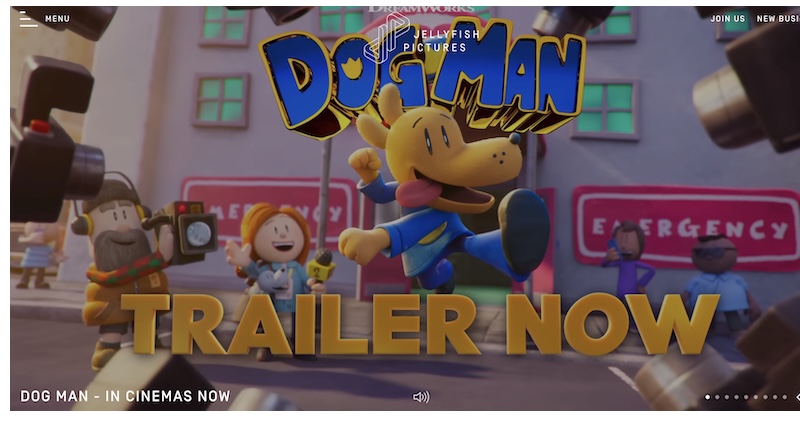
    MUMBAI: In a shocking turn of events, UK-based VFX and animation powerhouse, Jellyfish Pictures, has suspended its global operations temporarily. This news comes close on the heels of the recent downfall of Technicolor group, casting uncertainty on the future of the AVGC sector at large.

    Speaking exclusively to Animation Xpress, a senior source from Jellyfish Pictures India confirmed that the company has been grappling with investor-related issues in the UK. As a result, the management has decided to halt operations temporarily rather than risk leaving employees in the dark about the company’s uncertain future. The studio has assured staff that salaries for March will be paid, with the workforce being notified promptly about the situation.   Click here to read the full news item on ours sister publication AnimationXpress.com

  • KAM Summit ’21- Decoding the digital native kid: How kids influence the decision-making process

    KAM Summit ’21- Decoding the digital native kid: How kids influence the decision-making process

    Mumbai: Children have become an important consideration for marketers when they plan promotions for products/services meant for family consumption. Marketers are weighing in on buying decisions on products and services beyond those meant for children.

    At the session, ‘Decoding the digital native kid: How kids influence the decision-making process’ held on the first day of the KAM Summit 2021, Kantar senior executive director Puneet Avasthi decoded what today’s children are all about and how do the little ones connect with the world around them in the current times. He dived deep into what kind of idioms and personality type do they actually aspire for and how technology impacts their decision-making.

    Decoding the digital native kid, Avasthi went on to explain how the Indian kid has evolved. He mentioned that the children are probably more tech-savvy than most of the other members of the house, hence a larger influence. “Kids are the key pillars of growth for a variety of digital sectors, including entertainment, edutech, gaming and influence that extends well beyond.”

    He further added, “Kids highly influence food (buying as well as what they eat) followed by household items and kids’ products. Parents allow the kids to dictate their media consumption. More than a third of TV viewing kids buy the product seen in the ad, if they like the ad.”

    At least 75 per cent of the time, the child’s sanction and permission is non-negotiable when shopping for them. Parents today dare not pick anything for their children without the approval of their kid. In circumstances where something was picked up without the child’s approval, they did not use the product at all in most cases. The emotional state of the kids is linked to their performance. Doing well in studies/sports makes them happy, confident, and proud; while doing bad in studies makes them sad.

    Instead of the child seeking approval, parents are seeking approval when it comes to buying anything for the house, like furniture. So, the shopping decisions of the kids these days go beyond food, clothes, and stuff meant for them. Parents rely a lot on children and the choices of the young ones go beyond simply picking products based on their favourite colour or cartoon. They decide what they like on the basis of their exposure to technology and the advertisements they watch. Avasthi went on to say that if at all there is a negotiation, “the child is the winner clearly.”

    At 33 per cent of the purchase decisions concerning buying cellphones are taken by kids, as Avasthi’s survey pointed out. Similarly, in 33 per cent of the cases, the little munchkins end up influencing their family’s decision to buy TV sets as well. 

    “Indian kids like affectionate and intelligent characters like Doraemon and Chota Bheem. So, if you want to aim at mass appeal for their age-group, do more sober, simple, and intelligent characters. Communicate with the kids. They are the buzz creators with lots of positivity and influence,” pointed out Avasthi.

    Kids prefer ads that are reality-based. Although kids like ads with their favourite celebrities, they may not always like the product. But, an interesting ad generates word of mouth. Although fitting in with a group of friends is important for more than half the kids, the majority of them don’t want to copy or blindly follow their friends. They are individualistic. 

    “Kids are very impressionable. One in three kids end up buying what they see in advertisements online or on television. Children have a strong influence on purchase of high value items for the household, besides merchandise they need,” Avasthi concluded.

    You can watch the session here from 50:02

  • Animation Xpress’ KAM Summit 2021 begins

    Animation Xpress’ KAM Summit 2021 begins

    Mumbai: Kids, Animation & More (KAM) Summit and Ann Awards are back again with yet another insightful and exciting edition. The second edition of KAM Summit and Ann Awards 2021 began virtually on Thursday. 

    AnimationXpress launched the first edition of the KAM Summit and Ann Awards in 2019 at The Lalit, Mumbai which saw a participation of about 700 delegates and 45 speakers. The industry has gone through a lot of changes since then.

    One of the very few sectors that flourished tremendously during the lockdown period was Animation! A form of entertainment that is not reliant on production that presupposes physical gathering unlike live-action content and yet entertains children and adults alike. 

    The key theme of KAM Summit 2021 is ‘The Next Big Rise’. The three-day event will witness insightful sessions with industry leaders across studios, broadcasters, OTT platforms, creators as they discuss the options Indian animation has before itself and the direction it can take to propel it further. It will also focus on the medium’s expansion into myriad genres and platforms.

    The mission of the KAM Summit is to celebrate the stupendously growing animation industry and to bring together the animation industries – both in India and internationally – to pause and reflect on trends and developments in every aspect of the business and technology associated with it.

    With the animation industry’s creme de la creme on the advisory board, the summit is set to be a definitive virtual gathering and a vantage point for the entire animation industry.

    The advisory members include Toonz Media Group CEO P Jayakumar, Vaibhav Studios founder and director Vaibhav Kumaresh, Zebu Animation CEO Adi Shayan, Green Gold Animations CEO Rajiv Chilaka, FICCI AVGC chairman and Punnaryug Artvision founder Ashish Kulkarni, Technicolor country head Biren Ghose, Assemblage Entertainment founder and CEO AK Madhavan, Walt Disney Animation Studios character technical director-simulation supervisor Avneet Kaur, Autodesk India technical solutions manager Samit Shetty, Joan Vogelesang Consultants president and CEO Joan Vogelesang and Srinivas Sribhakta who is the CEO of VedAtma Animation Studios, director & CEO at ‎Arena Animation Malleswaram & Rajajinagar and secretary ABAI.

    KAM Summit is presented by Nick and is co-powered by Cosmos-Maya, Unreal-Engine, and Discovery Kids. ABAI and COE are the associate partners and the event is supported by GUBBARE and HUION. Digicon6 Asia is the festival partner and ASIFA India serves as the community partner.

    Viacom18 Hindi and Kids TV Network head Nina Elavia Jaipuria said, “The kids’ entertainment space is at a very exciting stage. With carefully curated IPs that are entertaining, engaging, and transport kids into a world of escape, it is no wonder that the category is on a growth trajectory. Since kids influence almost all major household purchase decisions and co-viewing of the genre, it is no wonder that kids’ channels remain attractive to advertisers. An event like KAM brings all the relevant stakeholders together- be it content creators, platform owners, or advertisers. It is collaborative forums such as this that will lead to greater storytelling and innovation in the sphere of kids’ entertainment.”

    Unreal Engine Epic Games evangelist Arvind Neelakantan also expressed his excitement for the virtual summit. “Unreal Engine is reimagining storytelling and revolutionizing production pipelines for episodic, feature-length, and short-form animations. We are excited to be at the summit to see how we can enable creators to transform their first idea into a final frame, all using Unreal,” he said.

    In its statement, Cosmos-Maya said, “The KAM Summit is an effort to take the Indian animation industry global and also celebrate our landmark achievements as an industry. As a leading industry player Cosmos-Maya is happy to be part of an industry-wide initiative like this and we expect it to be a great event. An opportunity to make any new professional collaborations would be the cherry on the cake.”

    YOTTA serves as the workstation and OTT service partner whereas Green Gold Animation is the summit partner. 

    In a statement, YOTTA Infrastructure said, “Technology has been powering content creators and digital platforms. At Yotta, we are democratizing technology by offering innovative solutions on a subscription model. This is the first time we are participating in the KAM Summit 2021, and looking forward to presenting our solutions for Creative content creators and OTT Players/Broadcasters.”

    Green Gold Animation stated, “Animation as a medium has been evolving to accommodate the changes or rather the growth in reach and access along with the technology of the industry. The digital platforms have opened up the world of content across the world. With storytelling itself no longer bound by regions and language, the animation is gaining acceptance across age groups with the myriad tales that appeal to human emotions and shared experiences that we all share during our lives. We look forward to sharing our bit of experience gained along our journey and be privy to the same from the various participants and speakers at KAM 2021.”

    ABAI president Biren Ghose who has been supporting the initiative also as an advisory board member shared, “ABAI is delighted to present the “go-to-market” strategy and the traction it has achieved for the Center Of Excellence that has provided high-end technology solutions; incubation and a subsidised set of infrastructure to the start-up community at Bengaluru. The finishing school is in the process of taking its talent development mission to high-tech areas in virtual production and game engine technologies and also to act as a hub for the virtualisation of the digital arts education programme. No industry association has been able to show multi-million-dollar support to the community like ABAI has done thanks to the Government of Karnataka and the KAVGC Policy.”

    Keeping the ongoing lockdowns and work from home stress in mind, this year’s KAM Summit will be held in two parts of the day; morning sessions will be from 10 am and evening sessions will be held from 5/6:00 pm.

    We are excited to bring to you this massive extravaganza and information-loaded KAM summit to make the animation industry propel to new heights.

    Click here for the complete KAM SUMMIT 2021 Agenda

    For additional information and for Summit Registration kindly visit the KAM SUMMIT 2021 

    Click here to know more about Ann Awards

  • Advertisers desire better opportunities to use animated characters in ads

    Advertisers desire better opportunities to use animated characters in ads

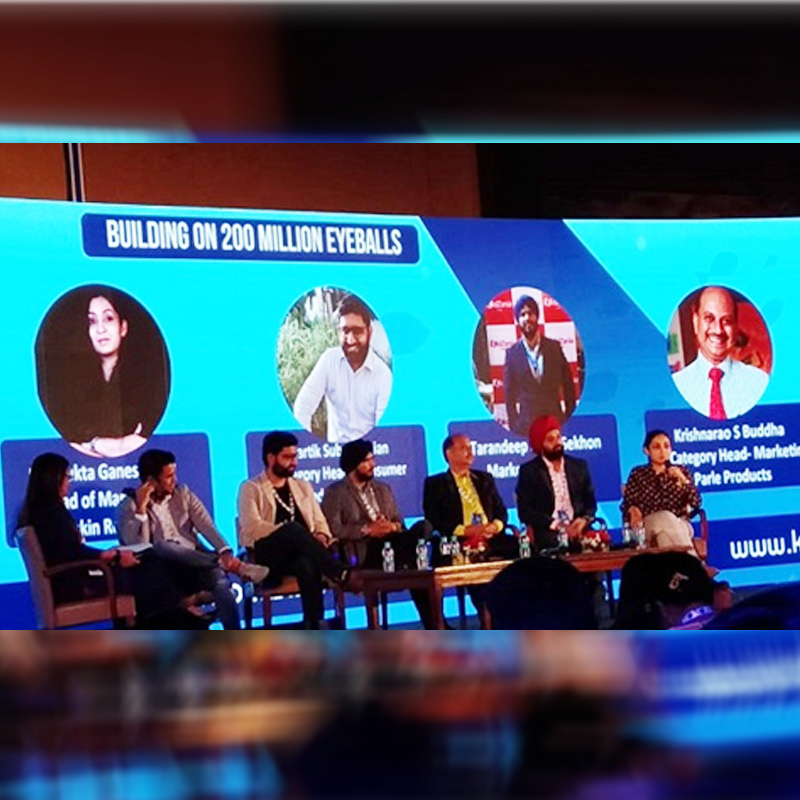
    MUMBAI: Advertisers are looking at broadcasters to create more Indian animated characters that they can leverage to market their products amongst kids to get better engagement. This was the topic of the panel discussing “Building on 200 eyeballs” at the recently concluded AnimationXpress.com’s Kids, Animation & More Summit.

    The panel, including Hamleys India head of marketing Sivaraman Balakrishnan, Baskin Robbins India head of marketing Samyukta Ganesh Iyer, Pidilite Industries category head – consumer products division Kartik Subramanian, KidZania India marketing director Tarandeep Singh Sekhon, Parle Products senior category head marketing Krishnarao S Buddha and Mattel Toys head – consumer products Permendra Singh, was being moderated by Publicis Worldwide managing director Srija Chatterjee.

    All the panellists unanimously agreed that it is better to communicate with kids in a manner that is more appealing and understandable for them. However, there is a serious lack of animated advertisements and marketing initiatives in the Indian scenario. They urged broadcasters like Sony and Discovery, who were present in the audience, to create more IPs of strong resonating Indian cartoon characters that they can license for marketing.

    Balakrishnan noted that there is a dearth of Indian cartoon characters who complete the full circle of being present across all media, including TV, print, and digital and that makes it difficult for them to qualify as licensable units.

    He said, “Barring Chhota Bheem and Motu Patlu, I can’t think of any other Indian characters that are present across platforms. For example, Peppa Pig. You can see it on TV, and on digital, they have an app and are present in stores; basically across all touchpoints that a child today goes to. For most Indian characters, TV is the only touchpoint. They really don’t reach that stage.”

    Iyer shared that Baskin Robbins, in countries like Japan and Korea, has created some licensing properties, like associating with Pokemon, Frozen, etc. In India, it hasn’t done much. We are on a hunt to find good IPs that we can partner with. I would urge everybody sitting here to create characters that we can license.”

    Singh added that it is also important for the characters to emotionally connect with the user to become a franchise. Citing the example of Barbie, he noted that a child spends most part of the day with the doll dressing her, playing with her, even sleeping with her and therefore develops a relationship that lasts for a lifetime. He said, “It is not about characters or brands, it is about how strongly they are connected to the audience.”

    Subramanian added another dimension to the discussion as he insisted that it is necessary for brands to interact directly with animation studios as they do with their ad agencies. He said that there are a lot of benefits that animated advertisements can give to brands by opening a very broad canvas.

    An interesting suggestion was pelted towards the panel by Indiantelevision.com founder, CEO, and editor-in-chief Anil Wanvari as he asked the brands to create their own unique IPs and partner with channels to get them on screen.

    Krishanarao S Buddha mentioned that creating animation in-house is quite expensive and difficult to sustain. “The better way out is to create an association, like Parle has done with Chhota Bheem. We have a special Chhota Bheem Parle G pack that has already started contributing 8-10 per cent to performance.”

    Sekhon noted that creating own unique IPs is a more of a business than marketing decision but he will be glad to see the KidZania mascots on the bigger screen.