Tag: Anil Wanvari

  • There is only good TRP and bad TRP show on TV: Sandiip Sikcand

    There is only good TRP and bad TRP show on TV: Sandiip Sikcand

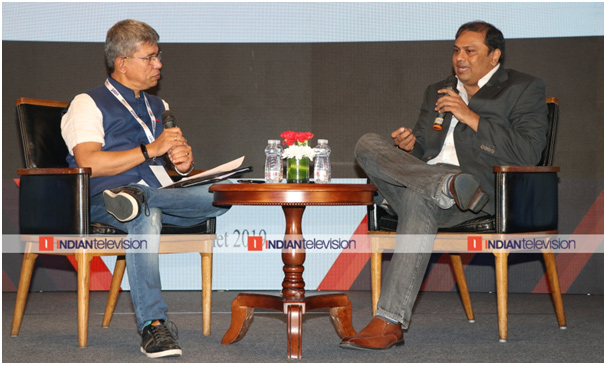
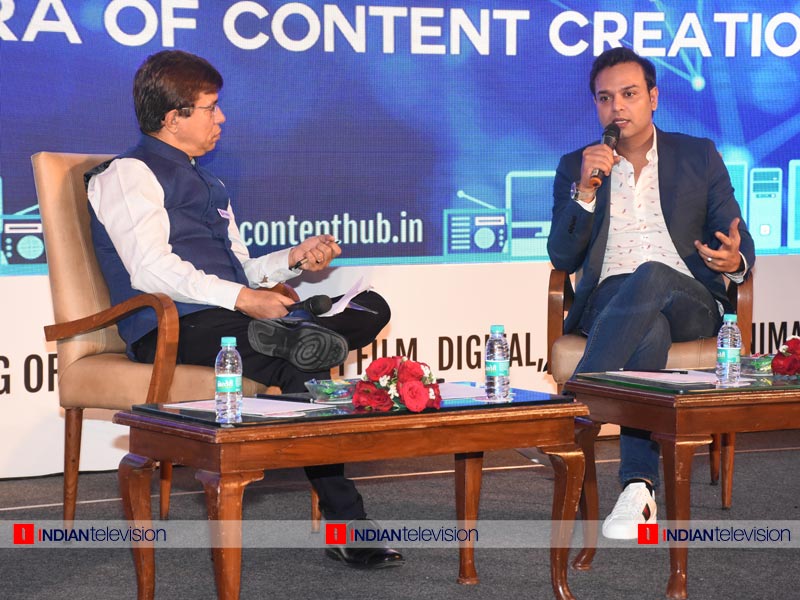
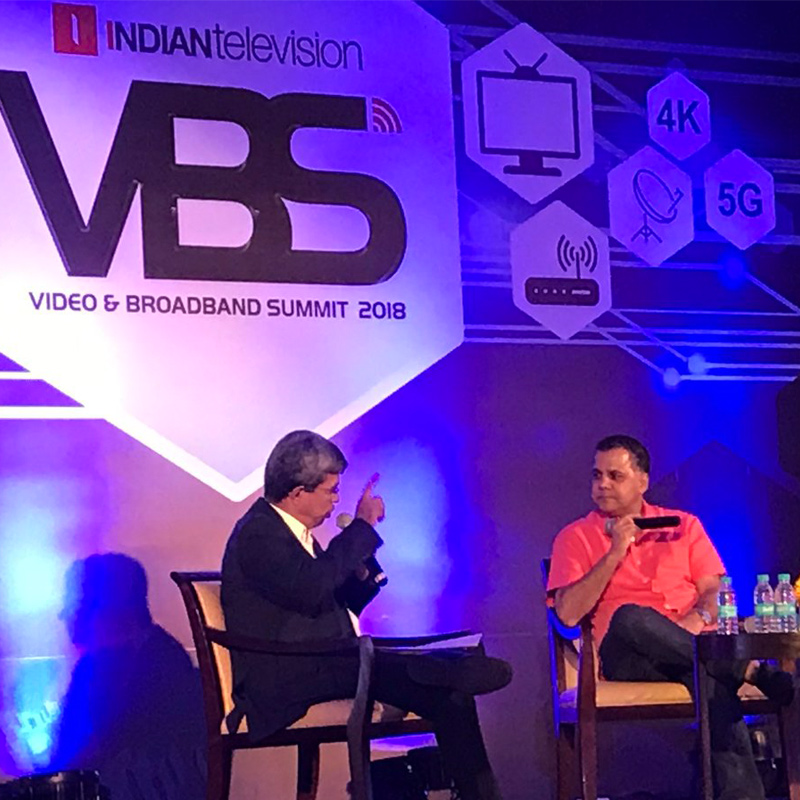
    MUMBAI: In one of the sessions of day 2 of The Content Hub 2020 organised by Indian Television.com, Sandiip Sikcand shared his thoughts on the challenge television is facing today in a conversation with Indiantelevision.com editor-in-chief, CEO and founder Anil Wanvari. He also briefed the audience on his journey from being a garment exporter to creative director to creative head to producer.

    Sikcand said, “I am a classic example of who can learn at the place of work. My first job in the industry was with Balaji Telefilms’ Kayaamat as a creative director. I have learnt from the best teachers in the industry on how to create characters and take risks.”

    He also said, “The channel people are in same level of stress what the creative people or producers are. I understand both the side and bring learning lessons from the creator and channel and that’s what make me a successful producer.”

    “Over the period of time I have learnt to create characters who resonate with viewers, early from Parvati in Kahaani Ghar Ghar Ki to Sonakshi in Kahaan Hum Kahaan Tum. Creative head is someone who brings everything to one spot. He/she takes the show from his/her thoughts to screen,” said Sikcand.

    He added: “Yes, we are taking off Kahaan Hum Kahaan Tum but that won’t stop me from creating different stories.”

    Sikcand also believes that the challenge television is facing today is in creating sticky content. “With OTT coming in picture today everybody has an opportunity to watch the show anywhere and anytime on their phone. It’s not like another time when people would rush to catch up their favorite show on television.”

    He also said, “OTT is a blessing and a curse as well. Curse because television doesn’t have a privilege to create any kind of content. So, if television needs to survive we have to keep on telling and creating different stories.”

    He opined, “Television also needs to do things similar to OTT like they only care about views and not about TRPs. Television needs to keep the rating aside and focus on creating good shows. I understand advertising comes from TRPs but we need to change all of these.”

    Sikcand added: “The problem with television is that there is no good or bad content, there is only good TRP show and bad TRP show.”

  • India’s leading content creators to come together at The Content Hub 2020

    India’s leading content creators to come together at The Content Hub 2020

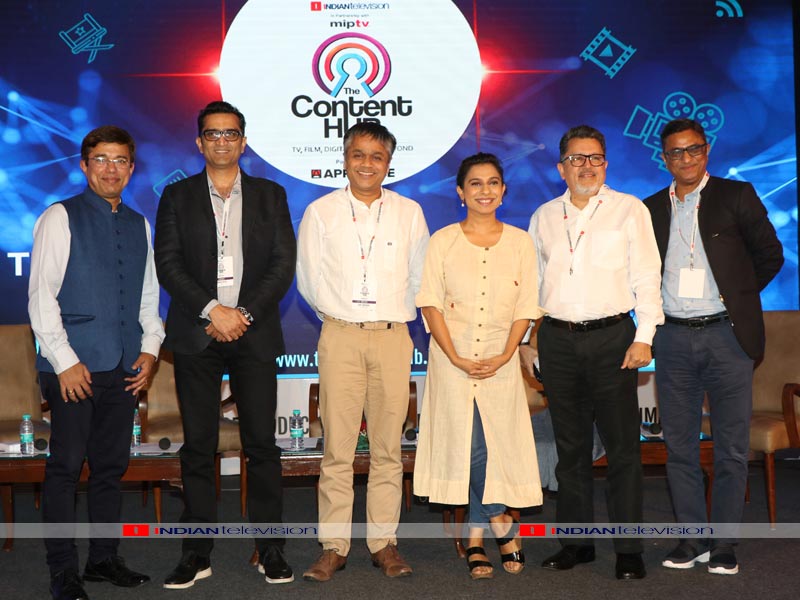
    MUMBAI: India’s content creation community will head to The Content Hub 2020, India’s largest content creators’ gathering organised by Indiantelevision.com, today and tomorrow (4-5 March 2020) in Mumbai’s Sahara Star Hotel.

    The Content Hub has been designed as a coming together of thought leaders in the creation and production of films, TV shows, OTT digital series, short-form digital videos, and podcasts. The conference will also have masterclasses and workshops by writers, directors and creators of some the biggest box office and viewing hits.

    “There’s a tremendous demand for content – video and audio – and there is not enough quality supply to meet it,” said Indiantelevision.com Group founder, CEO and editor-in-chief Anil Wanvari. “The Content Hub is bringing together leaders from both the business and creative spaces of film, TV, OTT and short form content to catalyse new ideas, conversations, relationships, opportunities for those involved in the content ecosystem.”

    Close to 80 professionals will discuss and share the experiences of their journeys and giving insights on how success can be attained in the content creation ecosystem through fireside chats, presentations, and panel discussions. 

  • Content creators discuss binge-worthy content at Vidnet 2019

    Content creators discuss binge-worthy content at Vidnet 2019

    MUMBAI: Binge-watching has become synonymous to over the top (OTT) platforms and content. Indiantelevision.com’s summit Vidnet 2019 had an interesting panel discussion on creating binge-worthy content. The panel was moderated by Indiantelevision.com founder CEO and editor-in-chief Anil Wanvari while MX Player CEO Karan Bedi, House of Cheer founder & CEO Raj Nayak, Vikatan Group managing director B Srinivasan and Viniyard Films founder Ashvini Yardi were the panellists.

    Wanvari started off by asking the panellists about the shows they have binge-watched on Netflix. Yardi has binge-watched The Boys, Bedi watched The Spy, Nayak binge-watched Unbelievable and Srinivasan has watched Mirzapur.

    Yardi first gave her definition to binge-watching by saying, “If we go beyond the allotted time in our head for the show, that’s binge-watching where we are hooked to the story.” On the other hand, Nayak says that you can’t categorise particular content as being binge-worthy. He said, “If we are creating content that it is good, people will watch it.”

    Yardi argued, “Content can be made for binge-watching. Every online platform has guidelines according to the viewership data they have. For OTT – the first five minutes, in-between and the last seven minutes are very important. Those times are planned accordingly to hook the viewers. On television, we plan according to the breaks. Since OTT doesn’t have breaks, everything is planned from the storyline; it’s not just simple storytelling.”

    Yardi believes that if content creators follow OTT’s format and create cliffs at regular intervals to hook the audiences, they can succeed in creating binge-worthy content.  

    However, Nayak said, “OTT players have those set rules but otherwise also I feel these are the basics that content creators do because we want our viewers to come back on the show. So, we have to create those hooks due to which they stay on television or OTT.”

    Whereas, Srinivasan said, “The character and content are behind the success. Definitely there is a science to it and data involved on how to refine the whole process. But I would say content and characters are important.”

    MX Player has delivered 5 to 6 successful shows in the last six months. Sharing his experience, Bedi said, “Creating content on any platform requires a lot of efforts. On online, there is a huge difference while creating content for AVoD or SVoD platform. SVoD people have already paid and they are watching as they have invested in it. On AVoD, customers move in and out as they have not invested money for viewing there, so the level of hook that content creators need to create is very high.”

    Wanvari also inquired whether the content creators constantly think of hooks or they line-up the story and then get into the hooks. Yardi replied, “We create the story and build the characters first and then get into hooks.”

    She also informed, “Currently, in India, everyone is learning. Most of the platforms are using what they have from parent companies and try to localise the format. It’s not necessary what works on Netflix or Amazon in America will work here because our lifestyle and mindset is different. I feel it’s a trial and error period for OTT.”

    Srinivasan also said, “We are trying to understand what kind of stories work for the OTT platform. We want to create that content. We have enough knowledge of the ecosystem but the biggest constraint would be getting the writers to write in a format that is required for OTT.”

  • Content creators discuss the challenge of acquiring and maintaining OTT audiences at Vidnet 2019

    Content creators discuss the challenge of acquiring and maintaining OTT audiences at Vidnet 2019

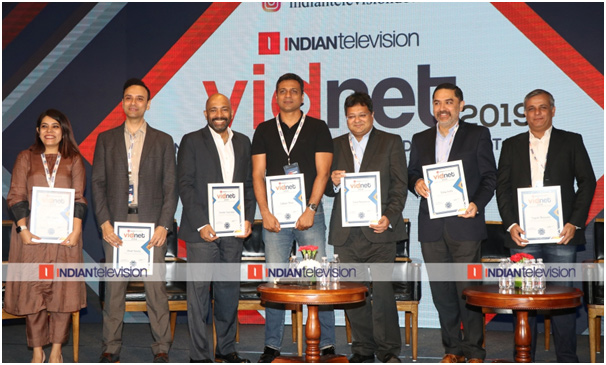
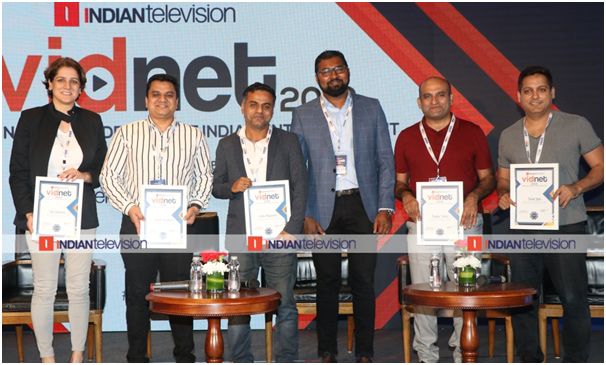
    MUMBAI: The fourth edition of the Indiantelevision.com’s Vidnet had a successful run of the marquee “Creators Track”, on the first day of the two-day-long video and content conclave that wrapped up on Thursday in Mumbai. The track had some of the finest creators, writers, and directors from the OTT world speaking on many important topics like how to write good stories and how to make them travel beyond national boundaries.

    The day-long conference was opened by Indiantelevision.com founder, CEO, and editor Anil Wanvari and some of the speakers by an auspicious lamp lighting ceremony. 


    Following which, Wanvari in his opening remarks said, “India’s video ecosystem had never been so exciting in the last two decades. Similar excitement was seen during the satellite boom period in the early 90s. With OTT today, a similar phenomenon is happening where lot of Bollywood professionals are making content for OTT just as how the industry created content for satellite channels . I believe that the content boom has still not hit India and we are at the beginning of content boom on OTT platforms. With OTT coming into the picture, there will be more opportunities for content creators in our country.”

    The first panel discussion of the day was around “Unlocking a Story’s Potential” between Zee Studio Originals VP creative and head Ashima Avasthi, MX Player chief content officer Gautam Talwar, BBC Studios business head Sameer Gogate and Vista India CEO Rajiv Raghunathan. The session was moderated by Bodhitree Multimedia co-founder and director Mautik Tolia.

    Discussing the importance of localisation, synopses, subtitling, dubbing, and visuals in helping subscribers discover and enjoy stories they love, the panel emphasised on ways to aggregate content on OTT.

    Raghunathan said, “OTT is the most exciting thing that happened to us. The platforms are evolving every day. Some OTT players have identified certain niche segment which is working well for them while other players are still figuring out what will work for them.”

    Avasthi noted that there can’t be a better time for content makers than today. Sharing her strategy for the OTT platform she said, “The mantra is to look into the stories and develop something which has strong character. The stories or content does well is only because of the character. Audiences tend to forget story or plot of the show but they remember the characters which they like. So, we focus on stories which are very character-centric. Even on OTT, the advantage is that we are able to bring our created characters to the larger audience.”

    The panelists also spoke about the initiatives taken by them towards localised content. They discussed how, with OTT, catering to specific TG has become easy and focused. They also informed that acceptance of fiction format has also taken up in our country via OTT platforms.

    Next panel discussion, “Empowering the Creative Vision” had Friday Filmworks head-digital content and IP Devendra Deshpande, Yoodlee Films producer and Saregama India VP films and TV Siddharth Anand Kumar, and Ellipses Entertainment managing partner Tanuj Garg, in discussion with moderator Film Companion’s Sucharita Tyagi, discussing how streaming platforms are backing storytellers in translating their vision on the screen. They elaborated on the key role the platforms play in identifying and promoting content that resonates with the audience.

    Next up was another panel discussion on “The New Creators’ Breed” between TVF global head-business & content Rahul Sarangi, Swastik Productions and One Life Studios producer and managing director Rahul Kumar Tewary, BToS Productions partner and independent director Angshuman Ghosh, Monozygotic Solutions co-founder Rajiv Laxman, WPP national business head-motion content group India, and Rose Audio Visuals Pvt Ltd director Goldie Behl, moderated by WWM Content Studio VP Vidyut Patra. The panelists shared their thoughts on how the new-age creators are transforming the way Indian audiences consume content.

    They elaborated that OTT platforms are chasing content creators for two reasons; one is to acquire and retain users on their platforms in the best way through content, and second there are no such parameters to measure success on the platform and that is the reason why they invest so much money. They also understood that due to the geographical and demographic masses of the country the platforms are willing to go to much length for finding the new creators.

    The panelists agreed that this is the best time for the content creators, as now they can try whatever they want. Later it can be a bit difficult as very soon the platforms will figure out what’s working for them.

    This session was followed by an insightful panel discussion on “Making Indian Stories Travel”, in which the speakers talked about the processes—both creative and technical—which can take Indian content to foreign screens. Sitting on the panel were MUBI India content advisor and producer Guneet Monga, creator, director, and writer Richie Mehta, and Red Chillies Entertainment producer and chief revenue officer Gaurav Verma. The discussion was moderated by BookMyShow VP content and strategy Monisha Singh Katial.

    To make Indian content travel around the world, the panelists said that subtitles and dubbing of the content in different languages is important. Apart from this, they also noted that appealing stories and subjects play an important role in reaching to the wider audiences across the world. The panelists agreed that the only way to dazzle audiences on OTT platform is through content and script.

    The proceedings of the day were taken ahead by a fascinating panel discussion on the topic of “Redefining Storytelling with Technology” between Endemol Shine India CEO Abhishek Rege, SonyLIV SVP and head-original content and partnerships Amogh Dusad, and Monozygotic Solutions co-founder Raghu Ram. Moderating the panel was TVFPlay head Vinay Pillai.


    The moderator began the discussion by giving a background on how technologies are helping content to evolve. The panel gave an understanding that technology has helped in two ways, one is in the making of content and the other is in translating that content to the consumers. The panelists also informed that technology has not influenced the way of storytelling but it has definitely influenced the way content is consumed.

    The discussion was followed by a “Deep Dive with Pocket Aces” on how to build and run a successful media tech company between Pocket Aces founders Ashwin Suresh and Anirudh Pandita, and moderator Hungama Digital Media Entertainment VP Soumini Sridhara Paul. The founders of the company threw light on the inception of the company in 2014 and its journey. They shared their experience of early days’ challenges faced by startups.

    The day continued post-lunch with a panel discussion on the very interesting topic of “Creating Binge-worthy Content”. On the panel were MX Player CEO Karan Bedi, House of Cheer founder and CEO Raj Nayak, Vikatan Group managing director B Srinivasan, and Viniyard Films founder Ashvini Yardi. Moderating the panel was Indiantelevision.com founder, CEO, and editor-in-chief Anil Wanvari.


    The panelists shared their individual perspectives on what makes content binge-worthy. The panelists said that it is important to hook the audiences for the first five minutes, and last seven minutes. They also informed that efforts to hook the audience on AVoD are more than SVoD as the former has more migrating audiences.

    Next item on the list was a panel discussion on “India’s New-age Writers” between writers Ameya Sarda, Suhani Kanwar, Sagar Haveli, and moderator Tulsea content & creatives Samabesh Das. The panelists being the first generation writers of this golden age of OTT platforms find themselves being bogged down by the huge responsibility that comes with being a content creator. The trio also believes that on OTT there is a challenge to create content in more interesting and better ways to hook the audience. Another challenge which they highlighted is to execute the demands coming every now and then.

    The day was concluded by “Conversation with Creators” section, in which teams from ‘Afsos’ and ‘Bard Of Blood’ talked to the moderators about the whole creative and technical process of creating the series.


    First in was Afsos co-creators Anirban Dasgupta and Dibya Chatterjee in conversation with OML managing partner Gunjan Arya, who shared their experience from being writers to show-runners.

    The day was concluded by Bard Of Blood author & creator Bilal Siddiqi and director Ribhu Dasgupta talking about creating this exquisite thriller with The Story Ink founder and chief storyteller Sidharth Jain. The duo shared their experience on making of show for the first time on the OTT platform. Bard of Blood is Red Chillies’ first show for Netflix while Emran Hashmi and Dasgupta debut on OTT platform as an actor and director respectively. 
     

  • OTT players stress the need to create massy content for robust future at Vidnet 2019

    OTT players stress the need to create massy content for robust future at Vidnet 2019

    MUMBAI: The ‘Business and Tech Track’ of the fourth edition of Indiantelevision.com’s two-day-long video and content conclave, Vidnet, became a raging success with some of the most successful and powerful names from the digital video industry coming together and highlighting the challenges and opportunities that they are dealing with right now. A special screening of “The Hitler Chronicles: Blueprint for Dictators” and “The Bisexuals” was also organised for the attendees. 

    Organised on the first day of Vidnet 2019, parallel to a ‘Creators Track’, the ‘Business and Tech Track’ hosted a number of panel discussions and fireside chats to present an in depth image of the functioning of the video ecosystem.

    The proceedings of the day were opened by a powerful speech by Indiantelevision.com founder, CEO, and editor-in-chief Anil Wanvari who discussed about the challenges that the current OTT ecosystem is facing ranging from getting users to subscribe to preventing piracy. He urged those present in the audience to work on more massy content to create and support robust businesses for the future.

    The first item on the agenda was a panel discussion titled “Making Indian Entertainment Great”, which highlighted some of the constraints that shroud the video industry, ranging from the technological to the artistic aspects of the business. On the panel were Zee5 India head-AVOD, SEO, news & stories Yogesh Manwani, Sony Pictures Networks India business head-digital Uday Sodhi, Viacom18 business head-digital AVOD ventures Akash Banerji, Viu India country head Vishal Maheshwari, Balaji Telefilms group COO and Alt Balaji CEO Nachiket Pantvaidya, and HOOQ India’s managing director Zulfiqar Khan. The session was moderated by Nepa India’s managing director Esha Nagar. 

    The panel also insisted that there is a need to create more regional and massy content by OTT platforms to create a better ecosystem. They also pressed the need for better investments in technology. 
    Khan revealed that his company is shifting focus to more AI-led content and ventures. He said, “We hope to be the first platform to have fully machine-dubbed localisation of content.” 
    Following this was a presentation by Think Analytics SVP Richard Dowling on “The Power of Personalised Search and Recommendations.” Dowling shared a few case studies from his firm as he talked about how personalised content can help in gathering better audience.

    Next on the list was another panel discussion on “Captive Audience of the Telecom Trace” between ZEE5 Global chief business officer Archana Anand, IndiaCast Media Distribution group CEO Anuj Gandhi, Apalya Technologies founder and CEO Vamshi Reddy, Lionsgate MD south asia Rohit Jain, Shemaroo Entertainment COO digital Zubin Dubash, and Hungama Digital COO Siddhartha Roy, moderated by Elara Capital VP – research analyst (media) Karan Taurani.

    The panel unanimously agreed that getting associated with telcos can help OTT platforms in getting more audience, however, the challenge of who owns the consumer will remain for the foreseeable future.

    “I don’t believe there is a better platform than telcos. Direct carrier billings allow the consumers to stay confident. It also allows us the marketing might. They really help us find our audiences,” Anand said.

    Reddy also noted, “Telcos bring in a universal and seamless experience across content. The consumer doesn’t have to go to 10 platforms and enjoy the experience. Eventually it should evolve into a payment mechanism.”

    Zubin Dubash noted that this association between platforms and telcos is going to go on as the core of this partnership for telcos is not to own the content but to increase the guzzling of mobile data.

    Afterwards, NAGRA product line management director Diroshan Ratnarajah gave an interesting presentation on “Combating OTT Streaming Piracy”. He outlined some pressing and pertinent problems that exist in the online video space, which can impact the monetisation as well as content discovery process on streaming platforms.

    He highlighted that fighting piracy will require a joint effort from all the players in the industry and development of robust, scalable, and high-performance security platforms.

    The proceedings of the day were taken forward by a panel of ZEE5 India head technology Tushar Vohra, Hoichoi TV technology head Aloke Majumder, ErosNow CTO Lokesh Chauhan, NAGRA product line management director Diroshan Ratnarajah, and MX Player chief of product, tech and operations Vivek Jain, moderated by Castle Media CEO Ru Ediriwira.

    They discussed about “The Challenge of Content Protection” in the new age media scenario. The panel agreed that there is a need for the whole ecosystem to come together to fight the menace of piracy as it might only increase with robust changes happening in the system. They also talked about the importance of fingerprinting of content.

    Vohra said, “We need to get together because the lines are really blurring. As now there are new business models, content producers are being paid on the basis of number of streams and number of minutes watched.”
    Jain insisted that enforcement of piracy laws in India needs improvement so that not only can pirated content be identified easily but also pulled down immediately.

    The “Business and Tech Track” of Vidnet 2019, continued post-lunch, with a fireside chat between Indiantelevision.com founder, CEO, and editor-in-chief Anil Wanvari, and Viacom18 Digital Ventures COO Gourav Rakshit. The duo discussed how the nature of the content in India is evolving with the audience sensibilities.

    Following it was panel discussion on “Fine-tuning Models of Monetisation and Consumer Engagement”. On the stage were Vimmi co-founder and co-CEO Eitan Koter, ALTBalaji SVP and head marketing Divya Dixit, Google industry head-media and entertainment Sandeep Ramesh, MX Player SVP and revenue head Virat Jit Singh, Merkle Sokrati SVP Sampath Rengacheri, and myNK co-founder Deepak Jayaram. The panel was moderated by PwC India partner and advisory leader entertainment, media, and sports Raman Kalra.

    The panel discussed the different opportunities and challenges that AVOD and SVOD mode of subscriptions come with and what role does technology, content, and telcos play in the system. This panel also indicated that a massy approach to content generation will help in driving better revenues.

    Next in line was a fireside chat between Amazon Prime Video head of India originals Aparna Purohit and moderator The Linus Adventures founder and chief evangelist Sunil Lulla who talked about how Amazon Prime India is working towards improving content on the platform.

    Purohit shared that it is the best time for writers as well as actors and directors to be in the industry as not just Prime but all other platforms are looking for good stories to be told. 
    It was followed by a short Q&A session with the cast of MX Original series, produced by Applause, ‘Hello Mini’—Gaurav Chopra and Anuja Joshi. The duo not only talked about the show but also unveiled its official trailer.

    The day ended with a screening of “The Hitler Chronicles: Blueprint for Dictators”, and “The Bisexuals”, which were first telecasted on Hulu, by myNK co-founder Deepak Jayaram. 
     

  • Tele-Wise Tamil’s inaugural edition advocates greater involvement of national advertisers in regional markets

    Tele-Wise Tamil’s inaugural edition advocates greater involvement of national advertisers in regional markets

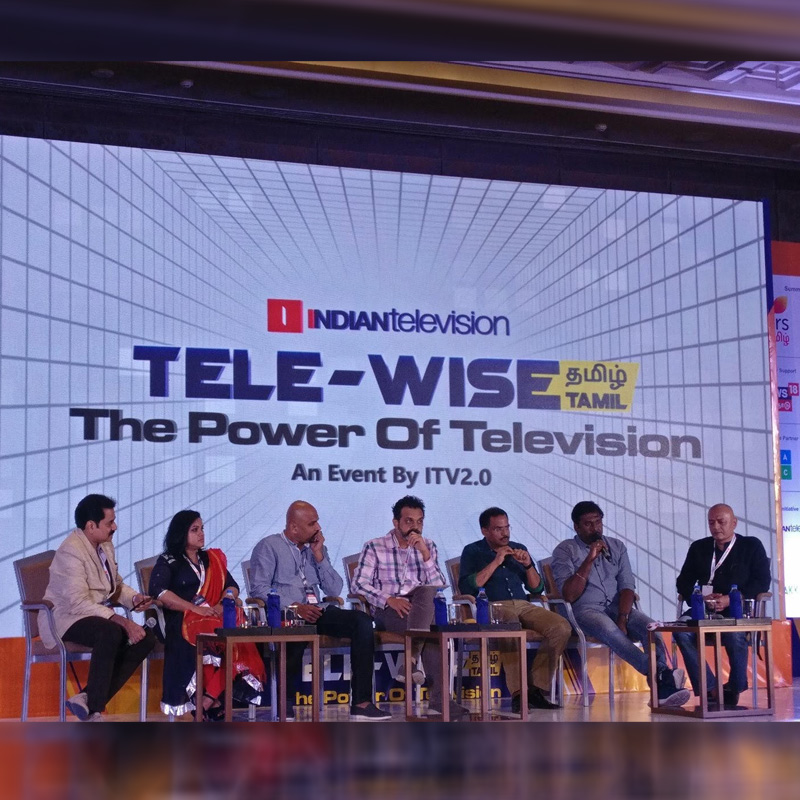
    CHENNAI: Indiantelevision.com hosted the inaugural edition of Tele-Wise Tamil, yesterday in Chennai, with the aim of propelling the power of television in one of India’s biggest regional markets. The event offered a platform to stakeholders in the state’s TV industry to understand, analyse, and find potential solutions to issues faced by broadcasters and advertisers in the state.

    The day-long conference was opened by Indiantelevision.com founder, CEO, and editor-in-chief Anil Wanvari with a welcome speech. Addressing the gathering inclusive of some of the top names from the media and advertising industry from the regional as well as the Tamil market, Wanvari noted that Tamil Nadu is a very vibrant market with a lot of local talent. “They are diverse and open to looking outward,” he said.

    The proceedings of the day began with a presentation by BARC India chief operating officer Romil Ramgarhia who presented a report on the TV-viewing pattern and trends in Tamil Nadu market, which is unique in its viewing pattern and demographics.

    Sharing some interesting numbers around the TV viewership in the state, Ramgarhia noted that 75 per cent of people watch television daily in Tamil Nadu, dominated by 53 per cent women. He added that roughly 15 per cent of all advertisers in India are currently advertising in Tamil Nadu.

    The next item on the agenda was a fireside chat between Zee Entertainment Enterprises Ltd EVP and cluster head—south businesses Siju Prabhakaran and Indiantelevision.com founder, CEO, and editor-in-chief Anil Wanvari.

    The duo discussed the role Tamil Nadu TV market can play for advertisers. Highlighting the sheer opportunity that Tamil Nadu TV space is for advertisers, Prabhakaran said, "Tamil Nadu is the only market that has a high point in every quarter—be it Tamil New Year, or Diwali, or Pongal. National advertisers haven't been able to understand this phenomenon."

    Prabhakaran also emphasised on the need of good young writers to join the TV industry. He said "There is a need for young writers and technicians to come to TV. This is the issue throughout the country that they get enamoured by films and OTT. The onus is on broadcasters to make TV a more attractive medium for them.”

    The chat was followed by the first panel discussion of the day themed ‘Gauging the Might of Market’ between TVS Auto Assist (India) Ltd head marketing Mahima Singh, Wavemaker general manager Rajendra J Prasad, TAM Media Research VP TAM Axis Vinita Shah, Lodestar UM EVP Laya Menon, Paytm Travel GM brand marketing Bhushan Walzade, and Matrimony.com AGM marketing communication India & International Akhil Jain. The panel was moderated by Bodhitree Multimedia Pvt Ltd co-founder and director Mautik Tolia.

    The panel discussed some important topics including the potency of the Tamil Nadu advertising market, and how to get the attention of the screen-agnostic market. The panel unanimously agreed that there is a pertinent requirement for advertisers to create content in the regional language to connect with the people in the state as Tamil Nadu has a lot of potential.

    Elaborating more on the importance of content in regional languages, Menon quipped that national advertisers are very well aware of the fact that to maintain a relationship with the audience they have to go vernacular. “Gone are the days when it was a revelation for national advertisers that they need to bond with these audience using their languages. They now understand that the audience here is culturally-bonded.”

    Walzade added that it is critical for any business to connect with the tier 2 and tier 3 towns as they can contribute massively to the brand growth. He noted that along with language, brands can also work on introducing regional faces as brand ambassadors.

    Speaking about the growth potential that the Tamil Nadu market has, Prasad said, “We rank second in terms of the GDP in India despite being the 6th largest when it comes to population. It proves that Tamil Nadu has a lot of growth potential for not only regional but also national advertisers.”

    Shah noted that in the past five years, Tamil Nadu market has seen an exponential growth brought in by the growing number of GECs and by the top 10 advertisers in the country. However, there is a big gap that needs to be fixed between the viewership and advertising revenue that can be generated.

    Discussing the ways to attract the attention of a screen-agnostic audience to TV, Singh shared that marketers face a lot of challenge to achieve this. She said that the right strategy can be to communicate in a simpler format and in languages that audiences can connect to.

    Jain vouched for the need to maintain a balanced TV plus digital approach to target the consumers. Citing his own example, Jain mentioned that the digital-only approach has once failed for Matrimony.com and he thus maintains the mixed-media approach of marketing despite being a digital-first brand.

    Shah added that only 2.3-3 per cent of advertisers are doing TV and digital advertising, both, and asked the house to put some more thought in the matter for the industry to grow further. 
    After the session, Lowe Lintas regional creative officer Kapil Mishra took center-stage to discuss how marketers can harness the power of TV.

    He said that people should start looking at TV as a software and not the hardware which is a box or flat screen on the wall. “Technology has separated the software of TV from its hardware, changing the whole culture around it and liberating TV as a medium.”

    Bringing his own answer to the looming question of which half of the advertiser’s money gets wasted, Mishra noted that the investments in TV ads don’t get desired return when brands try to be rational and try to say a lot about themselves. “The audience doesn’t want to hear that. They want entertainment. Power of TV lies in emotions.”

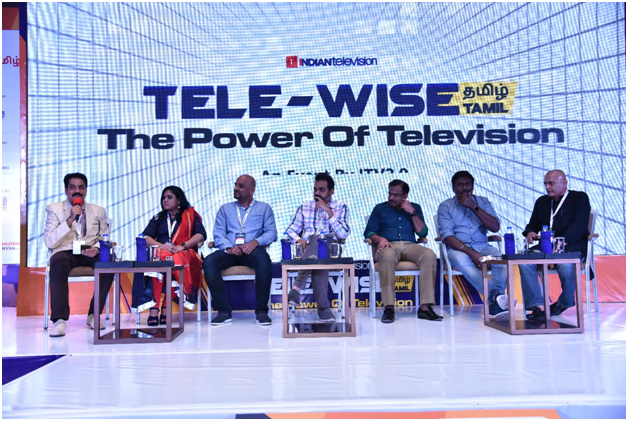
    Following Mishra, an elaborate panel took center stage to discuss the ‘Changing Face of Tamil TV’. On the dais were Colors Tamil business head Anup Chandrasekharan, Sun Life content acquisition and Sun TV Network Ltd Kids Entertainment Kavitha Jaubin, Trend Loud CEO Chidambaram Natesan, Star Network deputy business head for Vijay TV Balachandran Ratnavel, Bodhitree Multimedia Pvt Ltd co-founder and director Mautik Tolia, and Polimer TV strategic advisor and consultant Suresh Iyer. The session was moderated by Horse Pictures partner and YuppTV former head Vijay Adhiraj.

    The panel discussed the need for engaging content in regional languages and the challenge that the industry faces in order to attract the younger audience.
    Natesan said that TV-viewing has been under immense change in the past 4-5 years. “Audiences are now very clear what they want to watch. There are no group viewings and more personalised experiences.”

    Speaking on how to keep this changing audience hooked, Ratnavel shared, “If you know who your target audience is and you are sharp in identifying them, you have to stay constantly in touch with them. When you meet your consumers regularly, you know the right filters you need to put on your content.”

    Adding to this, Chandrasekharan said that the content that Tamil TV is offering is evolving with time. “The content Sun TV was offering was largely family dramas, Vijay TV was into romance. ZEE brought that romance in the family. Now that family has expanded within the outer circles as well. In coming times, the content will be more to do with things around family, like complexities in the society.”

    Iyer focused on advertising more. He said, “The content should drive the TG first. Then, at the end of the day, you will survive if you aggregate all the numbers and then give it to relevant advertisers. Platform can be anything.”

    Tolia added that industry will also have to be cognizant of the fact that it is going to get really tough to gain the attention of the younger audience and should work in getting them to watch their content.

    The next event was a fireside chat between Vikatan Group MD B Srinivasan and Anil Wanvari.

    Srinivasan mentioned that he would rather like to get commissioned on OTT space than TV. He also announced that he will soon be launching the first digital daily soap on YouTube. "We will be launching the first digital daily soap soon. It will be 120 episodes and will be aired on YouTube from Monday to Friday. We are hoping the advertisers come on board. If the first 120 episodes are successful, we are also planning to come up with the second season,” he said.

    Havas Group India CEO and media veteran & expert, Anita Nayyar was the next speaker on stage who in detail discussed with the room the concept of ‘Digi-Wise’ through an interesting presentation. She shared that in order to understand TV growth, one should not ignore the role of digital in it.

    Next was a presentation by Kalimark Group joint managing director J Ramesh who shared a brief history of the brand with the room. 
    The next panel discussion happened between SRM University head of marketing and media Chaitanya Gurijala, Challenge advertising founder and CEO R Sakthivel, Kalimark Group JMD J Ramesh, Viveks VP marketing BS Vishal, and Jaya TV Network business head Viswanathan Devraj, on the topic of ‘Retail Therapy’. The session was moderated by WIN News ED, Cornerstone founder president and Puthiya Thalaimurai Group former CEO RBU Shyam Kumar.

    The panel discussed how broadcasters can get retail advertisers on their platform and how the former can leverage the power of the latter.

    While Gurijala mentioned that he has got his main focus on print advertising, J Ramesh noted that around 75 per cent of his ad share goes to television.

    Sakthivel shared that for Tamil TV, almost 20 per cent of ad revenues come from movies, with producers spending as much as Rs 1.75 crore for a two-week campaign.

    BS Vishal added another interesting dimension to the discussion as he noted that the brand shops are struggling to survive in the online as well as the offline world and it is quite difficult for them to get younger consumers to their doors.

    Devaraj shared that as a broadcaster, he is depending on digital to drive retail advertisers to television.

    The panel also discussed the viability of subtitling Tamil content in various languages to get more people to watch their offerings.

    The day was concluded by a presentation by News18 Network CEO-languages Karan Abhishek Singh who spoke on the relevance of news genre in the Tamil Nadu market. He said that news as a genre has grown fastest in the past one year on the growth of regional news.

    The conference concluded as an insightful event that shed some light on the evolving television industry of Tamil Nadu and also presented solutions to some of the problems that it is facing on its way to becoming the dominant force within the country. 
     

  • Indian content owners, creators don’t value own content

    Indian content owners, creators don’t value own content

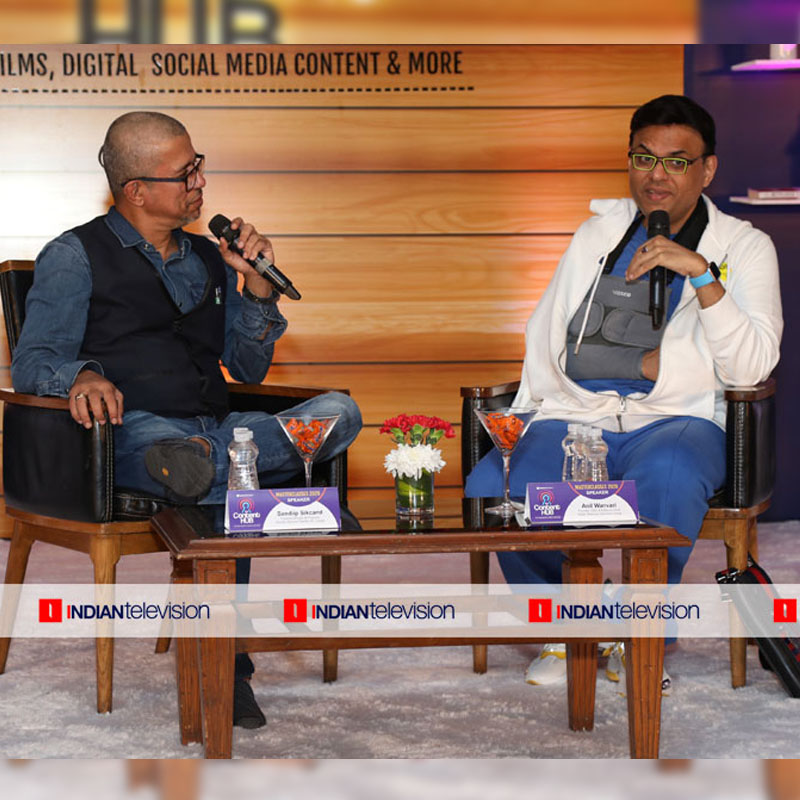
    MUMBAI: The third edition of Indiatelevision.com’s The Content Hub had an insightful panel on the global syndication market. The panel consisted of Go Quest Media ventures MD Vivek Lath, Swastik Productions and One Life Studios MD Rahul Kumar Tewary, MX Player head-content acquisition Mansi Shrivastav, Sony head networks – licencing Malvika Prabhu and ANM Global co-founder partner Nidhish Mehrotra and moderated by Indiantelevision.com founder, CEO and editor-in-chief Anil Wanvari.

    Go Quest Media ventures MD Vivek Lath said that a lot of countries are now doing indigenous production. “But what they lack is the kind of creative maturity and evolution India has gone through. That’s where we see much larger opportunity going forward.”

    Swastik Productions and One Life Studios MD Rahul Kumar Tewary said that the demand for Indian content has reduced over time. “But what we need to understand is what kind of content we are creating. Does it resonate with the international audience or are we only catering to the Indian market? In the end, it is a business and we only cater to the Indian market. But if we really want our content to travel the world, I guess we need to re-look at what kind of content we are creating,” he said.

    Another issue syndication faces is that, according to Lath, Indian content creators don’t value their content as people from Korea, Turkey and China do because of which it is underpriced. Tewary agreed with Lath and said, “Turkish, Chinese and Korean dramas have got a standard market price. No one brings the market price down. So they value their content. Unfortunately, we are the cheapest. You can sell it for $50-70.”

    Much of Indian content travels to Southeast Asia because it has a similar market. In India, shows are telecast for 5-6 days a week which is 260-312 episodes a year. It becomes difficult to sell so many episodes across the world because the appetite for such viewing is lacking. With Thailand emerging as a new market in the last two years, it helped cushion the impact from the other markets. Latin America is also a promising area but tough to crack which Tewary feels will open up soon.

    The genres that are doing well currently are animation, fantasy, mythology and the modern drama series. Experts also foresee a future demand for Indian horror thrillers on OTT platforms, because of their high production quality. Lath believes that GEC dramas are the fastest moving in the international markets across 60-odd countries.

    The deciding factor for content buying is the platform. MX Player head-content acquisition Mansi Shrivastav said, “I think for OTT there is more flexibility because there is an ability to programme for an individual customised experience. When you are buying for linear TV, you have to keep the overall target audience in mind and there is only one kind of programming."

    For OTT, there is still limited data available on usage and behaviour patterns. But sometimes, you follow your gut and take a risk. MX Player has just bought 100,000 hours of content which varies from two-minute videos to long-form series. “Movies in each language are important to us because there is a lot of traction for that. But we are buying across top ten languages; we are giving a lot of importance to regional markets including Tamil, Telugu, Kannada, etc. and Hindi, of course, is a key language,” Shrivastav added.

    According to experts, the Indian content export business excluding movies is around Rs 400 crore as the syndication of Indian content started only from 2007 onwards. “I think in the future, animation is something which is going to add on a lot of export to India in the next 5-10 years,” Tewary concluded.   

  • The Content Hub 2019: Creators discuss digital adaptation, creativity and originality

    The Content Hub 2019: Creators discuss digital adaptation, creativity and originality

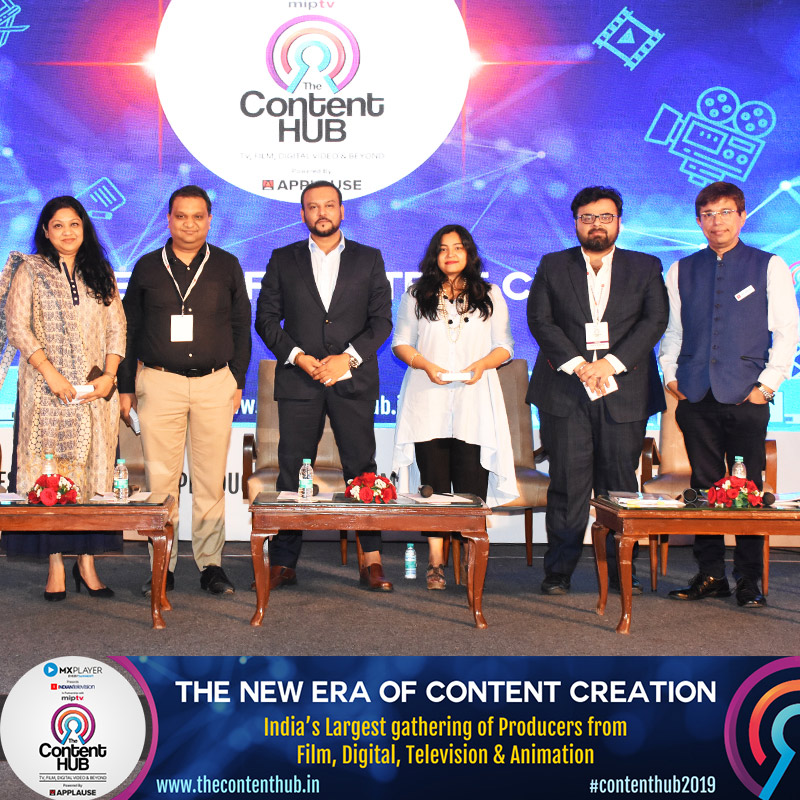
    MUMBAI: Indiantelevision.com on Wednesday wrapped the third edition of its popular event The Content Hub in presence of some of the biggest names from the TV, digital, and the movies industry. Spanned across several panel discussions and fireside chats, this edition of The Content Hub discussed ‘the new era of content creation’ with a focus on the digital boom, need of good content creators, the synergy between creators and producers, and creating properties that can travel globally.

    Starting the day was a panel discussion on ‘The TV Production Story: Reality, Not Fiction’, moderated by Bodhi Tree Multimedia co-founder and director Mautik Tolia. In discussion were some of the most successful and prominent names in the TV industry – Contiloe Pictures Pvt Ltd founder and producer Abhimanyu Singh, Endemol Shine India CEO Abhishek Rege and SOL India – Banijay Group founder and MD Fazila Allana.

    The distinguished panel discussed the opportunities and challenges fiction and non-fiction formats today face in the TV and digital world. They also shed some light on the prospects premium content has in the Indian industry.

    The panel agreed that non-fiction producers face bigger challenges in creating content as compared to those investing in fiction and dramas. Allana noted that while earlier people were chasing formats, now they are chasing stories. However, she quipped that there is a vast opportunity for non-fiction shows on OTT platforms citing examples of TV shows like MTV Troll Police.

    Singh reflected the same sentiments as he noted that this is a very good time for the content creators. He said, “I feel it is a great time to tell stories. I think we as an industry haven’t delivered premium content because the nature of delivery has always been daily content. So, this is an opportunity to deliver premium content.”

    Rege mentioned, “Scripted becomes a little easier to tell stories more across TV, OTT or across multiple platforms. The challenge here is making attractive content for the viewers and targeting the right people. With OTT I don’t think it’s easy to do as many talent shows that we do on linear.”

    The second session was a fireside chat between Indiantelevision.com founder, CEO and editor-in-chief Anil Wanvari and Swastik Productions  & One Life Studios founder and chief creative officer Siddharth Kumar Tewary.

    Tewary, based on his extensive experience of industry work, reflected upon many aspects of content creation and production including formats, IP rights, and disruptors in the industry. He noted while most of the people believe that longer formats don’t work internationally, the reality is not the same.

    Speaking about IP rights of content, Tewary made some relevant points saying, “IP creation is a scientific thing related to the socio-political situation in the country and the world. We need to know where the world is heading. If you are going to add value and bring something unique for the TV, then you will get the IP.” He also announced the foray of his group in the animation category at the platform.

    The next session was a discussion on the animation industry with an esteemed panel of Discovery Kids head Uttam Pal Singh, Golden Robot Animation head of business development RK Chand, Paperboat Animation co-founder and chairman Soumitra Ranade and Bioscopewala Pictures managing partner Nishith Takia. The session was moderated by Kinsane Entertainment Inc chief marketing officer Pranab Punj.

    The panel highlighted the vast opportunities OTT platforms are offering them right now. Takia shared that his company is in talks with several big digital players to create content for them. Another point that the panel highlighted was that Indian audience is not very keen to visit theatres to consume animated content and that closed their avenues of creating content for a wider audience and not just the kids.

    Answering a question on why there aren’t more female-led animated shows in India, the panel shared a similar tone as they mentioned that in most of their shows, the female characters have an equal prominence as the mail lead, they are inclusive to the storyline. They added that male-led shows are doing well in the market and from a business perspective they are focusing on that aspect as well.

    The next session was an interesting and insightful chat on ‘The Syndication Opportunity’ between Sony head networks—licencing Malvika Prabhu, Go Quest Media Ventures MD Vivek Lath, Swastik Productions and One life studio producer and managing director Rahul Kumar Tewary, MX Player head of content acquisition Mansi Shrivastav and ANM Global co-founder partner Nidhish Mehrotra. Moderating the panel was Wanvari.

    Wanvari started the discussion by asking the panellists whether the demand for Indian content in the global market is going up or declining. To this, the panel stated that it has probably reduced over time. However, the Indian creations are performing well at markets like Thailand and Sri Lanka.

    The panel mentioned that genres like romance, drama, horror, and good animation has a lot of markets overseas. They also added that premium content will also attract a lot of traction towards Indian creations. Kumar stated that we need to relook at the type of content we are creating and invest more in subjects that have the potential to travel. He also said that Indians do not value their content enough.

    Lath said, “We have to think like a programmer and not from a sales perspective,” as he elaborated on the right approach to sell content overseas. He predicted that India has the potential to make around Rs 400-500 crore with content syndication (minus the movies) because it is still young in the market and has a lot of potential to improve in the coming times. Kumar added that in the next few years Indian premium content will find a lot of audiences globally.

    Taking the insightful day ahead was the next panel of digital producers including Addatimes Pvt Ltd managing director Rajiv Mehra, The Viral Fever (TVF) global head of business and content Rahul Sarangi, Viacom18 EVP and head content Monika Shergill, MX Player chief content officer Gautam Talwar and One Digital Entertainment COO and co-founder Gurpreet Singh. The panel was moderated by industry veteran and Hungama Digital Media Entertainment executive producer Sanjeev Lamba.

    While the panel agreed that there is a great influx of male-oriented and sexually-oriented content performing on OTT platform, they all are looking beyond that. They all mentioned that the industry is currently focusing on good writing talent and meaningful stories. Sarangi said that TVF is not looking towards creating violent or sexual content at all, at least for the next four to five years. Its focus is on stories like Pitchers and Yeh Meri Family that touch the hearts of the people.

    Shergill shared that Voot is looking at ideas that bring new and original voices to the stories. Unless platforms experiment, she believes they will lose their audience.

    Talwar shared that the focus of recently launched MX Player is on creating content that can be watched on a 5-inch phone screen rather on a 50-inch TV. The TG for the player is 18-30-year-old male and it wants the platform to be genre-agnostic.

    The next event was a fireside chat between Wanvari and Applause Entertainment CEO Sameer Nair. The duo discussed ‘The New Studio Model’.

    Nair started with launching an amazing showreel of upcoming programmes from the Applause banner. They included a wide variety of content ranging from humour to political to drama. It also included the Indian version of the very popular The Office series.

    Nair stated that he did not want to start a company which goes on to become just a production house but he rather wanted to invest in good content. He thus worked with some amazing directors, writers, and actors like Ronit Roy, Pankaj Tripathi and Swara Bhaskar to create the first instalment of the Applause shows. One of the flagship series, Rasbhari-starring Swara Bhaskar and written by Shantanu Shrivastava—has in fact already been selected for ‘Series Mania’ festival in France. Warning them of slacking in content, he said, “If the content industry is not careful right now, it will end up becoming a replica of TV.”

    The day continued with a panel discussion on how new Hindi film producers are making their mark and what business models they are drawing up. Part of the discussion were Essel Vision (Zee Studios) CEO Shariq Patel, Viacom18 Studios chief operating officer Ajit Andhare, Alliance Media and Entertainment owner Sunil Doshi and Fox Star Studios India CEO Vijay Singh. Moderating the panel was film reviewer at Film Companion Suchitra Tyagi.

    The panel was a light-hearted but with insightful discussions on the current trends of the Indian movie industry, the need for well-written scripts and content that performs. The panel agreed that today is an amazing time for good storytellers and content creators. They forced upon the fact that literature is the sibling of cinema. The panel also discussed on creating avenues to make the system more approachable to the budding writers who want to reach out to the studios.

    The evening was concluded by an overview of the MIP platform by MIP China Hangzhou director of market development Ted Baracos, who in an interactive session apprised the gathering of various opportunities this global content-sharing platform brings and how they can leverage on that.

  • Future will belong to those who can create compelling content: Raj Nayak

    Future will belong to those who can create compelling content: Raj Nayak

    GOA: He’s known as the risk taker who has never been afraid to experiment. After thirty years in the media industry out of which a whopping 26 years have been dedicated to the TV broadcast sector, exiting Viacom18 COO Raj Nayak is grateful to the media business for where he finds himself in life at the moment. Speaking at Indiantelevision.com’s Video and Broadband Summit 2018 in a freewheeling chat, Nayak revisited key chapters of his journey, his best memories at Viacom18, and commented on the nature of today’s media industry and its future.

    In a fireside chat with Indiantelevision.com founder, CEO and editor-in-chief Anil Wanvari, Nayak in his usual witty and cheerful demeanour captivated the audience with insights and learning from his stellar career. The media maven described his rollercoaster ride from Star TV to NDTV and then the shift into entrepreneurship to finally settling into the corporate world of Viacom18 as exciting.

    Answering Wanvari’s question about his evolution as a professional, Nayak shared how exciting it was to join satellite television from print media back in the 90s. He considers himself lucky to be at the right place at the right time. However, joining the TV industry then was considered a wasted opportunity until the satellite boom, he added.

    He further went on to say that the future will belong to those who can create content that is compelling because the challenge on the distribution front will eventually disappear. So, everybody will find a way to get their product out but there will be a taker at the end of the pipe only if it is compelling.

    The experienced professional said broadcasters got so used to making same patterned shows at Rs 8-10 lakh budget that it took Amazon and Netflix to come to change that habit. The quality of content has to go up now, he feels.

    According to him, linear TV has to change its style of narration and content. He cited the example of how ratings and viewership for individual shows are going witnessing a decline despite the increase in overall viewership. However, he is quick to add that the change is happening faster.

    “Content cost is going up, it’s not going down, it’s going up across broadcasters. I know of a broadcaster who tried to change that by restricting producers’ budgets but they lasted for not more than six months and now they are spending money more than ever,” Nayak said.

    The admirer of “Subhash ji” (Essel Group chairman Subhash Chandra) while talking about distribution repeats what Chandra said 20 years ago that if the content is king then distribution is God.

    While his seven and a half years at Viacom18 comprised of several landmark moments, he shared the ones closest to his heart with the audience. Nayak spoke about 24 which was a trendsetting show, Naagin and changing the time slot of Bigg Boss to 10.30 pm as defining moments of his tenure.

    “One of the things I was very happy to do and had the freedom and opportunity to do is a variety of content. We are the only channel in India who did so, where nobody expected to do we did the recordings of Yuvraj Singh when he was in cancer and Zindagi Abhi Baaki Hai,” he added.

    “Whatever I have achieved is because of this industry. If you don’t give back to the industry that has given you so much, I think you are doing a disservice,” the passionate veteran commented. He also named Star’s Uday Shankar and ZEEL’s Punit Goenka as leaders who he admires.

    Nayak says he draws motivation from the media industry and how it has evolved, given birth to so many entrepreneurs, created millions of jobs and helped individuals build glorious careers. The entry of Facebook and YouTube has made the system more democratic creating more opportunities, Nayak believes. Although, the absence of a common industry voice upsets him.

    “I can guarantee no one of you has watched more than three per cent of Netflix content yet you subscribe. House of Cards changed the trajectory of the game for the streaming service. Sacred Games increased the subscribers. All you need is 2-3 golden nuggets and that’s enough to change the whole dynamics of your business,” Nayak said.

    Sharing his vision for the industry in the next five years, he is certain that OTT will go big. But he also adds that from an ad sales model, monetisation will be a challenge so companies need to promote the SVoD model. Nayak also feels that TV will also continue to grow as big screen experience is never going to lose its charm. TV will turn into a box with Facebook, Google and everything available on it, Nayak predicted.

  • Hulu Japan says hello to Indian content

    Hulu Japan says hello to Indian content

    MUMBAI: The world has been amazed with Japan's anime and now it's time for role reversal. While international over the top (OTT) giants like Netflix and Amazon are already playing an active game in India, Hulu Japan has also arrived in search of content.

    A fireside chat with Hulu Japan CCO Kazufumi Nagasawa was conducted at Vidnet 2018 hosted by Indiantelevision.com powered by Verizon which had ZEE5 as title partner. The session was moderated by Indiantelevision.com founder and CEO Anil Wanvari.

    Nagasawa said that the Japanese market is crowded with OTT platforms, majority focusing on SVOD service and a few on AVOD model. He claimed Hulu Japan stands with 1.8 million paying subscribers with more than 50,000 hours of content. Talking about the company making room for Indian content in the Japanese market, Nagasawa said that the plan is to offer Swastik Productions' Porus in its content line-up with Japanese subtitles.

    He added, “We prefer period drama and are usually not excited for miniseries. Moreover, I got a chance to look at the Porus trailer at Mipcom and I was fascinated by it.” Baahubali was also another option that the company had offered to the Japanese viewers which worked well with them.

    Apart from this, Hulu acquired Turkish and Russian shows and its performance did better than their expectations. “The reason for acquiring Indian content is because it is affordable as compared to Turkish content. Because of the given resources that we have, we need to be very choosy. In the next two years, we might acquire Indian shows including Tamil, Telugu and Kannada among others but with subtitles as we cannot afford to dub them.” He also said that in 2019, its plan is to focus on developing original content and to be less dependent on studio content (American).

    Hulu Japan was initially launched in the US in 2011. Then it got acquired by Nippon TV in 2014. Nagasawa said that Hulu is a pure SVOD service and that is its primary focus. “We have 50,000 hours of content and out of that, 3000 are films and the rest are series. As far as content from domestic and international markets is concerned, 60 to 65 per cent are from domestic and the rest is from international, which is mostly from US. We actually launched our service with pure US content initially because we couldn’t get local content, especially from broadcasters.”

    He further said that now most of the content the company gets is from its parent Nippon TV and the content that it provides is catch-up, exclusive content, drama series, extra footage etc.

    When it comes to age diversification, Nagasawa said that initially, men were majority users. Right now it is 50:50 and especially the audience from Nippon TV has a big skew to women. "This happened because we started US drama series. Half of the consumption comes from living room set and majority of the users are watching on mobile that means many users are using multiple devices to watch content. In terms of hours, living room is most important but that doesn’t mean people doesn’t use mobile,” he concluded.