Tag: Anil Ambani

  • Reliance Capital ups stake in TV Today

    Reliance Capital ups stake in TV Today

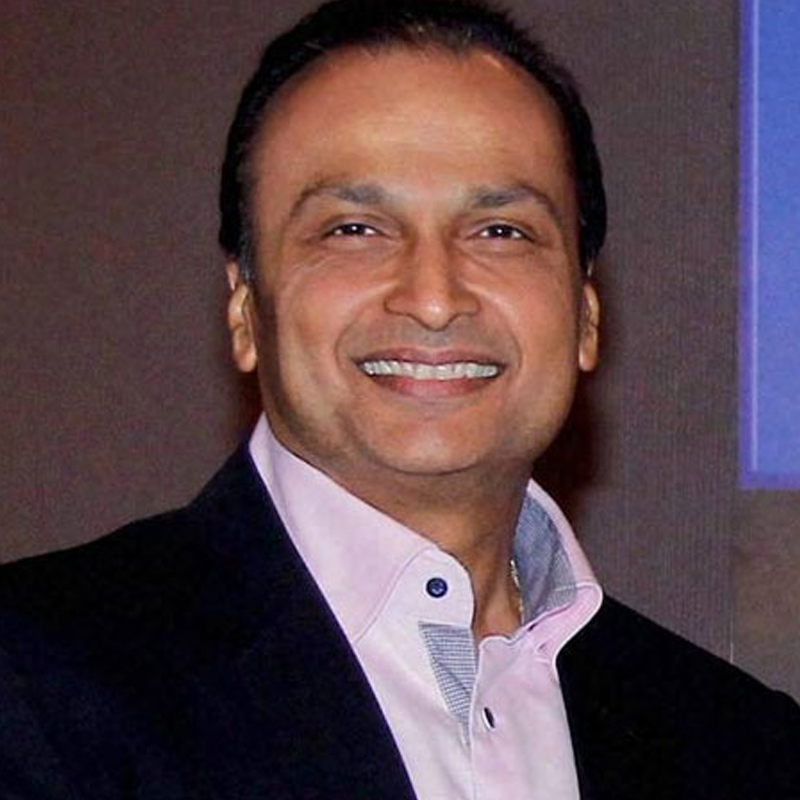
    MUMBAI: Anil Ambani’s Reliance Capital has progressively upped its stake in TV Today Network to 14.02 per cent, but is still outside the 15 per cent deadline to trigger an open offer for a fresh 20 per cent acquisition.

    Memories of an open offer go back to June 2007 when Reliance Capital took the aggressive step without being forced into it by takeover regulation. Having taken its stake then to 11.93, Reliance fixed the open offer price at Rs 130.50 per share that did not evoke any interest from shareholders to sell their shares.

    Reliance Capital’s renewed interest in TV Today, which runs a clutch of news channels including the Hindi market leader Aaj Tak, reflected in the market on 7 December when it mopped up 0.11 per cent stake, or 67,000 shares, to take its total holding to 14.02 per cent, or 8.1 million shares.

    A TV Today official declined to comment.

    A spurt in buying by Reliance Capital has prompted a sharp rise in the scrip price of TV Today that was hovering around Rs 100 in November. The scrip touched a high of Rs 151.80 on 4 December. 

    After 7 December, the shares of TV Today have started steadily falling from its high price. The scrip ended Wednesday at Rs 122 on the BSE, up 1.5 per cent from the previous day’s close.

    The promoter holding in TV Today is 55.92 per cent, according to data provided by the company till 30 September 2009. 

  • ‘Working on an umbrella brand strategy is a good way to build a presence in the entertainment space’ : Rajesh Sawhney – Reliance Entertainment President

    ‘Working on an umbrella brand strategy is a good way to build a presence in the entertainment space’ : Rajesh Sawhney – Reliance Entertainment President

    As 2007 comes to a close, Reliance Entertainment president Rajesh Sawhney is an apt choice for our year-ending interview, not necessarily in the context of what Anil Ambani’s company has done in the broadcast space this year, but because of the expectations from industry, going forward.


    On the television front, the journey of being a broadcaster starts next year with the launch of two movie channels (first Hindi and later English), a logical extension from Reliance ADAG’s existing film production and distribution business. The broadcast piece will add to a list that ranges from multiplexes to movies, home video, FM radio, direct-to-home (DTH) and IPTV.


    On radio, the aim is to consolidate its position. It will also be active in distribution with its DTH platform coming up. Thomas Abraham and Ashwin Pinto caught up with Sawhney to find out about the plans and the kind of impact that Reliance is looking to have on the entertainment space.


    Excerpts:

    Firstly, 2007 was the year when Reliance Entertainment sowed the seeds for what is to come. What were the landmarks for this year?
    We are a young player only two years old. Our journey into entertainment kicked off with the Adlabs acquisition. Then we moved into radio in 2006. We started rolling it out by the end of last year. Then we moved into other ventures like Zapak, our gaming portal. From my perspective, we are still in the incubation phase and the larger consideration is that the entertainment and media industry is where telecom was five years back. The media industry will be worth $25 billion in five years time. A lot of value creation will happen in the coming five years similar to what was seen in telecom.


    The second big thing will be the emergence of digital entertainment. Platforms are now set. This will be a large driver.


    The third thing is that with the economy growing at 10 per cent, the Indian consumer is spending more and more on entertainment. The first indication of this is the multiplex boom. Now even monies spent on entertainment at home like DVD rentals, pay per view are growing.


    The entertainment industry is worth $ 11-12 billion out of a trillion dollar economy, which means 1 per cent of the economy. Globally it is 3 per cent. In the US, it is 5 per cent. If we take the telecom parallel, revenue is 3-4 per cent. In India it is 2.5 per cent. India has a convergence deficit in this sense. This is where the real opportunity is going forward.


    I see Indian players having strengths in certain verticals. Some are strong in print, others in movies while others focus on radio. Nobody is building a comprehensive brand presence across media. This strategy would allow you to capture the three per cent deficit. This is what we are chasing.

    What is the kind of impact that Reliance is hoping to have on the entertainment space across the different verticals?
    Let us take the movie industry. It is on a huge cusp of change. If you go back 10 years there were no multiplexes, no DVD formats. Home entertainment will be the next value driver for the movie industry in the coming decade. DVD and home entertainment revenues are the biggest source of revenue for Hollywood. Here it is less than 10 per cent. We are going through the first phase which is theatrical revenues. Home entertainment will be the next phase.


    For this you need concepts like Big Flicks which will make organised retailing possible. It will make home entertainment delivery through broadband, DTH, IPTV possible. Pay per view revenues will be created for the Indian movie industry. Content in the long tail form across different platforms will offer more choice. The companies who are preparing for this will gain big time as far as the movie industry is concerned.


    The second revolution happening in the Indian movie industry is on the content side. So production values have risen. Talent is getting a huge amount of value which is getting aligned to global values. Content will get value from overseas markets, home entertainment, satellite markets. A $10 million movie has become the norm. I can see a situation where $100 million movie is viable but this will take time to happen. You will see Hollywood and Bollywood collaborating more.

    How will Reliance benefit from the synergy between Reliance Communication and Reliance Entertainment?
    Reliance Communication is building distribution capabilities on mobile, DTH, IPTV and broadband platform. Reliance Entertainment is building a presence and capabilities on the content side across different verticals – content, broadcasting, themed entertainment and new media.

    A large part of your plan involves targeting the youth across different verticals. How are you going about this?
    We are a youth focussed company. This has a commercial reason. We believe that youth drives entertainment. Youth is driving the movie consumption business. India has the best youth demographic platform in the world. We are the youngest country in the world. We keep youth in mind in whatever we do whether it is radio with Big FM or making movies or Zapak.

    The government should allow news and current affairs. This is why you do not have talk radio

    You have taken the brand name Big for your businesses like Big FM, Big Flicks. Is the aim here to convey to the consumer an idea about the size and scale of the brand?
    Unlike many companies that work with a house of brands strategy we believe that working on an umbrella brand strategy is a good way to build a presence in the entertainment space. The choice of the name is predicated on three reasons. Firstly it is simple to understand. Everyone, regardless of language, understands Big. The second reason is it is simple to communicate. A mass brand needs to be understood by everyone. And third, the brand name must give people an understanding of the scale at which we want to bring entertainment to consumers.

    How important is the broadcasting space for Reliance?
    It is very important for us. Our first investment has been in radio with Big FM. We won 145 licenses in 2006. We will take part in the next round of bidding when the government goes ahead. We are the largest radio station in the country with 40 stations. With the execution of radio we have shown a clear commitment by executing the fastest. In Delhi, Bangalore and Mumbai we have emerged as a top player. We have created a leadership position not just by the number of stations but also in the markets where they operate, including those that are entrenched. We want to consolidate our position next year.

    Radio needs to differentiate itself instead of just going after the widest lane with popular Hindi songs. Why isn’t this happening?
    I do not blame the private players for this. I blame government policy. The government should allow news and current affairs. This is why you do not have talk radio. Multiple stations should be allowed. At the moment only five to six stations are available in the Metros. The government should ensure that 30-40 stations are available. One company can run five channels in a state. The government should introduce policies to facilitate the next growth phase. Niche formats become viable if frequencies are made available at lower rates. Running a Gujarati channel at a license fee of Rs 30 crores (Rs 300 million) does not make sense in Mumbai.

    Are you also looking at online radio?
    Yes! In the West, radio is a mature industry. Online is a growth industry there. In India FM and online are coming at the same time. The biggest opportunity is in FM. It is hugely underserved India should have 10,000 FM stations. Now there are less than 300 stations. I can run stations in different languages in Mumbai with viability as long as I am allowed to do so. There is also an opportunity to serve the non resident markets.

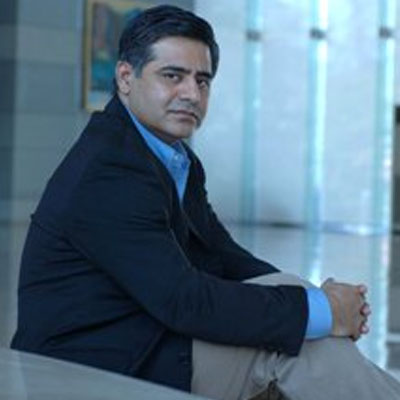
  • ‘Working on an umbrella brand strategy is a good way to build a presence in the entertainment space’

    ‘Working on an umbrella brand strategy is a good way to build a presence in the entertainment space’

    As 2007 comes to a close, Reliance Entertainment president Rajesh Sawhney is an apt choice for our year-ending interview, not necessarily in the context of what Anil Ambani’s company has done in the broadcast space this year, but because of the expectations from industry, going forward.

    On the television front, the journey of being a broadcaster starts next year with the launch of two movie channels (first Hindi and later English), a logical extension from Reliance ADAG’s existing film production and distribution business. The broadcast piece will add to a list that ranges from multiplexes to movies, home video, FM radio, direct-to-home (DTH) and IPTV.

    On radio, the aim is to consolidate its position. It will also be active in distribution with its DTH platform coming up. Thomas Abraham and Ashwin Pinto caught up with Sawhney to find out about the plans and the kind of impact that Reliance is looking to have on the entertainment space.

    Excerpts:

    Firstly, 2007 was the year when Reliance Entertainment sowed the seeds for what is to come. What were the landmarks for this year?
    We are a young player only two years old. Our journey into entertainment kicked off with the Adlabs acquisition. Then we moved into radio in 2006. We started rolling it out by the end of last year. Then we moved into other ventures like Zapak, our gaming portal. From my perspective, we are still in the incubation phase and the larger consideration is that the entertainment and media industry is where telecom was five years back. The media industry will be worth $25 billion in five years time. A lot of value creation will happen in the coming five years similar to what was seen in telecom.

    The second big thing will be the emergence of digital entertainment. Platforms are now set. This will be a large driver.

    The third thing is that with the economy growing at 10 per cent, the Indian consumer is spending more and more on entertainment. The first indication of this is the multiplex boom. Now even monies spent on entertainment at home like DVD rentals, pay per view are growing.

    The entertainment industry is worth $ 11-12 billion out of a trillion dollar economy, which means 1 per cent of the economy. Globally it is 3 per cent. In the US, it is 5 per cent. If we take the telecom parallel, revenue is 3-4 per cent. In India it is 2.5 per cent. India has a convergence deficit in this sense. This is where the real opportunity is going forward.

    I see Indian players having strengths in certain verticals. Some are strong in print, others in movies while others focus on radio. Nobody is building a comprehensive brand presence across media. This strategy would allow you to capture the three per cent deficit. This is what we are chasing.

    What is the kind of impact that Reliance is hoping to have on the entertainment space across the different verticals?
    Let us take the movie industry. It is on a huge cusp of change. If you go back 10 years there were no multiplexes, no DVD formats. Home entertainment will be the next value driver for the movie industry in the coming decade. DVD and home entertainment revenues are the biggest source of revenue for Hollywood. Here it is less than 10 per cent. We are going through the first phase which is theatrical revenues. Home entertainment will be the next phase.

    For this you need concepts like Big Flicks which will make organised retailing possible. It will make home entertainment delivery through broadband, DTH, IPTV possible. Pay per view revenues will be created for the Indian movie industry. Content in the long tail form across different platforms will offer more choice. The companies who are preparing for this will gain big time as far as the movie industry is concerned.

    The second revolution happening in the Indian movie industry is on the content side. So production values have risen. Talent is getting a huge amount of value which is getting aligned to global values. Content will get value from overseas markets, home entertainment, satellite markets. A $10 million movie has become the norm. I can see a situation where $100 million movie is viable but this will take time to happen. You will see Hollywood and Bollywood collaborating more.

    The government should allow news and current affairs. This is why you do not have talk radio
    _____****_____

    How will Reliance benefit from the synergy between Reliance Communication and Reliance Entertainment?
    Reliance Communication is building distribution capabilities on mobile, DTH, IPTV and broadband platform. Reliance Entertainment is building a presence and capabilities on the content side across different verticals – content, broadcasting, themed entertainment and new media.

    A large part of your plan involves targeting the youth across different verticals. How are you going about this?
    We are a youth focussed company. This has a commercial reason. We believe that youth drives entertainment. Youth is driving the movie consumption business. India has the best youth demographic platform in the world. We are the youngest country in the world. We keep youth in mind in whatever we do whether it is radio with Big FM or making movies or Zapak.

    You have taken the brand name Big for your businesses like Big FM, Big Flicks. Is the aim here to convey to the consumer an idea about the size and scale of the brand?
    Unlike many companies that work with a house of brands strategy we believe that working on an umbrella brand strategy is a good way to build a presence in the entertainment space. The choice of the name is predicated on three reasons. Firstly it is simple to understand. Everyone, regardless of language, understands Big. The second reason is it is simple to communicate. A mass brand needs to be understood by everyone. And third, the brand name must give people an understanding of the scale at which we want to bring entertainment to consumers.

    How important is the broadcasting space for Reliance?
    It is very important for us. Our first investment has been in radio with Big FM. We won 145 licenses in 2006. We will take part in the next round of bidding when the government goes ahead. We are the largest radio station in the country with 40 stations. With the execution of radio we have shown a clear commitment by executing the fastest. In Delhi, Bangalore and Mumbai we have emerged as a top player. We have created a leadership position not just by the number of stations but also in the markets where they operate, including those that are entrenched. We want to consolidate our position next year.

    Radio needs to differentiate itself instead of just going after the widest lane with popular Hindi songs. Why isn’t this happening?
    I do not blame the private players for this. I blame government policy. The government should allow news and current affairs. This is why you do not have talk radio. Multiple stations should be allowed. At the moment only five to six stations are available in the Metros. The government should ensure that 30-40 stations are available. One company can run five channels in a state. The government should introduce policies to facilitate the next growth phase. Niche formats become viable if frequencies are made available at lower rates. Running a Gujarati channel at a license fee of Rs 30 crores (Rs 300 million) does not make sense in Mumbai.

    Are you also looking at online radio?
    Yes! In the West, radio is a mature industry. Online is a growth industry there. In India FM and online are coming at the same time. The biggest opportunity is in FM. It is hugely underserved India should have 10,000 FM stations. Now there are less than 300 stations. I can run stations in different languages in Mumbai with viability as long as I am allowed to do so. There is also an opportunity to serve the non resident markets.
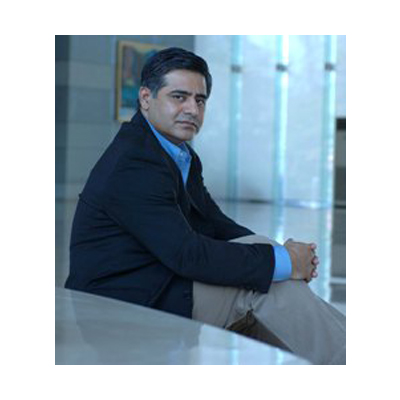
  • ‘Home entertainment is not a commodity but a content- driven business’ : M.N. Kapasi – Excel Home Video MD

    ‘Home entertainment is not a commodity but a content- driven business’ : M.N. Kapasi – Excel Home Video MD

    For Excel Home Video, it is time to expand as big companies like Anil Ambani’s ADAG are planning an entry. The firm recently added MGM to its portfolio of Hollywood studios it has deals with. It is also tapping the TV DVD segment aggressively this year.


    Eventually, Excel plans to get into local content as well for the overseas markets. Indiantelevision.com’s Ashwin Pinto caught up with Excel Home Video MD M.N. Kapasi to find out more about the home video market and the company’s growth plans.


    Excerpts:

    With how many studios does Excel have deals structured?
    We are the home entertainment licensees for among others Fox, Touchstone, Hit Entertainment and Merchant Ivory Productions. Recently, we added MGM to our catalogue. We also have a lot of independently acquired international content. These include documentaries and special interest products. We also have some children’s titles. We recently launched an educational product called Love And Intimacy.


    We have a revenue sharing arrangement with the studios. We also have the master license of Electronic Arts.

    What is the share of Hollywood studios have in the home video market? How is Excel faring and what is the growth rate you are expecting?
    Studies have shown that international content in the home video business has a large share. For Planet M, for instance, 45 per cent of home videos sold are international.


    Within this category, Excel has a 40 per cent market share. We expect growth of 25 per cent CAGR.

    Generally how many units do you sell on an average for a title?
    This is difficult to pull out. The industry which is nascent, is still hits-driven. One big hit or a flop, can skew the average. A big title normally does 15000-200000 units. An average performer sells around 10,000 units.


    For this year so far, our top sellers have been Dor, Pirates Of The Caribbean: Dead Man’s Chest, Night At The Museum, Cars and The Devil Wears Prada.

    Excel has been scouting for a strategic investor for quite some time. Has anything moved on this front?
    We are always open to this option. A partner would add to the speeding up of our growth. The partner could be forward or backward integrating.

    How has Excel gone about improving its distribution model?
    The addition of our gaming division has strengthened our distribution. That is because every gamer is a movie buff.


    We have chased the non traditional distribution model quite aggressively. This includes having a presence in major retail stores which do not have music but have movies and games. A division in our firm actually looks after this aspect.


    We do not have baggages. Firms that are older than us came into the home video area with baggages. They had the psyche that home entertainment is more a rental product than a retail one. Our aim was to make the home entertainment space an ownership business rather than just a renting one.

    Could you talk about your Movies and More division that launched last tear?
    It is a retail chain division focussing on films. It also sells games and music. It is run by movie buffs and targets a captive audience. We are now looking at category management tie ups.


    Right now there are 14 outlets in Mumbai and Pune. The target is to reach 40 outlets across different cities by the end of the year.

    Now you have ATM machines and online selling companies dealing with DVDs. How is Excel adapting in this changing environment?
    We are a technology savvy firm. We know how online buying happens in most developed countries. We have used the internet in the past for gift ideas, pre order campaigns. The internet works well for this.

    One problem for a Hollywood fan is that only a fraction of the films released in the US are available on home video in India. That is also the case with theatrical releases. Do you see this situation changing or is there not enough demand for Hollywood beyond blockbusters and franchise properties?
    The scope is there to expand. We have tried new things over the last couple of years. We have released direct to video titles. This year we are looking at TV titles.


    However the certification process is the one factor that slows us down. Even though home video is a private decision, unlike cinema which is public we still have to get our products certified. The TV show Prison Break has been sitting with the censors for the past seven months.

    We are open to strategic investors. A partner would add to the speeding up of our growth

    Could you elaborate more on the television DVD plans?
    This is a very niche segment still in India but there is a market for it. Due to the size of our population even that niche is large. This year we are focussing on this area.


    We are looking to have 20 titles here. Six to seven titles are already present in the market. We will launch new seasons of shows like 24, Desperate Housewives, Lost, Alias. Commander In-Chief is another show that we will launch on DVD. TV shows on DVDs in developed markets contributes 22 per cent to home videos revenues. We expect similar growth in India.

    Does Excel have plans to get into the rental business as well?
    Our Movies and More division is capable of adapting to the rental model. We had the idea that it should be like Netflix- a rental, online hybrid. But there are challenges.


    As you said, there is a lot of content in the US that we don’t even have a fraction of. You find rental products in the grey market and through parallel imports. For instance, the film Borat has not been rated and is available for rental. If we were to get into rental, then we would have to compete with this. A level playing field does not exist. Having said that, firms like Reliance are setting up rental outlets and we are looking forward to seeing how they fare.

    You mentioned the tie up with Electronic Arts last year for interactive gaming. What progress has been made in this area?
    There were start up issues and the tie up was novel. We had aggressive price points and avoided titles which have parallel imports. The gaming industry like home video, has parallel imports.


    We brought in new capabilities. We released the Harry Potter And The Order Of The Phoenix game which was at the same time as the global launch. Next year there will be Fifa 2008. At this point in time we are not talking with Indian game publishers. Electronic Arts realised that we have in-house synergies which would help the games business.


    Since we have the market leader in gaming with us, we would like the business to settle down before distributing other firms’ products. The amount of money that Electronic Arts puts into making a game is sometimes equal to a Hollywood blockbuster. That is why their products are at least twice as superior to the competition.

    Packaging is important when it comes to purchasing decisions. What innovations has Excel done recently in this regard to distinguish its products?
    It is around 15 per cent of the effort that we make in product presentation. It is important that packaging connects with the film. We also provide value adds and also in terms of the picture and sound quality. International content has DTS, THX certified sound on them.


    There are only two Hindi films that have DTS sound on the DVD. Both of those titles, Lagaan and Parineeta, were released by us. Parineeta was the first Indian DVD to have a director’s commentary.

    What are the major titles coming up?
    We have Pink Panther, Bond titles to launch from MGM. We will be launching the TV show The Simpsons on DVD. We will be releasing films like The Last King Of Scotland, Eragon, Peter Pan Special Edition, Apocalypto.

    In terms of marketing what are the kind of activities that Excel does to create buzz around new titles?
    The home video segment has a limited marketing budget. So we innovate. One programme is exchanging VCD tiles and the consumer only has to pay the difference to get that title in DVD. This has worked well.


    We find that this particularly happens for premium classic titles like Titanic, Sound Of Music. We also have a money back guarantee for all our products.


    We do tie ups with hardware retailers. So if someone buys a DVD player from a certain retailer there will be our coupons offering a discount. That way it makes it easier for the customer to immediately start a library. In the past we have also done synergy marketing like re-releasing a film on home video when its sequel was being released theatrically.

    There is a lot of talk about low prices of DVDs. Does Excel have plans here to reduce prices which would lead to more sales?
    We have around 30 different price points. We have animation VCDs priced at Rs 50. Then we sell a complete season of a TV show like Lost for Rs 2000. Sometimes we also have different price points for the same product. For instance while the Parineeta DVD was sold at the Rs 300 price point, we came out with a Collectors Edition for the film which cost Rs 600.


    This is based on consumer research. I don’t think that home entertainment is a commodity business; it is a content driven business. Do you buy a book just because it costs Rs 30?


    We do consumer price point promotions. We have a promotion running with 200 titles. Each is not more than Rs 333. Our dubbed VCDs are cheaper than the English VCDs.

    The challenge in local content is that prices are coming down. How will you cope with this?
    In terms of prices, the feedback we have been getting is that often cheaper priced DVDs have the quality of a VCD. It is the equivalent of buying cheap T-shirts from street vendors that quickly get ruined in the washing machine. Does the consumer only care for a low price and not for quality? When we get a nod to this answer, then we will have a re-look at our strategy.


    Right now we do not want to compromise on quality. Parineeta, Corporate and Dor sold over 1,00,000 units at price-points that are 10 times higher compared to low priced DVDs that you refer to. Great content, good quality at the right price-points and penetrative distribution will always have the ‘Consumer’ with it.


    We also want to sell Indian content on home video abroad in countries like the US, UK, Australia from next year. The NRI market is underserved in this area. We have already started putting plans in place for this. In those markets the content on home video might be there but the quality is lacking in terms of presentation. We will make sure that our products are available with as many retailers as possible. We, however, do not plan to set up our own stores abroad.

    What are your expansion plans?
    We will have more local content next year. While some film producers have started their own home video label, there are also independent producers who do not have their label. They do not have an outlet as they do not have the economies of scale of putting it in place.


    Our aim is to release six to eight films next year. We will scale this up as we go along. We are looking at a revenue sharing model with the producers and we are confident that this will happen as we are transparent in our operations.

  • Anil’s Reliance ups stake in TV Today to 11.93 per cent

    MUMBAI: Anil Ambani’s interest in the media sector seems to be growing. Reliance Capital’s subsidiary Sonata Investments has taken its shareholding in TV Today to 11.93 per cent, after buying an additional 1 per cent stake on Monday.

    Sonata bought 583,000 shares in an open market transaction. With this, the company now has 6.9 million shares of TV Today, up from 6.3 million. Earlier on 12 February, the company had purchased 557,000 shares, or 0.96 per cent stake, of TV Today for an estimated Rs 65 million.

    Ambani’s Reliance Capital has also taken an exposure in Global Broadcast News, recently acquiring 6.27 per cent stake for an estimated Rs 870 million.

  • Reliance Capital buys 6 per cent in GBN via open market

    Reliance Capital buys 6 per cent in GBN via open market

    MUMBAI: Anil Ambani group company Reliance Capital has acquired 6.27 per cent stake in Global Broadcast News (GBN) through an open market transaction on the BSE.

    The purchase of 1.68 million shares in a bulk deal was made on 12 February. GBN, which operates English news channel CNN-IBN and Hindi news channel IBN7, was listed on the stock exchanges on 8 February.

    After a debut opening on the BSE at Rs 417.10, the scrip had closed at Rs 510.10 with over 13 million shares changing hands on the first day of trading.

    A day after Reliance Capital’s purchase, the scrip opened at Rs 495 and touched a high of Rs 526.70 before closing at Rs 508.65.

  • Anil Ambani plans foray into TV channel business

    Anil Ambani plans foray into TV channel business

    MUMBAI: Anil Ambani is planning to make an entry into the broadcasting business, the final piece in the media chain where he had so far stayed out.

    On his radar is the launch of an entertainment business channel through Adlabs Films, the listed company where he acquired a majority stake in mid-2005.
    “We are considering it and have given the proposal for the launch of an entertainment business channel. But the board has to approve of it,” Adlabs chairman and managing director Manmohan Shetty tells Indiantelevision.com.

    The idea is to capitalise on the contacts that Shetty has with the film industry and synergise content with Adlabs’ film production business. The channel would also provide information on the gross earnings from box office collections and other financial data.

    Shetty, however, did not wish to talk on the content front, saying “it was too early to talk about anything” till the go-ahead signal was given for launching the channel.

    Adlabs already has a presence in film processing, production and distribution business. The company is also stepping into TV content production and has bought out majority stake in Siddharth and Anita Basu’s production house Synergy Communications Pvt Ltd. Ambani has ventured into the FM radio sector with aggressive bids for stations.

    “The acquisition process is not completed yet. We would be pumping money into the content business after that. We will be making content for other TV channels through this company,” says Shetty. Synergy has produced popular shows like Kaun Banega Crorepati or KBC (an Indian version of the popular western game show Who Wants To Be A Millionaire) for Star and Jhalak Dikhla Jaa (a local adaption of Dancing With The Stars) for Sony.

    Adlabs has ambitious plans for animation. In the pipeline is a 3D feature film, Superstar, with Southern actor Rajnikanth’s Ochre Studios which is slated for release in April 2008. The second animation project is a feature based on the characters Gini & Jony, who represent one of the top brands in children apparel in India.

    “The first film will cost Rs 310 million and we will have a worldwide release. We haven’t finalised the budget for the second film as we are not ready with the script yet,” says Shetty.

    Rounding up the media cycle will be the foray into the broadcasting space. Ambani has already announced his plans for IPTV and a direct-to-home (DTH) service.

  • Rajshri buys digital rights of Mahabharat, to show the epic TV series on its entertainment portal

    Rajshri buys digital rights of Mahabharat, to show the epic TV series on its entertainment portal

    MUMBAI: For one of the oldest film production and distribution houses, taking a leap into the new digital era is a big challenge. Rajjat A Barjatya knows it is a slow brick-by-brick building process, quite different from the 60-year-old journey that Rajshri group had made in the Bollywood world.

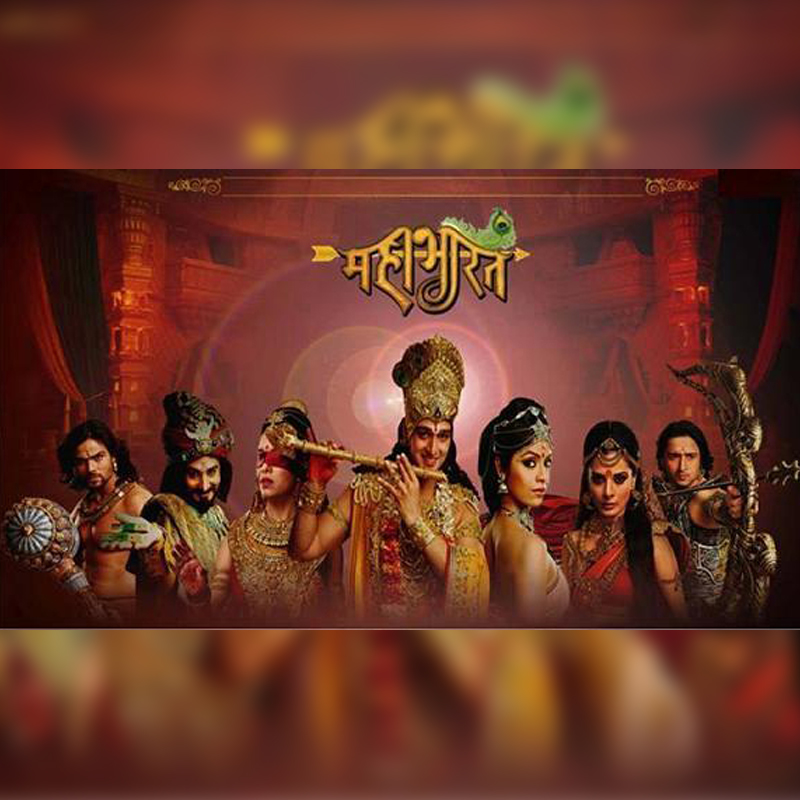
    He is lining up content for the broadband and entertainment portal that his company has launched. Up his sleeve is the latest catch: acquiring digital rights of India’s epic TV serial Mahabharat which he will stream and offer for download on his portal, www.rajshri.com.

    “I am bullish on this property. It was a high TV-rated show and will build heavy traffic on our website which is predominantly for the non resident Indians,” he says.

    On offer will be 94 episodes of 45 minutes, refreshed each day. While no charge will be levied on consumers who can watch the streaming content, Barjatya tells Indiantelevision.com that he will charge $1.99 on downloads per episode. “We will only make downloads available after 10 days. We want to first attract consumers and are rolling the series out daily like on TV,” says the managing director of Rajshri Media, the digital entertainment and new media arm of Rajshri group.

    For those who want to download the entire Mahabharat series, the rate will work out cheaper. “We haven’t yet firmed up on the pricing of this. But the problem is that it will take 72 hours of download,” says Barjatya.

    The revenue streams will, thus, be advertising and transaction based. Having acquired the mobile rights as well, Barjatya has tied up with Reliance Mobile. “Subscribers of reliance can watch the episodes on mobile TV. They can also download short video clips of Mahabharat and games,” he says.

    Rajshri Media has also acquired digital rights for several other TV series across multiple genres. “We will be rolling them out in due course,” says Barjatya.

    Mahabharat will be available in multiple language versions: original Hindi, Hindi with English subtitles and Tamil. The TV series will be available for both, free streaming and paid downloads, to a global audience on PCs and other broadband enabled devices, on demand 24X7.

    Speaking on the launch of Mahabharat on Rajshri.com, producer-director of Mahabharat Ravi Chopra says, “While directing Mahabharat, I became convinced that this epic is not for us Indians alone – but for the whole wide world. Its timeless message can restore the eternal values of peace and harmony in the strife torn world of today. I am delighted at the initiative taken by Rajshri.com to make this memorable piece of work available to viewers worldwide”.

    Rajshri also offers streaming of close to 100 Hindi movies on its website. Its latest movie, Vivah, was premiered on the portal simultaneously along with its theatrical release. This was the first time in India that a film was being made available on the internet at the day of its release.

    The downloading of Vivah was at a payment of $9.99 through an international credit card.

    Now Vivah can be downloaded to own the content. “We have removed the digital rights management rights on Vivah from today. It is almost like buying a DVD. Earlier nobody who subscribed for it could watch it outside 72 hours. Nor could they copy it because of a special software that was used,” Barjatya says.

    Anil Ambani’s Adlabs has just released the DVDs of Vivah in overseas markets, he adds. “We haven’t given the home video rights to anybody yet for the India territory. We haven’t also sold the satellite rights.”

  • Measat-3 satellite successfully launched

    Measat-3 satellite successfully launched

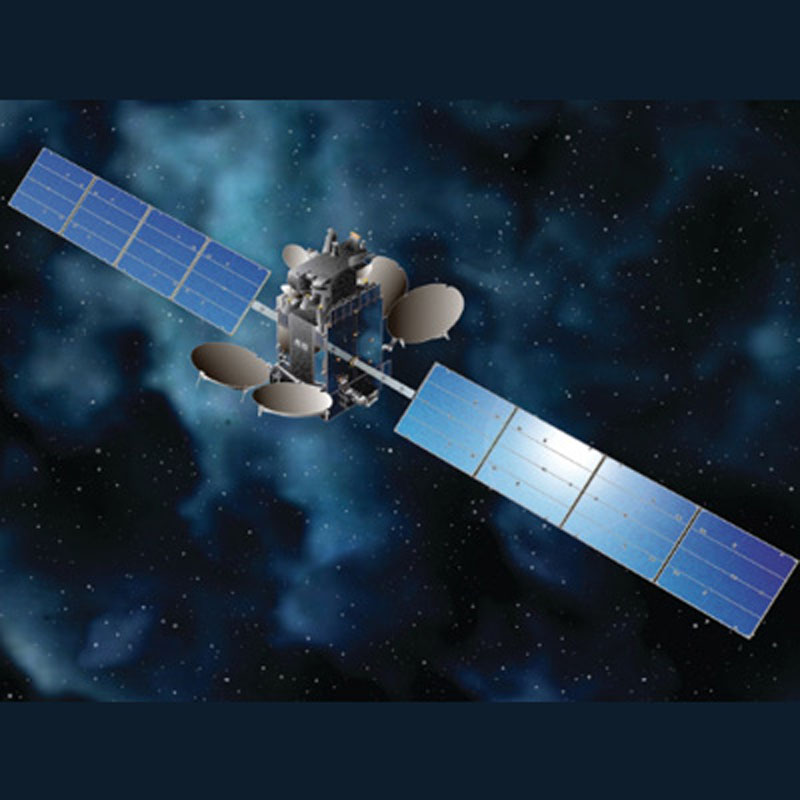
    MUMBAI: A Proton Breeze M launch vehicle, launched from the Baikonur Cosmodrome, Kazakhstan, successfully placed the Measat-3 satellite into orbit earlier today.

    After separation, the satellite will be manoeuvred into its orbital location and will undergo in-orbit testing. This is expected to be completed by 1 February, 2008.

    The project cost of the Measat-3 satellite is $ 280 million.

    Providing 300 per cent more capacity at the key 91.5E orbital location, Measat-3 is one of the region’s most technologically advanced satellites.

    Measat-3 has 24 Ku-band transponders and has been designed to provide capability for data services and Direct-to-Home (DTH) applications in Malaysia, Indonesia and the Indian Subcontinent. The satellite has been designed with a C-Band payload capable of reaching over 100 countries, representing 70 per cent of the world’s population, and the most powerful Ku-band DTH coverage for over 160 million TV households in the countries under its footprint.

    Measat-3’s launch opens up the options available to Indian operators looking to enter the DTH arena. Kalanithi Maran’s southern broadcast network Sun Group’s Sun Direct DTH service is ready to launch and is only waiting a satellite to beam off. Anil Ambani’s ADAG also has plans for a DTH service under the brand name Bluemagic, which is headed by the former CEO of Zee Group’s Dish TV, Sunil Khanna.

    It may be recalled that the unfortunate failure in July of the GSLV-F02 launch rocket carrying the Insat-4C communication satellite had wrecked the timetables for the launch of Sun Direct.

    Sun had booked seven high-power Ku-band transponders, six for DTH and one for DSNG (digital satellite news gathering), of the total 12 carried by the Indian Space Research Organisation’s Insat-4C.

    Said Measat’s COO, Paul Brown-Kenyon: “The launch of Measat-3 will enhance our ability to support Malaysian and international customers. It will not only augment capacity but also enhance redundancy capabilities for customers using the Measat-1 satellite. Planning is already underway for the launch of Measat- 1R, scheduled for end 2007 / early 2008, which is being developed to support and sustain future growth requirements for existing and prospective customers.”

    Currently operating a two satellite network, Measat provides video distribution services across East and South East Asia, Indochina, South Asia and Australia. The launch of Measat-3, and Measat-1R end 2007 / early 2008 will extend the reach of the Measat fleet, providing customers with a satellite able to reach Pay-TV operators in over 100 countries, representing more than 70 per cent of the world’s population. Leveraging facilities at the Measat Teleport and Broadcast Centre, and working with a select group of world-class media partners including Astro, Pacific Century Matrix and STT, Measat provides a complete range of broadcast services including video playout, up-linking, and video turnaround to and from the key European and North American markets.

  • President to inagurate INDIA TELECOM 2006 on14 Dec

    President to inagurate INDIA TELECOM 2006 on14 Dec

    MUMBAI: India Telecom 2006, the biggest showcase of the telecom industry, will be inaugurated by President Dr APJ Abdul Kalam on 14 December at Pragati Maidan, New Delhi.

    Communications and information technology minister Dayanidhi Maran will deliver the keynote address at the inaugural session.

    Over 200 companies are participating is the international exhibition and conference. In the exhibition the Indian telecom industry will be represented by companies like Bharti Airtel Limited, BSNL, C-DOT, Hutchison Essar Mobile Services Ltd, COAI, Qualcomm India Pvt Ltd. Reliance Communication Ltd. Etc.Among the international participants there will be companies from Canada, China, Singapore, Hong Kong, and Italy while Taiwan, Korea and US companies will be seen in independent pavilions.

    A highlight of India Telecom 2006 will be the CEO’s Roundtable with Maran. It will be an interactive session of all the telecom CEO’s with the minister. Trai chairman Nripendra Misra and DoT secretary DS Mathur will also address the session. Among the participants at the Roundtable will be ADAG chairman Anil Ambani, Bharti Enterprises CMD Sunil Bharti Mittal, Infosys CEO Nandan Nilekani, Essar Group chairman Shashi Ruia, BSNL CMD AK Sinha, MTNL CMD RSP Sinha and IDEA Cellular MD Sanjeev Aga.

    Concurrent to the exhibition would be technical seminars and conferences. The objective of the summit is to discuss new growth drivers that are revolutionizing the telecom sector in India and around the world. It would also focus on showcasing the huge potential that India holds in this sector for inviting investments.

    The first session on 15 December would be on Regulatory and Policy Imperatives. Misra will chair the session, while the theme address would be delivered by Ambassador David A Gross, US Co-ordinator for international communication and information policy, US department of state. Global Mobile Suppliers Association president Alan Hadden will also address the session.