
Connect with us
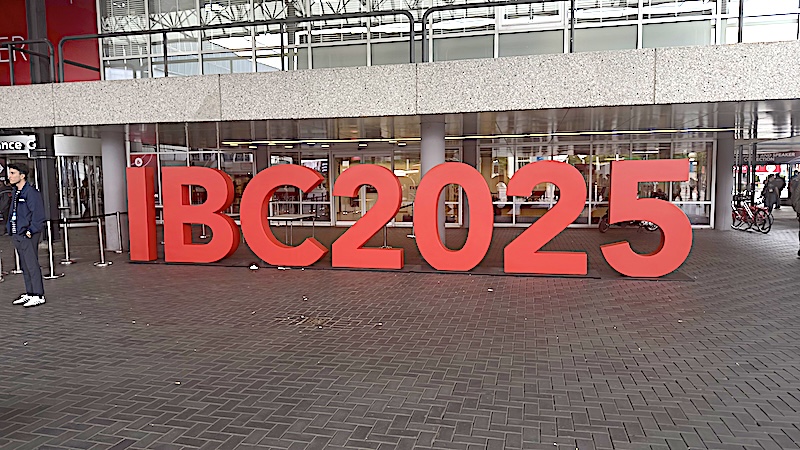
AMSTERDAM: Amsterdam’s RAI convention centre became the epicentre of media’s digital revolution last week as 43,858 industry professionals descended on IBC2025, the world’s largest broadcasting and...
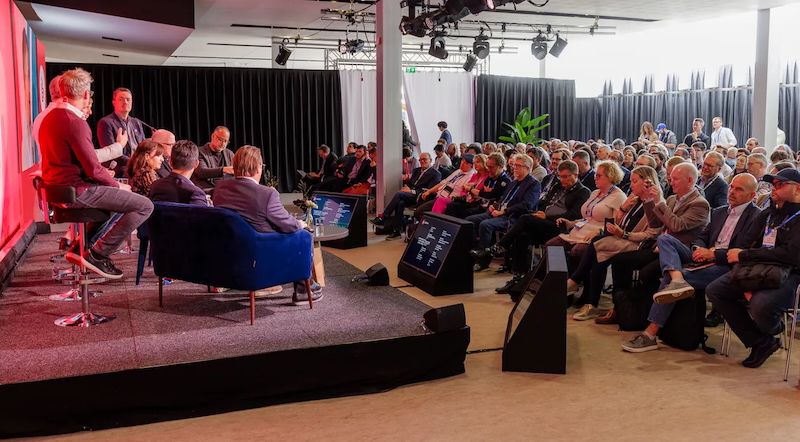
AMSTERDAM: Amsterdam’s RAI convention centre will become the global capital of media and technology from 12–15 September when IBC 2025 opens its doors to broadcasters, streamers,...
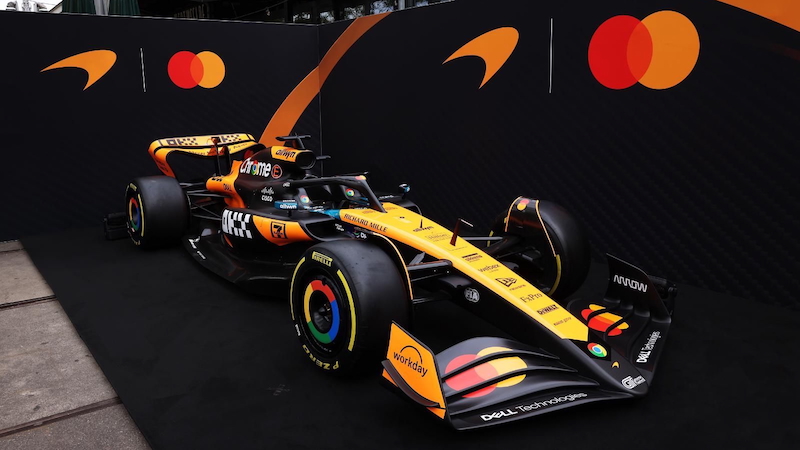
AMSTERDAM: Mastercard has signed a landmark naming-rights deal with McLaren Racing, under which the team will compete from 2026 as the McLaren Mastercard Formula 1 team....
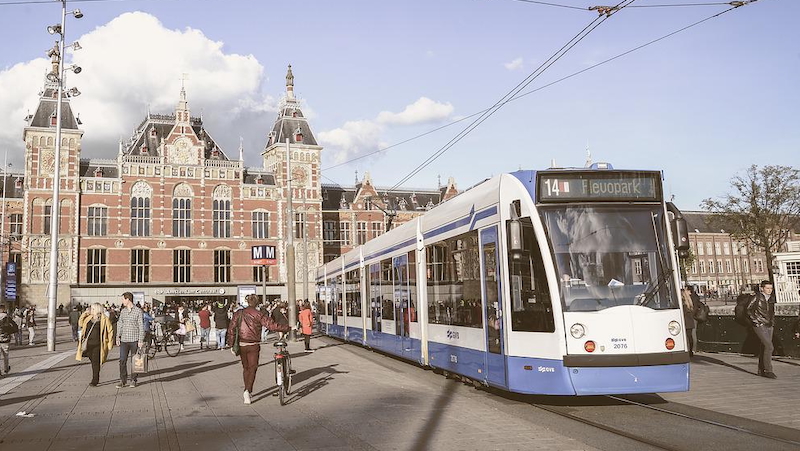
AMSTERDAM: This is good news for all visitors to Amsterdam’s grand IBC show. Come September 2025 onwards, the organisation is set to transform the onsite experience...

MUMBAI: Sony has taken aim at the booming virtual production market with its latest LED wall series, the Crystal LED Capri—a more affordable sibling to its...
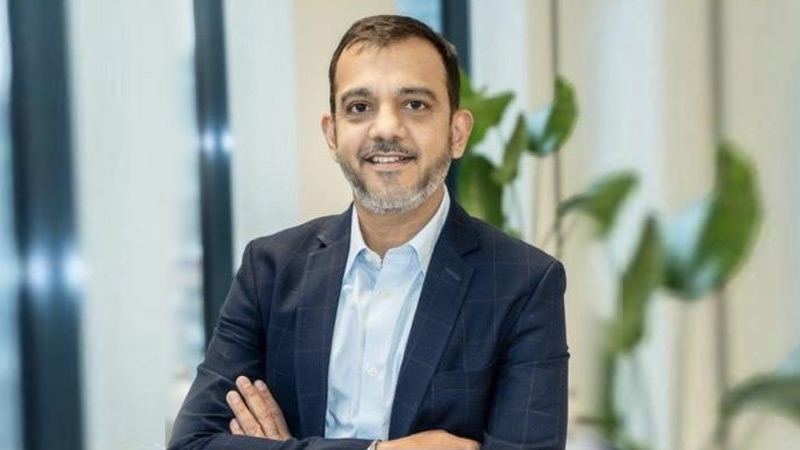
MUMBAI: Greaves Cotton Ltd has turned a fresh chapter in its storied 165-year history, appointing Parag Satpute as group CEO and managing director. Satpute, a seasoned...
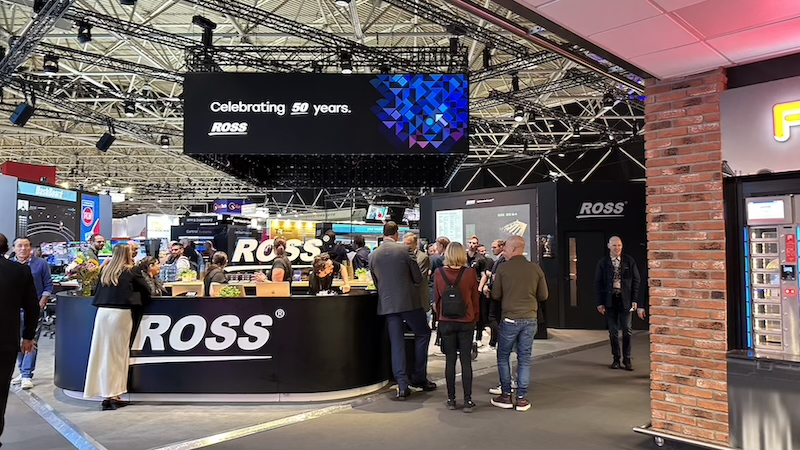
AMSTERDAM: IBC which is held at the Rai exhibition centre in Amsterdam in September every year is considered a very important stop in every leading broadcaster,...
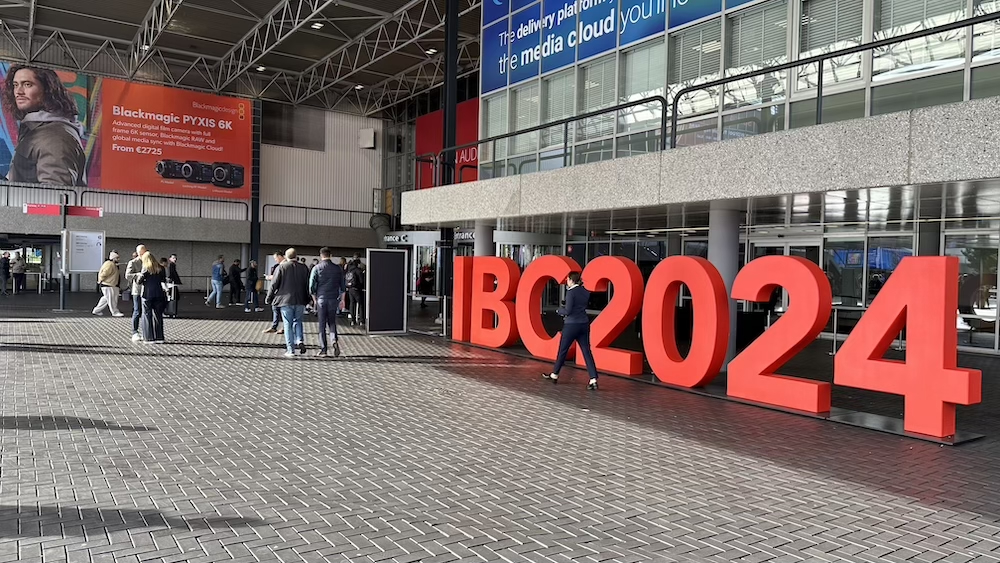
AMSTERDAM: It has been a record breaking year at IBC2024 with the Amsterdam confab attracting 45,085 visitors from 170 countries – a jump of more than...

Mumbai: I consider myself fortunate enough to have interviewed some of the best in the advertising industry and which I shall continue doing thanks to the...
Mumbai: International Broadcasting Convention (IBC) has cancelled the in-person IBC2021 which was scheduled to be held in Amsterdam this December. The move follows growing concerns about...

MUMBAI: Red Bee Media has been working with Cisco and 7fivefive to create a sophisticated media centric hybrid cloud environment, designed to streamline media production, playout,...

SAN JOSE, Calif: Harmonic (NASDAQ: HLIT) today announced that its cloud-native media processing software and content-aware encoding (CAE) technology is powering Sky Italia's OTT streaming services....

Luxembourg: SES's latest solution, which will be showcased at IBC2019 in Amsterdam, synchronises over-the-top (OTT) and satellite broadcasts by delivering IP signals to OTT platforms as...

MUMBAI: WPP today marked the opening of its new Amsterdam campus as it continued the roll-out of its global co-location strategy. Each WPP campus is designed...
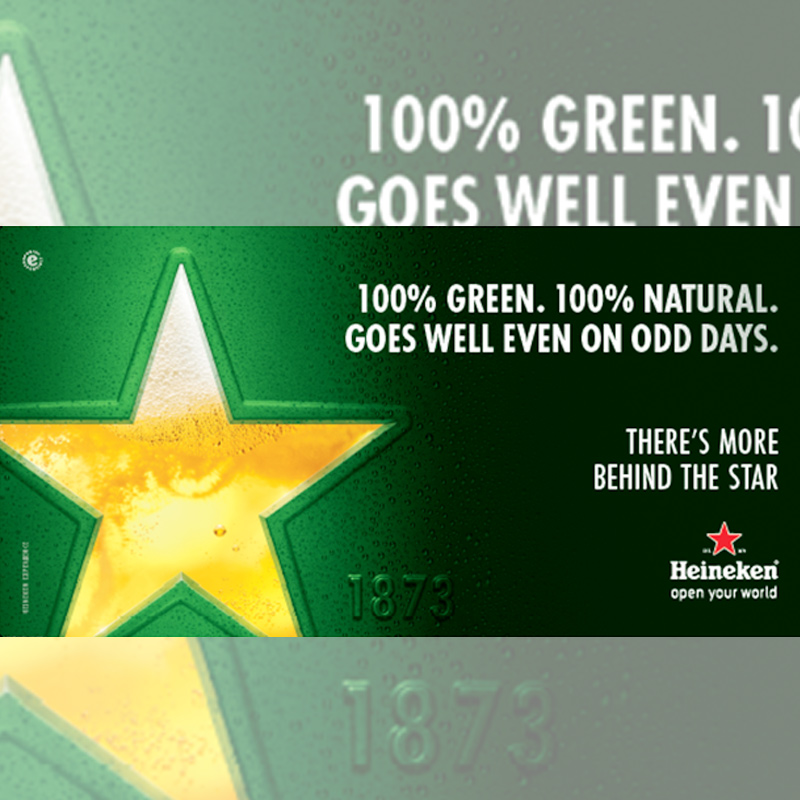
NEW DELHI: Starting with the metros with the aim of attracting the affluent, Heineken with its campaign ‘There’s more behind the star’ is now planning to...
NEW DELHI: Starting with the metros with the aim of attracting the affluent, Heineken with its campaign ‘There’s more behind the star’ is now planning to...
The 49 th edition of IBC 2016 held at Amsterdam’s RAI convention centre between 8-13 September 2016 resulted in streets, hotel lobbies, trams, restaurants, bars, cafes,...
The 49 th edition of IBC 2016 held at Amsterdam’s RAI convention centre between 8-13 September 2016 resulted in streets, hotel lobbies, trams, restaurants, bars, cafes,...
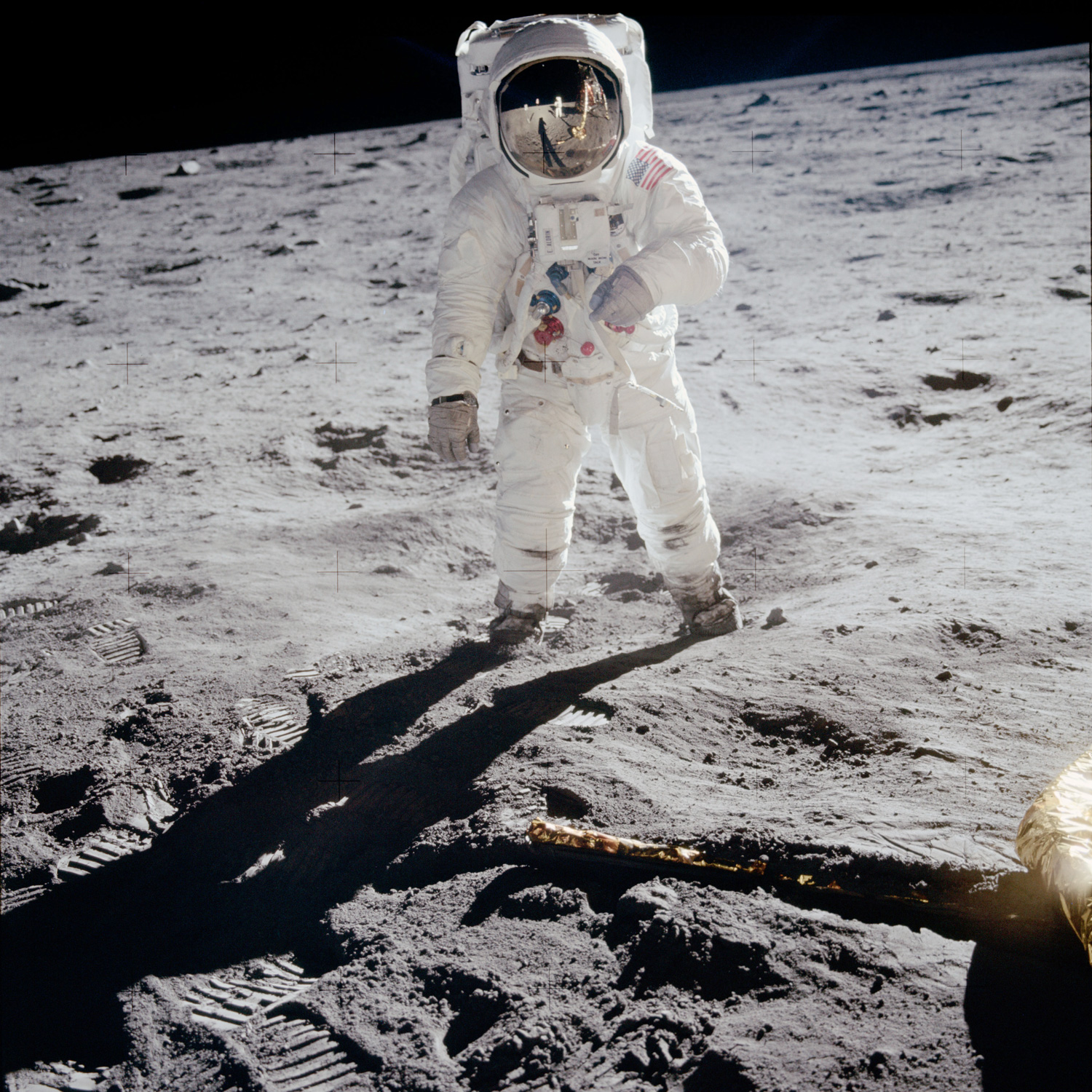
MUMBAI: IBC announced that it is to give one of its highest awards, the Judges’ Prize, to NASA. Celebrating the achievements of one of the world’s...
MUMBAI: IBC announced that it is to give one of its highest awards, the Judges’ Prize, to NASA. Celebrating the achievements of one of the world’s...

MUMBAI: Sports shoes and apparel company ASICS has launched its most provocative and inspiring brand campaign yet with ‘Want It More’ — a direct call for...
MUMBAI: Sports shoes and apparel company ASICS has launched its most provocative and inspiring brand campaign yet with ‘Want It More’ — a direct call for...

MUMBAI: Consumers in key European TV markets are ready to embrace Ultra HD as a thrilling TV experience and to invest in equipment and content. ...

MUMBAI: The Samsung IIFA Awards Amsterdam to be held on 11 June will see performances by the popular stars of Indian cinema including Salman Khan, Abhishek...

MUMBAI: Integrated Systems Events has announced today that its 2016 event will take place over four consecutive days at the RAI exhibition centre in Amsterdam –...
MUMBAI: Leo Burnett was named Network of the Year for the second year in a row at the Epica Awards last night in Amsterdam. The agency...

NEW DELHI: Three Indian documentaries will be screened at the International Documentary Film Festival that will be held in Amsterdam from 20 November to 1 December....

NEW DELHI: Three Indian documentaries will be screened at the International Documentary Film Festival that will be held in Amsterdam from 20 November to 1 December....

MUMBAI: Percept Sports and Entertainment is all set to execute 'Fresh Faces 2013' an international modeling event in partnership with modelmanagement.com. Fresh Faces is an international...

MUMBAI: To help mobile operators better manage their data traffic, Nokia is introducing a network solution that lets operators globally control the use of network resources...
MUMBAI: On Wednesday 8 November, the House of Commons will play host to the official announcement of the International Indian Film Academy (IIFA) Weekend and the...

MUMBAI: US media firm Discovery Communications has expanded its expansion of its collection of world-class content on Google Earth. It has added over 150 video segments...
MUMBAI: Infront Sports & Media, the company which handled the worldwide marketing and sales of the broadcast rights to 2006 Fifa World Cup and its subsidiary...

MUMBAI: UK based — Packet Vision, the addressable IPTV advertising specialist, will commercially launch its new TV advertising delivery platform in September at the International Broadcasting...

MUMBAI: Global Crossing which provides telecommunications solutions has successfully delivered high-speed, 10-Gbps IP Transit Service to IP-Only Telecommunications. The latter is a Swedish Internet service provider...

MUMBAI: Star Gold has lined up two properties to wind up 2005, the year which saw its re-launch. To begin with, the channel will introduce the...

MUMBAI: Asia Netcom, a wholly-owned subsidiary of Chinese telecommunications service provider China Netcom, will play a part in an experiment to demonstrate the ability of the...

MUMBAI: Thomson has announced the Grass Valley brand Infinity Series, a new, IT-based line of next-generation acquisition, recording, and storage devices that will revolutionize the way...

MUMBAI: The International Indian Film Academy (IIFA) has announced the sixth annual IIFA Weekend and Awards, at a press conference held in Amsterdam. To be hosted...

MUMBAI: Off late news channels are exploring innovative ways for garnering extra eye balls. Channel 7 seems to be moving very hard into infotainment programming by...

MUMBAI: The IIFA awardees can look forward to picking tulips in Holland this time. The International Indian Film Academy (IIFA) awards 2005 is all set to...

MUMBAI: Even as superstar Amitabh Bachchan urged the Indian film industry to change its attitude to make further inroads globally, the Federation of Indian Chambers of...

Streaming Media Asia 2001, the largest Internet audio and video event and the largest broadband content marketplace ever held in Asia, premiers May 3 to 4...


