Tag: Amit Sethiya

  • The new paradigm of selling sport…

    The new paradigm of selling sport…

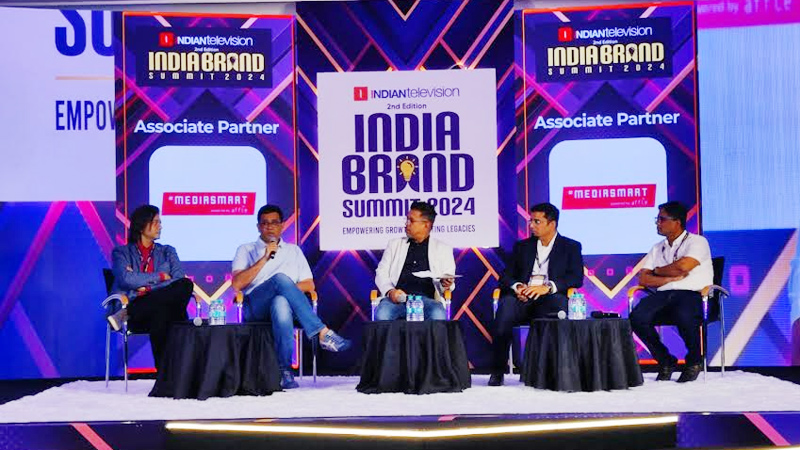
    The India Brand Summit 2024 hosted a riveting panel discussion featuring prominent voices in the sports industry. The discussion explored innovative strategies to market sports content effectively and adapt to the evolving demands of advertisers and focused on how sports marketing has evolved, particularly in attracting advertisers by localising sports content.

    This session was moderated by Indian Television Dot Com group’s founder, chairman and editor-in-chief Anil NM Wanvari, GroupM India, managing director of content, entertainment & sports, Vinit Karnik, Polycab’s lead of category marketing B2C, Amit Sethiya, CricViz India’s Director of Sales, Subhayu Roy and Dentsu X India, senior partner for client leadership, Prabhat Naik.

    Vinit Karnik highlighted the significant growth of non-cricket sports like Pro Kabaddi League (PKL) and volleyball. He emphasised that these sports, which started as niche activities, have managed to sustain themselves for over eight years, marking a shift in the sports marketing landscape. “Things have changed dramatically in sports marketing,” Karnik stated. “The fact that many people are playing and watching these sports—whether on the ground or streaming platforms—indicates a growing interest that attracts advertisers. The market size has grown exponentially, from ₹1,500 crore to ₹20,000 crore in less than two decades.” Karnik’s insight underscores how sports beyond cricket are becoming valuable advertising platforms due to increased viewership, signalling the industry’s wider acceptance of sports as integral to pop culture.

    Amit Sethiya explained how sports marketing has moved beyond simple inventory buying. He pointed out that in earlier days, cricket was the go-to platform for brands. However, with leagues like PKL and Indian Super League (ISL) gaining traction, marketers now leverage rich data to make informed decisions. “Today, it’s no longer about just buying inventory,” Sethiya noted. “The focus is on how brands can utilise the data accumulated over years of these properties. Broadcasters and organisers are helping brands see the potential of connecting with audiences in Tier 2 cities, even with limited budgets.”

    This shift has democratised sports marketing, allowing smaller brands to associate with emerging sports without needing deep pockets. The ability to analyse data and understand audience demographics allows advertisers to invest strategically in sports marketing.

    Subhayu Roy emphasised the role of data in driving value for advertisers. He explained how CricViz collects up to 60 data points during events, offering insights that enhance viewer engagement and inform advertisers. “For example, when Virat Kohli is at the crease, data suggests that Royal Challengers Bangalore (RCB) have never lost a match in the second innings,” Roy shared. “This type of analysis helps retain viewership by keeping fans engaged, thus preventing them from switching channels.” Roy also discussed how data is used to create new monetization streams for advertisers. “From selling ad slots to monetizing player stats, the ability to quantify performance data opens up various revenue avenues for broadcasters and brands alike. This approach allows advertisers to make calculated investments, ensuring their marketing spend delivers the maximum impact.”

    Prabhat Naik highlighted the shift from traditional media to digital platforms, attributing it to the growing trend of on-demand content consumption. “Victory lies in the flexibility that digital platforms offer,” Naik said. “While television demands appointment viewing, digital content is always accessible, anytime, anywhere,” Naik stressed that while television still holds its ground, the future of sports marketing lies in adapting to a more digital-first approach. This flexibility is driving advertisers to focus more on digital, making it an essential part of their marketing mix.

    The discussion at the India Brand Summit demonstrated that sports marketing is rapidly evolving. With new sports gaining popularity, rich data driving advertiser decisions, and digital platforms offering unmatched flexibility, the industry is embracing innovative ways to engage audiences and deliver value to advertisers. As Vinit Karnik summarised, “Sports is no longer just entertainment; it’s a cultural phenomenon. The way we sell and market sports has changed, and it will continue to grow as an essential platform for brands.”

  • Brands align their festive calendar as IPL 14 resumes

    Brands align their festive calendar as IPL 14 resumes

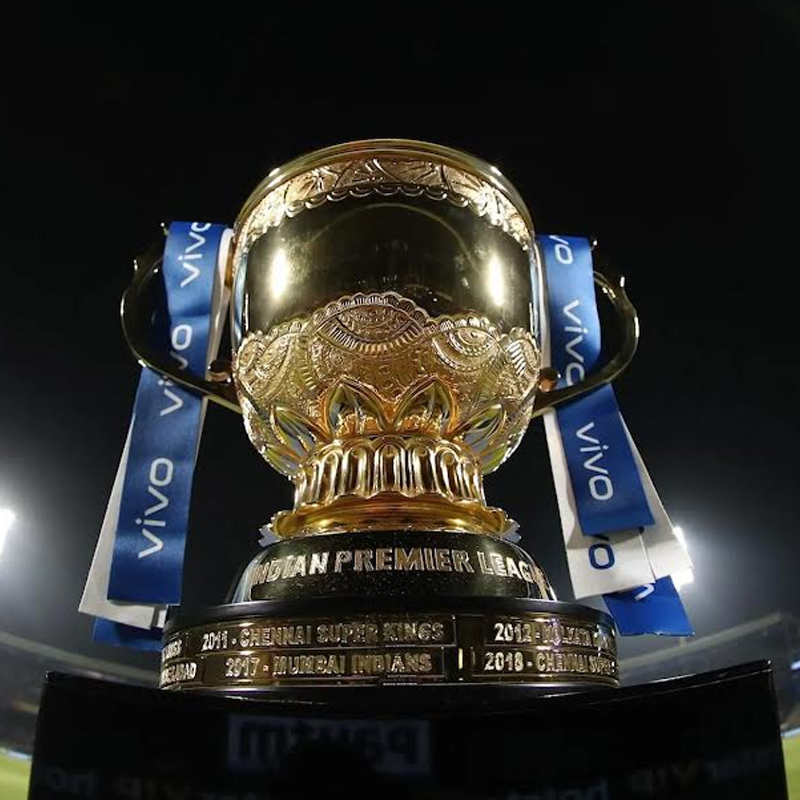
    Mumbai: The 14th edition of the Indian Premier League (IPL) 14 finally resumed on Sunday with Chennai Super Kings (CSK) beating Mumbai Indians (MI) in the first match. The cricket bonanza, which got suspended mid-way in May due to the second wave of Covid has returned to the United Arab Emirates (UAE) yet again, with Star Sports telecasting all the live-action.

    Despite the brief hiatus, the channel has managed to board a strong lineup of broadcast and streaming sponsors for the second leg of the tournament. For broadcast partners, Star has roped Dream11, PhonePe, BYJUs, Ajio, and JioFiber as ‘co-presenting’ sponsors and Bingo, Kamla Pasand, Mutual Funds Sahi Hai, Asian Paints, CRED, Prime Video, Dairy Milk, Thums Up, Garnier Men, and Upstox as ‘associate’ sponsors.

    Its streaming partners include Dream11 as ‘co-presenting sponsor’; Vimal Pan Masala and Upstox are ‘powered by’ sponsors; and Unacademy, PhonePe, Mutual Funds Sahi Hai, Livespace, Swiggy, Amazon.in, Volkswagen, and Fresh To Home have joined as ‘associate’ sponsors.

    There is Deja-vu, as the celebrated cricket league is once again being held in the second half of the year coinciding with the festive season. Advertising spends traditionally see a surge twice in the calendar year coinciding with the IPL in H1 during March-May and with the festive season in H2 between September-November.

    Many strategic factors determine brand associations with the IPL. Some brands want to piggyback on the enormous reach garnered by the T20 series. Others may associate with the tournament because it fits the brand ethos. There is a multitude of industry-related factors that marketers take into consideration. For example, food delivery brands associate with IPL because average order volumes generally spike when cricket matches are being played.

    The timing of the IPL is another important factor to consider. For example, beverage brands which are traditionally one of the top advertisers on IPL, associate with the sports property because it coincides with the peak summer months. Similarly, paint brands also associate with IPL as many consumers plan to paint their homes during summer before the monsoon begins.  

    According to the data provided by TAM Sports, a division of TAM Media Research, over 100 brands were advertised on the IPL 2019 and 2020 editions out of which 56 were common categories. The top advertiser categories during IPL 2019 were mobile handsets, auto, digital wallets, beverage, online gaming brands, paints, perfumes/deodorant, food/grocery delivery, pan masala, and OTT/social media brands.

    The category contribution among the top ten advertisers did not change significantly during IPL 13 with seven brands in common, however, the digital brands increased their share of overall spends. The top advertisers included mobile handsets, online gaming, digital wallets, OTT/social media, ed-tech, telecom, e-commerce, auto, pan masala, and beverage brands.

    It should be noted that the top ten advertisers of IPL 12 and 13 contributed 55 per cent and 61 per cent of ad volumes, respectively.

    Ad volumes of categories such as perfume/deodorant and air conditioners saw an obvious decline at 97 per cent and 96 per cent, respectively when IPL 13 no longer coincided with the summer season. Similarly, beverage brands also saw degrowth of 55 per cent.

    The mobile handset category, which was the top advertiser for both the 12 and 13 editions, saw an ad volume decline of 46 per cent for the 13th edition because Vivo, one of the top advertisers, was missing from the tournament. Auto advertiser’s ad volumes decreased by 54 per cent due to stress in the overall sector.

    The ad volumes for e-commerce and telecom grew tremendously by 400 per cent and 300 per cent, respectively, capitalising on the transition to digital forced by the pandemic conditions. Categories such as ed-tech, OTT/social media, and online gaming increased their ad volumes by 75 per cent, 32 per cent and 22 per cent, respectively, to ride the digital wave.

    “This phase of IPL 2021 is going to be equally big or supersede phase one in terms of ratings and revenue. The entry cost is relatively very less considering it’s a high-impact property that is coinciding with the festival period once again, hence it will be bigger for advertisers than last year. We estimate that the overall festive spends would increase by 20-25 per cent over 2020,” said Havas Media Group India, president, and national head, R. Venkatasubramanian.

    According to a study by Havas Media and YouGov, during the first leg of IPL 14 (2021), e-commerce category was the top advertiser for the tournament followed by consumer durables and the auto sector. Food delivery, online gaming, and ed-tech brands were also highly visible during the tournament.

    “Every category is going gung-ho to advertise on cricket and its offshoots. Last year, Star Sports attached a premium to inventory because IPL was creating some kind of excitement for the ecosystem. This year’s edition would definitely see an increase in revenue realisation by 10-20 per cent over last year. Advertisers won’t be deterred by the fact that the tournament has been scheduled for the second half of the year. In fact, brands will have a tougher time with recall as a lot more advertisers are fighting to be associated with IPL,”said SYSKA Group, chief marketing officer, Amit Sethiya.

  • Brands mourn the loss of actor Irrfan Khan

    Brands mourn the loss of actor Irrfan Khan

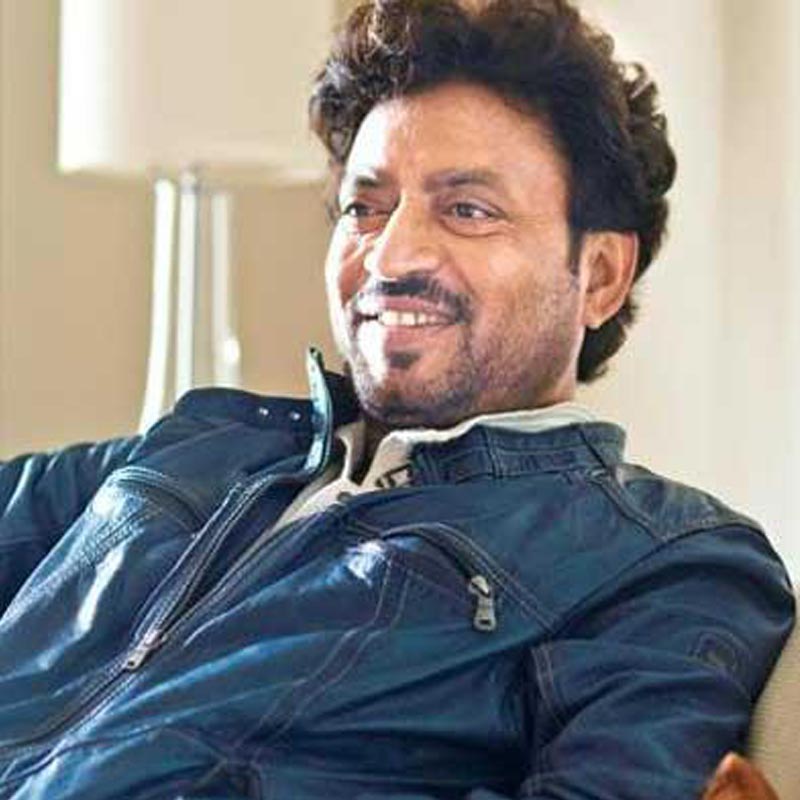
    NEW DELHI: Wednesday morning sent tremors of despair across the country as the news of the untimely demise of Bollywood actor Irrfan Khan broke out. The 53-year-old star, who had not only worked in some path-breaking Hindi films like Maqbool, Madari and Piku, but had also been a part of Oscar-winning international projects, including Life of Pi and Slumdog Millionaire, had been suffering from Neuroendocrine tumor. The versatile star was also the face of some popular brands, most notable being Syska LED and MasterCard. He had also appeared in advertisements of Indica Easy Hair Colour (CavinKare India), Candid Dusting Powder (Glenmark Pharmaceuticals Ltd), Envy 1000, CEAT Tyres, and Vodafone, amongst others.

    Syska Group head of marketing Amit Sethiya took to Twitter to share his feelings over the sad demise of the actor. He wrote, “No words to express the sorrow. You will continue to rule our heart Irrfan and will always be remembered for your impeccable performances and humble persona. Strength to your family members. #IrrfanKhan #RIPIrfan #RestInPeace #Legend #Omshanti (sic).”

    The brand also shared an emotional video on its Instagram handle to mark his journey as the face of Syska LED, taking snippets from the very popular ads he did for them.

    Several other brands paid tribute to the actor as well as homage with beautiful creatives and heartfelt messages.

    DLF Promenade

    Limeroad

    MTV Beats

    Oven Story

    Parle G

    T Series

    YouTube India

  • Syska LED unveils ad campaign with Irrfan Khan

    Syska LED unveils ad campaign with Irrfan Khan

    MUMBAI: Syska LED has launched its latest advertising campaign starring Bollywood actor Irrfan Khan. This campaign seeks to highlight Syska’s revolutionary move of introducing LED lighting in the Indian market few years ago and how since the brand has gone on to become a leading name in the LED light segment.

    The advertisement is currently aired across popular TV channels and will also be aired on movie screens across the country.

    Commenting on the launch of the new TVC, SYSKA Group chief marketing officer Amit Sethiya said, “Our latest TVC has been conceptualised keeping in mind Syska’s technology leadership in the LED lighting segment. Through our brand ambassador Irrfan Khan, we are trying to reinforce the message of Syska having the first-mover advantage in the LED lighting category. Additionally, we are driving home the message about how Syska as a brand is enabling consumers to shift from traditional CFL bulbs and embrace LEDs.”

    Commenting on new campaign, IBD India Pvt Ltd chief creative officer Rahul Gupta said, “Irrfan has been Syska’s brand ambassador and voice of the company since its inception. His honest-to-goodness persona and matter-of-fact demeanor are qualities that resonate with Syska’s own belief of offering genuine high-quality products which are reliable and affordable.”

    Syska as a brand strategically focuses on marketing and advertising. The company recently sponsored leading stand-up comedy shows such as Sony TV’s The Kapil Sharma Show, Zee Marathi’s ‘Chala Hawa Yeu Dya’ and Star Vijay’s ‘Kalakka Povathu Yaaru’. The group is also rapidly expanding and introducing new and innovative products under its LED lights, smart home devices, personal care appliances, and mobile accessories segment. In July 2018, Syska diversified into a new category by entering the wires and cables business and roped in Amitabh Bachchan as the brand ambassador.