Tag: Ambika Soni

  • National Awards: Vidya Balan wins for Dirty Picture, Deool & Byari share best film

    National Awards: Vidya Balan wins for Dirty Picture, Deool & Byari share best film

    NEW DELHI: Continuing her winning streak, Vidya Balan has once again won the award for the best actress for her role in the film ‘Dirty Picture‘ in the 59th National Film Awards for 2011.

    The best feature film award went to ‘Deool‘, produced by Abhijeet Gholap and directed by Umesh Vinayak Kulkarni, and ‘Byari‘ (Byari language), produced by TH Althaf Hussain and directed by Suveeram.

    ‘Deool‘ also won awards for best actor for Girish Kulkarni who also won the award for dialogue.

    The top award carries Swarna Kamal and cash prize of Rs 250,000.

    In Non-feature film category, the top honour of best film went to ‘And We Play On‘ (Hindi & English), directed and produced by Pramod Purswane. The award carries Swarna Kamal and Cash prize of Rs 150,000.

    In Best Writing on Cinema category, the Swarna Kamal went to the book titled ‘RD Burman – The Man, The Music‘ written by Anirudha Bhattacharjee and Balaji Vittal, published by Harper Collins India, while Manoj Barpujari from Assam was awarded Best Film Critic.

    The winners were announced by chairpersons of the jury: Rohini Hatthangady for feature films, filmmaker Ramesh Sharma for non-feature films jury, and the veteran filmmaker and author Vijaya Mulay for the best writing on Cinema. The awards will be given to the winners in a ceremony on 3 May.

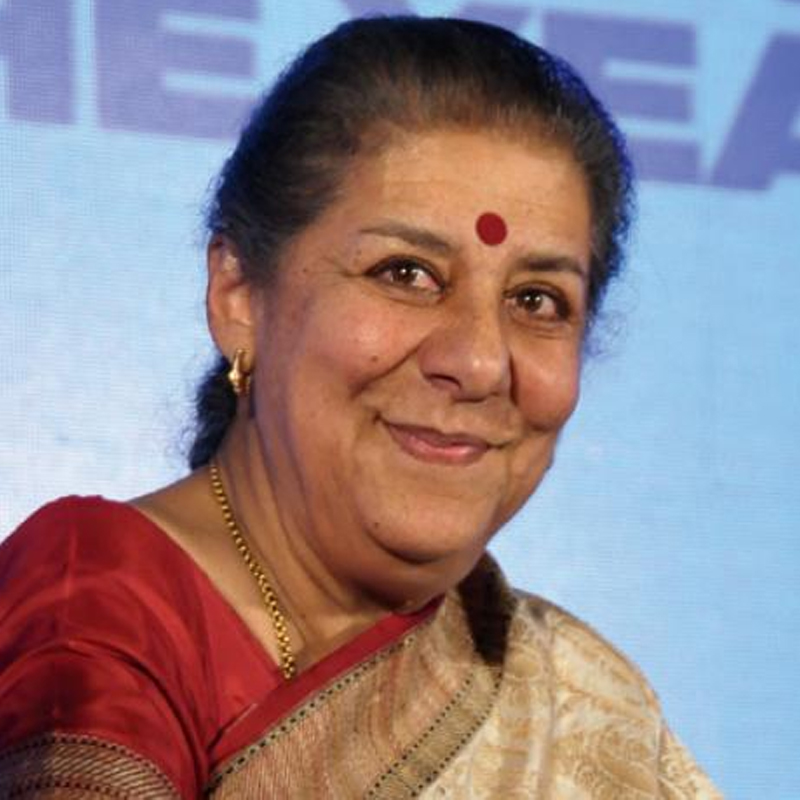
    Earlier, the Jury Chairpersons submitted their report to Information and Broadcasting Minister Ambika Soni, who said the efforts of the juries enabled the awards to achieve new heights in terms of enhanced participation in different categories and the prestige associated with such awards.

    In Feature Film category, five films have won three awards each. These Films are ‘The Dirty Picture‘, ‘Bal Gandharva‘ (Marathi), ‘Anhe Ghorey Da Daan‘ (Punjabi), ‘Deool‘ and ‘Ranjana Ami Ar Ashbo Na‘ (Bengali). Six films have won two awards each: ‘Chillar Party‘, ‘Azhagarsamiyin Kuthirai‘ (Tamil), ‘Aaranya Kandam‘ (Tamil), ‘Phijigee Mani‘ (Manipuri), ‘Zindagi Na Milegi Dobara‘ and ‘Game‘ (Hindi).

    Vidya Balan has already received the Best Actress award at Filmfare, Screen, Stardust and Zee Cine awards for her portrayal, which Hatthangady described as ‘brave and effortless performance portraying the rise and fall of a B grade actress‘.

    The Award for Best Direction has gone to ‘Anhe Gohrey Daan‘ directed by Gurvinder Singh.

    The film ‘Chillar Party‘ bagged the Best children‘s film award. Its artistes Irfan Khan, Sanath Menon, Rohan Grover, Naman Jain, Aarav Khanna, Vishesh Tiwari, Chinmai Chandranshuh, Vedant Desai and Divji Handa, along with Partho Gupte of ‘Stanley ka Dabba‘, jointly won the best Child Artiste award.

    The Indira Gandhi Award for the Best Debut film of a Director was won by the Tamil film ‘Aaranya Kandam‘, directed by Kamararaja Thiagarajan. The film also got the best editing award for Praveen KL. ‘Azhagarsamiyin Kuthirai‘ (Tamil) won the award for the best film offering Wholesome Entertainment.

    ‘I Am‘ by Onir, a compilation of four stories on identity, won the National award for the best Hindi film and the best lyrics award for Amitabh Bhattacharya. Anand Bhate won the Best male playback singer Award in the Marathi film ‘Bala Gandharva‘, while the best female Playback singer award went to Roopa Ganguly in the Bengali film ‘Abosheyshey‘.

    The Best Supporting Actor award went to Appu Kutty for ‘Azhagar Samiyin Kuthirai‘ (Tamil), and the best actress toLeishangthem Tonthoingambi Devi for the Manipuri film ‘Phijigee Mani‘.

    The Award for Best Cinematography went to cameraman Satya Rai Nagpaul for the Punjabi film ‘Anhe Ghorey Da Daan‘. The Best Music Direction Award was won by Neel Daat for the songs in the Bengali film ‘Ranjana Ami Ar Ashbo Na‘ which also got the best Bengali Film award. This film also got a Special Jury Mention for Anjan Dutta.

    The Hindi film ‘Zindagi Na Milegi Dobara‘ won two awards: choreography for the song ‘Senorita‘ by Bosco-Caesar; and best audiography to Baylon Fonseca.

    ‘The Dirty Picture‘ and ‘Bal Gandharva‘ shared two other awards: best make-up for Vijram Gaekwad for both films; and costume design for Niharika Khan in ‘The Dirty Picture‘ and Neeta Lulla for ‘Bal Gandharva‘.

    The best Special Effects award expectedly went to ‘RA.One‘ while the Best Screenplay award went to Vikas Bahl, Nitesh Tiwari, Vijay Maurya, and Rajesh Bajaj for ‘Chillar Party‘.

    In the Non-Feature film category, three films have won two awards each. The Film ‘Tiger Dynasty‘ has won the Best Environmental Film and Best Cinematography awards. Awards for Best Direction and Best Editing weld to the film ‘There is Something in the Air‘, while ‘Panchakki‘ has been awarded Best Short Fiction and Best Music Direction.
  • Govt. mulling four-fold increase in ad rates for CRS

    Govt. mulling four-fold increase in ad rates for CRS

    NEW DELHI: The Government is considering raising advertisement rates of the Department of Advertising and Visual Publicity (DAVP) from Re 1 per second to Rs 4 per second for community radio stations (CRS). The CRS stations had demanded a rate of Rs 7 per second.

    The government is also learnt to be working on a dedicated fund for development of CRS with a Rs 1.70 billion corpus to provide seed money to community radio stations during the 12th Plan period. Another proposal being worked out is using funds from the MP Local Area Development Scheme (MPLADS).

    The Government wants the CRS to devote a large part of their programming to making the people aware of the flagship programmes, and ensure participatory communication.

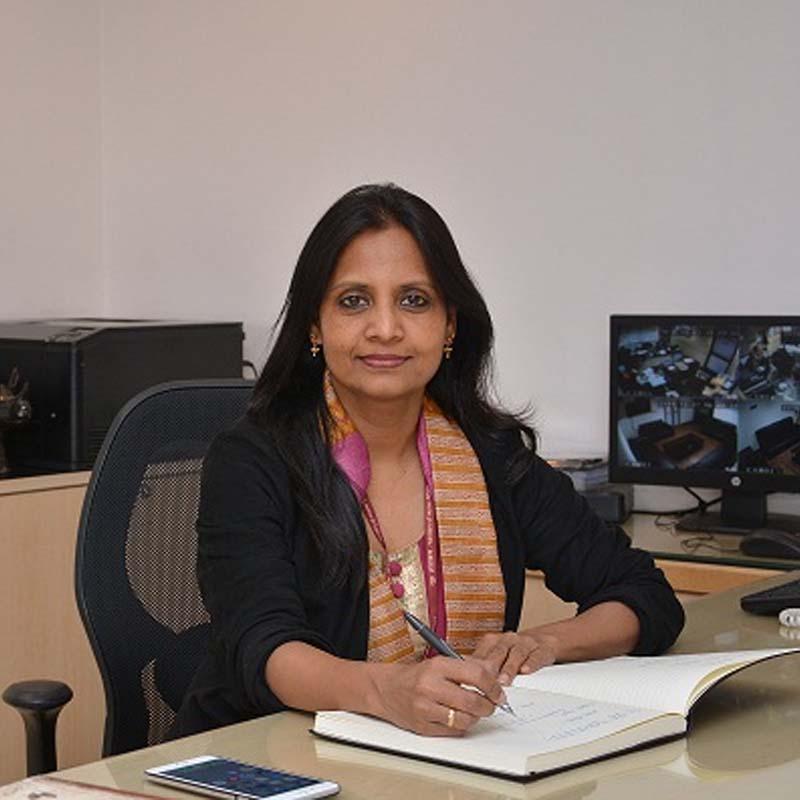
    The Centre is prepared to give help to the CRS to achieve this, Information and Broadcasting Minister Ambika Soni said in an interview over All India Radio.

    Soni said the total number of CRS that stood at around 30 two years back had gone up to 135. And 240 more CRS are in the pipeline for clearances from various departments, she added.

    The Minister said radio was the best way to reach out to the target group of people enabling them to avail the benefits of the massive development schemes being implemented by the government.

    Soni emphasised that all efforts should be made for knowledge about the massive Government development programmes benefiting the rural people, the farmers and the poor and under privileged should percolate to the grass root level.

    The minister said suggestions from the Open House forum of a three-day workshop being held in New Delhi on Community Radio led by I&B Joint Secretary Supriya Sahu will be utilised to fine tune radio communication to meet the requirements of the local people.

  • Film industry calls off strike on 23 February

    Film industry calls off strike on 23 February

    MUMBAI: The proposed nationwide strike that was called by the Film Federation of India (FFI) on 23 February has been called off.


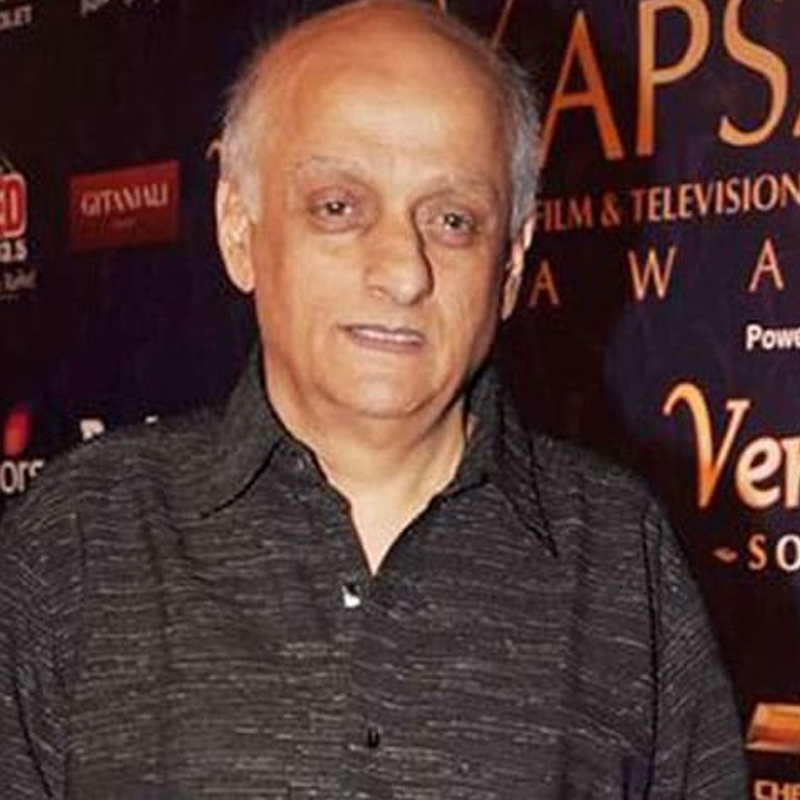
    Speaking to Indiantelevision.com, filmmaker Mukesh Bhatt said: “The strike has been called off after we had a positive meeting with our Finance Minister Pranab Mukherjee. We were asked to be patient till the Budget. So be it. We will take a call if the Budget is not satisfactory and take our steps accordingly.”


    Last Sunday, a film delegation met I& B minister Ambika Soni and Finance minister Pranab Mukherjee to talk on the service tax issue.


    Earlier, it is understood that there was growing resentment among film producers from across the country, exhibitors, single screens and multiplexes about the strike; they didn‘t want to be part of it.

  • Ambika Soni offers to lead film delegation to FM on service tax issue

    Ambika Soni offers to lead film delegation to FM on service tax issue

    NEW DELHI: Faced with the prospect of a nationwide full-day shut down of the film industry, Information and Broadcasting Minister Ambika Soni today offered to lead a delegation of filmmakers to Finance Minister Pranab Mukherjee over the Government’s proposal to levy 10.3 per cent service tax.

    Speaking on the sidelines of an event here, Soni said: “I have offered that we can all go together to Finance Minister”. She also stated that she was not sure if the industry would go on a strike on 23 February.

    “The filmmakers have apprehension that service tax of about 10 per cent will be levied in the coming budget. They do not want this. I had spoken to Mahesh Bhatt yesterday,” she said.

    At the same time, she wanted the film industry to understand the compulsions of the Finance Minister who had been talking about funds needed for welfare measures of the government, including right to food, right to education and his position “was also tight.”

    However, film industry sources said the proposal for the tax had been taken some years earlier but it was not being levied until recently when the Finance Ministry said this tax was deductible from the exhibitors.

    There are approximately 10,000 theatres in India, including 750 in multiplexes. It is felt that if the Central government goes ahead with its proposal, the budget of films will shoot up.

  • India to be promoted as filming destination in ‘Incredible India’ campaign

    India to be promoted as filming destination in ‘Incredible India’ campaign

    NEW DELHI: India is to be aggressively promoted as a filming destination.


    The Incredible India Campaign and the cinemas of India are to be promoted at various international film festivals in India and overseas, thanks to a memorandum of understanding between the Information and Broadcasting and Tourism Ministries.


    The MoU is expected to enhance the reach of “Incredible India” through the medium of cinema, develop synergy between tourism and film industry and provide a platform for enabling partnerships between the Indian and global film industry. It was signed today in the presence of I&B Minister Ambika Soni, Tourism Minister Subodh Kant Sahay, and Minister of State for Tourism Sultan Ahmed.


    It is expected that this innovative partnership will facilitate the promotion of India as a filming destination for foreign producers. In 2011-12, 20 permissions were granted for shooting in India, down from 20 in the prior year and 23 in 2009-10.


    The aim is to create and build upon a Film Tourism vertical of Incredible India Campaign by promoting cinemas of India as a sub-brand of ‘Incredible India‘. The emphasis will be on its linguistic/cultural/regional diversity. This will also provide an impetus to frame policies and guidelines for facilitating shooting of International films in India and promote India as a filming destination, both for international and domestic film producers.


    Another key objective is to initiate dialogue with State Governments and Union Territories within India for development of locations for film shootings and promotion of tourism.


    At the institutional level, the attempt is to constitute a National Level Committee for coordination with various stakeholders for promotion of India as a film and tourism destination and for facilitating visas for film units from overseas. On some of the key aspects, the roadmap will be charted out through mutual consultations between the two ministries.


    The Tourism Ministry would provide budgetary support for identified film festivals, markets and events. The Ministry would facilitate publicity through the available content based on existing audio visual material and print designs. The joint participation of the two ministries would cover the Cannes Film Festival and Market, International Film Festival of India in Goa including the Film Bazaar, and the European Film Market at Berlin.


    The agreement reiterates the branding of ‘Incredible India’ at critical outreach positions at the identified film festivals markets and events. This includes the display of the logo of Incredible India, through wall hoardings, stalls and the screening of the promotional film.

  • Colombian film bags top award at 42nd IFFI

    Colombian film bags top award at 42nd IFFI

    PANAJI: The Colombian film ‘Porfirio‘ by Alejandro Landes took away the Golden Peacock for best film, while Iranian director Asghar Farhadi got the Silver Peacock for best director for the film ‘Nader and Simin, a Separation‘.


    While Alejandro and his producer Francisco Allure received Rs 4 million each, Asghar got Rs 1.5 million.


    The best actor award went to Sasson Gabay for the Israeli film ‘Restoration‘ by Joseph Madmony while the best female actor award went to Nadezda Markina for the Russian film ‘Elena‘ directed by Andrei Zvyagintev. Both received the Silver Peacock and a cash component of One million each.


    The Indian (Malayalam) film ‘Abu. Son of Adam‘ (Adaminte Makan Abu) by Salim Ahamed received the Special jury award comprising cash component of Rs 1.5 million apart from a Silver Peacock.


    The five-member International Jury was headed by famed filmmaker Adoor Gopalakrishnan judging 14 films. Seven outstanding films which could not make it to the competition are being shown in a section known as ‘A Cut Above‘.


    Earlier, Union Minister of State for Information and Broadcasting CM Jatua said IFFI provides a platform for cinemas of the world to promote excellence and promote friendships amongst people.


    Chief Guest and actor Surya said movies are all about desires that drive the people to do better. He said in south India, where he came from, cinema was a culture and not just entertainment. But it was unfortunate that regional language cinema was not getting the kind of attention that Hindi cinema got, though “we build a lot of bridges”. He said filmmakers in the south shared creative content.


    He made a special appeal that awarded films should be shown in all parts of the country with English subtitles, to help the untapped talent.


    Goa Chief Minister Digambar Kamat said the festivals had led to more films being shot in Goa – 67 in recent months – and the motto of the festival had been to see satisfaction on the faces of the delegates. He noted that the Festival coincided with the Golden Jubilee of ‘Operation Vijay‘ which resulted in the liberation of Goa.


    Festival Director Shankar Mohan proposed the vote of thanks at the finale which was attended among others by Goa Speaker Pratap Singh Rane, Goa Information Secretary Rajiv Verma, Panaji Mayor Yatin Parikh, I&B Ministry Joint Secretary (Films) DP Reddy, Goa Chief Secretary Sanjay Srivastava, actors Kangana Ranaut and Bhumika, filmmaker Rajendra Ahire, cameraman Madhu Ambat, and producer Sohail Khan. The programme was presented by actors Samir Soni and Mandira Bedi.


    The festival closed with the French film ‘The Lady‘ by Luc Besson on the life of Aung San Suu Kyi of Myanmar.


    The programme commenced a minute‘s silence to pay homage to Brazilian filmmaker Oscar Marron Filho who had died of a heart attack during the festival.
    The colourful function included a dance ensemble representing dances from different parts of the country performed by Terence Lewis and his troupe with actress Isha Koppiker as the guest dancer.


    A total of 167 films from 65 countries were screened at the Festival which commenced on 23 November. Renowned French filmmaker Bertrand Tavernier received the Lifetime Achievement award from Information and Broadcasting Minister Ambika Soni.


    This award, which had been started around a decade earlier and later abandoned, has been revived and will include a cash award of Rs one million.


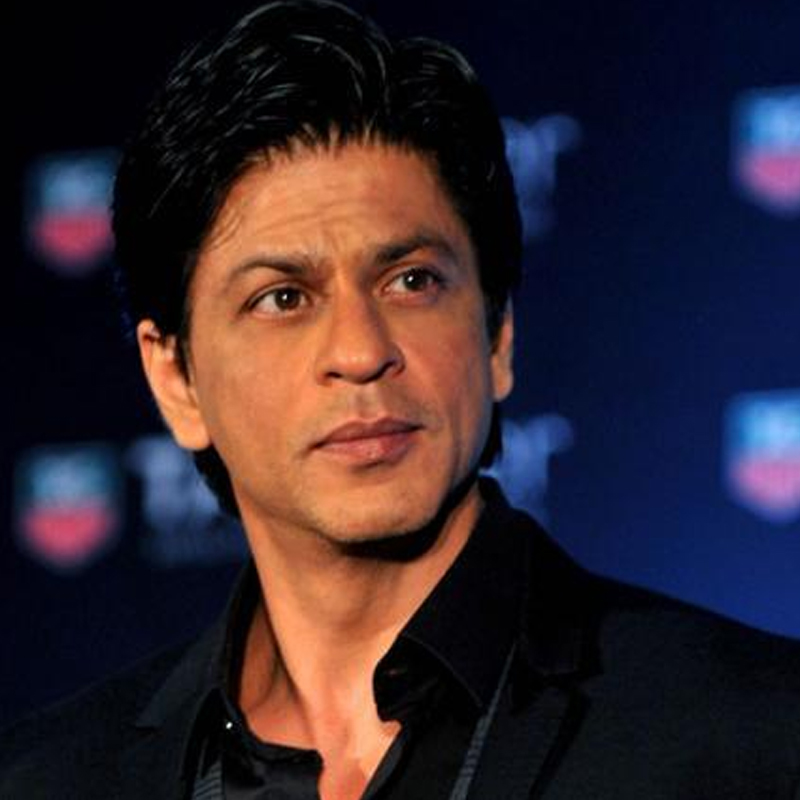
    The Festival was inaugurated by Bollywood star Shah Rukh Khan and opened with the Portuguese film ‘The Consul of Bordeaux‘ by Francisco Manso and Joao Correa.

  • I&B Minister wants IFFI dates to be changed

    I&B Minister wants IFFI dates to be changed

    MUMBAI: The Union Minister for Information and Broadcasting Ambika Soni said that the International Federation of Film Producers Associations (FIAPF) would be approached with a proposal to change the dates of the International Film Festival of India (IFFI) as the concluding day – 3 December – clashes with the St. Francis Xavier feast.

    Soni was speaking after presenting renowned French filmmaker Bernard Tavernier with the Lifetime Achievement Award, a tradition revived after a decade. The award includes a shawl, a scroll and a cash prize of Rs 1 million at the 42nd IFFI in Margao.

    Accepting the award, Tavernier said he had tried through his films to share his vision and the pleasure and joy of filmmaking. Films opened the windows of the world, he said, adding that ‘films can be weapons of massive construction‘.

    Soni wanted the film festival to become a people‘s festival and promised that two more theatres would be ready by the time of the next festival in 2012.

    She expressed the hope that the market section should be strengthened to reach out internationally. IFFI has become an agent of the growing acceptance of Indian cinema and has given an impetus and an identity to the industry making it one of the most prosperous film industries of the world, she added.

    Earlier, Shah Rukh Khan, who was the chief guest at the inauguration of the Festival, said that one should not be afraid to destroy systems and try new things in cinema, which “is food for the soul and the singular experience to which all relate.” Khan, however, did not like to demarcate between art and commercial cinema since all films were mirrors of the world.

    Speaking on the occasion, Goa chief Minister Digambar Kamat said that the state is being developed into a major film centre with a film culture of its own. He has already introduced single-window clearance for producers wanting to make films here. He said he had himself had the privilege of hosting the Festival for the fifth time in a row.

    After the vote of thanks by Film Federation of India President (FFI) TP Aggarwal, the opening film The Consul of Boredeaux directed by Francisco Manso and Joao Correa was screened.

    Others present at the inauguration included I&B Secretary Uday K Varma and Joint Secretary DP Reddy, Margao Mayor Sushila Nayak, Goa chief secretary Sanjay Srivastava, Festival Director Shankar Mohan, Entertainment Society of Goa CEO Manoj Srivastava and the five-member International Jury headed by Adoor Gopalakrishnan.

    Also present were producer-directors Ramesh Sippy, Jahnu Barua and Sudhir Mishra, Dharmesh Tiwari who represents a workers association in the industry, Oscar awardee Resul Pokkutty, Steering Committee Chairman Mike Pandey, and Prem Chopra.

    In a change of tradition, the IFFI, being held for the eighth time in a row in Panaji had its inauguration at the Rabindra Bhavan in Margao.

  • Tavernier to get lifetime achievement award at 42nd IFFI

    Tavernier to get lifetime achievement award at 42nd IFFI

    PANAJI: A total of 167 films from about sixty countries will be screened at the 42nd International Film Festival of India commencing 23 November, when renowned French filmmaker Bertrand Tavernier will receive the Lifetime Achievement award from Information and Broadcasting Minister Ambika Soni.

    This award, which had been started around a decade earlier and later abandoned, has been revived and will include a cash award of Rs 1 million.

    The festival will be inaugurated by Bollywood star Shah Rukh Khan at the Rabindra Bhavan in Madgaon. The festival will open with ‘The Consul of Bordeaux‘ by Francisco Manso and Joao Correa and will close on 3 December with ‘The Lady‘ by Luc Besson on the life of Aung San Suu Kyi of Myanmar.

    Bertrand Tavernier is best known for his films ‘Prix Louis Delluc‘ and the ‘Silver Bear‘ as well as for the Special Jury Prize award winner for his film ‘The Clockmaker‘ at the 24th Berlin International Film Festival. Tavernier has to his credit acclaimed films like ‘Life and Nothing But‘ which won the BEFTA for best film in a language other than English in 1990 and ‘The Princess of Montpensier‘ which competed for the Palme d‘Or at the 2010 Cannes Film Festival.

    The Festival will pay homage to seven stalwarts of the film industry who were well known for their creative geniuses. The international luminaries who will be remembered at this year‘s festival include Sidney Lumet, Raul Ruiz, Claude Chabrol, Adolfas Meekas, Richard Leacock, Elizabeth Taylor and Tareque Masood. The Indian to whom homage is being paid include Mani Kaul, Shammi Kapoor, Jagjit Singh, Bhupen Hazarika, and Rabindra Nath Tagore who will be remembered with the screening of five films based on his written works.

    The Indian Panorama will open with the Malayalam film ‘Urunami‘ and will showcase eclectic Indian movies like ‘Ranjana Ami Ar Asho Na‘, ‘Zindagi Milegi Na Doobara‘, ‘Noong Amadi Yeroom‘, and much more.

    The total budget of the Festival is around Rs 100 million including the award money of Rs 10 million, Festival Director Shankar Mohan said at a press meet here. Others who spoke were Entertainment Society of Goa CEO Manoj Srivastava, and eminent filmmaker AK Bir.

    Bringing together the gems of the cinematic world, which have found acclaim in noted film festivals abroad, this year‘s film festival will be showcasing ‘Festivals Kaleidoscope‘, a package which includes top award winners in film festivals like Cannes, Locarno, Montreal and Busan. There will be sections on European Discoveries, Spotlight in India, Documentaries, Sketches on screen, and Soccer in Cinema, and Russian Classics. The country focus is on the United States. There will also be some Masterclasses.

    The ‘Retrospective‘ section which screens acclaimed movies of eminent film personalities, will screen unforgettable movies of two legendary directors. Luc Besson, one of the most revered and acclaimed names in the French film industry, will be present. Another luminary whose works will be showcased at the festival is the much acclaimed Australian film director Phillip Noyce.

    The five-member International Jury is headed by famed filmmaker Adoor Gopalakrishnan judging fourteen films. Seven outstanding films which could not make it to the competition are being shown in a section known as ‘A Cut Above‘.

    With a view to bring along a technological revolution in this year‘s festival, the Festival will showcase 3D stereoscopic movies which are chosen not for their stereoscopic content, but also for excellence in handling the medium. This section will bring together 3D classics from across the world.

    Srivastava also gave details about the Short Film Center and the Chhota Cinema section for new filmmakers.

  • Govt urges Asci to improve self-regulatory mechanism

    Govt urges Asci to improve self-regulatory mechanism

    NEW DELHI: The Government today asked the Advertising Standards Council of India (Asci) to improve the self-regulatory mechanism by speeding up the processes and compliance of its codes for advertising content.

    Information and Broadcasting Minister Ambika Soni urged Asci to specifically review consumer complaints on misleading advertisements, thus making the self-regulation machinery more effective.

    “Self regulation is an evolving system in response to the growing aspirations of the consumer or the common man. Advertising is the principle motivator of growth in consumer demand, thus making the role of a creative person extremely significant. The current self-regulation mechanism has evolved as a result of the concern shown by the consumer. The key intention here is that all of us should sensitise ourselves to ensure that 1.2 billion people can enjoy the freedom entrusted to us,” Soni said.
     
    Soni felt that public good would be served better if self regulation was put in place at the content generation stage. She wanted the various bodies in the broadcast sector which had adopted self-regulatory mechanisms to increase their base by enrolling more members who accept the mechanism. This would ensure the proactive and effective participation of smaller players in the sector and also reflect the true status of the broadcasting sector. This would make self regulation responsive to the needs of the consumers.

    She said it is critical for every stakeholder in the industry to work with sensitivity towards the hopes and aspirations of the people. Self Regulation as a process needed to be in a state of constant evolution so as to address critical concerns that arose from time to time. Advertising needed to be sensitive to the socio-cultural requirements of society especially women, children, disadvantaged and marginalized communities, and ‘commodification’ needed to be prevented since advertisements influenced social behavior.

    The Minister also expressed concern at the rising number of complaints received by Asci this year as compared to last year. She mentioned that against 190 advertisements, 777 complaints had been received this year as against 200 complaints received vis-?-vis 159 advertisements last year.

    Minister of State for Food, Consumer Affairs & Public Distribution KV Thomas said in his address that the ministry is reviewing consumer complaints on misleading advertisements and debating how to manage this issue. “In this process, we are considering a legal requirement as well as an inter-ministerial committee to look into the issue of misleading and false advertisements,” Thomas said.

    Appreciating the work being done by Asci in self-regulation, he said “We are open to working with Asci for a collaborative effort to take this entire matter forward.”

    Asci chairman I Venkat gave an update about the various initiatives undertaken by the council in recent days. He said, “As part of our evolving self-regulatory system, we have increased the frequency of our Consumer Complaints Council‘s meetings to twice a month from this month. The fast track service announced recently has already received positive response. The CCC has already reviewed eight advertisements until now under the fast track system. The support we expect from Government will ensure that Asci continue to create global standards and international benchmarks in self-regulation of advertising content.”

    The Conference also comprised three technical sessions to discuss issues and solutions related to decency in advertising, honesty and truthfulness in advertising, and food and beverage advertising. Each interactive session had speakers representing industry, regulators and activists and was moderated by TV anchors with expertise in the field of advertising.

    It was pointed out that there are several laws regulating the content of advertisements in the country and the consumers are protected from misleading and deceptive advertisements through the enforcement of such laws.

    At the same time, the initiative taken by the advertisers, advertising agencies, media and other concerned parties to impose self regulation on themselves through a voluntary code of conduct on the content of advertisements had resulted in institutionalising a robust self regulatory mechanism under the Asci umbrella in its 26 years of service to the consumers and the advertising sector. It has not only addressed the issue of promptly resolving intra-company disputes on the content of advertisements but also taken action on individual complaints on advertisements raised by citizens and aware consumers.

  • Asci asks advertisers to show supers for at least 4 seconds

    Asci asks advertisers to show supers for at least 4 seconds

    NEW DELHI: The Advertising Standards Council of India (Asci), the advertising watchdog, has asked the advertisers to display the advisories of the Asci, carried under various ads, for at least four seconds.

    Asci has also said that these advisories should be at least of 11 pixel size.

    Meanwhile, stung by the Consumer Affairs Ministry wanting to set up a body to curb what it terms misleading advertisements, Asci is organising a seminar in the capital next month on the subject.
     
    While Information and Broadcasting Minister Ambika Soni will inaugurate the seminar, Consumer Affairs Minister KV Thomas is also expected to speak.

    The meet will discuss the need for advertisements to be honest, truthful and protective of the consumer.

    The Asci has met both the Ministers over the past few days after the announcement by the Consumer Affairs Ministry.