Tag: Ambika Soni

  • 2012: Industry unites to avert deadlocks : Arvind Sharma, Chairman of Leo Burnett India Sub-Continent

    2012: Industry unites to avert deadlocks : Arvind Sharma, Chairman of Leo Burnett India Sub-Continent

    As the ancient Chinese proverb goes – May you live in interesting times! 2012 was certainly an interesting year. Worsening economic conditions caused India‘s GDP growth rate to fall dramatically and its credit rating to be downgraded (much has been written about its causes and remedies). The telecom industry survived the impact of an unprecedented cancellation of 122 licenses. Clients approached life with what is euphemistically called ‘cautious optimism‘. In the middle of all this action, there were a number of good campaigns and a number of unorthodox marketing initiatives – Goafest is round the corner and we‘ll celebrate these soon. These included an unlikely one by Arvind Kejriwal. I was amused that his party‘s name came out of a slogan I had written for the 2004 Congress election campaign, ‘Aam Aadmi ko kya Mila?‘

    Each one of these topics is worthy of a piece in itself. However, in this piece I am writing about a new perspective. A perspective derived from a very unique situation that my industry colleagues put me in. I was requested to perform three industry level roles – each one of them probably a whole job in itself. The roles were that of the President of Advertising Agencies Association of India (AAAI), Chairman of Advertising Standards Council of India (ASCI) and a member of Readership Studies Council of India (RSCI).

    For the last several years, the broad view that industry bodies have been taking was that they represent special interest groups and they must confront associations and institutions which represent other groups. This philosophy has merits – it is fair and legitimate that all sections of the industry aggressively push their viewpoints and interests. However, demerits of this approach should be equally obvious. If every association is locked into an inflexible position of self interest, you only have deadlocks and ‘cliffs‘. 2012 was a year where my colleagues across associations, took a U-turn on this mindset. We were able to resolve a number of deadlocks that had dogged the industry for years.

    Audit Bureau of Circulation (ABC), promoters of erstwhile National Readership Survey (NRS), and Media Research Users Council (MRUC), owners of Indian Readership Survey (IRS), not only came together but actually agreed on all the improvements that were required in readership studies. They agreed on major methodological issues. They even agreed on choice of a new research agency to conduct the new IRS.

    On the TV measurement front, Indian Broadcasting Foundation (IBF), Indian Society of Advertisers (ISA) and AAAI actually signed an agreement to create the Broadcast Audience Research Council (BARC). And surprise surprise! Everyone agreed on the choice of the technical committee chairman! Hopefully, BARC will now move forward and deliver us a new TV audience measurement system in around a year.

    A few years ago, an attempt to introduce digitisation under the name of Conditional Access System (CAS) in metros failed miserably. One of the reported reasons for the failure was that under CAS, measurement data is bound to be unstable for some weeks which resulted in unexpected winners. The winners tried to make the most of their weekly bonanzas and the losers retaliated by withdrawing support for CAS. AAAI, IBF and ISA, looking at the big picture, agreed to suspend release of audience measurement data for a few weeks. Of course, the then Minister of Information and Broadcasting, Mrs. Ambika Soni‘s role in making digitisation possible has been recognised across the country. However, the role that the three associations collectively played to ensure successful implementation of this law has been critical.

    On regulation of advertising content, similar positive and collaborative dialogues are under way between ASCI and various other institutions.

    Various institutions and industry associations do represent interests of various segments of the society and business. However, in 2012, the wisdom that segments cannot improve their lots unless the whole improves, is the wisdom that prevailed. I fervently hope that this will continue to be the industry‘s mindset as we move forward to address many issues that the society at large and the industry face moving ahead.

    With some definite signals and many forecasts optimistic of a better year ahead, I eagerly look forward to 2013. I believe that it will not just be an interesting year but a year of growth and progress for all of us. Wishing everyone a happy 2013!


  • India, Spain ink pact for movie co-production

    India, Spain ink pact for movie co-production

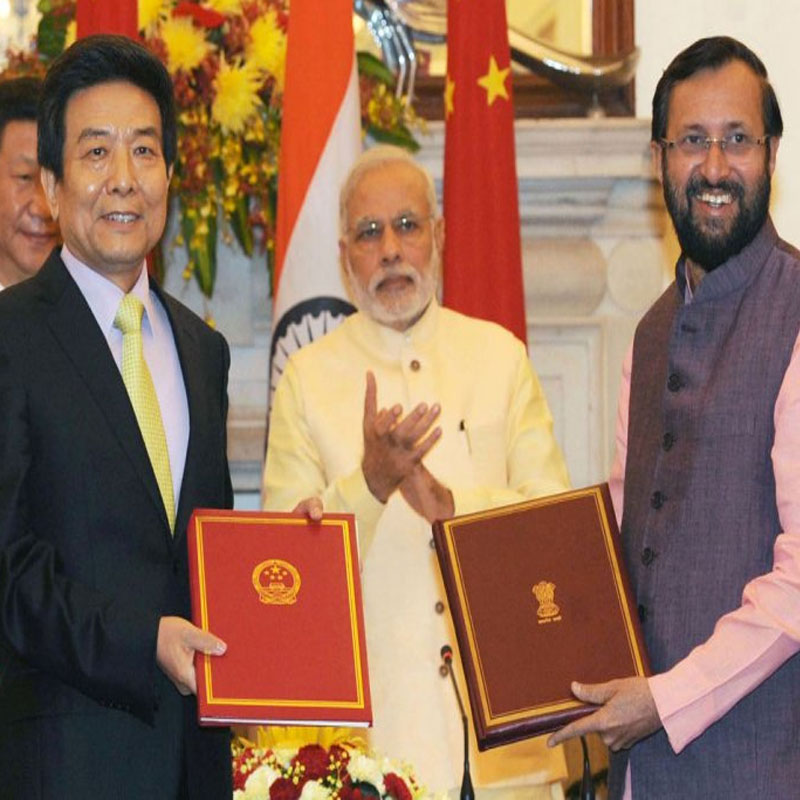
    NEW DELHI: India and Spain have signed an agreement which among other things provides opportunities for both the countries to pool their creative, artistic, technical, financial and marketing resources to co-produce films.

    The Audio visual Co-production Agreement has been signed to improve cooperation between the two countries in this sector. The agreement was signed between Information and Broadcasting Minister Ambika Soni and Jose Garcia Margallo Y. Marfil, Minister for Foreign Affairs and Cooperation, Kingdom of Spain.

    The agreement establishes a legal framework for relations regarding cooperation between the two countries in the audio visual field thereby facilitating the development of the audio visual industry. The framework for co production includes feature films, documentary and animation films.

    The co-production would provide an opportunity to create and showcase ‘soft power’ of our country. It would also lead to generation of employment among artistic, technical as well as non-technical personnel engaged in the arena of film production including post-production and its marketing, thus adding to the country’s GDP. The utilisation of Indian locales for shooting raises the visibility/ prospects of India as a preferred film shooting destination across the globe. It will also lead to inflow of foreign exchange into the country and transparent funding of film production.

    Currently, as part of the initiative, the Government has signed co-production agreements with Italy (2005), the United Kingdom (2005), Germany (2007), Brazil (2007), France (2010), and New Zealand (2011).

  • VP, PM condole passing away of Yash Chopra

    VP, PM condole passing away of Yash Chopra

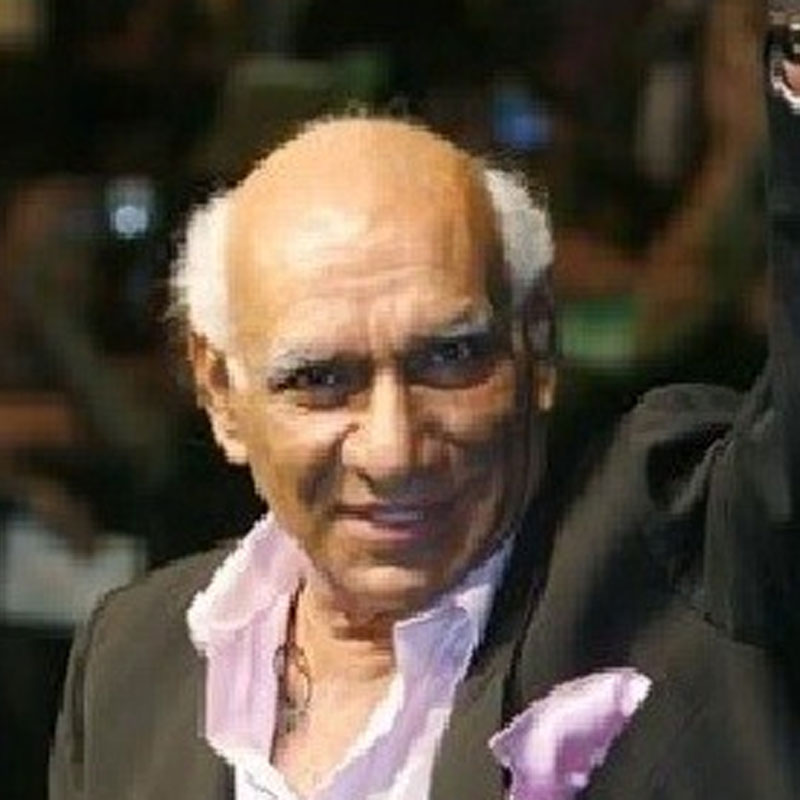
    NEW DELHI: Vice President M Hamid Ansari, Prime Minister Manmohan Singh and several union ministers have expressed shock at the passing away of famed filmmaker Yash Chopra.

    Chopra died at the Leelawati Hospital in Mumbai yesterday, aged 80. He had been suffering from dengue and had been admitted around ten days earlier. The last rites were performed today in the presence of a large number of Bollywood personalities and his fans.

    Ansari said Chopra‘s “valuable contribution to Hindi cinema and the wholesome entertainment his films gave us will be long remembered.”

    Dr Manmohan Singh said: “An icon of Indian Cinema, Chopra entertained many generations with his rare creativity. He had an aesthetic talent to make his films look larger than life. His flourish in essaying romance and social drama was unmatched. Chopra established the popularity of Indian cinema internationally and was honoured by many governments. He will be remembered by millions of his fans around the world and his work as a director and producer will be treasured by the nation for many more generations.”

    New and Renewable Energy Minister Farooq Abdullah said “Chopra was one of our greatest film makers. In his death, the Mumbai Film Industry has suffered an irreparable loss”.

    Information and Broadcasting Minister Ambika Soni also expressed her condolences, saying, “Today, Indian cinema has lost one of its iconic personalities and a creative genius.”

    “Through films, Yashji connected generations together. His idea of portraying love as the essence of life and relationships will fondly be remembered by all movie lovers. His death is a void which will be difficult to fill,” Soni said.

  • Govt still to take action against misleading & surrogate ads of liquor brands

    NEW DELHI: The Government has not been able to take a decision on allegations of surrogate or misleading advertising in television advertisements of as many as 37 products in the last two years.

    A reply given in Parliament earlier this week by Information and Broadcasting Ministry Ambika Soni lists 17 advertisements of 2011 and 20 of 2012 as ‘under consideration’ of the Ministry.

    While there were no complaints during 2009, action was taken on all seven complaints during 2010.

    The advertisements ‘under consideration’ in 2011 are for products like Bagpiper Club Soda, Bacadardi Together Music CD, Imperial Blue Music CDs, McDowell No. 1 Platinum Soda, Royal Stag (five different versions), Imperial Blue (two versions), Royal Challenge, Kingfisher Premium, Blender’s Pride, Howard 5000 (two versions), Kingfisher Beer, and VB Best Cold Beer.

    In 2012, the complaints are for most of the above-mentioned brands, in addition to Carlsberg Beer, Seagram’s Imperial Blue Superhits music CDs, Signature, Tuborg, 100 Pipers Music CDs, Seagram’s Royal Stag Mega Cricket, McDowell Century Soda, Kingfisher Premium Packaged Drinking water, Signature Natural Mineral Water, ICE Music CDs, Teacher’s Music CDs, Signature Parties (sponsored by Karbonn Mobiles), Seagram’s Royal Stag Mega Music, and Seagram’s Natural Mineral Water.

    In addition, there was a complaint this year about a misleading advertisement of Garnier Fructus shampoo, and another about Bhavishya Jeevan Amrit which are under consideration.

    In most other cases, the matter was referred to the Advertising Standards Council of India (ASCI), the Indian Broadcasting Foundation (IBF) or the News Broadcasters Association (NBA) and these self-regulatory bodies advised the TV channels not to carry the advertisements.

    Most prominent among these was the daily telecast of the advertorial on ‘Third Eye of Nirmal Baba’ on some channels.

    A total of 43 cases of misleading or surrogate advertisements were received by the Ministry during 2011 and 2012, many of them for the same product telecast in different channels.

    Soni said complaints also came for 18 advertisements in the print media between 2009-10 and 2011-12, including three this year which were under process with the Press Council of India.

    Earlier this year, MoS C M Jatua had said the Department of Consumer Affairs is holding a series of consultations and workshops with all stakeholders in different parts of the country to create awareness about this issue.

    He said the Consumer Protection Act 1986 had ample provisions to act against advertisements making false or misleading representation and these had been duly notified as Unfair Trade practices for which a consumer could approach the Consumer Courts.

    The Press Council Act and the Journalistic Norms drawn up by the Council, and the Cable TV Networks (Regulation) Act apart from the ASCI also had powers to deal with such complaints.

    In reply to another question, Parliament was informed that a representative of the Department of Consumer Affairs was now represented on the Inter-Ministerial Committee which hears complaints against TV channels.

  • Top political personalities condole passing away of Dara Singh

    Top political personalities condole passing away of Dara Singh

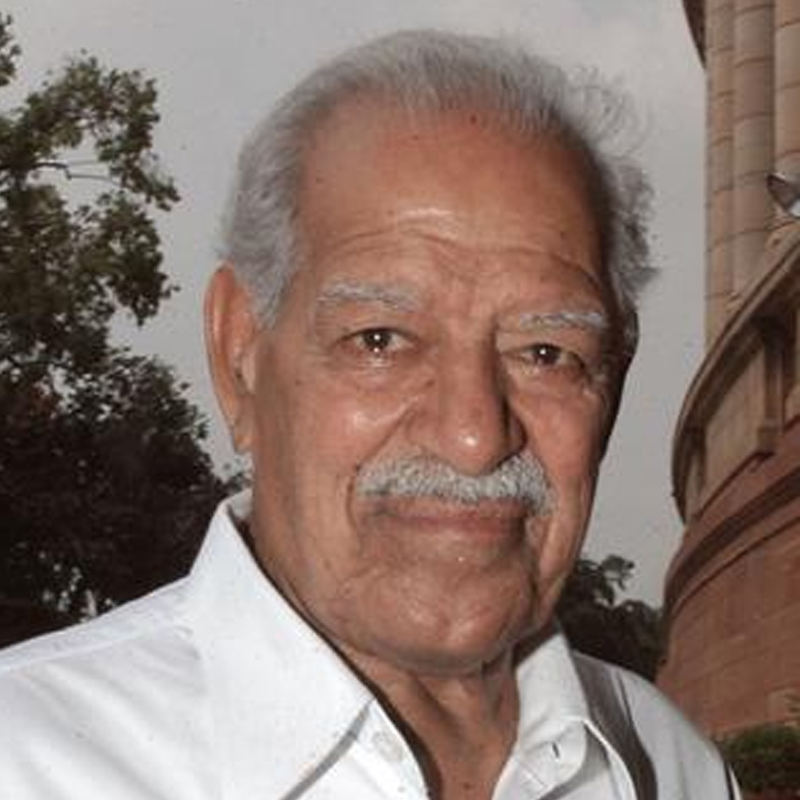
    NEW DELHI: Rustam-e-Hind Dara Singh, who passed away early this morning, has been described by Vice President M Hamid Ansari as an enduring role model to the youth and sportsmen in the country.

    The Vice-President, Prime Minister Manmohan Singh, and Information and Broadcasting Minister Ambika Soni expressed grief on the death of the veteran actor who had never lost a fight during his career as a wrestler.

    Ansari said Dara Singh’s acting career was most memorable for the intensity and diversity of characters that he had portrayed. His role as a nominated Member of Parliament (Rajya Sabha) is remembered by one and all.

    Dr. Manmohan Singh said Dara Singh had been a noted film actor, producer, and an internationally acclaimed wrestler. He added: “A self educated son-of-the-soil, he rose to the heights of the entertainment world, sports arena and public life with humility and grace.”

    Soni said, “Dara Singh ji will always have a special place in our hearts for his immense contribution to the Indian film industry in various capacities as an actor, director and producer. I also recall his distinguished record as member of the Rajya Sabha.”

  • India, Poland sign audio visual co-production agreement

    India, Poland sign audio visual co-production agreement

    NEW DELHI: India and Poland have signed an agreement that will make it easier for filmmakers from both the countries to collaborate in filmmaking and also lay down the extent of financial contributions (usually ranging between 20 – 80 per cent).

    Besides, the agreement has provision for both co-producers to make effective contributions, modalities of sharing honours and prizes and exporting films.

    The audio visual co-production agreement was signed by Information and Broadcasting Minister Ambika Soni and Polish Minister of Culture and National Heritage B Zdrojewski at Warsaw.

    The agreement establishes a legal framework for relations regarding audio visual co-production, especially films including animation and documentary films for the cinema and TV, as well as films intended solely for dissemination on analogue or digital data carriers. The agreement shall remain in force for a period of five years from the date of its entry into force.

    The signing of the agreement ensures better partnership and collaboration between enterprises and institutions which produce, distribute, and disseminate films. The inter-governmental co-production agreements are umbrella agreements, under which private, quasi-government or governmental agencies enter into contracts to produce films together. The films so produced are treated as national films in both countries and such films cannot be treated differently from a domestically produced film in each of the co-producing countries.

    One of the key highlights of the agreement is the coverage of filming and animation work, including the storyboard, layout, key animation and in between as well as sound recording. The purview of the agreement also covers laboratory processing activities and facilitates movement of film equipment and associated infrastructure required for co-production. The agreement would also facilitate producers, screenwriters, directors, technicians, actors and other specified personnel to enter and briefly stay in each other‘s country.

    Currently, as part of the initiative, the Government has signed co-production agreements with Italy, UK, Northern Ireland, Federal Republic of Germany, Brazil, France and New Zealand.

  • Censors clear Shanghai with U/A certificate

    Censors clear Shanghai with U/A certificate

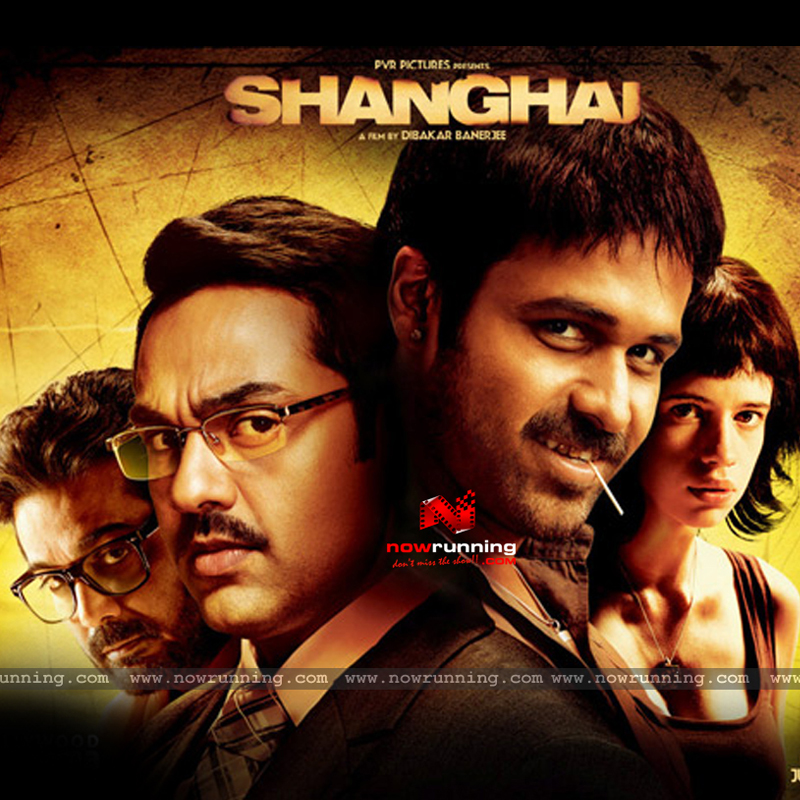
    MUMBAI: The Censor Board of Film Certification (CBFC) has cleared Dibakar Banerjee‘s upcoming film Shanghai with a U/A certificate. However, the Board has effected one major cut: a scene where a local politician is shown being abused.

    Earlier this week, the Mumbai unit of the Congress party had called for a ban on the song Bharat Mata Ki Jai saying that it hurts patriotic sentiments and degrades India. In a letter addressed to union Minister for Information & Broadcasting Ambika Soni, Mumbai Congress vice-president Charan Singh Sapra has contended that the content of the entire song is an insult to all countrymen who respect India as their motherland.

    The song in mention contains controversial words like Sarkari Hathiyaar, Dhandha, Chanda, Dengue, Malaria, Gobar (cowdung), that Sapra alleged are deliberately used to defame the country.

    Sapra had sought an immediate and total ban on the song from being broadcast/telecast in any manner, deleting it from the movie and to fix accountability and initiate action against the concerned censor board officials who cleared the offensive number.

    In another development, the Delhi High Court dismissed a plea seeking stay on the release of the film by Tejinder Pal Singh Bagga, president of Bhagat Singh Kranti Sena who, through a PIL, had sought an interim stay on release of ‘Shanghai‘ until its song ‘Bharat Mata Ki Jai‘ was deleted.

    A division bench of Justice Vipin Sanghi and Justice Rajiv Shakdher remarked, “We do not find anything objectionable in the said song. In a democracy, every person has a right to voice his views and opinions… the same right to speech and expression cannot be curtailed except under some circumstances.”

    “The author of the song has merely sought to portray the existing state of affairs in India, once considered a golden bird… is now infested with diseases like dengue and malaria,” the bench observed.

    Based on the novel by Vassilis Vassilikos, Shanghai is a political thriller directed by D. Banerjee and stars Emraan Hashmi and Abhay Deol. The film is slated for release on 8 June.

  • Wasseypur locals call for ban on Anurag Kashyap film

    Wasseypur locals call for ban on Anurag Kashyap film

    MUMBAI: Since the time it came to light that Annurag Kashyap‘s Gangs of Wasseypur would have its world premiere at the Cannes film festival, the film has been in the news.

    Now, the film has been drawn into a controversy with the residents of Naya Bazaar, Wasseypur, Dhanbad who are demanding a ban on the film.

    They have claimed that the film had several objectionable dialogues and the film was a plot to defame the people of Wasseypur. Even Kashyap had uttered derogatory words about the place, they claimed.

    The residents submitted a memorandum to I&B Minister Ambika Soni and Babulal Marandi requesting a ban on the film, while copies of the same were handed over to Governor Sayed Ahmed and Union Minister Subodhkant Sahay.

    Social activist Parvez Akhtar has said that portraying the place in such a bad light in contrast to reality was demeaning.

    “Gangs of Wasseypur” is a film based in a small town of Jharkhand. It is a story on revenge that portrays the coal mafia in and around coal mines of Jharkhand.

  • GoM on paid news to meet soon: Soni

    GoM on paid news to meet soon: Soni

    NEW DELHI: A Group of Ministers (GoM) will shortly meet to examine the report of the Press Council of India on paid news, according to Information and Broadcasting minister Ambika Soni.

    Soni informed the Rajya Sabha today that the GoM was constituted in January last year but could not meet before September due to various reasons including the fact that Panel chairperson and Finance Minister Pranab Mukherjee was tied up in other matters.

    The Press Council had submitted a report on paid news to the government for necessary action after a sub-committee studied the issue. Although the Government had initially released only a short summary of the report, it had later placed the report on the Council’s website following an RTI application.

    The Minister said the GoM was set up in view of the “wider ramifications” of the recommendations, to prepare a comprehensive policy and institutional mechanism to address the issue.

    The PCI has recommended amendment to the Representation of the People’s Act 1951 to make incidence of paid news a punishable electoral malpractice and suggested that the PCI must be fully empowered to adjudicate the complaints of “paid news” to give final judgment in the matter among others.

    The report has also suggested measures to curb the menace of paid news like setting up of a special cell in the Election Commission for action on such complaints and self-regulation by media and awareness generation.

    PCI has cautioned the media to refrain from publishing news masquerading as advertisement and vice-versa.

    The Election Commission has also taken cognizance of this malaise and initiated steps to check incidence of election time paid news, which includes transparency in the money spent by candidates on advertising, a ban on exit and opinion polls until the last round is over, and similar other measures.

  • Several cases of paid news during assembly polls: Soni

    Several cases of paid news during assembly polls: Soni

    NEW DELHI: Information and Broadcasting Minister Ambika Soni has said that the recent Assembly elections in five states had thrown up several cases of paid news.

    She said: “Special observers were appointed (by the Election Commission) to check the menace of paid news in the recent Assembly elections as well as in the elections in Tamil Nadu earlier. Some pink papers (business newspapers) have also been reported to have indulged in paid news.”

    Speaking on the sidelines of an event here, she drew attention to the large number of players in the electronic and print media, and its impact on news coverage.

    She regretted that the malaise of paid news which has grown especially since 2009, was not limited just to election time.

    “(Paid news) is something which weakens the freedom of the media, and all who argue for it,” Soni added.