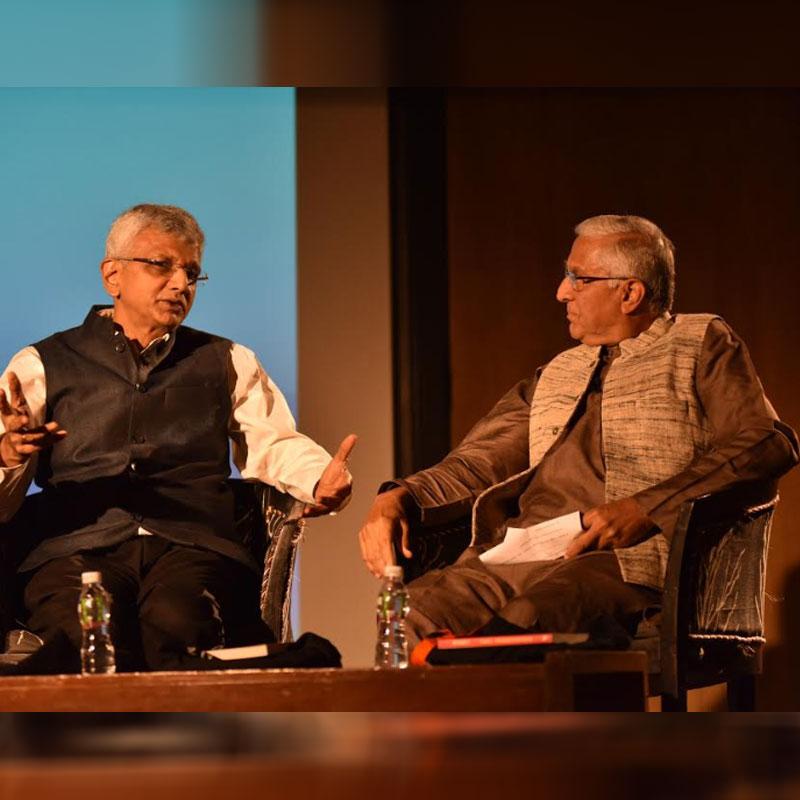
Tag: Ambi Parameswaran

  • Religious most benefitted genre in Chrome DM week 28

    Religious most benefitted genre in Chrome DM week 28

    MUMBAI: With a growth of 2.05 per cent as compared to last week (27), the religious genre marked the highest opportunity to see (OTS) among all categories in week 28 of Chrome Data Analytics & Media.

    In the religious genre, Sanskar gained the highest OTS with 98.6 per cent in HSM excluding the less than 1L-market.

    OTS is the actual census-based percentage connectivity of a channel spread across 81 million homes, reported by Chrome DM, across analogue cable, digital cable and DTH. 

    The second position in the gainer’s list of OTS was grabbed by the Hindi GEC genre with the growth of 1.21 per cent in HSM excluding the less than 1L-market. DD National was the most benefitted channel in this category with 99.5 per cent.

    public://g1_2.jpg

    The third position in the gainers was garnered by the youth genre in HSM excluding the less than 1L-market with 0.96 per cent OTS. MTV gained the highest OTS with 92.2 per cent.

    The infotainment genre was at the fourth position in the list with 0.80 per cent growth and NGC catered to 91.8 per cent OTS in All India 1 Lakh+ market.

    public://g2_2.jpg

    The fifth spot was garnered by the music genre with 0.33 per cent growth and Sony Mix was the most benefitted channel with 92.0 per cent OTS in HSM excluding the less than 1L-market.

    Also Read :

    Hindi news benefited most, Sports  genre most affected: Chrome DM week 22

    Demand for regional commentary in tier 3 & 4 towns: Chrome DM

    Discovery Jeet gets good spread at launch

    Jeet storms the market with big debut week reach

  • Digital takes centre stage on tepid Valentine’s Day for brands

    Digital takes centre stage on tepid Valentine’s Day for brands

    MUMBAI: Love has been in the air and on the internet all week. Valentine’s Day is no longer about just a day you spend with your loved one but is rather a week-long affair of gifts and celebration. Valentine’s Day has become no less than a festival in India, a country that takes much pride in its traditions and culture.

    Although the phenomenon is only a few years old, the enthusiasm of brands investing in Valentine’s Day seems to be only increasing every year. Gifting and food and beverage (F&B) industry are most active during this time of the year and it is a big occasion for all sectors other than BFSI.

    Earlier, brands focussed mainly on print advertising backed by television for Valentine’s Day promotion. But that seems to have changed now. Brands are increasingly looking at newer avenues to connect with consumers and remind them about the brand. Although the market sentiment for the day in 2018 has been tepid as major brands chose to stay away from advertising, some SMEs and new players leveraged the day to connect with consumers. The day also saw e-commerce, a major advertiser during major festivals and occasions in India, not being too gung-ho but small gifting websites such as Chumbak, Bigsmall, Dailyobjects among others got the most from the occasion on the digital platform. 

    public://v1_0.jpg

    iProspect India associate vice president, branding and affiliate marketing Mihir Mehta notes that brand sentiment this year has been weak as advertisers have stopped force fitting their products to occasions. 

    Over the years, Mondelez India has built and led the occasion through its concerted marketing efforts and gifting innovations. This year, Cadbury Dairy Milk Silk announced the launch of its new special edition pack with a heart pop, which urges consumers to not hold back from expressing their love.

    Dentsu Aegis Network’s digital agency, Carat, collaborated with Snapchat to create India’s first ‘National Snapchat Lens’ for the product. Through this lens, one can blow a kiss with the Silk bar, which creates a drool effect around the consumer. Additionally, the agency also used 3D filters on Facebook that allowed users to engage and post a variety of animations on their pictures/videos, which could be downloaded and shared later.

    This year, we saw brands leverage digital as the primary medium for brand activation as the occasion caters to people in the age group of 16-30 years and as the millennials are more active on digital than on traditional mediums. Other than the usual promotional ads, brands started Valentine’s hashtags to attract online audiences and organised social media contests.

    Consumers have today become more product-centric and brands are making sure they deliver that. Mehta says that this year brands have not used Valentine’s Day for customer acquisition but have rather concentrated on engagement with existing customers.

    public://v2.jpg

    Food-delivery platform Swiggy created an opt-in platform called, My ValenDine, that used interested Swiggy users’ order history, and matched them based on their favourite food and preferences. On Valentine’s Day, users could come back to the microsite to find out who their Valendine’s matches were. 

    Jewellery brand Tanishq created an 8-minute digital film that captured seven real love stories. Kellogg’s launched a digital-only campaign on Facebook and Instagram to create buzz around its chocolate flavoured crunchy snack. 


    Kellogg’s believes that the response to its campaign has been very encouraging as both their branded creatives as well as content co-created with leading youth influencers like Tanmay Bhat, Ashish Shakya and Kaneez Surka have surpassed their expectation. This goes on to show that bite-sized and engaging pieces of content create relevant conversation around the brand.

    Brand-Building.com founder and brand guru Ambi Parameswaran notes that this year Valentine’s Day did not see too many ads in the daily newspapers as brands decided to play it low key. “It is possible that after the furore around Padmaavat they were just playing safe but the final pudding is in the eating and if Indian upper-income consumers and youngsters do want an occasion to celebrate, then they will use Valentine’s Day to do that.”

    Also Read :

    How iProspect’s Vivek Bhargava foresaw a digital future two decades ago

    Kids’ candy segment: Communication sees a shift

    Dairy Milk innovates Silk for Valentine’s Day

    Brands pick digital over TV and print for Diwali marketing

  • Gender stereotyping remains the template for weight-loss ads

    Gender stereotyping remains the template for weight-loss ads

    MUMBAI: We are constantly haunted by the media, be it television, print, out of home or digital. Our thoughts and actions get subliminally influenced, not to mention the direct effects on young impressionable minds. But as David Ogilvy rightly said, “Advertising reflects the mores of society, but it does not influence them,” advertising is a mirror of society and not its torchbearer.

    Picture in your mind a male celebrity lecturing you on how to use the product he is endorsing in order to look attractive and stay slim. Does it look a little off? If it did, then you are a part of the system that has been subject to gender distinction in advertising.

    Since the beginning of the advertising culture, men and women have been projected differently in advertisements. Men have always been portrayed as the gender that is daredevil, outgoing, brave, strong and the dominant one in a relationship. Women, however, have always been characterised as the weaker gender that is supposed to look good, do household chores and keep the men happy.

    public://f1_8.jpg

    Although a lot has changed in the ad world over the years and women are now being projected as decision makers and as equals to men, the hard truth is that women are bombarded with products that are supposed to make them the ‘perfect woman’ according to society’s standards. Female consumers have faced years of being sold the idea that they must have the perfect skinny body and look beautiful.

    public://f2_7.jpg

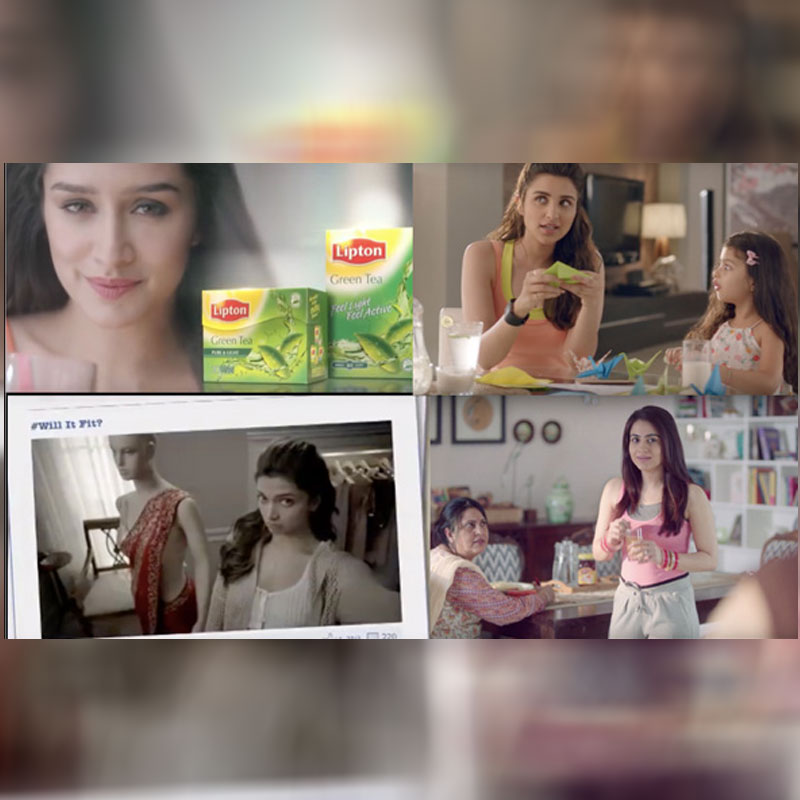
    Brands have always stereotyped women to look their best and that does not seem to be changing anytime soon. Even today, advertisers prefer using women to endorse fitness, weight loss and a healthy lifestyle. Although a lot of men also seem to be getting fitness-conscious and concerned about their weight and looks, brands continue to use women in order to promote their product. Even in the 21st century, we see Deepika Padukone endorsing Kellogs Special K, Shraddha Kapoor promoting weight loss with Lipton Green Tea, Parineeti Chopra endorsing a healthy eating option of Sugarfree and so on. On the other hand, we don’t see any such product being promoted by male brand ambassadors. This gender stereotype does not seem to be changing anytime soon. But why does this stereotyping of women still happen in Indian advertising?

    Harish Bijoor Consults founder and brand strategy specialist Harish Bijoor notes that sadly stereotyping brings in the moolah and women in India by and large do not complain about being stereotyped as there is a tendency to believe in the dictum “This is how we are”.

    According to investment banking platform SMERGERS, the fitness industry in India was worth Rs 4,500 crore in 2017 growing at 17-19 per cent per annum. The total branded tea market in India stands at Rs 9,500 crore, growing at about 5 per cent but the branded green tea market, in contrast, is only around Rs 150 crore. The green tea market, however, is growing faster at 21 per cent yoy. Dabur Honey rakes in some Rs 500 crore in annual sales for the ayurveda brand.

    Brands look at this category with awe, as their volumes gallop with every progressive move that is governed first by vanity and then by good health. While Bijoor notes that the fitness and weight loss market is huge in India, it is dominated by the aspiration of the people in the metros and mini metros who want to ape the western lifestyle of looking good and feeling good.

    Brand-Building founder and brand guru Ambi Parameswaran notes that Indians want good health but without going through the pain of exercising and that does not seem to have changed much. “We discovered this phenomenon when we launched Sweetex in the late 80s and once again when we launched Tropicana in the late 90s. While you see a lot more people on the roads walking in the morning and doing yoga, Indians want it easy.”

    Brands need to adapt now because there is a growing male audience for the same products. Men today don’t shy away from sipping green tea in order to shed those extra kilos or have a bowl full of Kellogg’s Special K or eat oats. With increasing awareness about fitness and an aim to lead a healthy lifestyle, more men have started to adapt to the healthy route. So, it only makes sense for advertisers to shift their focus to men and bring more male endorsers to promote their ideology.

    Ambi Parameswaran mentions that today young men are more conscious about their looks, hair and skin than women of their age. “I am waiting for brands to jump on to the ‘keeping men fit’ bandwagon,” he prophesises.

  • The ins and outs of femvertising

    The ins and outs of femvertising

    MUMBAI: How many times have you come across ads that seek to empower women and ask them to take on the world (at times by using their product)? The general tendency of advertising in the seventies and the eighties was to objectify women in order to fascinate the ‘male audience’ to buy their product as traditionally, the man of the house was considered to be the only (buying) decision maker. But that has changed over the years and advertising has evolved along with our society. 

    Today, an increasing number of brands are creating pro-female ads in keeping with an increasing number of women finding their voice in society and the workplace – basically with the emergence of feministic values. The advertising industry that once relied actively on objectification of women to promote brands is now starting to attract the attention of female consumers and make them feel understood and valued.

    While it may not be in listed in the Oxford dictionary yet, but femvertising is today de rigeur. It may be defined as advertising that employs pro-female talent, messages, and imagery to empower women and girls. Brands around the world are jumping on the bandwagon to empower women by integrating feministic messaging their ads.

    public://adds.jpg

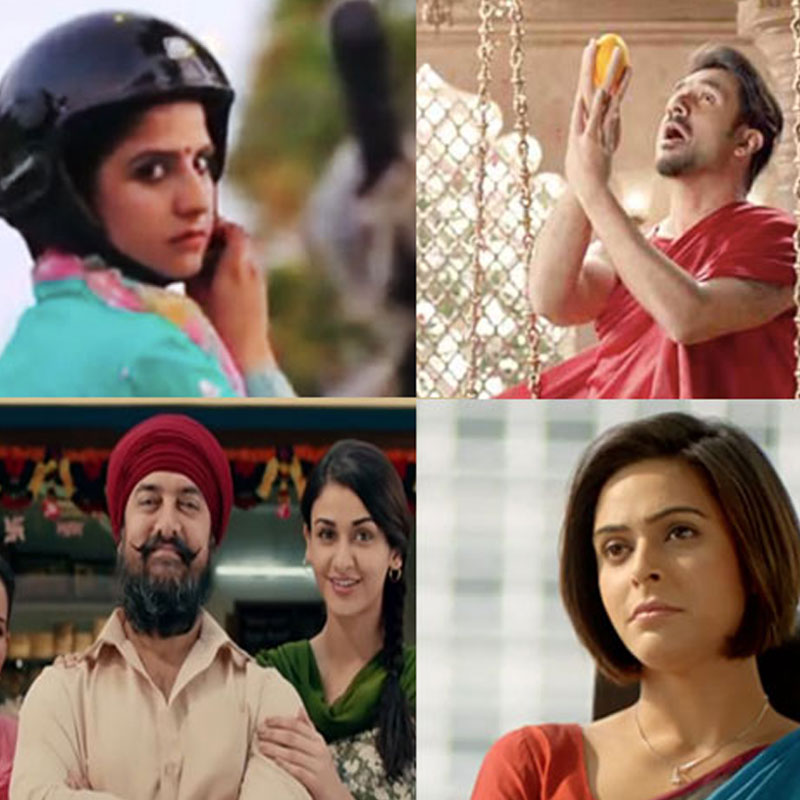
    But it might not be the best decision for all  brands to take the femvertising route as  one size does not fit all. Take the case of CEAT, a company majorly known for manufacturing tyres. It has introduced CEAT Safety Grip that is a customised scooter handle grip which seamlessly conceals a pepper spray in the accelerator throttle for quick and easy access at time of distress.

    It’s aimed at instilling confidence among women riders and empowers them to take charge of their own safety.

    A tyre manufacturer creating a line of product for women safety, strange is it not?

    Brand-Building.com founder and brand guru Ambi Parameswaran points out that any brand which jumps on to a cause just because it is new is doing a singular disservice to the practice of marketing and branding. However it makes sense if the brand is in someway connected with women empowerment and has a long-term goal around this promise and premise.

    Concern over women’s safety has become a prominent issue now than ever before as women vehicle (scooter) ownership is on the rise and an increasing number of ladies are now joining the workforce. But creating a separate line of products targeted only for women may incur extra cost to the company as a lot of time and money goes behind R&D and perfecting the product.

    CEAT senior vice president of marketing Nitish Bajaj mentioned that the company works with external partners to design and test such products while it also has an exclusive authorised manufacturing and packaging partner which has invested in this product while CEAT will be extending support in pushing it to the target audience.

    Women empowerment and safety find a resonance in every kind of product and service. A condom ad for instance speaks about women’s empowerment and safety in equal measure as a safety app that tracks where one is going. Harish Bijoor Consults founder and brand strategy specialist Harish Bijoor believes that using the empowerment theme to a greater degree of value will be the trend in the years ahead in India, as India wakes up to  women’s empowerment and safety themes. 

    Creating campaigns and products designed specifically for women safety or empowerment sure does lead to a jump in sales and helps in improving the brand perception. Mindshare principal partner of strategy Preeti Mascarenhas recalls one of their biggest wins this year in strategy, the Nayi Soch campaign for Star as it not only got the audience pull but also helped in bringing change in Indian society.

    Havas Media Group CEO of India and South Asia Anita Nayyar notes that it certainly does help in improving brand perception and is seen as a specific effort to create, keeping women safety and empowerment top of mind. It positively pre-disposes the audience to buy hence, leading to sales and being created and designed specifically for the ‘Women in Me’ helps.

    Affirming that not all brands can pull this off, Ambi Parameswaran notes that if not enough thought is put into the process, it may end up confusing the consumer and cause damage to its long term prospects. Companies that manage to do this need to make sure that it is part of a long-term goal and not a ‘hire a cause of the month’ campaign.

    Traditionally, it was believed that if a brand wants to target women, it needs to advertise on television alone as a majority of women in India are still hooked on to their TV sets as compared to digital. Our media experts seem to believe that it still holds true and not much has changed. The general consensus is still that television is the prime medium of attraction for this audience segment, followed by digital and then print. CEAT on the other hand believes that digital platforms help in creating awareness and hence will be showcasing  its  new film on social media. Tanishq in the past has maintained that the jewellery brand’s core focus to connect with consumers via digital and it will continue to invest heavily on it. 

    Whether femvertising here to stay or not is debatable. While Anita Nayyar and Preeti Mascarenhas believe that it is here to stay and we will continue to see the momentum growing over time, Harish Bijoor opines that it is just a passing phase. “When every brand around uses femvertising, and when everyone gets tired of it as a cliche, brands will nudge their way to Malevertising (Male Advertising) and this will be a yo-yo process for sure,” he concludes.

    The balance swings between the ying and the yang. Even in advertising.

  • Industry grieves Anand Halve’s death

    Industry grieves Anand Halve’s death

    MUMBAI: November 23, the Indian advertising community woke up to the bitter truth that the veteran brand consultant and Chlorophyll founder Anand Halve or Andy, as he was lovingly called, is no more. Halve was not keeping well for long and finally succumbed to pneumonia the previous day.

    It was Chlorophyll’s MD and Halve’s dear friend Kiran Khalap who broke the news first on twitter, saying: “The Chlorophyll community grieves the untimely death of its co-founder, father of brand planning in India & friend to millions: Anand Halve.”

    Following this, the industry poured in with their messages of condolences, and Twitter was flooded with ‘Rest In peace’ messages addressed to him, some even quoting lines from verses he had penned.

    Harsha Bhogle: Am in agony at the passing of Anand Halve,one of the finest minds in advertising & someone who was always very kind to me when I started out.

    Journalist Sucheta Dalal ‏: Just heard the really sad news that our friend @anandhalve is no more. #RIP U will be sorely missed Andy … and your guidance & support.

    MasterCard head of MasterPass Monica Jasuja: R.I.P. Anand Halve, I miss his positive motivational friendly self on Twitter. Pls keep him in your prayers.

    OgilvyOne SVP Namrata Balwani: Very sad to hear of the passing away of a legend. What a mind. Still remember Anand Halve teaching us at MICA. And his shairi tweets.

    Addressing Halve as ‘first of the planning tribe’ Ambi Parameswaran also took to social media to express his shock.

    Often credited as the pioneer of account planning in Indian advertising, Halve’s influence in the advertising world runs far and deep that even those who didn’t know him in person expressed their shock upon hearing the news.

    “It is unfortunate that I didn’t know him too well in person but I can attest that his contribution to the advertising fraternity will be forever cherished. As a person, he was well-liked by his peers and he will be dearly missed,” shared Publicis south Asia CEO Nakul Chopra.

    Before setting up Chlorophyll in 1999, Halve was associated with Enterprise Nexus for close to a decade. He has also closely worked with the legendary adman Mohammed Khan. Halve started his advertising journey way back in 1977 by joining Lintas, post that he spent a short time at the start-up Fulcrum with Kersy Katrak.
    Lintas grieved his loss by releasing a creative tribute to remember the genius that Halve was.

    “Andy was one of the finer minds in advertising, always ready to share his insights with both, the journalistic and the advertising community, whether junior, senior or peer. He was a futuristic thinker who embraced brand understanding, research and planning way ahead of others in that glorious period of advertising in the late eighties and early nineties. I remember Mohammed (Khan) relying on him greatly in those days. May his soul rest in peace,” said Indiantelevision.com founder, CEO and editor-in-chief Anil Wanvari.

    The Advertising Club president Raj Nayak said: “Anand Halve was one of the first account planning person I had heard of during the early days of my career. Humility was his biggest asset. Was always warm and probably one of the best strategic minds in the advertising industry. We will miss him.”

  • Industry grieves Anand Halve’s death

    Industry grieves Anand Halve’s death

    MUMBAI: November 23, the Indian advertising community woke up to the bitter truth that the veteran brand consultant and Chlorophyll founder Anand Halve or Andy, as he was lovingly called, is no more. Halve was not keeping well for long and finally succumbed to pneumonia the previous day.

    It was Chlorophyll’s MD and Halve’s dear friend Kiran Khalap who broke the news first on twitter, saying: “The Chlorophyll community grieves the untimely death of its co-founder, father of brand planning in India & friend to millions: Anand Halve.”

    Following this, the industry poured in with their messages of condolences, and Twitter was flooded with ‘Rest In peace’ messages addressed to him, some even quoting lines from verses he had penned.

    Harsha Bhogle: Am in agony at the passing of Anand Halve,one of the finest minds in advertising & someone who was always very kind to me when I started out.

    Journalist Sucheta Dalal ‏: Just heard the really sad news that our friend @anandhalve is no more. #RIP U will be sorely missed Andy … and your guidance & support.

    MasterCard head of MasterPass Monica Jasuja: R.I.P. Anand Halve, I miss his positive motivational friendly self on Twitter. Pls keep him in your prayers.

    OgilvyOne SVP Namrata Balwani: Very sad to hear of the passing away of a legend. What a mind. Still remember Anand Halve teaching us at MICA. And his shairi tweets.

    Addressing Halve as ‘first of the planning tribe’ Ambi Parameswaran also took to social media to express his shock.

    Often credited as the pioneer of account planning in Indian advertising, Halve’s influence in the advertising world runs far and deep that even those who didn’t know him in person expressed their shock upon hearing the news.

    “It is unfortunate that I didn’t know him too well in person but I can attest that his contribution to the advertising fraternity will be forever cherished. As a person, he was well-liked by his peers and he will be dearly missed,” shared Publicis south Asia CEO Nakul Chopra.

    Before setting up Chlorophyll in 1999, Halve was associated with Enterprise Nexus for close to a decade. He has also closely worked with the legendary adman Mohammed Khan. Halve started his advertising journey way back in 1977 by joining Lintas, post that he spent a short time at the start-up Fulcrum with Kersy Katrak.
    Lintas grieved his loss by releasing a creative tribute to remember the genius that Halve was.

    “Andy was one of the finer minds in advertising, always ready to share his insights with both, the journalistic and the advertising community, whether junior, senior or peer. He was a futuristic thinker who embraced brand understanding, research and planning way ahead of others in that glorious period of advertising in the late eighties and early nineties. I remember Mohammed (Khan) relying on him greatly in those days. May his soul rest in peace,” said Indiantelevision.com founder, CEO and editor-in-chief Anil Wanvari.

    The Advertising Club president Raj Nayak said: “Anand Halve was one of the first account planning person I had heard of during the early days of my career. Humility was his biggest asset. Was always warm and probably one of the best strategic minds in the advertising industry. We will miss him.”

  • Draftfcb+Ulka’s Independence Day gift

    Draftfcb+Ulka’s Independence Day gift

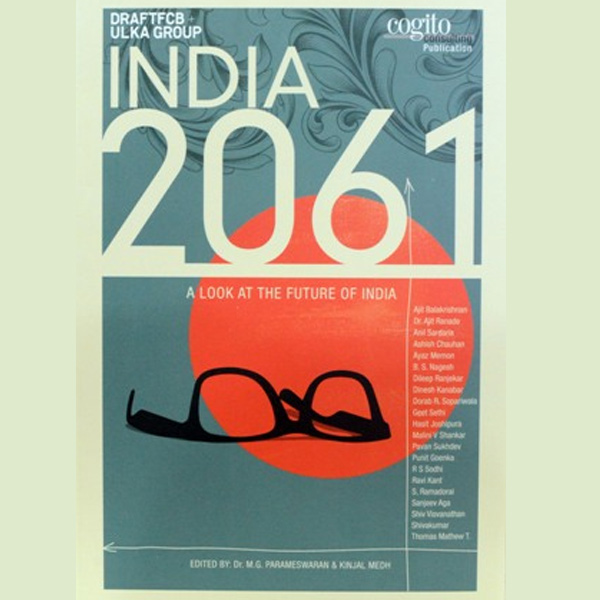
    MUMBAI: At the end of every year, experts from various fields decode the year gone by or predict what will happen next. But brand management and consulting firm of the Draftfcb + Ulka group in India – Cogito Consulting – has gone a step ahead by bringing out a tome which has various industry experts forecasting what will happen in their respective fields 50 years from now.


    itled India 2061 – A Look at the Future of India, the book has been released as a “special tribute to the nation on its 67th Independence Day celebrations.” It features 21 thought leaders from various industries giving their take on the challenges India will face as it gets ready to join the league of developed nations.


    Draftfcb+Ulka executive director & chief executive officer MG ‘Ambi‘ Parameswaran elaborates, “We had put down 25 different topics from various sectors and were clear that we wanted only one person to write on a particular topic. So when we sat with the topics, we contacted the first name that popped into our heads who would be able to identify with it.”


    The professionals from various fields featured in the book are Punit Goenka, RS Sodhi, Ayaz Memon, Ajit Blakrishnan, Dr Ajit Ranade, Anil Sadana, Ashish Chauhan, BS Nagesh, Dileep Ranjekar, Dinesh Kanabar, Dorab Sopariwala, Geet Sethi, Hasit Joshipura, Malini V Shankar, Pavan Sukhdev, Ravi Kant, S Ramadorai, Sanjeev Aga, Shiv Visvanathan, Shivakumar and Thomas Mathew T.


    To summarise, I truly believe that TV will not die. At Zee, we no longer term ourselves as merely broadcasters, but “content creators” and will focus on reaching out to audiences at the end of any screen that they are available on. Some screens may discontinue along the way, but there will be other screens that will emerge as life continues to evolve.

    The future of television is all about viewers experiencing entertainment and information content on their preferred devices, time and place.

    Zeel MD and CEO Punit Goenka

    (Excerpted from the India 2061- A Look at the Future of India Copyright Cogito Consulting Publication)

    It was in 2011 when the idea of writing a forward looking white paper came about just as Draftfcb‘s India arm, Ulka Advertising, was celebrating its golden jubilee. Cogito Consulting and Asterii Analytics were assigned the task of quantitatively forecasting India‘s future in areas like media, economy, internet, automobile, infrastructure, among others. Their labour resulted in a data-centric white paper entitled The India 2061 Report which was released in 2012.


    The same report has been packed as a valued-add in the pacily written book which has been edited by Ambi and Kinjal Medh with extremely high production values.


    The thought leaders have covered various fields and given various shades of the future. While some are optimistic, others are a little skeptical.


    Ambi reveals that a thousand copies of the book have been published so far and sent across to a select bunch of experts in various fields, and will be available on the agency‘s website from 15 August for download at no cost.


    “I think it is a great initiative by Draftfcb + Ulka to produce a book of the calibre that it has,” says a media observer. “It works well for Cogito Consulting too. It helps position the agency as a thought leader in terms of driving the possible agenda. By getting leading lights of industry to write about the future, it helps further cement that perception. Overall, they are doing a very good job in making people think.”