Tag: Amazon

  • BARC week 51: Lizol leads the brands list

    BARC week 51: Lizol leads the brands list

    MUMBAI: The Broadcast Audience Research Council (BARC) of India has released its data for top advertisers and brands for the period between 19 December and 25 December 2020.

    The data reflects the top 10 advertisers and brands across genres on India’s television, 2+ Individuals, NCCS. All demonstrating ads that were inserted the most in week 51 of 2020.

    Top Advertisers:

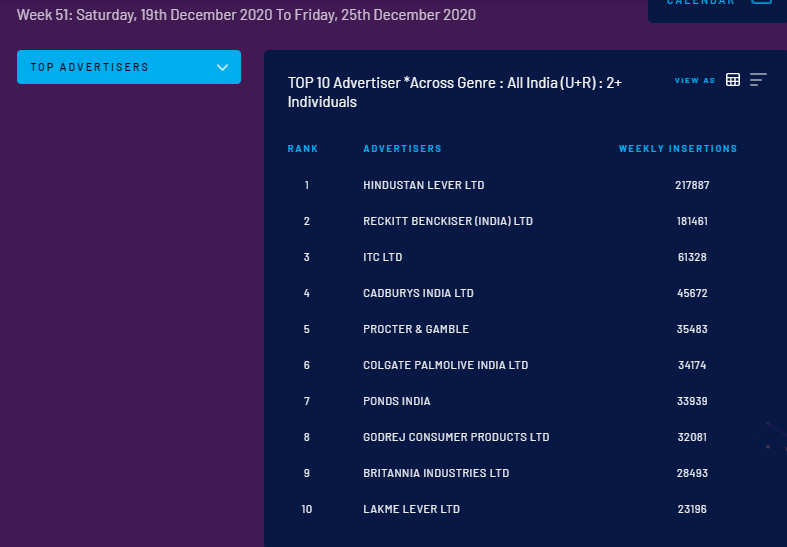
    Hindustan Unilever continued to be the biggest advertiser this week also with 217887 insertions.

    It was followed by Reckitt Benckiser India, which ranked second with 181461 ad generations.

    ITC bagged the third rank this time with 61328 ad AMA. Cadbury came in fourth with 45672 ad insertions.

    P&G India and Colgate secured fifth and sixth place with 35483 and 34174 ad views.

    Other top brands in the pecking order were as follows: Ponds India, Godrej Consumer Products, Britannia, and Lakme.

    Top Brands:

    This week Lizol led the chart with 23297 ad impressions, followed by Lalithaa Jewellery with 19550 ad views. Mynta secured the third position with 17712 ad insertions.

    The fourth and fifth spots were acquired by Dettol Liquid Soap and Dettol Toilet Soaps with 15472 and 15403 ad AMA.

    Jio Post Paid bagged the sixth spot with 13925 ad views.

    Other top brands in the pecking order were as follows: Harpic Power Plus 10X Max Clean, Dettol Antiseptic Liquid, WhiteHat Jr, and Harpic Power Plus/Bathroom Cleaner. 

  • Throwback2020: The great show that Indian e-commerce industry put up

    Throwback2020: The great show that Indian e-commerce industry put up

    NEW DELHI: It was more than a decade-and-half long journey for the e-commerce industry in India to grow from a ticket booking platform to an  offeror of everything – from a needle to a car – online. The initial hurdles of  low internet accessibility, pricey data charges, and lack of trust were vaporised  by Reliance Jio in 2014, giving a major boost to the industry. And then came 2020 and  the much spoken about coronavirus, that made e-shopping more of a necessity than an option for almost all on planet earth. It has been said by many and trusted by all that what 2020 did for the digital and e-commerce industry, wouldn’t have been possible to happen in the next five years or so. Here’s an overview of what all went down in 2020 that made e-commerce a stronger and stiffer chap, giving a tough competition to the offline retail stores that remained the predominant choice of buying and selling for most, up until 10 months ago.

    2020 growth story

    The Indian e-commerce industry was  struggling, climbing a steep incline for the past many years, given the strong intent of policymakers to support a digitally-enabled India. From increasing FDI in e-commerce ventures to signing MoUs with banks to rolling out 5G fibre networks, the past few years have seen great strides being made in that direction. However, the 2020 growth story was more the gift of an unexpected catastrophe than organised attempts in the direction. Yes, the sector faced some hiccups in the beginning, because of the uncertain situations and market slowdown, It, however set a new peak in terms of growth this year.

    Starcom CCO Rajiv Gopinath notes, “The e-commerce industry has seen a massive boost in 2020 all over the world due to the pandemic. Global retail e-commerce will hit a staggering 3.9 trillion dollars in 2020– the equivalent of 17 per cent of all retail sales. Meanwhile in India, the industry saw a momentary fall in March and April due to the pandemic and the resultant logistics constraints and curbs on sales of non-essentials. However, after April, there has been a steady rise in the number of orders placed.”

    Overall, it grew about 35-40 per cent and achieved a GMV of around 38 billion dollars, as per IBEF and Redseer Consulting estimates. A report by Kantar and Amazon Advertising indicates that 42 per cent of Indian urban active internet users were shopping online during COVID times.

    Hustlers of the e-comm town

    The e-commerce industry hogged most of the spotlight this year, given the situation the consumers found themselves in with the Covid-2019 imposed lockdown. However, according to data from Venture Intelligence — a firm that tracks private companies’ investments, financials and valuations, private equity and venture capital (PE-VC) investments in e-commerce companies in India from  January to September dropped by 55 per cent as compared to the same period last year. It stood at $1223.12 million in 2020. Additionally, only 66 firms raised funding in 2020 against 107 in 2019. The reasons behind this could possibly be attributed to anti-China sentiments and consolidations within the industry.

    Yet, majors like Amazon, Flipkart, and the biggest star Reliance managed to keep the mills running with a great infusion of dollars.

    Amazon invested $95.51 million in its Indian payments unit AmazonPay, in October. It was the second round of investment into the platform after the company pumped in Rs 1,355 crore in January. Additionally, as the e-grocery industry heated up, Amazon announced the expansion of its ‘Amazon Pantry’ to over 300 new cities in India, delivering to 10,000 pin codes across the country.

    Amazon also forayed in the food-delivery business, an alcohol-delivery service, and an online prescription medicine delivery service, making the most of the year.

    Its closest competitor, the Walmart-backed Flipkart found its base strengthening further as Tencent, the second-biggest shareholder in the e-commerce marketplace, put in $62.8 million in it.

    Additionally, Flipkart tied up with e-pharma company 1MG, foraying into the e-med space. It rolled out ‘dark stores’ to service customers in nearby localities, and unveiled its plans in the wholesale market with the unveiling of its exclusive B2B marketplace – Flipkart Wholesale. Flipkart also acquired the wholesale business of its parent company Walmart in India.

    And of course, most of the headlines space was reserved for Reliance this year as well. Its stock values went through a crushing journey early in the year, dropping to Rs 880 by the end of March from the peak of Rs 1,610 in December 2019, due to the pandemic. However, it was quick to get back on its feet as RIL sold about 10 per cent of Jio Platforms to Facebook in April. A series of marquee investors followed the suite, including Google, and Jio Platforms secured investments of $20.6 billion.

    Reliance Retail Ventures also secured investments worth over $5.1 billion through various investments from leading global investors including two tranches from Silver Lake (1 and 2), KKR, General Atlantic, Mubadala, GIC, TPG, ADIA and PIF.

    The launch of Jio Mart was one of the biggest events in the Indian e-commerce space this year. The megacorp also announced important acquisitions including digital pharma marketplace Netmeds, a chunk of the Future Group’s businesses, and Urban Ladder.

    It created an omni-channel retail strategy which smartly included its brick and mortar presence with its ecommerce wings also spurred the next phase of its growth, which we will see giving fruit in the future as well. Some of the smartest moves in this direction were partnering  with SBI in Jio Payments Bank and collaborating with Facebook-controlled WhatsApp that has launched its UPI-based payment platform.

    Enough space for everyone

    What essentially started as a space for fashion hauls and ticket bookings, the  e-commerce industry really got its due in 2020 with purchases, across all the categories being driven online. According to Google Trends, the interest in the category went up by around 50 per cent since this time last year.

    Logicserve Digital founder & CEO Prasad Shejale shares: “The number of e-commerce shoppers has at least doubled during Covid. Talking about the wide reach of the online shopping phenomena, a recent report by Bain & Co. suggests that 97 per cent postal codes in India ordered at least 1 item online in the last year, which is great. The report also mentions that for many businesses, including the small sellers, 60-70 per cent of the sales happen through e-retail.”

    Gopinath notes:  “Online marketplaces have witnessed a total growth of 30-40 per cent of new users. E-commerce leader in India, Flipkart recorded a new user growth of close to 50 per cent right after the lockdown, with tier 3+ regions registering the highest growth of 65 per cent during the "unlock" July – September phase. Consumers from tier 2 and tier 3+ regions also spent the most time on the platform, signalling a continuing rise in user engagement and a shift in shopping preferences. From the supply side, it saw close to a 35 per cent increase in sellers on board in 2020, in comparison to the same period last year.”

    22Feet Tribal Worldwide Preetham Venkky adds, “Brands have significantly upped their investment on both owned channels as well as a marketplace (Flipkart, Amazon, Nykaa etc.). While investments in the marketplace have borne fruit immediately, in mid and high involvement categories, brands have shown interest in growing their branded e-commerce platforms. For instance, we’ve seen a growth of over 40 per cent on e-commerce in the home appliances space.”

    Gopinath elaborates: “The top-selling category in e-commerce has long been electronics, especially mobile phones, followed by apparel. Rather, in January-March, the most searched categories included personal care, men's clothing, footwear and women's clothing. Though these still remain the dominant categories, a “work from home” category is emerging primarily due to Covid-2019, consisting of products related to office activity like laptops, chargers, small furniture, etc.

    “However, during the lockdown, food and nutrition, household, toys and audio products witnessed the highest demand among consumers. Grocery and FMCG goods were one of the biggest beneficiaries during the pandemic even though fulfilled orders were only a fraction of the total in-demand orders (due to a steep hike in demand). However, even after the lockdown ended, e-grocery orders have been seeing an upward trend.”

    According to a study by RazorPay, categories like beauty and personal care and home furnishings also witnessed massive growth, especially after May. While the former saw an increase of almost 295 per cent in the number of transactions, the latter saw a spike in orders in May and June given lifestyle changes and the need to work from home.

    dentsu Asia Pacific (APAC) Chief Data & Product Officer and dentsu Programmatic – South Asia CEO Gautam Mehra adds, “Sectors that benefitted the most were electronics, pharma and education. Even fintech to a large extent benefitted, with more and more demat accounts, digital-only savings accounts being opened and UPI usage increasing.”

    The Indian retail market also saw a new wave of direct-to-consumer brands such as Lenskart, Licious, Zivame, Epigamia, BoAt, Wow Skin Science, Healthkart, Mamaearth, MyGlamm, SUGAR Cosmetics, IncNut, Country Delight, among others, establishing a strong market  presence. Relying on technology and smart interactive solutions, these brands have made big within the industry.

    Growing in potential

    The industry not just grew in numbers but also made great investments in improving the overall customer experience. They relied heavily on smart-tech interventions and UI/UX development to make the consumer journey more smooth sailing.

    More and more brands were forced to step into the online world and create their own shopping platforms. According to the report titled ‘E-commerce Trends Report 2020’ by Unicommerce, there has been a 65 per cent increase in brands developing their own website in India. Bisleri, Cornitos, Nivea, Kiehl’s and Amaris Jewels were some of the brands that launched their own shopping platforms in India this year. Apple, which used to get 30 per cent  of its annual sales in India from e-commerce sites here, also launched its own online store for India.

    At the same time, brand websites have witnessed 88 per cent order volume growth compared to 32 per cent for ecommerce marketplaces.

    Carwale SVP (used cars) Abhishek Patodia mentioned in an Indiantelevision.com virtual roundtable that the platform included video upload option for car-sellers, which eventually driven up the number of consumers on their platform.

    Baggit head of marketing Atul Rohan Garg added that they are working on incorporating options like video-calling and on-call assistance for its shoppers to make the experience more transparent and wholesome. The same plans are in place for a number of lifestyle, fashion, and jewellery brands.

    Many restaurants, QSRs, and salons adopted options like e-menus, pre-bookings, on-app valet services to fit into the new normal and make physical stores more comfortable and safe.

    Venkky quips: “The growth of e-commerce will be on the back of four services: technology, user experience design, dynamic creative optimisation and performance marketing. This creates the need and demand for fully integrated digital agencies, which will benefit the maximum.

    Driven by Technology

    Mehra notes: “Digital commerce is almost entirely tech-driven. From better warehousing to better personalisation to customers, every part of the commerce journey has an opportunity to be disrupted or innovated on. Ad-tech / mar-tech will play an important role in the acquisition and driving lifetime value, whereas traditional operations where SAP/ERP used to be deployed are now being disrupted by startups like Khatabook and several others.”

    According to Shejale, personalised SaaS-based platforms that are powered by AI also gained great preference from the e-commerce players as they work on systems that ensure that a seamless omnichannel approach is followed.

    The year, therefore saw, ecommerce software platforms making a big mark in India Brands and e-commerce platforms partnered with payment gateways, cloud computing and analytic service providers. Ready-to-use ecommerce software from Shopify, Magento, Ecwid, BigCommerce, Volusion, Wix and others eased out the pain of setting up online stores, making D2C bigger than ever in the country. Use of inbuilt RFID, GPS, and IoT, and telematics played a crucial role in evolving the ecomm world.

    Additionally, brands are also experimenting a lot in closing the gap between the online look and  feel of the product and how it physically is. This has attracted great strides in involving technologies that can create realistic 3D imageries, refine digital texture and colour palette and at the same time keep the site design simple and light. Jewellery brands invested in technologies that can help the retailers and e-platforms to customise designs, do online virtual trials  on a real-time basis.

    Another simple platform that greatly assisted e-commerce players this year was Whatsapp. Reliance Industries started limited use of WhatsApp to connect customers to grocery stores. JioMart successfully interacted with its customers on orders using WhatsApp, simplifying the whole process. Jewellery brands like Mellora are also relying on the Facebook-owned platform to reach consumers.

    In the papers and on the screens

    Keeping up with the buoyancy in online shopping, e-commerce and digital-first players greatly supported the Indian advertising industry too. Online gaming platforms like Dream 11, also the sponsor of IPL, MPL, Poker Stars, e-learning platforms like Vedantu, WhiteHat Jr, and BYJUS, and e-shopping platforms like Flipkart, Myntra, and Amazon were some of the top advertisers this year, keeping the industry afloat.

    Not just that, the marquee sales events like Myntra End of Reason Sale, Amazon Great Indian Sale, Pepperfry Shubh Aarambh Sale, Paytm Maha Cashback Sale, etc. got the bucks moving in the brand’s direction as the sales and supply chains remained largely impacted through the year.

    Has the inflection point been reached. Observers are betting their hats that there’s no going back from here; only forward. 

  • BARC week 49: Lizol led the brand tally

    BARC week 49: Lizol led the brand tally

    MUMBAI: The Broadcast Audience Research Council (BARC) of India has released its data for top advertisers and brands for the period between 5 December and 11 December 2020.

    The data reflects the top 10 advertisers and brands across genres on India’s television, 2+ Individuals, NCCS. All demonstrating ads that were inserted the most in week 49 of 2020.

    Top Advertisers:

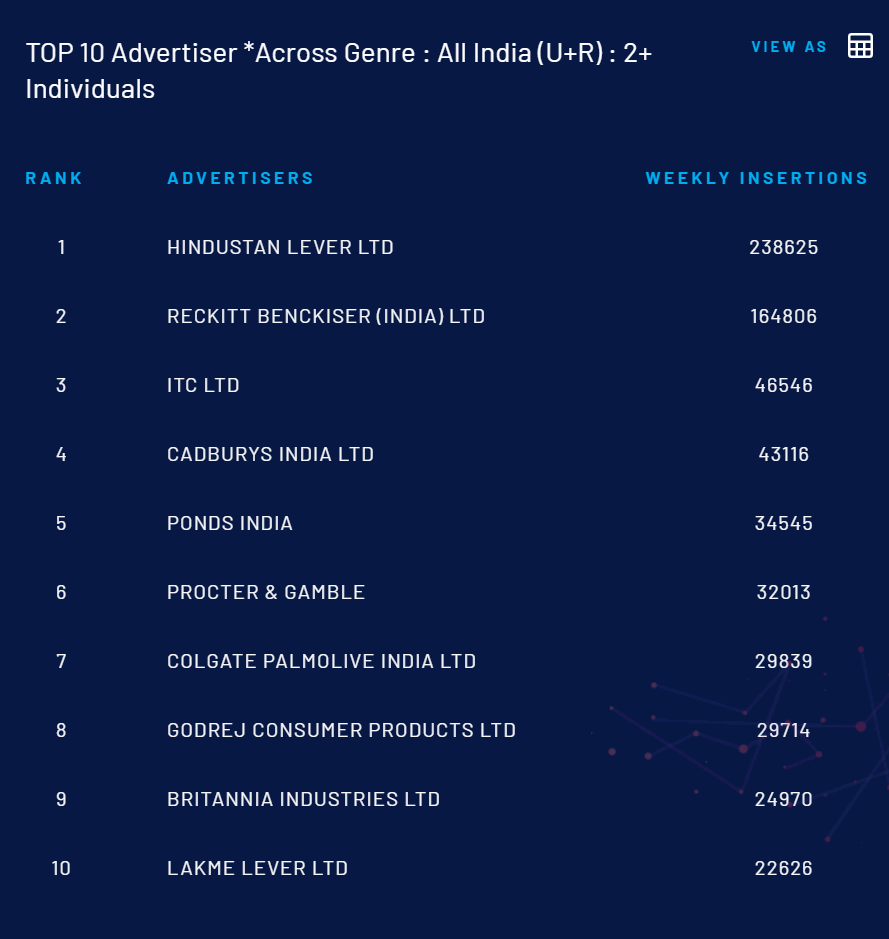
    Hindustan Unilever continued to be the biggest advertiser this week also with 238625 insertions.

    It was followed by Reckitt Benckiser India, which ranked second with 164806 ad insertions.

    ITC bagged the third rank this time with 46546 AMA. Cadbury came in fourth with 43116 ad insertions.

    Ponds India and P&G secured fifth and sixth place with 34545 and 32013 ad insertions.

    Other top brands in the pecking order were as follows: Colgate Palmolive India Ltd, Godrej Products, Britannia, and Lakme.

    Top Brands:

    This week Lizol led the charts with 20463 ad insertions, followed by Lalithaa Jewellery with 19994 AMA. Dettol Antiseptic Liquid secured the third position with  17687  ad insertions.

    The fourth and fifth spots were acquired by Policybazaar.com and Dettol Toilet Soaps 17620 and 15983 AMA.

    Jio Postpaid Plus bagged the sixth spot with 15013 ad insertions.

    Other top brands in the pecking order were as follows: Vimal Elaichi Pan Masala, WhiteHat Jr, Glow and Lovely Advanced Multivitamin, and Dettol Liquid Soap.

  • Indian Brand Mivi Launches First Made in India Bluetooth Speaker ROAM 2

    Indian Brand Mivi Launches First Made in India Bluetooth Speaker ROAM 2

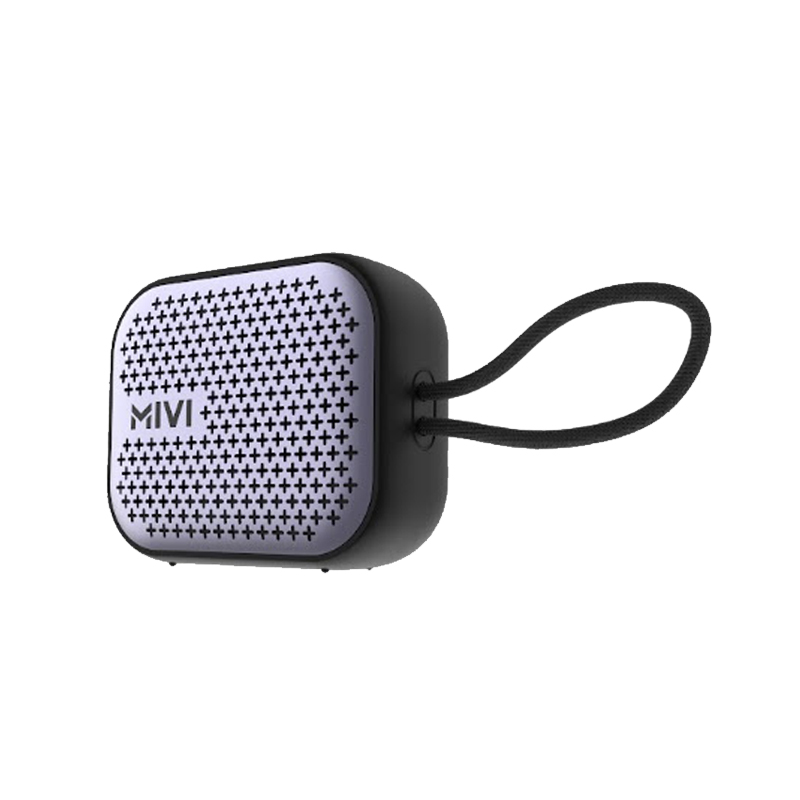
    Mivi, a homegrown electronics brand, today launched its first Made in India product. ROAM 2 which is the upgraded version of its highly successful product ROAM 1.0 is the 1st Bluetooth speaker which is fully Made in India. This is the first product Mivi has produced in India end to end i.e. from imagining it, to designing it, to building it, to fixing it, to testing it and even boxing it right in our country. 

    The company was previously designing and developing the products in India and was getting the products manufactured from other countries. Now, the company has taken the fast strides into the manufacturing space by setting up its own unit at Hyderabad, India. This also aligns with the Prime ministers’ Vocal for Local and Aatma Nirbhar initiatives. The launch of this plant marked the beginning of a new journey for Mivi- to imagine, design, engineer and build locally but also to compete at international standards.

    Midhula Devbhaktuni, Co-founder, Mivi, shared, “Within a short span of time Mivi has become a most sought out brand in the Audio technology space. The market response and the success of our products have propelled us to take the plunge into manufacturing space and we have set up fully integrated manufacturing unit in India and soon we will be making all the products completely in India. We are sure that this product will become even bigger and successful than its predecessor Roam 1.0 and will soon become the most sought-after Bluetooth speaker.”

    Roam 2 is a 5-watt speakers and has 24 hours of play time at mid volume, Aircraft grade aluminium grill, Bluetooth 5.0 and many more exciting features. The biggest advantage for Roam 2 is its sound. It has a HD Stereo Sound and powerful bass that has been fine tuned for the Indian audience’s preference of hearing music. Roam 2 is available in 4 beautiful metallic colors and is completely dust and waterproof. It will not be wrong to say, this speaker is really pushing the limits of audio technology.

    The brand has been disrupting the audio space with its high-quality audio and charging products for a while now. The founders remain confident that the customers will encourage and support an Indian brand with an exceptional product and value pricing over other foreign brands. They believe that many first time customers will join the brand with this flagship product and we just couldn't agree more!

    The speaker retails for Rs. 1199. It is available at Mivi.in, Amazon and Flipkart right now.

  • BARC week 48: PolicyBazaar leads the brand list

    BARC week 48: PolicyBazaar leads the brand list

    MUMBAI: The Broadcast Audience Research Council (BARC) of India has released its data for top advertisers and brands for the period between 28 November and 4 December 2020.

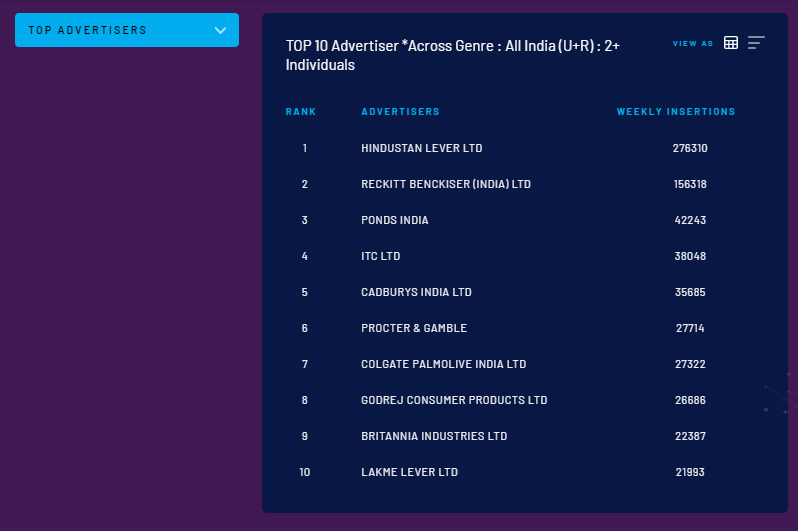
    The data reflects the top 10 advertisers and brands across genres on India’s television, 2+ Individuals, NCCS. All demonstrating ads that were inserted the most in week 48 of 2020.

    Top Advertisers:

    Hindustan Unilever continued to be the biggest advertiser this week also with 276310 insertions.

    It was followed by Reckitt Benckiser India, which ranked second with 156318 ad generations.

    Ponds India bagged the third rank this time with 42243 ad AMA. ITC came in fourth with 38048 ad insertions.

    Cadbury India and P&G secured fifth and sixth place with 35685 and 27714 ad views respectively.

    Other top brands in the pecking order were as follows: Colgate Palmolive India Ltd, Godrej Products, Britannia, and Lakme.

    (Advertisers data pic)

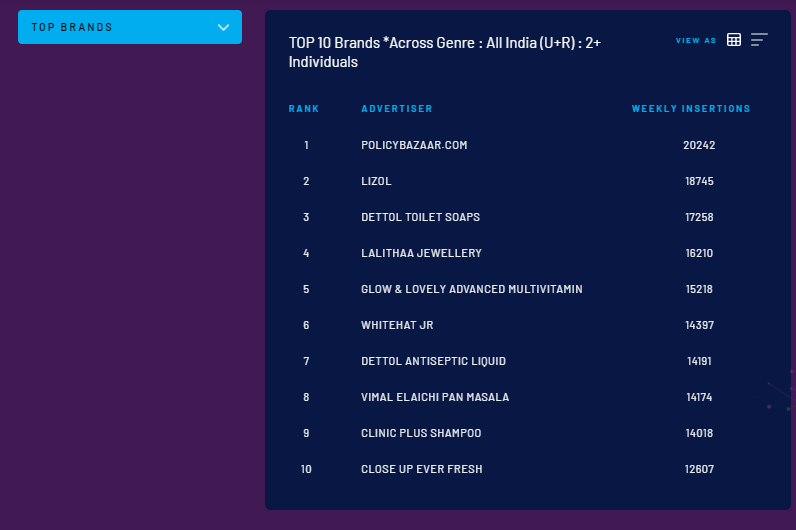
    Top Brands:

    This week PolicyBazaar.com led the chart with 20242 ad impressions, followed by Lizol with 18745 ad views. Dettol Toilet Soaps secured the third position with 17258 ad insertions.

    The fourth and fifth spots were acquired by Lalitha Jewelery and Glow & Lovely Advanced Multivitamin with 16210 and 15218 ad AMA.

    WhiteHat Jr bagged the sixth spot with 14397 ad views.

    Other top brands in the pecking order were as follows: Dettol Antiseptic Liquid, Vimal Eliachi Pan Masala, Clinic Plus Shampoo, and Close Up Fresh. 

  • PubNation: Converging segregated data should be next big martech success

    PubNation: Converging segregated data should be next big martech success

    NEW DELHI: The confluence of marketing and technology has reshaped how sales and promotions are done by marketers. With the infiltration of digital technologies even in the remotest corners of the world, marketers now sit on loads of data and possess the means to target their customers better. However, most of them might be missing the bus by a few miles. 

    Dentsu Performance Group CEO Vivek Bhargava pointed out, “There is so much information we have in the marketing world that we are not using effectively to make advertising more targeted and result-oriented. The data remains segregated in so many disparate sources and we need to connect them.” 

    He was speaking at PubNation (print & digital) organised by Indiantelevision.com, in partnership with Quintype and Gamezop, in a panel discussing ‘Marketing & Technology: Two Sides of the Same Coin.’ Other speakers on the panel, moderated by Indiantelevision.com founder, CEO, and editor-in-chief Anil Wanvari, were Affle co-founder, chief revenue & operating officer Anuj Kumar, Xaxis country head – India Bharat Khatri, Gamezop co-founder Gaurav Agarwal, Publicis Groupe COO – Indigo Consulting Jose Leon, Schbang co-founder, chief design & technology officer Sohil Karia, and Foxymoron & Zoo Media Network co-founder Suveer Bajaj. 

    Bhargava cited the example of a food delivery platform to make his point. “Say one person gets registered on Swiggy and the platform doesn’t have any algorithm in place to identify what food one actually likes. It identifies it as a virgin. So, if in the past he has skipped 10 ads of various pizza-delivery platforms and had clicked on a keto diet programme, there is data in the marketing world available. There should be a merging of this data for both the platforms, so they can build on each other. This will create significant efficiencies on both ends of the system.” 

    He added that he sees a great opportunity for companies that can aggregate this data and find out niche tools to support this segment. 

    The panel agreed that there is a huge scope of growth in the martech world and digital advertising – if all brands start keeping consumers at the core of their marketing functions and not as mere numbers. 

    Kumar highlighted that it is very important for brands and marketers to understand how consumers are engaging with technology: what kind of devices they are using, what platforms they are present on, etc, to reach them better using the power of programmatic advertising. 

    Karia noted, “What I am seeing is that a lot many brands are now working with the D2C (direct to consumer) model and they have consumers at the centre of their experience. For B2B operations, websites are becoming their focus. While we speak about programmatic buying and driving traffic to the website, it is also essential to look at how we’re retaining these consumers and how we are serving them better during and after-sale. Personalising their experience on the site post-sale is how we can nudge them to make repeat purchases.” 

    He added that if the marketers have third-party data visible and the right tools to identify what industry is this person (customer) coming from and what are his preferences, they will be better able to serve him with a personalised experience on the platform. 

    In the same vein, Khatri highlighted, “If you look at young brands like Mamaearth, they worked excellently in the D2C category. They opened with a reverse approach that okay, I don’t want to create a big buzz or have millions of views on my YouTube videos, but they instead identified their target customers and pitched to them directly. They did not say that I want 10 million customers in that market but instead, they said that they want 50 per cent of their revenue from there and this is the return on my advertising spend I am expecting.” 

    He continued, “So, they got themselves present on each channel they found fit to reach their target audience. Be it through Amazon or Flipkart, or having influencers onboard whose single post or tweet would have converted into hundreds of buyers.” 

    There are more than 8,000 platforms today, offering various data and tech solutions, noted Leon, but what should remain any brand’s focus is to realise who the consumer is and what the consumer wants. “Is the platform able to differentiate the consumer behaviour on a real-time basis and hence you can go back to the advertiser and monetise it better? The way to this is to start (campaign) testing on digital platforms,” he advised.

    Another interesting insight was brought to the table by Bajaj, who said that marketers should also keep into consideration how technology can support and enable the content they are creating. 

    “Today, the right tools and technologies could even tell me what should I name my video, which ‘influencer’ should be starring in my video, what music I can use, what keywords are to be used, and how to package my video using predictive intelligence. That’s where open-source platforms guide us, they let us use their tools and marketing intelligence,” he stated.

    Agarwal seconded the thought and shared how better and engaging content can help acquire and retain new consumers. “With Gamezop, we work on a B2B2C model, that means we partner with publishers who want to create unique gamified experiences for their consumers and help them with that. So, we are in the process of creating better experiences where users might compete for discounts and offers.”

    The panel opined that publishers and advertisers both should be focusing on creating better experiences for consumers, and ethically use the data available to curate unique products and services. 

  • Amazon Prime Video brings ‘Watch Party’ feature to India

    Amazon Prime Video brings ‘Watch Party’ feature to India

    KOLKATA: In the era of social distancing, most people have sorely missed the experience of watching a movie in theatres with a gang of friends. Now, Amazon Prime Video is introducing a virtual group watch feature – so even if you're alone while tuning in to your favourite show, you will no longer be lonely. The streaming giant's customers in India can enjoy Prime Video Watch Party, a native social viewing experience on desktop that is available for Prime members at no additional cost to their membership. Earlier this year, Prime Video rolled out this feature in the US.

    Customers will be able to choose from thousands of titles available in Prime Video’s SVOD catalogue, including Amazon Originals such as The Family Man, Mirzapur, Inside Edge and Made In Heaven, and award-winning and critically acclaimed global Amazon Originals including Tom Clancy’s Jack Ryan, The Boys, Hunters, Fleabag, and The Marvelous Mrs. Maisel, Borat: Subsequent Movie, among many others.

    Prime Video customers are able to host and participate in Watch Party, providing synchronised playback which the host controls, and a chat feature to communicate with participants. Watch Party will accommodate up to 100 participants per session.

    In the wake of the Covid2019 crisis, co-viewing on OTT platforms has been on the rise as a way to stay connected with friends and family, to counter a crippled social life. In India, only Netflix offers such a feature, but on third-party extension.

    How can you enjoy the experience?

    1.      Find a movie or TV show – Click on the Watch Party icon on your screen for movies. You’ll find it in the episode list for TV shows.

    2.    Enter your name – Choose the name you’d like to use while chatting. Create your Watch Party.

    3.    Invite your friends – Share your Watch Party link with up to 100 people. Your friends can join by clicking on their link.

    4.   Start watching and chatting – Once everyone is ready, start your Watch Party. The host can play, pause, and skip for the group.


  • Pure-play digital media owners to enjoy 61% of overall ad revenues in 2021: GroupM

    Pure-play digital media owners to enjoy 61% of overall ad revenues in 2021: GroupM

    NEW DELHI: Digital advertising will have a 66 per cent share globally by 2024, indicated the recently released global end-of-year forecast by Group M in the report – This Year Next Year. According to the report, digital advertising is expected to grow by 8.2 per cent during 2020, excluding US political activity. This follows nearly a decade of double-digit growth, including the last six years, when it was better than 20 per cent globally.

    “Digital advertising for pure-play media owners like Amazon, Facebook, Google, etc, should be 61 per cent of advertising in 2021. This share has doubled since 2015 when it was only 30.6 per cent,” the report read. 

    Digital extensions and related media, including advertising associated with traditional media owners’ streaming activities (primarily on connected environments), will grow 7.8 per cent this year and 23.2 per cent in 2021.

    Revising its June predictions for the global advertising industry, the GroupM report has also highlighted that the industry will end up declining by “only” 5.8 per cent on an underlying basis (excluding US political advertising), in 2020. The earlier predictions had marked the decline at 11.9 per cent. However, the overall outcome still remains grim as compared to 8.7 per cent growth it had witnessed in 2019. 

    Television advertising will decline by 15.1 per cent, before rebounding to grow 7.8 per cent in 2021. Outdoor advertising is estimated to decline by 31 per cent during 2020, including digital out-of-home media. Next year should see a partial rebound, with 18 per cent growth.

    “Beyond 2021, we expect outdoor advertising to grow by low- or mid-single digits and generally lose share of total advertising; however, we do expect larger brands generally to allocate more of their budgets to the medium,” it stated. 

    Cinema generated less than $3 billion during 2019 and likely fell more than 75 per cent during 2020 given the absence of major studio releases in most markets around the world.

    Print advertising, including newspapers and magazines, is expected to decline 5 per cent for the year, a significant acceleration over the high-single-digit declines of recent years. However, those single-digital declines should resume following an economic recovery.

    Audio advertising is likely to decline by 24 per cent during 2020 as advertisers disinvest, in part, because of the medium’s dependence on away-from-home activities, such as driving. Digital extensions, including streaming services from terrestrial stations and their digitally-oriented competitors and podcasts, still attract relatively small audiences of a few billion, but help make the broader medium more appealing to marketers.

  • CAIT demands 7-day ban on Amazon for not indicating country of origin

    CAIT demands 7-day ban on Amazon for not indicating country of origin

    NEW DELHI: Expressing dissatisfaction with the Rs 25,000 penalty levied on Amazon India by the ministry of consumer affairs, the Confederation of All India Traders (CAIT) has demanded a seven-day ban on the e-commerce giant for not providing the mandatory details of 'country of origin' on the products sold on the platform.

    For the record, the ministry of consumer affairs last month sent a notice directing e-commerce portals to clearly display country of origin on products listed on their websites. However, Amazon and Flipkart were found to be non-compliant, and the former was fined Rs 25,000 for it.

    CAIT has said that the fundamental of levying the fine is to make offenders realise their fault so they do not commit the same offence again.

    “However, the paltry monetary penalty has no significance at all and it is demanded that a seven-day ban on Amazon and other big ecommerce companies who are continuously offending the law and policies, should be imposed on them… Let there be an exemplary punishment," CAIT wrote in a statement.

    CAIT national president BC Bhartia and secretary general Praveen Khandelwal said that imposing such a small fine on a foreign e-commerce giant for violating Indian law is nothing but a mockery of our judicial and administrative system.

    "The punishment should be equal to the damage caused by them on our economy and it should have reflected a clear message to the foreign e-commerce players," they said.

    Bhartia and Khandelwal added that in the wake of the magnitude of e-commerce business in India and PM Narendra Modi’s call for ‘vocal for local’ and Atmanirbhar Bharat, the description of the country of origin is now mandatory and for disobeying this law for the first time, the relevant ecommerce portal should be banned for seven days, for second offence, it should be banned for 15 days and for third offence, the portal should be banned till the time it complies fully with the law.

    They insisted that a fine or penalty should always be exemplary and be in proportion to the offence committed. Having this yardstick as the barometer, the fine of a token amount of Rs 25,000 is more like compromising with the law.

    Further, they claimed that there is some vested interest behind the continuous violation of the Indian law by these ecommerce companies and hence, the fine imposed needs to be steep.

    "Law should be equal for everybody and other ecommerce players (Flipkart, Myntra) should also face the heat for flouting rules. We are unable to understand why they were not fined. Such an indecisive attitude of the authorities towards the foreign e-commerce players is quite unreasonable," they added.

  • BARC week 46: Sprite makes a comeback in top brands list

    BARC week 46: Sprite makes a comeback in top brands list

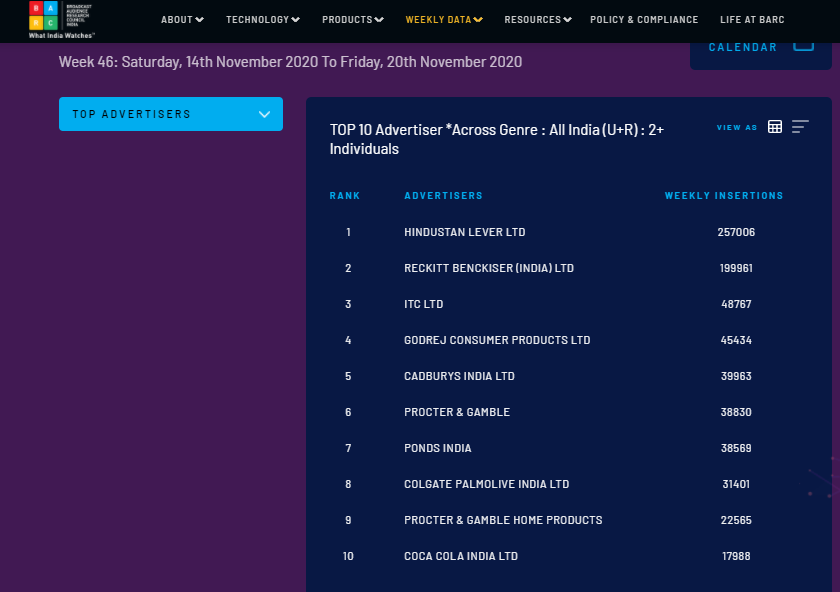
    MUMBAI: The Broadcast Audience Research Council (BARC) of India has released its data for top advertisers and brands for the period between 14 November and 20 November 2020.

    The data reflects the top 10 advertisers and brands across genres on India’s television, 2+ Individuals, NCCS. All demonstrating ads that were inserted the most in week 45 of 2020.

    Top Advertisers:

    Hindustan Unilever continued to be the biggest advertiser this week also with 257006 impressions.

    It was followed by Reckitt Benckiser India, which ranked second with 199961 ad generations.

    ITC bagged the third rank this time with 48767 ad impressions. Godrej Consumer Products came in fourth with 45434 ad generations.

    Cadbury India and P&G secured fifth and sixth place with 39963 and 38830 ad views.

    Other top brands in the pecking order were as follows: Ponds India, Colgate Palmolive India Ltd, P&G Home Products, and Coca Cola India.

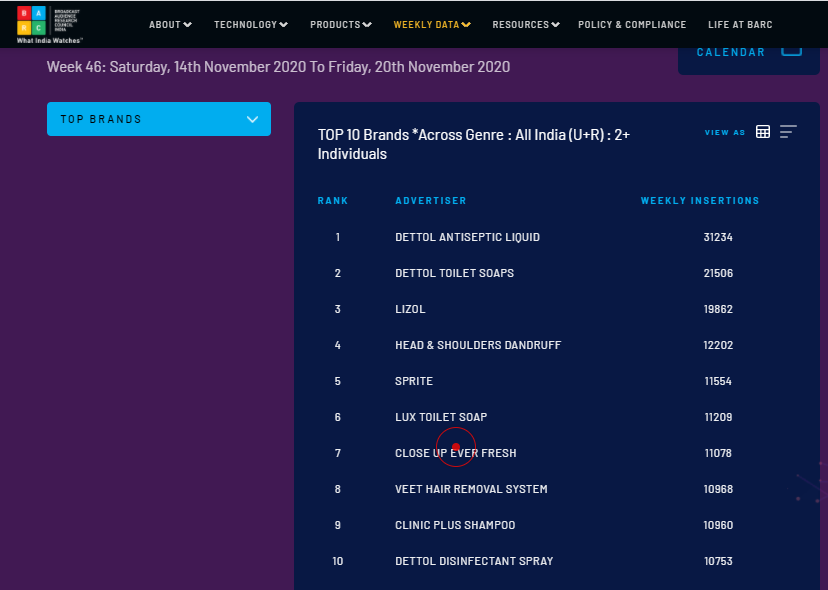
    Top Brands:

    This week Dettol Antiseptic Liquid led the chart with 31234 ad impressions, followed by Dettol Toilet Soaps with 21506 ad views. Lizol secured the third position with 19862 ad insertions.

    The fourth and fifth spots were acquired by Head & Shoulders Dandruff and Sprite with 12202 and 11554 ad generations.

    Lux Toilet Soap bagged the sixth spot with 11209 ad views.

    Other top brands in the pecking order were as follows: Close Up Ever Fresh, Veet Hair Removal, Clinic Plush Shampoo, and Dettol Disinfectant Spray.