Tag: ALTBalaji

  • Known actors profitable to web series: ALTBalaji’s Manav Sethi

    Known actors profitable to web series: ALTBalaji’s Manav Sethi

    MUMBAI: Bollywood actors are seeking refuge in TV and online series. The spurt of content with known big-screen faces points to a trend of getting value out of their established names.

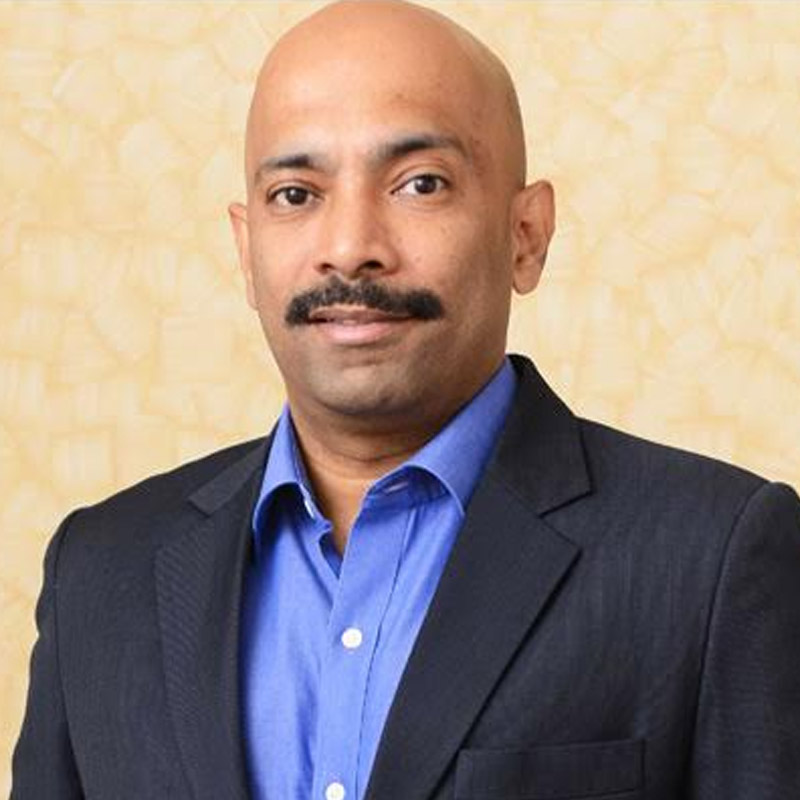
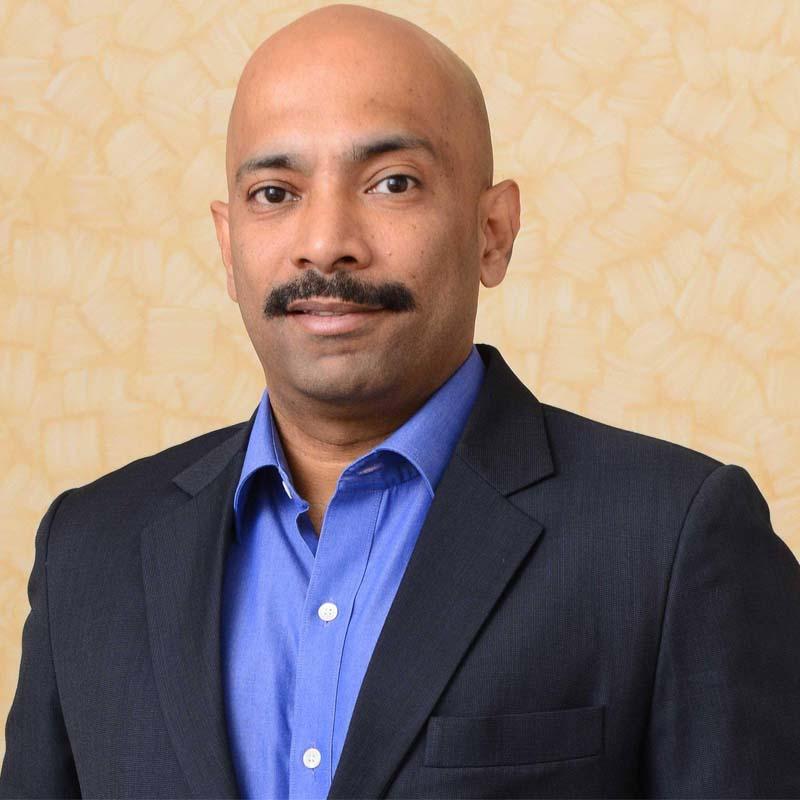
    ALTBalaji has launched a plethora of shows with A-list names. “It is more profitable to sign an actor when he does justice to the role and the script does justice to the actor. It is not about celebrity or non-celebrity. We are the first one to sign Rajkumar Rao for an online series. We, as creative shop and storytellers, don’t go behind celebrities, we go behind actors,” says ALTBalaji CMO Manav Sethi.

    Actor selection is not dependent on his one time success or failure. “When we script, we check which talent will be suitable,” he adds.

    The actor’s fee in movies is significantly higher than web series. Actors are paid in the range of Rs 50 lakh to Rs 1.5 crore for a series, which is significantly less than their movie fee. What makes them settle? Sethi answers, “Movie is a medium that is restricted and constricted whereas online shows give them a lot more freedom, versatility and options and I believe that entices them.” He adds that another crucial factor is the ability of web series to reach out to far and diverse audiences.

    The tactic also works for the creator because they can ensure their work reaches millions of people with less marketing and communication. The production cost goes up by 25-50 per cent if they sign a known face.  

    ALTBalaji launched a web series The Test Case on Republic Day with actors like Juhi Chawla, Nimrat Kaur and Rahul Dev. A few days back, ALT had roped in Vivek Oberoi for its upcoming web series Family (working title). Before that, it came up with Bose: Dead or Alive with Rajkumar Rao. Earlier, Ragini MMS Returns had the Bengali beauty Riya Sen. Soon, Haq Se will stream with Bollywood actors like Rajeev Khandelwal and Surveen Chawla in the lead.

    ALTBalaji is heating up the online content game by releasing web series back to back in 2018 with the promise of doing about 200-250 hours of original content this year. The VoD player is betting high on popular Bollywood and TV actors, which increases the cost but still gets them significantly better results.

    Also Read :

    Regional content on ALTBalaji to constitute 15% of show hours 

    Selective, snackable, short episodes, niche mktg vital, says Manav Sethi as ALTBalaji ranks among top OTTs

    ALTBalaji bets big on first-time producers with Haq Se

  • ALTBalaji’s ‘The Test Case’ stands out amongst the rest with raving reviews from the critics and the viewers

    ALTBalaji’s ‘The Test Case’ stands out amongst the rest with raving reviews from the critics and the viewers

    ALTBalaji’s eagerly awaited show ‘The Test Case’ featuring Nimrat Kaur in the lead, streamed on the ALTBalaji app and website on 26th January, 2018 and in just three days of its launch the #ALTBalajiOriginal has been a hit online!

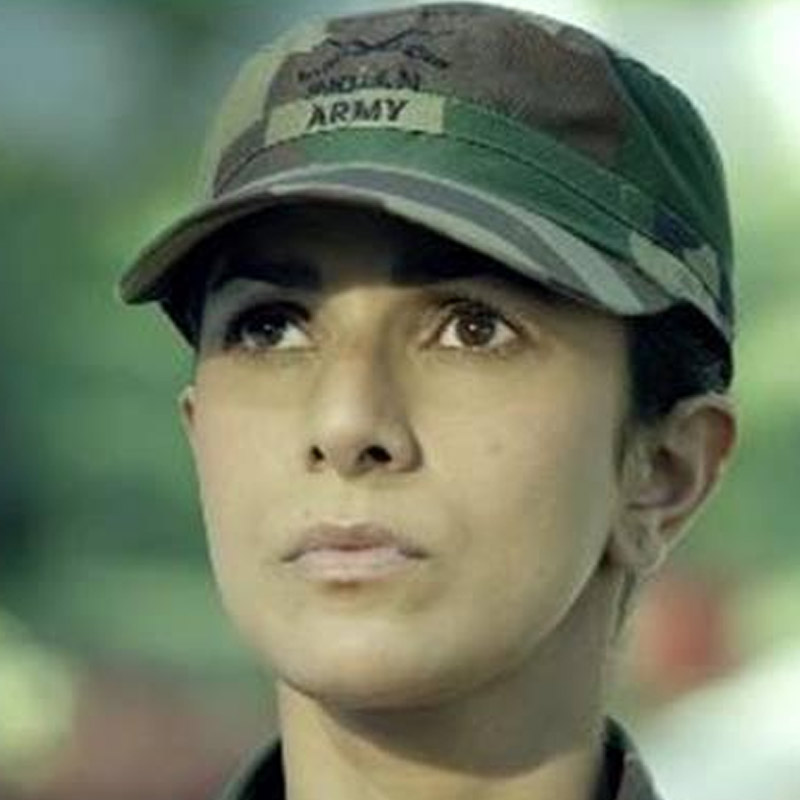
    Nimrat Kaur who essays the role of Captain Shikha Sharma in the show has passed the test with raving reviews from critics and the audience alike. The internet has been abuzz with viewers and critics praising the show’s concept, storyline, direction and performance of every actor, part of the show.

    The show has been garnering tremendous support from women as well as men from the different strata of life as it attempts to break gender stereotypes with its concept. ALTBalaji’s social media campaign #WomenInGreen has been an instant hit too with celebrities as well as the aam aadmi joining the campaign and urging others to do so.

    While the critics and audience are bowled over by Nimrat Kaur’s bravura act in The Test Case, performances by the talented Atul Kulkarni, Annup Soni, Rahul Dev and Juhi Chawla are also being appreciated.

    Being called #TheBestCase, it’s a show that’s ahead of its time and the one that should not be missed. The show attempts to highlight relevant issues around women in combat roles in Indian army as Captain Shikha Sharma (Nimrat Kaur) in the show is first such TEST CASE and her struggles and battles with traditionally male dominated but highly revered combat arm of Indian Army.

    Talking about the success of the show ALTBalaji of Officer Marketing Chief, Manav Sethi said, “We are elated with the response to The Test Case. It’s a powerhouse show of ALTBalaji and the one that’s ahead of its time. The show is different from other shows available on various other OTT platforms and we are glad that the show is appreciated for being distinct and stands out amongst the rest.”

    Directed by Vinay Waikul, featuring Nimrat Kaur, Atul Kulkarni, Rahul Dev, Manit Joura, Annup Soni, Sameer Kochhar, Akshay Oberoi and Juhi Chawla The Test Case is streaming now on the ALTBalaji app and the website.

  • ALTBalaji’s #WomenInGreen campaign delivers the goods

    ALTBalaji’s #WomenInGreen campaign delivers the goods

    MUMBAI: ALTBalaji original The Test Case has been the most talked about show since its release and owing to the buzz around the show a unique campaign has gone viral on internet. #WomenInGreen, a campaign initiated by ALTBalaji, salutes and honours those brave women who dare to wear the green army uniform and are ready to face every challenge and serve the country against all odds. The campaign was kickstarted by Ekta Kapoor who recently posted a video of herself on her social media handle talking about #WomenInGreen movement.

    The movement focuses on how women are playing all kinds of roles in real life today that were traditionally not available to them earlier. It encourages the idea that combat forces in Indian Army should open its doors for Indian women and raises a significant question like – don’t women also have a right to give their life for this country?

    Speaking about the campaign and its impact Manav Sethi, CMO, ALTBalaji said, “Women in combat roles is an idea whose time has come for India and Indian army. Our show The Test Case is an attempt in that direction. We have tried to identify issues and ask some relevant questions through this story as these questions have never been asked before. #WomeInGreen is a campaign to acknowledge and recognise women’s contributions to Indian army. To our surprise, what started with one such Instagram and Twitter post by Ekta and Nimrat, started to spread virally and is still growing. Wonder why many men haven’t participated in it yet!”

    In tandem with the theme of #WomenInGreen, the platform’s upcoming military drama is about India’s first woman combat army officer. The show attempts to highlight relevant issues around women in combat roles in Indian army as Captain Shikha Sharma played by Nimrat Kaur who is also the first TEST CASE. The story revolves around her struggles and battles with traditionally male dominated but highly revered combat arm of Indian army and is all set to stream on the ALTBalaji app and the website this Republic Day.

    By disseminating the message of this campaign, ALTBalaji wants to reinforce that women can achieve any goal they put their mind to and no obstacle is insurmountable. TV celebrities such as Krystle D’Souza, Madhurima Tuli, Nimrat Kaur, Surveen Chawla, Mouni Roy and Zuber Khan thronged the internet with videos of themselves in green supporting the initiative.

  • ALTBalaji, Reliance Jio in content partnership deal

    ALTBalaji, Reliance Jio in content partnership deal

    MUMBAI: With original content and a robust distribution strategy, ALTBalaji aims to reach out to a wide base of subscribers. In a bid to achieve these goals, the OTT platform has announced a strategic partnership with Reliance Industries Ltd (Reliance) to make available original content to customers of the online platforms of Reliance, such as Jio Cinema and Jio TV. This content would be enjoyed by all Reliance Jio (Jio) subscribers.

    ALTBalaji is available in more than 90 countries and caters to the need of Indian consumers and diaspora spread across the globe. Jio’s established user base of over 160 million will help to strengthen the distribution of ALTBalaji content.

    ALTBalaji group COO and CEO Nachiket Pantvaidya  said, “Our content caters to the Indian language mass audience and is targeted at 18-45 years demographic. The early response to our content has been good and now we wish to be available inside all environments where audiences exist and consume videos. We believe that our association with the Jio platforms will help us reach their consumers and let them enjoy the content we are proud to present. Our offerings have a very good fit with the Jio Digital Life eco-system.”

    Also Read:

    ALTBalaji is essentially everything that Balaji on TV is not: Sameer Nair

    ALTBalaji bets big on first-time producers with Haq Se

    2017: The year OTTs went regional in India

  • ALTBalaji bets big on first-time producers with Haq Se

    ALTBalaji bets big on first-time producers with Haq Se

    MUMBAI: There has never been a better time to be a producer in India. The entertainment industry, despite several challenges, is exploding with consumers willing to lap up stories that were not told before. In the race to experiment and create fresh content, two producers jumped into the pond of content production after being afforded the opportunity by one of the bigger OTT platforms-ALTBalaji.

    ALTBalaji is all set to kick start the new year with a big bang by launching a new Urdu web series Haq Se in the third week of January. The 20-episode series is an adaptation of classic novel Little Women by Louisa May Alcott, which is produced by the producers of Mano Rama Pictures – Karan Raj Kohli and Viraj Kapur.

    This is the first on air project of Kohli and Kapur and they have collaborated with Star Plus for two daily soaps. Manor Rama Pictures is aiming to set their second project with ALT in 2018 and have discussed a brief of another series with them.

    The digital series have many film-centric names attached to it, like, Ken Ghosh is the director of the series. The story and screenplay is written by Devika Bhagat, who has written the film Jab Tak hai Jaan whereas Renuka Kunzru wrote the dialogues for us. The star cast includes popular names like Rajeev Khandelwal, Surveen Chawla, Parul Gulati, Simone Singh, Rukhsar, Aanchal Sharma, Nikeesha Rangwala, Pavail Gulati and  Karanvir Sharma. Even, the DOP has earlier worked on the projects like Baaghi, and used a multi-camera setup for shooting the series in Manali and Mumbai. The series is filmed on two cameras on most days on Arri Alexa XT. 

    According to ALTBalaji CMO Manav Sethi, “The series is shot in Manali largely as we wanted to give the backdrop of Kashmir. As far as FY 2017-18 is concerned, this is the second biggest show of ours after Bose. It is a women-skewed show, although the average women-men skew on the platform is 45 and 55. We will be leveraging the marketing on television and largely on digital with an investment under a million dollar. Out of this, 70 to 80 per cent investment will be on digital. The total marketing budget for the year is under $ 10 million.”

    In an interaction with Indiantelevision.com, Karan Raj Kohli and Viraj Kapur shared the experience of their first digital project.

    Tell us something about your series and your experience while shooting it.

    Karan: Ekta Kapoor is a very dear friend, so on a random day we discussed doing a new show together. We met and shot some ideas past each other and then she came up with the idea to work on an adaptation of a classic novel called Little Women. It is a beautiful story based on four sisters in the era of World War II. We decided that we need to Indianise the story considering it’s based on a different time. We started the process and worked on adding more spices in the story, how do we make it more Indian, more coordinated with present age and more relatable to brand India.

    We decided to get Rajeev Khandelwal onboard. We also started casting while developing the characters. This was the most special part of the journey. We had several filters while casting. We had to ensure the girls looked Kashmiri and that they had similar features, they could speak a bit of Urdu, and each character stood out but seemed like a part of the same big family. 

    Is this your first web series?

    Karan: Yes, this is our first web series. We would like to call it a digital series, along the lines of other international platforms since this is not a show that releases completely on a social platform. The difference between a digital series and a web series is that the latter is free and meant for snacking and targets audiences that tune in and tune out. Whereas a digital series is paid content that is high concept and has the same challenges that film does to bring audiences to tune in for a fee. So it has to be cutting edge and fresh that is not available to audiences in other mediums i.e. TV or film. 

    Are you planning for a second season?

    Viraj: Yes, we already have a contract in place and are in talks for a second season. Since this is a novel adaptation, we have covered only 75 per cent of the first novel and there are three more sequels to the book so it is going to be a long series. Most probably, we are going to be doing one season a year, anywhere from 15-25 episodes. Digital series is a new medium, so later when things get more streamlined, there may even be two or more seasons in a year. The first season consists of 20 episodes.

    How much is the investment per episode?

    Viraj: It is a Rs 10-15 crore project. Generally for any web series on ALT, Netflix and Amazon, the budgets range from Rs 25 lakh to Rs 2 crores per episode and per episode cost of this project is somewhere between Rs 50-75 lakh.

    Did you get any advertisers onboard?

    Viraj: There is no in-film branding since it is paid content. One can tune in to watch episode after a pay-wall for a minimal annual subscription fee. We haven’t started our promotional process yet. But most part of it will be handled by Alt. We are going to have the trailer and episode launch in early Jan.

    How many days did it take to complete the shoot?

    Karan: 82 days – roughly about 50 days in Mumbai and 32 days in Manali. Our crew was local from Mumbai itself. We did not hire any locals from Manali. We had a line producer who was organising things there. The size of our team was about 100 people excluding juniors and 250+ with juniors.

    What are your previous works? What are the two projects with Star Plus?

    Karan: Yes, we were doing two projects for Star Plus, one is a finite series with about 100 episodes and the other one is infinite. They are still under wraps and will be on air soon. They are regular telenovela styled shows. However, Viraj and I want to create content that has a social message, a take home for our audiences. We do not want to create content solely for entertainment or for the sake of it. We want to put out content that leaves a lasting impact even after having switched off the TV or having left the cinema hall, something that stays with them, something to really think about right before they sleep. 

    What are your marketing strategies for Haq Se?

    Viraj: Since this is a digital series, we will be relying heavily on digital push like social media and digital mediums to promote this. From our end, we will be setting up interviews next month with the press and will be uploading bytes too on our social media pages.

    How are you going to earn from this?

    Viraj: We have been commissioned by Alt, we invest the entire amount and they procure it from us. It’s a cost-plus scenario for Manor Rama. However, the IP rights are with AltBalaji.

    Were the actors given any kind of special training?

    Karan: There were a couple of delays considering the director held workshops with the cast to make them all feel together, like blood bound sisters. We were to shoot the series in Kashmir first, but because of the slight unrest, we decided to shoot in Manali. 

    At which locations did you shoot?

    Karan: We have shot the series in Manali and Mumbai. Each prop in each room to bathroom, everything was sourced locally from Kashmir or designed from scratch. Every single location and thing and even a painting has been created from scratch for the shoot. Same goes for every costume, Winnie Malhotra has designed the outfits.

    Other than Urdu, what are the other languages spoken in the series?

    Viraj: The series is in Hindi with splashes of Urdu. It is a mix of three languages, i.e., Urdu, English and Hindi, primarily Hindi because we do not want to alienate our audiences, and we need to have mass appeal. But Urdu is very similar to Hindi, so our writers did a lot of research in terms of figuring out the right words, the local dialect etc.

    What are your other line-ups for the year 2018?

    Viraj: We are in talks with Star TV for two shows for which we have already shot pilots. We have another project that is still in the writing process. We are also making a film, that’s under wraps right now, but will be announced early next year. 

    Also Read –

    Regional content on ALTBalaji to constitute 15% of show hours 

    Ragini MMS Returns to ALTBalaji with racy marketing

    ALTBalaji show Bose ‘anthem of protest’ is full of adrenaline, says Hansal Mehta

  • Regional content on ALTBalaji to constitute 15% of show hours

    Regional content on ALTBalaji to constitute 15% of show hours

    MUMBAI: The year 2017 has witnessed the phenomenal growth of regional languages, such as Tamil, Telugu, Malayalam, Gujarati, Marathi and Bengali, over Hindi and English. OTT players like ALTBalaji, Viu, Amazon, SonyLIV, Voot, Hotstar, Netflix, and YuppTV have taken a deep dive into offering regional content this year.

    ALTBalaji CMO Manav Sethi observes that though English is a niche audience in India, most competitors aren’t focusing on originals beyond Hindi. “We realised that consumption from non-HSM has been growing where people watched these shows with subtitles. We have also noticed traffic coming from states and cities where these languages are predominant. Then we started to integrate the ‘potential’ universe from a marketing point of view to the ‘consumption’ universe and that is when interesting patterns and trends started to emerge. At that point, we started to invest in creating these stories in languages apart from Hindi as there is latent willingness to consume and pay for it, too.”

    ALTBalaji has released its first Tamil show Maya Thirrai with 16 episodes. Not only did it get audiences from Tamil Nadu but even Tamil-speaking population from Singapore and Malaysia. Even the Bengali original Dhimaner Dinkaal’s trailer garnered traction from Dhaka. “In the next four to six quarters, we will launch originals in more languages. 15 per cent of our total show hours will be regional content and we are heavily investing in it,” adds Sethi.

    ALTBalaji has already launched its comedy show Standup in various regional languages like Marathi, Gujarati and Punjabi. Now, it has announced dubbing of some of the most popular original shows like Karrle Tu Bhi Mohabbat, Dev DD, Bewafaa Sii Wafaa, Romil and Jugal and The Test Case in Malayalam, Telugu and Tamil languages for the regional audience.

    OTT giants believe South Indian languages have the biggest growth possibility and revenue potential. Sethi ascribes the highest revenue potential to the Tamil market because it has a higher payment curve, affluent audiences who are also educated and the mobile uptake is more.

    Viu is focusing on the Telugu-speaking regions with shows such as Cinema Pichollu, Pelli Gola and Pilla. Voot hasn’t tapped any new language yet but is working on three regional series. Amazon Prime has a line-up of many new Hindi originals that will be dub in multiple languages like Marathi, Tamil, Telugu and Bengali. It has already released some of the regional language blockbusters like Arjun Reddy, VIP2, Nene Raju Nene Mantri, Dhananjoy, Bhikariand others soon after their theatrical release. SonyLiv is also looking for an expansion in Marathi and Gujarati languages and it has started looking at south Indian and Bengali language now.

  • Regional OTT content more than just catch-up TV

    Regional OTT content more than just catch-up TV

    MUMBAI: The rise of digital content platforms has forever changed television viewing in India. The revolution in the over-the-top content (OTT) and video-on-demand (VOD) industry in the country is reminiscent of the growth of satellite television during the 1990s. Due to the rollout of 4G services and exponential growth in the smart phones, the OTT industry expanded widely in 2017 in India.

     In the past two years, the competitive landscape has evolved quickly with the entry of 25 to 30 OTT service providers in India. There were nearly 10 investments in OTT and OTT technology companies during 2016 and competition is heating up in terms of who is acquiring the exclusive rights of TV shows as well as in terms of launching originals. Millions of rupees are being invested in content production and acquisition by all major players. According to the Accenture 2017 Digital Consumer Survey, the surge in VOD in India is pegged at 78 per cent, which is growth in the number of consumers of VOD services in India.

    When a brand addresses a regional demographic in its language, it builds an emotional connect with it. Likewise, when video content players such as OTTs serve content in vernacular mediums, people tend to associate better with them. And 2017 has seen almost every player dive into the regional language pond.

    The entertainment sector has woken up to the huge potential of the regional OTT language content with platforms like ViuClip, YuppTV, Amazon, ALTBalaji, SonyLIV, Voot, Hotstar, and Netflix providing exclusive regional content.

    In an interaction with Indiantelevision.com’s Kirti Chauhan, Viu country head (India) Vishal Maheshwari, ALTBalaji CMO Manav Sethi, Voot COO Gaurav Gandhi, Amazon Prime Video content director India Vijay Subramaniam, SonyLIV EVP and head digital Business Uday Sodhi, YuppTV CEO Uday Reddy, and Amagi Media Labs co-founder Baskar Subramanian spoke about the current scenario of regional content language on various digital platforms. The inputs by media experts of the industry from Stratagem Media MD Sundeep Nagpal and Lodestar Media GM Deepak Netram overviewed the role and the potential of regional content in the OTT space.

    Among the trends that emerged, include: the current OTT ecosystem is geared towards serving the youth. Said Netram, “Maximum users are in the age group of 18 to 34 years spending 15 minutes plus on average on consuming content via apps and more than 55 minutes overall in a day.”

    Defining regional content

    “Content available in languages catering beyond the Hindi and English-speaking masses in India would be categorised as regional content. The focus of the content is shifting from what is popular across India to what is popular in a select region. At Viu, we are creating relevant and contemporary entertainment to cater to these masses,” commented Maheshwari.

    Gandhi said that besides Hindi, the VOD’s focus on regional languages like Marathi, Kannada, Bangla, Gujarati, and Tamil.

    Amazon Prime’s Subramaniam thinks that their content mix is significantly local. “We have a line up of multiple new Hindi originals coming up that would also be dubbed in multiple languages. We already offer the latest movies in Marathi, Tamil, Telugu and Bengali,” he said. In Bengali, we have tied up with Shree Venkatesh Films, in Tamil, we have partnerships with Dream Warrior Pictures, V Creations and Studio Green; in Telugu, we have tied up with Lakshmi Narasimha Productions, DVV Entertainments, and in Marathi we have tied up with Everest.”

    Amazon Prime Video availed some of the blockbusters of 2017 like Arjun Reddy, VIP2, Nene Raju Nene Mantri, Dhananjoy, and Bhikari soon after their theatrical release.

    The new player in town, ALTBalaji, has added another angle. “Regional content cannot be defined under state boundaries. The democratisation of labour and movement in jobs have showed that language travels across the region from where it originates. So, it will be wrong to look at regional content from location stand point, it has to be looked at from language stand point,” said Sethi.

    The early entrant, YuppTV, shared plans to have Telugu content. For now, it is launching content in Tamil and, going forward, it will feature content in Malayalam, Marathi, and Bengali, too.

    SonyLIV’s Uday Sodhi is gung-ho about regional content. “Besides Hindi, we have a strong catalogue of Bengali content. We are now aggressively looking at adding other languages on our platform as we have created original shows in Marathi and Gujarati. We are looking for acquiring content in south Indian languages to make our regional language portfolio strong,” he said.

    According to Netram, 25 to 30 per cent of the audience visiting the OTT platforms consume regional content and it is expected to reach around 50% by 2018. Maharashtra and the South are the two dominant markets in India at the moment.

    Beyond catch-up TV

    While discussing the restrictions of regional content, Amagi’s Baskar Subramanian said, “I feel that regional OTT is largely driven by television content like what they call catch-up TV.”

    Sodhi, however, believes that catch-up TV is the starting point for consumers because they are familiar with it. SonyLIV is witnessing significant consumption of films, short films and original shows on the platform.

    Sethi offers a different perspective. “Not many investments are being made in creating shows or narratives or stories that have the propensity to be consumed by 10 to 20 million people outside TV. But now ALT is investing a lot in creating shows outside TV.”

    Added Maheshwari, “Video on demand around the country has moved beyond catch up TV. While there is a sizable amount of regular television content consumption on these platforms, the growing effort to create locally relevant originals is establishing the demand for experimental and fresh content created for the digital-first audience.”

    YuppTV, which already has a big basket of TV content to watch on-demand, now has a small basket of originals for binge watching. Reddy said that they have created their own linear TV playout so people can watch it like a typical TV format as well. “We have created epic engagement of audience with our own and syndicated content. Our goal is to have 20 per cent of our own YuppTV content. We will be announcing four more shows soon.”

    Besides making Viacom18’s TV shows available as catch-up TV, Voot is providing exclusive content around the TV shows. Gandhi said that they are now starting to create original series for Voot in regional languages.

    Working with language experts

    Viu works with creative minds from the particular region they are catering to. This builds a content base for them that the millennial audience can resonate with. Said Maheshwari, “We are consistently working with creative talent that has the knowledge and expertise to create content in specific regional languages. We have an in-house team of researchers who dive deep into market and consumer insights. We work with studios big and small, independent producers as well as creative folks.”

    Reddy said that they have content team experts who had been in the industry and going forth, they will be hiring more experts for other regional languages.
    Gandhi added, “We work with our TV networks in each of the regional markets to create and curate the content in the respective language. We also have a regional content team at Voot, which focuses on shows for their respective language.”

    SonyLiv, meanwhile, has a team that looks at the content and understands the content beyond languages.

    Even Amazon’s Subramaniam said that the platform has dedicated teams that assess content demand amongst customers in each region based on various factors.  “A combination of these factors decides our content strategy.”

    Sethi too agreed on having a language expert on board, giving the example of the soon-to-be released Bose and Dhimaner Dinkal series, which have a Bengali expert. “Our choice of the production house is also guided by the person’s understanding of the nuances of that particular region’s language, traditions, culture, and many more things.”

    “The benefit of taking OTT players to regional sectors is that they give them a platform to talk to the local audiences in their language, helping advertisers to engage more efficiently,” pointed out Netram. Nagpal, however, thinks that the benefits for OTT players is just to capture eyeballs from a different screen and different audiences, while they are young, with fresh content and win them over from TV.

    Market research

    According to Sethi, both primary as well as secondary research needs to be done before undertaking a new language sector. “Our secondary research is all about the shows, which have come live, sources of data that have guidance, whether the show worked in particular region, how did it work, what was the monetisation opportunity in that show and many more. From the stand point of primary research, it is largely based on picking up the focus group. While doing our Bengali show research, we spoke to a group of Bengali people to identify the kinds of stories and drama they would like to consume. In our secondary research, we looked at the data consumed on Facebook and Youtube along with the growth in consumption.”

    Baskar Subramanian believes that there are two things to consider for regional content creation. First is the economics of production and second is the cultural nuisances of those regions that can be captured exclusive to the TV content.

    Maheshwari said, “Our strategy is deeply anchored in technology and consumer insights. Research affirms that regional content on OTT will command close to 30 per cent of the overall share in the years to come. Indian language internet users will drive the next phase of internet adoption in India. This new generation of users will come on board from tier 2 and tier 3 cities. With this potential increase in consumer base, there will be immense demand for intriguing regional content.”

    Sodhi said that they have we looked at the original content in language while doing Marathi and Gujarati shows. He said, “We found that both are underserved markets and, besides the television content, there is very little digital only content is available but a lot of our consumers come from these regions, which made it a perfect combination to serve content in these languages.”

    “At Amazon, we keep customers as our prime focus. The best way we customise and select our content is by giving our consumers what they want. We invest a lot of time and effort in market research to understand what customers want in order to deliver it to them,” said Subramaniam.

    Voot is currently open only to those languages on that have a strong TV network content. Based on internet penetration, digital video penetration, content availability, and preference of the native language over Hindi, Voot is looking at opening other markets, too.

    Said Nagpal, “Given the rapid penetration of mobile and growth rates of internet services in the hinterland, as well as the reducing tariff rates of bandwidth and downloads, the biggest challenge can well be to produce compelling content.”

    Content creation and marketing strategies

    For promotion, Voot uses its TV networks and other digital media assets as well. ALTBalaji, however,  focusses largely on digital for marketing. “On digital, it becomes easier for us to target in terms of reach and frequency,” added Sethi.

    At Viu, the content ecosystem is driven by consumer demand and their anticipated entertainment needs. This includes a mix of licensed and originally created content. The platform is focussed on locally relevant content in every market and does not believe that one size fits all. “We knew Korean dramas did well in Malaysia and Indonesia, and decided to put the content on our Indian app as well. Since then, we have witnessed a lot of consumption by a small group of people,” said Maheshwari

    Sodhi’s team is capable of targetting the right content to the right user with the help of analytics, which tells them which audience is coming from which spoken language region. And, similarly, based on the content engagement matrix of YuppTV, Reddy and the team designs the content strategies. YuppTV has its own platform intelligence to build the content strategy. For marketing, they use social media platforms.
     
    Revenue potential

    As the audiences grow across regional language content, monetisation will grow as well. “While this was small so far, it is beginning to become interesting,” Gandhi believes. “It is an early evolving market. We are still at early stage when revenue started coming in. However, we are confident that over the next 12-18 months, we will see significant numbers in revenues,” said Sodhi.

    “With urban markets saturating with content, the regional content demand will be the next thing that OTT platforms are likely to tap into. This will command close to 30 percent share in overall revenue,” Maheshwari added.

    “After Hindi, regional has acquired the maximum share in terms of viewership and monetization ability. From monetization and ROI stand point, largely Tamil language has the highest potential because it has far invite, they are higher on payment curve, they are affluent, they are educated and the mobile uptake is more,” said Sethi.

    While sharing the current regional content on their platforms Sethi said, “15 per cent of our total number of hours of shows will come from regional content. We are investing a lot in regional talent across genres because they have tremendous appeal in terms of following. However, SonyLIV currently have regional content of around 10 per cent, besides Hindi and English, said Sodhi.

    Nagpal commented that OTT content can be made available for advertising almost immediately, but it would take about 2 years to reach a critical mass for advertisers to recognize its value. But the options to market can be many more than just airtime. Wherein, Netram thinks that this is an active aspect, monetization has already started and is expected to further ramp up looking at the consumption pattern. He said, “OTT Platforms like Ozee are centered on the regional content and are monetizing it well.”

    Regional programming

    Maheshwari said that there is an immense scope for original content in regional language. “For Viu, we are focused on creating and providing a mix of regional content beginning with Hindi and Telugu. Currently, we are focusing on Telugu as a region with shows such as Cinema Pichollu, Pelli Gola and PillA. We aim to provide undubbed shows. Instead, we are creating bilingual content in Telugu and Hindi that has universal appeal.”

    Gandhi agreed and said, “We are already working on digital original series across 3 regional languages already.”

    Subramaniam believes that homegrown and original content are significant drivers of viewership and box office collections already. Local stories help them to remain relevant, relatable and eventually widen audience reach.

    Sethi, Reddy and Sodhi accepted that the market has tremendous scope. And the regional content growth will only come from original shows made in various regional languages.

    Where Nagpal thinks that Regional advertisers are still not enthusiast about digital regional content, Netram believes they are.
    Nagpal said, “Not yet, but this will not take time, once the content starts flowing out. There are enough regional success stories to go by. However, “Netram said, “Yes the OTT Platforms are very kicked about the regional content and the same is shown by the way it’s been consumed, special web series in the regional language have also been created.”

    Growth potential

    Gandhi said “Our biggest regional language on Voot is Kannada. We are also seeing good growth in Marathi. We are extremely bullish on our Tamil language play as well, especially as we launch our TV network in that market soon.”

    Sethi believes that Tamil, Bengali, Kannada and Telugu languages has the biggest scope for growth.

    Sodhi said that they have seen significant adoption for South Indian languages which includes Tamil, Telugu, Kannada & Malayalam and then Marathi, Gujarati, Bengali and Punjabi by audience.

    Because YuppTV have started a little early in Telugu, the platform has higher audience numbers in it. Reddy firmly believes that Telugu, Hindi and Tamil, other regional languages like Malayalam, Marathi and Bengali have a big scope for growth.

    Maheshwari said, “We have launched Telugu and Hindi, we are contemplating other language content to get added to our regional repertoire.”
    Netram said, “Identify content that is working well on TV, get the same content in the regional language, for example if a big reality show on TV gets the highest viewership. South being the second highest region to consume regional content, the same could is also been leveraged on OTT.” However, Nagpal only suggests to just watch the growth of technology.

    While talking about the investment in regional content language, Maheshwari said, “Content investment is required to seed adoption. This investment partly goes towards licensing content and partly towards producing originals. In a market like India where there are many OTT players, differentiation is the key. When we do originals, we let the script, production quality required for the script to reach its full potential and audience reach and monetization expectations define the budget for a show. Sometimes, it is well below TV production scale and sometimes it is much bigger.”


  • OTT platforms to captivate Gen Z on Children’s Day

    OTT platforms to captivate Gen Z on Children’s Day

    Mumbai: Today’s kids, a part Generation Z, hold a lot sway when it comes to decision-making in the Indian household. Their say is not limited to what is watched on television or viewed on OTT platforms. As a result, kids’ content on OTTs has become a rapidly growing segment. According to Vidooly, YouTube’s video content for kids ranked third with 1.3 billion views in September alone. A McAfee report suggests that 84 per cent Indian parents allowed their child to bring an internet-connected device to bed. Parents often hand over their mobile devices to children to keep them busy enabling them to watch online content.


    This Children’s day (14 November), various OTT and VOD players plan to shoot twinkling rockets of educational and entertaining content for kids. Here’s a look at what some of the platforms are doing:


    ALTBalaji

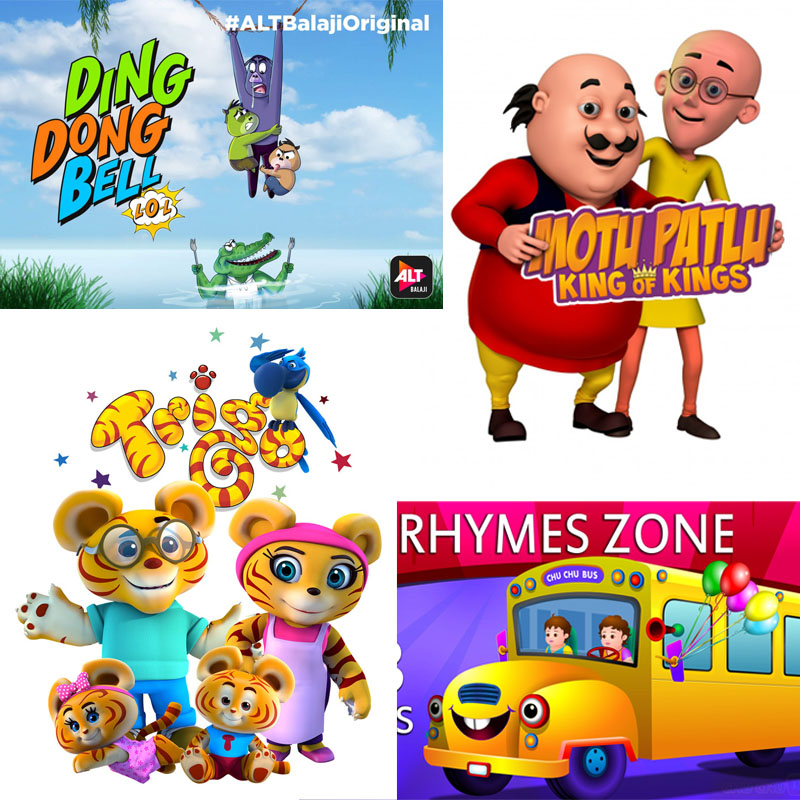
    ALT has five originals shows for kids. It will be streaming its top series, Get Crafty With Rob, in which do-it-yourself expert, Rob, takes parents and kids on a creative journey with easily available everyday materials, Ding Dong Bell L-O-L, a story of two friends Ding and Dong who are fun loving and believe in experimenting, and Moe Doe The Frenemies, which is a story of a wonderful and adventurous journey of Moe who is a little boy and Doe who is a baby dinosaur, are also a part of the line up.

    Apart from the shows, ALT has a bucket full of the most iconic nursery rhymes, compiled especially for young ones to learn, sing, dance and express themselves. For making shapes and maths more colourful and interesting, it has Happy Lucky ki Katti Batti that is a story of Happy, Lucky, and a flying squirrel, Tabby.


    Amazon Prime

    Amazon Prime is offering an extended variety of national and international content for kids. Kids can watch originals like Stinky and  Dirty, Just Add Magic and Wishenpoof. It is also streaming a series of old and popular international favourites like Powerpuff Girls,Dexter’s Laboratory and Johnny Bravo. In our very own Indian content, Prime has kept all-time favourite Tenali Raman, Chhota Bheem, Mighty Raju, and Selfie with Bajrangi and Baahubali – The Lost Legends accessible.


    Chu Chu TV

    Chu Chu TV is one of the most successful YouTube channels for kids content in India. On Children’s Day, Chu Chu TV will be playing regular shows along with the nursery rhymes with the message of love, sharing and caring. Apart from this, the team has a tour plan to visit schools in Chennai. Regarding their visit, CEO Vinoth Chandar says, “We are going to three to four schools in Chennai and will be playing our content on the projector to entertain as well as educate them.” For LKG, UKG, first- and second-standard students, a colouring contest has been organised with certificates and gifts. Primary and upper-grade students will get sketch colours, pencils, cups etc. Third, fourth and fifth standard students will get Chu Chu TV branded pens.


    Lattu TV

    Lattu TV recently launched its app and will have shows like The Treasure Hunt, Talking Tom and Friends, Trigo, Maya – The Bee, Lee & Coco and more. Apart from online streaming, the team of Lattu TV is going on a social cause tour. Lattu TV CEO Vivek Bhutyani says, “The entire team of Lattu TV will be going to a kids orphanage and we will be showing our content to them. We are creating a small screening room for them and will be playing The Treasure Hunt. It will be like a theatre for them. We are taking our mascot Trigo, who will be playing with the kids. We will play games with the kids and, in the end, we will give them gifts.”


    YouTube Kids

    A while back, YouTube launched a dedicated app for kids to enable a safe and secure platform for educational and entertaining content. Starinn, a budding channel on YouTube Kids, is also launching a new channel called Go Yoga, wherein a mother-child duo (Tina and Daria) will be doing inspiring yoga, on Children’s Day.

  • Balaji Telefilms reports improved results

    Balaji Telefilms reports improved results

    BENGALURU: Ektaa Kapoor-led Balaji Telefilms Limited (Balaji Telefilms) reported improved consolidated revenue for the quarter ended 30 September 2017 (Q2 2017-18) as compared with the corresponding quarter a year ago (y-o-y). Revenue from Balaji Telefilms’ recently launched OTT business, ALTBalaji, grew by 53 per cent to Rs 12.33 million in Q2 2017-18 from Rs 8.05 million in the trailing quarter. ALTBalaji was launched on 16 April 2017.

    Balaji Telefilms’ total income increased by 6.3 per cent y-o-y to Rs 1,165.71 million from Rs 1,096.6 million. Operating revenue grew by 3.7 per cent y-o-y to Rs 1,097.82 million from Rs 1,059.08 million mainly on higher realisation per hour from its television business or commissioned programmes. While the company reported the same number of commissioned programming hours–240 hours for the current quarter as compared with Q2 2016-17–the realisation per hour in the current quarter was Rs 3.2 million as against Rs 2.6 million in the corresponding quarter a year ago. Its other business besides ALTBalaji, the movies business, reported a decline of 28.8 per cent y-o-y in revenue in the current quarter to Rs 307.55 million from Rs 431.87 million as no films were released during the quarter.

    The commissioned programmes business had operating profit of Rs 103.55 million in the current quarter as compared with Rs 79.15 million in Q2 2016-17. The films business reported operating profit of Rs 60.20 million as against operating loss of Rs 259.98 million in the comparative quarter last year. ALTBalaji incurred operating loss of Rs 202.86 million as compared with operating loss of Rs 43.49 million in the trailing quarter.

    Balaji Telefilms reported consolidated loss of Rs 138.4 million in Q2 2017-18 as compared with loss of Rs 279.92 million in Q2 2016-17.

    Balaji Telefilms’ total expenditure for Q2 2017-18 reduced by 7.2 per cent y-o-y to Rs 1,251.88 million from Rs 1,349.7 million. Cost of production/acquisition and telecast fees in the current quarter increased by 23.6 per cent y-o-y to Rs 971.08 million from Rs 785.45 million. Employee benefits expense during the quarter increased by 23.7 per cent y-o-y to Rs 84.21 million from Rs 68.06 million. Marketing and distribution expenses in the current quarter reduced by 60.3 per cent y-o-y to Rs 77.65 million from Rs 195.47 million. Other expenses rose by 52.4 per cent to Rs 143.54 million from Rs 94.16 million.

  • ALTBalaji’s Nachiket Pantvaidya promoted to Balaji group COO

    ALTBalaji’s Nachiket Pantvaidya promoted to Balaji group COO

    BENGALURU: Nachiket Pantvaidya’s success with Balaji Telefilms’ OTT platform ALTBalaji has led to his elevation as Balaji Group COO. He will continue to remain CEO of ALTBalaji.

    Commenting on the appointment Balaji Telefilms managing director Shobha Kapoor said, “Nachiket joined ALTBalaji nearly two years ago and has successfully created a strong and valuable B2C brand at ALTBalaji. He brings strong leadership and management skills and will now work closely with the television and movies business to help transform the company as we now work to reach Indians globally across multiple screen formats. We wish Nachiket the very best and look forward to bringing together all our collective strengths and expertise to create value for our shareholders.”

    Pantvaidya joined ALTBalaji in 2015. The Balaji OTT platform soon climbed to new heights after its launch in April 2017.

    Balaji Telefilms claims that ALTBalaji has been ranked as the third best video streaming app by revenue in the latest App Annie survey. The company claims that the app has been downloaded 8.9 million times and that it is available globally and on all the leading OS.