Tag: Akbar & Birbal

  • DishTV launches Kids Active in partnership with Shemaroo

    DishTV launches Kids Active in partnership with Shemaroo

    MUMBAI: Value added services has been a focus area, a clear differentiator and an integral part of our offering. By not leaving any stone unturned in order to provide a wide range of content and services to its subscribers, DishTV Asia’s largest DTH brand has partnered with Shemaroo, one of India’s leading entertainment content houses that provides learning and entertainment to launch a new premium service called Kids Active and enhanced its bouquet of value added services to 10.

    With the launch of Kids Active service, the DTH category’s most trusted brand has doubled their active services since last six months. Kids Active offers original content ranging from exciting stories, movies, songs, scientific experiment series and many more shows.

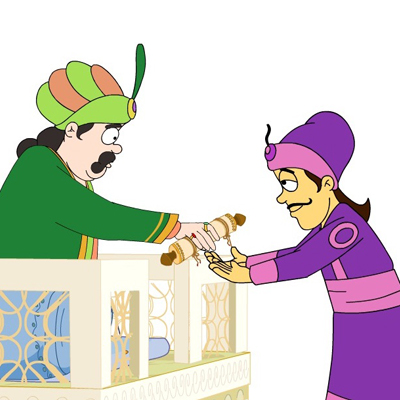
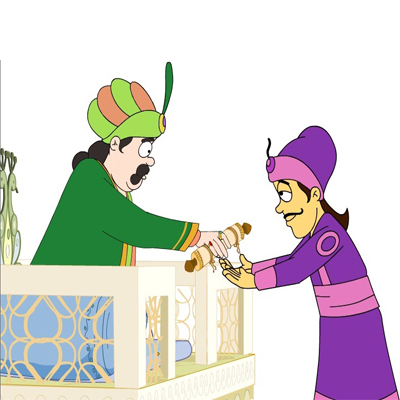
    Kids Active is packaged 24X7, ad free infotainment service for kids in the age group of 6-12 years. With the activation of the service, subscribers get an opportunity to view Tales of Akbar & Birbal in English, animation songs, jungle tales, children’s movies and show promos, Grandpas treasure of wonderful stories and fun learning with scientific experiments.

    DishTV CEO said, “We are delighted to announce our specialty offering targeted at the youngest generation. Kids segment is an area which is constantly in focus for us. Launch of Kids Active service is yet another step for us to enhance our value added services portfolio and cater to a wider set of audience.”

    Kids Active is a premium ad free subscription based service targeted at enhancing the TV viewing of DishTV’s young subscribers. This service will be available as a free preview till the 24 October, after which a nominal amount of Rs 25 per month will be charged. This Kids Active service will be available on channel number 514 on DishTV.

    Dish TV is Asia Pacific’s largest direct-to-home (DTH) company and part of one of India’s biggest media conglomerate – the ‘Zee’ Group. Dish TV has on its platform more than 575 channels & services including 22 audio channels and over 55 HD channels & services. Dish TV uses the NSS-6 satellite platform which is unique in the Indian subcontinent owing to its automated power control and contoured beam which makes it suitable for use in ITU K and N rain zones ideally suited for India’s tropical climate. The company also has transponders on the Asiasat 5 platform and on the SES-8 platform which makes its total bandwidth capacity equal to 828 MHZ, the largest held by any DTH player in the country.

  • DishTV launches Kids Active in partnership with Shemaroo

    DishTV launches Kids Active in partnership with Shemaroo

    MUMBAI: Value added services has been a focus area, a clear differentiator and an integral part of our offering. By not leaving any stone unturned in order to provide a wide range of content and services to its subscribers, DishTV Asia’s largest DTH brand has partnered with Shemaroo, one of India’s leading entertainment content houses that provides learning and entertainment to launch a new premium service called Kids Active and enhanced its bouquet of value added services to 10.

    With the launch of Kids Active service, the DTH category’s most trusted brand has doubled their active services since last six months. Kids Active offers original content ranging from exciting stories, movies, songs, scientific experiment series and many more shows.

    Kids Active is packaged 24X7, ad free infotainment service for kids in the age group of 6-12 years. With the activation of the service, subscribers get an opportunity to view Tales of Akbar & Birbal in English, animation songs, jungle tales, children’s movies and show promos, Grandpas treasure of wonderful stories and fun learning with scientific experiments.

    DishTV CEO said, “We are delighted to announce our specialty offering targeted at the youngest generation. Kids segment is an area which is constantly in focus for us. Launch of Kids Active service is yet another step for us to enhance our value added services portfolio and cater to a wider set of audience.”

    Kids Active is a premium ad free subscription based service targeted at enhancing the TV viewing of DishTV’s young subscribers. This service will be available as a free preview till the 24 October, after which a nominal amount of Rs 25 per month will be charged. This Kids Active service will be available on channel number 514 on DishTV.

    Dish TV is Asia Pacific’s largest direct-to-home (DTH) company and part of one of India’s biggest media conglomerate – the ‘Zee’ Group. Dish TV has on its platform more than 575 channels & services including 22 audio channels and over 55 HD channels & services. Dish TV uses the NSS-6 satellite platform which is unique in the Indian subcontinent owing to its automated power control and contoured beam which makes it suitable for use in ITU K and N rain zones ideally suited for India’s tropical climate. The company also has transponders on the Asiasat 5 platform and on the SES-8 platform which makes its total bandwidth capacity equal to 828 MHZ, the largest held by any DTH player in the country.

  • Engaging content: Akbar Birbal folklore completes 500 episodes

    Engaging content: Akbar Birbal folklore completes 500 episodes

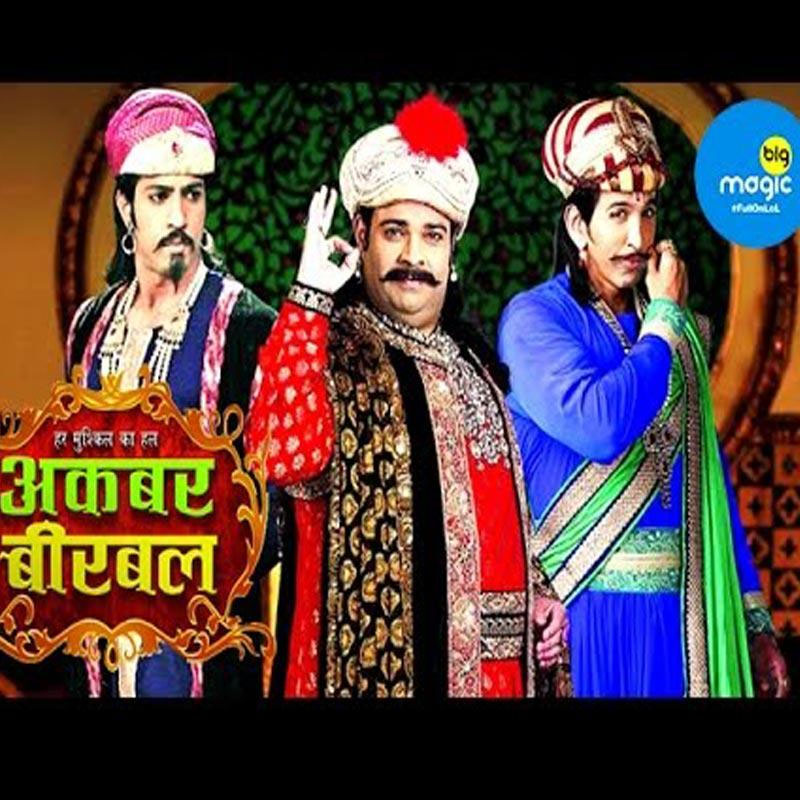
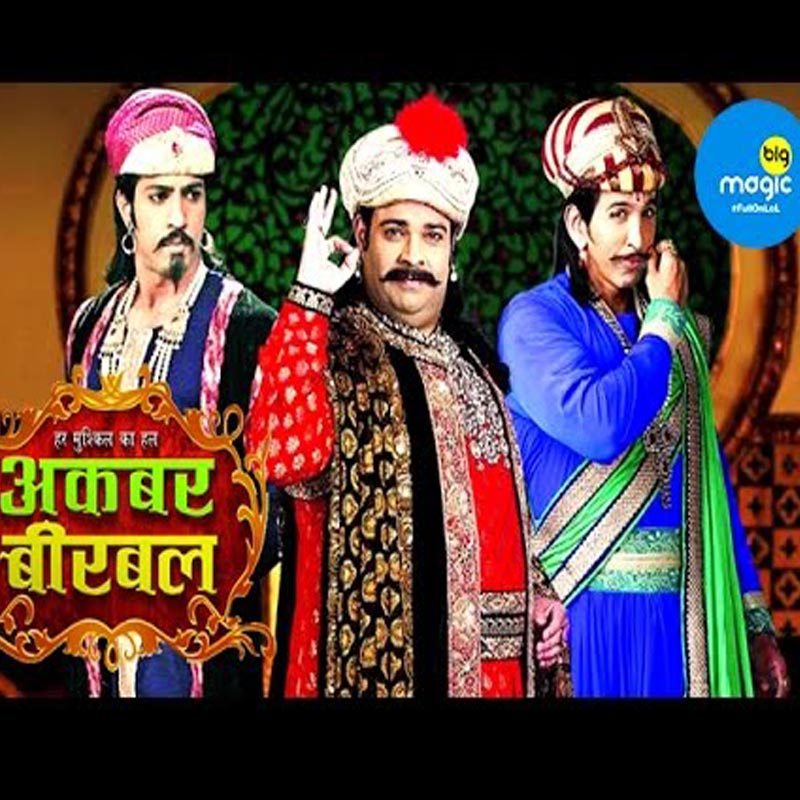
    MUMBAI: Big Magic is all set to create a new benchmark with the completion of 500 episodes of its marquee show Har Mushkil Ka Hal Akbar Birbal.

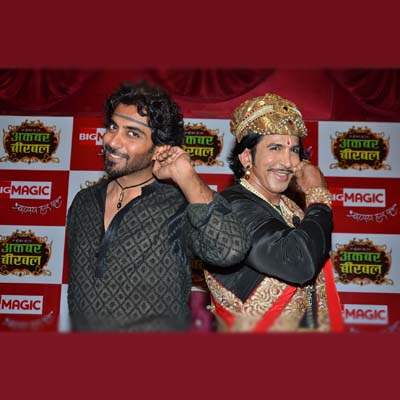
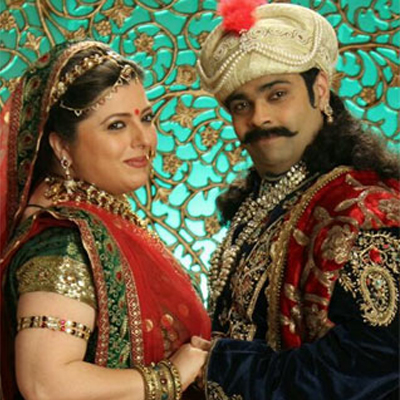
    The flagship show which features famous actors Kiku Sharda and Vishal Kotian in the titular roles of Akbar and Birbal, respectively, gained popularity within a short span of time and won the hearts of millions. India’s first-ever historical comedy aired its 500 episode on 26 September 2016.

    The show, launched in 2014, presents the folklore of Akbar and Birbal in the most humorous way. Through its interesting and engaging content, the show has not only redefined the comedy genre, but also pioneered a new genre in itself – historical comedy.

    On the successful completion of 500 episodes, a Big Magic spokesperson said, “It is a moment of pride for the entire Big Magic family, as we thank the audience for showing so much love and appreciation towards Har Mushkil Ka Hal Akbar Birbal and its characters. The achievement is a result of the combination of great teamwork, and more importantly great content. With every passing episode and season, we strive to formulate engaging content which ensures an enjoyable experience for the viewers. Through ‘Har Mushkil Ka Hal Akbar Birbal’, we hope to continue catering to the entertainment needs of a large and steadily growing audience base in future as well.”

  • Engaging content: Akbar Birbal folklore completes 500 episodes

    Engaging content: Akbar Birbal folklore completes 500 episodes

    MUMBAI: Big Magic is all set to create a new benchmark with the completion of 500 episodes of its marquee show Har Mushkil Ka Hal Akbar Birbal.

    The flagship show which features famous actors Kiku Sharda and Vishal Kotian in the titular roles of Akbar and Birbal, respectively, gained popularity within a short span of time and won the hearts of millions. India’s first-ever historical comedy aired its 500 episode on 26 September 2016.

    The show, launched in 2014, presents the folklore of Akbar and Birbal in the most humorous way. Through its interesting and engaging content, the show has not only redefined the comedy genre, but also pioneered a new genre in itself – historical comedy.

    On the successful completion of 500 episodes, a Big Magic spokesperson said, “It is a moment of pride for the entire Big Magic family, as we thank the audience for showing so much love and appreciation towards Har Mushkil Ka Hal Akbar Birbal and its characters. The achievement is a result of the combination of great teamwork, and more importantly great content. With every passing episode and season, we strive to formulate engaging content which ensures an enjoyable experience for the viewers. Through ‘Har Mushkil Ka Hal Akbar Birbal’, we hope to continue catering to the entertainment needs of a large and steadily growing audience base in future as well.”

  • Big Magic to air season finale of ‘Akbar Birbal’

    Big Magic to air season finale of ‘Akbar Birbal’

    MUMBAI: Big Magic ‘s flagship show Har Mushkil Ka Hal Akbar Birbal, which thrives on its innovative content, has always been the front-runner in terms of viewership numbers. For years, the show has been at the top of its game, ruling the comedy space on Indian television. The show, which is inspired by the childhood folk tales of Akbar and Birbal, is all set to take viewers on yet another laughter ride in its season finale on August 20 at 8 pm, before they announce the return of the next season soon.

    A Big Magic spokesperson said, “This has been one of BIG Magic’s most successful shows, both in terms of the ratings as well as the outpour of love and appreciation we have received from viewers. It is a property that we can proudly call the most unique adaptation of the childhood folk tales of Akbar and Birbal, and it is all a result of the talented cast and crew. The season finale episode will leave viewers longing for more, and it will only be a matter of time that we bring our most loved show back on BIG Magic with yet another exciting season.”

    An hour long finale episode will provide a double dose of entertainment with talented artists Kiku Sharda and Vishal Kotian. The finale episode marks Vishal Kotian’s (who portrays the astute Birbal) 500th episodic appearance, which includes his role as Birbal in Birbal aur Viraat, an extension of Har Mushkil Ka Hal Akbar Birbal.

    Har Mushkil Ka Hal Akbar Birbal has seen tremendous success and outperformed other popular shows in its genre. Going by the love received from its viewers, it won’t be very long that the popular show comes out with yet another season to rule again.

    Big Magic is available across all DTH players such as Tata Sky, Airtel, Videocon, Dish TV, Reliance DigitalTV along with all cable operators as Hathway, DD Free Dish, Incable, Digicable, DEN, 7 Star, ABS, Siticable, Star Broadband and GTPL amongst others.

  • Big Magic to air season finale of ‘Akbar Birbal’

    Big Magic to air season finale of ‘Akbar Birbal’

    MUMBAI: Big Magic ‘s flagship show Har Mushkil Ka Hal Akbar Birbal, which thrives on its innovative content, has always been the front-runner in terms of viewership numbers. For years, the show has been at the top of its game, ruling the comedy space on Indian television. The show, which is inspired by the childhood folk tales of Akbar and Birbal, is all set to take viewers on yet another laughter ride in its season finale on August 20 at 8 pm, before they announce the return of the next season soon.

    A Big Magic spokesperson said, “This has been one of BIG Magic’s most successful shows, both in terms of the ratings as well as the outpour of love and appreciation we have received from viewers. It is a property that we can proudly call the most unique adaptation of the childhood folk tales of Akbar and Birbal, and it is all a result of the talented cast and crew. The season finale episode will leave viewers longing for more, and it will only be a matter of time that we bring our most loved show back on BIG Magic with yet another exciting season.”

    An hour long finale episode will provide a double dose of entertainment with talented artists Kiku Sharda and Vishal Kotian. The finale episode marks Vishal Kotian’s (who portrays the astute Birbal) 500th episodic appearance, which includes his role as Birbal in Birbal aur Viraat, an extension of Har Mushkil Ka Hal Akbar Birbal.

    Har Mushkil Ka Hal Akbar Birbal has seen tremendous success and outperformed other popular shows in its genre. Going by the love received from its viewers, it won’t be very long that the popular show comes out with yet another season to rule again.

    Big Magic is available across all DTH players such as Tata Sky, Airtel, Videocon, Dish TV, Reliance DigitalTV along with all cable operators as Hathway, DD Free Dish, Incable, Digicable, DEN, 7 Star, ABS, Siticable, Star Broadband and GTPL amongst others.

  • ‘Costume drama is not everybody’s cup of tea:’ Nikhil Sinha

    ‘Costume drama is not everybody’s cup of tea:’ Nikhil Sinha

    With the increase in the number of television channels in India, the demand for content producers has gone up, which in turn has seen many a new players making their entry into the industry that was once monopolised by a handful few. One such new production house is Triangle Film Company helmed by Nikhil Sinha, which has made its mark in a short-period with its social, historical and mythological shows.


    After producing shows like Baba Aisa Var Dundho, Akbar Birbal, Adventure of Hatim and Devo Ke Dev Mahadev, Sinha’s Triangle Film Company is now busy with its new show Siya Ke Ram on Star Plus.


    In conversation with Indiantelevision.com’s Sonam Saini, Sinha shares his views on the television content space in India, his experience of producing costume dramas and more. 


    Excerpts:


    From director of photography to producer of ‘Baba Aisa Var Dundho,’ how has been the journey so far?

    The journey has been superb and amazing so far from director of photography to director to producer. It has been like an accreditation from one to another.


    What according to you is the most challenging genre for television production?

    The entire production game itself is a very challenging task. From direction to production everything is a task. When it comes to genres, then obviously costume dramas are the most challenging ones because they are more elaborate and scaled.


    While in social dramas, you can make a show with 70 – 80 people in a unit, in costume dramas no less than 200 – 300 people are involved. Moreover, a lot of aspects are involved from pre-production to set-designing to shooting and graphics. So there are more layers here and hence it’s more challenging.


    Apart from television, has Triangle Film Company started creating content for other platforms?

    We are working on a few concepts for the digital platform but there’s nothing concrete as yet. We believe that when we do something for the digital platform, it needs to have a unique proposition and we’re waiting to find that.


    From the company’s launch to now, how would you rate yourself in terms of creating unique concept shows?

    From the time I started my company, we have worked on five shows including Baba Aisa Var Dundho, Devo Ke Dev Mahadev, Adventure of Hatim, Akbar Birbal and Siya Ke Ram. Moreover, we produced four shows in five years and they all are quite unique. They have been the most talked about shows for their concept and production. Therefore, we have been able to fulfil the vision that the company was launched with. I am happy with the way we are producing shows, which will be remembered over the years.  


    What sets Triangle Film Company apart from the other content production houses in the industry?

    The desire to deliver quality content, which oozes positivity. In all our shows, we have tried to cover different strata of society. We are not only making shows for the masses but also for the elite and niche classes.


    Our show Mahadev was watched by everyone across the country. The idea is to create the content for the entire family and the society as a whole and that’s what makes us different from the others.


    We have set the bar high and that I believe is the most important thing. So every time we create a show, we set a higher benchmark in the industry so that we can compete with the western world. That is the basic philosophy that we follow.


    Mythology has become a popular genre on Indian television and you’ve also dabbled in the genre. What’s the lure there given that they are more expensive in terms of production?

    The more expensive the show, the more hard work it requires. You have to have more scale, bigger sets and a host of people are required. It is basically the nature of accepting challenges that is what drives us towards the mythological genre. Moreover, costume drama is not everybody’s cup of tea. It takes a lot of courage and hard work to produce such shows. 


    Are mythological shows a profitable proposition?

    Whether you do a social, fantasy or mythological show, the profit is always calculated in terms of ratio or percentage. If you have Rs 1 lakh and the profit margin is five per cent, then you end up making a profit of Rs 5 lakh. It is a percentage, which is important and that percentage remain the same, no matter what the production is. So the kind of return one gets depends on the kind of money spent.


    To produce a costume drama, you have to invest lot of money. People talk about the revenue generated from costume dramas but nobody sees the amount of investment that a producer puts in. 

    But like I said, whether it is social drama or a costume drama, the percentage remains the same.


    Siya Ke Ram is a story from Sita’s perspective. What was the idea behind coming up with a show like this and how is it different from other traditional mythological shows?

    Conceptually, Ram and Sita’s story has always been seen in a very typical format, which has been like a bakhti-rass. So to touch the story at a micro level from a human point of view was very important. So far the show has been doing that and it has been accepted by the audience. 


    In terms of approach and visuals, not a lot of money was invested in the show. However, what is more important is how the show is conceived and not much was spent on making it. You can have all the money in the world and no product, and at the same time limited money can give you good output. Siya Ke Ram is that kind of show, which doesn’t have too much money in it but looks rich. The idea was to create a very different show, which was the biggest challenge because we created a benchmark with Mahadev.


    Siya Ke Ram has created a new trend in terms of visuals, and how a production can look grand on Indian television.


    This is the second time you are working with Devdutt Pattanaik. How was the experience working with him? 

    Enlightening! With the kind of answers, philosophy and insights that he has, it has been a great experience working with him.


    Can you elaborate on the association? Is he helping you out with his insights on screenplay given that he has penned a book called ‘Sita’?

    On shows like Mahadev and Siya Ke Ram, it is philosophy that matters and these characters are made out of that philosophy of life. In order to decode, understand and make it in a story format, you need someone who can explain it to you and that’s the role he played in the show. He provides the philosophy on the subject.  


    In just a few weeks, the show gained immense popularity. Did you expect that response? What according to you has worked in the show’s favour?

    Yes, we put a lot of hard work into it and we went many extra miles. We are expecting more popularity from this. I think we’ve only just started and in coming days, this show has the potential to become the biggest show in India. The visuals and unique story line is getting a lot of traction and people are now getting connected with the characters.


    Is the company also looking at producing non-fiction shows?

    I have never restricted myself to any one kind of genre. I am open to all the genres as a director also and as a producer too. If something interesting comes up, then I will definitely do that it.


    How has 2015 been for Triangle Film Company?

    It was good but it was mostly a year of preparing for Siya Ke Ram.


    What is your opinion on Intellectual Property staying with the channel? Don’t you think it should be remain with the production house?  

    Certainly, it should. The IP should remain with the person who conceived the idea.


    Nowadays they have a different definition and our previous generation has given away this right to the channel because 25 years back, the IP of a show vested with the production house. However, somehow it went to channels and now we are the victims.


    The IP should remain with the producer or at least should be shared with the producer because the person who is creating and putting in all the hard work doesn’t get anything out of it. Whereas the person who is providing the platform for telecast gets everything. It’s not very fair but I hope it will change soon. 


    With the number of channels increasing every year, how is Triangle poised to cater to the increasing content demand?

    We have to expand ourselves and create many more programmes now. The need of the hour is immense and we will certainly rise up to the occasion and churn out more content for multiple platforms.


    According to you, what is lacking in the television content production space in India? And how does Triangle aim to fill that void?

    Television is one place where we can the herd mentality being followed. If one channel creates a trend, others immediately start chasing the same and it becomes the routine. What’s more, the audience also laps up these trends. I believe that the audience hasn’t created us but we have created the audience. Twenty years back people loved shows likeBuniyad or Bharat Ek Khoj, which were intelligent shows even when the literacy rate was much lower. Now, even though the literacy rate is much higher and people have advanced and are modern, they still tend to like clichéd shows. I would say the fault is ours because the audience sees what we throw at them.


    I have realised that since a couple of years, television viewership has also declining because of poor content. We should take the responsibility of delivering quality content. While it might not reap us benefits immediately, it will definitely help us to build the platform in the future.


    What according to you were the key production highlights and landmarks on Indian television in 2015?

    According to me, nothing happened good. There were no remarkable or promising launches on Indian television in 2015.


    With so many production companies in the fray, making and selling content to broadcasters is a fragmented business. How difficult is it to sustain growth in such a scenario?

    Earlier, it was a monopolised business but competition was inevitable. Television production is a space for everybody and anybody. Competition is good as it only makes you work hard in order to sustain.


    Content production is an expensive proposition. Has the company broken even since launch?

    Yes, certainly… long back. We are not a channel where the investment is huge and the reward is good. Production houses work on a project basis and not on a yearly basis.


    What can we expect from Triangle in the coming year?

    Good, nice and bigger shows in the future, which are a class apart and will raise the level of our industry.

  • ‘Costume drama is not everybody’s cup of tea:’ Nikhil Sinha

    ‘Costume drama is not everybody’s cup of tea:’ Nikhil Sinha

    With the increase in the number of television channels in India, the demand for content producers has gone up, which in turn has seen many a new players making their entry into the industry that was once monopolised by a handful few. One such new production house is Triangle Film Company helmed by Nikhil Sinha, which has made its mark in a short-period with its social, historical and mythological shows.


    After producing shows like Baba Aisa Var Dundho, Akbar Birbal, Adventure of Hatim and Devo Ke Dev Mahadev, Sinha’s Triangle Film Company is now busy with its new show Siya Ke Ram on Star Plus.


    In conversation with Indiantelevision.com’s Sonam Saini, Sinha shares his views on the television content space in India, his experience of producing costume dramas and more. 


    Excerpts:


    From director of photography to producer of ‘Baba Aisa Var Dundho,’ how has been the journey so far?

    The journey has been superb and amazing so far from director of photography to director to producer. It has been like an accreditation from one to another.


    What according to you is the most challenging genre for television production?

    The entire production game itself is a very challenging task. From direction to production everything is a task. When it comes to genres, then obviously costume dramas are the most challenging ones because they are more elaborate and scaled.


    While in social dramas, you can make a show with 70 – 80 people in a unit, in costume dramas no less than 200 – 300 people are involved. Moreover, a lot of aspects are involved from pre-production to set-designing to shooting and graphics. So there are more layers here and hence it’s more challenging.


    Apart from television, has Triangle Film Company started creating content for other platforms?

    We are working on a few concepts for the digital platform but there’s nothing concrete as yet. We believe that when we do something for the digital platform, it needs to have a unique proposition and we’re waiting to find that.


    From the company’s launch to now, how would you rate yourself in terms of creating unique concept shows?

    From the time I started my company, we have worked on five shows including Baba Aisa Var Dundho, Devo Ke Dev Mahadev, Adventure of Hatim, Akbar Birbal and Siya Ke Ram. Moreover, we produced four shows in five years and they all are quite unique. They have been the most talked about shows for their concept and production. Therefore, we have been able to fulfil the vision that the company was launched with. I am happy with the way we are producing shows, which will be remembered over the years.  


    What sets Triangle Film Company apart from the other content production houses in the industry?

    The desire to deliver quality content, which oozes positivity. In all our shows, we have tried to cover different strata of society. We are not only making shows for the masses but also for the elite and niche classes.


    Our show Mahadev was watched by everyone across the country. The idea is to create the content for the entire family and the society as a whole and that’s what makes us different from the others.


    We have set the bar high and that I believe is the most important thing. So every time we create a show, we set a higher benchmark in the industry so that we can compete with the western world. That is the basic philosophy that we follow.


    Mythology has become a popular genre on Indian television and you’ve also dabbled in the genre. What’s the lure there given that they are more expensive in terms of production?

    The more expensive the show, the more hard work it requires. You have to have more scale, bigger sets and a host of people are required. It is basically the nature of accepting challenges that is what drives us towards the mythological genre. Moreover, costume drama is not everybody’s cup of tea. It takes a lot of courage and hard work to produce such shows. 


    Are mythological shows a profitable proposition?

    Whether you do a social, fantasy or mythological show, the profit is always calculated in terms of ratio or percentage. If you have Rs 1 lakh and the profit margin is five per cent, then you end up making a profit of Rs 5 lakh. It is a percentage, which is important and that percentage remain the same, no matter what the production is. So the kind of return one gets depends on the kind of money spent.


    To produce a costume drama, you have to invest lot of money. People talk about the revenue generated from costume dramas but nobody sees the amount of investment that a producer puts in. 

    But like I said, whether it is social drama or a costume drama, the percentage remains the same.


    Siya Ke Ram is a story from Sita’s perspective. What was the idea behind coming up with a show like this and how is it different from other traditional mythological shows?

    Conceptually, Ram and Sita’s story has always been seen in a very typical format, which has been like a bakhti-rass. So to touch the story at a micro level from a human point of view was very important. So far the show has been doing that and it has been accepted by the audience. 


    In terms of approach and visuals, not a lot of money was invested in the show. However, what is more important is how the show is conceived and not much was spent on making it. You can have all the money in the world and no product, and at the same time limited money can give you good output. Siya Ke Ram is that kind of show, which doesn’t have too much money in it but looks rich. The idea was to create a very different show, which was the biggest challenge because we created a benchmark with Mahadev.


    Siya Ke Ram has created a new trend in terms of visuals, and how a production can look grand on Indian television.


    This is the second time you are working with Devdutt Pattanaik. How was the experience working with him? 

    Enlightening! With the kind of answers, philosophy and insights that he has, it has been a great experience working with him.


    Can you elaborate on the association? Is he helping you out with his insights on screenplay given that he has penned a book called ‘Sita’?

    On shows like Mahadev and Siya Ke Ram, it is philosophy that matters and these characters are made out of that philosophy of life. In order to decode, understand and make it in a story format, you need someone who can explain it to you and that’s the role he played in the show. He provides the philosophy on the subject.  


    In just a few weeks, the show gained immense popularity. Did you expect that response? What according to you has worked in the show’s favour?

    Yes, we put a lot of hard work into it and we went many extra miles. We are expecting more popularity from this. I think we’ve only just started and in coming days, this show has the potential to become the biggest show in India. The visuals and unique story line is getting a lot of traction and people are now getting connected with the characters.


    Is the company also looking at producing non-fiction shows?

    I have never restricted myself to any one kind of genre. I am open to all the genres as a director also and as a producer too. If something interesting comes up, then I will definitely do that it.


    How has 2015 been for Triangle Film Company?

    It was good but it was mostly a year of preparing for Siya Ke Ram.


    What is your opinion on Intellectual Property staying with the channel? Don’t you think it should be remain with the production house?  

    Certainly, it should. The IP should remain with the person who conceived the idea.


    Nowadays they have a different definition and our previous generation has given away this right to the channel because 25 years back, the IP of a show vested with the production house. However, somehow it went to channels and now we are the victims.


    The IP should remain with the producer or at least should be shared with the producer because the person who is creating and putting in all the hard work doesn’t get anything out of it. Whereas the person who is providing the platform for telecast gets everything. It’s not very fair but I hope it will change soon. 


    With the number of channels increasing every year, how is Triangle poised to cater to the increasing content demand?

    We have to expand ourselves and create many more programmes now. The need of the hour is immense and we will certainly rise up to the occasion and churn out more content for multiple platforms.


    According to you, what is lacking in the television content production space in India? And how does Triangle aim to fill that void?

    Television is one place where we can the herd mentality being followed. If one channel creates a trend, others immediately start chasing the same and it becomes the routine. What’s more, the audience also laps up these trends. I believe that the audience hasn’t created us but we have created the audience. Twenty years back people loved shows likeBuniyad or Bharat Ek Khoj, which were intelligent shows even when the literacy rate was much lower. Now, even though the literacy rate is much higher and people have advanced and are modern, they still tend to like clichéd shows. I would say the fault is ours because the audience sees what we throw at them.


    I have realised that since a couple of years, television viewership has also declining because of poor content. We should take the responsibility of delivering quality content. While it might not reap us benefits immediately, it will definitely help us to build the platform in the future.


    What according to you were the key production highlights and landmarks on Indian television in 2015?

    According to me, nothing happened good. There were no remarkable or promising launches on Indian television in 2015.


    With so many production companies in the fray, making and selling content to broadcasters is a fragmented business. How difficult is it to sustain growth in such a scenario?

    Earlier, it was a monopolised business but competition was inevitable. Television production is a space for everybody and anybody. Competition is good as it only makes you work hard in order to sustain.


    Content production is an expensive proposition. Has the company broken even since launch?

    Yes, certainly… long back. We are not a channel where the investment is huge and the reward is good. Production houses work on a project basis and not on a yearly basis.


    What can we expect from Triangle in the coming year?

    Good, nice and bigger shows in the future, which are a class apart and will raise the level of our industry.

  • Paritosh Painter quits Reliance Broadcast Network

    Paritosh Painter quits Reliance Broadcast Network

    MUMBAI: Paritosh Painter, who was brought in as network creative director by Reliance Broadcast for radio channel 92.7 Big FM as well as television channel Big Magic, has quit. 


    Painter will now be concentrating on his theatrical productions, film & TV writing.


    Painter had created & written Akbar Birbal  for Big Magic, which is one of the channel’s biggest shows. He also helped create a number of shows for Big Magic & Big FM.


    “Beside concentrating on his theatre and writing projects, the channel’s gradual shift towards non-fiction from fiction is also a reason behind Painter’s resignation,” said a source close to the development.


    Having over 15 years of experience in the field of entertainment, Painter has directed over 23 plays in Hindi and English and has done 2500 shows across the globe. Besides this, he has scripted several Bollywood films like Dhamaal (2007), Paying Guest (2009) and All The Best: Fun Begins (2009). His repertoire also includes stand-up comedy, content development and producing shows on television.

  • Big Magic targets young adults with two new shows

    Big Magic targets young adults with two new shows

    MUMBAI: With an aim to provide humour and unpredictable content that appeals to the urban audience, Big Magic is coming up with two new male centric shows targeting young adults within the age group of 15 – 30. The first show is called Boyz, which recently went on air, whereas the other show  Pyar Marriage Shhhh (PMS) will begin airing from 7 September.


    Reliance Broadcast Network COO Ashwin Padmanabhan said, “We have successfully created a position of our channel in the comedy space. Our new programming content is based in an urban kind of setting.”


    What’s more, Big Magic is also planning to launch another three to four shows and short formats in the coming months. “We are working on a talk show format, which is likely to launch in the next three months. We are also getting multiple short formats like Chutki and Shopkeeper, which has become very big already. We have introduced another short format called Mania Ki Dunia. The short-format YouTube content, which already has 20 million views, will also be put on radio, television and online. As we started building comedy as a genre, our effort is to create relevance of this genre across multiple platforms,” he added.


    Elaborating the story of new shows, Padmanabhan said, “The theme of Boyz is about three college friends and their crazy experiences of coming out of their comfort zone and discovering life. So it’s a typical college story but like every other boy, they carry the fantasy of not just the perfect job but also the girl of their dreams. Each character is sketched extremely sharply and differently. The show will fill in the gap of urban TV viewing male audience with an edginess that has hitherto been unavailable on television.”


    The theme of Boyz captures the target audience who are in a similar phase and hence the youth can relate to it. “This high octane comedy is another innovation in Big Magic’s attempt at strengthening its new positioning in providing edgy and contemporary content,” Padmanabhan added.


    Speaking about Pyar Marriage Sshh, Padmanabhan said, “The show has a very interesting plot about three friends and revolves around the crazy things that happens to them. These guys are neighbours who come together and become friends. Every episode shows something new happening in their life.”


    Being the only channel that focuses solely on the comedy genre, Big Magic has a clear cut vision to make young India laugh out loud and the programming strategy is based around the same philosophy.


    The channel will now also venture into the episodic format. Speaking on the same, Padmanabhan informed, “The story starts and ends with the episodes. It’s just like F.R.I.E.N.D.S wherein every episode is new and different in its own way. A story will not carry forward into the next episode. It’s the kind of content that works with the current generation.”


    Following the international format, Boyz will have multiple seasons and each season will have a run period of six months. Following the format, Big Magic has already re-launched Hazir Jawab Birbal, which was earlier named as Akbar Birbal.


    Addressing the need gap for male centric entertainment shows, Big Magic took the humour approach to attract its TG. Padmanabhan added, “There’s not much good content available for men on television and that’s why men tend to consume more news or sports. Humour has a wide appeal so, if we present a story from a man’s perspective, the kind of humour gets integrated across the audience.”


    Big Magic will be promoting the shows across platform. “Digital is a very key component of marketing strategy. Apart from that, we are also using television channels that are targeting young adults like MTV and Bindass as well as news channels. Along with promotions, we are also doing a whole lot of integration. Funny portions of the content is cut and tweaked for radio. RJs from our networks as well as partner networks are supporting this campaign. In radio, apart from the in-house Big FM, we have also roped in Fever 104 and Red FM as partners,” he informed.


    The marketing initiative will cut across major cities like Ahmedabad, Pune, Chandigarh, Delhi, Mumbai, Kanpur, Lucknow, Baroda and Surat.


    The campaign has been developed by Grey Worldwide, whereas MEC is the media buying agency. The digital campaigns are being handled by Resultrix Media.


    Throwing light on the research that was done before launching the shows, Padmanabhan said, “From the show perspective, we do a pilot testing, which has been done across some centres in Mumbai, Delhi and other metro cities. On the basis of that, we received good feedback. We are not only testing the shows but are also testing the promos online.”


    There was a pre-launch campaign rolled out for Boyz where people were asked to give their feedback on the promos that were uploaded on YouTube.