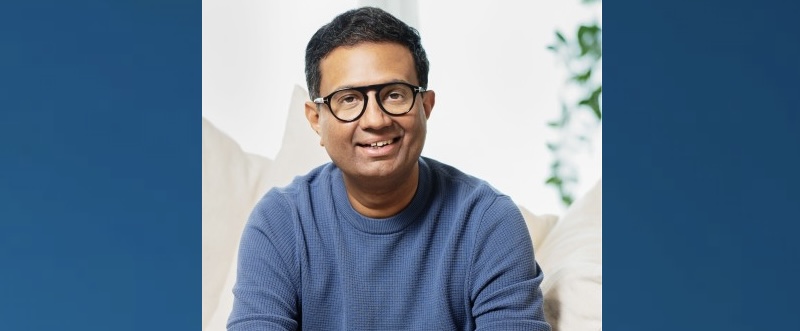
Tag: Ajit Mohan

  • Snap Inc names Ajit Mohan chief business officer; reports strong Q4 growth

    Snap Inc names Ajit Mohan chief business officer; reports strong Q4 growth

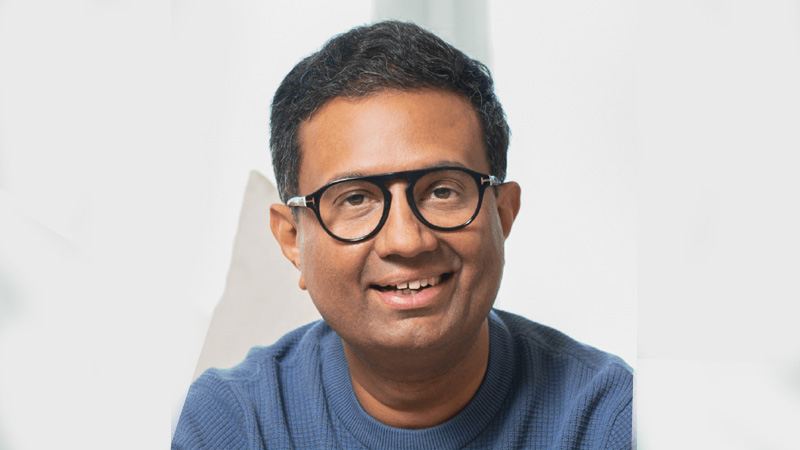
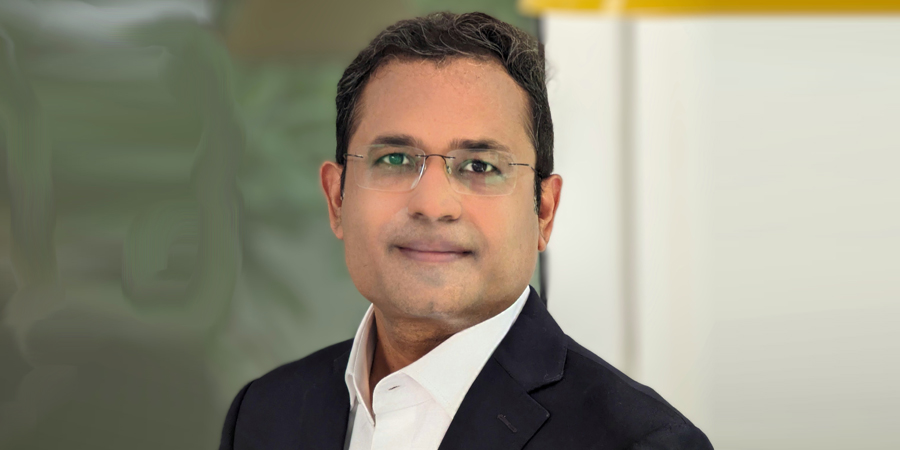
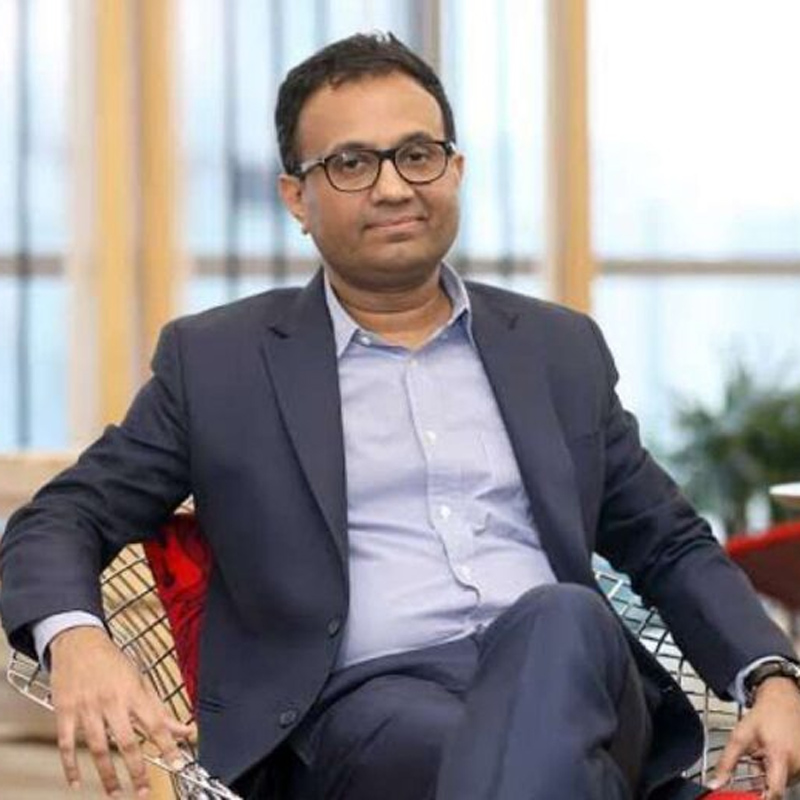
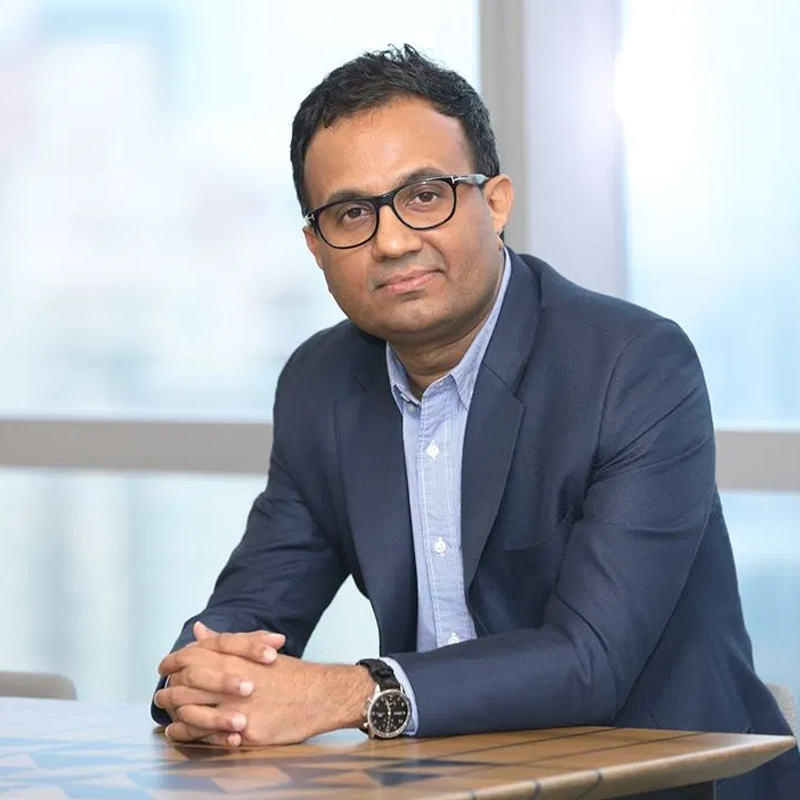
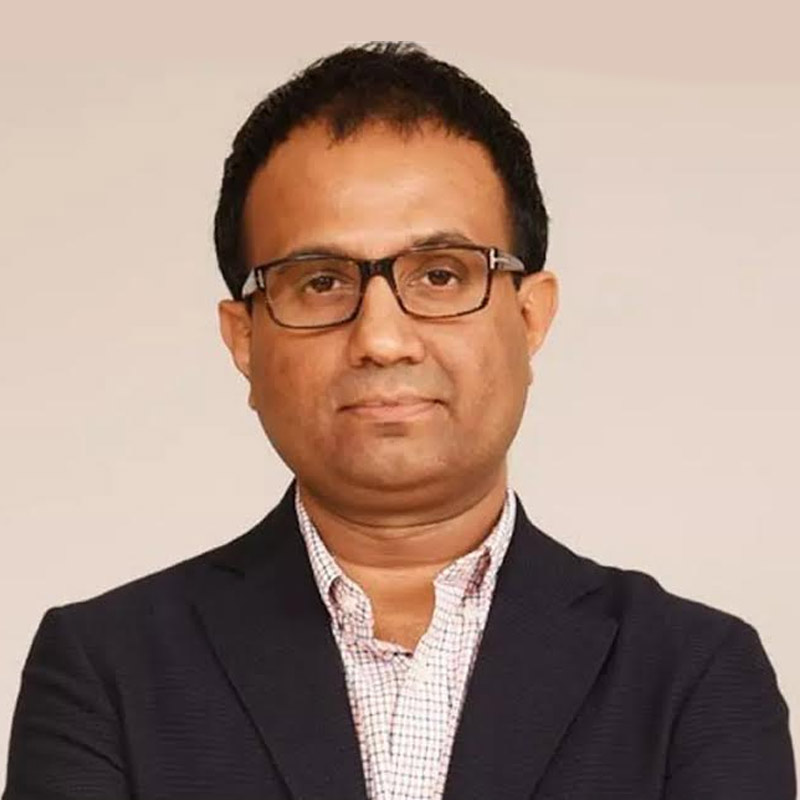
    MUMBAI:  Snap Inc has promoted Ajit Mohan to chief business officer, according to its Q4 2024 investor letter released on 4 February 2025. Mohan, who joined the company over two years ago as president of APAC, successfully expanded Snap’s business and presence across the region.

    In his new role, Mohan will oversee the company’s global advertising operations, lead its revenue product teams, and drive alignment with partners to accelerate growth. He will be based in New York.

    The investor letter highlighted Snap Inc’s continued focus on expanding its community, diversifying revenue, and advancing augmented reality (AR) technology.

    Key financial highlights include:
    * Daily active users (DAUs): 453 million, up 39 million year-on-year.
    * Q4 revenue: $1.56 billion, a 14 per cent  year-on-year increase, driven by direct-response (DR) advertising and Snapchat+ subscriptions.
    * Profitability: $276 million adjusted EBITDA and $182 million in free cash flow.
    * Net income: $9 million.

    For 2024, Snap Inc reported $5.36 billion in revenue, marking a 16 per cent  annual increase. Direct response advertising revenue also rose by 16 per cent . Snapchat+ subscriber numbers doubled from 7 million to 14 million, contributing to a 131 per cent rise in subscription revenue, which now exceeds an annualised run rate of $500 million.

    Snap achieved $509 million in adjusted EBITDA for the year, its fifth consecutive year of positive results, along with $219 million in free cash flow.

    Mohan’s appointment signals Snap’s intent to strengthen its global advertising strategy and build on its ongoing financial momentum.

  • Snap celebrates Augmented Reality at APAC AR Day

    Snap celebrates Augmented Reality at APAC AR Day

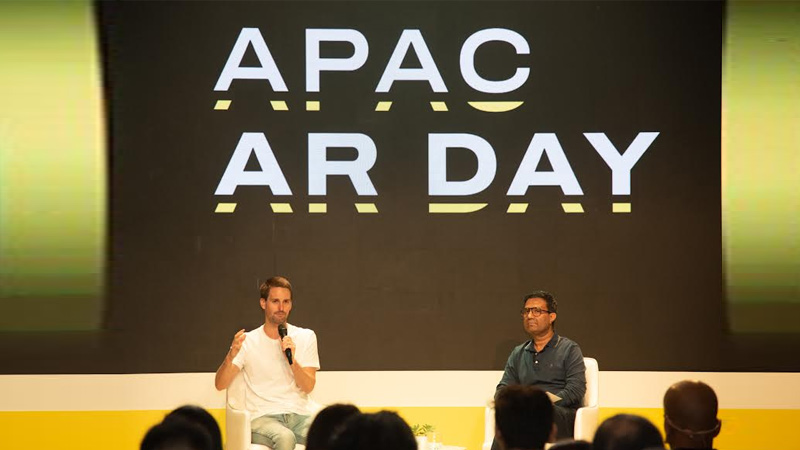
    Mumbai: Today, Snap Inc hosted its inaugural APAC AR Day in Mumbai, India, celebrating Snapchat’s leadership in Augmented Reality (AR), its thriving AR creator and developer community, and the company’s ongoing commitment to democratising AR for users and brands.

    The event saw Snap CEO and co-founder Evan Spiegel engage in a candid fireside chat with Snap APAC president Ajit Mohan as a part of Spiegel’s three-day trip to India. The discussion centered around the adoption of AR globally by consumers and brands, India’s booming creative talent pool, the future of AR, and Snap’s innovative approach to this transformative technology.

    “I love the energy of the young and vibrant Indian developer community. With over 200 million Snapchatters in India, we’re seeing more and more creators, developers and brands tap into our community’s passion for augmented reality experiences. We’re excited to be building the future with such incredible local talent.” said Snap Inc CEO and co-founder Evan Spiegel.

    Ajit Mohan also delivered a keynote address that emphasized the strength of India’s thriving AR creator and developer community and their innovative collaborations with brand partners.

    Highlighting the hyper-growth of the AR creator community in India, Snap Inc APAC president Ajit Mohan said, “Thanks to the innovation and creativity of these incredibly talented AR developers and creators, Snapchatters around the world are able to engage with immersive AR experiences which bring everyday moments to life. Snapchat is deeply committed to empowering these creators, offering monetization avenues and providing innovative tools to support their creative aspirations. We are honoured to have had creators from all over India and across APAC attend Snap’s AR Day to celebrate this ongoing innovation.”

    The event saw AR developers, creators, advertisers, brands, and content creators attend sessions led by expert speakers including Ty Ahmad-Taylor, Snap’s VP product growth, Resh Sidhu, global director Arcadia, Snap’s AR Creative Studio, Haran Ramachandran, Snap’s APAC head of creative strategy, and Jeremy Voss, Snap’s director of product. Through these engaging sessions, attendees were able to learn about Snap’s latest AR innovations and engage with interactive AR try-on stations.

    Building Businesses with Snap AR

    With over 250 million people1 engaging with AR on Snapchat daily on average, Indian AR developers are building strong businesses on the platform. The Snap AR creator community in India grew by 60% in 20222, and given the positive trends, will continue to grow with talented AR creators from all walks of life in 2024 as well.

    One such creator is Vivek Thakur, who began his academic journey in medicine but switched to microbiology due to financial constraints. It was during his college years that he discovered the immersive world of augmented reality, creating the immensely popular “Smoke Flare” Lens which was a global viral Lens that generated over 10 billion impressions on Snapchat. Vivek is now a successful AR developer who collaborates with renowned brands such as Coca-Cola as well as creating custom Lenses found on Snapchat.

    Emphasizing the opportunities that are paving new revenue streams for AR creators, Snap Lens Network member Vivek Thakur said, “AR Lenses have gained immense popularity in India as they encourage visual expression. Snap is empowering creators and developers like myself by providing us with creative tools and opportunities to generate revenue through Lens creation. Even for creators without coding backgrounds, by using Snapchat’s Lens Studio, which is incredibly intuitive, they can build careers and strong communities.”

    In August this year, Snap launched the Lens Creator Rewards program, a new way for Snap AR creators, Lens developers, and teams to get rewarded for building top-performing Lenses on Snapchat.

    Shopping Made Fun and Easy with AR

    Snapchat has a distinctive and unduplicated audience, as well as advanced advertising solutions, and has emerged as a key partner for brands. This is especially true given the growing adoption of AR among Indian users, providing businesses with a unique opportunity to connect with this user base.

    In India, 95 per cent of Gen Z individuals express a keen interest in using AR for shopping, with 73 per cent believing that AR experiences provide a more personal touch. Moreover, globally, AR demonstrates an impressive 94% higher conversion rate4 when consumers interact with products, resulting in a 25% decrease in return rDiwaliates4.

    Snap featured its AR try-on booth at the AR Day event, offering attendees an opportunity to experience this innovative technology firsthand. These stations provided various try-on experiences, including fashion and beauty.

    Further igniting the festive fervor, Snapchat is gearing up to bring the festive spirit alive for its 200 million Indian users with the launch of special Diwali-themed AR Lenses.

    One of them called the “Sweets Make My Diwali Complete” exclusive Lens, built by Snap Lens Network creator Karishma Katiyar, helps decorate mithai shops with firecrackers, diyas, and floral decor, adding to the festive vibe.Diwali

    With a Connected AR Lens developed by Snap Lens Network inventor Pal Kagrecha, one can enjoy painting a virtual rangoli during Diwali even if away from home.

    These Lenses bring the warmth of Diwali come alive, allowing Snapchatters to celebrate and share the festive spirit with loved ones.


  • APOS: Perspectives on the advertising economy & role of video

    APOS: Perspectives on the advertising economy & role of video

    Mumbai: APOS, the defining voice and global platform for the Asia Pacific media and telecoms industry, took place from 26-28 September 2023, at the Ayana Estate in Bali, Indonesia.

    Created & curated by Media Partners Asia, APOS is the ultimate destination for deals, partnerships and thought leadership with a focus on content, connectivity and commerce sectors.

    APOS was established in 2010 and is attended by global, local, and regional industry leaders.

    In a one-on-one conversation with Snap Inc president APAC Ajit Mohan on ‘Perspectives on The Advertising Economy & Role of Video’, here are his views on the same.

    On the topic of significant changes, Mohan said, “I believe that Snap represents a major shift in how people, especially younger generations, communicate. It’s evident in the creative world and the essence of authentic and private communication it offers, which is increasingly valuable in today’s world.

    Snap is currently at a pivotal stage in its journey as a 12-year-old company with a substantial and rapidly growing community of around 750 million users. This community predominantly consists of younger individuals who grasp the value proposition. However, we haven’t yet built a business that matches the scale of this community.”

    When asked about the exciting opportunities, Mohan replied, “I see an exciting opportunity in this part of the world, where I believe the next phase of innovation for the company can originate. Asia holds great potential, and I’m enthusiastic about what lies ahead for both Snap and our community.

    On APAC, Mohan said, “Our focus on APAC over the past four to five years has primarily centered on Australia, India, and Japan, with limited exposure to China. However, we are now gaining traction in countries like the Philippines, Indonesia, and Malaysia. As a relatively smaller company competing with tech giants and media conglomerates, my priority over the next 12 to 18 months is to ensure the sustained growth we’ve witnessed in these regions.

    For instance, in India, we’ve gone from zero to 200 million users in just two and a half years once the community grasped the visual, fun, and highly private nature of our platform. It’s clear that when our proposition resonates, and we achieve a certain scale, growth takes off.”

    On the other markets in the world, Mohan said, “My objective is to replicate this success in regions like Europe, the US, Southeast Asia, and North Asia. Much of our current efforts are focused on product localization and tailoring our approach for the specific needs of each community. Deeply localizing our proposition, while challenging, is a crucial step in our journey. This approach sets us apart from other tech companies and aligns with our commitment to delivering value to diverse audiences across the globe. Exciting developments are unfolding in Asia as we work towards these goals.”

    On revisiting the fundamental essence of why Snap makes sense, Mohan said, “It all begins with our unique concept—the app opening to the camera, enabling users to authentically express themselves within a close-knit circle of friends and family. This emphasis on privacy and authenticity sets us apart and was conceived as a counterbalance to traditional social media.”

    He went on to add, “This starting point has spurred much of our innovation around cameras and lenses. Younger generations use the camera as their primary mode of communication, creating lenses and augmenting their visuals to engage throughout the day.”

    Earlier this year, we introduced an AI Chatbot experiment, My AI, in the messaging context. Surprisingly, over 150 million users quickly embraced this service. It revealed that people not only desire interactions with friends and family but also value conversational AI that harnesses the potential of advanced language models.

    On venturing into the AR, Mohan stated, “We’ve also ventured into the realm of dreams, where Augmented Reality (AR) takes center stage. With approximately 250 million Snapchatters actively using AR, we possess one of the world’s largest AR communities. Recent developments in AI have presented exciting opportunities, such as creating stylized images of oneself and collaborating with friends in this creative process.”

    He further added, “In this context, it’s essential to understand that AI and machine learning have evolved beyond mere content matching. While technology and media companies have historically used tech for content recommendation, we’ve reached a stage where we’re redefining the conversation. Our innovation revolves around enhancing the user experience within our beloved community, leveraging advances like conversational chatbots and general AI capabilities to keep the conversation authentic and engaging.”

    Snapchat’s AR features have revealed an interesting trend, particularly among our younger user demographic. Many of them use AR to virtually try on clothing and shoes, suggesting a strong appetite for this kind of interactive experience. Consequently, numerous brands are engaging with our community to bring these try-on experiences to Snapchat.

    Our decision to explore taking these capabilities beyond the platform aligns with our ongoing investments in AR. We recognize that this opens up various possibilities for us to explore.

    We’ve reached a significant milestone in terms of the size and loyalty of our community. With a strong focus on privacy and authenticity, especially catering to the younger demographic prevalent in this region, we’ve established ourselves as an innovative platform. However, we acknowledge that we’ve been somewhat less successful in building a robust monetization engine around it. Over the past two years, we’ve been working diligently on improving performance and optimizing the platform for advertisers. We’ve seen early positive results, and given the rapid innovation happening in this region, we’re optimistic about the growth opportunities.

    Our strategic approach involves diversifying our revenue streams. The launch of Snapchat Plus, a subscription service offering early access to products and features, has exceeded our expectations, recently surpassing five million subscribers. Additionally, we’re exploring opportunities in the ever-evolving retail and e-commerce landscape. Our community, primarily aged 30 to 34, is open to discovering new categories and products, making us well-positioned to tap into the thriving retail and e-commerce industry catering to millennials.

    Our key priorities and pillars of growth for 2024 are as follows:

    Maintain Momentum: We aim to sustain the impressive momentum we’ve achieved in countries where we’ve rapidly gained traction, such as India and Australia. This includes continuing to scale up our business, which is part of our global agenda.

    Focus on APAC Agenda: The Asia-Pacific (APAC) region presents unique opportunities and challenges. We have a specific agenda for APAC, recognising its importance in our global strategy.

    Learning from Industry Leaders: We see valuable learning opportunities from experts in both the media and tech industries, many of whom are present in this room. Collaborating and gaining insights from industry leaders will be instrumental in our growth strategy.

    Expanding to New Territories: With a strong foundation in place, we intend to carefully select new markets, such as Indonesia, Vietnam, Korea, and the Philippines, where we can introduce the magic of the Snapchat community and grow our presence.


  • Snap Inc. onboards Pulkit Trivedi as India managing director

    Snap Inc. onboards Pulkit Trivedi as India managing director

    Mumbai: Snap Inc., the technology company that brings the world Snapchat, today announced the appointment of Pulkit Trivedi as India managing director, reporting to Snap’s APAC president Ajit Mohan.

    Trivedi joins Snap from Google where he has spent the past five years as the Director of Google Pay – India Business Team. As a part of the leadership team, Trivedi was responsible for building strategic plans for the business, forging key partnerships, and leading the monetization agenda for Google Pay in India.  

    In his role, Trivedi will be responsible for leading the organization’s Indian operations including driving revenue, supporting partners, and nurturing the creator ecosystem. Under a new operational structure, the Growth, Market Development, Partnerships, Content and Creator Ecosystem teams will now report directly to Trivedi. This new, highly localized structure reinforces Snap’s commitment to India to further build unique experiences for the company’s growing user community.

    Snap Inc. APAC president Ajit Mohan said, “I am thrilled to welcome Pulkit to the Snap team at such an exciting time for our organization, both in India as well as more broadly across Asia-Pacific. Pulkit’s deep expertise in building and scaling businesses and finding ways to drive outsized growth for partners will enable us to continue delighting our surging community of over 200 million Snapchatters in India.”

    Mohan continued, “Unifying our local teams under this new structure will set the right stage for making accelerated investments in India and enable us to further fuel the growth of our community and partners.”

    Trivedi brings with him over 23 years of experience from top technology companies, including leadership roles at Meta and Google in India.

    Trivedi said, “Snap has a reputation for being a true innovator and has built a thriving community in India with a product that has connected with so many young Indians. I could not be more excited to join Snap and look forward to unlocking the enormous opportunity alongside a capable and dynamic team, supporting brands, creators and the community alike. India is one of the world’s fastest-growing internet economies giving Snap an exceptional opportunity to actively contribute to the expansion of our community and businesses.”

    In May, Snap announced the milestone of over 200 million monthly active Snapchatters in India with more than 120 Million Indian Snapchatters watching content across Stories and Spotlight, the fourth and fifth tabs of the app. Spotlight has continued its significant growth with time spent in India alone more than tripling, with a new generation of creators building audiences and businesses on Snapchat.

  • Ajit Mohan takes over Snap’s APAC operations

    Ajit Mohan takes over Snap’s APAC operations

    Mumbai: As reported by Indiantelevision.com on 3 November, Meta India country leader Ajit Mohan had quit and was reportedly set to join Snap. In a LinkedIn post, Mohan has confirmed joining the APAC team of Snap.

    His LinkedIn post reads, “After almost 4 years leading Meta (Facebook) in India, I am stepping down from my role. I am grateful to the company for the amazing opportunity to lead its efforts in one of its most important countries and I am absolutely proud of the work the team and I have done to create impact for people, creators and businesses around the country. “

    He goes on, “When I took on this role, my objective was to build a team and a company that would be a valuable ally to India and play a useful role in fuelling its economic and social transformation. This is exactly what we have managed to do in the last four years.”

    He confirms, “Am also excited to share that I am going to lead the Asia Pacific region for Snap and be a part of the company’s executive team. Can’t wait to get started!”

    Mohan had joined Meta (the erstwhile Facebook) as the managing director for the India market in January 2019. He was preceded by Umang Bedi who quit in October 2017.

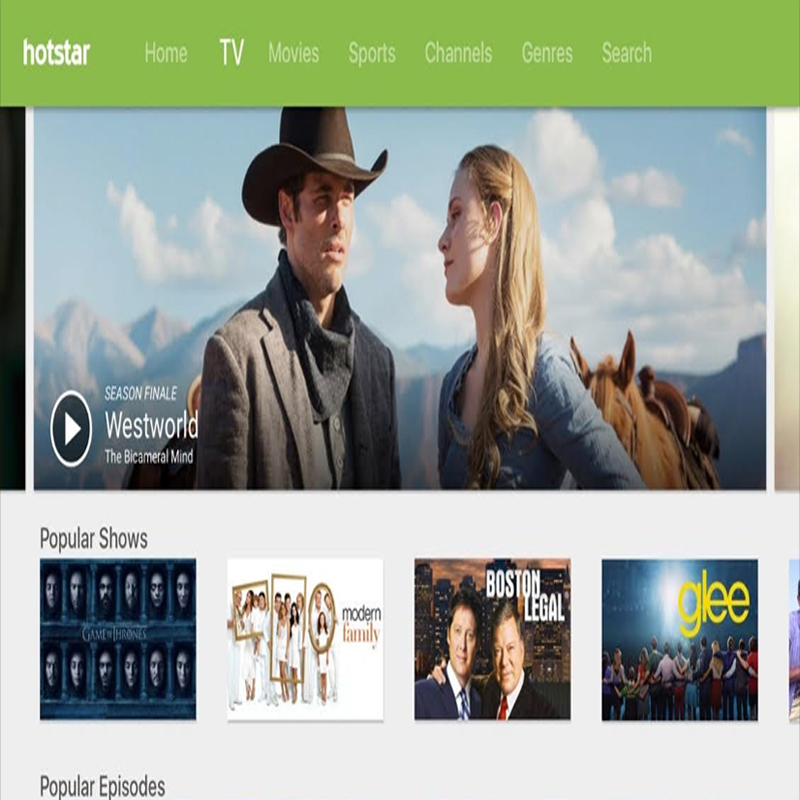
    Prior to Meta, Mohan was CEO of Star India’s (now Disney Star’s) video streaming service Hotstar for four years.

  • Meta India head Ajit Mohan calls it quits

    Meta India head Ajit Mohan calls it quits

    Mumbai: Meta India country leader Ajit Mohan has decided to move on. His resignation comes into immediate effect. Reports suggest that he is all set to join Snap, the social media company.

    Mohan had joined Meta (the erstwhile Facebook) as the managing director for the India market in January 2019. He was preceded by Umang Bedi who quit in October 2017.

    Prior to Meta, Mohan was chief executive officer of Star India’s (now Disney Star’s) video streaming service Hotstar for four years.

    As per reports, Meta vice president of global business group Nicola Mendelsohn said in a statement, “Mohan has decided to step down from his role at Meta to pursue another opportunity outside of the company.”

    “Over the last four years, he has played an important role in shaping and scaling our India operations so they can serve many millions of Indian businesses, partners and people. We remain deeply committed to India and have a strong leadership team in place to carry on all our work and partnerships. We are grateful for Mohan’s leadership and contribution and wish him the very best for the future.” he added.

  • Uday Shankar & Punit Goenka to speak at APOS 2022

    Uday Shankar & Punit Goenka to speak at APOS 2022

    Mumbai: Former Disney Asia Pacific head Uday Shankar, who has now teamed up with James Murdoch for a JV Bodhi Tree Systems and who is also Marigold Park founder, director, and ZEEL manging director & CEO Punit Goenka, is among the speakers at APOS 2022, which will take place in-person in Singapore at the Capella from 27-29 September 2022. The event will also be streamed, keeping in mind the current COVID situation.

    Created and curated by Media Partners Asia, APOS positions itself as the ultimate destination for deals, partnerships, and thought leadership as industry leaders focus on sustainable growth and investment across content, connectivity, and commerce.

    The other speakers include Meta India VP & MD Ajit Mohan, JIO Platforms group CFO Saurabh Sancheti, Warner Bros. Discovery president, international Gerhard Zeiler, Paramount senior VP, Head of Office and Streaming, Asia Catherine Park, Candle Media co-CEO, founder Kevin Mayer, Prime Video VP, International Kelly Day, Sky NZ CEO Sophie Moloney and YouTube global head of media co partnerships Lori Conkling.

    The key themes are:

    Media Macros: The Long And Short View

    APOS takes the pulse of key APAC markets, providing an outlook on advertising and consumer spending across media with discussions on key drivers and challenges along with secular shifts.

    Streaming’s Sustainability

    2022 will help investors and industry stakeholders assess the scalability of streaming with a laser focus on the sustainability of customer growth, monetisation and the path to profitability. APOS brings global and local perspectives into sharper focus.

    Valuations And Investor Expectations

    TV remains profitable with low growth, while streaming is rapidly growing but unprofitable. What is the inflection point for streaming and the outlook for long-term cash generation? What are the various approaches toward valuations of pure-play streamers, companies in transition, and other proxies?

    Growth of Premium Asian Content

    Korean dramas and Japanese anime drive nearly 40 per cent of premium online video consumption across the region. Production values in Thailand, Indonesia, and other markets continue to improve as budgets increase and broadcasters recoup investments across TV and online. What is the future forecast? Will Korean dramas continue to dominate? Can Japanese anime and other genres grow share? What is the outlook for local dramas in the country and regionally?

    Metaverse Impact

    New applications are being pioneered to drive consumer experiences with growing use cases across gaming, movies, music, TV content, and social connectivity. What will be the impact on consumer engagement and the development of new media franchises?

    Battle for the Living Room

    The growth of smart TVs along with the proliferation of video services has driven demand for aggregation with an emphasis on customer simplicity, improved content search and discovery, and efficient payment. 2022 will see competition for the living room escalate amongst internet & technology giants and telcos & pay-TV operators. What does customer success look like in key markets and what compelling use cases are emerging?

    Scalability of Premium AVOD

    TV broadcasters and regional platforms are capitalising on CTV growth, local IP, and attractive demos to help shape the premium AVOD market in major Asia-Pacific markets. How are the dynamics playing out amongst key stakeholders and what will drive future growth?

    Expanding the Creator Economy

    What are the latest innovations and emerging technologies expanding the creator economy as platforms and advertisers look to next-gen content creators to reach new audiences and build engagement? How are key platforms investing in monetization engines and unique platform features to drive new revenue streams that sustain creator ecosystems internationally and in large local markets in APAC?

    Recalibration of Sports

    After pandemic-induced lockdowns in 2020-21, rights fees experienced a correction; is market demand returning to pre-Covid levels, and if so, which markets and franchises benefit and which lag? How are distribution dynamics and drivers changing with the growth of online video?

    Telco State of Nation

    Telco strategy and investor focus across key markets are being driven by 5G and mobile consolidation. What catalysts across consumer, enterprise, and other key verticals will drive value creation for telcos in 2022 and beyond?

    New Normal for Movies

    2022 box office is still relatively depressed in most markets. When will demand snap back and what role will streaming continue to play? How are exhibitors, studios, and production houses positioning themselves? How are investors reacting?

    Optimising Content and the Video Experience

    How are new technologies helping platforms optimise customer experiences across content and connectivity? What applications are helping companies thrive in a highly competitive video landscape with content personalisation, targeted advertising, and the overall consumer experience?

  • Facebook India onboards Rajiv Aggarwal as director of public policy

    Facebook India onboards Rajiv Aggarwal as director of public policy

    Mumbai: Facebook India on Monday announced the appointment of Rajiv Aggarwal, a former Indian Administrative Service (IAS) officer, as director of public policy. He succeeds Ankhi Das, who quit in October last year.

    In this role, Aggarwal will lead policy development initiatives for the company that covers user safety, data protection & privacy, inclusion, and internet governance, Facebook said in a statement.

    He will report to Facebook India VP and MD Ajit Mohan and will be part of the India leadership team, it added.

    “We realise we are deeply immersed in the fabric of India and we have the opportunity to help build a more inclusive and safe internet that benefits everyone in the country,” Mohan said in a statement. “I am thrilled that Rajiv is joining us to lead the public policy team. With his expertise and experience, Rajiv will help further our mission to build transparency, accountability, empowered and safe communities, all of which we recognise as our responsibility,” he added.

    Aggarwal joins the social media giant from Uber where he was serving as the head of public policy for India and South Asia markets for nearly two years.

    He comes with over 26 years of experience as an IAS officer, working from grassroots to the global level, including as a district magistrate in nine districts across the state of Uttar Pradesh. 

    During his tenure as an administrative officer, he steered India’s first national policy on intellectual property rights (IPRs) as joint secretary in the Department for Promotion of Industry and Internal Trade (m/o commerce) and was instrumental in the digital transformation of India’s IP offices, said the statement.

    He has been closely associated with the India-US bilateral trade forum, besides being the country’s lead negotiator on IPRs with other nations, it added.

  • Facebook India’s head of public policy Ankhi Das steps down

    Facebook India’s head of public policy Ankhi Das steps down

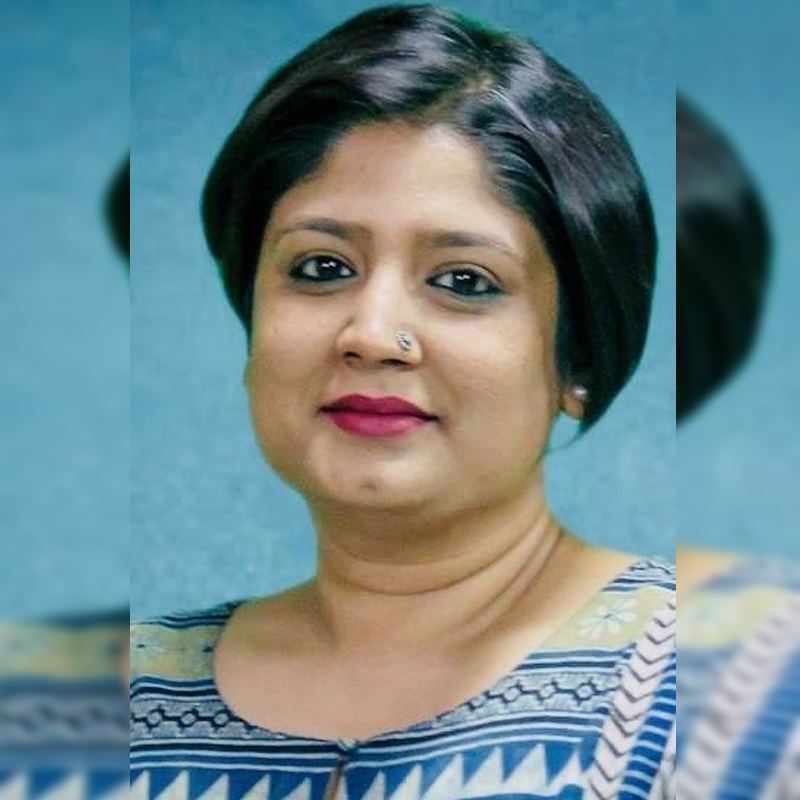
    NEW DELHI: Facebook India’s head of public policy Ankhi Das has moved on from her current role. She was with the organisation for over nine years and was a core team member.

    A statement by Ajit Mohan, Facebook India's managing director, said: "Ankhi has decided to step down from her role in Facebook to pursue her interest in public service. Ankhi was one of our earliest employees in India and played an instrumental role in the growth of the company and its services over the last nine years. She has been a part of my leadership team over the last two years, a role in which she has made enormous contributions. We are grateful for her service and wish her the very best for the future."

    “When I joined Facebook in 2011, internet growth in the country was woefully low and I often wondered how social and economic asymmetries will be addressed,” Das said in a post announcing her resignation.

    “We were a small unlisted start-up back then guided only by our mission and purpose to connect people in India. After nine long years, I feel that the mission has largely been met. There is an enormous amount I have learnt from incredibly smart and talented people in the company, particularly from people on the policy team. This is a special company and a special group of people,” she added.

    The resignation follows after Das was accused of allowing hate speech and not moderating political content well on Facebook pages. Several human rights commissions were actively pursuing the case and had called on the social media giant to place her on leave until it finishes conducting an ongoing audit of India operations.

    A few days ago, Das appeared before a joint parliamentary committee looking into data protection and privacy, and was reportedly questioned for two hours.

    Facebook was told by the panel that it should not draw inferences from user data for commercial benefit of its advertisers or for electoral purposes.

  • Facebook’s Ajit Mohan & the new world order

    Facebook’s Ajit Mohan & the new world order

    KOLKATA: The SARS Cov2 virus has drastically changed consumer behaviour. Facebook India vice-president & managing director, Ajit Mohan believes that digital influence is not just limited to online buying but offline too.

    Speaking at IAMAI's Marketing Conclave, Mohan said that digitally influenced purchases have gone up by 15-20 per cent for some of the largest consumer goods categories in India such as apparel, mobile phones, packaged consumer goods that traditionally had offline chains. Citing a study by Nielsen, he said that before the pandemic, digital marketing was one of the most effective ways to drive offline sales for Mondelez’s chocolates in kirana stores.

    “The Covid2019 pandemic has crunched a few years of consumer behaviour change into a few months and weeks. Adtech is one sector that has grown during the pandemic,” he added. 

    As the festive season nears, Mohan predicted that a huge chunk of purchases is likely to happen online. According to him, video and virtual experiences are going to be at the heart of festive buying this year.

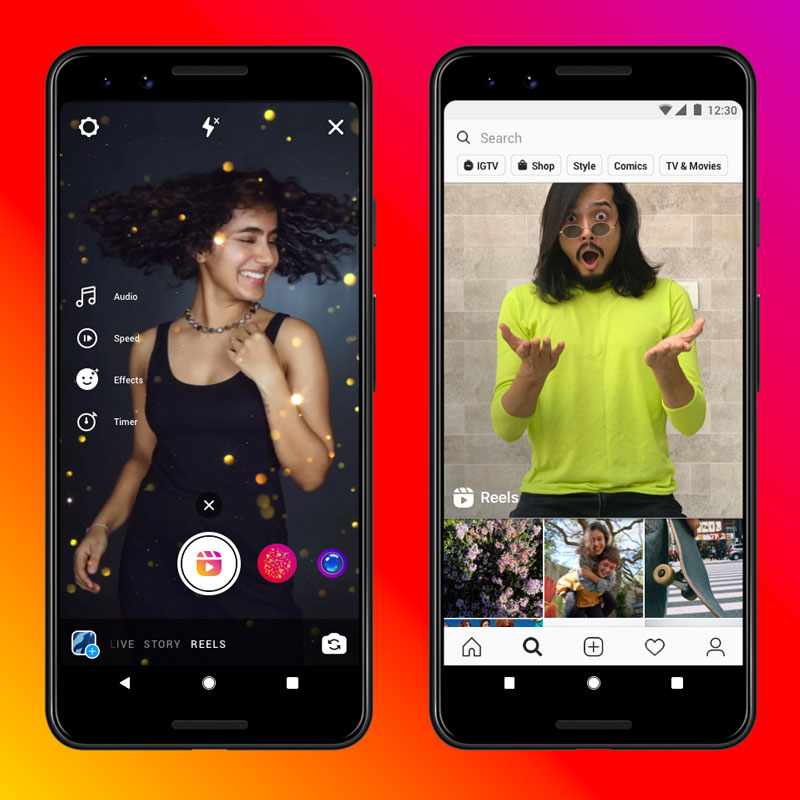
    He also shared that voice and video calls across all Facebook apps have doubled while live from Facebook page in India has grown three times in June year-on-year. These consumer trends have led to the launch of products like Reels on Instagram and Room on Facebook.

    Speaking about the economic impact, Mohan highlighted that the pandemic is just not a public health emergency but also an economic crisis, which has particularly impacted small businesses across the country. Most of them have shut shop, some are working with reduced workforces, while others are experiencing lower sales.

    Mohan said that he believes Facebook has an important role to play in the recovery of small businesses and the economy. And a lot of its energy is focused on how it works not just with MSMEs but with the entire ecosystem that helps in rejuvenating the economy

    “It’s very clear that the fundamental behaviour of consumers is in a transition mode. And as marketers, I genuinely believe it will be a mistake on our part to look over the next few months in India as growth returns aggressively. It will also be incorrect to replicate marketing models and playbooks that are no longer relevant. The only way forward is to look at models relevant to the world that is coming out of the crisis,” he concluded. 

    (It maybe recalled that earlier this year, Facebook invested $5.9 billion for a 9.9 per cent stake in Reliance Jio Platforms. It had announced that it planned to work with the company to empower 60 million small businesses, including mom-and-pop stores in India. A little later JioMart, a joint venture between Reliance Jio Platforms and Reliance Retail (India’s largest retail chain), started to allow customers to track shipments through WhatsApp.)