Tag: Ajay Bhalwankar

  • Inside SPNI’s GEC Strategy: Balance, Reach & Relevance

    Inside SPNI’s GEC Strategy: Balance, Reach & Relevance

    MUMBAI: In a fast-evolving television landscape, Sony Pictures Networks India (SPNI) has steadily strengthened its general entertainment channel (GEC) portfolio with SET and Sab, achieving measurable gains in reach, GRPs, and market share. The content mix resonates with both mass and premium audiences – powered by a strategy that blends high-impact formats, emotional storytelling, and regional nuance.
    As the genre undergoes broader shifts, SET and Sab have quietly outperformed, offering consistent growth in a space many consider saturated.

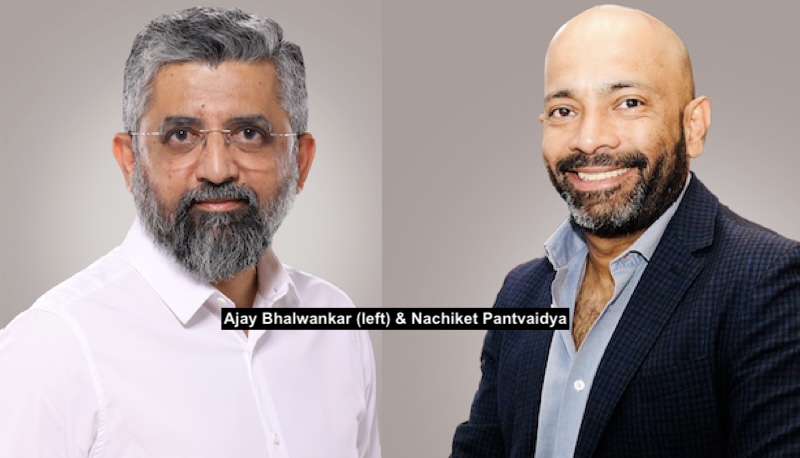
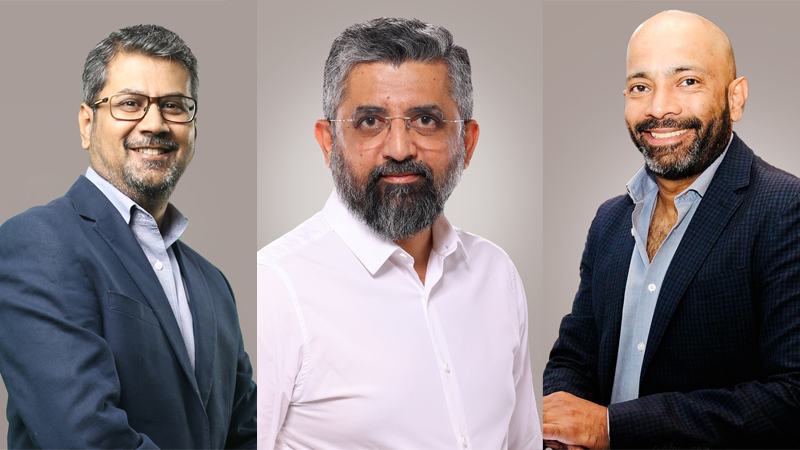
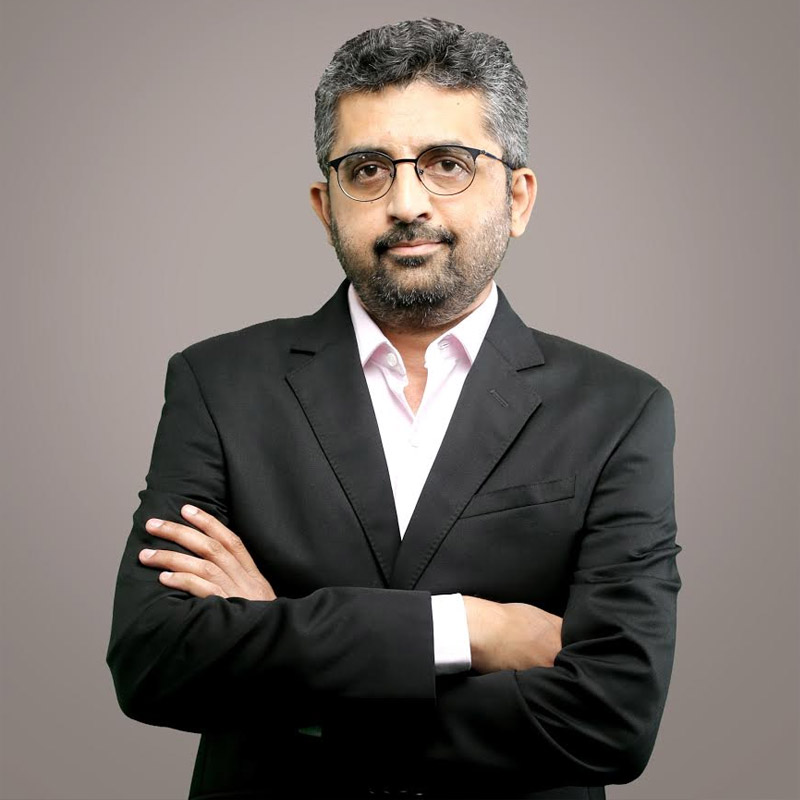
    In this candid exchange with Indiantelevision.com, Nachiket Pantvaidya, Business Head – SET, and Ajay Bhalwankar, Business Head – Sab, decode the engines behind this momentum, how the channels retain distinct identities while complementing each other – and why it’s time the industry reframed its view of SPNI’s GEC play.Excerpts from the exchange: 

    On what’s driving the growth momentum with SET and Sab in a tough environment.

    Nachiket Pantvaidya & Ajay Bhalwankar: SPNI’s Hindi GEC portfolio, led by Sony Entertainment Television (SET) and Sony SAB, has continued to grow steadily despite a challenging industry environment. What’s driving this momentum is a clear strategy built on quality content, smart scheduling, and a deep understanding of our viewers.

    Sony Entertainment Television grew its reach by 10 percent year-on-year, even as the genre declined by seven percent. Sab has led pay Hindi GEC reach since early 2025 and continues to do so. Together, the two channels have helped SPNI grow its market share from 28.8 percent to 31.2 percent in FY25, even as the genre overall contracted by four percent.

    At the core of our approach is the belief that data should guide our decisions, but it is emotion that builds loyalty. SET delivers high-impact fiction and marquee non-fiction formats like Kaun Banega Crorepati and Indian Idol, while Sab continues to connect deeply with audiences through shows like Taarak Mehta Ka Ooltah Chashma, Veer Hanuman, Uff Yeh Love Hai Mushkil, Pushpa Impossible and Wagle Ki Duniya.

    Even during IPL this year, when most GECs saw a dip, SET posted a 14 percent GRP growth in comparison to the previous IPL period. That kind of performance is not accidental. It reflects how consistently we’ve been able to deliver stories that resonate, adapt quickly to viewer feedback, and stay culturally relevant across markets. This twin-engine model works because SET and Sab do more than co-exist. They strengthen each other through shared intelligence and differentiated appeal.

    Ultimately, it’s our commitment to meaningful content, backed by clear positioning and data-led agility, that has helped us grow where others have seen decline.

    On what  makes SET and Sab work so well together and how does the network  balance their distinct brand identities while growing the two channels.

    Nachiket Pantvaidya & Ajay Bhalwankar: SET and Sab succeed together because they are built to serve different emotional needs across the viewing spectrum. SET focuses on aspirational, high-stakes drama and premium non-fiction formats such as Kaun Banega Crorepati, Indian Idol, and Crime Patrol. Sab, on the other hand, connects with audiences through warmth, humour, and everyday optimism, offering slice-of-life stories that feel both familiar and refreshing.

    This clear emotional positioning is what sets the portfolio apart. Sab leads the NCCS A Urban segment with a 26.8 percent market share. Rather than overlapping, SET and Sab complement each other with differentiated content across genres and time slots. SET creates event-led viewing moments, while Sab builds daily engagement and family connect.

    Our approach is not just to avoid duplication but to create distinct value through co-existence. Each channel strengthens the other by fulfilling a different viewer need. This dual-channel strategy helps SPNI cater to a complete audience journey, from weekday routine to weekend entertainment, and from urban metros to heartland homes. Together, SET and Sab offer a balanced and powerful entertainment ecosystem.
    Aami Dakini

    On what has helped SET  overtake Zee and climb to #4 in key HSM markets.

    Nachiket Pantvaidya: SET’s climb to the number four position in key HSM markets like Maharashtra, Gujarat, and Madhya Pradesh is the result of deliberate and sustained strategy. We have moved away from legacy storytelling and embraced a more diverse content mix that includes high-stakes drama, thrillers, devotional shows, and reality-led programming. This variety has broadened our appeal across audience segments.

    In the affluent NCCS A segment, SET has overtaken Zee in FY25 since September, which signals a shift in preference among premium viewers. This change reflects the success of our efforts to position SET as a destination for both aspirational and emotionally engaging content.

    In Maharashtra and Gujarat, for instance, we have seen strong traction for titles with faith-based and family-centric themes. These narratives resonate deeply with local audiences and help build lasting viewer connections.

    Even during challenging periods like the IPL season, when GEC performance typically dips, SET posted 14 percent GRP growth in comparison to previous IPL period. That kind of result is driven by content that is both culturally relevant and emotionally compelling. By refreshing our flagship shows and staying attuned to evolving viewer expectations, SET has managed to stay contemporary, relevant, and ahead of the curve.

    On what has led to  Sab emerging  as the most-watched GEC among affluent urban audiences and how does it continue doing so in such a difficult segment.

    Ajay Bhalwankar: Sab’s leadership in the affluent urban segment is the result of clear intent and consistent execution. We currently command a 26.8 percent market share among NCCS 15–50 A urban audiences, significantly ahead of Star Plus at  24.9 percent and Colors at  20.8 percent. In terms of GRPs, Sab leads with 156, again surpassing both Star Plus and Colors.

    What drives this performance is our commitment to values-driven, relatable storytelling. Our shows reflect the priorities of today’s urban households. Rather than leaning on exaggerated drama, Sab tells stories rooted in real-life dilemmas, creating characters that feel familiar and trustworthy.

    Programs like Taarak Mehta Ka Ooltah Chashma, Veer Hanuman, Uff Yeh Love Hai Mushkil, Wagle Ki Duniya and Pushpa Impossible are crafted with cultural intelligence and emotional honesty. They resonate with viewers who are looking for content that mirrors their own lives, rather than offering pure escapism. In a landscape often dominated by melodrama, Sab stands apart by delivering humour, heart, and humanity. Taarak Mehta Ka Ooltah Chashma is the top show in Week 26 with 2.6 TVR in 15-50 A (Top 7 Pay Hindi GEC channels) completing 4444 episodes.

    This is why Sab has become the preferred choice for decision-making urban audiences. It feels like a companion, not just a channel, and that connection is what keeps us ahead.

    Uff Yeh Love Hai Mushkil,On what has led to high value regional markets like Maharashtra and Gujarat becoming strongholds for SPNI’s GEC cluster.

    Ajay Balwankar & Nachiket Pantvaidya: Our performance in Maharashtra and Gujarat has been shaped by a consistent focus on emotional relevance and cultural resonance. SPNI commands 17 percent higher viewership in HGEC than JioStar in Maharashtra, which is India’s most valuable Hindi-speaking market. Sab is the number one GEC in both Maharashtra and Gujarat. The gap between Sab and our nearest competitor in Gujarat is 40%.  
    The success comes from understanding that while our content remains linguistically neutral, it is emotionally hyperlocal. We take a region-sensitive approach to casting, dialogue, and storytelling. In Maharashtra, for example, we emphasise themes of devotion and tradition. In Gujarat, the focus shifts more toward family bonds and community values.

    Upcoming titles like Ganesh Kartikey are designed with these cultural touchpoints in mind, especially for Maharashtra’s devotional audience. Similarly, Chalo Bulava Aaya Hai taps into rituals that hold deep emotional meaning across demographics.

    What sets us apart is that this isn’t about short-term spikes. Our success in these regions reflects long-term viewer engagement built on trust and emotional proximity.

    On how are SET and Sab evolving their content to meet the viewers expectation of stories that are fresh but emotionally grounded.

    Ajay Balwankar & Nachiket Pantvaidya: Audiences today are looking for stories that feel new but still speak to their hearts. At SPNI, we have focused on delivering genre diversity with emotional consistency. Whether the theme is faith, family, humour, or aspiration, our stories remain anchored in Indian values.

    On SET, we are expanding into a wider narrative space with a strong upcoming line-up that includes a thriller, a mythological family saga like Ganesh Kartikey, a devotional drama in Chalo Bulava Aaya Hai, and talent-led formats such as Super Dancer 5 and Indian Idol. Shows like Bade Achhe Lagte Hain will continue to explore mature, layered relationships, while Aami Dakini brings in a unique regional-literary depth that is rarely seen on mainstream Hindi television.

    Sab, on the other hand, continues to excel with long-running favourites like Taarak Mehta Ka Ooltah Chashmah,Pushpa Impossible, and Wagle Ki Duniya, along with exciting new launches like Veer Hanuman, Uff Yeh Love Hai Mushkil, and the upcoming Itti Si Khushi. Shows like Pushpa Impossible demonstrate that socially relevant storytelling can be both thoughtful and uplifting.

    We are also seeing a clear uptick in viewership among NCCS 15–50 A urban audiences, which confirms the growing appetite for emotionally intelligent, value-driven content. Our aim is not just to entertain, but to spark reflection, conversation, and connection. 

    On the new shows that are coming up on Sab and SET and how they  will strengthen the network’s  leadership position.

    Ajay Balwankar & Nachiket Pantvaidya: We are genuinely excited about the upcoming line-up across both SET and Sab because each show has been carefully curated to deepen our connection with audiences and reinforce our leadership in the Hindi GEC space.

    On SET, Super Dancer 5 returns as a proven platform that celebrates young talent, while Indian Idol continues to be a nationwide celebration of musical diversity. These formats reaffirm our stronghold in non-fiction and help bring in new audiences beyond core fiction viewers. Ganesh Kartikey is a large-scale mythological drama that brings devotion and spectacle together with modern production values. 

    On Sab we are looking forward to Uff Yeh Love Hai Mushkil, a light-hearted exploration of modern relationships, and Itti Si Khushi, which is based on an internationally acclaimed format and has been adapted with emotional depth and local insight.

    These are not just new launches. They are shows built with the intention to become long-term anchors within our GEC universe. Whether through cultural resonance, emotional engagement, or mass appeal, each of these titles strengthens our ability to deliver content that is fresh, meaningful, and built to last.
    Bade Achche
    On whether the industry gives SPNI’s GEC cluster enough credit and whether it is it time to reframe the narrative around the network’s category leadership.

    Ajay Balwankar & Nachiket Pantvaidya: We believe the time has come to reframe the narrative. The performance of SPNI’s GEC cluster speaks for itself, yet the industry conversation has not fully caught up with the facts.

    SET has climbed to the number four position in key HSM markets, overtaking Zee TV, which is a significant shift. SAB has consistently delivered the highest GRPs post-Covid and ranked number one across multiple weeks in the HSM Urban 2+ segment. Our market share in HGEC in FY25 has risen to 31.2 percent, even as the genre experienced a decline. 

    The metrics are clear, and the momentum is real. What needs to evolve now is the perception. It is time to recognise SPNI’s GEC cluster not as a quiet contender, but as a consistent leader in both reach and relevance.

  • Sony Pictures Networks India announces leadership reshuffle

    Sony Pictures Networks India announces leadership reshuffle

    Mumbai: Sony Pictures Networks India (SPNI) has announced three leadership changes, highlighting the company’s focus on growth and operational efficiency. These appointments are crucial for SPNI’s progress, with each leader bringing relevant expertise and new perspectives to their roles.

    Nachiket Pantvaidya, an industry veteran with a rich and diverse career spanning multiple leading media companies, is now taking over as the business head of Sony Entertainment Television (SET). This marks his third stint with SPNI. While he joins SET, he will also continue to manage his role as general manager at Sony Pictures International Productions (SPIP). Nachiket has consistently demonstrated strategic prowess and leadership in his previous roles at SPNI, including managing P&L for SET, developing iconic franchises, and boosting advertising and distribution revenues. His broader role will enable him to leverage his extensive expertise to deliver exceptional entertainment experiences across both platforms.

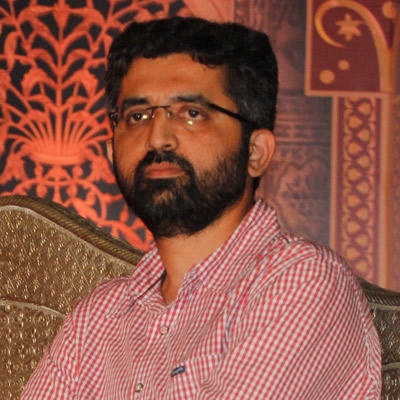
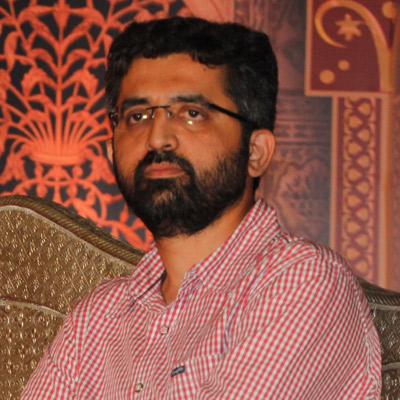
    Ajay Bhalwankar, who has been with SPNI since 2014, currently heads its Marathi channel. He previously served as the chief creative director for SPNI’s flagship general entertainment channel, Sony Entertainment Television (SET). Under his leadership, Sony Marathi has seen significant growth, delivering high-quality, engaging content that resonates with Marathi audiences. Ajay’s strategic vision has enabled Sony Marathi to carve a niche in the crowded Marathi GEC market. His emphasis on progressive and relatable content has helped the channel capture a nine per cent market share. Moving forward, Ajay will additionally spearhead Sony SAB as its business head. With his experience and creative acumen, Ajay is well-positioned to bring fresh and engaging content to Sony SAB’s diverse audience, further strengthening the channel’s reputation for quality entertainment.

    Tushar Shah is the business head of English, Bengali, and infotainment channels and the chief marketing officer (CMO) at Sony Pictures Networks India (SPNI). He oversees prominent channels such as Sony PIX, Sony AATH, and Sony BBC Earth. With nearly 18 years of experience across two tenures at SPNI, Tushar has driven significant growth and profitability and enhanced viewership. His strategic leadership has also been crucial in the successful reach and expansion of Sony AATH in West Bengal. Going forward, Tushar will additionally oversee Sony MAX, Sony MAX HD, Sony MAX 2, Sony WAH and Sony PAL. His expertise will fuel further innovation across these channels, enhancing their market presence.

  • TCH 2024: One Nation: Diverse Voices

    TCH 2024: One Nation: Diverse Voices

    Mumbai: Exploring the shift from regional to national content, this synopsis delves into the trends and challenges. It navigates the transformation, analyzing industry dynamics, emerging trends, and the hurdles faced. From preserving regional variation to adapting to a broader audience, it examines the multifaceted journey of regional content evolving into a national narrative. In what ways do the emerging trends and challenges influence the dynamics of the entertainment industry during this transition? How can creators navigate these changes effectively? What strategic approaches can content creators adopt to strike a balance between maintaining regional identity and fostering a cohesive national narrative in their work? How can the transition from ‘regional’ to ‘national content’ impact cultural diversity within the entertainment industry, and what measures can be taken to ensure the preservation of regional variation?

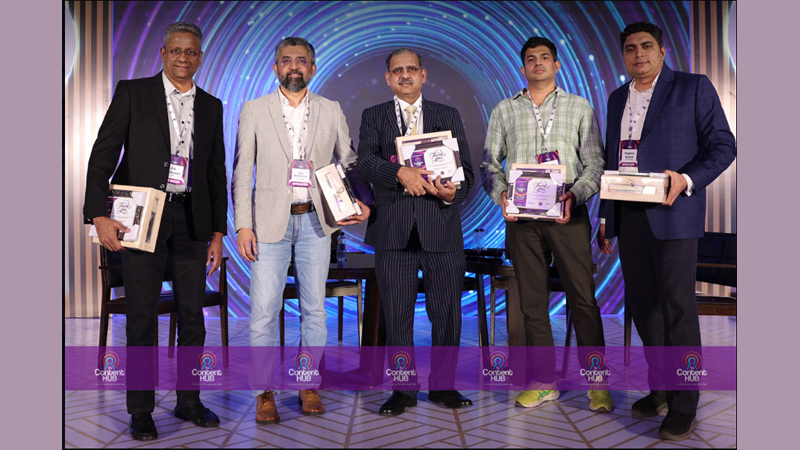
    In a rapidly evolving media landscape, seasoned industry professionals have offered valuable insights into the transformation of content consumption and production. The session was chaired by Ernst and Young partner Raghav Anand, MMTV chief executive officer P.R. Satheesh, Sony Marathi business head Ajay Bhalwankar, PTC Network chairman & MD Rabindra Narayan, Shemaroo Entertainment COO, Digital, Saurabh Srivastava esteemed voices in the field, have articulated their perspectives on the burgeoning shift towards globalised content.

    Rabindra Narayan emphasised the dissolution of regional boundaries in content consumption, attributing it to the accessibility facilitated by global platforms and connectivity options. He predicts a future where language barriers will fade, citing the potential of technology to clone and adapt voices, thus enabling seamless localization across languages.

    Saurabh highlighted the democratisation of content creation in the digital era, underscoring its empowerment and revenue potential, particularly in linguistically diverse markets like India. He emphasizes the value of culturally rooted storytelling in filling gaps in content supply, with technology enabling effective monetization, especially through OTT platforms.

    Ajay Bhalwan sheds light on the evolving landscape of Hindi and regional language content, noting a significant shift where a substantial portion of content on Hindi film channels originates from regional languages. He accentuates the importance of language in enhancing authenticity and audience engagement, exemplified by the strong resonance of Marathi content in Maharashtra.

    PR Satheesh underscored the paramount importance of content quality in driving viewership and transcending language barriers. Drawing parallels with the global popularity of Korean dramas, he advocates for leveraging technology, including AI and real-time translations, to enhance content creation and distribution.

    These insightful perspectives collectively echoed the industry’s adaptation to a globalised content landscape, where technology catalyzes innovation and accessibility. As content continues to evolve, these experts offered valuable guidance on navigating the dynamic media landscape and maximizing the impact of storytelling in diverse markets worldwide.

  • We showcased our content to more audiences during pandemic: Ajay Bhalwankar

    We showcased our content to more audiences during pandemic: Ajay Bhalwankar

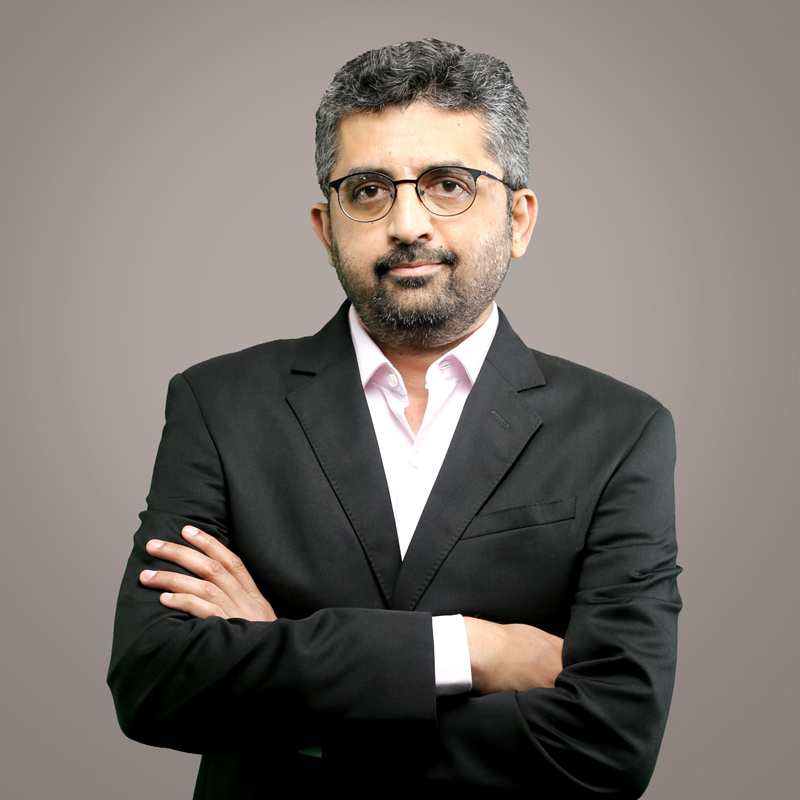
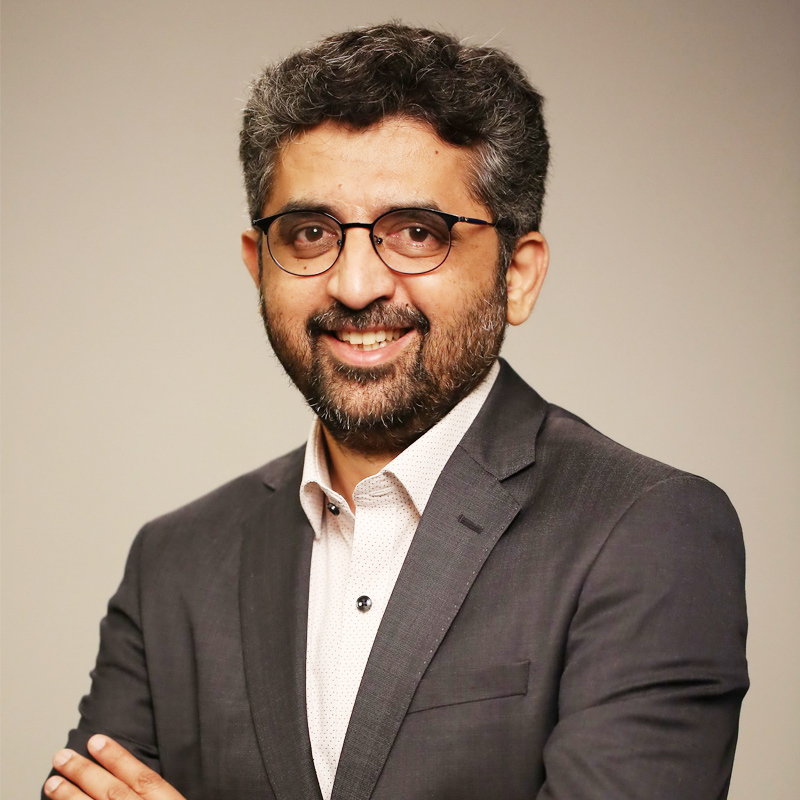
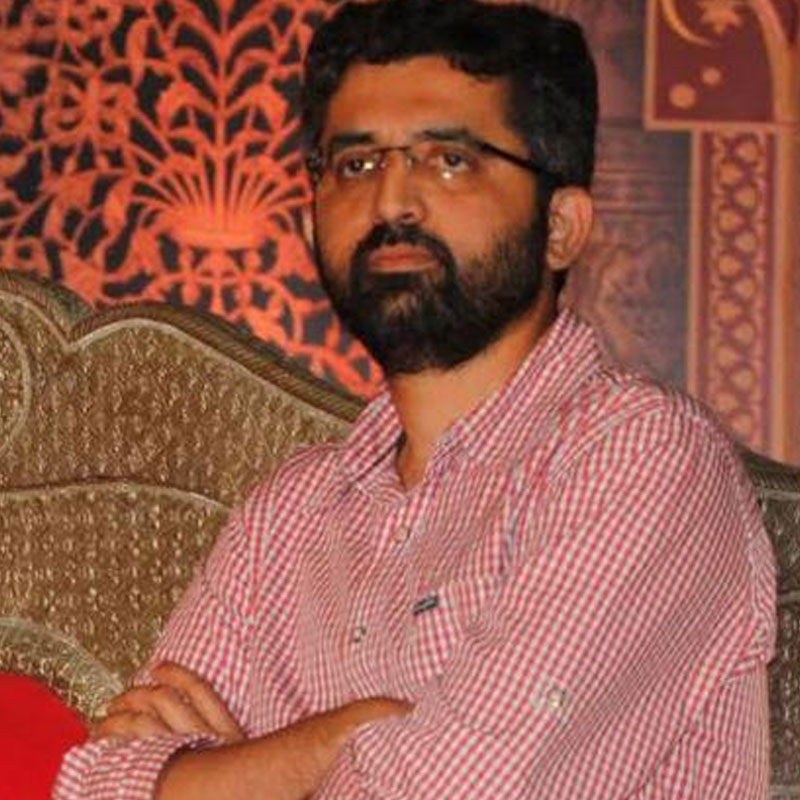
    Mumbai: Ajay Bhalwankar has been associated with Sony Pictures Networks since 2014. He headed the network’s flagship general entertainment channel Sony Entertainment Television (SET) as chief creative director. In 2018, he was appointed as the business head for Sony Marathi, the network’s newly launched Marathi general entertainment channel.

    Prior to joining SPN, he has worked in various capacities with broadcasters and channels like Zee TV and Music Asia. At Zee Network, he was the content head – Hindi GECs and had been instrumental in delivering quality content with exceptionally popular shows and remarkable characters across a bouquet of genres. He has also worked as a journalist with Mumbai’s leading Marathi newspaper ‘Aapla Mahanagar’ and fortnightly sports magazine ‘Ekach Shatkar’.

    During his career, he has launched Marathi and Hindi channels besides producing Marathi films and setting up a film production studio.

    Bhalwankar has a M.A in French literature from the University of Mumbai and a management degree from MICA, Ahmedabad. He is an ardent movie buff and avid reader with a preference for books on history, poetry and philosophy. During weekends, you may catch him spending quality time with his family and going on road trips.

    Indiantelevision.com’s Varun Markande spoke to Sony Marathi, business head and Sony Pictures Networks India, executive vice president, Ajay Bhalwankar on how the channel fared during the pandemic, and its growth from 30 GRPs to 100 GRPs in four years, and more. 

    Edited Excerpts

    On the growth of Sony Marathi over the last four years

    We launched the channel four years ago on 19 August. At that time there were many general entertainment channels (GECs) that already existed but have since faded or have been unable to make a mark.

    We started off with a healthy reach of 21 per cent and 30 gross rating points (GRPs) at the beginning. Since then, we’ve crossed 100 GRPs in four years and acquired a lot more audiences. These were tough years when the Maharashtra market faced issues such as Covid-19, floods, and extended elections but we’ve kept growing on the back of consistently good content coming on the channel.

    At the time of launch, there were already four established channels in the Marathi GEC space and we’ve been able to reach No. 3 in terms of reach. We’re ahead of channels like Zee Youva and Colors Marathi with a reach of 25 per cent which shows that people are consuming Sony Marathi content.

    On the growth of Marathi viewing audience

    When we launched, the entire Marathi genre was hovering around 700 GRPs. Today, this genre is clocking more than 1000 GRPs looking at the data from the last two to three weeks. The market has grown thanks to the competition between channels and great content that is being produced. The growth of the Marathi viewing audience has been consistently strong in the last four years because of the efforts of GECs in terms of content.

    The uniqueness of Marathi content is that it is viewed by the entire family together. Our research showed that Hindi GECs are watched mostly by women whereas Marathi soaps are consumed by men, women , and kids. That helps the advertiser, as well as the channel, attract more audiences. I know a lot of people who don’t speak Marathi but view Marathi content because it is progressive and brings people together. That’s what’s unique about the genre.

    On the top shows for the channel

    In non-fiction programming, our top shows include Kon Honnar Crorepati and Maharashtra Chi Hasya Jatra Navya Korya Vinodacha Punha Nava. The latter especially has become a big rage with Marathi audiences for its humour and content.

    In fiction programming, shows like Gatha Navnathanchi, Saubhagyavati Ho, Swarajya Janani Jijamata have done very well for us. All these shows have a progressive element in them.

    From July onwards, we have launched new shows starting with Ajunahi Barsaat Aahe which has an outstanding cast of actors like Mukta Barve and Umesh Kamat. We launched Vaidehi on 16 August which is produced by Purnendu Shekhar of Balika Vadhu fame.

    We have planned more shows for the festive season which will be produced by Balaji Telefilms and some non-fiction properties that are the strength of Sony.  

    On the impact of the pandemic on ratings

    The first wave of Covid forced channels to air their archive content as original content programming had stopped. That worked in the favour of a young channel like Sony Marathi. Fewer people had sampled our content to an extent.

    The pandemic was an opportunity for us to showcase our content that was differentiated, progressive, and not the done-to-death drama that appeared on other TV channels.

    During that period, Sony Marathi’s GRPs climbed quickly from 50 GRPs to 80 GRPs and today has crossed 100 GRPs. The channel has grown rapidly in the last one and a half years.

    On marketing the channel to new audiences.

    We have an almost continuous engagement with our audience. We take a 360-degree approach and leverage digital marketing, print media, ground-level activations, and OOH to create awareness for our shows. From April onwards, we launched an aggressive marketing campaign with the support of Sony Pictures Networks India channels to acquire more audiences.

    On the growth of advertising on the channel

    Advertising is growing year-on-year with sponsors coming on board for our fiction as well as nonfiction properties. There are national as well as local clients who want to advertise on Sony Marathi because of the way the channel is growing.

    On the vision for the next three years.

    For any channel reaching No. 1 in the market is critical. Our effort is to get to that level. Of course, that doesn’t happen overnight and we have a strategy in place that should raise the channel to a commendable position in an organic manner.

    Sony Marathi has always been a challenger brand. We’ve offered new, differentiated, and innovative content. We’re looking at big formats like Kaun Banega Crorepati and Super Dancer and a mix of strong fiction shows to add to our programming.

    Maharashtra has a highly urbanised market and for us the urban audience is critical. In markets like Mumbai, in the 10-75 age bracket, our ratings are as high as 165 GRPs. These markets are critical to our growth and we’ve seen our numbers increase consistently. 

  • Marathi GECs improvise to engage viewers during lockdown

    Marathi GECs improvise to engage viewers during lockdown

    MUMBAI: Given the dearth of fresh content, Marathi GECs had to come up with ways to fill airtime. Some are running dubbed versions of Hindi hit shows during the Covid2019 lockdown while others have fresh content such as those shot by actors. However, the most common trend in all of these channels is comedy shows.

    Fakt Marathi, a sister channel of Enterr10 and Dangal, relied on humour and spirituality to create engagement with the audience. The channel has grown 30-35 per cent in terms of viewership in the last six weeks of lockdown on average in the urban market.

    Explaining its content strategy, Fakt Marathi co-promoter Shirish Pattanshetty says, “We are re-running archived content and a repeat of Marathi dubbed version of Hindi hit show, Taarak Mehta Ka Ooltah Chashmah, along with other certain shows that the market has not seen so far.” The show has been running on the channel for 100-plus days now, and the process of dubbing for new content will begin from 1 June with producers likely to submit it to the channel when lockdown opens up.

    "We have certain shows in the bank that were never exploited and these traditional shows have the power to connect with the audience and were acquired from a Marathi broadcaster, who shut shop a few years back," says Pattanshetty. He adds, "Shows like Khel Savalyancha, Krupa Sindhu Brahmand Nayak, Madam Sasu help us change our sampling size and with other channels burning their niche properties, they tend to lose their loyal viewers who try to find an alternative in the same sphere.”

    At this juncture, the broadcasters' only focus is to create stickiness, keep viewers engaged, as due to economic crunch the overall advertising revenue across the Marathi GEC market has shrunk by 70 per cent, says Pattanshetty. “Our advertising revenue in the last two months has fallen to the tune of 65-70 per cent, because shops and establishments are not open and except for essential services brands are not promoting anything else.”

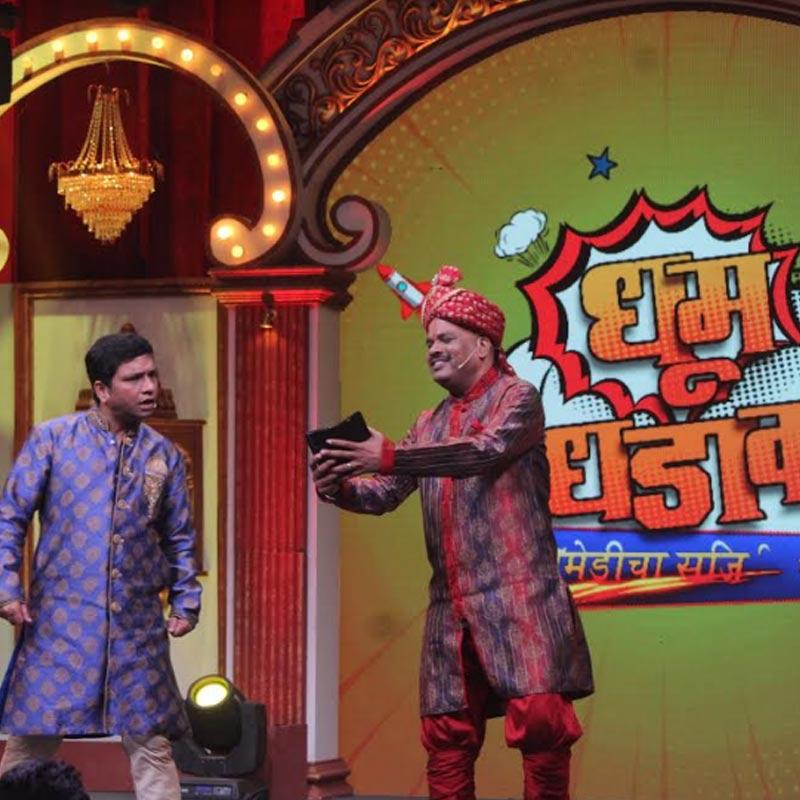
    Sony Marathi became the first channel to come up with a remotely produced comedy show called, Aatshe Khidkya Naushe Daara, despite being under lockdown. The show features 16 actors playing various characters; these artists themselves have shot their bit and later have been given flow at the editing table. The show’s plot was how residents of a typical housing society gossip about each other.

    “Considering this tough time as an opportunity to innovate and set higher benchmarks for the Marathi GEC space and rather acquiring content library inorganically, we thought of creating a new show which helps stick to our standards to keep viewers engaged with fresh content,” says Sony Marathi business head Ajay Bhalwankar.

    “The logistical constraints of creating this show were huge,” explains Bhalwankar. “This show helped us understand that limitation on resources is actually conducive for innovation and we will continue to do so in the future also.”

    The channel believes that the content shown on the platform should create an impact on viewers’ lives rather than just evaluating it on the basis of viewership.

    From popular fiction shows such as Sukhachya Sarini He Mann Baware, Raja Rani Chi Ga Jodi, Jeev Zala Yedapisa and Balumamachya Navana Changbhala to exciting non-fiction reality shows like Sur Nava Dhyas Nava and Big Boss Marathi to comedy shows like Comedy Chi Bullet Train, Colors Marathi has kept viewers entertained with content they love and resonate with.

    Says Viacom18 business head – Marathi entertainment Nikhil Sane: “Despite working remotely, we are brainstorming on our comeback strategy with fresh and original content, once permissions to shoot are granted and the situation stabilises.” The channel is currently dependent on its prime properties such as Bigg Boss Marathi and Comedy Chi Bullet Train to drive the viewership growth.

    On the contrary, Pattanshetty says, “All production houses are excited to come back and start creating fresh content, but I personally believe that it’s not going to be easy; producers might not be able to shoot good content with limited resources. Also, a fear of Covid2019 can put any show on and off. If anybody at a particular shooting location is infected then the show could go for a toss.”

    He believes that broadcasters will look at creating a bank of at least two-three weeks before going live.

    Days DigitalKites senior vice-president Amit Lall, “Currently, no brand is looking at show sponsorship. Rather, they are doing run-on networks, wherein they seek certain impressions to be burned on their advertisement shown on a channel.”

    According to Lall, brands are only looking for inventory buying rather being show sponsoring due to the absence of fresh content.

  • Sony Marathi banks on fiction to be market leader

    Sony Marathi banks on fiction to be market leader

    MUMBAI: Regional is the hot new space for broadcasters and they have taken big bets on vernacular languages to garner higher ratings. Sony Pictures Network India (SPNI), which already has its presence in the Bengali space, saw the potential in Marathi market and made a move to launch its channel on 19 August 2018.

    The channel launched nine fiction shows and two non-fiction shows during its launch and now, the channel is adding yet another non-fiction show, Super Dancer Maharashtra, produced by frames production house in its bouquet. The channel claims to focus on fiction while non-fiction will also have a steady offering. Sony Marathi business head Ajay Bhalwankar said, “Sony as a cluster, is known for our non-fiction shows and for us, fiction will matter but non-fiction will also have a steady offering from us.”

    The channel claims to have surpassed the established biggie in the market which is Star Pravah, bagging 30 GRPs with 21 per cent reach in the Maharashtra-Goa Urban 15+ market. “Nobody has opened as big as in the first week itself, we are ahead of the already established players like Star Pravah,” said Bhalwankar.

    When asked about the challenges that Sony Marathi is facing in the already cluttered market, he pointed out that there were many but one was to figure out what kind of channel was needed as Marathi is a matured market since 20 years. “So our first and foremost position was to get a position ourselves, to create a space for ourselves in this market. Sony Marathi was the first serious launch of the regional channel, as we don’t have regional channels apart from Sony Aath which was more of acquisition and more of films and dubbed content. But our Marathi bouquet will be a full-fledged original content that we are making so that was the other challenge that we had of how we approach the regional channel and offering.”

    Talking about Sony Marathi’s flagship shows so far, Bhalwankar said that it’s too early to analyse which shows are working well. He said that people are sampling their liking. People are watching throughout the day, during its primetime and also on Sundays. “The approach for us is to grow brick by brick, so our first step has been formidable and we are looking at how slowly and steadily we will grow. Going forward, we have exciting content for fiction. People have reacted positively for fiction, whereas in non-fiction we have got some big properties,” he said.

    The Marathi segment, especially the GECs and the movies, have been garnering a great traction from advertisers.  According to the reports, after Tamil and Telegu, advertisers are now banking on this segment, which contributes 4 per cent (Rs 800-1,000 crore) to the overall TV revenue and industry experts estimate that the top-line to grow by 10-15 per cent. 

  • In second coming, Ajay Bhalwankar attempts renaissance of Marathi TV

    In second coming, Ajay Bhalwankar attempts renaissance of Marathi TV

    You either get it right, or you don’t. And if you’re Ajay Bhalwankar, you tend to get it right more often than not. Or at least that’s what his past record suggests. “Let’s not talk about my past,” he quips. But his past is not just important but also relevant in the context of his current job – business head Sony Marathi. Bhalwankar’s past was perhaps a determining factor in his boss and Sony Pictures Networks (SPN) India topper NP Singh handing him the daunting task of spearheading Sony Marathi as the latest entrant in the regional general entertainment television sweepstakes.

    In a sense, it is impossible to delink Bhalwankar’s past from his present for two reasons. He built the Zeel juggernaut in this sphere; a consistent domination of the likes is virtually unmatched across regions. Bhalwankar and his band of merry programmers helped craft a brand that commands over 60 per cent of the viewership today. Much of what he accomplished with Zee Marathi has shaped popular culture for the genre and set a benchmark.

    Yet, it is this standard Bhalwankar no longer strives to match or raise. In his second coming, the bearded executive intends to break stereotypes through clever and disruptive programming. His 10-year self-imposed exile from Marathi television was a catalyst in Bhalwankar propagating the idea of launching a GEC to his bosses. “Marathi television was at the same place I had left it at,” he says. The opportunity and potential to push the envelope in the Rs 1000 crore market in terms of the content play excited SPN, ultimately leading to the birth of its newest entity.

    Marathi television is solely driven and dependent on content. Hence, taking a bet on a new channel involved identifying consumption patterns and preferences purely from a storytelling perspective. Bhalwankar seems convinced that there exists a definite mismatch between the content on offer and consumer expectations. He believes there is a gap between what society is and what television is currently portraying society as. Addressing that gap is Sony Marathi’s raison d’etre.

    The resurgence of Marathi cinema as a force to be reckoned with appears to have played its part too. Bhalwankar, who leads a team of around 26 people at Sony Marathi, is now bidding to deliver unique yet mass content (that works commercially too) for the audience.

    The former journalist, however, has his task cut out as he attempts to shake up the business with sensibilities that he believes are in sync with the present. Fresh on the back of the channel launch on 19 August, we caught up with Bhalwankar at SPN’s Malad headquarters to decode his process and philosophy as he mounts an audacious challenge to the existing Marathi GEC order.

    What was the rationale behind launching the channel and why were you picked for the job? Can you give us a sense of what the conversation behind closed doors was like?

    We at SPN were looking at launching a Marathi channel for some time and I part of my responsibilities (SET chief creative director) I was looking at what we should be doing as a network. And this came naturally to me. This space has great potential with maximum number of television households in the entire country. 23.7 million households have a television in the state. So, cable and satellite have grown vastly in the state. Secondly, the number of channels are very few. There are just three GECs here. So there is a huge amount of scope – three-player market, which is dominated by one player. So it’s almost like a single player market. Thirdly, we have always stood for progressive, sophisticated and contemporary content. That’s something that wasn’t happening on Marathi television. So it was the right time for us to make this move.

    Why was I picked for it? My boss should be answering this. I have been involved with the Marathi genre right since its inception. Also, this was an idea propagated by me as part of my network portfolio responsibility.

    How has the landscape changed since your last tryst with Marathi television?

    I was away from Marathi television for 10 years. Despite that, it feels like I’m starting from the same point again. While films have witnessed a renaissance, television somewhere has been time warped. The faces have changed, artists have changed, but the content hasn’t. And that’s where I saw an opportunity. Hence there is a certain degree of freshness to the content on Sony Marathi.  We are creating content that is contemporary.

    Content on Marathi television isn’t escapist. It’s rooted and relatable. Is it possible to redefine the nature of storytelling in such a scenario?

    Our competitors are doing a good job. However, the content is stereotypical. Look at the themes that are being treated in Marathi cinema, that hasn’t happened on television. Breaking stereotypes is our objective. That’s what we stand for. Our shows will deal with newer themes. Our female protagonists will be strong. We will go beyond the spectrum of Marathi content that is being dished out to audiences currently. We are exploring spaces that haven’t been explored so far.

    Why should we watch Sony Marathi? What makes you different?

    Weaving unbreakable bonds is what we stand for. Breaking stereotypes will be our differentiation. And I’m happy consumers have welcomed our content thought. We are focussed on creating a clear-cut brand proposition instead of indulging in a TRP slugfest. A brand proposition that reflects positivity, togetherness and inspiration. We want to highlight today’s time instead of an age-old world. We are about today and tomorrow.

    What can you tell us from the early feedback? Is any particular show working?

    Early feedback is more on the channel than a particular show. They are talking about the colours, freshness, themes – this is what is being picked up by our consumers. As a channel proposition, people are excited about it. That’s the large picture.

    Ultimately, running a channel is about business goals and milestones. You know the challenges on offer. What would you say is a realistic target?

    If we manage to create a distinct identity and brand for ourselves in one year, I think that would define success for us. The brand imagery will matter more than anything else to us. Numbers and money follow with a clear-cut audience set. 

    When you started out on your Marathi television journey, you didn’t have reference points. Today you seem to influenced by the content on Marathi cinema. Are you limiting yourself in any way?

    The creative aspects of television and films are absolutely different. If you see any of my shows, they have no influence of films. But it is a good reference point for us to understand how audiences are receiving that content and the kind of hunger they are showing. Film content on TV has never worked, even internationally. What is comforting for us is that this new-age content has been commercially successful for the film industry. Films and TV are two different worlds and I have realised that in my long career. I have dabbled in film production as well, successfully. Both worlds are different.

    You’ve found yourself in this place before. What’s at stake for you?

    This is the first step that we are taking in the Marathi GEC world. Creating a remarkable brand and an impact on minds of people is what’s at stake for me. That is the critical part. Culturally enriching the audience is something that has always been my endeavour. If that happens, I’ll be very glad.

    As someone who has a deep understanding of content creation in this domain, what is your vision for this genre?

    I have largely been independent in terms of thought process. If people start following our ideas and I start seeing copies of our shows, I will be happy.

    You have nine fiction and two non-fiction shows on air. Why didn’t you introduce them in phases?

    Nine to two isn’t the real ratio. It is 20 hours to four hours. That’s a very healthy ratio. People come together bit by bit. I don’t expect them to watch Sony Marathi from the first day. I have to invite them on each and every second of the day. Beyond this, there will also be films and events. I want to bring in people in every way possible. We don’t want to take the audience for granted. Audiences will come by their own choice. I’m just widening their options.

    How are you acquiring movie content? How big is your movie library?

    Nearly 100-125 Marathi films get made every year. Not many people are buying them. There was enough inventory available in the industry. We have around 100 films in our library. Currently, we have a film every day on the channel and on Sunday we’ll have the bigger ones of course. Library content will go up in the afternoons, late afternoons.

    What do films and events bring to the table?

    Films and events bring in people other than those who regularly consume GEC content. These are the additional people that come and if they find your shows interesting, they end up converting into your loyal audience.

    What about dubbed content?

    We won’t have a lot of dubbed content except the few experiments we have been doing with Hollywood films. It is predominantly going to be original content.

  • Sony Marathi aims to fill need gap in the market

    Sony Marathi aims to fill need gap in the market

    MUMBAI: Sony is taking the plunge into the Marathi general entertainment market to compete with Zee Marathi, Zee Yuva, Colors Marathi and Star Pravah.

    The channel will be launched on 19 August 2018. Although the genre is pretty cluttered and Sony’s entry is pretty late compared to incumbents, Sony Pictures Network India MD and CEO NP Singh feels that it is the right time to enter.

    “The regional language in Maharashtra is growing rapidly and we had traditionally a very strong presence in Maharashtra with our all the network channels. We have a 23 per cent plus market share and now we thought that it is the time to talk to our loyal consumers and give them content that is aspirational and differentiated and our research tells us that there is a need gap and that’s how we thought of coming up with Sony Marathi and there are expectations with Sony Marathi,” says Singh adding that he is confident that with its entry in the market, the market will grow further.

    A BARC report points out that Marathi programming viewing grew by 74 per cent in 2017 over 2016.

    Sony Marathi business head Ajay Bhalwankar wants to get the Marathi TV viewer to rise. “Since the last 10 years, Marathi films are doing well with content driven stories on the commercial market and that’s something that has not happened in the TV space,” he says.

    The channel will target 15+ urban markets and will offer four hours of programming from Monday to Saturday in the 7-11 pm prime time slot. On Sunday the channel will showcase movies in a bid to garner more traction from the viewers.

    Bhalwankar adds that currently there are no plans to air dubbed content or sports for now. “Sports is something that we offer in multiple languages and if we see a demand for any particular sport then we will consider that but right now we haven’t planned anything yet,” he says.

    Sometime in the future, the channel may even look at replicating some of Sony’s non-fiction properties. But the focus now is to create unique shows for Sony Marathi.

    Reports suggest that Sun TV also plans to foray into the Marathi space in a year showing the interest of broadcasters in this space. Adding relevance, Singh says, “We are getting to grow and fragment the market ourselves as more strong players come into the market and it will grow. It actually gives me the confidence that we are entering into the right market and earlier.”

    In week 31 of BARC ratings, Zee Marathi led the genre with 320505 impressions (000s) followed by Zee Talkies at second position with 133441 impressions (000s) and Zee Yuva at fifth place with72303 impressions (000s). Colors Marathi and Star Pravah swapped their third and fourth positions with 117616 impressions (000s) and 124150 impressions (000s) respectively.

    The new GEC will go live unveiling its robust content with a host of 11 new shows such as Julta Julta Jultay, H.M. Bane T.M. Bane, Saare Tuzhyach Sathi, Ti Phulrani, Duniyadaari Filmy Istyle, Year Down, Bheti Laagi Jeeva, Hrudhayat Vaje Something, Garja Maharashtra among others. The non-fiction lineup includes Maharashtracha Favorite Dancer and Maharashtrachi Hasya Jatra.

  • Sony Marathi to launch on 19 August

    Sony Marathi to launch on 19 August

    MUMBAI: Sony Pictures Network India (SPNI) is going to threaten the dominion of rivals Zee and Star in the regional space now. The network is all set to roll out its Marathi GEC Sony Marathi on 19 August.

    The channel’s tagline is ‘Vinuya Atut Nati’, which translates to forming a strong bond. The broadcaster has started running promos informing viewers about the impending launch.

    Sony’s current regional bet is Sony Aath (Bengali) a hybrid channel that offers a mix of fiction, cinema as well as locally produced animation programmes. The new channel will be SPNI’s first serious move in the regional entertainment space.

    So far, the channel has unveiled three shows Saare Tuzhyach Sathi, Julta Julta Jultay Ki and Hum Bane Tum Bane. Julta Julta Jultay Ki, which will air every Monday-Saturday at 7 pm, is a love story of an odd couple. The existing social norms term it odd because the boy is short and the girl is tall. The couple still fall for each other breaking the social convention of physical aspect.

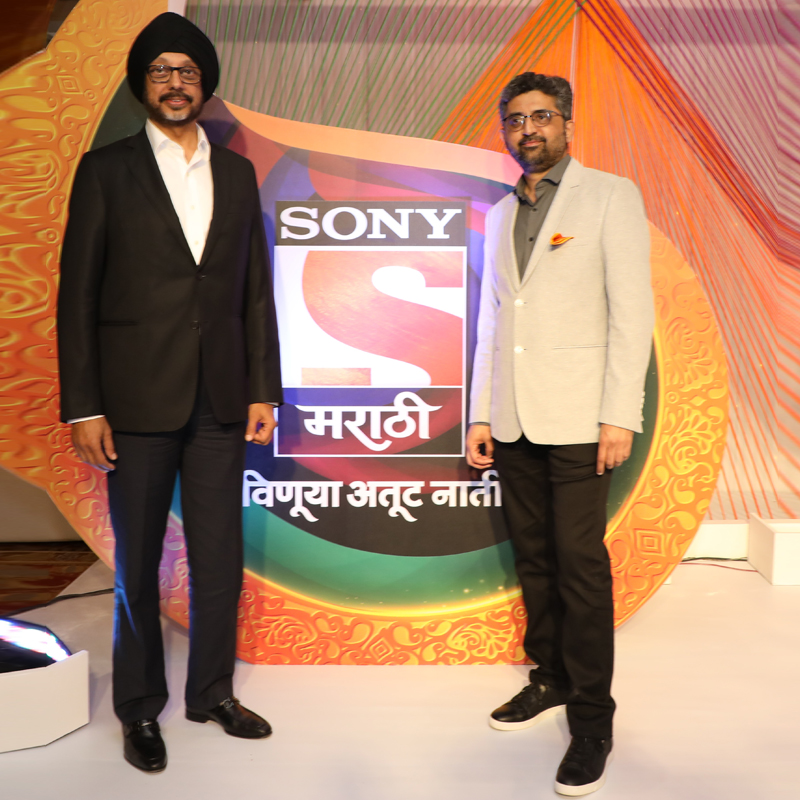
    At the time of Ajay Bhalwankar’s appointment as the business head of the channel, SPNI MD and CEO NP Singh said, “The Marathi content viewers have a growing appetite for local content which resonates with their cultural fabric. By catering to this audience, SPN will expand its regional footprint. Ajay will play a vital role in delivering a channel experience that is relatable yet compelling. With extensive experience and in-depth understanding of the industry, I am confident that under Ajay’s leadership, SPN will make an impressive debut in the Marathi entertainment space.” 

    Saare Tuzhyach Sathi is another romantic story of an odd couple – a girl who is a boxer and a boy who is a classical singer. The story revolves around their lives which get tangled together in an arranged marriage. The show will air every Monday – Saturday at 8 pm. The show features Harshad Atkari and Gautami Deshpande in lead roles. Hum Bane Tum Bane is a light-hearted comedy revolving around three women (wives and mother-in-law). The show will air every Wednesday–Saturday at 10 pm.

    The Marathi GEC market is led by Zee Marathi as well as others like Colors Marathi and Star Pravah. Sony is entering a tough market where channels have already caught the audience pulse.

  • SPN India appoints Ajay Bhalwankar to spearhead its upcoming Marathi GEC

    SPN India appoints Ajay Bhalwankar to spearhead its upcoming Marathi GEC

    MUMBAI: Sony Pictures Networks India (SPN) has appointed Ajay Bhalwankar as the Business Head for its upcoming Marathi general entertainment channel (GEC).

    Byspending more than two decades in the media and entertainment industry, Ajay has a well-rounded understanding of all facets that define this sector. He has been associated with SPN since 2014. Prior to taking charge of the Marathi GEC, he was the Chief Creative Director at Sony Entertainment Television (SET) where his role was to provide creative leadership and direction to propel the channel amongst the top players across genres. Ajay has also served as content head for Hindi GECs at ZEE.

    Sony Pictures Networks India (SPN) N.P. Singh MD & CEO said, “The Marathi content viewers have a growing appetite for local content which resonates with their cultural fabric. By catering to this audience, SPN will expand its regional footprint. Ajay will play a vital role in delivering a channel experience that is relatable yet compelling. With extensive experience and in-depth understanding of the industry, I am confident that under Ajay’s leadership, SPN will make an impressive debut in the Marathi entertainment space.”