Tag: Airbnb

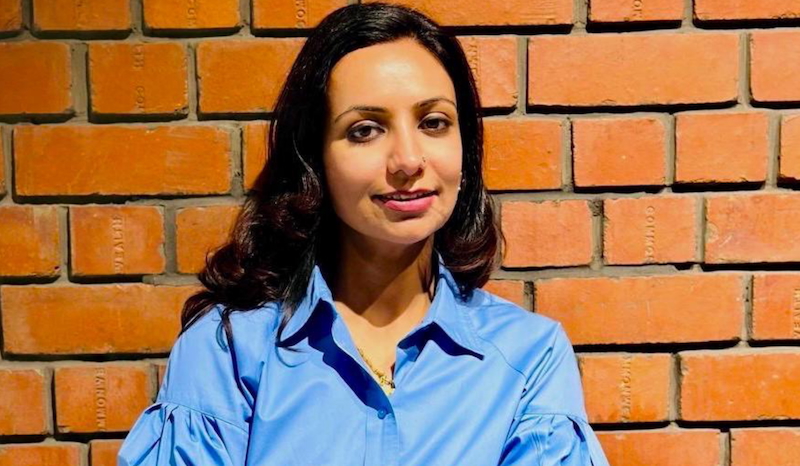
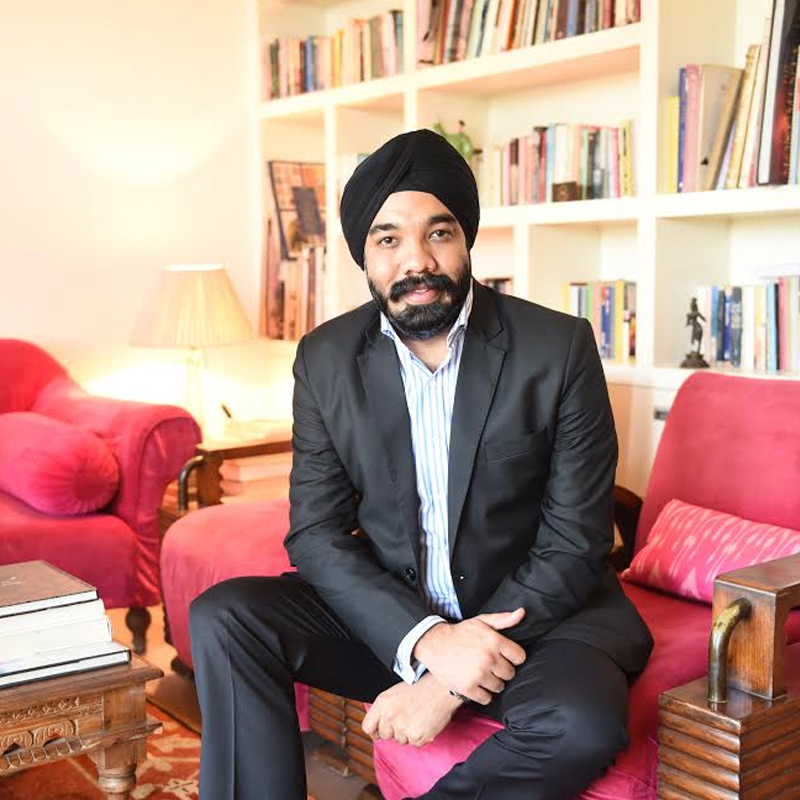
  • Simran Kodesia takes charge of communications at Peak XV Partners

    Simran Kodesia takes charge of communications at Peak XV Partners

    MUMBAI: Peak XV Partners, the venture capital firm spun out of Sequoia Capital’s India and Southeast Asia operations, has appointed Simran Kodesia as head of communications. Based in India, she will be responsible for shaping and protecting the firm’s reputation across India, Southeast Asia and the US
    .
    Kodesia brings 17 years of international communications experience across consumer technology, hospitality and media. She joins Peak XV from DoorDash in San Francisco, where she spent nearly four years as director of international communications, steering the food-delivery giant’s consumer and technology narrative, managing global media relations and handling crisis strategy.

    Prior to that, she played a central role in Airbnb’s India and Southeast Asia expansion, helping to embed the brand in new markets and reframe travel culture through campaigns focused on community and conscious tourism. She has also held senior positions at The Claridges Hotels & Resorts, ixigo, and Hill+Knowlton Strategies, where she worked with marquee clients including Hyatt Hotels Corporation and Sony Entertainment Television on pre-opening launches, brand positioning and new-channel roll-outs.

    Colleagues describe her as a values-driven leader with a flair for storytelling that scales. Over the years she has built and led award-winning campaigns in collaboration with global influencers, founders and senior executives. Her expertise spans influencer marketing, strategic and corporate communications, crisis management and public affairs.

    Educated at the International School of Communication in London, with further training at the University of Zurich, Kodesia says she is motivated by building platforms that allow founders and brands to “tell authentic stories at scale.”

    For Peak XV, which manages over $9bn in assets and backs companies such as Zomato, Freshworks and GoTo, her appointment signals a renewed focus on narrative discipline as competition intensifies among venture firms in Asia and scrutiny of tech investors grows sharper in Washington and beyond.

  • Airbnb teams up with FIFA for three World Cups and global fan stays

    Airbnb teams up with FIFA for three World Cups and global fan stays

    MUMBAI: Fans won’t just be travelling for the beautiful game, they’ll be checking in for it too. In a landmark move that blends football fever with hospitality hustle, Airbnb and FIFA have announced a three-year global partnership across three blockbuster tournaments: the FIFA Club World Cup 2025, FIFA World Cup 26, and FIFA Women’s World Cup 2027. Airbnb will serve as Official Fan Accommodation across all events with perks that include booking fan experiences, stadium adventures, and even one-on-one training with football legends like Tim Howard.

    From Dolby Atmos goal celebrations in Miami to melt-in-your-mouth brisket tacos in Houston, this tie-up isn’t just about beds, it’s about bringing the soul of the Host City to the fan’s front door.

    “The World Cup brings the world together and so do we,” said Airbnb co-founder and CEO Brian Chesky, adding that the partnership will help create “once-in-a-lifetime experiences” for fans while fuelling local economies.

    With fans expected to flood the 16 host cities of the FIFA World Cup 26, a Deloitte study estimates that over 380,000 Airbnb guests will contribute nearly 3.6 billion dollars to local economies. Hosts alone could rake in up to 210 million dollars, with Airbnb’s stays projected to support the equivalent of 34,000 full-time jobs through 2026.

    The collaboration will also see Airbnb roll out a 5 million dollars Host City Impact Fund, supporting local initiatives and enhancing the visitor experience through targeted investments in community infrastructure.

    Football meets fandom in a more literal way too Airbnb is offering original fan experiences like watching matches with Cobi Jones, dissecting tactics with FIFA’s Technical Study Group, or suiting up for a private goalkeeping session with Tim Howard. All these are bookable during the Club World Cup 2025, kicking off 14 June at Hard Rock Stadium, Miami.

    With 89 per cent of fans worldwide planning to travel for matches, Airbnb’s bet on blending the love of sport with the love of stay is shaping up to be a golden goal.

    Or in this case, maybe a golden guest room.

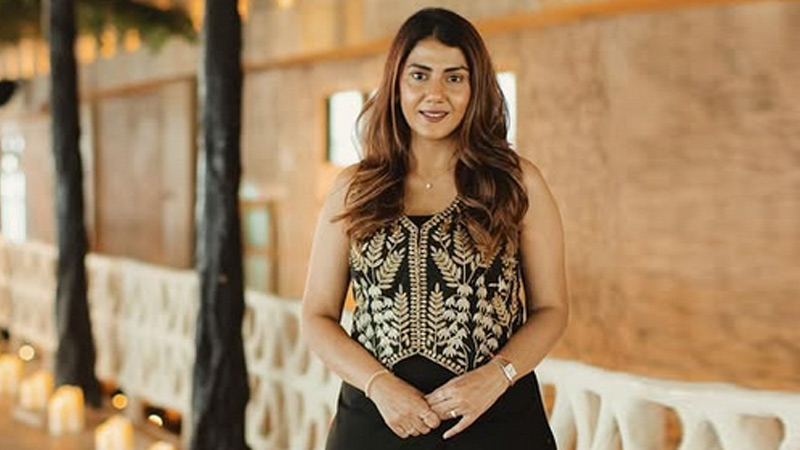
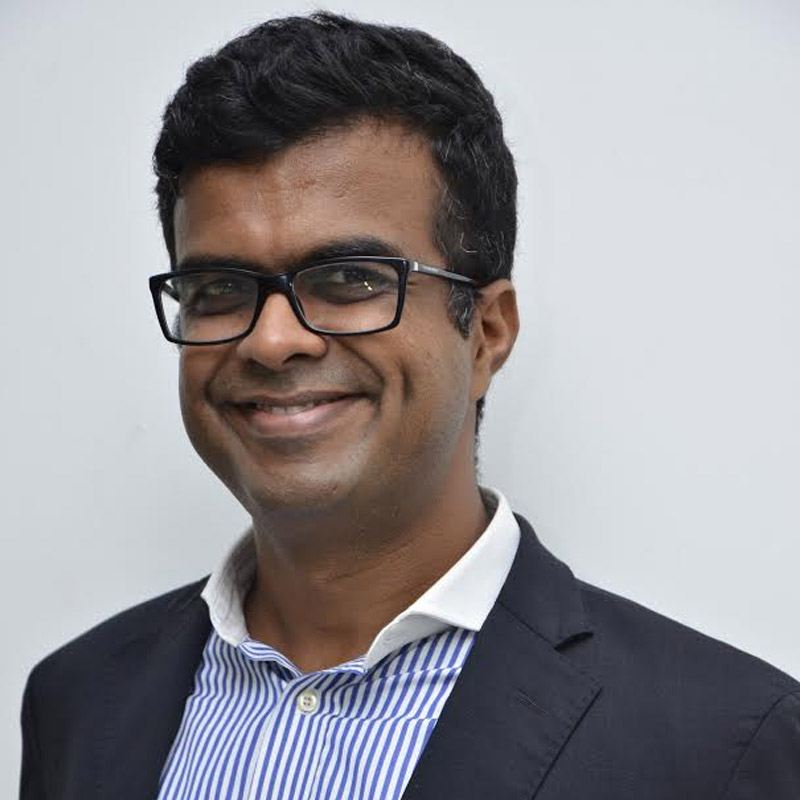
  • Prasidha Menon elevated to APAC brand, product,  communications  head  at Airbnb

    Prasidha Menon elevated to APAC brand, product, communications head at Airbnb

    MUMBAI: Her’s has been a 20 year  plus journey. Prasidha Menon began her career as a graduate trainee with HRD Coonsultants In Kolkata. She quietly worked there for a little over two years. Little did she imagine at that stage she would be leading brand, product communications for the Asia Pacific regions for one of the top global home sharing brand  platforms– Airbnb.

    Prasidha accepted her promotion from her position as regional head of communications for Airbnb for India & south east Asia  gleefully.  

    Said she: “It’s an absolute honour and privilege to step into this regional leadership position at a time when Asia Pacific is uniquely positioned to drive Airbnb’s growth and expansion globally, and I am excited to play an integral role in this journey.”

    Prior to Airbnb, Prasidha had a year log stay at Optum as director & head, brand, marketing & communications. Oyo Hotels was another stop for a couple of years vice-president & global head of communications, which was preceded by a short stint at Uber India where her last appointment was as head of communications -India and south Asia. 

    Her first exposure to communications was at Positive Communications for a year, which was followed by editorial jobs at two firms where she honed her writing and subbing skills. She then moved into Genesis Burson -Marsteller, following which she spent four years at Edelman in India, and in the Bay area.


  • Learning from disruptive brands: What makes them stand out

    Learning from disruptive brands: What makes them stand out

    Mumbai: In today’s competitive landscape, brands need to do more than just survive—they need to stand out. Enter disruptive brands. These are the trailblazers that have redefined industries and altered consumer expectations. But what makes them unique? What can traditional businesses learn from these disruptive innovators? The answer lies in their willingness to challenge norms, push boundaries, and embrace bold, unconventional strategies. Let us uncover the vital insights traditional brands can harness by studying the bold moves and innovative approaches of disruptive companies.

    Disruption demands guts: Daring to dream bigger

    Disruption, at its core, is gutsy. It’s about doing something that has never been done before, and it requires a certain kind of bravery that not every brand possesses. Disruptive brands take the leap into the unknown, often at great personal and financial risk. They aren’t content with following industry norms or playing it safe—they set out to create their own rules.

    Take the example of Airbnb, a company that completely revolutionised the hospitality industry. When the founders initially proposed the idea of strangers staying in each other’s homes, the concept seemed absurd to many. Who would want to open their homes to strangers, or trust a website for lodging? But by sticking to their bold vision, they not only created a billion-dollar company but also redefined how we think about travel accommodations.

    The lesson for traditional brands? Disruption requires courage. It’s not enough to think big; you must act on your vision, even when the odds (and sometimes the world) are against you. Disruption is about ignoring the naysayers and believing in your unique idea, even if it hasn’t been done before. This kind of daring is often what separates innovators from the rest of the pack.

    Sticking to the vision amidst criticism: A key to phenomenal success

    One of the defining characteristics of disruptive brands is their resilience. More often than not, these companies face scepticism, criticism, and even outright rejection in their early days. Everyone seems to put them down, but what sets them apart is their unrelenting belief in their idea. They don’t waver, and instead, they push through the noise to turn their vision into reality.

    Tesla, for example, faced enormous criticism when it first introduced electric vehicles (EVs) to the market. Many questioned the feasibility of EVs replacing traditional fuel-powered cars. Yet, despite the scepticism, Tesla stuck to its mission of accelerating the world’s transition to sustainable energy. Today, Tesla leads the EV market, and their dedication to the original vision is paying off in dividends.

    For traditional brands, the takeaway is clear: resilience is key. Pioneering a new path means encountering resistance, but standing firm in your belief and moving forward despite criticism is what separates disruptive brands from those that give up at the first hurdle.

    Disruption is more than just innovation: It can be about marketing

    Disruption isn’t always about creating an entirely new product or service. Sometimes, the disruption lies in how you bring that product to market. Being disruptive doesn’t necessarily mean doing something the market has never seen before; it can also mean introducing a new way to communicate with or engage your audience.

    A great example is Nike’s ‘Nike+ Run Club’ app. Instead of merely selling shoes, Nike created a digital ecosystem to engage with runners globally. The app allows users to track runs, connect with other runners, receive coaching tips, and set fitness goals. Nike wasn’t just promoting products—they were fostering a community and enhancing the customer experience. This approach went beyond traditional marketing, creating long-lasting brand loyalty by delivering real value outside of the core product offering.

    Traditional brands can take a page from this playbook. Disruption doesn’t have to mean turning your entire business upside down. Sometimes, even small changes in how you engage with your audience can yield big results. It’s about thinking creatively and offering something your competitors don’t.

    Standing out from the competition: The core of disruption

    At the heart of disruption lies the goal of standing out from the competition. Disruptive brands don’t aim to just compete with the market leaders—they aim to replace them by doing things differently. Whether through product innovation, marketing strategies, or business models, these brands find ways to separate themselves from the pack.

    Netflix serves as a textbook case. In its early days, Netflix was up against blockbuster, the then-dominant force in the video rental industry. Instead of trying to compete on Blockbuster’s terms, Netflix took a different route—subscription-based streaming. By focusing on convenience, accessibility, and personalised content, Netflix redefined how we consume media and effectively drove Blockbuster out of business.

    For traditional brands, the lesson is this: don’t just try to compete—try to innovate in ways that make your competition irrelevant. Find what makes your brand unique, focus on it, and build your strategy around it. This is the essence of disruption.

    Learning from the Greats: What Traditional Brands Can Do

    So, how can traditional brands apply the lessons of disruption to their own businesses? Here are a few key takeaways:

    ● Embrace Risk: Don’t be afraid to take bold steps, even if it means veering away from what’s conventional or safe.

    ● Stick to Your Vision: Be prepared for criticism and scepticism, but don’t let it derail your long-term vision.

    ● Innovate in Marketing: You don’t always have to reinvent the wheel—sometimes it’s about how you market the wheel.

    ● Differentiate, Don’t Just Compete: Focus on what makes your brand different and build your strategy around that uniqueness.

    Ultimately, disruption is about courage, innovation, and persistence. Traditional brands don’t need to entirely disrupt their industries to learn from disruptive brands, but by adopting some of their core principles, they can position themselves for sustained success.

    Embracing the spirit of disruption

    In a fast-paced world where consumer expectations are constantly evolving, brands that stand still are bound to fall behind. Disruptive brands aren’t afraid to take risks, challenge the status quo, and reinvent how industries operate. Whether it’s by innovating in product design, marketing strategies, or customer engagement, these brands offer valuable lessons for those willing to learn.

    As traditional businesses look to future-proof their operations, adopting the disruptive mindset can offer them a competitive edge. It’s not always about breaking the mold—it’s about creating a new one. So, what are you waiting for? It’s time to disrupt.

    The author of this article is CPR Global founder Chaitali Pishay Roy.

  • How Influencing NFTs Are Modern Business

    How Influencing NFTs Are Modern Business

    Non-fungible tokens (NFTs) have opened up many business opportunities, allowing them to create new markets and sell previously unavailable products. That’s why businessmen and crypto traders visit this website to learn more about the status of NFTs.

    For this blog post, we’ll explore how NFTs influence modern business and how you can take advantage of their unique properties. We’ll also take a look at how NFTs can be used in various businesses and show you some of their benefits. So, if you want to stay ahead of the curve in today’s business world, read on!

    What are NFTs?

    NFTs, or “non-fungible tokens,” are a new type of cryptocurrency that allows for more complex and customizable transactions than traditional coins. They represent digital assets that can be traded, used in smart contracts, stored on a blockchain, or minted.

    Non-fungible tokens have the potential to revolutionize modern business by making it easier to create and trade custom assets. For example, a company might create a tokenized version of its equity (an NFT) that allows investors to buy and sell shares without worrying about transfers between different currencies. This could make it easier for companies to raise money through Initial Coin Offerings (ICOs) and trade their tokens on secondary markets.

    NFTs could also be used in more innovative ways beyond finance. For example, a video game developer might create an NFT called “collectible” that allows players to collect unique items within the game. This could enable gamers to share data across different games using blockchain technology, increasing the incentive for players to engage with the ecosystem as a whole.

    While some development is still required before NFTs become mainstream, their potential marks a significant shift in how cryptocurrencies are used today.

    How NFTs are being Used in Modern Business

    NFTs are quickly becoming a popular way to store and exchange data. They allow for more efficient and secure transactions than traditional methods, such as email and file sharing.

    Today, they are being used in a variety of ways by businesses around the world. For example, Airbnb uses NFTs to manage bookings and payments. Meanwhile, Facebook users may share tokens by linking their cryptocurrency wallets to their accounts.

    These applications demonstrate the many potential uses for NFTs. They can help businesses streamline their operations and make transactions more secure.

    The Benefits of Using NFTs

    NFTs have become increasingly popular in the modern business world to store and manage digital assets safely. Here are some of the benefits of using NFTs:
    ●They provide a secure way to store and manage digital assets.
    ●They allow for easy transactions between parties.
    ●They can be used to track ownership and activity over digital assets.
    ●They can help reduce costs associated with managing digital assets.

    The Challenges of Using NFTs in Modern Business

    Since the advent of blockchain technology, NFTs have been unique in representing any property, including physical items, securities, and intellectual property. Because these assets can be stored on a distributed ledger, they offer several advantages over traditional forms of business ownership.

    Because they are rare, the value of NFT is hugely higher than most tokens. Its price is affected by its utility, link with renowned or famous figures, and optimistic price forecasts.

    Despite that, NFTs have already begun to impact modern business practices. For example, one company is using them to create a decentralized marketplace for art. By creating a platform where artists can sell their work directly to buyers, this company is lowering the barriers to entry and eliminating intermediaries.

    Another use case is insurance. A company is using NFTs to provide Proof-of-Existence for insurance contracts. This provides assurance that the agreement was executed and reduces the chances it will be disputed.

    While there are many benefits to using NFTs in business, some challenges must be addressed. For example, how will companies implement trust mechanisms when dealing with assets that cannot be physically possessed? How will transactions be verified? And what legal issues will arise when using NFTs in commercial settings?

    Despite these challenges, there is no doubt that NFTs significantly impact modern business practices. As companies begin to adopt them more widely, we may see even more innovative ways in which they are used to improve efficiency and transparency across industries.

    Conclusion

    NFTs are quickly becoming an essential part of modern business. They provide a secure way for companies to transfer and manage assets and offer the potential for new revenue streams. This article has explored how NFTs are used in industry today and discusses some potential benefits. So whether you’re looking to increase security and transparency within your business or tap into new revenue opportunities, learning about NFTs is essential.

  • Airbnb and IndiGo partners for an ‘InterFriendtion’

    Airbnb and IndiGo partners for an ‘InterFriendtion’

    Mumbai: Airbnb and IndiGo have come together to offer three lucky individuals a dream adventure to “InterFriendtion” anywhere in India.

    Through the contest, Airbnb and IndiGo are seeking three special winners who will fly and live anywhere in India for a vacation of a lifetime with their friend.

    The winner will win an incredible $1000 each worth of Airbnb credits to book a domestic Airbnb stay of their choice and IndiGo will sponsor the return tickets for these winners and their companion to that destination! During their travel, the winners and their companions will get to travel to their bucket list destination with IndiGo and stay in some of India’s most unique Airbnbs.

    “Indians today are eager to travel and are seeking unique, meaningful and restorative experiences with their loved ones. Travelling has become a great way of spending quality time with family and friends and creating new memories at offbeat destinations and unique accommodations. Our partnership with IndiGo celebrates and caters to this demand, and we are excited to provide our guests endless possibilities to explore and reconnect with their loved ones while travelling,” said Airbnb India, Southeast Asia, Hong Kong and Taiwan general manager Amanpreet Bajaj.

    Adding to it, Indigo chief digital and information officer Neetan Chopra said, “In the hustle and bustle of life, we sometimes forget to rekindle friendships, take a break, and create new memories. IndiGo has always aspired to make the world a smaller place, by reducing the distance between people and fostering human connections. We are pleased to associate with Airbnb in a collaboration that encapsulates travel, exploration, and friendship. Through this unique partnership we aim to inspire friends to come together, experience destinations and spark new memories that will last a lifetime.”

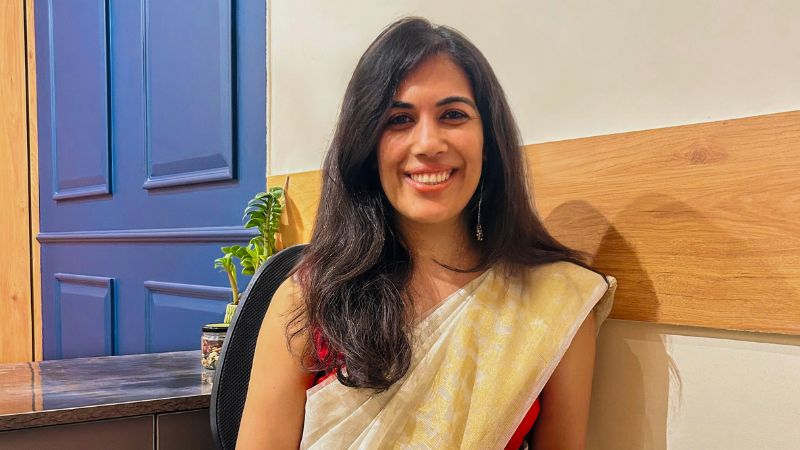
  • Samya Deb joins YouTube as head of brand creative studio-APAC

    Samya Deb joins YouTube as head of brand creative studio-APAC

    Mumbai: Samya Deb has joined YouTube as head of brand creative studio, as per his LinkedIn profile. Deb, who is a co-founder of Northeast Edit, has moved from Airbnb as regional creative director, APAC.

    “Looks like the trial subscription to my early-retirement plan has come to an end. I have recently joined YouTube as Head of Brand Creative Studio, APAC. The mandate is to create an unprecedented stream of culture defining brand work to celebrate the most diverse creative community on the planet,” he wrote in a LinkedIn post.

    Deb has over a decade’s experience in leading creative studios. In his over six-year stint at Airbnb, he helmed multiple roles such as creative consultant, regional creative director and head of design for the APAC region.

    Prior to Airbnb, Deb worked with companies like Bates CHI & Partners, Matrix, DY Works, Cowan and Superunion.

  • Travel brands plan to resume advertising on digital media

    Travel brands plan to resume advertising on digital media

    NEW DELHI- When the curve in many countries has started to flatten, India is still witnessing a spike in the number of novel coronavirus cases. But this hasn’t stopped people from deciding about their next holiday plans.

    Leading online travel agencies are gearing up to resume spending on advertisements after a gap of a few months, and in all their campaigns, the players are mostly focusing on safety and precautionary measures.

    Similarly, to regain the confidence of customers, OYO has launched a campaign ‘Road Trippin’ under theme #DekhoApnaDesh. As a part of this campaign, the brand has partnered with two influencers Rocky and Mayur, who inspire travelers to come out of their homes and head on exciting road trips across India, safely.

    The latest ad from OYO highlights that there is no need to ponder after so many days of lockdown and hit the road while Oyo is waiting for you with all precautionary measures. The film this time has a quirky Haryanvi narration (with English subtitles). The digital film is conceptualised by OYO’s in-house team and produced by Flying Elephants.

    The brand recently partnered with Unilever to enhance OYO’s ‘Sanitised Stays’. This global partnership has started from India and then went live across Indonesia, Vietnam, USA, LATAM, and Europe.

    According to OYO Hotels & Homes head of global brand Mayur Hola, “Travel industry’s livelihood and survival depends on scrubbing every surface, sanitising every inch. Over and over again. That’s what we are doing. We’re equipping our asset owner partners with the knowledge they need to be able to qualify as ‘Sanitised Stays’ and we’re monitoring this constantly”.

    Hola opined that slowly but surely the loyal base is returning to the fold.

    When quizzed about why the brand is not relying on TV medium and closely monitoring the digital space, Hola explains, “In such times, mass dissemination of any campaign would be wasteful and unfocussed with the uncertainty, restrictions, and lockdown variance across different States. We’ve focused our distribution amongst our frequent user base (referred to as power users) which by itself is a huge audience.”

    Last month also, OYO released a campaign on the lines of Fir Badhega India, the campaign focused on adopting new standard operating procedures to welcome guests safely.

    OYO rival, Airbnb has recently launched a campaign ‘Go Near’, an initiative to support local economies through local travel.

    Makemytrip also joined the league by coming up with a digital campaign ‘AzaadiWaliFeeling’ asking travelers to plan those much-delayed trips.

    The pandemic has created a very different scenario for consumers and the travel industry in general. OTA brands are smartly engaging in conversations around the need for a shorter trip in this stressful time. The question being asked is: What major role advertising will play as OTAs, while the industry is on the verge of recovery?

    Dentsu Webchutney, AVP- account management Jaipal Singh explains advertising has its task cut out – to reassure consumers of hygiene and bring back their confidence towards travel. “It is important that advertising realigns itself in sync with the shift in the industry. The consumer attitudes towards travel have changed considerably – it’s time to work on new consumer insights and build further.”

    While advertising campaigns are often built around pre-existing assumptions, habits, or seasons, the question arises is: What tools and strategies should OTAs be implementing while planning advertising, given the changing nature of consumer behavior?

    Singh affirms, “While the playbook on new strategies is still being written, some early trends have started coming in. Given that people can work from anywhere now, longer stays would become relevant.”

    “OTAs have traditionally been big on TV and digital mediums, which needs to be relooked. In the current times, TV might lead to high spillover as many cities still have restrictions in place. A digital led phased approach to advertising would be apt for the current times. An approach that helps target consumer cohorts with personalised messaging, he further adds.

    In the past, we have seen that a lot of OTA marketing campaigns were designed to maximize ROI. But the pandemic has created an opportunity for brands to devise marketing strategies targeting a broader range of moments. Can brands do it successfully is what we have to see?

    Mirum India regional director Arvind Nair believes that the need of the hour is to be more relative and original. “It can no longer be one size fits all. Getting back to normalcy is a distant dream as that can happen only next year. It’s a situation no one predicted before, so we all need to re-strategise the way we looked at campaigns, objectives, and measurements.”

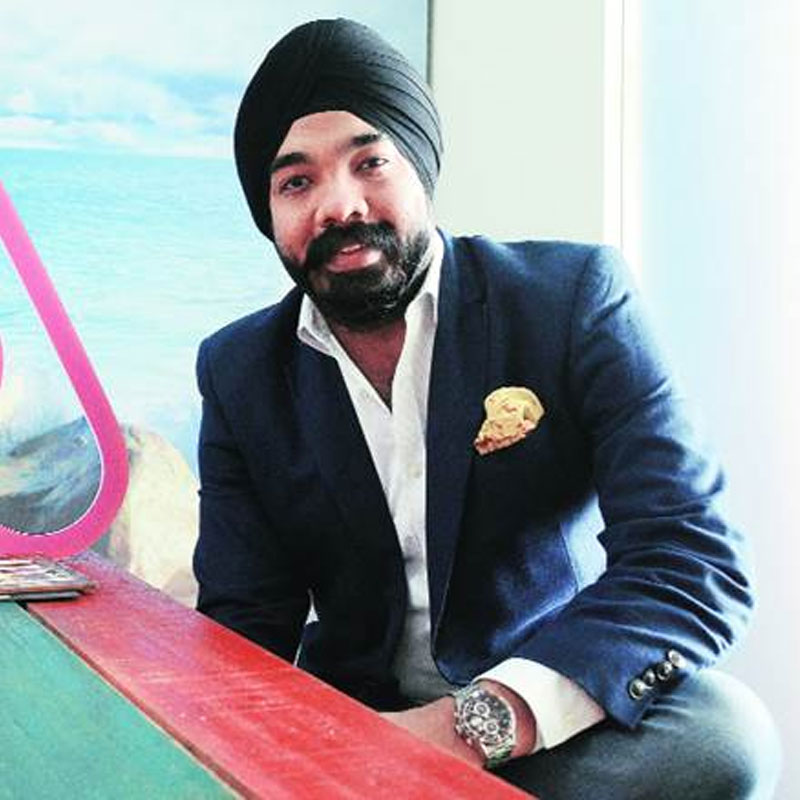
  • Airbnb appoints Amanpreet Bajaj as GM for India, SEA, HK and Taiwan

    Airbnb appoints Amanpreet Bajaj as GM for India, SEA, HK and Taiwan

    NEW DELHI: Airbnb has announced the appointment of Amanpreet Bajaj as general manager for India, southeast Asia, Hong Kong and Taiwan.

    Bajaj brings a wealth of experience from playing a key role in the growth of Airbnb in India as country manager since 2015. In his expanded role overseeing southeast Asia, Hong Kong and Taiwan along with India, Amanpreet will be responsible for driving Airbnb’s strategy and long-term growth in some of Airbnb’s fastest-growing destinations in Asia-Pacific, which have grown on average almost 40 per cent YoY as of 2019.

    A business leader and web entrepreneur with a proven track record of building and scaling teams, Amanpreet brings with him years of rich experience in the digital space. Before joining Airbnb, he co-founded Letsbuy.com in 2010, which was acquired by Flipkart.com in 2012.

    “After a truly enriching five years at Airbnb, I am thrilled to take on an expanded challenge to ensure the long-term growth of Southeast Asia, Hong Kong and Taiwan — some of the world’s most popular travel destinations,” said Bajaj. “I am looking forward to applying my learnings and experience to further engage and grow our communities of hosts and guests across this region, working hand in hand towards tourism’s much-needed recovery.”

    Bajaj assumes this new role as Mike Orgill, the former general manager for southeast Asia, Hong Kong and Taiwan, returns to his former role as Airbnb’s regional policy director for Asia-Pacific. He will start his new role immediately and continue to report to Kum Hong Siew, Airbnb’s regional director for Asia-Pacific and chief operating officer of Airbnb China.

    “We are delighted to have Amanpreet take on an expanded role to lead Southeast Asia, Hong Kong and Taiwan in addition to managing operations for India,” said Hong Siew. “Amanpreet has been instrumental in driving the growth of India as a key geography for Airbnb, and we are looking forward to partnering with him in this new chapter of his career, helping this region reach new heights.

  • Airbnb in collaboration with the City Place of Jaipur unveils latest Campaign film

    Airbnb in collaboration with the City Place of Jaipur unveils latest Campaign film

    MUMBAI: The 300 year old City Palace of Jaipur, home to Jaipur’s Royal Family, has played host to numerous guests over the centuries. From November 23, 2019, the Gudliya Suite at the City Palace will become accessible to outside guests, and will be able to be booked for the first time ever on Airbnb, with His Highness Maharaja Sawai Padmanabh Singh becoming the first Maharaja to offer a stay at his palace on Airbnb, in order to help support the women’s empowerment initiatives of the Princess Diya Kumari Foundation.

    Steeped in history, and located in the heart of Jaipur, capital of the Indian state of Rajasthan, the City Palace is one of India’s most iconic buildings. Guests will be able to book and stay in the luxurious Gudliya Suite, located within one of the private sections of a royal palace that, until now, has been used for the royals and their special guests. The Suite includes its own lounge, kitchen, luxurious bathroom and private, indoor swimming pool.

    Guests will truly get to experience what it’s like to live like royalty.  A practical and down-to-earth modern Royal, the host is the dapper, polo-playing 21-year old Maharajah, Padmanabh Singh, who succeeded his grandfather in 2011 as the Maharaja of a land his ancestors have ruled for nearly a thousand years.

    Built in 1727 by Maharaja Sawai Jai Singh II, the founder of the city of Jaipur, the City Palace exemplifies the best of 18th century Rajput architecture with and other architectural influences of later periods. The interiors contain ornate chambers, large and airy reception halls, crystal chandeliers, gilded wall decorations, intricate carvings and in addition to the royal residence, the sprawling palace complex houses a large, internationally recognised museum. Notable visiting dignitaries have included Bill Clinton, Prince Charles and Jackie Kennedy, among others.

    Guests of the Gudliya Suite at the City Palace will be provided an inspiring journey into the rich history, cultural heritage and artistic traditions of Jaipur’s royal family. Guests will be looked after by a private butler and guide who will arrange curated city experiences including shopping tours, guided walks through local museums and other excursions.  Authentic Rajasthani meals may be enjoyed on a terrace offering an amazing view of the surrounding Aravalli hills and forts overlooking the palace, and peaceful afternoon tea can be had in the company of the resident peacocks who live in the Palace’s lush gardens.

    Along with this, Airbnb in collaboration with the City Palace of Jaipur launched a video which captures His Highness Maharaja Sawai Padmanabh Singh welcoming guests to his home to experience royalty like never before. The campaign film beautifully captures the essence of the opulent City Palace of Jaipur and the ancient traditions of the royal family. The new digital campaign film by Airbnb highlights the brands commitment and emphasis on constantly redefining the way people travel. Offering 7+ million unique places to stay including over 4000 castles, Airbnb has pioneered experiential travel creating magical stays for over half a billion guests. Additionally the brand has associated with leading Hindi Cinema celebrities such as Karishma Kapoor, Parineeti Chopra, Gauri Khan and Mandira Bedi along with a few luxury Influencers.  

    Storyboard: The new digital film is a reflection of an inspiring journey into the rich history, cultural heritage and artistic traditions of Jaipur’s royal family. The film beautifully captures a glimpse of Jaipur’s most treasured architectural icon, the city palace complex which is designed with a seamless blend of Rajput, Mughal and European architectural influences. The film shines the spotlight on a crimson-yellow façade, manicured lawns make way for ornate dining halls, sandstone walls painted in gold dust, intricate carvings and a museum dedicated to the family’s private collection of handmade carpets and treasured manuscripts. The video unfolds with His Highness Maharaja Sawai Padmanabh Singh inviting guests to experience the 300 year old City Palace of Jaipur on Airbnb and dive into the stories that each corner of the palace has to share. Airbnb’s brand philosophy of ‘Belong Anywhere’ coincides with the riveting stories of the royal family who have inspired many, this collaboration specially focuses on supporting women’s empowerment with the proceedings of the bookings going to the Princess Diya Kumari Foundation.

    “I am thrilled that my family and I are partnering with Airbnb to bring the splendour of Rajasthan to life for travelers from around the world. My own travels with Airbnb have made me feel very welcome in new cities and cultures, and I am happy that the experience of quintessential Indian hospitality will be shared with others.” stated His Highness Maharaja Sawai Padmanabh Singh.

    The Palace has never been available to be booked by outside guests before. Proceeds from each booking will go to the Princess Diya Kumari Foundation, a nonprofit dedicated to supporting rural women and artisans in Rajasthan.  For the remainder of 2019, the Gudliya Suite, priced at $8,000 per night, will be available to book on select nights at a special inaugural offer of $1,000 USD per night, with Airbnb paying the balance amount for each booking as a contribution to the Foundation. From January 1st onwards, the Suite will be available for guests to book at the full $8,000 USD rate.

    The Gudliya Suite will be available for stays starting November 23. To make a booking, guests can visit airbnb.com/CityPalaceJaipur as of now.