Tag: AI

  • Indian cinema turns to artificial intelligence for epic Hanuman film

    Indian cinema turns to artificial intelligence for epic Hanuman film

    MUMBAI: Indian cinema is preparing to push the boundaries of filmmaking with what producers claim will be India’s first theatrically released motion picture created entirely using artificial intelligence (AI), centred on the Hindu deity Hanuman.

    Chiranjeevi Hanuman – The Eternal, scheduled for worldwide release on Hanuman Jayanti in 2026, represents an ambitious fusion of ancient mythology and cutting-edge technology that could reshape how religious epics are brought to the screen.

    Abundantia Entertainment, the production house behind hits including Airlift and Ram Setu, is partnering with Collective Media Network’s Historyverse division on the project, which draws from the Ramayana and Puranic texts to create what they describe as a “visual odyssey.”

    The film is being developed by more than 50 engineers from Galleri5, the technology arm of Collective Artists Network, working alongside cultural scholars and literary experts to ensure narrative authenticity. Even the soundtrack will break new ground, composed by Trilok, billed as the world’s first AI-powered band that blends Indian spiritual traditions with contemporary sound.

    “We constantly push boundaries of storytelling possibilities, and I am delighted that we are partnering with Vijay and his amazing team at Collective to harness cutting-edge tech and tools to tell one of India’s most iconic stories,” said Abundantia Entertainment founder & CEO Vikram Malhotra.

    The project reflects growing confidence in AI’s creative potential within India’s entertainment industry, which has traditionally relied on star power and elaborate song-and-dance sequences to draw audiences. By choosing Hanuman—revered by hundreds of millions as a symbol of devotion, strength and faith—the producers are making a bold statement about technology’s role in preserving and reinterpreting cultural heritage.

    Collective Artists Network founder & chief executive Vijay Subramaniam emphasised the company’s commitment to “authenticity and cultural stewardship”, promising “complete transparency about the role of AI in the creative process.” This approach addresses potential concerns from religious groups about technological interpretation of sacred stories.

    The timing is significant, as India’s film industry grapples with rising production costs and increasing competition from streaming platforms. AI-generated content could potentially reduce expenses while enabling more spectacular visual effects than traditional methods allow.

    Abundantia, founded in 2013 by former Viacom18 Motion Pictures chief operating officer Malhotra, has built its reputation on “uniquely Indian stories”, from the patriotic thriller Airlift to the biographical drama Shakuntala Devi. The company’s upcoming slate includes Subedaar starring Anil Kapoor and collaborations with acclaimed directors including Hansal Mehta.

    Collective Artists Network has expanded rapidly through acquisitions including Under 25 Universe and Terribly Tiny Tales, positioning itself at what Subramaniam calls the convergence of “culture, creators, and technology”. The company operates Big Bang Social, a platform for brand-creator collaborations, and has launched Collective Media Network to broaden its content reach.

    The Hanuman project represents more than technological experimentation—it’s a test of whether Indian audiences will embrace AI-generated storytelling for their most cherished cultural narratives. Success could open the floodgates for similar projects, while failure might reinforce traditional approaches to mythological cinema.

    The 2026 release date on Hanuman Jayanti, the festival celebrating the deity’s birth, suggests producers are confident in their ability to create something worthy of such a significant cultural moment. Whether audiences agree will determine if this marks the beginning of a new era in Indian filmmaking or merely an expensive experiment.

  • Media veteran Kumar Ahuja takes the helm at AI upstart Eros Innovation

    Media veteran Kumar Ahuja takes the helm at AI upstart Eros Innovation

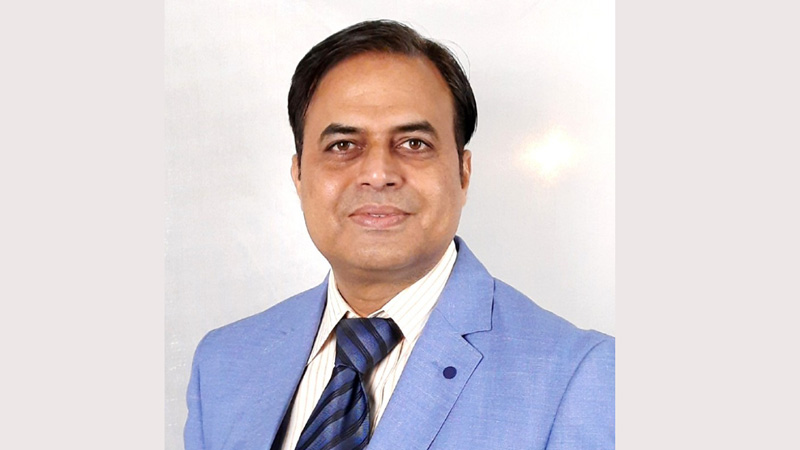
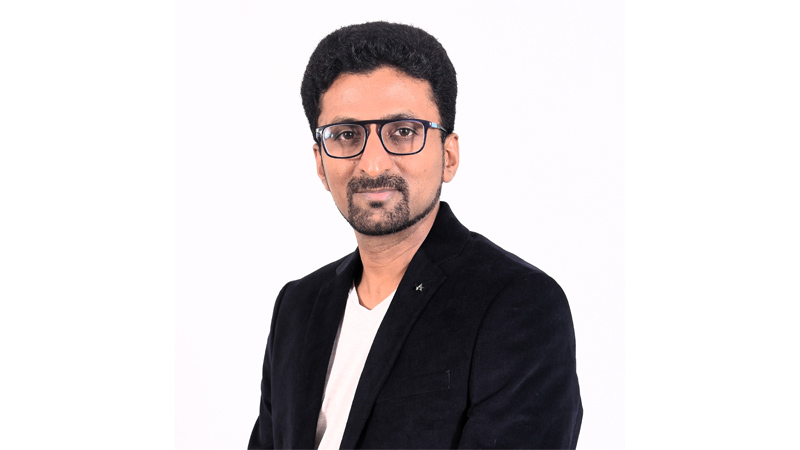
    MUMBAI: Kumar Ahuja, a seasoned entertainment industry executive, has been appointed chief operating officer at Eros Innovation, a global technology holding company positioning itself at the intersection of artificial intelligence and media.

    Ahuja brings nearly three decades of experience to the role, having most recently served as chief revenue officer at Sony Music Entertainment from December 2023 to August 2025. Before that, he spent over 26 years at Eros International, where he held various leadership positions including chief operating officer and president of business development.

    Eros Innovation describes itself as a technology holding company with ambitions spanning AI, media, entertainment, sports, education and bio-life sciences. The firm serves as parent company to Immerso AI and other subsidiaries, claiming to leverage four decades of investment expertise to back disruptive technologies.

    The company boasts 1.5 trillion AI tokens and operates AI data parks in Malaysia and GIFT City, India. It positions these facilities as innovation hubs for cutting-edge AI research with a particular focus on entertainment applications.

    Ahuja’s appointment comes as traditional media companies grapple with the rapid advancement of AI technologies. His extensive background in strategic partnerships and business development at major entertainment firms may prove valuable as Eros Innovation seeks to bridge the gap between established media and emerging AI capabilities.

    The company says it is pioneering “next-generation intellectual properties” through blockchain, generative AI and tokenisation, though it remains to be seen how these technologies will translate into commercial success in an increasingly crowded AI landscape.

  • Kofluence report decodes India’s booming influence economy

    Kofluence report decodes India’s booming influence economy

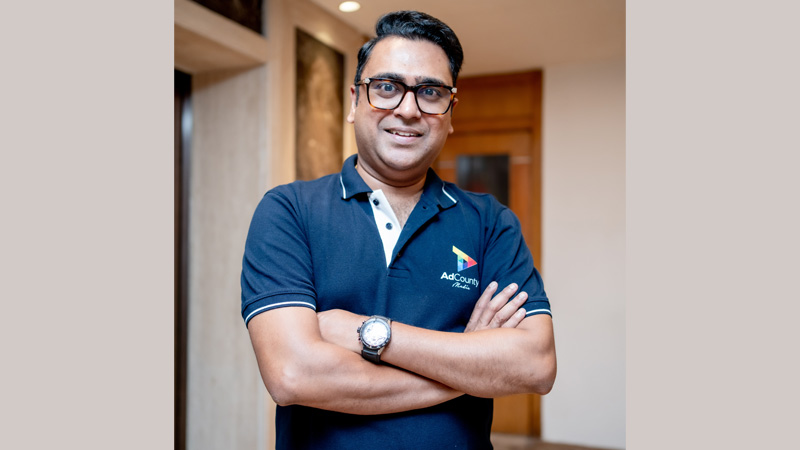
    MUMBAI: India’s influencer economy is hitting its stride—and going hyperlocal. Ad-tech platform Kofluence has dropped the 2025 edition of its flagship report Decoding Influence, unravelling how data, AI, and regional creators are reshaping digital advertising in the world’s fastest-growing content market.

    Based on insights from over 1,000 creators, marketers and industry leaders, the report paints a picture of a maturing ecosystem where brands are treating influencer partnerships not as vanity plays but as performance levers.

    “India’s influence economy has not only seen growth but also a decentralisation of influence. There is a dynamic shift with creators in Tier 2 and Tier 3 cities, often creating content in regional and vernacular languages, who are building strongly engaged communities through hyperlocal narratives,” observes Kofluence CEO & co-founder  Sreeram Reddy Vanga. “Amidst a trillion-dollar influencer advertising opportunity in India, we’re seeing brands approach influencer partnerships with far more intention and as a strategic marketing lever, driven by data, sustained by technology, and measured against business outcomes.”

    Key takeaways from Decoding Influence 2025:

    * Instagram leads the pack: With an estimated 1.8–2.3 million Indian creators, Instagram remains the top monetisation playground. Reels dominate revenue—charging anywhere from Rs 500–5,000 for creators under 10,000 followers, and crossing Rs 2 lakh for celebrity posts.

    * Big money flows: India’s influencer market is pegged at Rs 3,000–3,500 crore and climbing. E-commerce leads with 23 per cent of total influencer spends, followed by FMCG at 19 per cent. Over 25 per cent of brands ramp up influencer budgets during launches.

    * Small is powerful: Micro-influencers (10k–100k followers) are gaining traction. Some 52 per cent of marketers say they’re best suited for regional outreach. Diwali remains the hottest season, with brands kicking off campaign plans 2–4 weeks ahead.

    * AI and automation take hold: A full 61 per cent of brands are deploying tech platforms to manage influencer ops, with 18 per cent fully integrated. Generative AI is already used by 29 per cent of marketers—mostly to generate content ideas and assets.

    “With India crossing 900 million internet users, the creator economy is poised for continued expansion, fueled by government initiatives as well as significant technological advancements. Looking ahead, I believe we are moving towards the phase of integrated influence in which advertising mediums will increasingly converge together,” saYS co-founder Kofluence Ritesh Ujjwal.  “Decoding Influence 2025 is built on strong platform intelligence and first-party data, and will give marketers strategic insights on a rapidly evolving industry that is being transformed by AI, cookie deprecation and shifting creator-brand relationships. We hope you will find this report useful as you plan your next steps.”

    The Decoding Influence 2025 report leans heavily on first-party data and platform intelligence, offering an in-depth look at an industry evolving rapidly under the pressure of AI disruption, cookie phase-outs, and changing brand-creator dynamics.

  • Anil Pandit steps up as managing partner – data strategy and partnerships at Publicis Media

    Anil Pandit steps up as managing partner – data strategy and partnerships at Publicis Media

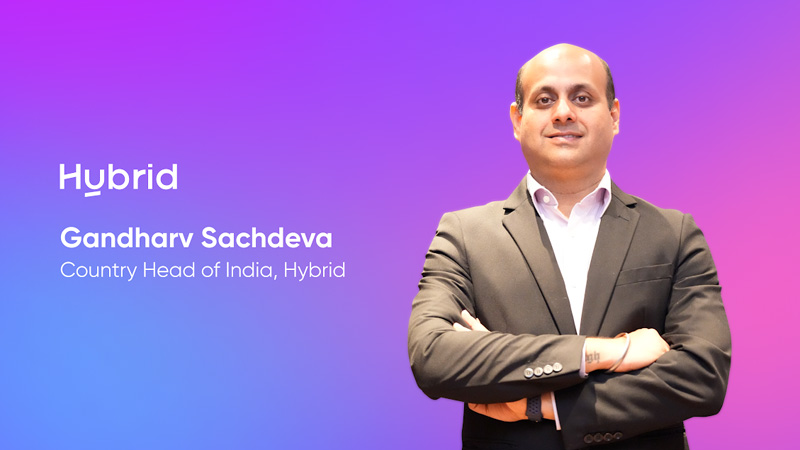
    MUMBAI: Publicis Media has named Anil K Pandit as managing partner – data strategy and partnerships, cementing his rise as a key voice in India’s data-driven advertising evolution. The promotion marks a strategic pivot for the group as it sharpens focus on ethical innovation, data privacy, and future-ready partnerships.

    Pandit, who previously served as EVP – programmatic, data and tech for India, now leads efforts to align data transformation with privacy-safe alliances and responsible advertising frameworks. “The future revolves around connected data and collaboration, with trust at the core,” Pandit said, announcing the move.

    With over two decades of experience across Omnicom, MicroAd, People Interactive, and India Today, Pandit has built a formidable reputation as a programmatic pioneer and data governance advocate. He is also a regular voice in academia and policy, serving as guest faculty at IIM Bangalore, IMT Ghaziabad, and member of the MMA AI Advisory Council and IAB Tech Lab working groups.

    His appointment signals Publicis Media’s deepening investment in data infrastructure at a time when privacy, interoperability and AI-readiness are redefining the media and martech playbook.

  • AI reshapes market research: insights get faster, sharper, smarter

    AI reshapes market research: insights get faster, sharper, smarter

    MUMBAI: The Market Research Society of India (MRSI) turned the spotlight on AI’s game-changing role in insights at a buzzing webinar on 25 June, titled The Future is AI: Revolutionising Market Research for Tomorrow’s Insights.

    Hosted by independent marketing measurement consultant Sunder Muthuraman, the session featured ,  Ipsos India practice lead – innovation, understanding & client advisory  India Krishnendu Dutta, and ITC Foods, vice president – head of insights and analytics  Vara Prasad.

    Vara Prasad kicked things off by breaking down AI’s impact on market research—declaring traditional methods slow and outdated in a world that demands speed and scalability. At ITC Foods, AI now does the heavy lifting: mining public data, analysing sentiment in customer care calls, listening to social chatter for trend-spotting, and even crafting product concepts. With predictive dashboards in the mix, AI is also helping sharpen business strategy. “AI needs context to shine,” said Prasad, adding that when trained right, it can evolve into a serious innovation engine.

    Krishnendu Dutta pulled back the curtain on Ipsos’s “Facto” — a bespoke AI sandbox built for researchers to safely explore new tools without the chaos. From translation to topline extraction and even creating agentic personas that replace dusty old segmentation decks, Facto is bringing AI to daily insight generation. Ipsos is also tapping into synthetic data to stretch the life and depth of small datasets.

    But both speakers hit pause on the hype with a key reminder: AI won’t replace humans—it’ll supercharge them. Whether it’s prompt engineering, model training or strategic activation, the real magic still needs a human touch.

    To watch the full session, click here.

  • NDTV gets real about artificial intelligence with new AI squad

    NDTV gets real about artificial intelligence with new AI squad

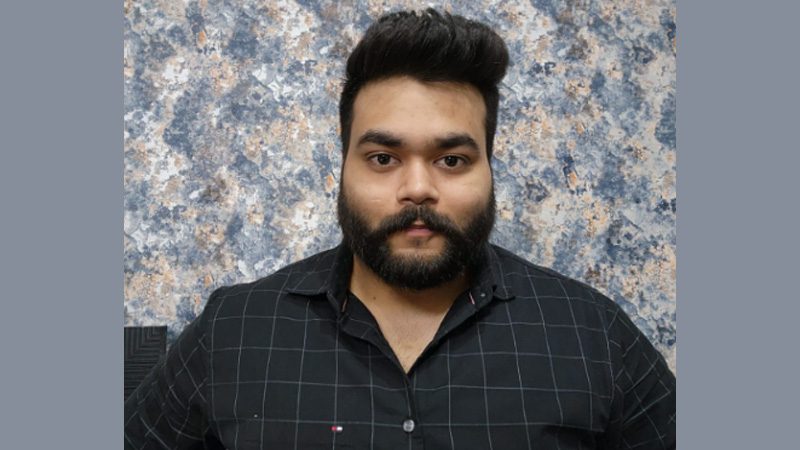
    MUMBAI: NDTV is placing its bets on silicon rather than scribes, announcing the formation of a dedicated artificial intelligence team to shake up its digital media game. The news broadcaster has enlisted Aayushman Choudhary, a tech entrepreneur with startup scars and coding credentials, to head up the new unit as head of AI.

    Chief product officer Rohan Tyagi, who has done his rounds at TikTok, Triller and Zee, is clearly betting that algorithms can do more than just sort cat videos. The AI team will focus on three key battlegrounds: automating journalism workflows and mining audience insights, supercharging personalisation engines, and cooking up fresh revenue streams powered by machine learning.

    Choudhary brings a mixed bag of entrepreneurial adventures to the newsroom. The Delhi-based techie spent a year building his own venture, Underhive Inc, before NDTV came calling in May. His CV reads like a startup hopscotch game—co-founding photo editing firm AfterShoot, doing a stint as head of technology at gaming platform Winbee, and even moonlighting as an entrepreneur in residence at venture capital firm Antler.

    The appointment signals NDTV’s recognition that the future of news lies not just in breaking stories but in breaking code. With traditional media houses scrambling to stay relevant in the digital arms race, the broadcaster is hoping artificial intelligence might just provide the human touch it needs to connect with audiences.

    Whether Choudhary can teach machines to sniff out scoops remains to be seen, but NDTV is clearly ready to let the robots have a crack at reinventing the newsroom.

  • Cyber villains multiply their mischief as web attacks surge by a fifth

    Cyber villains multiply their mischief as web attacks surge by a fifth

    MUMBAI: The internet’s dark side got considerably darker in 2024, with web application and API attacks surging by 21.4 per cent to a staggering 887.4 billion attempts globally, according to CDNetworks’ latest State of WAAP Report. If that sounds like a lot, it is—roughly 1.52 billion attacks were thwarted daily throughout the year. That makes it almost a trillion attacks in total in just one year alone. 

    The cybercriminal economy is booming, and artificial intelligence has become both sword and shield in this digital arms race. Terabit-level DDoS attacks—the sort that can flatten entire digital infrastructures—increased nearly tenfold compared to 2023, with 219 such behemoths recorded. Most alarmingly, 86 per cent of these mega-attacks lasted longer than 10 minutes, suggesting attackers have ditched the old hit-and-run playbook for prolonged sieges.

    Gaming platforms bore the brunt of this digital violence, accounting for 57.38 per cent of network-layer DDoS attacks. The sector’s misfortunes peaked with a bone-crushing 2 terabit-per-second assault in March and an application-layer attack exceeding 31 million requests per second in June. As one CDNetworks engineer put it, these weren’t just attacks—they were “digital carpet bombings.”

    E-commerce sites found themselves equally besieged, with bot attacks against online retailers skyrocketing from 18 per cent to 46.2 per cent of all bot traffic. The culprits? Sophisticated scalping bots that have evolved into integrated systems capable of mimicking human behaviour across multiple stages—from login to payment processing. These aren’t your grandmother’s clunky web scrapers; they’re AI-enhanced digital locusts that adapt to security measures in real-time.

    The rise of generative AI has democratised cybercrime, lowering the barrier to entry for would-be digital marauders. CDNetworks’ platform detected a 114.7 per cent year-over-year increase in blocked bot traffic intercepted by its AI-powered defences. The message is clear: if you’re not using AI to defend yourself, you’re bringing a knife to a gunfight.

    API security emerged as another Achilles’ heel, with attacks surging 147 per cent. Most troubling, 78 per cent of these attacks occurred after user authentication—suggesting that once hackers get past the front door, they’re often free to ransack the digital house. Traditional security models that focus solely on perimeter defence are proving woefully inadequate.

    The assault wasn’t evenly distributed. Gaming, e-commerce, and media & entertainment sectors topped the target list, with attackers showing a particular fondness for disrupting digital experiences during peak usage periods. The fourth quarter saw a concentration of attacks, with cybercriminals capitalising on holiday shopping seasons and major game releases.

    HTTP protocol violations accounted for 71 per cent of web vulnerabilities exploited, reflecting a 12.17 per cent increase year-over-year. Meanwhile, the humble Syn flood attack remained the weapon of choice for DDoS perpetrators, accounting for 43 per cent of all attacks—proof that sometimes the old ways are still the best ways.

    Not all the news was grim. CDNetworks’ AI-powered bot management successfully blocked 67 per cent of malicious bot traffic in 2024, up from just 40 per cent in 2023. The platform’s crowning achievement came on 1 October, when it successfully mitigated a massive attack targeting a major browser game platform in Southeast Asia—a 1.24 terabit assault at the network layer and over one million queries per second at the application layer—with zero downtime.

    The report’s recommendations read like a cybersecurity manifesto: phase out single-layer protection strategies, invest heavily in AI capabilities, prioritise unified WAAP platforms over siloed tools, elevate API security from afterthought to centrepiece, and partner with providers offering end-to-end support.

    As one CDNetworks executive noted: “The days of reactive cybersecurity are over. In 2024, we saw attackers using AI to probe 50,000 API endpoints in a single operation, boosting attack efficiency by up to 40 times. The only way to fight AI is with better AI.”

    The message for businesses is stark: adapt or become another statistic. With cyber-attacks showing no signs of slowing and AI making both attackers and defenders more capable, the digital Wild West is only getting wilder. The question isn’t whether your organisation will be targeted—it’s whether you’ll be ready when the digital desperados come calling.

  • WPP Media officially rises from GroupM, blending AI and ad muscle in $60bn makeover

    WPP Media officially rises from GroupM, blending AI and ad muscle in $60bn makeover

    MUMBAI: WPP has pulled the plug on GroupM and plugged in something slicker: WPP Media, its all-new, AI-charged global media company. The move signals a seismic shift in the advertising giant’s playbook, as it bets big on “creative personalisation at scale” in the AI age.

    The newly minted outfit unites more than $60 billion in annual media investment across 80-plus markets and claims to work with over 75 per cent of the world’s top advertisers. Mindshare, Wavemaker and EssenceMediacom aren’t going anywhere—they’re now operating as bespoke agency brands under the WPP Media umbrella, powered by shared tech, data and production firepower.

    At the heart of this revamp is WPP Open, the group’s AI-enabled marketing platform backed by a cool £300m annual investment and heavyweight AI partnerships. It’s billed as the ultimate integration engine—fusing creative, production, data, commerce and media delivery in one turbocharged stack.

    WPP Media CEO Brian Lesser explained: “Consumers already expect advertising to be relevant and engaging and buying experiences to be seamless; those expectations are only going to accelerate in the age of AI. WPP Media is built for a world in which media is everywhere and in everything. By investing in our AI-powered product, integrating our offer with data and technology, and equipping our people with future-facing skills, we’re helping our clients to stay ahead of rapidly changing consumer behavior and unlock the limitless opportunities for growth that AI will create.”

    WPP CEO Mark Read highlighted: “We believe that WPP is the strongest marketing partner for the world’s leading brands in the AI era, where technology and talent converge. The move to WPP Media continues our strategy to simplify and integrate our offer for clients. While GroupM was built for a time when media scale mattered most, WPP Media reflects the power of AI, data and technology and simpler, more integrated solutions.”

    It’s not just about the tech, though. The company says it’s doubling down on people—investing in learning and development to future-proof talent for the AI-powered marketing world.

    Points out Read: “Our vision for the future is clear – marketing that is informed by data, led by seamlessly connected teams of brilliant people, and full of new opportunities for our clients.”

    To spread the word, WPP is rolling out a cross-channel B2B blitz aimed squarely at CMOs and C-suite suits. The message: AI is here, it’s hungry, and it needs humans to thrive.

    In true WPP flair, the relaunch isn’t just a name change. It’s a brand makeover, a tech upgrade, and a culture reset—all rolled into one. As the world’s biggest advertisers brace for an AI tidal wave, WPP Media is positioning itself as the surfboard.

  • AI, aye captain – Rishad Tobaccowala  fires up GoaFest with his human touch about artificial intelligence

    AI, aye captain – Rishad Tobaccowala fires up GoaFest with his human touch about artificial intelligence

    GOA:  Who knew a masterclass in artificial intelligence could feel this human?

    At the 2025 edition of GoaFest, held at Taj Cidade de Goa Horizon, marketing sage and Publicis Groupe senior advisor Rishad Tobaccowala kicked off the event with a keynote that was equal parts wake-up call and soul-stirring sermon. In a session titled Ignite, Tobaccowala didn’t just warn the ad world about AI, he challenged it to rekindle its human spark.

    The thesis? 

    AI isn’t just the next big thing, it’s already bigger than we think. “AI in 2025 is still underhyped,” he declared, noting that many businesses still haven’t grasped how deeply it’s reshaping the fundamentals. And he came bearing receipts.

    Forty years ago, a desktop computer cost 5,000 dollars and ran on 1.5 million transistors. Today, your smartphone is 10 times cheaper and runs on 1.5 billion transistors. “The cost of computing has dropped by a factor of 10 million,” he said, with the drop in information distribution costs also approaching zero. “And now, the cost of knowledge and experience is heading the same way.”

    But here’s the kicker: that doesn’t make AI a differentiator, it makes it infrastructure. 

    “Saying you have AI is like saying you use electricity,” Tobaccowala quipped. “You won’t survive without it. But it’s not what will set you apart.”

    What will? HI — Human Ingenuity, Intuition, Interaction, and Inspiration.
     

    Rishad Tobaccowala

    In a world where machines are smarter, faster, and cheaper, he argued, what remains irreplaceable is human originality. “When AI gives everyone the same data and tools, storytelling, creativity and trust become your only real edge,” he said, reaffirming marketers’ role as custodians of emotion and meaning.

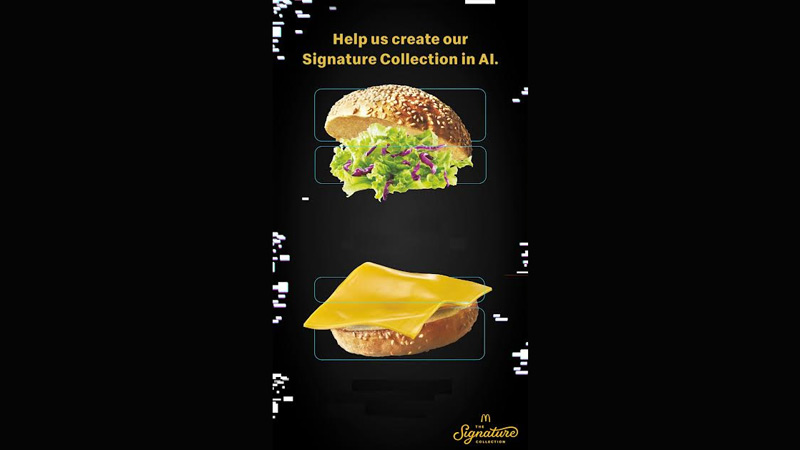
    Peppered with zingers, analogies, and a 220-second cheese brand startup powered by GPT-4, the session also made serious points about leadership in a rapidly shifting world. “If you’re planning to retire after 2026, think again,” he warned. “Most people won’t be replaced by AI, they’ll be replaced by other people using AI better.”

    He also tore into the cult of corporate scale. “You’ll see billion-dollar companies with less than 100 employees,” said Tobaccowala, who himself pays $225 every month month to access top AI models from eight platforms, outperforming Fortune 500 firms stuck in bureaucratic inertia.

    His call to action? 

    Rethink everything. “If you were starting your company today, would it look like it does now? No. Then why are you still running it that way?” From burning outdated mental models to embracing immigrant thinking (outsider mindset, underdog innovation), his message was clear: adapt or become obsolete.

    Rishad Tobaccowala

    He concluded with his signature “six Cs” for survival in the AI age: Cognition, Creativity, Curiosity, Communication, Collaboration, and Convincing, a new operating system for human relevance.

    As for jobs? “Work will change more between 2019 and 2029 than it has in the past 50 years,” he said, forecasting a rise in gig-style, goal-focused work over traditional employment. “The future of work is about getting things done, not filling jobs.”

    In a festival famous for its flair, Rishad Tobaccowala delivered a rare thing, a lecture that didn’t just ignite the mind, but lit a fire in the heart.

  • Paridhi Bhatiya Moves On from Ogilvy, Joins Pepper Content as National Head – Content, Creative & Strategy

    Paridhi Bhatiya Moves On from Ogilvy, Joins Pepper Content as National Head – Content, Creative & Strategy

    Paridhi Bhatiya created and led Ogilvy’s Content Force for the last five years. She is stepping down from her role on 28th April 2025, marking the end of a powerful chapter and the beginning of an ambitious new one.Known for building high-performing digital teams and culture-first content ecosystems, Paridhi’s departure signals more than a transition—it signals a shift in how brands think about the future of storytelling.

    During her time at Ogilvy of nearly more than half a decade, Paridhi scaled a team of digital natives into strategic content architects, delivering some of the agency’s most awarded and culture-shaping campaigns. From creator-led narratives to trend-responsive IPs, her work consistently pushed the boundaries of how content could drive real business and cultural impact.

    She now joins Pepper as National Head – Content, Creative & Strategy, where she will drive the platform’s next phase of growth—bridging technology, creativity, and storytelling at scale.

    Anirudh Singla, CEO & Co-founder of Pepper Content, said:
    “Paridhi brings rare energy—part creator, part strategist, all heart. She has built scalable systems, visionary teams, and cultural relevance at scale. As we build for the future of content, we need leaders who don’t just move with it—but charge toward it. Paridhi is that force, and we’re thrilled to have her steer what comes next.”

    On joining Pepper, Paridhi shared:
    “Content isn’t just a medium anymore—it’s the marketplace, the movement, the moment. At Pepper, I want to build an ecosystem that isn’t siloed—where content, creativity, and strategy aren’t separate verticals, but one agile, living force. We’ll build systems and people that are multi-skilled, culturally tuned, and ready to lead, not follow. This isn’t just a new role—it’s a new mission.”

    About Paridhi Bhatiya:
    With 18 years of experience across digital storytelling, brand strategy, and culture-first content creation, Paridhi Bhatiya is a force in the Indian marketing and advertising landscape. She has led high-performing teams at some of the country’s most iconic agencies, most recently heading the Content Force at Ogilvy. Known for her ability to blend creative instinct with strategic thinking, she has shaped award-winning campaigns, built scalable content ecosystems, and nurtured next-gen talent.

    Paridhi also teaches digital and AI-led marketing, helping future professionals decode the ever-evolving content economy. Outside the boardroom, she’s an advanced scuba diver and runs a passion-led weekend baking kitchen—proof that creativity doesn’t clock out when the laptop shuts.

    She thrives at the intersection of insight, innovation, and influence—making her one of the sharpest minds leading the future of content in India today.

    One Liner:

    Paridhi Bhatiya is a content strategist, digital marketing educator, scuba diver, and weekend baker—building brands by day, baking dreams by night, and diving deep into both.