Tag: Agency

  • Winning awards doesn’t get you clients: Piyush Pandey

    Winning awards doesn’t get you clients: Piyush Pandey

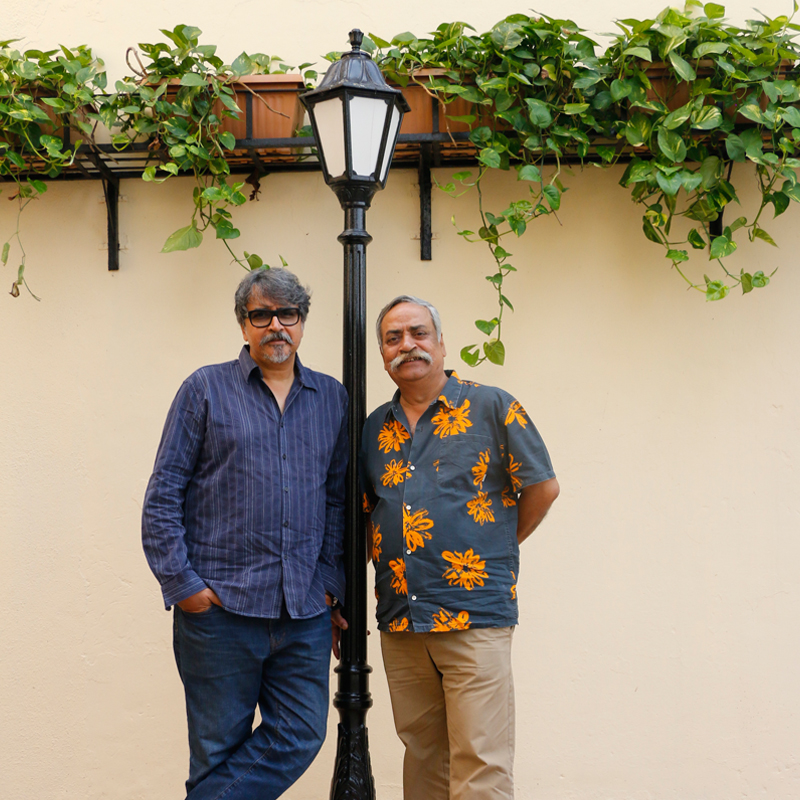
    MUMBAI: Ogilvy South Asia chairman and creative director Piyush Pandey, the man behind notable campaigns that include Fevicol, Fevikwik, Cadbury Dairy Milk, The Hindu, and Asian Paints, has been a stalwart figure in the progress of the Indian advertising industry for close to four decades. A recipient of the Padma Shri in 2016, Pandey’s contribution at Ogilvy & Mather made it the third largest ad agency in the country.

    His brother Prasoon Pandey, on the other hand, directs advertising films. Advertising Age listed him among the top 100 advertising film directors of the world. His ‘one black coffee’ ad for Ericsson was the first Indian commercial to win at Cannes.

    The duo has collaborated on a number of campaigns bagging national and international awards in the process.

    But the world has transformed significantly from the time they joined the advertising industry. The digital savvy world won’t rest unless it gets an engaging story. Traditional media is making first-time entry into interior India. Being creative but keeping the brand messaging intact is a tough nut to crack for most agencies today. While Piyush believes agencies should not consider the audience as being naive, Prasoon opines the first thumb rule of advertising is to always remember that the audience is more intelligent than the creative minds at an agency. He has always made sure to leave the creative communication open-ended and let the audience figure out their takeaways from the ad.

    Piyush joined Ogilvy & Mather in 1982 when advertising on television was in the early stages. The medium had just entered India and the creatives were highly influenced by the West. He points out that it was only towards the late 80s that India started coming up with its own creative storytelling and making stuff that was not adapted from the world. “Today, there are a number of youngsters who are doing very good work. Indians who travel abroad always come up to me and say that our advertising is much better than it is abroad. It feels good that people accept what we do,” he says.

    Recalling the advertising feel in 1980s, Prasoon adds that advertising was a little plastic back in the day and people were scared as it was a new medium. The team’s Fevicol egg was a gamechanger. “Before that notable Fevicol egg ad, there was a lot of emphasis on making a commercial look good but we were lucky to have a client that asked us to keep it real,” he adds.

    Ogilvy India is also popping open bottles of champagne and the reason for the celebration is its big boss Piyush, along with Prasoon, will be honoured with the Cannes Lions’ Lifetime Achievement Award, the Lion of St Mark. The brothers are ecstatic about the Cannes win and feels it is a recognition for India and puts a little more responsibility on them to work hard.

    They will be the first Indians to receive the prestigious award on 22 June 2018. The Lion of St Mark is the highest honour that the Cannes International Festival of Creativity bestows on creative geniuses within the communications industry. In the past, it has been awarded to David Droga, John Hegarty, Lee Clow and Marcello Serpa, Dan Wieden, Joe Pytka and Bob Greenberg. This is the 8th Lion of St Mark awarded by the Cannes Film Festival.

    The Pandey brothers do seem to agree that India’s creativity is on the rise but can still be scaled up. A majority of work is great work but the percentage of good work has increased in the last 10-15 years.

    Ogilvy & Mather recently announced its new consulting arm OgilvyRED, which will bring together senior strategic specialists to consult on digital transformation of brands in India. The agency will help tackle the toughest business, brand and innovation challenges of its clients to drive growth and enable digital transformation while enabling the clients to find solutions in a disruptive world where brands are struggling to connect with consumers. OgilvyRED consulting has been hugely successful in North America, Europe, Latin America and Asia Pacific.

    It will offer digital transformation consulting, data and marketing analytics consulting, marketing technology consulting, innovative and e-commerce consulting services to its clients. While the new division is headquartered in Mumbai, it does have an office in Bengaluru. Comprising five people at the moment, the team is set to expand next year and will have as many as 50 people on board. Since the consulting agency is new, its only client is Aditya Birla Corporate Group but is out to bag more clients by March 2018.

    Now, more than ever, brands need to take a transformative approach to connect with consumers. There are many challenges that clients face today that cannot be solved by a traditional agency approach. Ogilvy has a long-standing history of helping clients stay ahead of the curve when it comes to all things digital. The difference with OgilvyRED is that it is a digital transformation consulting that is deeply tied with Ogilvy’s ability to execute with creativity, impact and speed.

    It is generally believed in the industry that recognition and awards lead to having bigger and better clients but Piyush seems to disagree. He says that you won’t lose clients just because you don’t bag awards but they do motivate you to do better.

    Piyush concludes that though India is a late starter on digital, we cannot satisfy ourselves by just ‘being’ on the medium but need to be great.
  • Nikhil Kumar joins Publicis India as VP

    Nikhil Kumar joins Publicis India as VP

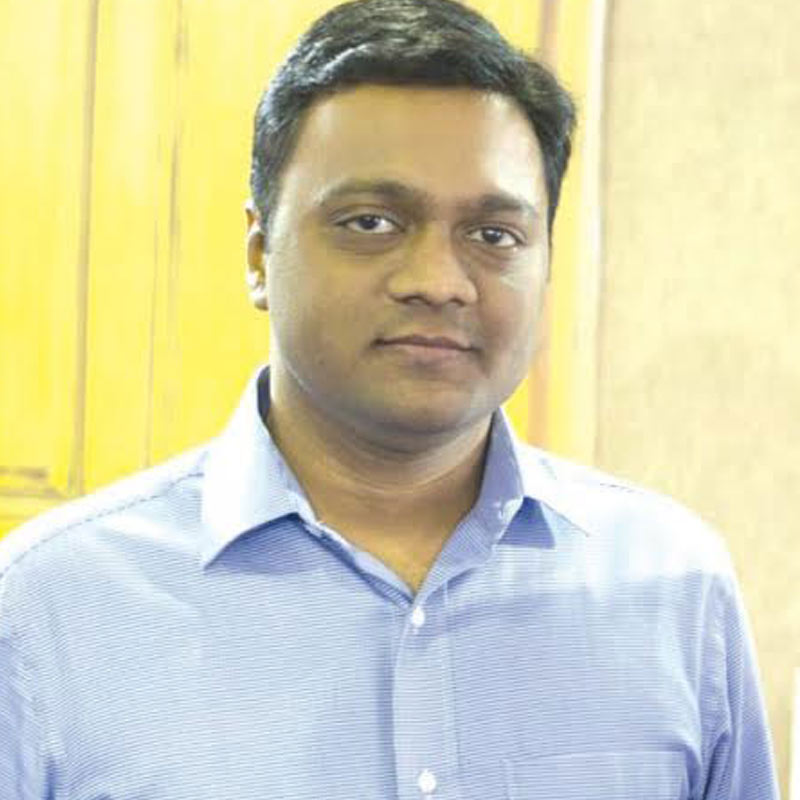
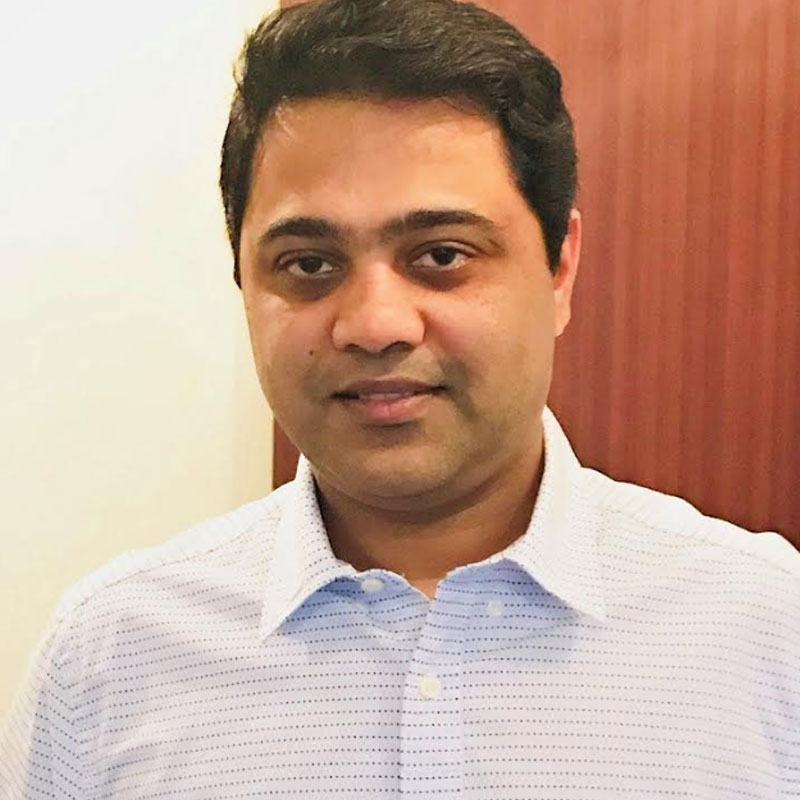
    MUMBAI: Publicis India has announced the appointment of Nikhil Kumar as vice president. Based out of Mumbai, Nikhil will focus on both organic and inorganic growth for the agency. 

    Nikhil Kumar will report to Publicis India COO Paritosh Srivastava. 

    Nikhil joins Publics India from Bennett Coleman & Co Ltd where he was the chief manager for The Economic Times (ET), looking after the brand performance and brand health of ET while heading the Brand Equity product portfolio.

    Speaking on his appointment, Srivastava says, “We are happy to have Nikhil Kumar on-board the agency. Nikhil has donned multiple hats and comes with rich experience of both sides across organisations. We’re confident that his vast exposure in the realm of marketing and advertising will play a distinctive role in offering meaningful solutions to clients and further strengthening the agency relations.”

    An MBA in International Business Management from University of Maryland, USA, Nikhil has a decade-long experience in building brands. In the past, Nikhil has worked both in a marketing role as well as had a fair share of exposure to the advertising world. His experience across diverse brands & agencies including Jet Airways, MullenLowe Lintas Group, Bosch & Siemens and ET will be key in translating the client’s business needs into distinctive brand strategies. In addition, his exposure within the product development domain and his ability to gauge the profitability of brands will further assist agency partners in creating a sustainable impact for their brands. 

    Nikhil Kumar adds, “Publicis India has been in the news lately for putting out a plethora of good work and key people appointments. I was impressed by the vision and direction that Paritosh and the team had for the future of the agency and how I would play a key role in shaping it. I’m excited to begin this new chapter and help achieve bigger milestones for the agency.”

  • Any agency can think of an idea, but very few can execute that idea.

    Any agency can think of an idea, but very few can execute that idea.

    GOA: “This is the time for renaissance in advertising because of the availability of technology”, asserted Isobar global CEO Jean Lin, while shedding light on how the backbone of ideas without limits is the importance of innovation.

    Quoting Alibaba’s success story, she mentioned that creativity is the key to make everything successful. “In the digital age it’s about delivering ideas without limit. The key point behind innovation is that the idea actually exists, we have to just innovate.”

    She further outlined that according to a PWC research in 2013, companies that look to innovate grew faster by 60 per cent, compared to the 20 per cent growth of companies that were taking on each other. The rate of change of society is a function of the age at which youth were introduced to the dominant technology of the time.

    Lin explained how Alibaba.com had launched a singles day sale in 2015 which got it sales worth $ 14.3 billion on that day. With 69 per cent of the sale from mobile devices, shoppers from 200 countries participated and 16,000 international brands were bought. “People from all over the globe can buy online. India is one of the highest border-less buyers worldwide. Now clients don’t have to look at other brands within their geography, they need to compete with prices even in other countries.”

    She also presented the example of Disneyland’s investment in the magical wrist band which worked well for the company as well as helped the travellers to track ticket, hotel room key and for getting reservations in hotels.

    The next thing that she spoke about was programmatic videos. She cited the example of how Unilever used this in technology where it showed 100,000 different videos for different people for a deodorant brand. “Even for programmatic video, content is required. It will take different thinking though. It gives viewers higher satisfaction. Technology helps, but it takes a creative to think of creativity in a different way”.

    The case studies of how Pinterest came up with its predictive shopping and how Youtube provides 100 per cent shoppable videos were also briefly discussed by Lin. “Ideas without limits is when YouTube and Pinterest take e-commerce seriously and MasterCard introduces the concept of Pay by selfies,” she added.

    Going further, she divided ideas into two types:

    Ideas that reimagine the last mile

    With an array of examples like UMood, Coca-Cola, etc, Lin pointed out that an idea should be limited only be for an ad campaign.

    Ideas that invent and reinvent

    “Innovation comes from an idea that already exists”, voiced Lin. She used examples of Sky Tip, GM Co-driver, Fiat, etc.

    She emphasized on the new role of agencies which is not only about creatively solving problems. “Any agency can think of an idea, but very few can execute that idea. That’s a key to win. We need to grow with clients. This will come when tangible results are seen. When you think of ideas without limit, it can happen.”

  • Any agency can think of an idea, but very few can execute that idea.

    Any agency can think of an idea, but very few can execute that idea.

    GOA: “This is the time for renaissance in advertising because of the availability of technology”, asserted Isobar global CEO Jean Lin, while shedding light on how the backbone of ideas without limits is the importance of innovation.

    Quoting Alibaba’s success story, she mentioned that creativity is the key to make everything successful. “In the digital age it’s about delivering ideas without limit. The key point behind innovation is that the idea actually exists, we have to just innovate.”

    She further outlined that according to a PWC research in 2013, companies that look to innovate grew faster by 60 per cent, compared to the 20 per cent growth of companies that were taking on each other. The rate of change of society is a function of the age at which youth were introduced to the dominant technology of the time.

    Lin explained how Alibaba.com had launched a singles day sale in 2015 which got it sales worth $ 14.3 billion on that day. With 69 per cent of the sale from mobile devices, shoppers from 200 countries participated and 16,000 international brands were bought. “People from all over the globe can buy online. India is one of the highest border-less buyers worldwide. Now clients don’t have to look at other brands within their geography, they need to compete with prices even in other countries.”

    She also presented the example of Disneyland’s investment in the magical wrist band which worked well for the company as well as helped the travellers to track ticket, hotel room key and for getting reservations in hotels.

    The next thing that she spoke about was programmatic videos. She cited the example of how Unilever used this in technology where it showed 100,000 different videos for different people for a deodorant brand. “Even for programmatic video, content is required. It will take different thinking though. It gives viewers higher satisfaction. Technology helps, but it takes a creative to think of creativity in a different way”.

    The case studies of how Pinterest came up with its predictive shopping and how Youtube provides 100 per cent shoppable videos were also briefly discussed by Lin. “Ideas without limits is when YouTube and Pinterest take e-commerce seriously and MasterCard introduces the concept of Pay by selfies,” she added.

    Going further, she divided ideas into two types:

    Ideas that reimagine the last mile

    With an array of examples like UMood, Coca-Cola, etc, Lin pointed out that an idea should be limited only be for an ad campaign.

    Ideas that invent and reinvent

    “Innovation comes from an idea that already exists”, voiced Lin. She used examples of Sky Tip, GM Co-driver, Fiat, etc.

    She emphasized on the new role of agencies which is not only about creatively solving problems. “Any agency can think of an idea, but very few can execute that idea. That’s a key to win. We need to grow with clients. This will come when tangible results are seen. When you think of ideas without limit, it can happen.”

  • ‘Not taking anything for granted is our guiding philosophy’: Maxus MD Kartik Sharma

    ‘Not taking anything for granted is our guiding philosophy’: Maxus MD Kartik Sharma

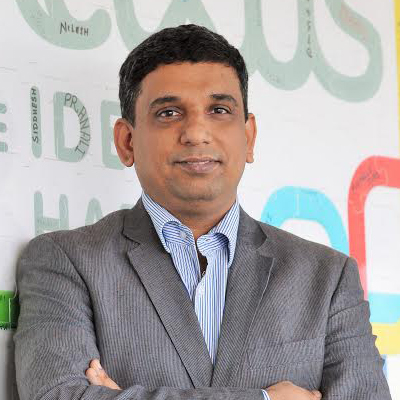
    ‘No room for complacency’ is a motto Maxus South Asia managing director Kartik Sharma as well as his team follow strongly when it comes to upholding the philosophy of not taking their position in the market for granted. In a market where traditional media practices are being challenged every now and then by a new start up or biz solutions provider, Maxus isn’t too worked up, says Sharma, but is definitely not taking it easy.

    With client retention being top priority, the media agency has heavily invested in new and innovative services in the last few years… while some have worked, others have taught team Maxus what to work on next… the next innovation.

    In an interview with Indiantelevision.com’s Papri Das, Sharma speaks on the company’s future initiatives that not only prepares Maxus as an agency of tomorrow but also forms yardsticks for the dynamic current media ecosystem.

    Excerpts:

    How was 2015 for Maxus in terms of new businesses and mandates?

    2015 was a challenging as well as gratifying year. We have been successful in achieving our business goals. We have picked up a fair amount of new businesses as well. But that is part and parcel of our business. We did some landmark work in the area of sports where we helped our client Paytm bag the BCCI home series sponsorship rights of 84 matches. We also set up a new marketing command centre called Mesh that reads signals from social media and other data platforms to help brands to come up with real time interventions and help campaigns.

    What were the challenges that you faced in 2015?

    The first quarter was a bit slow and I think this was uniform across all agencies last year. Therefore business was slow but it picked up in the latter half of the year. There was also this sentiment about the new government and what it can do, which drove a lot of the business decisions as well. We had mixed feelings through the year regarding how our clients will end up spending and whether they would be making cuts, because that directly impacts our business. Having said that, things were looking better by the end of the year.

    How useful has Mesh proved for you and your clients?

    We launched Mesh around April – May last year with two centres in Mumbai and Delhi, and very soon we will set up one in Bangalore as well. The idea was to set it up internally and have a culture change within Maxus. Parallelly, we also got multiple projects at the back of Mesh. A lot of clients are already using Mesh in various ways, be it ad-hoc or continual projects.

    It actually started much earlier in a different avatar when we deployed a similar service with Nestle as a client. We did some interesting work with L’oreal on the same principles where we continued to monitor all the social media pages and activities on the brand, understand the top influences and the kind of content that was working for the brand. The engagement analysis told us which part of India was giving us response on a particular product. It was immensely helpful in understanding what consumers feel about various brands.

    With the technology evolving and the ecosystem becoming more dynamic, do you think advertisers’ dependency on media agencies has increased?

    More than dependency, I think we work with clients as partners so it’s all about being equal in that. We have been able to demonstrate the real value of what we call the command centre. It’s about telling really powerful and relevant stories, which you can actually take back as an impact on your business.

    We must also take into consideration the number of new pitches that happened globally. Last year, around 20 million plus pitches took place globally. Fortunately for us, we weren’t part of it as you can never really predict how these additions will work out. As an agency, I would rather focus on current clients doing a great job than pitching. I think that having a few new strategic pitches are fine as long as it doesn’t effect your loyalty to your current clients.

    Don’t you think Maxus as a group has the capability to take on new clients without disappointing the existing ones?

    I have mentioned this again and I will repeat it yet again, Maxus as a group never takes its position in the market for granted. We have to earn what we are standing on and demonstrate every single day to all our stakeholders. That is critical to Maxus’ functioning. Not taking anything for granted is our guiding philosophy. It is also about the changing environment and Maxus needs to be forward facing to some extent. Mesh is a project keeping that in mind. If we don’t invest in Mesh and prepare ourselves for the future, then we can’t make that transition.

    Do you sense competition from all the ‘marketing solutions’ providers that have mushroomed in the industry recently? Some of them claim to provide similar services that Maxus has.

    Competition is always welcome. It builds a certain degree of positive energy for everyone to do better. Having said this, we have our own vision. It is a very inspiring vision that leans in to change. If you look at how we work, the entrepreneurial streak is very strong within Maxus. The DNA of Maxus is all about innovation, doing new things and evolving. So I am not overtly worried about the competition, yet we will keep a watch. We will not become complacent for sure.

    We see several big agencies collaborating with start-up agencies for specific skill sets. Do you think it reflects the lack of certain skills within the big media agencies to take on the changing market dynamics?

    Firstly, the skill set factor is not affecting just the agencies, I think it is across the board. As the market landscape changes, there are two ways to deal with it – either incorporate and evolve all the skill sets internally, which requires its own time and effort, or partner with someone who has these skill sets in a focused area still relevant to you. It is always going to be hybrid between building yourself and partnering with others.

    Can it be considered a shortcut way out?

    I don’t think it’s a shortcut. Once a client comes on board an agency, we want to give them the best possible solution. Clients don’t really worry too much on where that solution is coming from. There will always be something like a super specialisation, which an agency might not require for all its clients. Therefore it is better to partner, for a particular client or for a brief period of time.

    We too work with multiple partners. For example, we introduced a tool called Synapse last year, which marries television ratings with social buzz. We work with our partner Frrole to develop that. Frrole has certain proprietary technology for which it makes immense sense for us to partner with them.

    Within the WPP ecosystem we work with the research agency Kantar because it gives us certain specialisations. Rather than replicating the same skills within the agencies, it’s better to work with the experts.

    How do you ensure client’s faith in television, especially for advertisers who are heavily dependent on the television medium when there is all this talk about television losing importance in the advertising space?

    Firstly, we will continue to use the industry endorsed television rating system, which is currently Broadcast Audience Research Council (BARC) India. Secondly, as I mentioned earlier, we have the tool Synapse that helps marry television ratings with the social buzz. For particularly niche brands, which have a well defined target group, sometimes only TV ratings may not work. It may be that a certain type of channel, say a niche channel with a very targeted audience will work for them. We can identify them by listening to the social buzz. So in many ways, we are supporting the need for television through these new initiatives.

    Agencies are increasingly facing the ‘4 second challenge’ digital platforms with this current ADHD generation. How can the industry deal with this?

    First and foremost, one needs to take a hard look at the communication created for television and have an open conversation with the client and the creative agency on whether the same communication will hold true in a digital environment.

    The second thing is about doing a lot of experiment and a bit of trial and error at low cost to see what works and then tweaking it accordingly. Keeping an eye on what’s happening globally and learning from best practices or successful examples there and contextualising in the Indian market is also necessary.

    Any new services or products that are in the pipeline from Maxus?

    There are at least four or five big initiatives that we have in mind but it’s a little premature to talk about it now. By end March or early April we will be able to give a proper communication on the same.

    We keep innovating on our product front and learn from the previous launches. If certain things haven’t worked, we go back to the black board and think on what needs to change. At this point in time, I can say that we will soon be introducing an improved version of our T2D tool that was launched last year targeting the eCommerce community. We have received good feedback on it and will build on it to develop it into a more powerful tool.

  • ‘Not taking anything for granted is our guiding philosophy’: Maxus MD Kartik Sharma

    ‘Not taking anything for granted is our guiding philosophy’: Maxus MD Kartik Sharma

    ‘No room for complacency’ is a motto Maxus South Asia managing director Kartik Sharma as well as his team follow strongly when it comes to upholding the philosophy of not taking their position in the market for granted. In a market where traditional media practices are being challenged every now and then by a new start up or biz solutions provider, Maxus isn’t too worked up, says Sharma, but is definitely not taking it easy.

    With client retention being top priority, the media agency has heavily invested in new and innovative services in the last few years… while some have worked, others have taught team Maxus what to work on next… the next innovation.

    In an interview with Indiantelevision.com’s Papri Das, Sharma speaks on the company’s future initiatives that not only prepares Maxus as an agency of tomorrow but also forms yardsticks for the dynamic current media ecosystem.

    Excerpts:

    How was 2015 for Maxus in terms of new businesses and mandates?

    2015 was a challenging as well as gratifying year. We have been successful in achieving our business goals. We have picked up a fair amount of new businesses as well. But that is part and parcel of our business. We did some landmark work in the area of sports where we helped our client Paytm bag the BCCI home series sponsorship rights of 84 matches. We also set up a new marketing command centre called Mesh that reads signals from social media and other data platforms to help brands to come up with real time interventions and help campaigns.

    What were the challenges that you faced in 2015?

    The first quarter was a bit slow and I think this was uniform across all agencies last year. Therefore business was slow but it picked up in the latter half of the year. There was also this sentiment about the new government and what it can do, which drove a lot of the business decisions as well. We had mixed feelings through the year regarding how our clients will end up spending and whether they would be making cuts, because that directly impacts our business. Having said that, things were looking better by the end of the year.

    How useful has Mesh proved for you and your clients?

    We launched Mesh around April – May last year with two centres in Mumbai and Delhi, and very soon we will set up one in Bangalore as well. The idea was to set it up internally and have a culture change within Maxus. Parallelly, we also got multiple projects at the back of Mesh. A lot of clients are already using Mesh in various ways, be it ad-hoc or continual projects.

    It actually started much earlier in a different avatar when we deployed a similar service with Nestle as a client. We did some interesting work with L’oreal on the same principles where we continued to monitor all the social media pages and activities on the brand, understand the top influences and the kind of content that was working for the brand. The engagement analysis told us which part of India was giving us response on a particular product. It was immensely helpful in understanding what consumers feel about various brands.

    With the technology evolving and the ecosystem becoming more dynamic, do you think advertisers’ dependency on media agencies has increased?

    More than dependency, I think we work with clients as partners so it’s all about being equal in that. We have been able to demonstrate the real value of what we call the command centre. It’s about telling really powerful and relevant stories, which you can actually take back as an impact on your business.

    We must also take into consideration the number of new pitches that happened globally. Last year, around 20 million plus pitches took place globally. Fortunately for us, we weren’t part of it as you can never really predict how these additions will work out. As an agency, I would rather focus on current clients doing a great job than pitching. I think that having a few new strategic pitches are fine as long as it doesn’t effect your loyalty to your current clients.

    Don’t you think Maxus as a group has the capability to take on new clients without disappointing the existing ones?

    I have mentioned this again and I will repeat it yet again, Maxus as a group never takes its position in the market for granted. We have to earn what we are standing on and demonstrate every single day to all our stakeholders. That is critical to Maxus’ functioning. Not taking anything for granted is our guiding philosophy. It is also about the changing environment and Maxus needs to be forward facing to some extent. Mesh is a project keeping that in mind. If we don’t invest in Mesh and prepare ourselves for the future, then we can’t make that transition.

    Do you sense competition from all the ‘marketing solutions’ providers that have mushroomed in the industry recently? Some of them claim to provide similar services that Maxus has.

    Competition is always welcome. It builds a certain degree of positive energy for everyone to do better. Having said this, we have our own vision. It is a very inspiring vision that leans in to change. If you look at how we work, the entrepreneurial streak is very strong within Maxus. The DNA of Maxus is all about innovation, doing new things and evolving. So I am not overtly worried about the competition, yet we will keep a watch. We will not become complacent for sure.

    We see several big agencies collaborating with start-up agencies for specific skill sets. Do you think it reflects the lack of certain skills within the big media agencies to take on the changing market dynamics?

    Firstly, the skill set factor is not affecting just the agencies, I think it is across the board. As the market landscape changes, there are two ways to deal with it – either incorporate and evolve all the skill sets internally, which requires its own time and effort, or partner with someone who has these skill sets in a focused area still relevant to you. It is always going to be hybrid between building yourself and partnering with others.

    Can it be considered a shortcut way out?

    I don’t think it’s a shortcut. Once a client comes on board an agency, we want to give them the best possible solution. Clients don’t really worry too much on where that solution is coming from. There will always be something like a super specialisation, which an agency might not require for all its clients. Therefore it is better to partner, for a particular client or for a brief period of time.

    We too work with multiple partners. For example, we introduced a tool called Synapse last year, which marries television ratings with social buzz. We work with our partner Frrole to develop that. Frrole has certain proprietary technology for which it makes immense sense for us to partner with them.

    Within the WPP ecosystem we work with the research agency Kantar because it gives us certain specialisations. Rather than replicating the same skills within the agencies, it’s better to work with the experts.

    How do you ensure client’s faith in television, especially for advertisers who are heavily dependent on the television medium when there is all this talk about television losing importance in the advertising space?

    Firstly, we will continue to use the industry endorsed television rating system, which is currently Broadcast Audience Research Council (BARC) India. Secondly, as I mentioned earlier, we have the tool Synapse that helps marry television ratings with the social buzz. For particularly niche brands, which have a well defined target group, sometimes only TV ratings may not work. It may be that a certain type of channel, say a niche channel with a very targeted audience will work for them. We can identify them by listening to the social buzz. So in many ways, we are supporting the need for television through these new initiatives.

    Agencies are increasingly facing the ‘4 second challenge’ digital platforms with this current ADHD generation. How can the industry deal with this?

    First and foremost, one needs to take a hard look at the communication created for television and have an open conversation with the client and the creative agency on whether the same communication will hold true in a digital environment.

    The second thing is about doing a lot of experiment and a bit of trial and error at low cost to see what works and then tweaking it accordingly. Keeping an eye on what’s happening globally and learning from best practices or successful examples there and contextualising in the Indian market is also necessary.

    Any new services or products that are in the pipeline from Maxus?

    There are at least four or five big initiatives that we have in mind but it’s a little premature to talk about it now. By end March or early April we will be able to give a proper communication on the same.

    We keep innovating on our product front and learn from the previous launches. If certain things haven’t worked, we go back to the black board and think on what needs to change. At this point in time, I can say that we will soon be introducing an improved version of our T2D tool that was launched last year targeting the eCommerce community. We have received good feedback on it and will build on it to develop it into a more powerful tool.