Tag: advertising

  • Jabong’s ‘Be You’ trumpets unique fashion statements

    Jabong’s ‘Be You’ trumpets unique fashion statements

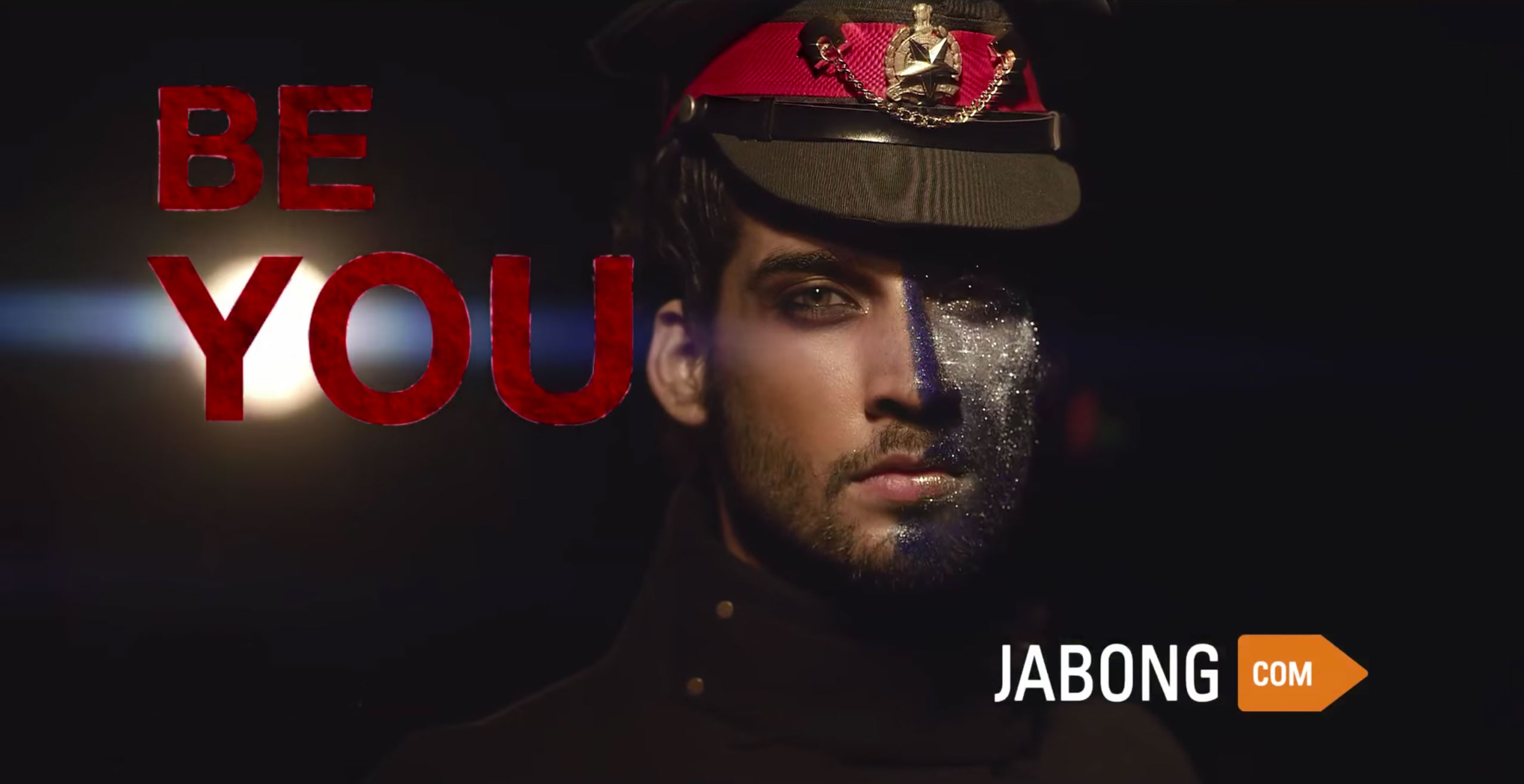
    MUMBAI: A bearded man flaunting an elaborate and glittery nose-ring, a woman donning a shirt as a ‘pagri’, and a man wearing his jacket as pants. Sounds familiar? No? Well, that’s the point. Or at least the ‘statement’ that Jabong is trying to make with its new 2 minute long video that takes its brand statement ‘Be You’ to a whole new level.


    Conceptualised by Bates CHI & Partners, the film takes viewers on a picturesque journey of fashion, style, colour and uniqueness, be it through very obvious stereotype breakers or subtle hints at breaking the mould. Whatever be the complicated collective thought behind the campaign, (left to the viewer’s interpretation), it took the production team five days of prep work and a day of shoot at a ‘desi’ Mumbai studio to churn out this 2 minuter. A forty seconds version of the ad will also run as a TV spot. The quick shoot could also be due to availability of dates from London based award winning film, creative & art director Harvey B Brown of the IndiGo Airlines and Incredible India fame, who shot this ad film.

    Breaking down what his vision behind the campaign was and what he saw through his lens, Brown said, “Fashion can be bold and brave and yet be within reach. Through this campaign, I want to break the stereotypes that limit the very creative expression that is needed to make a truly personalized fashion statement. Beauty in advertising is usually defined to fit set criteria. I wanted our styling to be contrarian and inspirational. So you’ll see young men and women wear shirts as colourful turbans, sweatshirts as pants, men’s trousers as women’s jackets, and so on,” said Brown. Apart from the artfully shot frames, what is hard to miss is the semi ethnic trance like music that plays in the background, scored by well-known music composer and Abby winner Sameeruddin. The mandate from the client was simple, or rather there wasn’t any strict mandate to begin with. But there was an idea. “They were not looking at yet another campaign that talks about the great offers, deals, or the range of the ecommerce site’s inventory; or the advantages of online buying,” spoke out Bates CHI & Partners president Asheesh Malhotra. “Jabong clearly wanted the campaign to speak to the youth directly and bring in their perspective of fashion in the limelight. The campaign emphasises on Jabong’s brand statement ‘Be You’ and be comfortable in their own skin. So here was a client more interested in building a brand through a campaign, rather than a short term quarterly goal of sales,” he shared, adding that the campaign talks in language the youth of today speak, a language that is devoid of bias based on gender, size, ethnicity, etc.

    A recent market research done by MTV titled ‘Many Me Project also spoke of the plurality that exists in abundance in today’s Indian youth, a reflection of which can be seen in Jabong’s campaign. “This campaign marks the beginning of a new chapter for Jabong. Youth today are confident, comfortable in their skin and ready to make bold choices. They want to be fashionable, yet not be slaves to a trend. You could be skinny, plus sized, bold, meek, short or tall – but you are who you are – and fashion helps you Be You. This campaign celebrates their choices, and makes our brand philosophy much more relevant in the current context. After strengthening our fundamentals in last few months, we are bringing the focus back to our brand,” said Jabong CEO and MD Sanjeev Mohanty.

    Reiterating the same thoughts, Malhotra elaborated, “Today’s youth have an opinion and they are not afraid to speak it out. And fashion to them is about being comfortable in their own skin and making a statement as well. Otherwise, there really isn’t anything differentiating the many options we have to buy clothes online. You go to Koovs, you go to Myntra, you go to any other site under the sun, and buy the same piece of cloth. What differentiates Jabong is its understanding of the youth’s sense of fashion. Consumers can buy a full cloth and chose to wear just the sleeve, and Jabong is cool with that. That’s what’s ‘Jabong’ about their fashion statement.” This isn’t the first time an online retail brand has opted to take up the ‘bold’ approach. Going bold also has its downside. Trying too hard to steer clear of the stereotypes can be dangerous. It can altogether put you in another box of ‘different for the sake’. “It’s not about rebelling against or for a certain cause. Or forcefully connecting fashion with homosexuality or treatment of pregnant women in our society just for the sake of the stir it will create,” pointed out Malhotra, heavily hinting on Myntra’s ‘Bold Is Beautiful’ campaign.

    Does dressing models in attractive and eye-catchy clothes, and painting them in bold colors achieve that much needed reasoning behind ‘breaking stereotypes’?, we asked Malhotra. “Our focus was fashion and the spectrum that it covers. Sure, there is a lot of extremes shown in the video. We didn’t want to go out of our way to show extremes in fashion, but until and unless we depict a cross section of people with unique fashion sense that is natural for them, we we would miss the nerve of the campaign,” Malhotra justified. Bates CHI & Partners won the account for Jabong’s creative mandate not too long ago in March, and has already planned to go long term with the brand. The agency already has another video in store, shot and ready to be released by first week of July.


  • Jabong’s ‘Be You’ trumpets unique fashion statements

    Jabong’s ‘Be You’ trumpets unique fashion statements

    MUMBAI: A bearded man flaunting an elaborate and glittery nose-ring, a woman donning a shirt as a ‘pagri’, and a man wearing his jacket as pants. Sounds familiar? No? Well, that’s the point. Or at least the ‘statement’ that Jabong is trying to make with its new 2 minute long video that takes its brand statement ‘Be You’ to a whole new level.


    Conceptualised by Bates CHI & Partners, the film takes viewers on a picturesque journey of fashion, style, colour and uniqueness, be it through very obvious stereotype breakers or subtle hints at breaking the mould. Whatever be the complicated collective thought behind the campaign, (left to the viewer’s interpretation), it took the production team five days of prep work and a day of shoot at a ‘desi’ Mumbai studio to churn out this 2 minuter. A forty seconds version of the ad will also run as a TV spot. The quick shoot could also be due to availability of dates from London based award winning film, creative & art director Harvey B Brown of the IndiGo Airlines and Incredible India fame, who shot this ad film.

    Breaking down what his vision behind the campaign was and what he saw through his lens, Brown said, “Fashion can be bold and brave and yet be within reach. Through this campaign, I want to break the stereotypes that limit the very creative expression that is needed to make a truly personalized fashion statement. Beauty in advertising is usually defined to fit set criteria. I wanted our styling to be contrarian and inspirational. So you’ll see young men and women wear shirts as colourful turbans, sweatshirts as pants, men’s trousers as women’s jackets, and so on,” said Brown. Apart from the artfully shot frames, what is hard to miss is the semi ethnic trance like music that plays in the background, scored by well-known music composer and Abby winner Sameeruddin. The mandate from the client was simple, or rather there wasn’t any strict mandate to begin with. But there was an idea. “They were not looking at yet another campaign that talks about the great offers, deals, or the range of the ecommerce site’s inventory; or the advantages of online buying,” spoke out Bates CHI & Partners president Asheesh Malhotra. “Jabong clearly wanted the campaign to speak to the youth directly and bring in their perspective of fashion in the limelight. The campaign emphasises on Jabong’s brand statement ‘Be You’ and be comfortable in their own skin. So here was a client more interested in building a brand through a campaign, rather than a short term quarterly goal of sales,” he shared, adding that the campaign talks in language the youth of today speak, a language that is devoid of bias based on gender, size, ethnicity, etc.

    A recent market research done by MTV titled ‘Many Me Project also spoke of the plurality that exists in abundance in today’s Indian youth, a reflection of which can be seen in Jabong’s campaign. “This campaign marks the beginning of a new chapter for Jabong. Youth today are confident, comfortable in their skin and ready to make bold choices. They want to be fashionable, yet not be slaves to a trend. You could be skinny, plus sized, bold, meek, short or tall – but you are who you are – and fashion helps you Be You. This campaign celebrates their choices, and makes our brand philosophy much more relevant in the current context. After strengthening our fundamentals in last few months, we are bringing the focus back to our brand,” said Jabong CEO and MD Sanjeev Mohanty.

    Reiterating the same thoughts, Malhotra elaborated, “Today’s youth have an opinion and they are not afraid to speak it out. And fashion to them is about being comfortable in their own skin and making a statement as well. Otherwise, there really isn’t anything differentiating the many options we have to buy clothes online. You go to Koovs, you go to Myntra, you go to any other site under the sun, and buy the same piece of cloth. What differentiates Jabong is its understanding of the youth’s sense of fashion. Consumers can buy a full cloth and chose to wear just the sleeve, and Jabong is cool with that. That’s what’s ‘Jabong’ about their fashion statement.” This isn’t the first time an online retail brand has opted to take up the ‘bold’ approach. Going bold also has its downside. Trying too hard to steer clear of the stereotypes can be dangerous. It can altogether put you in another box of ‘different for the sake’. “It’s not about rebelling against or for a certain cause. Or forcefully connecting fashion with homosexuality or treatment of pregnant women in our society just for the sake of the stir it will create,” pointed out Malhotra, heavily hinting on Myntra’s ‘Bold Is Beautiful’ campaign.

    Does dressing models in attractive and eye-catchy clothes, and painting them in bold colors achieve that much needed reasoning behind ‘breaking stereotypes’?, we asked Malhotra. “Our focus was fashion and the spectrum that it covers. Sure, there is a lot of extremes shown in the video. We didn’t want to go out of our way to show extremes in fashion, but until and unless we depict a cross section of people with unique fashion sense that is natural for them, we we would miss the nerve of the campaign,” Malhotra justified. Bates CHI & Partners won the account for Jabong’s creative mandate not too long ago in March, and has already planned to go long term with the brand. The agency already has another video in store, shot and ready to be released by first week of July.

  • Flipkart spends 80 percent of its digital marketing budget on mobile: Flipkart Ads business head Prakash Sikaria

    Flipkart spends 80 percent of its digital marketing budget on mobile: Flipkart Ads business head Prakash Sikaria

    MUMBAI: While addressing a session at a marketing conclave in Mumbai, that debated the relevance of mobile marketing and the need to go app first for brands, Flipkart Ads business head Prakash Sikaria shared that the  eCommerce giant spends almost 80 percent of its digital marketing budget on mobile.

    Sikaria’s confidence in the medium stems from the data the eCommerce site has gathered as an advertising and eCommerce platform that tracks its consumers’ usage behaviour on multiple screens.

    When posed with the question ‘is mobile a minor or a major screen’ Sikaria simply asked, ‘Is that even a  debate’. To back his astonishment at the topic of debate, Sikaria shared that for a eCommerce company such as Flipkart going mobile first was only natural, given that more and more of the site’s consumers are switching to spending more time on their smartphones.

    “Just to put things in perspective, 3 hrs of mobile in India is equatable to 92 mins of television, which is in turn equatable to 31 minutes of  desktop usage by viewers. What we see as a consumption pattern for several businesses mobile is the only screen in India, and going forward a large proportion of the time spent on any medium by consumers would be on mobile,” Sikaria shared, highlighting how India is unique in its mobile friendliness.

    Sharing some data the eCommerce platform has gathered from its own consumer research and data and analysis of consumer behaviour on the platform, around 50 per cent of the time spent on mobile is used for communication.  According to the consumer pattern gathered from traffic on Flipkart’s mobile app and its  web usage analysis, Sikaria inferred that usually customers try the mobile app first, and once they are convinced with the services and have grown loyalty towards the brand, they move to web. This places mobile marketing as the supreme most important requirement for a brand that functions mostly digitally, as it introduces the service to new consumers.

    “We have also noticed that across metrics there is better customer engagement and better customer experience on mobile from how much time consumers spend on the site per visit, to how many successful transactions they complete per visit,” Sikaria shared.

    As per Sikaria, once the user has jumped the hurdle of downloading the app the engagement is far higher on mobile than on other medium like desktop, provided the app is designed conveniently for them. That is the reason every ecommerce site, every travel startup or web based business wants their app to by in everyone’s phones.

    It is to be noted that between the four to five major eCommerce players in the country, television media raised about Rs 1,200 crores in advertising revenue in a single quarter, albeit it was before Diwali last year.

    Now with a key player such as Flipkart thinking mobile first, should television advertisement slot seller be worried about the smaller screen stealing away the advertisers which are native to the medium? 

  • Flipkart spends 80 percent of its digital marketing budget on mobile: Flipkart Ads business head Prakash Sikaria

    Flipkart spends 80 percent of its digital marketing budget on mobile: Flipkart Ads business head Prakash Sikaria

    MUMBAI: While addressing a session at a marketing conclave in Mumbai, that debated the relevance of mobile marketing and the need to go app first for brands, Flipkart Ads business head Prakash Sikaria shared that the  eCommerce giant spends almost 80 percent of its digital marketing budget on mobile.

    Sikaria’s confidence in the medium stems from the data the eCommerce site has gathered as an advertising and eCommerce platform that tracks its consumers’ usage behaviour on multiple screens.

    When posed with the question ‘is mobile a minor or a major screen’ Sikaria simply asked, ‘Is that even a  debate’. To back his astonishment at the topic of debate, Sikaria shared that for a eCommerce company such as Flipkart going mobile first was only natural, given that more and more of the site’s consumers are switching to spending more time on their smartphones.

    “Just to put things in perspective, 3 hrs of mobile in India is equatable to 92 mins of television, which is in turn equatable to 31 minutes of  desktop usage by viewers. What we see as a consumption pattern for several businesses mobile is the only screen in India, and going forward a large proportion of the time spent on any medium by consumers would be on mobile,” Sikaria shared, highlighting how India is unique in its mobile friendliness.

    Sharing some data the eCommerce platform has gathered from its own consumer research and data and analysis of consumer behaviour on the platform, around 50 per cent of the time spent on mobile is used for communication.  According to the consumer pattern gathered from traffic on Flipkart’s mobile app and its  web usage analysis, Sikaria inferred that usually customers try the mobile app first, and once they are convinced with the services and have grown loyalty towards the brand, they move to web. This places mobile marketing as the supreme most important requirement for a brand that functions mostly digitally, as it introduces the service to new consumers.

    “We have also noticed that across metrics there is better customer engagement and better customer experience on mobile from how much time consumers spend on the site per visit, to how many successful transactions they complete per visit,” Sikaria shared.

    As per Sikaria, once the user has jumped the hurdle of downloading the app the engagement is far higher on mobile than on other medium like desktop, provided the app is designed conveniently for them. That is the reason every ecommerce site, every travel startup or web based business wants their app to by in everyone’s phones.

    It is to be noted that between the four to five major eCommerce players in the country, television media raised about Rs 1,200 crores in advertising revenue in a single quarter, albeit it was before Diwali last year.

    Now with a key player such as Flipkart thinking mobile first, should television advertisement slot seller be worried about the smaller screen stealing away the advertisers which are native to the medium? 

  • FY-16: TV Today revenue up 14.6 percent; PAT up 16 percent

    FY-16: TV Today revenue up 14.6 percent; PAT up 16 percent

    BENGALURU: TV Today Network Limited (TVTN) reported 14.6 percent increase in consolidated revenue (consolidated total income from operations, consolidated TIO) for the year ended 31 March 2016 (FY-16, current) as compared to the previous year. The company’s consolidated Profit after Tax (PAT) increased 16 percent in FY-16. TVTN reported consolidated TIO of Rs 546.01 crore in FY-16 and Rs 476.58 crore in FY-15. PAT in the current year was Rs 95.04 crore (17.2 percent PAT margin) as compared to Rs 81.03 crore (17 percent PAT margin) in FY-15.

    Note: The unit of currency in this report is the Indian rupee – Rs (also conventionally represented by INR). The Indian numbering system or the Vedic numbering system has been used to denote money values. The basic conversion to the international norm would be:
    (a) 100,00,000 = 100 lakh = 10,000,000 = 10 million = 1 crore.
    (b) 10,000 lakh = 100 crore = 1 arab = 1 billion.

    The company’s total expenditure in the current year increased 14.8 percent to Rs 430.25 crore (78.8 percent of TIO) from Rs 374.91 crore (78.7 percent of TIO) in the previous year.

    Simple EBIDTA increased 11.1 percent to Rs 146.33 crore (26.8 percent EBIDTA margin) from Rs 131.70 crore (26.7 percent EBIDTA margin) if FY-15.

    TVTN’s advertising, distribution and sales promotion (ad expense) in FY-16 increased 17.5 percent to Rs 119.52 crore (21.9 percent of TIO) from Rs 101.75 crore (21.3 percent of TIO) in FY-15.

    The TVTN board has recommended a final dividend @ 35 percent on the paid-up capital of the company, i.e., Rs 1.75 per share of Rs 5/- each for FY-16 subject to the approval of shareholders at the ensuing Annual General Meeting (AGM) of the company.


  • FY-16: TV Today revenue up 14.6 percent; PAT up 16 percent

    FY-16: TV Today revenue up 14.6 percent; PAT up 16 percent

    BENGALURU: TV Today Network Limited (TVTN) reported 14.6 percent increase in consolidated revenue (consolidated total income from operations, consolidated TIO) for the year ended 31 March 2016 (FY-16, current) as compared to the previous year. The company’s consolidated Profit after Tax (PAT) increased 16 percent in FY-16. TVTN reported consolidated TIO of Rs 546.01 crore in FY-16 and Rs 476.58 crore in FY-15. PAT in the current year was Rs 95.04 crore (17.2 percent PAT margin) as compared to Rs 81.03 crore (17 percent PAT margin) in FY-15.

    Note: The unit of currency in this report is the Indian rupee – Rs (also conventionally represented by INR). The Indian numbering system or the Vedic numbering system has been used to denote money values. The basic conversion to the international norm would be:
    (a) 100,00,000 = 100 lakh = 10,000,000 = 10 million = 1 crore.
    (b) 10,000 lakh = 100 crore = 1 arab = 1 billion.

    The company’s total expenditure in the current year increased 14.8 percent to Rs 430.25 crore (78.8 percent of TIO) from Rs 374.91 crore (78.7 percent of TIO) in the previous year.

    Simple EBIDTA increased 11.1 percent to Rs 146.33 crore (26.8 percent EBIDTA margin) from Rs 131.70 crore (26.7 percent EBIDTA margin) if FY-15.

    TVTN’s advertising, distribution and sales promotion (ad expense) in FY-16 increased 17.5 percent to Rs 119.52 crore (21.9 percent of TIO) from Rs 101.75 crore (21.3 percent of TIO) in FY-15.

    The TVTN board has recommended a final dividend @ 35 percent on the paid-up capital of the company, i.e., Rs 1.75 per share of Rs 5/- each for FY-16 subject to the approval of shareholders at the ensuing Annual General Meeting (AGM) of the company.


  • “MullenLowe Lintas doesn’t need me”: R. Balki

    “MullenLowe Lintas doesn’t need me”: R. Balki

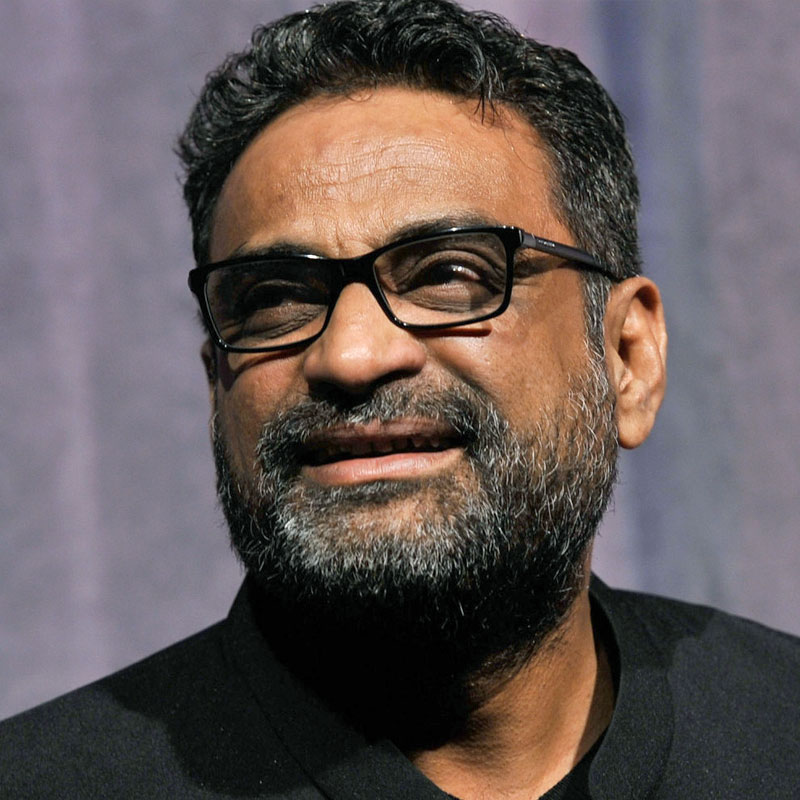
    MUMBAI: Within the creative industry, there are very few people who are fiercely protective of their art and at the same time put no airs on about it.  R. Balakrishnan is one such person. Be it as the outstanding filmmaker that he is often referred as, or as one of the brightest minds in the creative business, or as the chairman of one of the fastest growing creative agencies in the country — Balakrishnan, or R. Balki as he is called, has not only walked the untrodden road, he has created his own way, thereby making it easier for others to walk down the path that he first walked upon.

    Time and again, the industry has been taken aback by his bold stances — be it his raising an eyebrow at advertising industry awards event or taking chances at the box office with extremely unconventional stories. As a director, filmmaker, writer and creative genius, R. Balki refuses to be judged by others. However, as the chairman and CCO of Mullen Lowe Lintas Group, he feels happy when his team is more capable than him.

    In a candid chat with Indiantelevison.com’s Papri Das, Balki discusses what is keeping young talent from excelling in the industry, his goals for Mullen Lintas in five years and the question that is uppermost in most minds in the industry – Will Mullen Lowe Lintas return to Goafest next year? Excerpts of the interaction:

    Q1. Between being a director and a chairman of an advertising agency, you have donned many roles. Which role do you identify yourself the most with?

    A: I always call myself a writer first, and not any of these.

    Q2. How do you manage to juggle between these multiple roles and do justice to all of them?

    Luckily, I don’t have to balance as much these days, especially when it comes to Mullen Lowe Lintas. It used to be difficult when I did my first couple of movies, because I was shuttling back and forth. Then I took a long break from movies and actually focussed on making sure that the agency could run without me. It took about four or five years to really plan for the next generation; to build the next team with people who can make you irrelevant and dispensable. Today I am the happiest person in the world to say that I am not really needed.  It takes a lot of time to build a team of that calibre, that’s what I have done. I guess I am reaping the benefits of that now (chuckles).

    Q 3 What qualities did you look for in your next generation team before handing them the baton?

    A: You need people who want to do things differently. You need resilient people to match the kind of resilient business we are in. It is not about just getting an idea, but to get an idea day after day, especially when they are being scrapped and rejected. It is indeed a task.

    Secondly I think it is such a people business. You can’t do everything on your own. You have to add value to people’s lives so that they can add value to the relationship. I think anybody who doesn’t understand the sensitivity to deal with creative people will find it difficult to lead and be part of the team.

    Q 4: How hands-on are you now when it comes to decision making within the agency?

    I am part of the meetings, but not as frequently as before. I don’t need to be there 24×7 every day. There are lot of people doing brainstorming and our clients respect their vision and are running with that.

    Q5 How did the team react to the company’s decision to not participate in awards?

    A: Firstly, I got one thing clearly straight: As an agency what do we stand for? What do we believe in? Are we going to be worried about what the world says, are we going to be judged by the world’s parameters? Are we going to enter Cannes and all other awards? We took a stance which was contrary to most of the agencies. We told ourselves ‘No we are not doing any of that stuff. Our work will speak for itself.’ Which it did, though it took some time! We didn’t have media support. We didn’t do a lot of PR and definitely didn’t get coverage for things like award shows etc. We were never in the news. But our work was speaking louder than ever, and the business was growing phenomenally because clients were happy with the work. But to have a stance like that as an agency and to make sure that the team buys that stance wasn’t easy. Most youngsters who come in the industry say we want fame and acknowledgement. So it was a tough stance to take as an agency and have the team believe and support that stance.

    Q6. Retaining talent seems to be an issue of concern within agencies currently. How do you think the industry should address that?

    A: I think every creative agency should strive to empower its next generation. Things can’t stop with the who’s who of this generation. There is no merit in holding the knowledge and keeping the command. We need to create a system where more and more people need to benefit from it. For that you need leaders who have vision to ensure that the system works.

    Q7. When it comes to new business, do you focus on new account wins or is retaining old clients more important?

    A: You have to retain clients’, there is no question of priority. Normally you do that by doing good work for them, doing the correct work for any brand that you get. And the same logic applies to the new businesses. If you can do efficient and relevant work for a brand, it will definitely work with you. Gone are the days when you could get business without doing work. There was a time when people used to think that good work was ‘one’ of the things that an agency needs to do, apart from big talk on relationships. Not anymore! You can have a great relationship and maybe talk a little more about the work because of the relationship, but it can’t survive long on that without work.

    Q8 Mullen Lowe Lintas has been presented as a competitive agency? Where do you derive that competition from, if not through awards?

    When I say Mullen Lowe Lintas is competitive, we are talking about doing better work. I don’t believe I need a jury to tell me if I am good enough. If I know that my work is better than most, I am happy. People often tell me that that distances and alienates creatives and puts them in a bubble, but let me tell you, there is no bubble in advertising. You take criticism all the time because you criticise yourself the most.  99 percent of the time you are criticising yourself. It is the one percent of praise that you seek from yourself is the toughest thing to do.

    Q9. After the restructuring last year, how well is the two agency structure working for the group? How well is Mullen Lintas doing?

    A: Yes the restructuring has worked for us. We had the talent pool to sustain a two agency structure and it was the right decision as well. Unlike most restructuring, we actually shifted some of our businesses from Lowe Lintas to Mullen Lintas. I am happy with the performance it has shown in less than a year. I hope it will be as big as Lowe Lintas in about 5 years.

    Q10. Since your presence at the Goafest 2016, the industry is speculating about the chance that Mullen Lowe Lintas will participate in the festival next year. Is that true?

    A: No. I don’t think so, whether I am part of Mullen or not, the agency will not participate.

    Q11. What is your goal within Mullen Lowe Lintas Group?

    A: I believe every person’s goal should be to leave a place better than what they walked into. I feel I have done the same with Mullen Lowe Lintas. That’s my earnest wish, to leave the company a better place for young creatives and advertising geniuses.

  • “MullenLowe Lintas doesn’t need me”: R. Balki

    “MullenLowe Lintas doesn’t need me”: R. Balki

    MUMBAI: Within the creative industry, there are very few people who are fiercely protective of their art and at the same time put no airs on about it.  R. Balakrishnan is one such person. Be it as the outstanding filmmaker that he is often referred as, or as one of the brightest minds in the creative business, or as the chairman of one of the fastest growing creative agencies in the country — Balakrishnan, or R. Balki as he is called, has not only walked the untrodden road, he has created his own way, thereby making it easier for others to walk down the path that he first walked upon.

    Time and again, the industry has been taken aback by his bold stances — be it his raising an eyebrow at advertising industry awards event or taking chances at the box office with extremely unconventional stories. As a director, filmmaker, writer and creative genius, R. Balki refuses to be judged by others. However, as the chairman and CCO of Mullen Lowe Lintas Group, he feels happy when his team is more capable than him.

    In a candid chat with Indiantelevison.com’s Papri Das, Balki discusses what is keeping young talent from excelling in the industry, his goals for Mullen Lintas in five years and the question that is uppermost in most minds in the industry – Will Mullen Lowe Lintas return to Goafest next year? Excerpts of the interaction:

    Q1. Between being a director and a chairman of an advertising agency, you have donned many roles. Which role do you identify yourself the most with?

    A: I always call myself a writer first, and not any of these.

    Q2. How do you manage to juggle between these multiple roles and do justice to all of them?

    Luckily, I don’t have to balance as much these days, especially when it comes to Mullen Lowe Lintas. It used to be difficult when I did my first couple of movies, because I was shuttling back and forth. Then I took a long break from movies and actually focussed on making sure that the agency could run without me. It took about four or five years to really plan for the next generation; to build the next team with people who can make you irrelevant and dispensable. Today I am the happiest person in the world to say that I am not really needed.  It takes a lot of time to build a team of that calibre, that’s what I have done. I guess I am reaping the benefits of that now (chuckles).

    Q 3 What qualities did you look for in your next generation team before handing them the baton?

    A: You need people who want to do things differently. You need resilient people to match the kind of resilient business we are in. It is not about just getting an idea, but to get an idea day after day, especially when they are being scrapped and rejected. It is indeed a task.

    Secondly I think it is such a people business. You can’t do everything on your own. You have to add value to people’s lives so that they can add value to the relationship. I think anybody who doesn’t understand the sensitivity to deal with creative people will find it difficult to lead and be part of the team.

    Q 4: How hands-on are you now when it comes to decision making within the agency?

    I am part of the meetings, but not as frequently as before. I don’t need to be there 24×7 every day. There are lot of people doing brainstorming and our clients respect their vision and are running with that.

    Q5 How did the team react to the company’s decision to not participate in awards?

    A: Firstly, I got one thing clearly straight: As an agency what do we stand for? What do we believe in? Are we going to be worried about what the world says, are we going to be judged by the world’s parameters? Are we going to enter Cannes and all other awards? We took a stance which was contrary to most of the agencies. We told ourselves ‘No we are not doing any of that stuff. Our work will speak for itself.’ Which it did, though it took some time! We didn’t have media support. We didn’t do a lot of PR and definitely didn’t get coverage for things like award shows etc. We were never in the news. But our work was speaking louder than ever, and the business was growing phenomenally because clients were happy with the work. But to have a stance like that as an agency and to make sure that the team buys that stance wasn’t easy. Most youngsters who come in the industry say we want fame and acknowledgement. So it was a tough stance to take as an agency and have the team believe and support that stance.

    Q6. Retaining talent seems to be an issue of concern within agencies currently. How do you think the industry should address that?

    A: I think every creative agency should strive to empower its next generation. Things can’t stop with the who’s who of this generation. There is no merit in holding the knowledge and keeping the command. We need to create a system where more and more people need to benefit from it. For that you need leaders who have vision to ensure that the system works.

    Q7. When it comes to new business, do you focus on new account wins or is retaining old clients more important?

    A: You have to retain clients’, there is no question of priority. Normally you do that by doing good work for them, doing the correct work for any brand that you get. And the same logic applies to the new businesses. If you can do efficient and relevant work for a brand, it will definitely work with you. Gone are the days when you could get business without doing work. There was a time when people used to think that good work was ‘one’ of the things that an agency needs to do, apart from big talk on relationships. Not anymore! You can have a great relationship and maybe talk a little more about the work because of the relationship, but it can’t survive long on that without work.

    Q8 Mullen Lowe Lintas has been presented as a competitive agency? Where do you derive that competition from, if not through awards?

    When I say Mullen Lowe Lintas is competitive, we are talking about doing better work. I don’t believe I need a jury to tell me if I am good enough. If I know that my work is better than most, I am happy. People often tell me that that distances and alienates creatives and puts them in a bubble, but let me tell you, there is no bubble in advertising. You take criticism all the time because you criticise yourself the most.  99 percent of the time you are criticising yourself. It is the one percent of praise that you seek from yourself is the toughest thing to do.

    Q9. After the restructuring last year, how well is the two agency structure working for the group? How well is Mullen Lintas doing?

    A: Yes the restructuring has worked for us. We had the talent pool to sustain a two agency structure and it was the right decision as well. Unlike most restructuring, we actually shifted some of our businesses from Lowe Lintas to Mullen Lintas. I am happy with the performance it has shown in less than a year. I hope it will be as big as Lowe Lintas in about 5 years.

    Q10. Since your presence at the Goafest 2016, the industry is speculating about the chance that Mullen Lowe Lintas will participate in the festival next year. Is that true?

    A: No. I don’t think so, whether I am part of Mullen or not, the agency will not participate.

    Q11. What is your goal within Mullen Lowe Lintas Group?

    A: I believe every person’s goal should be to leave a place better than what they walked into. I feel I have done the same with Mullen Lowe Lintas. That’s my earnest wish, to leave the company a better place for young creatives and advertising geniuses.