Tag: advertising

  • Sports sponsorship in 2017 up by 14%: SportzPower-GroupM report

    Sports sponsorship in 2017 up by 14%: SportzPower-GroupM report

    MUMBAI: SportzPower, in association with GroupM’s sports arm ESP Properties, has released its 2018 report on sports sponsorship in India.

    Ground advertising was up from Rs 6400 crore in 2016 to Rs 7300 crore in 2017. Another GroupM report said that Indian advertising expenditure in 2017 was Rs 61,263 crore out of which 12 per cent was contributed by sports. The year also saw sports other than cricket gain traction. India’s second biggest sport by participation and attendance, football, grew by a considerable 64 per cent. India hosted its first ever FIFA U-17 world cup that became the most attended in the history of the event. Attendance for this football world cup was a record 1,347,133, surpassing China’s 1985 audience of 1,230,976.

    ESP Properties business head Vinit Karnik said, “2017 was truly the ‘big’ year for the business of sports. With PKL emerging as the second-most popular league in India after the Indian Premier League (IPL), and the Indian edition of U-17 football world cup creating history in terms of audience attendance, has given sports sponsorship enjoyed a bull run. As popularity of sports grows in India, sports stars also expand their brand endorsement portfolios. Virat Kohli led brand endorsements with 19 brands and 150+ crore in value, while PV Sindhu leads the non-cricket endorsement space with 11 brands and 30+ crore in value.”

    Despite demonetisation and GST hiccoughs, the sports sector has been able to ride the storm with a steady and positive trajectory. All major sporting leagues managed to bring on board sponsors at a 100 per cent or more incremental value for the title sponsorship.  Specifically, the IPL has emerged as one of the top five most valuable global sports properties in the world.

    Since last year, Indian Super League (ISL) is a 10 team, 18+ week showcase, up from eight teams and 10 weeks in the last season. ISL sponsorship has grown by 22 per cent from the previous year. The report states that the gap between Pro Kabaddi League and IPL TV ratings is narrowing – PKL delivered 1.5 TVR with 312 million reach and IPL delivered 2.7 TVR with 411 million. 

    2017 also saw the birth of five new franchise based leagues – UTT, SBL, SFL, Cue Slam & P1 Power Boating. Brands are interested in emerging sports and 25 per cent increase in franchise fees came from them. Thirty-six new franchises were added across all new and existing leagues.

    SportzPower co-founder Thomas Abraham said, “With the 2017 momentum and the economy also looking up and set to grow at 7.3 per cent in 2018-19, sports is looking at an even bigger year. As the industry anticipates clarity on the structure of club football in India, among the new leagues on the horizon, volleyball seems the most promising. In the media firmament, while new revenue benchmarks are expected from television, it will be traction in the digital arena that provides real pointers to where the industry is going over the next few years.”

    Also Read:

    IPL 2018 gets a makeover with Star India

    Dsport not in the running for BCCI’s media rights

  • Should Coca-Cola pull the plug on Diet Coke?

    Should Coca-Cola pull the plug on Diet Coke?

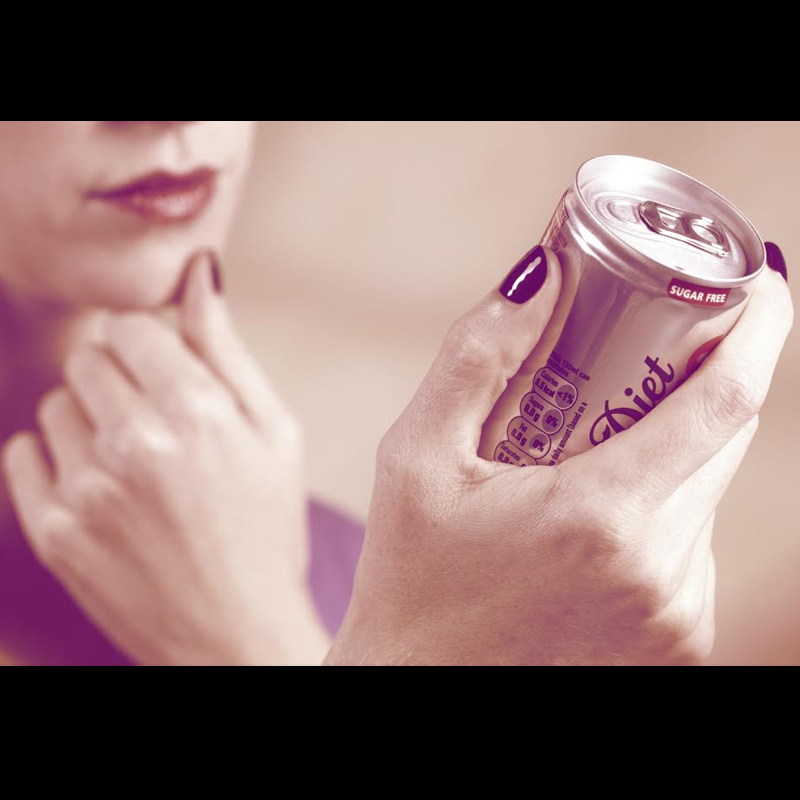
    MUMBAI: Diet soda seems to be a dying beverage breed. Despite having been around for the longest time in the market, diet sodas fallen out of favour with consumers and redemption isn’t in sight. Ever since carbonated drinks hit the market, countless inventors, entrepreneurs and engineers have tried to enhance the taste, flavour and packaging of the product while also trying to reduce the sugar content.

    The beginning of the diet refreshment was in 1952, when Kirsch Bottling in Brooklyn, New York launched a sugar-free ginger ale called No-Cal, which was designed for diabetics, not dieters, and distribution remained local. In 1962, American soft drink company, Dr Pepper released a diet(etic) version of its soft drink, although it sold slowly due to the misconception that it was meant solely for diabetic consumption.

    It was only in 1963 when Coca-Cola saw the power and joined the diet soft drink market with Tab, which proved to be a huge success.

    public://COKE_TAB_0.jpg

    Pepsi entered in the segment with Patio Diet Cola in 1963 and renamed it as Diet Pepsi the following year. Diet 7 Up was released in 1963 under the name Like but was soon discontinued in 1969 due to the United States government ban of cyclamate sweetener. After its reformulation and renaming it to Diet 7 in 1979, Coca-Cola countered this by releasing Diet Coke in 1982. After the release of Diet Coke, Tab took a backseat on the Coca-Cola production lines as Diet Coke could be more easily identified by consumers.

    According to researches, many people turn to diet carbonated soda believing these would be a healthy alternative to sugary drinks or alcohol. But, several reports have revealed that aerated drinks actually cause people to feel empty which further leads them to over eating. This is primarily due to high levels of carbon dioxide present in these drinks that trigger a hunger hormone called ghrelin.

    The global multinational beverage company Coca Cola recently launched a £10 million (Rs 90.4 crore) ad campaign to commence a refreshed packaging for Diet Coke along with two new flavours, Exotic Mango and Feisty Cherry.

    public://COKE_FLAVORS_0.jpg

    The brand is banking on millennials who don’t drink Diet Coke to turn around the fortune of the struggling soda brand.

    Coca Cola CEO James Quincey isn’t completely satisfied with Diet Coke’s performance and the introduction of new flavours and the new revamped identity is a desperate attempt to gain some lost market share. “One of our points of dissatisfaction in 2017 was that we were not about to turn around Diet Coke. We hope to find a path forward for Diet Coke, and at the very least stop declining sales.”

    The new flavours and packaging, Quincey says are a step in the right direction, but they may not be enough to actually increase Diet Coke sales.

    With an emphasis on millennials, the revamp and experimentation is targeted  to those who don’t regularly drink Diet Coke. For the last few years, Diet Coke has been the weakest link in Coca Cola’s lineup despite being a zero-calorie drink and has struggled to win over many health-conscious shoppers.

    People across the globe are increasingly cutting out sugar from their diet. The market of diet sodas in the US has dropped by a whopping 34 per cent since 2005 and the US industry beverage digest reported a sales drop in Diet coke’s portfolio by 1.9 per cent in 2016.

    In India, Diet Coke and Diet Pepsi failed miserably. Although the products were launched with much fanfare, they were not able to capture any market share and Pepsi decided to pull the plug on the Diet variant. Similar was the fate of Diet Coke.

    Another reason for the products’ failure could be its peculiarly artificial taste that due to less sugar content.

    The distribution aspect has been another roadblock for the company as the concept of diet soda continues to remain unpopular and unknown in rural segments of India.

    But with the new revamped brand identity and introduction of new flavours which might hit the Indian market soon, Coca Cola is hoping for better days ahead as it still continues to be one of the largest beverage manufacturers globally and Thums Up is the most consumed aerated drink in India.

    Also Read :

    Kids’ candy segment: Communication sees a shift

    Should junk food ads be banned on kids’ channels?

    Coca-Cola launches Maaza Gold

    Guest Column: The future of advertising


  • Star unveils Re.Imagine Awards for IPL ad campaigns

    Star unveils Re.Imagine Awards for IPL ad campaigns

    MUMBAI: The American Super Bowl continues to remain one of the most awaited sporting leagues around the world. It is that time of the year when brands don their creative hats to come up with some of the most interesting and ingenious advertisements.

    Taking inspiration from Super Bowl and its notable campaigns over the years and in a bid to bring similar advertising culture in Indian sports advertising, Star India has decided to award the most creative advertisements that will run during IPL 2018. The Star Re.Imagine Awards will recognise creativity and innovation in the use of integrated media in advertising campaigns aired during IPL on Star Sports and Hotstar.

    Every creative broadcast on Star Sports and streamed on Hotstar during the league will automatically be eligible for the Star Re.Imagine Awards. A high-powered jury, including the likes of advertising legend Sir John Hegarty, one of the world’s most celebrated creative directors Piyush Pandey, acclaimed filmmaker Raju Hirani, marketing veteran Vibha Rishi, digital evangelist Rahul Welde and ad-man V Sunil will deliberate on the winners on 26 May and select two campaigns that they believe have excelled in terms of creativity and leveraging the platform. Two winning teams of 24 members each will be hosted for a premier global sporting event.

    Star India head consumer strategy & innovation Gayatri Yadav said, “Vivo IPL 2018 is poised to be one of the biggest sporting events ever and is the most powerful platform to connect with consumers and build brands. Star Re.imagine Awards is a first of its kind initiative that will celebrate and recognise creativity & the integrated use of media on this the largest stage of any campaign. We are very excited to bring together a bespoke independent jury of some of the most eminent names across marketing, media and storytelling to celebrate two campaigns aired during this IPL on Star Sports network and Hotstar which push the boundaries of creativity. Recognising that great campaigns are powered by great teamwork the award will celebrate members of the integrated team across marketing, creative and media, who will be hosted for a premier global sporting event.”

    Partnering  Star India in this initiative are Sideways, Kyoorius and audit partner PWC.  

    For the first time, Vivo IPL 2018 proposes to connect with many Indians in six relevant languages—Hindi, English, Tamil, Telugu, Kannada and Bengali. By leveraging the combined reach of digital and television, the tournament will be broadcast on multiple TV channels and live streamed on Hotstar with an aim to reach out to 700 million fans across TV and digital in India. This will be one of the first few leagues in the world which proposes to use virtual reality (VR) and to bring live action from the stadium to fan homes. This immersive VR experience would make it possible for fans to come closer to the high-octane matches from the comfort of their homes. Along with dedicated language feeds, the network also proposes to have a Super Fan Feed available across cable, DTH and on Hotstar. This will be a curated feed for the intense fans who want more than just to watch the game. It may also include features like multiple camera angle options while viewing and data layers about the teams and players during the telecast.

    Also Read :

    IPL 2018: The dos and don’ts for brands

    Star India bags production rights for IPL 2018

    Star India bags production rights for IPL 2018

  • How Cadbury perfected its communication in India

    How Cadbury perfected its communication in India

    MUMBAI: What comes to your mind when you hear ‘kuch meetha ho jaaye?’ If you’ve been in India for the last two decades, you would instantly blurt out Cadbury. But the popular Indian chocolate has a 100-year-old history.

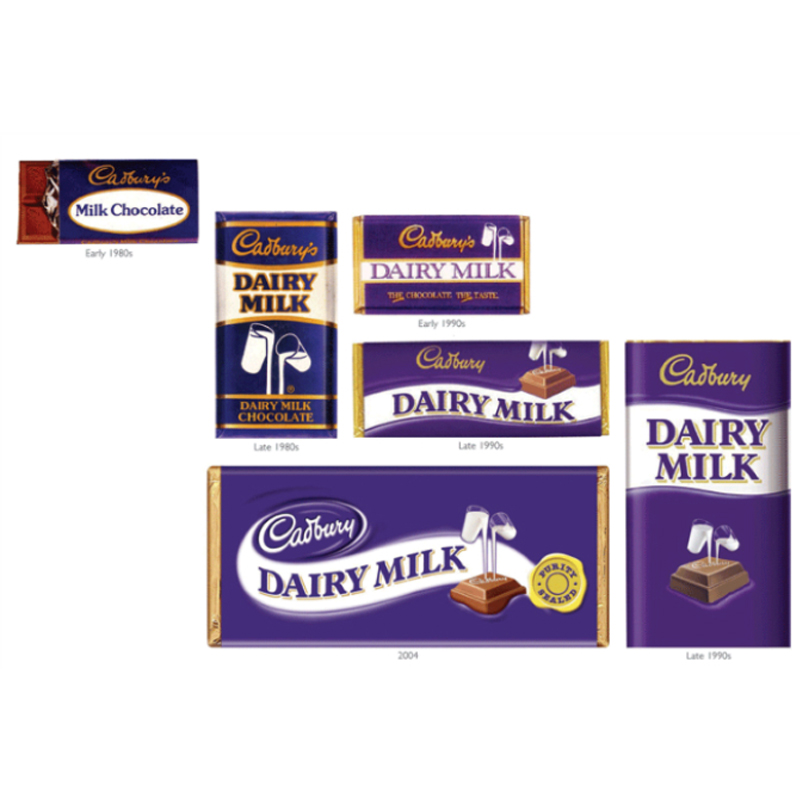
    In June 1905 in England, Cadbury made its first Dairy Milk bar, with a higher proportion of milk than previous chocolate bars, and it became the company’s best-selling product by 1914. Cadbury India, now known as Mondelez India, began its operations in the country as early as 1948 by importing chocolates.

    The Indian chocolate industry was worth Rs 58 billion at the end of 2014 and is predicted to reach Rs 122 billion at a compound annual growth rate of 16 per cent by 2019. According to the 2016 Euromonitor International report, the chocolate confectionery market in India is projected to grow at 8 per cent per annum between 2016 and 2021 to reach Rs 16,200 crore (on constant value) from Rs 11,256 crore in 2016, backed by better retailing across rural areas. Mondelez is the market leader in India’s chocolate space with more than 65 per cent market share and Cadbury Dairy Milk is its highest-selling product that has a market share of 41 per cent.

    Mondelez India has given birth to some of the most memorable ads in its 70 years of existence in the Indian market with catch-phrases that come to us at the tip of our tongue—‘kuch khans hai zindagi mein’, ‘shubh aarambh’, ‘pappu paas ho gaya’, ‘aaj pehli tareek hai’ and ‘kiss me.’

    All these notable campaigns are attributed to Ogilvy & Mather (O&M), an advertising agency that has been associated with the brand for over 26 years.

    English was the medium of communication for Cadbury’s when the chocolate market was a niche in 1948. Mondelez India director of marketing for chocolates category Prashant Peres believes that all of Cadbury’s communication throughout the years has been about relations and bringing people joy in celebrating relations. While that has remained constant, what has changed is what the brand is trying to achieve with advertising.

    “In the beginning, we were just trying to say that chocolate is a nice treat for kids but today Dairy Milk is a mass brand and it is a part of everyone’s heart. We have made a huge change in communication right from talking to kids to being occasion specific to now a casual consumption product,” he adds.

    The brand has always been known for its loveable advertisements that make you want to sing along and do a little jig yourself. We take you down memory lane and explore how the brand communication for Cadbury Dairy Milk has changed and evolved over the years.

    1993: The brand launched its first TVC in India in 1993 showcasing a teenage girl watching cricket in the stadium and then jumps into the ground, eating a Cadbury chocolate as soon as the cricketer hits a century.

    1994: Another advertisement showed a to-be bride with henna on her hands, trying hard to open the wrapping of Cadbury chocolate with her elbows. The ad showed that teenagers too can enjoy a treat.

    1999: With the tagline ‘khane walo ko khaane ka bahana chahiye’, the ad featuring popular video jockey Cyrus Brocha became an instant hit among viewers. The objective behind the communication was to make the chocolate category more socially and culturally relevant and drive penetration in the process as the penetration level of the chocolate category in 1999 was 19 per cent in the urban market at the time.

    2002: This was when Cadbury changed its strategy. Having tapped all age-groups, it wanted to project Cadbury chocolates as a meetha – thereby trying to eat into the market of traditional Indian sweets. Advertisements were doled out showing Cadbury chocolate being enjoyed at every possible instance.

    2003: With this ad, the company aimed to position the brand as not just an occasion-based chocolate but as more of a casual consumption habit with the ‘khush hoon khamakha’.

    2005: Passing an exam always calls for a celebration and when Pappu finally does finally clear his 12th standard exams, it calls for a sweeter celebration. The new communication from Cadbury’s Dairy Milk extended the core promise of happiness to yet another ‘moment of joy’ in one’s life. The brand signed actor Amitabh Bachchan as a brand ambassador.

    2008: In this ad, Cadbury vouches that pay day is always a reason to celebrate. The brand pays a tribute to the salaried employees by giving them another reason to celebrate the payday.

    2009: The campaign showcased people living a fast life in the cities spreading happiness during the festival of lights among neighbours, the postman, the pizza delivery boy and many others who, though significant, are never valued for their little contributions that bring joy to one’s life. The core thought behind the new campaign is to surprise those who work unconditionally on Diwali day and at least expect their little gestures to be appreciated.

    2010-2012: Cadbury by now had launched its campaign ‘shubh aarambh’ that was based on the concept of the Indian tradition of having something sweet before every auspicious occasion, with the belief that it leads to a favourable outcome.

    2014: In a significant move, Cadbury decided to move away from its occasion-related brand positioning and to make chocolate consumption a casual habit with its tagline – ‘dil jo keh raha hai suno’. The campaign was in sync with Cadbury’s global proposition of ‘Free the Joy’.

    2015: With an aim to change its communication, Cadbury launched this campaign showing the bonding between a saas and bahu (mother-in-law and daughter-in-law) duo. The ad shows a small-town mother-in-law and daughter-in-law strengthening their bond of friendship with a piece of chocolate.

    2016: Mondelez International created animated ads as early as 1980’s in the United States and other markets but the concept came to India only in 2004 when Mondelez India (then known as, Cadbury India) decided to have an animation film to promote its new product. Cadbury introduced an animated alien series in 2016 to promote its product with #InterstellarParty where the aliens were thoroughly enticed by the chocolate. The song became an instant hit among viewers.

    The brand stopped creating ads specifically for Cadbury Dairy Milk as its focus shifted to newer variants that the company launched in the market including Silk Oreo, Lickables and Cadbury Dairy Milk Silk.

  • Gender stereotyping remains the template for weight-loss ads

    Gender stereotyping remains the template for weight-loss ads

    MUMBAI: We are constantly haunted by the media, be it television, print, out of home or digital. Our thoughts and actions get subliminally influenced, not to mention the direct effects on young impressionable minds. But as David Ogilvy rightly said, “Advertising reflects the mores of society, but it does not influence them,” advertising is a mirror of society and not its torchbearer.

    Picture in your mind a male celebrity lecturing you on how to use the product he is endorsing in order to look attractive and stay slim. Does it look a little off? If it did, then you are a part of the system that has been subject to gender distinction in advertising.

    Since the beginning of the advertising culture, men and women have been projected differently in advertisements. Men have always been portrayed as the gender that is daredevil, outgoing, brave, strong and the dominant one in a relationship. Women, however, have always been characterised as the weaker gender that is supposed to look good, do household chores and keep the men happy.

    public://f1_8.jpg

    Although a lot has changed in the ad world over the years and women are now being projected as decision makers and as equals to men, the hard truth is that women are bombarded with products that are supposed to make them the ‘perfect woman’ according to society’s standards. Female consumers have faced years of being sold the idea that they must have the perfect skinny body and look beautiful.

    public://f2_7.jpg

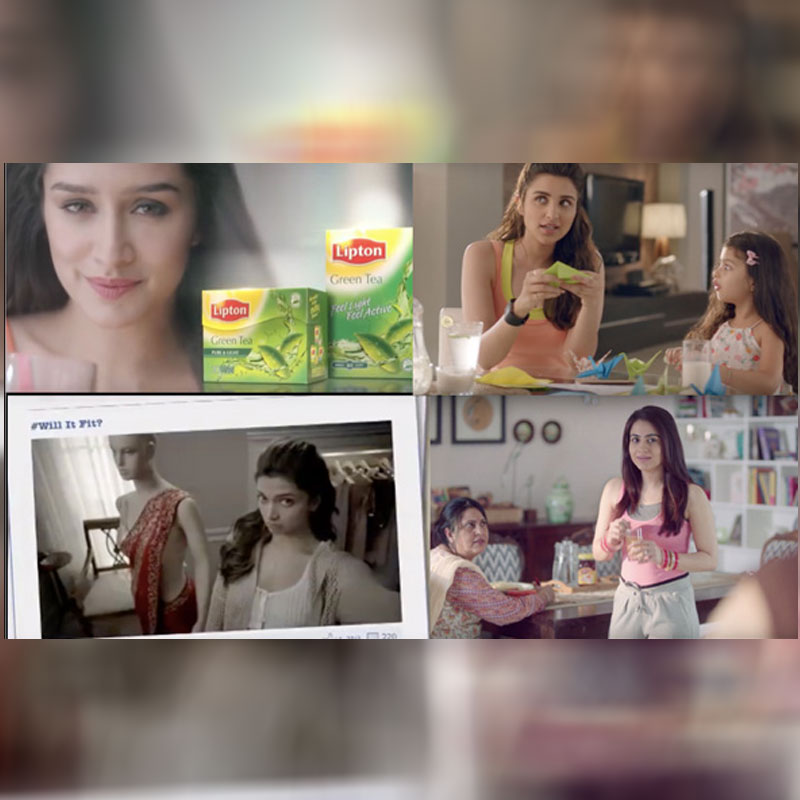
    Brands have always stereotyped women to look their best and that does not seem to be changing anytime soon. Even today, advertisers prefer using women to endorse fitness, weight loss and a healthy lifestyle. Although a lot of men also seem to be getting fitness-conscious and concerned about their weight and looks, brands continue to use women in order to promote their product. Even in the 21st century, we see Deepika Padukone endorsing Kellogs Special K, Shraddha Kapoor promoting weight loss with Lipton Green Tea, Parineeti Chopra endorsing a healthy eating option of Sugarfree and so on. On the other hand, we don’t see any such product being promoted by male brand ambassadors. This gender stereotype does not seem to be changing anytime soon. But why does this stereotyping of women still happen in Indian advertising?

    Harish Bijoor Consults founder and brand strategy specialist Harish Bijoor notes that sadly stereotyping brings in the moolah and women in India by and large do not complain about being stereotyped as there is a tendency to believe in the dictum “This is how we are”.

    According to investment banking platform SMERGERS, the fitness industry in India was worth Rs 4,500 crore in 2017 growing at 17-19 per cent per annum. The total branded tea market in India stands at Rs 9,500 crore, growing at about 5 per cent but the branded green tea market, in contrast, is only around Rs 150 crore. The green tea market, however, is growing faster at 21 per cent yoy. Dabur Honey rakes in some Rs 500 crore in annual sales for the ayurveda brand.

    Brands look at this category with awe, as their volumes gallop with every progressive move that is governed first by vanity and then by good health. While Bijoor notes that the fitness and weight loss market is huge in India, it is dominated by the aspiration of the people in the metros and mini metros who want to ape the western lifestyle of looking good and feeling good.

    Brand-Building founder and brand guru Ambi Parameswaran notes that Indians want good health but without going through the pain of exercising and that does not seem to have changed much. “We discovered this phenomenon when we launched Sweetex in the late 80s and once again when we launched Tropicana in the late 90s. While you see a lot more people on the roads walking in the morning and doing yoga, Indians want it easy.”

    Brands need to adapt now because there is a growing male audience for the same products. Men today don’t shy away from sipping green tea in order to shed those extra kilos or have a bowl full of Kellogg’s Special K or eat oats. With increasing awareness about fitness and an aim to lead a healthy lifestyle, more men have started to adapt to the healthy route. So, it only makes sense for advertisers to shift their focus to men and bring more male endorsers to promote their ideology.

    Ambi Parameswaran mentions that today young men are more conscious about their looks, hair and skin than women of their age. “I am waiting for brands to jump on to the ‘keeping men fit’ bandwagon,” he prophesises.

  • Unilever threatens to pull the plug on digital advertising

    Unilever threatens to pull the plug on digital advertising

    MUMBAI: International major FMCG player Unilever has threatened Facebook and Google that it will withdraw its advertising on the social media platforms if they fail to remove content that creates division in society and promotes hate.

    The biggest multinational player said in a conference held at California that, “As one of the largest advertisers in the world, we cannot have an environment where our consumers don’t trust what they see online.”

    Unilever’s stern step comes while technology and social media companies are facing major criticism for failing to protect children and to erase fake news, hate speech and extremism.

    Unilever chief marketing officer Keith Weed said at the conference that the brand cannot continue to prop up a digital supply chain that delivers over a quarter of their advertising to consumers – which at times is little better than a swamp in terms of its transparency.

    While mentioning that such messages are toxic for the society and only take us backward, Weed added, “Fake news, sexism, toxic content aimed at children, terrorists spreading hate messages are all a part of internet now and we have ended up with a million miles from where we thought it would take us.”

    He goes on to add, “It is in the digital media industry’s interest to listen and act on this. Before viewers stop viewing, advertisers stop advertising and publishers stop publishing.”

    A third of the company’s advertising spend is on the digital medium today and Unilever has decided to cut down on the 3000 ad agencies it uses globally and further cutting costs by making 30 per cent fewer ads. Unilever has promised to boost more ‘responsible content’ that will tackle concerns like gender stereotypes. It will only work with digital networks that agree to use industry standards of ad metrics and improve consumer experience. Discussions with Facebook, Google, Twitter, Amazon and SnapChat are already on.

    Facebook and Google are said to account for nearly three-quarters of the total digital advertising in the US. Last year Procter & Gamble (P&G) issued a similar warning before cutting $100 million of its digital ad spend without any negative impact on sales.

    On the other hand, in the UK, Facebook and Google have more than 60 per cent of digital advertising and 90 per cent of all new digital spending.

    A move like this could adversely impact the digital industry and major advertising agency’s revenue.


  • Guest Column: The future of advertising

    Guest Column: The future of advertising

    It’s a rare and beautiful thing these days, the truth. We’re living in a world where echo chambers and ‘what we want to believe’ determines our truth of the day. With distrust becoming the new normal, consumers are becoming masters of the art of calling bullshit, especially when it comes to brand claims, stories and advertising. The age of the naïve wide-eyed bambi-in-the-woods consumer is well and truly over. In the post-truth world, ideas like honesty, authenticity, trust will be key to earning consumer respect.

    Some brands are leading the way, and here’s a few learnings from them on what ‘truthful’ advertising means:

    Showing off that thing you can *undeniably* do well

    Forget ‘hopes, dreams, desires’, the straight talk about great products is what people want. Brands will need to make sure they have a product that’s so compelling that its story is undeniably great. Advertising’s role would be to tell people about it in a way that they listen. 

    After years of trying to sell ‘happiness’ in a bottle with not-so-great results, Coca-Cola went back to selling its undeniable product truth – great taste – with its new advertising inviting consumers to ‘taste the feeling’. In fact, it’s very latest product Coke Zero Sugar (which is a big success) eschews the typical ‘lifestyle’ advertising we’ve seen associated with zero calorie drinks and goes the old-school taste-tests way. All while informing consumers not to believe it until they taste it for themselves. 

    Authentic self v/s piggybacking on what’s ‘cool’ or trending

    Brands will need to know their place in the world rather than trying to awkwardly ‘fit in’. Know what you can authentically represent and the value that you can bring and tell those stories.

    Clearasil attempted to be cool by trying to make memes about acne but what it ended up being was straight up cringeworthy. That’s when they decided to be honest about the fact that it’s a company run by skincare experts not pop-culture experts. With the new ‘We know acne, we don’t know teens’ campaign they captivated their teenage audience with refreshingly honest and entertaining communication.

    Real people have flaws and the unrealistic ideals of perfection seen in advertising only serves to create distrust in the brand. Advertising will need to embrace and celebrate the ‘real’ v/s the fake.

    Target’s latest swimwear collection focused on body positivity and showcased completely untouched models across sizes and shapes. It was a bold move, redefining beauty as ‘flawsome’ instead of the unattainable ideal that industry has peddled for decades.

    Dropping the act

    And finally, we know interruptive advertising sucks, but what sucks more is deceit. Consumers want choice and transparency when it comes to advertising. The moral of the story–in the years ahead, honesty is likely to be the most profitable policy for advertising.

    The author is the chief strategy officer at ScoopWhoop Media. The views expressed are personal and Indiantelevision.com may not subscribe to them.

    public://girl.jpg

    Also Read :

    Guest Column: M&E sector pins hopes on a developmental budget

    Guest column: Cybersecurity in the advertising sector

    Guest Column: From Juggle To Juggernaut: Localising content for India

  • Cinema advertising begins to take centre stage

    Cinema advertising begins to take centre stage

    MUMBAI: No movie today is played in the cinema without some ads being slotted before it starts and in the interval. This means more brands get a chance to showcase their products and services as advertisers see movie theatres as a great venue because they have an immediate captive audience that is ready to view their message.

    Today, more brands are using in-cinema advertising in order to reach their targeted audience, which is usually undistracted by their smartphones and social media in the theatre.

    Around six years ago, China had approximately 9000 cinema screens but today they have 40,000 screens. Similarly, in India, major cinema chains like INOX, Miraj, PVR, Carnival, Cinepolis are growing their presence rapidly and are looking at setting up at least 1000 cinema screens in the fiscal year 2018-19. Today, high-end luxurious residential properties have also started putting up their own cinema theatre as a part of their complex offering.

    According to the latest report by GroupM’s cinema advertising arm Interactive TV, there is a clear upward trend of urban Indians who prefer to watch a movie in theatres. The study found out that 57 per cent of the audience prefers to watch a movie in the theatre at least once in six months. The report also highlights the fact that 71 per cent of these audiences are between the age group of 15 to 24. This means gala time for most brands.

    public://cover_3.jpg

    An increase in footfall resulted in a 20 per cent growth in cinema advertising in 2017 and the GroupM report suggests that 50 per cent of the movie goers were willing to consume advertisements before the start of the movie and during the interval. Furthermore, consumers usually tend to reach the movie hall 15 minutes prior to the showtime and that allows brands enough time with branding opportunities. Carnival Cinemas CMO Dina Mukherjee says, “Earlier the interval time was 10 mins which was a short popcorn break but now it is at an average of 30-35 (before the movie + interval time). Although it is an irritating factor for the viewer, the number of advertisers have increased and most of them have a 30 second spot.”

    FMCG, consumer durables, financial sector have been the major investors for longest time in cinema advertising. Advertisements of Life Insurance, Mutual funds, Chirag Din shirts, Forest Essentials and the much remembered Vicco products have been around for the longest time. But today, newer brands are willing to come on board for screen advertising. We now also see ads by Amazon Prime and Swiggy in the theatres which are fairly new category entrants in India. But a majority of brands are still reluctant to invest in the medium. Dina Mukherjee believes that brands need to be made aware of cinema advertising’s merit and what it brings to the table, primarily for newer industries that are coming up. “Cinema advertising is not an expensive medium as opposed to print on television. It falls within the category of radio and OOH.”

    Since the medium does not have an official measurement system, Carnival Cinemas has launched its own measurement tool in order to help the advertisers get the optimum result on their investment where they can choose to pay per seat, a concept similar to CPC (cost per client) that is watching the ad. In this case, the advertiser doesn’t have to worry whether the movie was a hit or a flop.

    The medium, which currently has only 1-2 per cent of total ad spends by brands, is projected to grow at 20-25 per cent in the next five years. Currently, riding at a Rs 600 crore market, in-cinema advertising is slated to grow at a double digit growth in the next few years. Today cinema advertising has various touch points that include screen advertising, kiosk, promoter activity, food and beverage counter, restrooms, exit walls and seat branding. Going forward, innovation and experiential marketing will be key drivers to enhance in-cinema advertising experience.

    On the flip side, the cost to advertise at a movie theatre is high, especially for a small business. Since small advertisers don’t have the budget to run a full fledged ad, they have to run a slide or kiosk in the cinema. Another major drawback of the medium is that alert people may arrive late to skip the initial ad playing round.

    public://cinema.jpg

    With blockbuster movies like Baahubali, Padmavat, Udta Punjab, Airlift among others that have crossed the Rs 100 crore mark, audience footfall for such movies enables brands to bet big on cinema advertising.

    ALSO READ:

    Martin Sorrell on how WPP is combating ad world slowdown

    2018 will be a year of video campaigns: WATConsult’s Rajiv Dhingra

    Godrej aims to make its Locks synonymous with safety

    Is India ready for the impact of AI on marketing?


  • Vivo YouTube campaign saw better response using Vogon

    Vivo YouTube campaign saw better response using Vogon

    MUMBAI: Chinese smartphone brand Vivo rolled out a digital campaign – ViewTube, giving a new wave to YouTube’s ongoing TrueView Ads. With the launch of its V7 model, Vivo leveraged Google’s Director Mix tool to launch a campaign that offers a unique creative solution to gauge higher viewer attention on YouTube.

    With Vogon – the latest innovation on YouTube, Vivo overcame the challenge of playing relevant ads to viewers based on their content preference and history. The campaign was successfully amplified between 23 to 31 December, and garnered more than 60 million views, 80 per cent completion rate, 7.2 per cent lift in consideration, 8.5 per cent lift in purchase intent, 11.6 per cent lift in brand interest and 24.1 per cent lift in product interest.

    Vogon is a tool to create dynamic videos that allow brands to dynamically embed text, audio or images within their videos to generate unlimited video variations – cutting down on efforts, costs, time, and planning. With Vogon, a different message can be shown to the user depending on the content the user is watching on YouTube.

    Vivo India CMO Kenny Zeng says, “Vivo has always strived for innovation in all its aspects right from products to our marketing approach. With the launch of our new digital campaign, we aim to market Vivo V7 in a non-intrusive way to our consumers.”

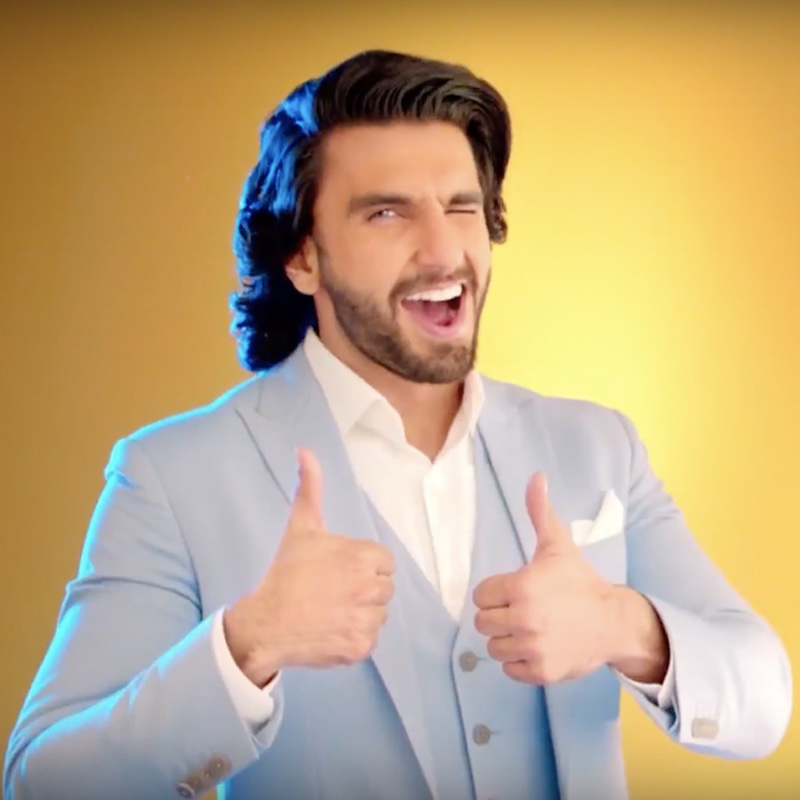
    Vivo executed this campaign by monitoring trends and the most popular categories and channels on YouTube for over 30 days. Vivo created over 550 individual ads featuring Ranveer Singh. These ads were dynamically curated based on identified keywords. For instance, a user searching for any movie trailer was served an ad showing Ranveer Singh in a casual atmosphere with a tub of popcorn in his hand, talking about how the trailer needs to be watched on a V7 Full View Display. If a user searched for a song, they were served with an ad that suggested that the song was best heard on V7 Hi-Fi music. This contextual streaming of ads brought in high amount of relevance that ensured viewers did not skip these ads – giving relevant visibility to Vivo V7.

    WATConsult founder and CEO Rajiv Dingra adds, “The digital marketing world is evolving with newer advertising concepts being introduced every day. Today, consumers prefer relevant content which delivers the intended message quickly and with some quirk. The ViewTube campaign has rightfully delivered on the requirement of Vivo’s new age consumers.”

  • Demystifying news television viewership in 2017

    Demystifying news television viewership in 2017

    BENGALURU: On 9 November 2016, a day after Prime Minister Narendra Modi announced demonetisation, the share of news television viewership shot up to 21 percent as compared to the 11 percent during the previous eight weeks. This unscheduled event made news the second most watched genre on television after GECs on that day as stunned Indians grappled to understand the new and unknown tomorrow suddenly thrust upon them by the powers that be. Over the long term, news has grabbed about 8 percent of eyeballs glued to television and is generally the third most watched genre after GECs and movies.

    This and other data was shared by the Broadcast Audience Research Council of India (BARC) in a newsletter titled ‘Breaking the News Story.’ Divided into three parts, the newsletter delves into the contribution of the news landscape to television viewership; viewership analysis of a scheduled event; and viewership analysis of an unscheduled event.

    BARC has used its own and BMW data from week 8 to week 48 of 2017, the target group being all India. It says that it has considered all the news channels in India.

    The news landscape

    News in India is a dynamic and an extremely diversified genre. It has witnessed a 15 percent increase in the number of channels from 142 channels in 2017 to 163 channels in 2017.

    In terms of the number of news channels, viewership numbers are skewed in favour of Hindi news–36 percent of the news channels are in Hindi whereas news in the language attracts 47 percent of the eyeballs (total impressions) that watch the news genre. Regional channels, of which there were 93 regional news channels in 2017 spread across multiple regional languages, (eight percent more than in 2016) or 57 percent of the total, had a 52 percent share of the total impressions in the genre. English news channels made up 7 percent of the total number of 163 news channels in the country in 2017. Their combined viewership share of the genre was, however, a measly 1 percent. Despite this, the number of English news channels have grown by 33 percent to 12 active channels in 2017 as compared with 2016.

    People like to know of events and incidents happening around them that have a direct impact on their lives. BARC says that this is probably why the largest share of the viewership takes place on regional channels. BARC explains the large consumption of Hindi language news to the large number of Hindi-speaking markets in the country with 58 news channels catering to them currently versus 47 channels in 2016.

    Viewership by state markets

    Across zones in the country, consumption of news was highest in South India–its share of viewership was 36 percent, followed by the North with 26 percent, the West with 23 percent and the East with 15 percent.

    Among states, Uttar Pradesh, Uttarakhand and Delhi had the highest relative market share for the news genre. The Punjab, Haryana, Chandigarh, Himachal Pradesh, Jammu & Kashmir, Assam, North East, Sikkim and Kerala markets also showed a higher preference towards the news genre.

    Two states–Maharashtra and Goa–accounted for more than 50 percent of the news viewership in the West but contributed a relatively less share of eyeballs for news content as compared to total television.

    Audience profile

    Looking at the audience profile of the news genre, the gender ratio is skewed towards males–54 percent male to 46 percent female as against an even split of 50 percent for both males and females for total
    TV consumption.

    News viewership is quite fragmented between all age groups. The share of viewership at 14 percent for news is far higher for kids between 2 to 14 years as compared to that of mature people between 51 and 60 years at 12 percent and seniors who are 61 years or older at 9 percent. BARC attributes this anomaly to the fact that most households own a single TV set and hence there is co-viewing and also because kids form the largest age group in India.

    NCCS A and B show a marginally higher preference for news channels as compared to total TV while the preference among NCCS C, D and E is relatively lower.

    On an all-India level, the news genre audience is skewed towards males, age group of 22+ and NCCS A and B as compared to total TV viewership. Hence, further analysis in BARC’s newsletter has been done on the target group of males 22+ years of age.

    Viewership trends in the context of events

    BARC has looked at viewership trends from October 2015 to October 2017. Over the two-year period, BARC concludes that news is a dynamic genre with viewers moving in and out depending upon the stories and events being covered with some events leading to a higher spike in viewership than others. The biggest spike in viewership during the period under consideration took place at the time of the demise of Tamil Nadu’s chief minister Jayalalitha on 5 December 2016. The next bigger spike was demonetisation as stated earlier. Politically significant events such as elections also lead to spikes in viewership.

    Viewership analysis of a scheduled event–state elections

    BARC has considered state elections from 2016 and 2017 and shared all-day time-band trends for viewership data for pre-election week versus election-day versus results day for West Bengal, Kerala, Tamil Nadu/Pondicherry and Uttar Pradesh/Uttarakhand.

    According to BARC data, election results day received significantly high viewership throughout the day across all markets as compared to election day as well as the days leading up to the event.

    The importance of election day and result day varied across markets. Growth was highest for Kerala on result day as compared to the pre-election days and least for Uttar Pradesh/Uttarakhand. The difference in viewership in pre-election day and election day was the maximum in the case of Tamil Nadu/Pondicherry indicating the importance of election day for this market, while the other markets were predominantly results oriented. Viewership in the Tamil Nadu/Pondicherry market had a more fluctuating trend through the day with viewership peaking in the morning and then again in the afternoon between 1400 and 1430 hours.

    The viewership trendline for pre-election weeks and election-day was similar for Uttar Pradesh/Uttarakhand with very minor deviations indicating that election did not hold too much significance for this market.

    West Bengal/Kerala registered high viewership in the morning hours between 0730 and 1030 hours on results day. After this time period, viewership in case of Kerala dropped down steeply, while in the case of West Bengal the decline was gradual.

    On election day, viewership on regional channels was significantly higher for each of the state markets. It may be noted that BARC has considered the respective news channel for each market as the regional channel. This means that Bangla news channels in the West Bengal market, Malayalam news for Kerala, Tamil for Tamil Nadu and Hindi for Uttar Pradesh/Uttarakhand have been considered regional channels for each market respectively. The two southern markets of Kerala and Tamil Nadu did not register any viewership on Hindi language news. The viewership on national news channels (English news channels) also remained negligible because the event was very local and state specific in nature.

    BARC says that its data reveals that news bulletins were the most popular formats of news consumption on election result day for various markets. The next most popular format was interviews and discussions. The share of news viewing was comparable for West Bengal and Tamil Nadu/Pondicherry. While audiences in West Bengal also had some preferences for talk shows/chat shows, in Tamil Nadu/Pondicherry, the viewership was only split between the bulletins and interview formats.

    Reviews/reports were popular in only market–Kerala while Uttar Pradesh/Uttarakhand had a preference for only one story format–news bulletins—and other formats accounted for very little viewership there.

    On election result day, the break duration on the channels on average went down and the programming increased. In all likelihood, the channels were trying to ensure viewer stickiness by covering the results from various perspectives and angles and, hence, taking fewer breaks.

    Viewership analysis of unscheduled events

    Unscheduled events cannot be predicted and can happen at any time and, hence, are very immediate and sudden in nature and are covered by channels as the story breaks.

    BARC analysed trends on 8 November 2016, the day the Prime Minister announced demonetisation. Television viewership did not vary significantly from previous weeks until 2000 hours as this was when Narendra Modi announced demonetisation. In the aftermath of the announcement, on 9 November 2016, viewership of the news genre remained substantially higher through the day than the previous weeks’ average as people tuned in for updates and implications of the situation. While the overall viewership trend of news channels across various hours was the same across various day parts in line with the regular viewership pattern, a lot more people watched the news on 9 November 2016.

    On 9 November 2016, though GEC remained the most preferred genre, its viewership impressions declined by 5 percent to 49 percent from the previous 8-week average of 54 percent. Movie genre viewership impressions declined by 4 percent and brought the genre down to third place from second with a viewership share of 18 percent on that day as compared to the previous 8-week average of 22 percent. As mentioned above, viewership impressions of the news genre climbed up to second place from the third place to 21 percent from the previous 8-week average of 11 percent. Viewership impressions of the music genre declined by a percentage point to 3 percent from the previous 8-week average of 4 percent. The kids, sports, infotainment, business news and other genres retained their 8-week average viewership shares of 4 percent, 2 percent,1 percent, 0 percent and 1 percent, respectively.

    News bulletins were the most popular formats of news consumption on 9 November with 78 percent viewership, followed by interviews and discussion, while the other story formats seeing a relative decline in share.

    BARC has surmised that in the case of unscheduled events, viewers preferred quick takeaways while viewers were also interested in more detailed formats in the case of scheduled events.

    BARC has analysed the impact of demonetisation on advertisement by considering the 15-day periods before and after demonetisation. It says that the difference between total advertising FCT pre and post demonetisation was a staggering decline–10 percent down in the case of total television and an even higher 13 percent decline in the case of news television.

    Post demonetisation, ad insertions for anywhere banking, ATM services/debit cards went up significantly as compared to pre-demonetisation.

    Also read:

    BARC ratings: BBC World, News Nation enter top 5 in news genre

    Star Bharat leads Hindi GEC (U+R) in BARC week 52