Tag: advertising

  • #Forecast2021: E-commerce industry set for a massive uptick

    #Forecast2021: E-commerce industry set for a massive uptick

    NEW DELHI: Remember the good ol’ days when we could go to the corner store and buy essentials without fear of catching some newly fangled disease? All that changed with the outbreak of the novel Coronavirus. Lockdown was imposed, and only a minimal number of mom and pop stores and modern trade outlets were allowed to open with a specified in-store limit. This led to the quick adaptation of digital medium by people for fulfilling their daily needs. The adaptation was so fast and in such huge numbers that many of the companies did not have the infrastructure ready to cater to such a high need. For instance, online grocery players were working overtime to deliver orders, yet in the early days of the lockdown, there was a delay of nearly three to five before one’s order reached their doorstep. Local kirana that always dealt in ‘cash only’ quickly adopted e-wallets to ensure that business works as per routine.

    It seemed like the Covid2019 pandemic poked a hole in time and the global e-commerce industry just sped through it, landing in an era that was yet to arrive. Several industry leaders, observers and think tanks pointed out that the digital adoption which would have otherwise taken five years was achieved in a matter of months. While the Indian side of it struggled to find its foothold in the initial few months, it managed to attract a swarm of takers, both in terms of investors and consumers, throughout 2020. According to a Goldman Sachs report released in July last year, the e-commerce growth rate for 2020 is expected to be 18 per cent. It also estimated growth rates of over 33 per cent and 28 per cent in 2021 and 2022, respectively. 

    The report further suggested that online grocery is going to be the biggest driver for e-commerce in India, accelerating with an 81 per cent annual growth rate. This was proven throughout the lockdown when people developed the habit of ordering groceries online. Coming close on the heels will be fashion, mobile & electronics, general merchandise, personal care and home furnishings, as indicated by the marketing industry. 

    This has given a huge boost to the e-comm players who are now thriving with a bigger and active community than before. Their bellies are filled with investments from global giants and investor presentations are shining with the bright future of this domain in the Indian market.

    The silver lining is that e-commerce has also spread vertically and horizontally in the non-metro regions. The number of pin codes has increased and these players are covering more ground than ever.

    As part of their omnichannel strategy to cover more ground, e-commerce players are adding and will continue to add kirana stores and local shops to their network. Amazon and Flipkart have been the torchbearers of this rapid expansion.

    “E-commerce players are also looking to increase the number of consumer touchpoints to gain higher customer mindshare. In the next five years, over 60 per cent of e-commerce volumes are likely to come from tier-2 and tier-3 cities, making it imperative for e-commerce businesses to build their seller base and delivery reach in smaller towns,” Starcom CCO Rajiv Gopinath interjected[L1]  added.

    Headless commerce

    Many experts have mentioned that people are moving towards headless commerce. This would mean a lot of investment in technology and the integration of different functions to create a seamless experience. A result of this would be the reshaping of retail stores, a drive-through model of shopping and experiential showrooms for the sake of enhancing user experience.

    Logicserve digital founder and CEO Prasad Shejale highlighted, “Headless commerce is evolving, and we will surely see more of that soon. We will also see more and more adoption of virtual or e-trial rooms and cashless payments. Buying online and picking up in-store (BOPIS) is also a phenomenon that might soon become popular.”

    “While the infrastructure for it is in its infancy, we can expect auto-checkout, curb-side pickup, order-online-pickup-offline and tap-and-pay experiences to become the norm in the coming months,” 22feet Tribal Worldwide president Preetham Venkky suggested.

    This will also result in 2021 laying the foundations of a touch-free world. 

    Digital  transformation for the retail industry means automating and digitalising their existing systems, adopting DevOps (a set of practices that aims to shorten the systems development life cycle) for modernisation and sustenance, and using cloud and everything as a service added Gopinath. “Digital ecosystems that combine their core e-retail business with sticky customer services, such as video streaming, gaming, booking and payments, in a single platform, will grow.” 

    While the integration of technology in e-commerce has been going on for a few years but the pandemic has given a huge fillip to its adoption. Try-n-buy, cashless payments, personalisation and applications have all become a part of online shopping.

    The platforms are investing to ensure one-on-one communication with customers and offer personalised offerings.

    For years, the allied beneficiary of e-commerce growth is the logistics and warehouse category. However, the next step in their evolution is the digital transformation of these two categories.

    dentsu Asia Pacific (APAC) chief data & product officer and dentsu Programmatic – south Asia CEO Gautam Mehra opined that warehouses will be centralised and home deliveries will pick up sharply. “In the automotive segments, real estate is a huge cost for dealerships, this will definitely come down. With VR headsets and a car in the parking, one can turn a mall activation into a dealership with a test drive option.” 

    The rise of online shopping has led to greater digital spends over the last couple of years, a trend which will only gain further traction. If e-commerce volumes rise, it is conceivable that investment is focused on digital advertising to facilitate the path to purchase, particularly in the channels that are closest to consumer decision-making.

    Brands will advertise heavily on e-commerce platforms. “Brands are responding by investing more in e-commerce advertising. Marketers are looking to create an optimised combination of media used for advertising in order to maximise ROI,” shared Gopinath.

    The industry will continue to advertise heavily in 2021 as well; digital and TV being the preferred channels. TV advertisements are ideal to raise awareness among the masses and build brands, which e-commerce embraces. In Shejale’s view, television will remain a popular medium among the masses and TV ads will continue to generate higher advertising demands in the immediate future as well.

    In order to tap into this massively viable growth environment, brands will have to focus primarily in four areas: smooth, expected and fast user experience; value addition over marketplace offerings; digital experience befitting the brand; and last but not the least – better customer service (than marketplace), suggested Venkky. 

    Clearly, e-commerce players and its various stakeholders will have a lot to contend with this year. As consumers’ buying behaviour undergoes a sea change, with preferences tending to simpler, more interactive, and quicker ways to shop, the forward-thinking e-tailer will be wise to keep the aforementioned pointers in mind.
  • Reverse Thought creates a user-friendly website for Allcargo Logistics

    Reverse Thought creates a user-friendly website for Allcargo Logistics

    Mumbai: Reverse Thought Creative Studios takes web development a notch higher by developing a clean, precise and to-the-point website for Allcargo Logistics – India’s largest integrated logistics company. Envisioned to be a business-enabler, the new website displays their full suite of offerings and showcases capabilities to their vast customer base. Visitors now have quick and easy access to a one-stop-shop for their logistics needs. Reverse Thought is a complete digital creative agency specializing in digital marketing, content creation, still photography, web & app development, motion graphics, video creation.

    For Allcargo Logistics, the agency has designed a carefully planned, easy-to-use website which presents relevant information, allows users to access services and complete logistics-related transactions, and also helps them get quick responses to a range of queries. Reverse Thought has also integrated Allcargo’s proprietary digital platform ECU360 as well as other digital logistics tools with the website.

    “We are happy with our experience of working with the Reverse Thought team and appreciate their proficiency”, said Allcargo Logistics senior VP marketing and corporate communication Alok Roy.

    “The opportunity to work on this project for Allcargo Logistics has added a feather to our cap. Not only did we get to work with a major corporate and logistics brand name, but also had the opportunity to get an idea about the array of services the logistics sector provides”, says Reverse Thought Creative Studios creative director Tushar Garg.

    Reverse Thought caters to clients like Amalgamated Plantations Pvt Ltd, Goodricke Tea, ICICI Prudential Pension Funds Management Co. Ltd, Aditya Birla Group & Sun Pharma to name a few. They specialize in digital & social media marketing, content creation, still photography, web & app development, motion graphics, video creation and all it takes to build, promote and market a brand.

    With the vision to be seen amongst the top 10 boutique digital agencies in India, Reverse Thought is on a mission to keep delivering excellent results to businesses, with the help of existing and emerging digital opportunities.

  • Car brands continue to lead news genre advertising in 2020: TAM Adex

    Car brands continue to lead news genre advertising in 2020: TAM Adex

    NEW DELHI: Covid2019 impacted nearly every genre on television apart from news. Unlike other genres, news channels saw a meteoric rise in viewership for a variety of reasons – first, people turned to their choice of news channels to find out about the development at state, national and international levels around the Covid2019 situation; second, they believed it to be the most credible source of information, and third, it was the only genre that could create content and was permitted by the governments to operate. Unlike the GEC genre that completely relies on production and sets, news relies mostly on the on-ground coverage and its reporters.

    As per BARC, the genre saw a viewership surge of 298 per cent.

    However, during several webinars, industry meetings and discussions, head honchos at news networks clearly mentioned that the surge in viewership did not translate into advertising.

    TAM recently released data that showed ad volumes data on news genre grew by 23 per cent in 2020, compared to ad volumes in 2016. Interestingly, the quarter ended 31 December saw the highest number of hours in ad volumes per day.

    If we look closely at the data, we will notice an obvious trend where the average ad volumes per day steeply fell in the initial stages of lockdown, and then started picking up early May onwards. The trend was obvious because marketing teams at brands were still unable to gauge the depth of the crisis and not ready to bet money on advertising in that quarter.

    News has consistently maintained a 30 per cent average in overall television advertising across the years. (since 2016)

    Apart from the top five news genres – Hindi, Bengali, Telugu, Tamil and Kannada, other sub genres also grew.

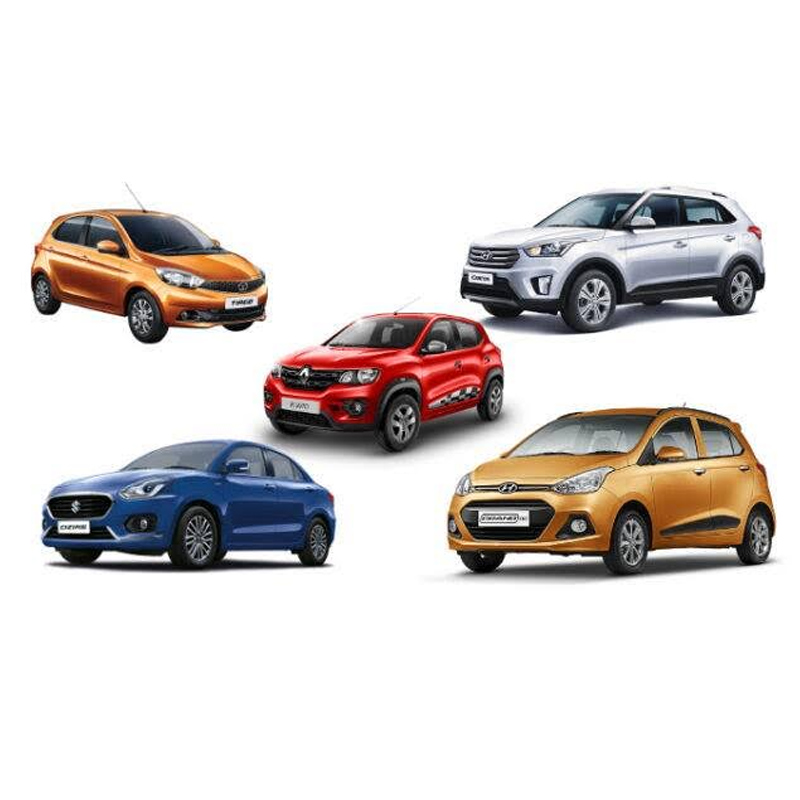
    Services and food & beverages sectors were the leading advertisers on the news genre, however, car brands continued to have the highest ad volumes. The category also led the chart in 2019 also.

    HUL and Reckitt Benckiser India were the leading advertisers, while True Shield Hand Sanitiser, Colgate Dental Cream and Policybazaar.com were the leading brands in the genre.

    The report also highlighted that regional news channels had more than 70 per cent share of ad volumes. This year regional channels took away 73 per cent of ad volumes whereas national channels had only 27 per cent. The numbers were not very different in 2019.

    During the Unlock phase, the genre saw nearly 370 hours of average ad volumes per day, which was 49 per cent more than the lockdown period.

    Ad volumes on primetime band and the 20-40 seconder format still ruled the news genre.

  • The big marketing challenge for Ikea in India

    The big marketing challenge for Ikea in India

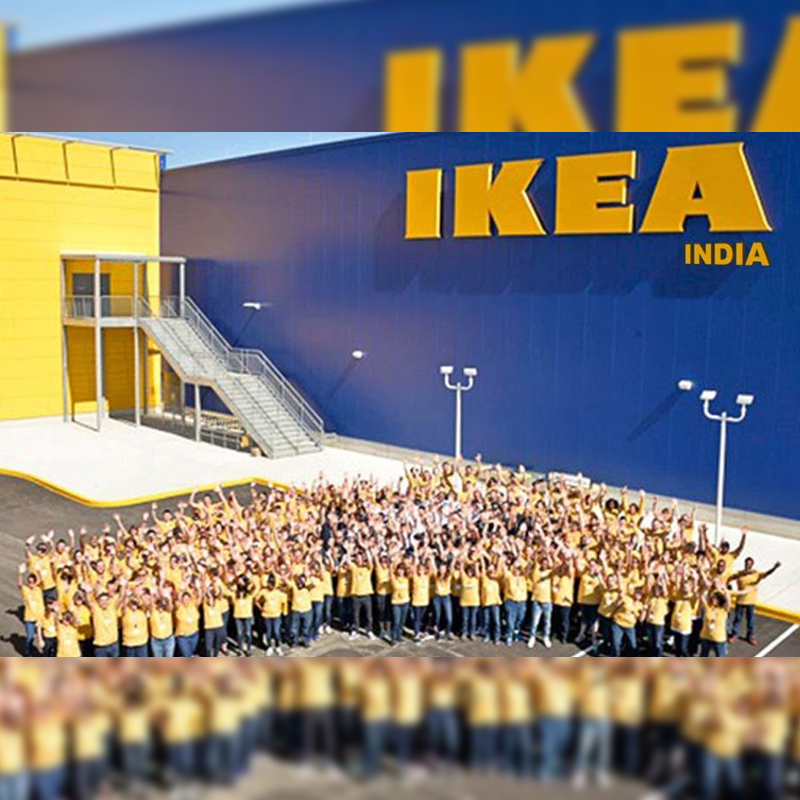
    NEW DELHI: Lagom. A single word that succinctly sums up the Swedish ethos of moderation in everything. But when it comes to home furnishings retailer Ikea’s India operations, they have been anything but lagom.

    Ikea recently inaugurated its second store in India in Navi Mumbai on 18 December with an aim to create a better everyday life for those with big dreams and slim wallets. Unlike the mega launch marked by much fanfare in Hyderabad in 2018, where people flocked to the store in huge numbers, Ikea had to maintain an in-store limit this time in keeping with Covid2019 protocols. Despite restrictions, the opening of 5.3 lakh+ sq ft store was still a huge hit, as the in-store visit slots were pre-booked heavily. Even though it was challenging, the brand managed all the preparations for the store at the height of the pandemic.

    “One of the biggest challenges was how do we create the buzz and excitement of a new store and manage to control the crowds and ensure they enjoy a safe shopping experience. We are really happy to say that we managed to achieve this well and our store is off to a good start,” said Ikea India marketing head Amitabh Pande.

    Despite being a global brand, India has not been an easy ride for Ikea. It reported net loss of Rs 720 crore in the financial year ended March 2020. On the positive side, its net sales grew 64.68 per cent to Rs 566 crore in FY 2019-20, up from Rs 343.7 crore in the previous fiscal. The furniture retailer needs to create trust, and accessibility for the brand in the Indian market. Unless people are convinced that they are buying a superior product at Ikea at an affordable price in comparison to the traditional store from where they used to purchase furnishing products, they will never adopt the brand. One of the major tasks for the brand is to get consumers to sample its store and catalogues. So, the big marketing challenge in India is ‘How do you build an iconic brand in a new market?’

    Pande said, “Ikea is an extremely well known and iconic brand in the rest of the world, whereas in India it started from the ground up. India is a new market, where we get to explore understanding people’s life at home and then based on that connecting deeply and meaningfully with our customers.”

    Call it Swedish stoicism, but Ikea’s plans for the Indian market remain undeterred even in the wake of the pandemic. The management continues to believe in the long term vision it has. “We continue to believe in building the brand in India and spending in marketing is a big part of that. We have no plans in altering the existing marketing budget for 2021,” affirmed Pande.

    The brand has a long term vision for the Indian market. It has already invested Rs 7,000 crore in India, across its two stores and several fulfilment centres. It is now working towards opening outlets in cities like Bengaluru and New Delhi along with smaller stores in other cities. Ikea continues to focus on opportunities to grow the business in existing channels and through opening new channels and units.

    The brand has also ramped up its marketing activities in the last two years, releasing several campaigns across multiple mediums to focus on what role Ikea plays in a consumer’s home. These creatives mostly talk about how consumers can purchase multiple products from Ikea at an extremely nominal price.

    Pande shared that the core focus on Ikea’s marketing strategy has always been to create a better everyday life for ‘the many’ and not just the few. The products signal that there is something for everyone, no matter their age, lifestyle or size of wallet.  “In India we have translated the global Ikea vision into a local positioning that we refer to as ‘make every day brighter’. At the heart of it, it is about delivering well designed, functional and affordable products that speaks to the existing and changing needs from the life at home of the many people in India. It involves delivering a satisfying customer experience at our store and online. It involves our ‘people and planet positive’ sustainability agenda and what we do for our communities.”

    Ikea is constantly optimising its media mix based on the needs of the campaign and is closely working with its partners to get the best ROI for each media.

    “Our ATL strategies are driven by two main aspects. The first is based on building the long-term positioning of our brand as a unique, trusted and meaningful brand. Secondly, it is about activating our existing customers with new reasons to come to our meeting points repeatedly through the year- both online and offline. We have an annual calendar that we follow based on the overall marketing plan for the year,” explained Pande.

    Social media is a big part of the brand’s overall communication and media strategy. It is present across all platforms – Facebook, Instagram, YouTube, Twitter, and LinkedIn and is also working with social influencers.

    “Our approach is that of sharing unique Ikea communication and content, specially curated and created for social media, with a high frequency engagement with our customers. Our content is driving inspiration around life at home ideas and solutions to make a better everyday life. As well as showing our entire range of affordable home furnishing solutions for people to choose from for their needs at home,” he added.

    Ikea will continue to evaluate each media and medium before betting big on it. The brand claims to have built a strong, loyal base in a very short time that comes back to it repeatedly through the year, in stores as well as on its e-commerce website ikea.in. The company has also commenced e-commerce operations in Hyderabad, Mumbai and Pune.

    Pande concluded by sharing his learnings from 2020 and pointed that humans are finally realising that they cannot get away with everything. “We are being forced to re-evaluate our ways of living on this planet, expanding our presence at the cost of nature, consuming the limited resources, creating a society that is unequal and even irresponsible. I would like to believe that we have been set on a more humble, reflective and conscientious path, in terms of how we live.

    One of the learnings that industries have had is about moving from ‘consumption-led growth’ to ‘purpose-led growth’. What this means is being clear on the purpose of our brands, he added.

    “As I see it, consumption has been the fundamental building block for all modern economies. To the extent that so many of us believe that consumption = happiness. Brands and businesses are built on growing consumption year after year. But once we start questioning this fundamental growth driver, then how do we move forward. This is a key question we all need to answer,” Pande signed off.

  • GEC ad volumes saw 33% rise in 2020: TAM AdEx

    GEC ad volumes saw 33% rise in 2020: TAM AdEx

    MUMBAI: 2020 was a difficult year for the television broadcast space, courtesy Covid2019 pandemic. Every genre struggled hard to ensure saliency in terms of content generation and maintaining ad volumes. In the early days of the lockdown, GECs were hit the hardest because the production schedules were canned and there was no fresh content. They were forced to rerun the old episodes of popular shows and were unable to create fresh content until the Unlock phase started and that too under strict guidelines. The situation forced the advertisers to rethink their strategy. 

    Television Audience Measurement (TAM) released an analysis on ad volumes and active brands on GECs in 2020.  Ad volumes on general entertainment channels (GECs) last year has grown by more than one fourth over that of 2016, according to the TAM AdEx-Mirroring Y 2020 for advertising in GEC genre. It witnessed 33 per cent rise in 2020 compared to base year 2016. After ad volumes on GECs troughed in the second quarter of 2020 due to the imposition of a nationwide lockdown, they witnessed resurgence during the third and fourth quarter on the back of a gradual Unlock. 

    It also pointed that the month of October and November had the highest ad volume share (10 per cent each) due to the festive period. True Shield Hand Sanitizer was the top brand during the period of April, May, June and August in GEC genre. 

    In 2020, top three channel genres retained their positions compared to 2019, among which the Hindi GEC genre topped during both the periods. The Hindi GEC witnessed a growth of one per cent since 2019. Tamil GEC has continued to take 15 per cent of the pie in both the years. Malayalam and Kannada GEC observed positive rank shift. Top five channels genres accounted for more than 65 per cent share of ad volumes during both the periods.

    The report stated that the count of advertisers and brands dropped by 38 per cent in quarter two of 2020 which recovered by 48 per cent and 58 per cent respectively in quarter four over quarter two. Personal care/personal hygiene sector topped with 25 percent share of ad volumes followed by F&B with 22 per cent share.  Top sectors which included personal care/personal hygiene, F&B and services together added 57 per cent share of ad volumes which were also on top during 2019. The top four sectors also including hair care has dominated the GEC genre in year 2020.

    While the toilet soaps category maintained leading position during 2020, with seven per cent share of ad volumes, ecom-media/entertainment/social media climbed by five spots to achieve the second rank, replacing toilet/floor cleaners. The report highlighted that the top ten categories belonged to food and beverages sector. Biscuits category was the only new entrant in the top ten, replacing hair oils. Positive rank shift was observed in milk beverages and ecom-media/entertainment/social media categories. In terms of growth, hand sanitisers category witnessed highest growth of 10X, followed by range of toiletries with six times growth.

    Among the top advertisers of the year 2020, HUL topped the list followed by Reckitt Benckiser India. Top ten advertisers contributed 58 per cent share of GEC ad volumes. Marico was the only new entrant in the top ten advertisers’ list. P&G, ITC, Cadburys India, Wipro, Godrej Consumer Products, Colgate Palmolive India, Nestle India and Marico were in the list of top ten advertisers with a positive rank shift compared to the year 2019. Clinic Plus Shampoo was the top brand during 2020, followed by Lux Toilet Soap. The top ten brands together added 10 per cent share of ad volumes during 2020. Also, six out of the top ten brands were from HUL while three belonged to Reckitt Benckiser.

    2020 was a difficult year for the television broadcast space, courtesy Covid2019 pandemic, but regional channels have managed to hold their market. According to the report, regional channels had 3X ad volumes compared to national channels. Regional and national channels had 77 per cent and 23 per cent share of ad volumes respectively during both the years (2019-20).  HUL and Reckitt Benckiser India were the top two advertisers present in both regional and national channels during 2020. In GEC genre, regional channels had three times more ad volumes compared to national channels. Apart from this, Docubay Media and Attica Gold Company were the top exclusive advertisers in national and regional GECs respectively.

    One of the most affected genres on television in terms of ads during the Covid2019 lockdown was the GEC genre. The broadcasters were dependent on reruns of famous and old shows as shooting and production stopped due to restrictions. This led to a steep decline in adverts on GECs. From July onwards, when fresh content arrived, it propelled the advertising in the GEC genre, logging 330+ hours of average ad volumes per day. It saw a spike of  74 per cent more compared to lockdown period from April to June 2020. Tally of categories grew by 24 per cent whereas advertisers grew by 95 per cent and brands rose by more than 2X during Unlock.

    The report further highlighted that prime time was the most preferred timeband on GEC genre, followed by afternoon and morning time-bands.  Prime time, afternoon and morning time bands together added 72 per cent share of ad volumes.

    Ad commercials of 20-40 seconds were most preferred for advertising on GECs during both the years. Commercial advertising added 55 per cent share of ad volumes whereas promos had 45 per cent share in 2020.

  • Facebook’s chief of advertising integrity moves on

    Facebook’s chief of advertising integrity moves on

    New Delhi: Rob Leathern, Facebook's chief of advertising integrity, who handled the company's ad products, stepped down earlier this week after serving the social media giant for over four years.

    He announced the development in one of his tweets where he also thanked his colleagues and talked about the great experience that he had at Facebook.

    Leathern has been in the tech, product, adtech space for over 15 years and was responsible for building the team at Facebook.

    Talking about his future endeavour Leathern tweeted, "What's next? While I'm not going to be working on ads directly, it will be a part of what I work on as I will be staying in the tech/data/privacy space. I will share more about where I'm going in the next week or two," without disclosing where he headed next.

    He also talked about the great work that his team did on US elections and many other projects.

  • #Throwback2020: Ad campaigns that made waves

    #Throwback2020: Ad campaigns that made waves

    NEW DELHI: Countless cups of coffee and hours of brainstorming lead to that one great creative idea that justified the brief from the brand. This used to be the scenario at a creative agency prior to Covid2019. However, with the outbreak of the pandemic, this process moved online and the entire creative industry was working from home.

    It took a while for admen (and women) across the world to adjust to the new normal, but soon they did and it was full steam ahead. Despite challenges and adjustments, the agencies continued to deliver cutting-edge work that impacted people and made them think about the product and service. The creative teams also steered through the production challenges. In the initial days of lockdown, they created several films from the confines of their homes. Once the lockdown was lifted, production resumed slowly. IPL 2020 definitely gave a huge fillip to the industry as multiple brands released fresh creatives across mediums.

    There is no doubt that 2020 has been an extremely tough year for the advertising industry, but it has also made them rethink, realign and push themselves to think out of the box and deliver stellar creatives.

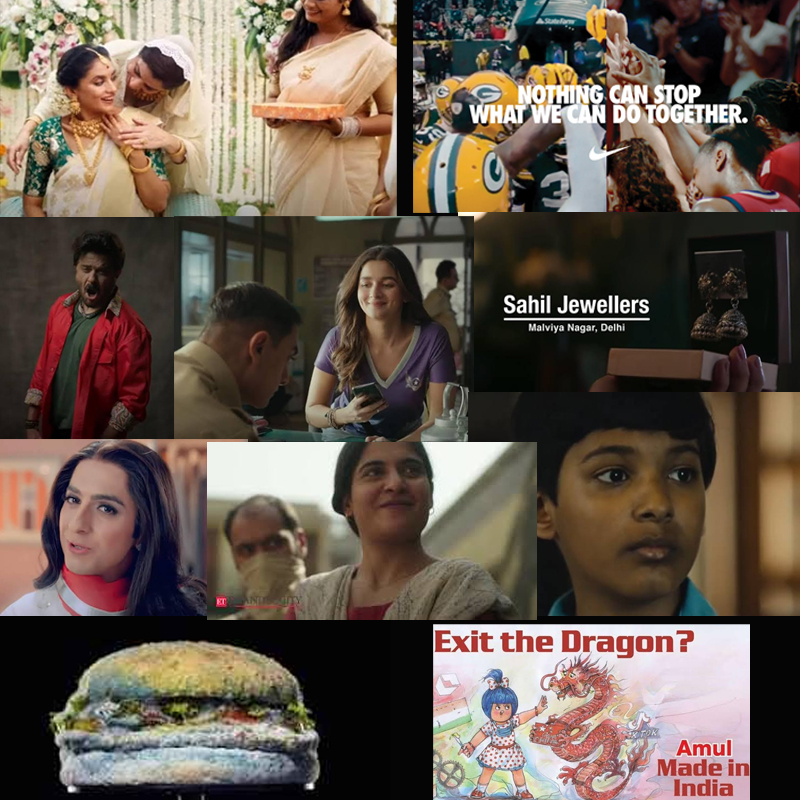
    Here’s a rundown of some of the top ads of the year.

    ·        Burger King Moldy Whopper

    Just before the pandemic struck the world and forced people to social distance, Burger King came up with an ad campaign that broke all rules of food and QSR promotions. The fast-food chain released a video of its flagship burger, the Whopper, decomposing and becoming covered in mold over the course of 34 days. The shock factor was to generate buzz about its new initiative to launch preservative free burgers in the US market. The film went viral and elicited an opinion from everyone.

    ·        HDFC Hum Haar Nahi Maanenge

    In order to spread hope and positivity amid the nationwide lockdown imposed in the country, HDFC bank released a song #HumHaarNahiMaanenge to celebrate the resilient spirit of citizens who are standing strong while also following guidelines to fight the Coronavirus. Through the campaign, the bank also aimed to draw attention to the importance of coming together for a cause and supporting more people during these tough times through the PM Cares Fund.

    ·        Nike You Can’t Stop Us

    The campaign gave hope to people in such trying times, especially with the cancellation and postponement of sporting events. The ad highlighted the power of sports and how it has the ability to bring us together and become agents of change. With a powerful narration and an equally stunning voiceover by Megan Rapinoe, the ad transcended all boundaries and became viral. It was touted as one of the finest pieces of editing.

    ·        Amul – Dragon

    The cooperative brand which has been releasing interesting topicals for over 40 years came up with another interesting piece where the Amul Girl stops a dragon. The ad was a take on the Indian government’s crackdown on Chinese apps and companies in light of the Galwan valley standoff. The creative piece was widely circulated and liked by the people even though a section of social media objected to it.

    ·        Cred – Auditions

    Cred took IPL 2020 by storm with its six-film campaign featuring eminent Bollywood personalities like Madhuri Dixit, Anil Kapoor, Jackie Shroff, Govinda, Bappi Lahiri and others auditioning for a brand ad. The films started conversation and generated recall for the brand. Despite being not-so-humorous, the ads caught the public’s attention. The idea behind the campaign was to scale up the service and reach larger audiences.

    ·        Dream11 IPL

    The fantasy sports app bagged the title sponsorship of IPL and launched a massive campaign on television with Indian cricketers like MS Dhoni, Jaspreet Bumrah, Rohit Sharma and others. The ads were funny and self-aware, as common people in the film took a dig at the brand ambassadors while playing gully cricket. For instance, one girl stopped Bumrah from bowling because he was too fast. The ads clicked and people signed up to sample the platform, hence, the campaign was successful.

    ·        Tide Ayushmann Khurrana

    Tide introduced its latest brand ambassador Ayushman Khurana and launched a new campaign with him. The actor played the role of all the family members in the film and his part reminded audiences of his role in the Bollywood flick Dreamgirl. Of late, Khurrana has become extremely popular on the back of several hits, which has helped him secure several big brand endorsements.

    ·        PhonePe

    The digital wallet brand embarked on a marketing blitz with new brand ambassadors Aamir Khan and Alia Bhatt. The campaign included a series of humourous ads that showcased different features of PhonePe. The film was staged in a police station set up and kept very simple for the users to understand and adapt PhonePe as the mode of payment in their daily lives. The brand has been active throughout the year and spent heavily on advertising. It has been working towards scaling the number of app users across the country.

    ·        Chotu

    Children are god’s voice and a reflection of his greatness. However, if we look around a lot of children are called ‘Chotu’ and employed in menial, backbreaking and dangerous jobs. Dentsu Impact in association with My Choices Foundation and Saregama Caravan launched an eye-opening film on Children’s Day focusing on their struggles. The film showcased how children’s basic rights, education, dignity, hope and most of all, their childhood is snatched away from them, every single day. Currently, millions of child labourers are employed across the country in various segments like homes, factories, and construction sites. It evoked a sense of guilt and shame in many viewers, who’re familiar with these scenes but chose to ignore it.

    ·        Facebook – More Together – Pooja Didi

    The social media giant has been focusing on small businesses and trying to bring them on the platform. This year on Diwali, it launched a seven-minute-long film which was the story of Pooja Didi, a milk centre owner, who employed those who had lost their jobs due to the Covid2019 pandemic. The film showcased how employees used Facebook to engage with and bring customers to the milk store. It reflected the power of connections and people coming together to help, support and celebrate with each other. 

    ·        Cadbury Celebrations Hyperlocal Ad

    For Diwali 2020, Cadbury Celebrations launched a unique initiative that provided an advertising platform to local retailers whose businesses were impacted by the pandemic. It created a data-driven campaign platform ‘Not Just A Cadbury Ad’ that included 1,800+ local retailers across 260+ pin codes in Mumbai, Delhi, Lucknow, Indore and Pune. The chocolatier developed an algorithm that served an ad customised to the viewer based on his geo-location. The film displayed small stores that changed based on the location in which the ad was being viewed. Therefore, a person viewing the ad in Pune would be guided to small stores in Pune, in their vicinity. Cadbury custom-designed hundreds of versions of the same ad, with the relevant geo-targeting based on pin codes.

    ·        HS Kalekar Jewellers

    Most jewellery brands accentuate a woman’s femininity by portraying her in the traditional roles of wife, mother or daughter. However, Kolhapur-based H S Kalekar Jewellers highlighted her strength and indomitable spirit. The ad titled Har Beetiyan Ko Ab Durga Banna Padega (Every daughter must become a Durga) sent a message that every woman should take her safety in her own hands. The commercial began with a young girl walking alone on a deserted street and stalked by a biker. The distressed girl changes her course, and spots an old lady sweeping on the road sides and takes her broomstick and proceeds to threaten the man in pursuit. The girl manoeuvres the broomstick at high speed in nunchuck-style, which is an advanced form of martial arts. Intimidated by her martial art skills, the eve-teaser runs away. The ad ends with the girl walking through the empty streets fearlessly and leaves a strong social message.

    ·        HUL Glow and Lovely Glow ko na roko

    In the wake of the #BlackLivesMatter revolution, HUL was forced to change the name of its flagship product from Fair & Lovely to Glow & Lovely to avoid any controversy. It released a new campaign called Mere Glow ko Na Roko featuring popular hip hop and rap artist Dee MC who narrates her journey of overcoming obstacles and urges other women to not let anything stop them from pursuing their dreams. Through the inspiring lyrics of #GlowkonaRoko, Dee MC equates ‘glow’ with her identity, which comes from her work, her determination, and self-assurance. The campaign was more than necessary because a new brand name meant a slight change in positioning and it had to be immediately communicated to the audiences.

    ·        Tanishq Baby Shower

    The jewellery brand launched a film around the baby shower ceremony in a Muslim family for a Hindu daughter-in-law. Though the film was simple and passed the message of peace and harmony, it was met with severe backlash. However, it did help the jeweller gain a lot of eyeballs on the back of controversy. Eventually, it was forced to pull the film down.

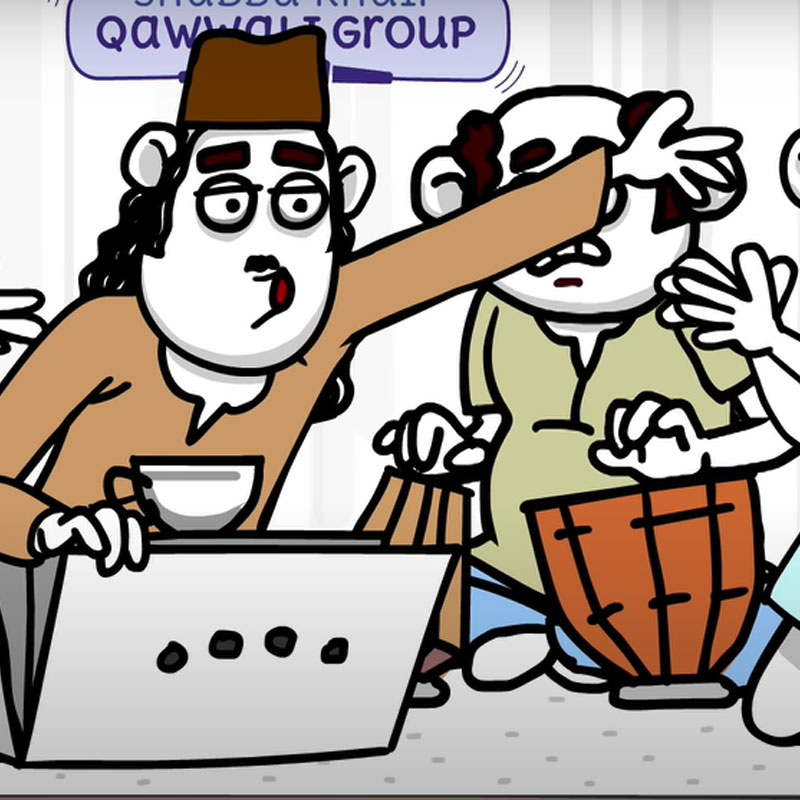
    ·        Wakefit Qawali Bhaad Mein Jaa

    The sleep and home solutions company launched a witty and topical video that encapsulated the trials and tribulations of 2020. It came at an opportune time to wrap up the highs, the lows, the untoward surprises and the eventful twists of 2020 and resonated with what people went through during the year. 

    The video was a raging success among netizens, as it struck an instant chord with people whose lives have been turned upside down due to the pandemic and being cooped up at home. Using the hashtag, #BhaadMeinJaa2020, some claimed that it captured the emotions of the year aptly while others declared it was the best video of 2020.

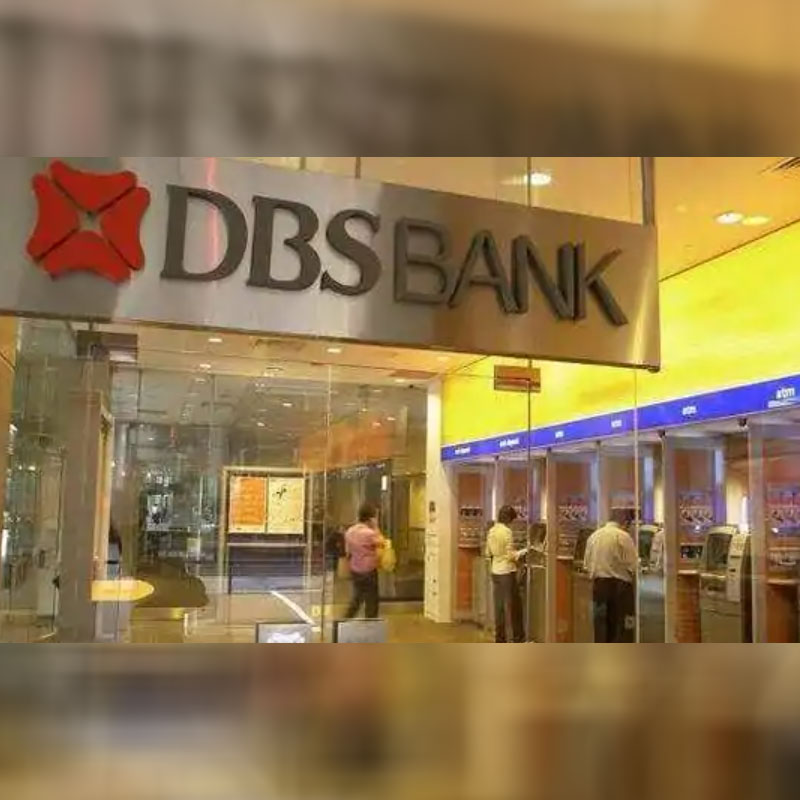
  • DBS Bank India introduces travel marketplace on digibank app

    DBS Bank India introduces travel marketplace on digibank app

    MUMBAI: DBS Bank India has introduced ‘Travel Now’, a one-stop travel marketplace within the digibank app. The new feature enables customers to browse and book flights, bus tickets and hotels across hundreds of destinations within and outside of India. Customers can also opt for travel insurance, offered by Bharti AXA General Insurance, with an automated claims process for flight cancellation, and flight departure and arrival delays of over 60 minutes.

    digibank’s intuitive UX is designed to remember customer preferences and deliver a customised and hassle-free experience. Customers can make payments using their digibank account through a seamless and secure one-click payment process, thereby eliminating the need to enter or save card details and wait for an OTP. They can also avail a range of targeted offers tailored to their individual requirements.  

    DBS Bank India executive director – digital bank Kartik Jain said, “Recognising that customers often spend significant time navigating multiple sites for their travel arrangements, we have introduced a one-stop-shop in digibank to cater to all their travel needs and streamline their booking process. The Travel Now proposition provides an intuitive booking experience, including bespoke flight cover with automated claims solution, and hassle-free one-click payment from the customer's DBS account. The proposition aligns with our focus on delivering innovative and seamless solutions to address our customers' needs.”

    The integrated insurance offering is available for flight and bus bookings in partnership with Bharti AXA General Insurance Company Ltd. Designed to address customer pain-points and key challenges in their travel journey, the insurer auto-detects flight delays and flight cancellations and notifies the customers, while enabling an automatic claims process. The claim journey is a simple, two-click process, and the amount is directly credited to the customers’ account. For bus bookings, customers can avail an accidental death cover of up to five lakh rupees and an emergency medical expenses cover up to one lakh rupees at a price of Rs 20 (inclusive of taxes).

    DBS introduced digibank in 2016 and has acquired one million savings accounts since its launch. In addition to savings accounts, digibank provides unsecured loans and is the first to offer paperless onboarding for mutual fund investments from multiple fund houses. DBS also provides a compelling suite of services and wealth solutions through DBS Treasures. These include accelerated account opening services globally, an all-in-one digital banking and wealth management platform, remittance services and 40+ exclusive signature experiences and bespoke privileges to its customers. 

  • Wakefit.co’s rewind song ‘Bhaad Mein Jaa 2020’ wins internet

    Wakefit.co’s rewind song ‘Bhaad Mein Jaa 2020’ wins internet

    Bengaluru: As a tumultuous year comes to a close, the trials and tribulations of 2020 was encapsulated in a funny, witty and topical video by sleep and home solutions company, Wakefit.co. The video, which has amassed more than 1.6 million views across the internet in three days, came at an opportune time to wrap up the highs, the lows, the untoward surprises and the eventful twists of 2020 and resonates with what people went through during the year. 

    The video was a raging success among netizens, as it struck an instant chord with people whose lives have been turned upside down due to the pandemic and being cooped up at home. Using the hashtag, #BhaadMeinJaa2020, some claimed that it captured the emotions of the year aptly while others declared it was the best video of 2020. The video reached more than 13 million people across social media within three days.


    Wakefit.co director and co-founder Chaitanya Ramalingegowda said, “We really wanted to sum up 2020 on a lighter note and give people something to chuckle about after a grueling few months this year. We created an independent YouTube channel called Home Time and released this video, which is our way of bidding 2020 goodbye once and for all. At Wakefit.co, we believe in creating content that makes people smile while also bringing to light the need for sleep and home wellness. We are thrilled to have received such an overwhelming response for our video from netizens.”

    The film has been designed and conceptualised by Spring Capital.

    Wakefit.co recently raised series B funding of Rs 185 crores from Verlinvest and Sequoia Capital India and plans to bolster its expansion plans in the year to come. The company will also double down on its marketing wherewithal and continue to create content that adds value to the lives of its consumers. 

  • #Throwback2020: India’s Top Brand Ambassadors

    #Throwback2020: India’s Top Brand Ambassadors

    New Delhi: Brand ambassadors – they are the icons, the celebrities which consumers associate with a brand because they extoll its virtues on television, print, and digital adverts. The role of any and every brand ambassadorin 2020 came with added responsibilities than ever before. They were not just selling products or services but trust and assurance to the potential customer that whatever they are promoting  is safe to use in the times of coronavirus.

    It is to their credit that  many of them stepped forward on the government’s call for social messaging, telling the homebound to stay that way and resort to social distancing,  masks and extreme sanitisation  measures every time they stepped out.

    While expensive, expansive shoots were a no-no for about four months in the early stages of the pandemic, many celebs found innovative ways to continue filming from their homes with the help of remotely located directors and production teams, Once the unlock orders were passed and proper standard operating procedures put in place for TV commercial and other shoots, the brand ambassador band played out in full swing. Several brands roped in new ambassadors this year and several new ambassadors started shining on air.

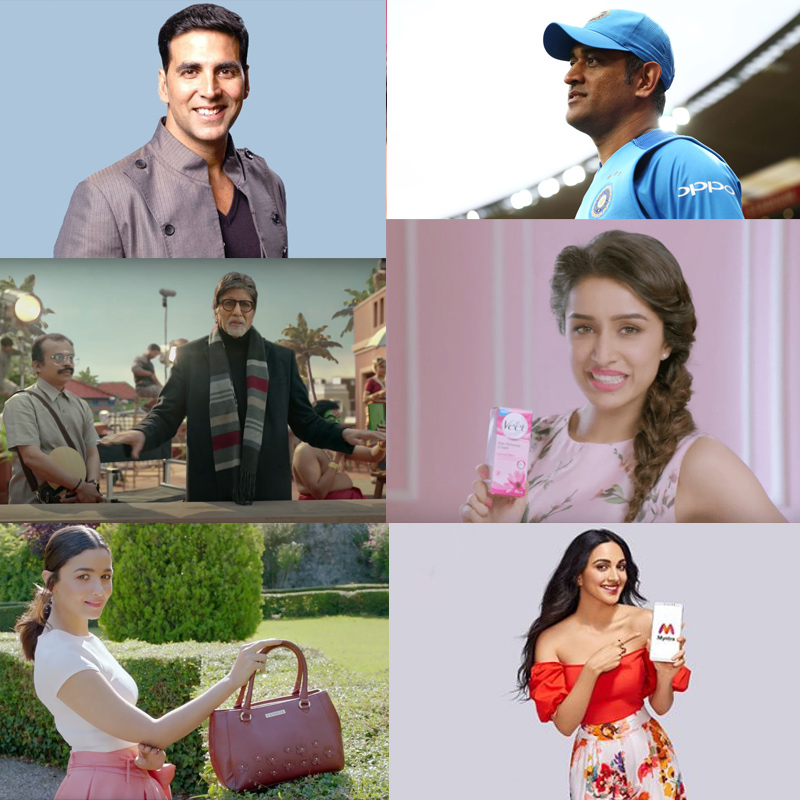
    Here are India’s op 10 brand ambassadorsin terms of ad volume on TV according to Tam data (from Jan 2020 – Nov 2020).

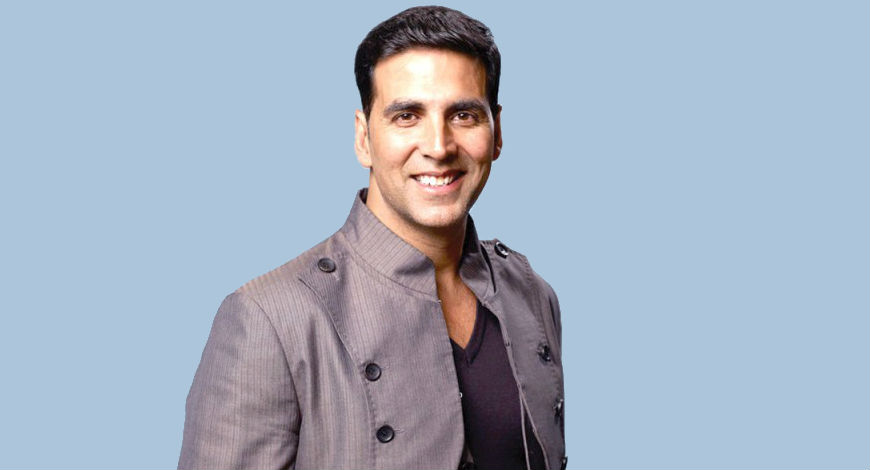
    Akshay Kumar

    The 50 plus year old actor has emerged as the king of endorsements in the Bollywood fraternity. He is associated with brands across different categories such as Protein Plus, Dollar Industries, RB, CarDekho, Honda, Nirma, Pagarbook and several others. Kumar has a kitty of over 20 brands including traditional and new-age brands.

    Known for his discipline, fitness, and integrity the actor’s credibility reached its peak when he interviewed prime minister Narendra Modi at his residence just before the 2019 general elections. Over the years his fan base has increased and brands have found him to be a credible face when it comes to creating a strong recall.

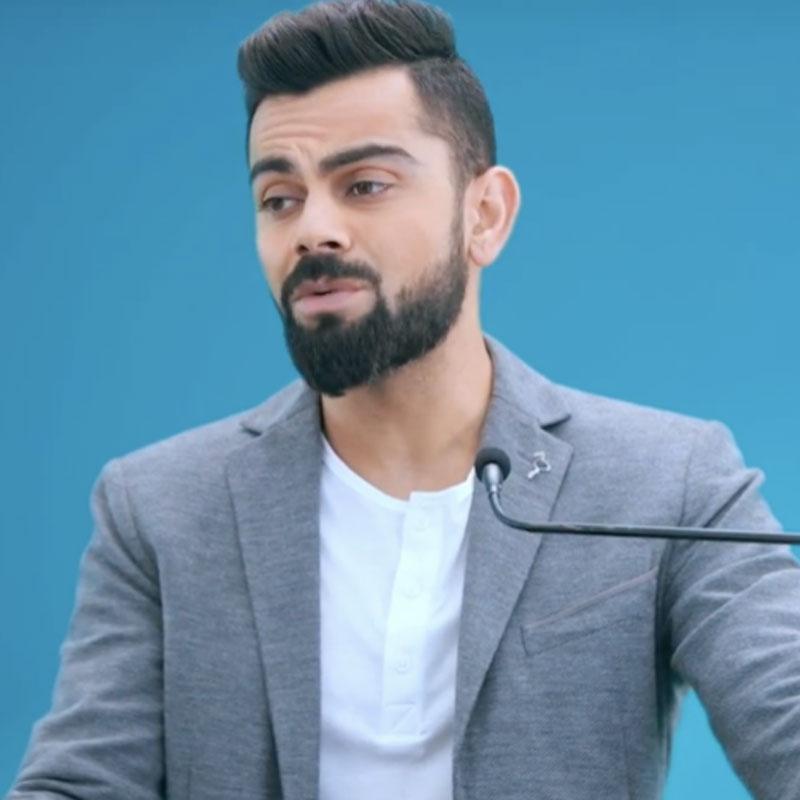
    Virat Kohli

    The current Indian cricket team captain is one of the most successful brand ambassadors from the world of cricket. He represents a variety of virtues such as discipline, aggression, commitment, team-player, and most recently soon-to-be-father. Kohli has been breaking multiple records and cricket experts across the world have been lauding his success.

    Going by the latest reports, his brand value is above Rs 320 crore and is slated to grow as he has a good number of years left in his career before his retirement. Kohli endorses brands like Great Learning, Blue Star, WellMan, Himalaya Men, Google Duo, MPL, Shyam Steel, Amaze inverters and batteries, Puma, Hero MotoCorp, Colgate, Volini, Too Yumm, Wrogn, Tissot, Audi, Royal Challenge.

    Kareena Kapoor

    The leading lady of Bollywood is one of the most expensive ambassadors in the industry. Kapoor represents virtues such as finesse, quality, beauty, glamour and fitness. She has been in the industry for over 20 years and has emerged as a big influencer and commands a very strong social following. A brand report in August clearly stated that Kapoor leads the brand endorsement chart among the women in Bollywood. She endorses brands such as Lux, Puma, Vectus Group, RB, Airbnb, Prega News, VIP Bags, and others.

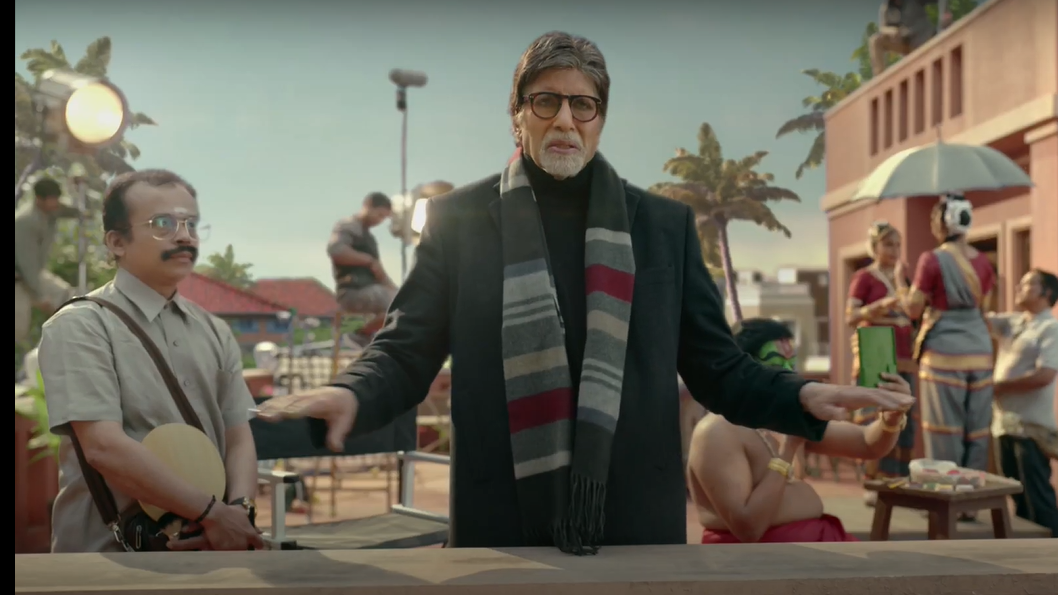
    Amitabh Bachchan

    He is known as the evergreen brand ambassador of the industry. Bachchan is the easiest choice for any brand manager to make since he cuts across multiple age-groups, communities and commands an unwavering love and respect from the audiences. He represents virtues such as patience, calmness, commitment, etiquettes, politeness, friendly, family man, elderly and many other things. He is among the veterans in the industry and commands an ability to shift the needle of sales on any product. Some of the brands that he endorses are – Ghadi Detergent, Dr Fixit, FirstCry, Gujrat Tourism, RBI, TVS and others. He has a kitty of over 15 brands.

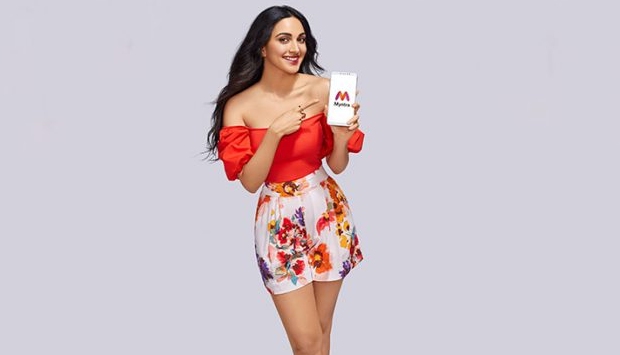
    Kiara Advani

    She is the new girl on the endorsement block. Advani emerged in the industry with her performance in Kabir Singh and since then has bagged multiple roles in films and contracts from brands. She represents youth and beauty. Advani is associated with Myntra, Colgate, Limca, Priyagold, boat, Giordano Handbags, and others.

    Ranveer Singh

    He is one of the most revered youth icons the industry has seen in a long time. Be it his dressing sense, commitment towards maintaining his shape, love towards his lady lass, Singh is much followed by youth (both male and female) across geographies. Singh represents virtues such as – living the moment, lively nature, commitment, carefree attitude, and others. He is undoubtedly the darling of brands. Some of the brands that he represents are Harman JBL, Thums Up, Jio, Eduauraa, Royal Stag, BigMuscles Nutrition, Astral Pipes, Bingo, Ching’s, Kotak Mahindra, Siyaram’s and others.

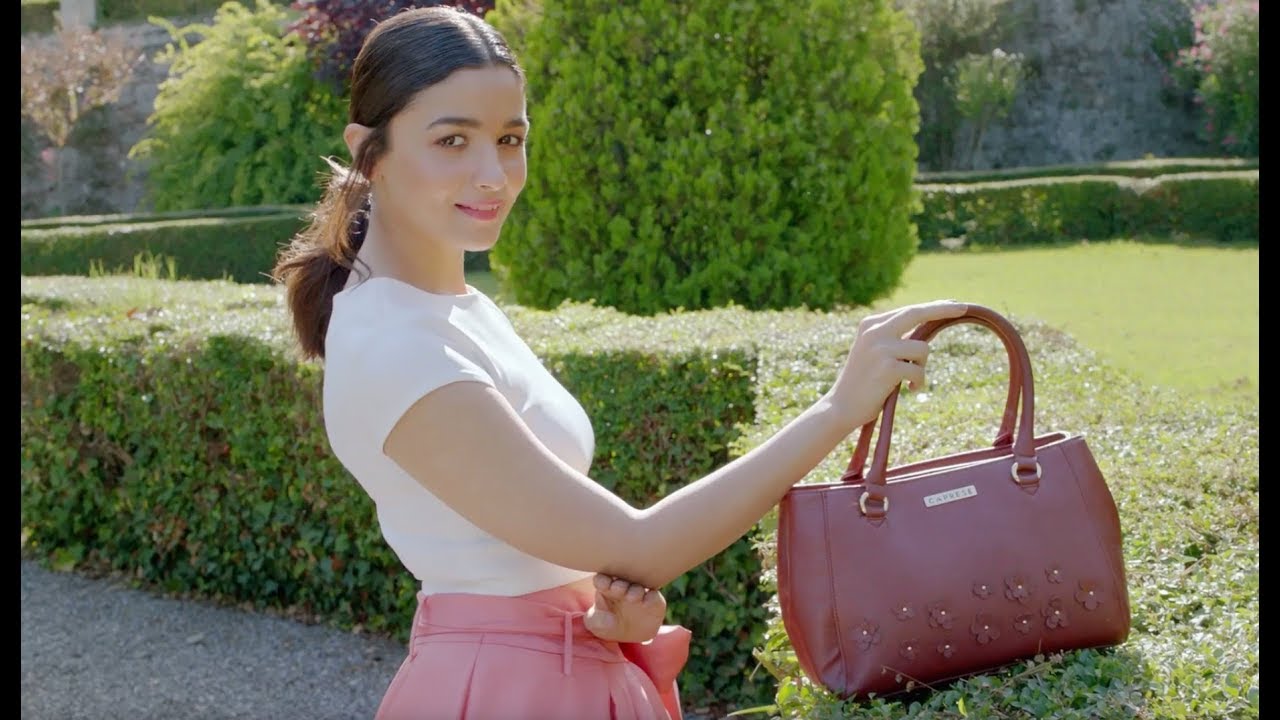
    Alia Bhatt

    They hated her, they trolled her and then finally they started liking her. Alia Bhatt has emerged as a popular brand ambassador in the last three years. She is followed by youth and cuts across the age group of 18 – 30 years old. She is associated with brands such as PhonePe, MakeMyTrip, Lux, Nestle, Capresse, JSW Paints, Tresemme, Vicco, and others.

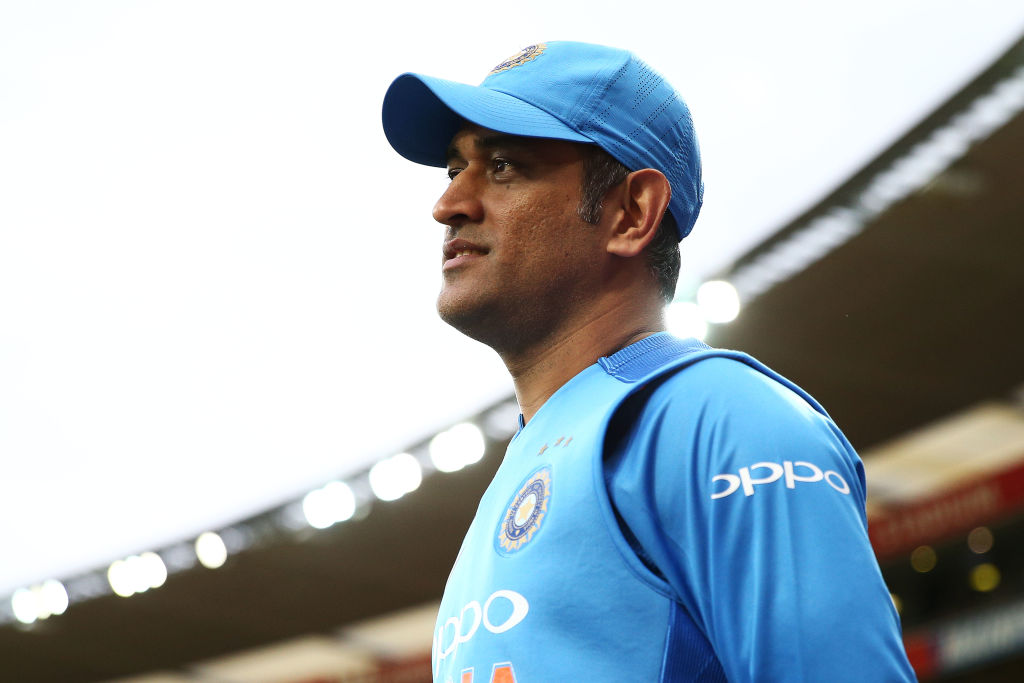
    MS Dhoni

    He is the legend of Indian cricket has etched a name for himself in the history books. The story of a boy rising from a small town to the highest levels of the game is nothing less than inspirational. Audiences have always loved this story and brands have backed it. Despite retirement from cricket (minus the 20:20 format) Dhoni still represents virtues like leadership, skills, calmness, patience, sportsman spirit, family man, mentor and much more. He has been associated with brands such as India Cements, PokerStar, Oppo, Khatabook, GoDaddy, Snickers and others.

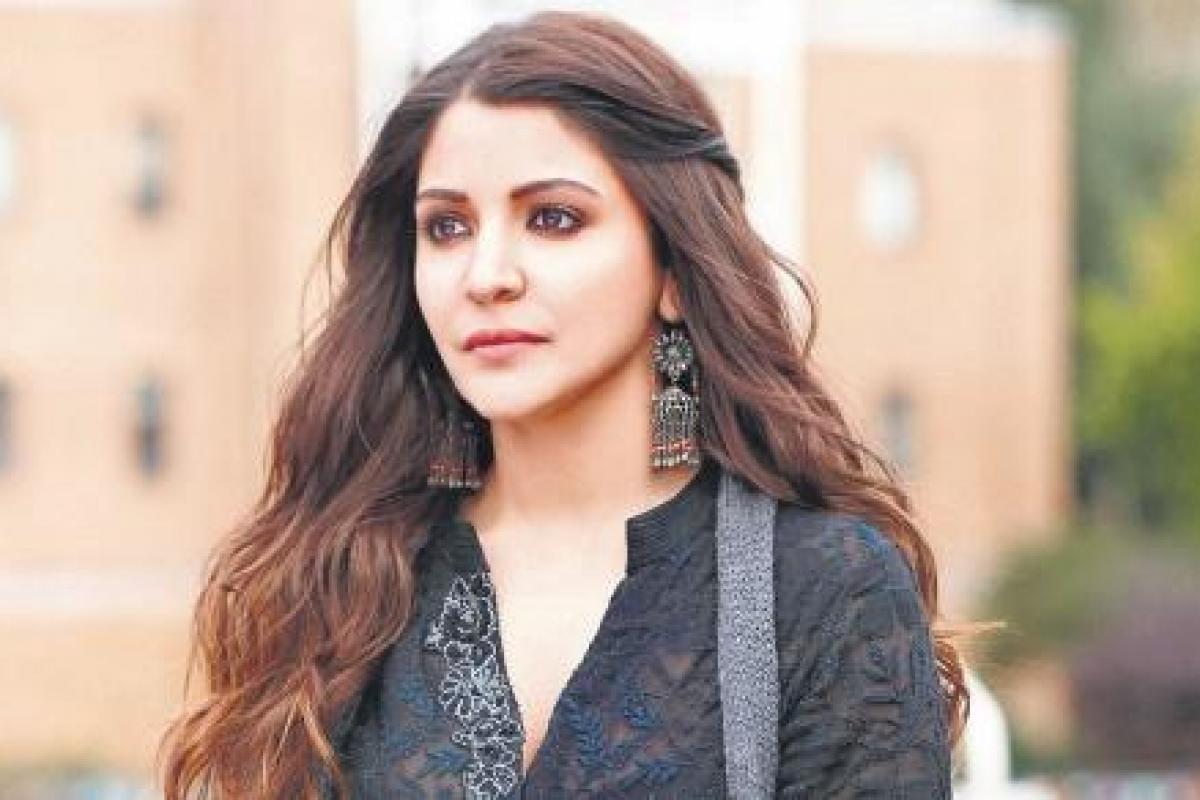
    Anushka Sharma

    The soon-to-be-mother and a popular Bollywood actor has emerged as a top ambassador this year on the back of Prega News spending heavily on advertising. The brand immediately signed Sharma as she broke the news of her pregnancy and launched a massive campaign with her.

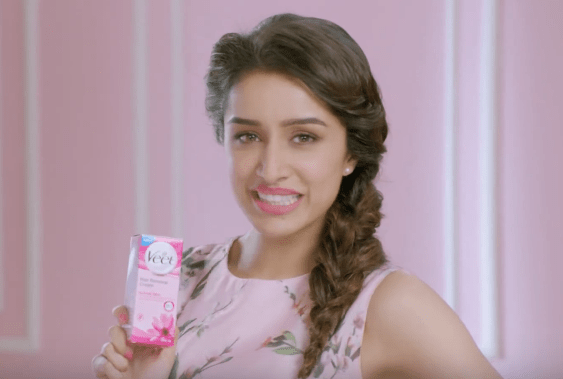
    Shraddha Kapoor

    She is one of the most under-rated actors of Bollywood and was seen in almost all the big box-office hits of 2018 and 2019. Kapoor has built her brand saliency step-by-step and has emerged as one of the most popular and credible faces of the industry. She represents hard work, persistence, patience, beauty, glamour, fitness and other such virtues. Kapoor represents brands such as The Body Shop, Vogue Eyewear, 2bme, Lakme, Veet, Hair & Care, Hershey’s,