Tag: advertising

  • Promax India to host the Regional Conference & Awards 2021

    Promax India to host the Regional Conference & Awards 2021

    Mumbai: Honouring outstanding achievement in entertainment, marketing and design, the Promax India Regional Awards 2021 is all set to be held virtually on 11 June, the association announced on Monday.

    The event will witness some of the best creative works in entertainment, marketing, promotion and design from all regional markets of India compete across 25 categories. Since 1997, Promax has honoured creativity, innovation, and storytelling in the media and entertainment industry. Given the ‘new-normal’, it has embarked on a new innovative journey with the first-ever Promax India Regional Conference and Awards 2021.

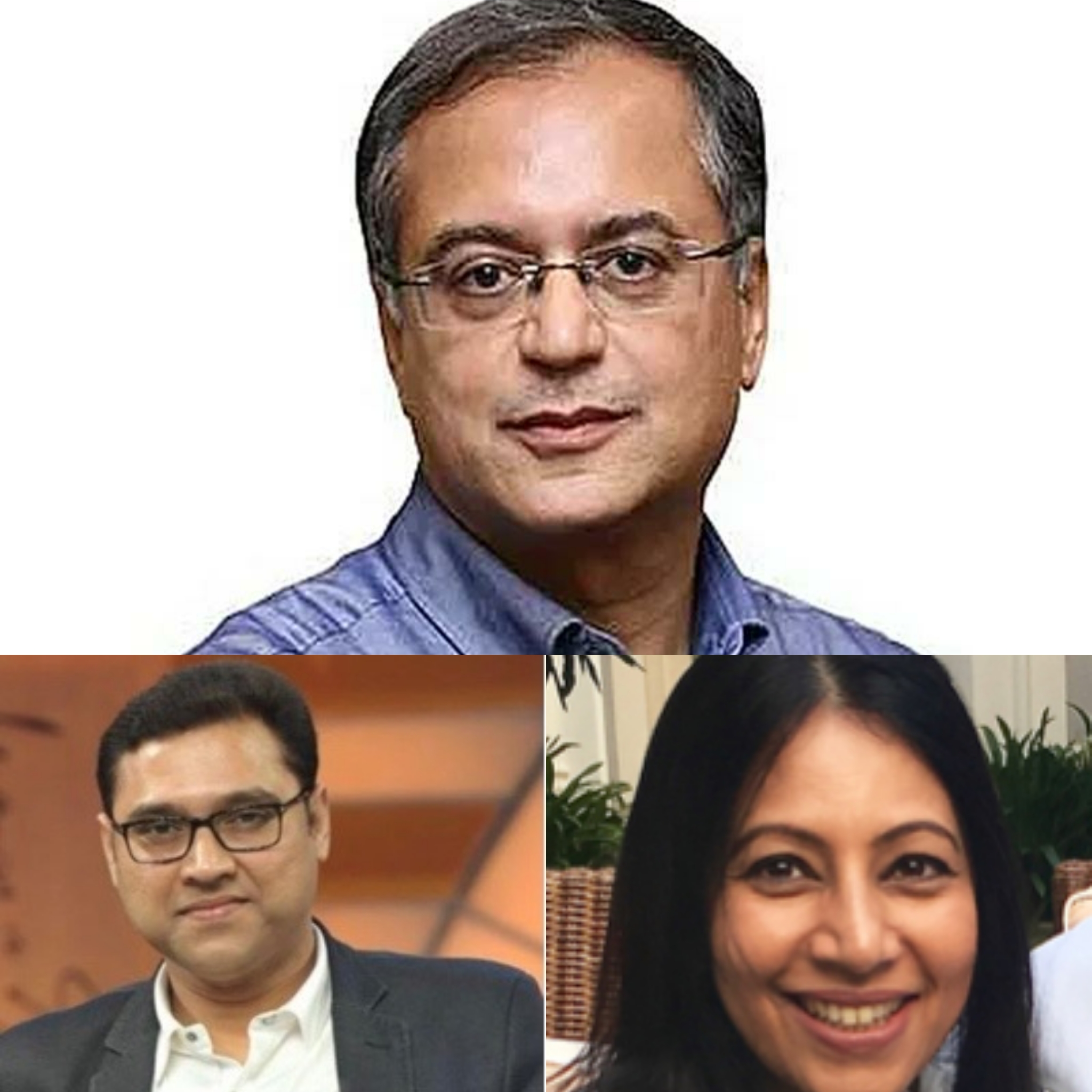
    The event will see some prominent names from FMCG to the media industry deliberate on the rise of regional content, newer audiences, latest trends and new set of rules in the regional story of media & entertainment. Keeping in line with the evolving entertainment landscape, the sessions will feature Zee Entertainment Enterprises Ltd, executive vice president and cluster head, Siju Prabhakran, EY India, media and entertainment leader, Ashish Pherwani, Viacom18, head – regional entertainment (Kannada & Marathi Cluster), Ravish Kumar, Sony Pictures Networks India, head of originals, Saugata Mukherjee, Zee Entertainment Enterprises Ltd, cluster business head (East), Zee Bangla & Zee Bangla Cinema, Samrat Ghosh among others.

    Promax, country head & strategic partnerships (India, Hong Kong & Philippines) Rajika Mittra said, “Be it global or Indian brands, each one of them has broken new grounds in their respective sectors by localizing their content and communication to reach the Indian audiences. Keeping a close eye on these brands, we are proud to honour their work and encourage them to set new milestones. Even though the awards are to be held in a virtual setting, we look to transcend all geographical barriers and come together in celebrating the sheer brilliance by some of the finest brands out there.”

  • Carat & dentsu X announce senior leadership appointments

    Carat & dentsu X announce senior leadership appointments

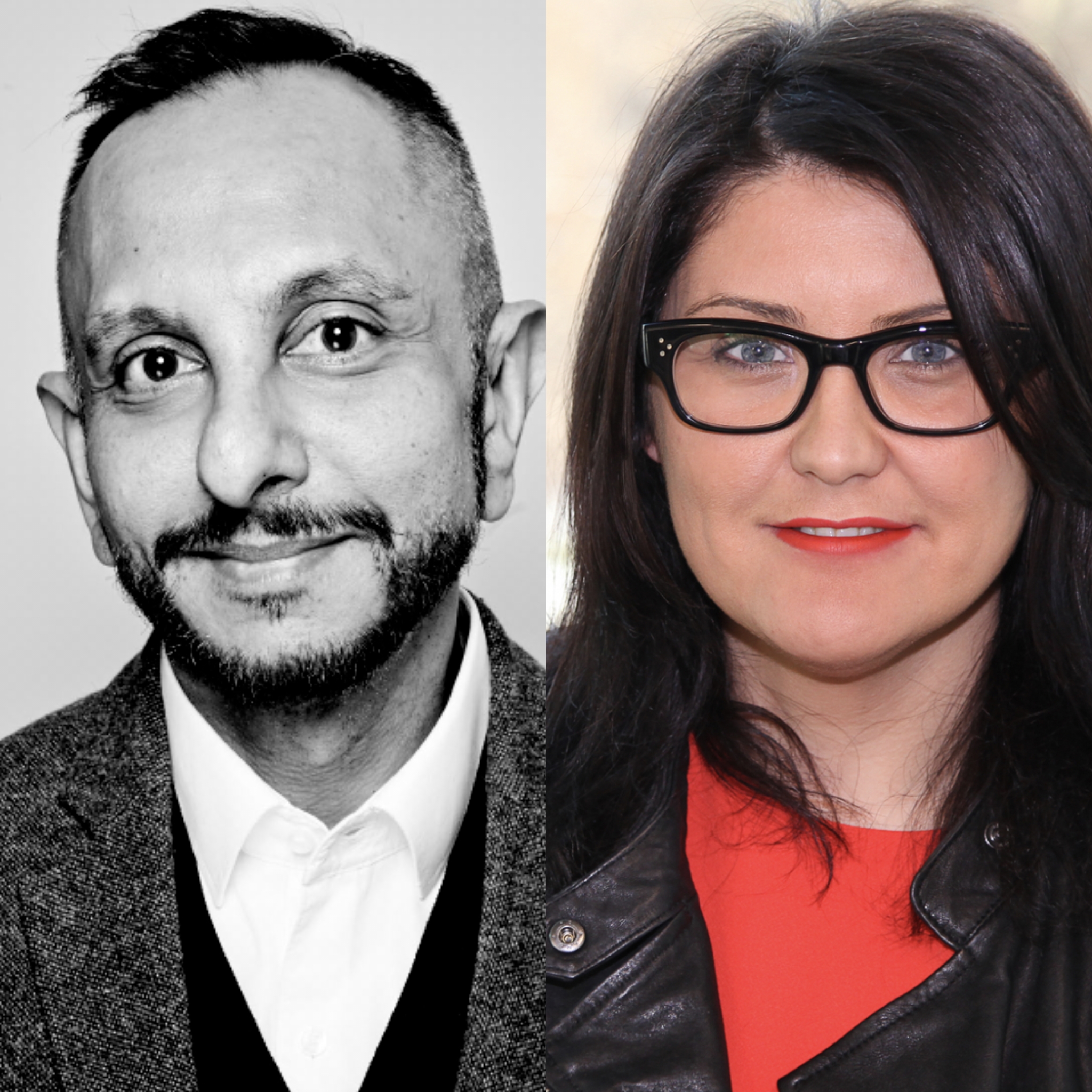
    New Delhi : Dentsu International on Friday bolstered its senior leadership team with the appointment of Fiona Lloyd as the global client & brand president at Carat and Sanjay Nazerali as the new global client & brand president, dentsu X.

    The two executive appointments mark the culmination of a strategic re-set of global brand leadership within the dentsu international global media agency brands: Carat, dentsu X and iProspect.

    Dentsu international, global CEO Media & Global Clients, Peter Huijboom said, “We now have new faces and fresh thinking driving each of our global leadership media brands, each with the determination and spirit needed to deliver meaningful progress and growth for our clients and our business. Even before taking on these new roles, both Sanjay and Fiona have already been instrumental in shaping our new, simpler and streamlined market proposition.  Sanjay helped to establish and grow the dentsu X brand outside of APAC when it launched and Fiona has been driving an entire global rebrand of Carat and created its new ‘Designing for People’ proposition ready for the next phase of our growth plans.”

    Lloyd has been with dentsu since 2005. Starting first as an account director, she has held key leadership roles in both the Carat UK and Global business, including chief client officer and global CMO. Most recently, as MD Carat Global she spearheaded the global re-brand. Lloyd on her new role and the direction of the brand said, “Empathy, collaboration and value exchange are at the heart of our brand.  I’ll be focussed on driving these hard across our network to ensure Carat continues to be the industry powerhouse it is, maximising the contribution media makes to growth for our clients and creating a place where our people can thrive.”

    Nazerali joined dentsu over seven years ago, originally at Carat as global chief strategist, he then moved over to dentsu X in 2018 as part of the plan to make the brand a worldwide media agency, outside of its Japanese heartland.  Since then, dentsu X has been on an upward trajectory and was named the fastest growing agency by RECMA for two years. Before joining dentsu, he was SVP marketing at the then newly-launched MTV Europe and subsequently the first ever Global CMO at BBC News.

    Talking about his ambition for the brand, Nazerali said,“dentsu X is dentsu international’s bridge builder, across clients, partners, and civil society, creating value for all.  We’re the radical collaborators who forge meaningful progress through awe inspiring work.”

    Lloyd and Nazerali, alongside Amanda Morrissey, who joined as global president of iProspect in October 2020 now form the global leadership of the three global media brands within dentsu international.

  • “Need of the hour”- industry hails ASCI’s new guidelines

    “Need of the hour”- industry hails ASCI’s new guidelines

    MUMBAI: Is the party over for influencer marketing in India? Or does it get bigger hereon? These are some of the questions playing in the minds of industry players and consumers as the Advertising regulatory body (ASCI) unveiled its long-overdue guidelines for influencer advertising, here on Thursday. The new rules come into effect on 14 June.

    The Influencer advertising market in India is booming across social media platforms and is estimated to be worth $75-100 million, as per digital marketing agency AdLift. And, it’s only getting bigger. With people unable to indulge in retail therapy and check products & services in person, watching an influencer talk about the product or following the social media talk seems like the next best option for many.

    Brands too have recognised its burgeoning potential and allocated a significant share of their digital ad spend on the segment. Needless to say, Influencer marketing does help a brand in multiple ways. Apart from product trials and reflections, it helps them bring out their brand’s story organically and establish trust with their target audience. In fact, as per Forbes 54 per cent of people have visited a website to purchase after seeing a product or service mentioned on Instagram.

    However, there was no way for consumers to make a distinction between promotional content for a brand and genuine user-generated content- unless the influencer chose to make the disclosure. Well, all that is going to change now.

    The new ASCI guidelines make it mandatory for social media influencers to label the promotional content they post: “All advertisements published by them on their accounts must carry a disclosure label that clearly identifies it as an advertisement.” And it is not limited to “monetary compensation”, but “anything of value given to mention or talk about the Advertiser’s product or service, like free or discounted products or service or other perks.”

    So what does the industry have to say about these regulations in what was so far a free-for-all market?

    “It is a step forward in the right direction,” says branded content marketplace Do Your Thng founder Ankit Agarwal. “The blurring of the line between ads and simple user-generated content needed to be corrected. Users not only have the right to know the difference between the two, but it was also their demand. Besides helping bolster the trust audiences were increasingly haemorrhaging in content creators, the guidelines will hold brands and marketers more accountable. I am gratified ASCI has moved the needle in organizing a niche where entropy was just about beginning to reign supreme.”

    According to ClanConnect co-founder & COO Kunal Kishore Sinha, the guidelines will shape the future of sponsored posts and influencer-brand collaborations in India. “Going forth, consumers can expect much more transparency as they navigate through the social media universe. On our part, we are geared up to guide influencers through the intricacies of the newly-launched guidelines, helping them meet all the requirements so they can focus on what they do best – create impactful content,” he says.

    Whoppl managing partner Jennifer Mulchandani says agencies now need to make sure brands & influencers still stand out by staying relevant and engaging their audience through content that resonates with them. “It’s important to pick the right influencer mix that caters to the specific TG that would benefit from the product in question, and not just result in a sale for the brand but also greatly positively impact the consumer, thereby using their power of influencer responsibly,” she adds.

    According to SoCheers director Rajni Daswani, many brands are still averse to the whole #Ad & #Sponsored and may now start drawing parallel compared to paid media, which might see the investment in influencer marketing take a slight hit, after the phenomenal growth year that it had in last few years. “The guidelines could be like a double-edged sword for creators as influencers/creators who are doing a lot of branded content might see a hit in their engagement & reach numbers, but quality content will continue to win nonetheless,” adds Daswani.

    Terming it as the need of the hour, OpraahFx founder Pranav Panpalia says it will also help elevate creators’ reputation and help brands to connect to their exact audience set while aiding consumers to make informed decisions. “Giving a disclaimer of a brand being promoted (prior to the content), helps viewers make an upfront choice about whether they want to continue to consume the said promotional content. Continuing to consume such content simply implies that s/he indeed is interested to listen to the brand’s promotional pitch,” he says.

    However, industry experts also believe that there may be some teething issues during the initial days and the content creator also has to know in detail what they are marketing to their audience and exercise a sense of responsibility, says Divo founder and director Shahir Muneer.

    Influencers, on their part, have also welcomed the move, albeit a tad cautiously. According to some influencers, the guidelines put more onus on the creator than on the brand and could lead to a disengagement of a section of their audience, once they realise its paid content. Some voiced their concern on social media, that even when they organically endorse a product or service, it could be misconstrued by their followers as a mere sponsored promotion.

    Some like Nikunj Lotia, popularly known as BeYouNick told a publication that brands are often involved in specific parts of the content, instead of the entire, and labelling it may confuse the audience.

    Allaying fears that it might restrict creativity, Grapes Digital founder & CEO Himanshu Arya says, consumers are smart enough to make a distinction between a material connection and an organic post. “It is the first step towards making transparency and trust the ethos of influencer marketing,” says Arya.
  • BL Agro’s ambitious Rs 150 crore expansion plan

    BL Agro’s ambitious Rs 150 crore expansion plan

    Mumbai: BL Agro Industries Limited, one of the fastest growing edible oils and food products companies in India, with a turnover of Rs 2500 crore is on an aggressive expansion mode with extensive brand endorsements to reach out to target audiences.

    The company which recently launched TVCs for its brands, Bail Kolhu and Nourish has rolled out its marketing plans for the fiscal year 2021-22. The company will invest in a media mix of mainline, digital and innovative media vehicles led by Television, to create brand positioning resulting in consumer awareness and demand for BL Agro products across India.

    “Our company is on an aggressive B2C expansion spree with a keen eye on profitable incremental growth and sustained capability, which can be achieved through proper marketing strategies” says BL Agro managing director Ashish Khandelwal. 

    “To take the brand to the next level through marketing and proper messaging, we have earmarked a media budget of Rs 150 crores for the current year. With a vision to contribute to the nation’s agro-economy, we would be channelizing our capacities through a manifold approach to reach out to the maximum audiences,” Khandelwal added.

    BL Agro’s brands include Bail Kolhu, a 50-year-old product, and Nourish that envision a growing need to add nutrition to the consumers’ daily food habits. The company recently on-boarded Nawazuddin Siddiqui, Manoj Bajpayee, Pankaj Tripathi and Shilpa Shetty for its brands, says BL Agro brand spokesperson Richa Khandelwal.

    “The entire range of BL Agro products are (meant) for all age groups, across different strata of society, and therefore it is imperative to be on every media. Television still holds the maximum mileage, where spends would be close to 60 per cent, followed by the print/radio/OOH, digital and online media besides other media such as public relations and influencer marketing,” adds Richa. 

    BL Agro consistently produces nutritionally well balanced quality food products using state-of-the-art technology that provides substantial support to Indian farmers. The company has a wide portfolio of food products and relies on agricultural value chains to procure raw materials at scale thus boosting farmer incomes. The company also aims to empower farmers and drive long-term growth through creation of infrastructure to support the agro-industry.

    At the same time, with expansion of such a magnitude, BL Agro is contributing considerably in the domain of employment generation. The company already has a work force strength of about 5000, including a huge field force, with this number set to rise in times to come. 

  • Alcohol digital ad spend grows to 24% in 2020

    Alcohol digital ad spend grows to 24% in 2020

    MUMBAI: Alcohol ad spend in 12 key markets, including India will grow by 5.3 per cent in 2021, ahead of the 4.9per cent growth of the ad market as a whole, as brands recover from a much steeper drop last year, according to a report by media agency Zenith published on Monday. Alcohol advertising will then grow roughly in line with the market, with 4-5 per cent annual growth in 2022 and 2023.

    Pandemic forced the alcohol ad spend to move online

    Alcohol brands have historically been slow to commit to digital advertising, devoting less than half as much of their budgets to it than the average brand in 2020. This is changing rapidly now. The closure of hospitality venues meant that brands needed a new route to market. Breweries, distilleries, bars, and restaurants diversified into direct-to-consumer shipping and takeaway drinks, facilitated by e-commerce, and advertised heavily on digital media, particularly social media. Alcohol brands increased their spending on digital media from 21per cent of budgets in 2019 to 24per cent in 2020. Seeking to create compelling brand experiences at home instead of at the bar, drinks companies invested in owned assets such as brand websites and educational content. Spirits brands were particularly prominent, using influencers and trade partners to teach consumers to mix their cocktails, for example.

    “Spirit brands have surpassed beer brands in terms of sales value by offering more premium experiences and rituals around their product and serve,” said Zenith global chief strategy officer Ben Lukawski. “With the pandemic taking audiences away from the on-trade we have seen a greater emphasis on bringing these premium experiences in the home through owned digital content.”

    Consumers are now much more aware of the available options for buying alcohol online, and alcohol brands now have distribution networks in place to supply them. Zenith expects brands to expand their digital advertising to support alcohol eCommerce even after pubs and restaurants are fully open, fueling 9.2per cent annual growth in digital ad spend between 2019 and 2023 when digital advertising will account for 30per cent of alcohol advertising budgets.

    Adspend on Television & OOH less effective

    Alcohol brands traditionally rely heavily on television and out-of-home advertising, spending twice as much on television as the average brand and nearly four times as much on out-of-home. Alcohol brands devoted 49 per cent of their budgets to television in 2020, compared to 24 per cent for the average brand, and 19per cent to out-of-home advertising, compared to 5per cent. This tactic has become less effective as audiences shift to digital media, though, particularly the young consumers most likely to visit a new bar and try out a new drink.

    Zenith predicts alcohol brands will reduce their expenditure on television by 2.4per cent a year to 2023, compared to the 2019 baseline, as traditional broadcast audiences continue to shrink. Out-of-home advertising, by contrast, will grow by 1.1per cent a year, even taking into account the pandemic-induced reduction in foot and road traffic. Television’s declining reach makes out-of-home ubiquity even more valuable.

    Alcohol advertising to recover from 2020 decline by 2023

    Alcohol advertising shrank nearly twice as fast as the overall ad market in 2020, falling by 11.6per cent compared to 6.4per cent of the market as a whole, Brand finances were squeezed by reductions in consumption volume, the average price per drink, and profit margins. With bars, pubs, and restaurants closed, consumers drank less alcohol and bought the drinks they did consume from shops where they cost less, with a much lower mark-up. Brands cut back their marketing sharply to protect their bottom lines, and their combined ad spend fell from $7.6bn in 2019 to $6.7bn in 2020.

    Brands are now bringing money back into the market as vaccine programmes have consumers socialising in person again, and the hospitality industry has begun to reopen. But the return to normality will be slow, and alcohol ad spend will still be 8per cent below the 2019 level by the end of 2021, at $7.0bn. Zenith does not expect alcohol advertising to exceed the pre-pandemic peak until 2023 when it will reach $7.7bn.

    “The alcohol industry has suffered more from the pandemic than most, and that was reflected in the steep drop in ad-spend last year,” said Jonathan Barnard, Head of Forecasting, Zenith. “The recovery won’t be as dramatic as the downturn, but investment in digital communication will drive steady growth in alcohol advertising for the next few years.”

  • Brands respond with optimism, as pandemic throws up new challenges

    Brands respond with optimism, as pandemic throws up new challenges

    KOLKATA: The absence of live sports during the pandemic has not only been felt by fans, but by brands and advertisers alike. Even when the games returned, they remained restricted to empty stadiums with players inside a bio-bubble. Despite the challenges, sport is not losing its charm even during these uncertain times, especially cricket.

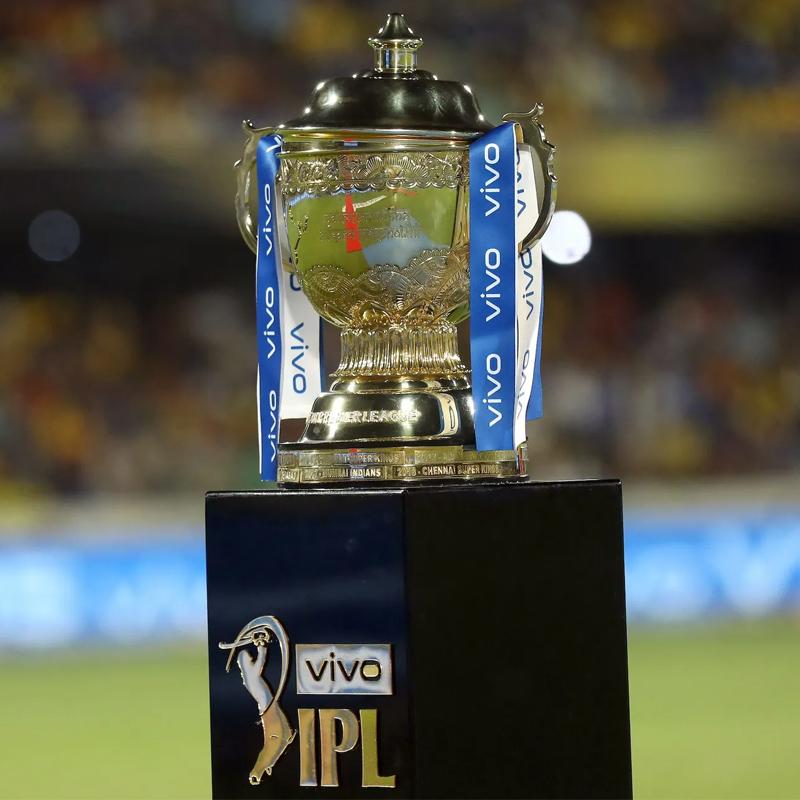
    So it was no surprise, when the much-awaited Indian Premier League (IPL) broke all viewership records after its return last September. The 13th edition of the cash-rich league breathed life into the distressed advertising sector which was hit hard by the extended lockdowns. Eventually when the tournament returned this year in April, the hopes were high. But they came crashing down, when the league had to be suspended midway amid the worsening situation in the country, battling it’s worst ever health crisis.

    While the Board of Cricket Control in India (BCCI) is still looking for another window to finish the rest of the tournaments, advertisers remain optimistic. If the next window is in September later this year, the consumer sentiment will be at its peak, opined DDB Mudra Group Integrated Media country head, managing partner Rammohan Sundaram. The chances of reaching out to a bigger audience will increase as more people are expected to watch. So, it would be more positive for business compared to March, Sundaram added.

    He was speaking at ‘Brands and live sports in the pandemic times’ organised by Indiantelevision.com, moderated by founder, CEO and editor-in-chief Anil Wanvari and attended by Havas Media Group India CEO Mohit Joshi, upGrad India CEO, Arjun Mohan, Mobile Premier League (MPL) corporate development, investors relation SVP Joe Wadakethalakal and DDB Mudra Group Integrated Media country head, managing partner Rammohan Sundaram.

    “It was the right decision to not run IPL 2021 that time, as it would have appeared very tone-deaf,” said upGrad India CEO Arjun Mohan. “By the time it returns, the mood of the nation will change. upGrad can look forward to creating campaigns around it.”

    “Keeping aside the economic situation and the mood of the country in the pandemic, I think the big breach was in regards to the bubble which should not have ideally happened. IPL is not ready to handle the pandemic situation in India,” Sundaram added.

    Havas Media Group India CEO Mohit Joshi also agreed it was a good decision to take off IPL while bio bubble security was already broken. However, he noted that IPL is a very big component of P&L, it builds a strategy for the entire year. Overall, the sports genre is itself important for the agency.

    Mohan also agreed that any brand that is advertising in India cannot ignore sports. Fundamentally, the way upGrad looks at live sports is the reach and width it offers, so it prefers Cricket. The brand has tried multiple other sports too like the English Premier League (EPL) which has very loyal committed fans.

    However, the scale of those sports does not give many reasons for the brand to invest now. When a brand’s objective is to achieve reach through various campaigns, cricket qualifies for now. He also noted that Kabaddi may reach there in the future.

    Mobile Premier League (MPL) corporate development, investors relation SVP Joe Wadakethalakal shared the increasing interest among the e-sports platform to engage with sports that have the broadest reach. So it focuses primarily on cricket for brand-building activities. It also finds value in international cricket if team India is involved.

    Joshi said that he has been fortunate enough to have clients who go beyond Cricket. For example, Tata Motors associated with Kabaddi for its trucks. However, ROI and investment were very different indeed. But even brands invest in other sports, the spends are largely skewed towards cricket.

    “We are planning to launch a sports marketing division. There is a holistic approach that one needs to take to understand what sporting events can deliver,” Sundaram added.

    However, all the experts agreed that brands should be agile in these uncertain times. Rather than planning for the entire year, the agencies and brands should look at a month or even for two weeks. “One has to be short-term focused with a long-term strategy,” Joshi summed up.

  • iProspect India wins digital mandate for AU Small Finance Bank

    iProspect India wins digital mandate for AU Small Finance Bank

    New Delhi: iProspect, the digital-first end-to-end media agency from the house of dentsu India, has won the digital mandate for AU Small Finance Bank, a Scheduled Commercial Bank and Fortune India 500 Company.


    As per the mandate, the agency will handle the entire gamut of digital duties for AU Bank including performance and branding campaigns. iProspect India will utilise its proprietary tools and solutions to help the brand achieve its digital marketing objectives via innovative digital campaigns.


    Commenting on the win, iProspect India, CEO Rubeena Singh said, “We are delighted that our in-depth domain experience of the BFSI sector won us the mandate. We are excited to partner with AU Bank and work towards driving business growth and achieving their brand KPIs. We look forward to delivering our best services to the brand through the intersection of Brand, Tech, Media and Communication.”


    Speaking on the partnership, AU Small Finance Bank executive director, Uttam Tibrewal said, “Over the last few years there has undoubtedly been a fast-track shift towards digital adoption among customers. As a tech-led Bank focused on offering customer-centric solutions, we are continuously working to optimise our customer engagement through digital media. The partnership with iProspect India is an important step in that direction which will strengthen our data-driven approach to digital marketing and media planning.”

  • Justdial appoints Prasun Kumar as CMO

    Justdial appoints Prasun Kumar as CMO

    New Delhi : Justdial has appointed Prasun Kumar as the chief marketing officer. Kumar was previously associated with Magicbricks, where he was the head of marketing, revenue verticals, content and public relations.

    With an experience of over two decades in the industry, Kumar is a marketing expert who has played key role in building several brands.

    Kumar has worked with different companies including Reliance Communications as senior vice president, Sony Mobile Communications as head of marketing and MTS as director brand.

    He has also worked as head of brand activation at Levi’s Strauss, associate director at Madison Communications and manager at McCann Worldgroup.

    His experience includes launching and turning around businesses, building large revenue verticals and driving innovations in the consumer, technology, and content space.

    Justdial, founder and CEO, V.S.S. Mani said, “We welcome Prasun on-board as we build a new exciting future for Justdial. We recently launched our B2B marketplace platform, JD Mart, which has received an overwhelming response both from businesses and users. Prasun and his team shall focus on increasing awareness about JD and JD Mart platforms among every Indian and work towards growing our user base. I am confident that our marketing efforts will drive our growth agenda strongly under Prasun’s experience and leadership.”

    “I am excited to join Justdial. The brand has touched the life of almost every Indian at some point. Its massive scale will give me an opportunity to drive innovation, better consumer experiences and create campaigns to spearhead the growth,” said Kumar on his new role.