Tag: advertisers

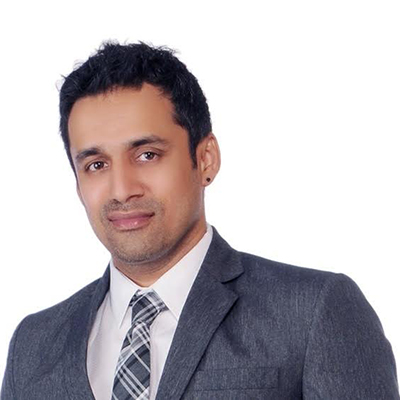
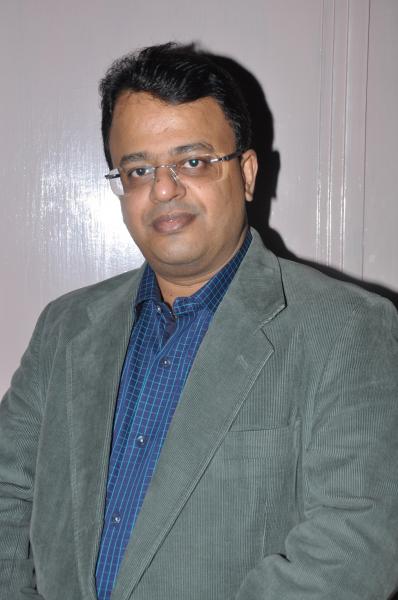
  • Brands betting big on IVM Podcast, share Amit Doshi and Kavita Rajwade

    Brands betting big on IVM Podcast, share Amit Doshi and Kavita Rajwade

    Mumbai: Fueled up by the pandemic and unprecedented lockdown, the audio industry has grown massively over the past two years. According to a listener survey by IVM Podcasts, around 96 per cent tuned in via their phones and saw more women than ever listening to podcasts. 80 per cent of listeners prefer to listen to episodes that are more than 20 minutes long, and serious listeners get about seven-eight hours of listening per week.

    According to a KPMG study, podcast consumption increased by 29.3 per cent in the first year of the pandemic. A survey by Spotify and YouGov says that as of 2021, 50 percent of Indians prefer listening to at least one episode of a podcast every week.

    The PWC Global Entertainment & Media Outlook 2020 study also predicted that India’s podcast listening market, the third-largest globally, is expected to reach Rs 17.61 crore by 2023, growing at a CAGR of 34.5 per cent.

    Following the trend, branded podcasts have emerged as a favorite of advertisers across industries.

    In a conversation with IndianTelevision.com, Pratilipi owned IVM podcasts head Amit Doshi shared why brands should go for a branded podcast. Along with him, IVM co-founder Kavita Rajwade also joined in to highlight the increasing number of advertisers on the platform.

    The growth trajectory of IVM

    Industry estimates show that the podcast industry has grown immensely during the pandemic. Highlighting the growth of IVM, Doshi said, “Like the entire podcast industry, IVM too has grown enormously.”

    “Right now we create content for thirty-five advertisers and are aiming to garner a hundred brands by the end of 2022,” he revealed.

    He added, “during the initial months of the lockdown, IVM registered a drop in listenership but soon audiences were saturated with regular entertainment channels like television, OTT, etc., which led them to discover podcasts.”

    “As soon as they realised that the medium is a perfect resort for infotainment, they couldn’t take a step back which helped the medium grow,” Doshi added.

    Except for FMCG, brands across categories show interest

    At present, IVM has thirty-five advertisers in its bucket. Doshi said, “We have a variety of advertisers working with us. However, we are not specific to a particular niche of brands. We have all kinds of advertisers including fintech, edtech and e-commerce. However, FMCG is one category that is still very hesitant to invest in branded podcasts.”

    Explaining the reason behind the low-interest rates of FMCG brands, he said, “FMCG brands are usually targeting all classes of the society, whereas, the podcast is still not a mass medium. Branded podcasts are limited to educated people, millennials and Gen Z, hence FMCG brands are not open to experimenting in the podcast ecosystem.”

    Audio is no more limited to music only

    Gone are the days when audio was synonymous with music only. Now, audio for Indian listeners is a lot beyond music.

    “There was a time when audio was only about music. Songs were the only option to fill our everyday commutes, long lines at the bank, early morning walks and awkward carpools with insightful and funny stories,” Rajwade said. “But now when it comes to audio-based entertainment, listeners look for podcasts, audiobooks, editorials and other audio options,” she added.

    Content experience is more important than content creation

    Rajwade thinks that it is the content experience that helped them to grow consistently. “To provide the right solutions to the brands, we focus on providing better experiences to our listeners rather than just creating content,” she said.

    “Content creation is our primary job but we focus more on how our content makes the listener feel, because no one remembers the content after listening to it, what stays with them is the experience and feel they get while listening to a particular content,” she explained.

    Immense room for growth

    According to an analysis by market research firm RedSeer, only 12 per cent of the Indian population “had ever listened to a podcast” till 2021. The number indicates that there’s “immense room for growth.”

    In his concluding remarks, Doshi said, “As India has finally started seeing a notable surge in the number of podcast listeners, I see a great opportunity for growth in this industry.”

  • Winners of 2021 Indian Telly Adz Awards announced

    Winners of 2021 Indian Telly Adz Awards announced

    Mumbai: Successful advertising campaigns cannot only power up the brand, but they can stir emotions, and leave a long-lasting impact on viewers, who remember them for years to come. The last few decades have witnessed the launch of some brilliant campaigns, that have now become a part of everyone’s memories.

    It is this incredible talent that Indiantelevision.com attempted to recognise at the Indian Telly Adz Awards 2021. After a rigorous selection process that continued for months, the final list of the winners was announced at a virtual event, here on Friday. Among the winners are agencies and brands that executed some of the most iconic campaigns for Television, and celebrated TV as a proud medium of communication.

    Here are the winners:

    CATEGORY

    WINNERS

    Best Brand Collaboration with FTA Channel

    First Virtual Auditions for Crime Show – QYOU Media (The Q)


    Best Brand Collaboration with Kids Channel

    Disney Imagine That x Byju’s – Disney India


    Best Brand Collaboration with Movies Channel

    Star Gold Pay Online Campaign Star Gold – Star India


    Best Brand Collaboration with Sports Channel

    Mallakhamb Promotional Film, Tokyo 2020 – Mallakhamb – being Creative LLP


    Best Brand Collaboration with GEC Channel (Hindi)

    Tata Intra (Badle Soch Badle Zindagi) Network Integration on Sony – Tata Motors – Sony Pictures Networks India


    Best Brand Collaboration with GEC Channel (Hindi)

    Bingo! Comedy Adda – Season 1 – Disney Star India


    Best Brand Collaboration with GEC Channel (Bengali)

    Explore the “Joy of Cooking” with Fortune – Adani Wilmar – DDB Mudra Max


    Best Brand Collaboration with GEC Channel (Bengali)

    Mithai Launch Campaign – Zee Bangla – Zee Entertainment


    Best Brand Collaboration with GEC Channel (Marathi)

    Exo Bar connected with the genuine Home Minister – Jyothy Laboratories – OMD Mudramax (DDB Mudra Group)


    Best Brand Collaboration with GEC Channel (Malayalam)

    Nestle Munch Onam Campaign – Nestle India – Disney Star India


    Best Brand Collaboration with News Channel

    NDTV Dettol Banega Swasth India, Season 7 – Dettol – Reckitt Benckiser – New Delhi Television Pvt Ltd


    Special Award Best Brand Collaboration with News Channel – Editor’s choice for choosing News as a medium in 2020-21

    Dabur India Ltd

    Starcom


    Best Brand Collaboration with News Channel (editor’s choice)

    Be a Bijli Donor – Luminous – New Delhi Television


    Best Brand Collaboration with News Channel (editor’s choice)

    Gulf Suraksha Bandhan Season 3.0 in partnership with TV9 – Gulf Oil Lubricants India Ltd – OMD Mudramax (DDB Mudra Group)


    Most Iconic TV Campaigns of All Time

    Don’t Worry, It’s Bisleri – Bisleri – 82.5 Communications


    Most Iconic TV Campaigns of All Time

    #NayeRishteNayeVaade – Vedant Fashions Limited – Shreyansh Innovations


    Most Iconic TV Campaigns of All Time

    #TaiyaarHokarAaiye – Vedant Fashions – Shreyansh Innovations


    Most Iconic TV Campaigns of All Time

    Zubaan Pe Sach, Dil Mein India (Sach Dikhate Hai Hum) – NDTV


    Most Iconic TV Campaigns of All Time

    Hari Sadu – Info Edge Media – FCB ULKA


    Most Iconic TV Campaigns of All Time

    Doodh Doodh – Amul (GCMMF) – FCB ULKA


    Most Iconic TV Campaigns of All Time

    Zee Bangla Mother’s Day Campaign 2021 – Zee Entertainment


    Most Iconic TV Campaigns of All Time

    Asli swaad zindagi ka – Mondelez International


    Most Iconic TV Campaigns of All Time

    Surf Excel & Puddlewar– Daag Ache Hain – Unilever


    Most Iconic TV Campaigns of All Time

    Ariel #ShareTheLoad – Procter & Gamble


    Most Iconic TV Campaigns of All Time

    Google Search: Reunion – Google India


    Most Iconic TV Campaigns of All Time

    Mumbai Mirror – I am Mumbai – The Times Group


    Most Iconic TV Campaigns of All Tim

    Gale me khich khich, Vicks ki goli lo! – Procter & Gamble


    Most Iconic TV Campaigns of All Time

    The Dot – Essence of NDTV – NDTV


    Most Iconic TV Campaigns of All Time

    Star Movies Select: Brand Campaign – Star India


    Most Iconic TV Campaigns of All Time

    Oscars 2017 campaign – Star India


    Most Iconic TV Campaigns of All Time

    Surf Excel Lalitaji – Unilever


    Most Iconic TV Campaigns of All Time

    Washing Powder Nirma – Nirma


    Most Iconic TV Campaigns of All Time

    Onida Devil – Onida Electronics


    Most Iconic TV Campaigns of All Time

    Raymond – The Complete Man


    Most Iconic TV Campaigns of All Time

    Fevikwik Fishing – Pidilite Industries


    Most Iconic TV Campaigns of All Time

    Hamara Bajaj- Bajaj Auto


    Most Iconic TVCampaigns of All Time

    La, lalala, la, la, la – Liril – Liril – Hindustan Unilever


    Most Iconic TV Campaigns of All Time

    Vodafone Zoo Zoo – Vodafone Idea


    Most Iconic TV Campaigns of All Time

    Karram Kurram – Shri Mahila Griha Udyog Lijjat Papad


    Most Iconic TV Campaigns of All Time

    I love you Rasna – Rasna


    Most Iconic TV Campaigns of All Time

    Mauka mauka – Star Sports – Star India


  • #Retrace2021: The emergence of new advertiser categories in sports genre

    #Retrace2021: The emergence of new advertiser categories in sports genre

    Mumbai: As LIVE sports returned to Television in full swing in 2021, several new categories of advertisers also dived in to make the most of the opportunity to establish a connect with consumers. From e-pharma, gaming, cryptocurrency to several new-age brands flocked the TV space with a marketing blitz.

    “There is a deep connection between sports and youth, and the latter is undoubtedly among the first adopters of technology. So, no wonder why a plethora of consumer tech brands are dominating the mass sports broadcasting airspace,” says Wunderman Thompson Delhi senior VP and managing partner Joy Chauhan. “For them, the biggest metric of success is how fast they can scale up their brand and operations. Big sporting brands and Bollywood celebrities are just what the media planning doctor ordered for them.”

    Sample this: According to the latest Barc India report, out of the total 4,624 brands that advertised on TV in October, as many as 1,065 were new ones. While legacy brands such as the durables and automobile brands stayed strong, several new ones made splashes with significant increases in investment in the sports sponsorship space.

    According to Pitch Madison Advertising report published in February early this year, ed-tech firm Byju’s spent Rs 400-500 crore in advertising in 2020 while gaming firm Dream11 spent Rs 350-400 crore and My11Circle spent Rs 150-250 crore. The trend continued this year as millions of people tuned into cricket, football, and other sports events throughout the year.

    Despite the pandemic-led disruptions, the sports scene in 2021 saw some big impact properties reigniting the LIVE sports action on Television. From the 14th season of the Indian Premier League (IPL) to ICC T20 World Cup, India-New Zealand series, Indian Super League (ISL), and the Pro Kabaddi League (PKL) – all boosted the presence of new advertisers powering the revenue growth.

    Online gaming, ed-tech, and crypto brands drive Ad-ex

    The contribution of these companies to the overall adex has also been steadily growing each year with new categories such as online gaming and ed-tech driving the adex in 2021.

    According to DDB Mudra Group country head and managing partner – Integrated Media Rammohan Sundaram, new-age consumer tech companies contribute nearly 50-55 per cent of the adex on sports. “Look at the number of brands and their frequency on TV – PayTM, Cred, Upstox, CoinDCX, Byjus, Unacademy, Upgrad, MPL and others have ensured the growth of TV advertising, sponsorship in sports and celebrity endorsements,” he explains. “This is visible not just on TV but also on digital due to the nature of the business of streaming sporting events on devices. My guess is that around Rs 4500-5000 crore come from new-age companies into sports marketing alone.”

    Industry experts also highlight the advantages that an Indian consumer offers especially in terms of consumer loyalty and long-term affinity. With the youngest population in the world, where 65 per cent of the total 1.3 billion are below the age of 35, India is considered the largest market economy in the world.

    Building Mass Reach

    When such a denominator is at play, how does a consumer-tech company build its momentum? It does that by being omnipresent through reach and high frequency, through a medium that still continues to build new audiences outside of the urban population- and that medium is TV. Experts cite this as one of the prime reasons why big brands in e-commerce and other new categories continue to plough millions of dollars on television.

    Going by the consumption patterns of this young audience, and a definite outcome that makes for a wholesome experience, the Sports genre delivers the highest GRPs (gross rating point measuring impact). Thus, making it worthwhile for these new-age companies to bet on so that the required adoption of their products happens in their desired target sets.

    “At least 60 per cent of Unacademy’s advertising spends is allocated to TV to capture the growing internet populace and make them adopt their offerings early so that they can stay locked in for a longer period of time. Most of the loan-to-value (LTV) for such (EdTech) brands is strong because of the number of years these platforms can lock their consumers with high-quality educational content and experience through their product offerings,” says Sundaram. “So even if they have a very high customer acquisition cost, it really doesn’t matter much because eventually they not only recover but make a lot of profit from one customer, leading to an eventually profitable business simply because of the duration a customer stays attached with the brand.”

    That may not hold true for eCommerce, or Crypto, however, which is a different ball game altogether. So, while there may be different consumer behaviours associated with these new-age brand categories, all of it makes media investments in Sports advertising, parking a sizable chunk of their annual ad budget, worthwhile given the sheer size of the addressable audience that is available for these new-age brands in such a large market economy.

    According to dentsu India chief client officer Narayan Devanathan, brands in these categories are the ones which are flush with funds, and they are looking to generate awareness very quickly, backed by a lot of ad spends—and the properties with the most impact for this task are the sports-related ones. “The emergence of these advertisers is so visible is primarily because they have received a disproportionate share of attention and capital from VC firms in this time period. And they are now spending that capital to garner a disproportionate share of attention from their potential customers,” he opines.

    Turning to Social Media for the boost

    Even as Sports continues to attract eyeballs, the ‘new normal’ and digital advancements coupled with the social media expansion have brought new possibilities for brands to increase their visibility and improve their sponsorship message. And this time, with back-to-back IPL and T20 World Cup leagues aligned with the festive season, the brands went all out investing in the sport on TV and OTT platforms to be where their audiences are.

    E-commerce brands were the biggest spenders during the first leg of IPL 2021 in April-May and an increase in the number of fantasy gaming apps were observed during the league, as per HI-CRICKET, a proprietary IP report by Havas Media Group India.

    Digital stock brokerage Upstox recently beat online investment platform Groww to become the official partner of the Indian Premier League (IPL), joining startups such as fantasy sports platform Dream11, e-payments firm Cred and ed-tech startup Unacademy. The latter is also sponsoring the T20 tournament, apart from IPL, and currently working on Olympics and other branded content-led partnerships across different forms of sports, the company disclosed earlier.

    Pro Kabbadi League, which returned after two years on 22 December has online pharmacy platform Netmeds.com and Dream11 as sponsors. Recently e-gaming platform WinZO which aims to build a community of gamers and gaming influencers in Tier 2 to tier 4 cities in India, also secured the principal sponsorships for two major Vivo Pro Kabaddi League (PKL) teams, Bengal Warriors and Gujarat Giants, as well as associate sponsorship for Patna Pirates. Meanwhile, the Indian Super League (ISL) has sponsors including Dream11 and Policybazaar.

    With the year drawing to a close, let’s see how these new-age brands up their game in 2022!

  • Pro Kabaddi League Season 8 returns after two years: What has changed?

    Pro Kabaddi League Season 8 returns after two years: What has changed?

    Mumbai: Pro Kabaddi League, one of the fastest-growing sports franchises in terms of viewership is all set to return on 22 December, after a two-year hiatus, imposed by the pandemic.

    Like sporting events, the league has also undergone format changes owing to Covid-19 protocols. This time, all matches will be played in Bengaluru, sans any LIVE audience to cheer their favourite teams. But, this may not mar the enthusiasm of the fans who have been waiting for the sporting event, say agency experts. The official broadcaster Star Sports Network too has upped its ante and pushed its marketing efforts to regain the viewership that the series enjoyed pre-pandemic.

    Will PKL see a similar resurgence in viewership like the IPL?

    According to the Broadcast Audience Research Council (Barc), the sports genre had 2.4 per cent share in the overall TV viewership before Covid struck. This decreased to 0.7 per cent during the first lockdown, then increased marginally to 0.8 per cent during Unlock period, and grew once again to 4.1 per cent by the end of the year. The Indian Premier League (13th season) that was aired between week 38 and week 45 increased sports viewership by six times compared to previous weeks (week 34-37). (BARC Yearbook 2020)

    “IPL in 2020 had a format shift due to Covid-19, however TV ratings saw an increase by about 50 per cent. One of the major reasons was high TV viewership during pandemic and lockdown. But, the viewership went back to 2019 levels in 2021,” said MediaCom managing partner Vishal Shah.

    It is also significant to note that IPL was the only major sports event that was aired in the pandemic year 2020. Since people were confined to their homes and starved of LIVE sports action, TV viewership increased across genres. While, PKL may not have that advantage, because 2021 has turned out to be a tremendous year for LIVE sports with a packed sporting event calendar, especially in the second half.

    “Looking at the ratings trend this year, the numbers might be slightly lower than what the last season did, as the overall numbers have changed in the past two years,” said dentsu Amplifi India group trading director Sujata Dwibedy. “But, good marketing from the (Star Sports) network, across media is expected. This should pull more viewers.”

    Campaign in full swing

    Star Sports has already kicked off the promotions for the eighth season of PKL roping in M S Dhoni for their ad campaign. More recently, the broadcaster released a regional ad film playing up the opening match of PKL between Telugu Titans and Tamil Thalaivas on 22 December. The promo featured movie star Naga Chaitanya, indicating that the marketing efforts are in full swing.

    “In 2019, PKL witnessed 50-55 per cent growth in viewership from the previous season across different audiences and markets,” observed MediaCom managing partner Vishal Shah.

    Kabaddi being a homegrown sport, the league has enormous support and viewership from the Tier II and III towns. PKL viewership base largely comes from markets like Andhra Pradesh/Telangana (32 per cent) followed by Maharashtra/Goa (24 per cent), Karnataka (12 per cent) and Punjab, Haryana, Himachal Pradesh, Jammu Kashmir (seven per cent) and Kerala (five per cent), as per the BARC data.

    The viewership for PKL is much more evenly spread out according to dentsu’s Dwibedy. “It is not necessary that only people from the hinterland and Tier II towns have been viewing it (PKL), it has its loyal fans across demographics and across audiences but is skewed towards males,” she added.

    No LIVE audience at this year’s spectacle

    This year PKL will be missing LIVE audiences and will shed the caravan style format. Instead, all teams will play at a single location in Bengaluru. Looking back at IPL last year, media planners suggest that format changes will have little to no impact on the viewership of the tournament. Mashal Sports has also announced that triple headers will be played on all Saturdays which may have a positive impact on the viewership over weekends.

    New categories of advertisers likely

    Ad rates and sponsorship for PKL are likely to see a premium in proportion to the growth in audiences that the event saw in 2019.

    According to dentsu’s Dwibedy, brands who found cricket very expensive but want to still associate with some impactful property will be looking to partner with PKL, along with brands who genuinely see a fit with PKL and want to amplify their presence through the series. “We could also see some new categories of advertisers emerging as sponsors,” she added.

    “The other opportunity is also to do with the season and timing, IPL has always been a popular choice for summer brands whereas PKL is happening in a period that will attract winter seasonal brands,” said Mediacom’s Shah.

    Categories such as e-sports, e-pharmacy, auto, telecom, beverages, mobile handsets, paan masala, deodorants, paints, and cement have consistently been associated with the tournament and are expected to do the same this year.

  • PubNation summit 2021: Tracking the next big surge

    PubNation summit 2021: Tracking the next big surge

    Mumbai: The last 18 months saw the publishing industry adapting to several new trends, leading the way to new business models and use of the latest technology. Data became the new currency, and aggressive efforts were made to mine this data to gauge the audience behaviour that also went through a constant change during this unprecedented time.

    So, when digital publishers, advertisers, brands and technology providers came together at this year’s PubNation summit 2021 organised by Indiantelvision.com these evolutionary changes became the centre of the discussion.

    Publishers & tech platforms shared their learnings from the year gone by and weighed in on the major growth drivers for digital publishing which lead to higher stickiness for the users and more revenue for the platforms. Dentsu Creative Group India CEO Amit Wadhwa spoke about the rise of digital which has in fact proved to be a ‘saving grace’ for the industry in the past couple of years.

    HT Digital Streams chief content officer Prasad Sanyal spoke about reinventing business models, the changing workflows and tapping into the opportunity of education and video. While HT has completely shifted its focus to pivot to a digital-first approach, Sanyal said the next six to eight months will be crucial in determining the outcomes of those decisions.

    The panellists also discussed how most publishers today have data analytical teams, and a lot of the decisions are becoming data-driven, and focussed on ‘audience-in’ approach. Network18 Media and Investment Ltd CEO-Digital and president – corporate strategy, Dentsu Publicis Media Services CEO Tanmay Mohanty and Firework India CEO Sunil Nair were among the other key panelists.

    Mohanty highlighted how it has become imperative for publishers to share their data, so brands can plan their reach better. He also spoke about the price and efficiency one can then deliver to the client, by moving away from the walled gardens and creating a sustainable media ecosystem. 

    Firework’s Nair talked about the opportunity that LIVE commerce provides to ecommerce that is beginning to show promise in India. “Vertical video, swipeable video, shoppable video are far more engaging and we are seeing enough traction out there in terms of sales that’s happening,” he said.

    Another session on ‘Personalisation and Monetisation through technology’ witnessed insightful discussion among representatives from InMobi, MAAS, Simplilearn, PayNearby, KreditBee and ShipRocket on the new revenue opportunities. While personalisation is crucial to creating user-centric experiences, the challenge lies in monetising it effectively through technology by creating targeted experiences to the viewers. Indian Television Dot Com founder CEO & editor-in-chief Anil Wanvari set the ball rolling by asking his panellists to share one tech innovation that they found exciting in the recent past.

    KreditBee CMO Ishan Bose said the data-driven approach where they identify variables from the user’s different data sources and based on that allocate scores to the users has been a game-changer. “This has helped in amplifying the reach basis the personalisation of credit and improve the quality of lending,” he added. MAAS chief data and platforms officer Vipul Kedia discussed the omnipresence of data and how the ability to generalise data across various channels will be the driving force for advertisers going forward.

    Inmobi director Microsoft advertising business Rohit Dosi said, “The data is out there. But it is ultimately up to the brand or the user on how much deep down personalisation they want. Publishers are open to working with brands to help them figure out their data strategy, but it’s finally the decision of the brands and users on the level of data privacy they want.”

    PayNearby head-products Nilesh Halde talked about the marginalised set who are not highly prevalent on the digital platform- whose presence is limited to “ABC – Astrology, Bollywood and Cricket”. To target these sets of people who are rarely on social media platforms will be a challenge for brands. “Publishers need platforms to reach out to these people. Definitely an opportunity lies there. We also need to look at Bharat, rather than only India,” he said.

    “There needs to be a balance between privacy and personalisation,” the panelists agreed, highlighting that the key is to make the user believe his privacy is not being invaded. While Content will keep evolving, short-format video content will continue to hold forth in the coming years too, the panelists agreed.

    Another session on ‘Audience behaviour and publishers’ saw representatives from Kantar, OutBrain, Taboola, Toppr and ABP discussing the key trends that have dominated the industry over the past year based on the changing consumer behaviour. The panellists also discussed the new technologies that are bringing ad-tech platforms and digital publishers together to reach more audiences. 

    EMBED: https://indiantelevision.com/events/pubnation-summit-2021/

  • HUL is top advertiser in week 41: Barc

    HUL is top advertiser in week 41: Barc

    Mumbai: FMCG major Hindustan Lever Ltd was the top advertiser in Broadcast Audience Research Council (Barc) week 41 (from 9-15 October) delivering ad volumes of 5025.96 (‘000s), higher than last week’s 4779.73. With 3501.67 (‘000s) Reckitt Benckiser (India) Ltd was at the second position and Cadbury India Ltd (960.27) latched on to the third spot.

    Godrej Consumer Products Ltd, Brooke Bond Lipton India Ltd, Amazon Online India Pvt Ltd, Ponds India, ITC Ltd, TVS Motor Company, and Procter & Gamble bagged the remaining positions.

    Among the brands, HUL’s Horlicks with 489.37 (‘000s) was most advertised in week 41. It was followed by Amazon.in, Dettol Toilet Soaps, Harpic Power Plus 10X Max Clean, Lalithaa Jewellery, Dettol Antiseptic Liquid, Clinic Plus Shampoo, Lizol, Nykaa, and Moov Pain Balm, in that order.

    Lalithaa Jewellery and Nykaa were new entrants to the list.

  • Nearly 40 % readers discontinued newspapers during pandemic, shows Havas Media report

    Nearly 40 % readers discontinued newspapers during pandemic, shows Havas Media report

    Mumbai: Covid-19 proved to be a game-changer for Print as a medium in India. The multiple waves of the pandemic and the subsequent lockdowns disrupted the production and distribution of newspapers and magazines across the country. Yet, despite the lack of readership data and interrupted circulations, Print emerged as one of the most credible sources of information for most consumers, brands, and marketers, during these volatile times, found Havas Media Group in its latest research.

    The Group released its latest whitepaper bolstering its focus on investing in – Meaningful Media – “Media That Matters”. The report attempts to decode the effectiveness of print as a medium and the shifts in readership behaviour during the pandemic.

    According to the report, close to 40 per cent of the readers discontinued newspaper subscriptions during the pandemic, mainly due to factors such as the risk of infection and change in media consumption patterns. However, the time spent reading newspapers increased significantly, especially in the age group of 41-50 years.

    Approximately, 15 per cent of the readers shifted to regional or vernacular publications, on the heels of trust and tenability, giving way to some interesting trends. For instance, in the South, nearly 60 per cent of readers sought Print as a medium to gain more knowledge, while in the West, around 33 per cent of consumers read newspapers to find local news, according to the report.  

    The report also reveals that there was a huge uptake of news apps. Around 57 per cent of the respondents of this study use news apps. Apart from being a daily habit, some of the top reasons for reading newspapers continues to be gaining more knowledge, staying updated about current affairs and improving language skills. Content related to science & technology, global affairs, and health remained some of the preferred and most-read sections following general news.

    While Television and Social Media were found to be the most credible source of news, print followed closely at the third position.

    The research involved Stratified Random Sampling from YouGov’s proprietary panel which consists of over 2,00,000 active panelists in India, aged between 21-50 years, male and female with a current subscription to at least one daily newspaper spread across 14 key cities in India.

    Print drives highest efficacy for automobile industry

    “A category-wise deep dive on the effectiveness of the medium for advertisers and marketers revealed that Print plays a key role in influencing brand perception, from Quality to Price to Trust, especially within the Automobile category,” says the report.

    Some of the findings specific to the auto category revealed that Print has the highest effectiveness in driving brand awareness, of nearly 55 per cent for first car intenders. For repeat intenders, Print helps drive brand preference across the funnel. Car advertisements were the second most recalled after mobile phones (higher amongst repeat intenders).

    Maruti, Hyundai and Tata Motors ranked highest among the most recalled auto brands. Consumers paid higher attention to advertisements in newspapers, and only 10 per cent skipped them.

    Apart from the auto industry, Print continues to be the preferred source of medium to drive efficacy for other categories like smartphones, finance, and education as well. And even though the print medium saw a dip in readership, owing to the pandemic, the consumer expectation continues to grow stronger in newspapers in terms of content and not just news.

    “This is the resurgence story of Print in India,” said Havas Media Group, head of strategy, Sanchita Roy said, “With the onset of the pandemic in 2020, the Print sector suffered a huge loss especially on the back of the cancellation of subscriptions and other reasons. Hence, it became pertinent to understand not only the consumer shifts that was happening in the media ecosystem but also understand if Print continued to be as effective as before in impacting business outcomes. Despite the short-term de-growth, Print is back with a bang. It continues to be one of the most trusted and credible mediums that helps influence brand perception.”

  • The Q’s client list has grown 6 times since its launch on DD Free Dish: CEO Simran Hoon

    The Q’s client list has grown 6 times since its launch on DD Free Dish: CEO Simran Hoon

    Mumbai: Since its launch in December 2017, growing the channel’s distribution has been a top priority for The Q. Realising the potential of small-town India for which television is still either the only or main source of entertainment, the media start-up hopped on to DD Free Dish in March-April and the numbers thereafter are a testimony to the plan’s success.

    Earlier this year, the Company issued a statement declaring that it has “reached its 2021 goal of distribution to 100 Million TV Households as a result of launching on both DD Free Dish and Dish TV in April. The Q India has gone live to 50 million additional TV homes in the month of April.”

    As regards GRPs – the vital metric used to project revenue growth – The Q recorded the highest-ever GRP of 53 in Barc Week 21 (June) in addition to an eight-week average of 46.23, indicating it’s heading into the big league of channels. Buoyed by the growth the ‘start-up’ is gradually expanding into a full-fledged network. It has also ventured into content production with the first TV original ‘Jurm Ka Chehra’ launching in September.  

    While the figures speak for themselves, Indiantelevision.com decided to decode the recent developments on the creative, business, and organisational front in a candid interaction with The Q CEO- Simran Hoon who joined the Company in April. With over two decades of experience in the industry having worked for leading brands including Viacom18, ZEEL, STAR, and SET, Hoon is responsible for driving The Q’s overall growth and vision. The marathoner and animal lover CEO charts the brand’s trajectory post coming on to DD Free Dish.

    Programming for a Changing Audience

    From VOD to DTH and now DD Free Dish, the path trodden by The Q has been quite unlike any other in the Hindi GEC space. Yet, says Hoon the “journey became more interesting April onwards, since launching on DD Free Dish.” Previously, the channel’s programming was targeted at an urban audience, but with the footprint expanding into the hinterland, the content evolved into a more massy and family-inclusive tone. “The moment we came on to DD Free Dish we had to address the big households in Tier 1 and 2 towns without antagonising the urban viewer who obviously has a lot in common with the smaller towns; the differentiation is more pronounced in the minds of the marketers.”

    The change has translated into a preponderance of shows such as ‘Yo-Yo Yogesh’ and ‘Baklol’ over the likes of ‘Tantra by Vikram Bhatt’ and ‘Living in Trends’ (LIT) in the content mix.

    Through all the experimenting with family-oriented shows and now with content production, the channel has been able to successfully uphold its brand ethos of ‘Zara Hat Ke’ and having a ‘social element’ in all its programming. While other players in the FTA space are running repeat content consisting mostly of family dramas that are over a year old, The Q has no plans of going the ‘saas-bahu way’ which according to Hoon is suited for an older audience. “Though finally family-inclusive, we have stuck to our core TG of 15 to 35-year-olds and the promise of offering them more fun, differentiated and easy kind of programming. Our content is carefully curated to suit all age groups,” she shares adding that comedy is a big genre on the channel now.

    Since its launch as an independent advertiser and influencer-marketing-supported Hindi youth entertainment channel, The Q has been redefining TV to mean ‘social’ by delivering digital programming to the medium. For the unorthodox FTA player, the description of ‘Connected TV’ entails not just a connection to the internet, but to the network of people as well. Going forward, even as the Company steps up original production, it will ensure a social connect for all its content. Sharing an example, Hoon reveals, “The casting for our upcoming crime show ‘Jurm Ka Chehra’ was done on ‘Chingari’ (the short video app). In the future, the audience will see a lot of stuff where we bring social to TV.”

    The Advertising Windfall

    Hoon shares that as a brand offering fresh (on TV) content, The Q has not faced the problem of discounted ad rates like other FTA players, and now, with the steady growth in viewership post launching on DD Free Dish, there has been an increase in advertiser onboarding, awareness and acceptance of the channel.

    From around five clients in the first quarter of CY 2021, the numbers have grown six times to include 30 advertisers in the current list. “The mainstay of the FTA channels is FMCG, but we have a lot more e-commerce, pharma, and digital payment companies coming in, even as our client list continues to grow further,” shares Hoon.

    In order to service the increasing demand, the Company hired Ashish Kotekar as head of ad sales for South & West regions in May, and Pankaj Rai for North & East in August. The channel also has plans to go regional, but for now, the focus will be on the HSM.

    Recently, The Q and Chtrbox (an influencer marketing platform acquired by The Q in June) announced the launch of an integrated marketing platform BharatBox which will deliver integrated advertising solutions across linear and digital platforms to marketers, thus maintaining the channel’s ‘social DNA’ even on the business front. “It’s a unique proposition where we will be offering to brands integrated advertising solutions that synergise the reach of social media influencers with The Q’s TV reach.  BharatBox will reach out to tier 2 and 3 towns,” Hoon elaborates.

    Future-ready

    Moving ahead from content and business, The Q has a lot of action happening on the organisational front as well. In addition to Krishna Menon’s elevation as the COO in May, and the new hires for ad sales, the Company appointed Sujata Samant as head of marketing this month. It is pertinent to note here that The Q has not launched any extensive marketing campaigns till now. Further, a distribution consultant and HR head were brought on board recently.

    Hoon credits Tanya Shukla, the programming head, for bringing the brand to where it stands today in that context. Shukla has been in the role for a year now. Giving an understanding of the Company’s overall vision, Hoon remarks, “We are in the process of maturing from a small operating company, a start-up that we still are, to a full-fledged organisation. More people are starting off in different roles and departments even as we speak right now. The recognition that The Q has got has been a little overwhelming for us, but with the right elements in place, we are ready to be seen as a ‘network for the future.”

  • KBC returns with a bevy of sponsors for its 13th edition

    KBC returns with a bevy of sponsors for its 13th edition

    Mumbai: Sony Entertainment Television (SET)’s iconic quiz show – ‘Kaun Banega Crorepati’ has returned with its 13th season on Monday. The show’s creators have stepped up the game with a bevy of sponsors backing the show hosted by megastar Amitabh Bachchan.

    With the second wave ebbing away, and ad volume returning on TV, the broadcasters are optimistic of a better show than the 2020 edition which was marred by the Covid-induced challenges. First, the show had to be shot in absence of a LIVE audience, and second, the ad rates reeled under the pressure of an economy battered by the pandemic’s first wave. It’s telecast also clashed with the 2020 edition of Indian Premier League (IPL), which had witnessed a record viewership in the pandemic year.

    For the latest edition which began airing on Sony TV on 23 August, the quiz show has on boarded two ‘co-presented by’ sponsors including Cadbury Dairy Milk and BYJU’s and four ‘co-powered by’ sponsors including Hyundai Motor India, Asian Paints Royale Glitz, Ultratech Cement and Zydus Wellness (Complan). Last year, it had only roped two ‘co-powered by’ sponsors and seven ‘associate’ sponsors.

    This year’s ‘associate’ sponsors include CERA, Pharmeasy, IDFC First Bank, LIC of India, Bharat Matrimony, and Reserve Bank of India which has come on board as ‘special partner’. The four sponsors including Asian Paints, Ultratech Cement, IDFC First Bank, LIC of India and Reserve Bank of India were associated with “KBC” for the previous season as well. The audience too has returned to the sets, however, the shooting is happening as per Covid protocols.

    According to a media planner, the entire sponsorship basket for “KBC 13” is covered within a window for Rs 30-60 crore, with the ad rates ranging from Rs 3 to 4.5 lakh per 10 seconds. The show has also roped in Acko General Insurance as ‘co-presented by’ and Asian Paints Royale Glitz as ‘décor partner’ for KBC Play Along, a game where viewers can also participate in the game show via OTT platform SonyLIV.

    The streaming platform SonyLIV is also exploring deals with advertisers for the show by offering custom packages and engagement initiatives such as KBC Play Along. “The CPM rates vary depending on the targeting, category, size of investment one may choose, ranging from Rs 180-240”, said Zenith, senior vice president – digital transformation, Rashmi Sehgal.

    “SonyLIV has one of the most dynamic non-fiction reality line-ups and this ensures a keen interest from advertisers for a partnership. Their unique proposition of marrying the show with digital engagement properties like Play Along make it appealing. This has attracted advertisers, across FMCG to digital first brands, to help them reach more than 100 million digital natives,” she added.

    The latest data from Broadcast Audience Research Council (Barc) also indicates an uptick in the ad volume on Television. According to its latest report, the ad volumes for July 2021 registered a 14 per cent growth over July 2020. As many as 869 new advertisers chose Television in July 2021, re-affirming their trust in the medium.

    The expectations are also bolstered by the massive vaccination drive across the country, which is also likely to boost consumer sentiments. While there are still apprehensions of another Covid wave, the advertisers have expressed confidence of a ‘stronger festive season’ in 2021.

    However, similar to last year, the current edition of the quiz show will also end up competing with IPL, which is set to resume on 19 September. As many as 30 matches are still to be played in the current season, which was suspended mid-way in May. The cricket league will be followed by the ICC Men’s T20 World Cup in October.

    “Post Covid, the ratings and performance of impact shows have increased dramatically and KBC should be riding on top of it to attract many sponsors,” said DCMN India, head of media and growth, Mohit Gyanchandani. “KBC has always been a top choice for sponsors in terms of impact and lands exactly on the touch point to deliver fresh content and high ratings to the advertiser. This season has made some small changes in the overall format which would make it more fun and interesting to watch.”

  • 50+ brands advertise on SonyLIV for India’s tour of England

    50+ brands advertise on SonyLIV for India’s tour of England

    Mumbai: SonyLIV’s livestream for India tour of England attracted more than 50 advertisers including Acko General Insurance, Swiggy, Apple, CoinSwitch Kuber, Betway, Vimal Paan Masala, Abbott, TVS Tyres, Housing.com, Intel, FreshToHome, Rummy Culture, Amazon Prime Video, Accenture, and Digit Insurance, Castrol, Apollo 24*7, MRF, 188Bet, Fairplay, and NPCI among others.

    The three remaining Test matches will air on 25 August, 2 September, and 10 September.

    “As we progress from one international sporting event to another, we continue to witness an overwhelming response not only from viewers but also from advertisers,” said SonyLIV, senior vice president and head of ad revenue, Ranjana Mangla. “At SonyLIV, we remain committed to adding unique value to the respective brands and enable advertisers to get their desired reach. For India’s tour of England, we succeeded in retaining multiple brands, which reiterates our commitment to fulfil the demands of our growing partnerships. Extraaa Innings/Studio Show integrations are a great way to build stronger connect with relevant audience for the brands.”

    “SonyLIV has a noteworthy mix of entertainment and sports content that reaches our core audience on a grand scale. Therefore, Swiggy has partnered with SonyLIV extensively in recent years – the platform has consistently driven visibility and engagement for us. We are sure that the India vs England series association will bring in great RoI thanks to the significant audience interest around the series,” said Swiggy, director marketing, Umesh Krishna.

    “Our association with SonyLIV on Euro 2020 and now India vs England, has helped Acko build strong affinity in the OTT audience across our key markets of Mumbai, Bangalore and Delhi,” said Acko, chief marketing officer, Ashish Mishra. “Our property called ‘ACKO Insurer Of The Day’ further helps drive brand connect. The association has helped drive brand awareness and a stronger recall amongst sports enthusiasts.”