Tag: advertisements

  • 133 news and non-news pay channels violated adcap rule in 1st quarter

    133 news and non-news pay channels violated adcap rule in 1st quarter

    NEW DELHI: While the adcap case continues to drag with no sign of an early hearing, a study shows that a total of 133 pay channels including 30 news and current affairs channels continue to violate the regulations for telecasting a maximum of twelve minutes of advertisements and commercials per hour.

    The report released today by the Telecom Regulatory Authority of India for the period from 28 December to 27 March shows that the number of violators has come down marginally from 149 during the three months ending 27 December.

    While there has been a very miniscule increase in the violators among news channels from 28 top 30, there is a sharp fall in non-news channels from 121 to 103 as on 27 March.

    Average duration per hour of Advertisements (commercial and self promotional) during peak hours (7pm ‐ 10 PM) in Pay News Channels for the period 28 December to 27 March shows that the highest of these was 24.83 minutes by ETV Rajasthan and the lowest was 12.15 minutes by Times Now.

    Among pay non-news channels for the same period, the highest was 23.41 minutes by B4U Movies (which had topped the list in December last year as well) and the lowest was 12.04 by Odiosha TV’s Tarang.

    There are at least sixteen news and 24 non-news channels clocking more than fifteen minutes per hour.

    TRAI has made it clear that ‘the information is based on the data submitted by the broadcasters and TRAI bears no responsibility for correctness of same. As per information available with TRAI, the rest of the Pay News and non-news channels are carrying less than 12 minutes of average duration per hour of advertisements (Commercial & Self promotional) during peak hours (7PM – 10 pm)’.

    While asking TRAI not to take any coercive action against any channel pending hearing of the case in the first hearing almost two years earlier, the Delhi High Court had asked all channels and TRAI to keep a record of the advertising time consumed including commercials.

    The petition had been filed by the News Broadcasters Association and some channels challenging the TRAI decision to implement the directive of 12 minutes contained in the Cable Television Networks (Regulation) Act 1995. The Information and Broadcasting Ministry and TRAI are the respondents in the petition.

    After the Information and Broadcasting Ministry told the Court on 27 November that it was discussing the issue with broadcasters, the matter was put off to 11 February and then to 29 March. In the 11 February hearing, Discovery Communications moved for intervention while Home Cable sought early hearing.

    In its intervention MSO Home Cable Network (P) Ltd said it wanted to intervene as it was directly affected by the outcome of the present petition. It wanted the NBA petition to be dismissed and added: “The Pay channel broadcasters are profiteering at the expense of subscribers and the DPO’s. There is no justification for changing monthly subscription when commercial advertisements are inserted. The Standards of Quality of Service (Digital Addressable Cable TV Systems) Regulations 2012 (with Amendments thereafter) is justified to the extent they are applicable to Pay Channels. The pay channel broadcasters cannot charge the subscription fee while inserting commercials into the content or in the alternative, the subscribers have to be compensated for the revenue earned on the basis of their being subscribers of the channels.”

    Interestingly, I and B Minister Arun Jaitley had in January last year said that he was in favour of any ad cap in the print or electronic media.

    In the petition, the news channels have taken the plea that most of them are free to air and therefore do not get any subscription fee from the viewers as the GEC channels do.
  • SC rejects Star appeal on sharing sports signals with DD

    SC rejects Star appeal on sharing sports signals with DD

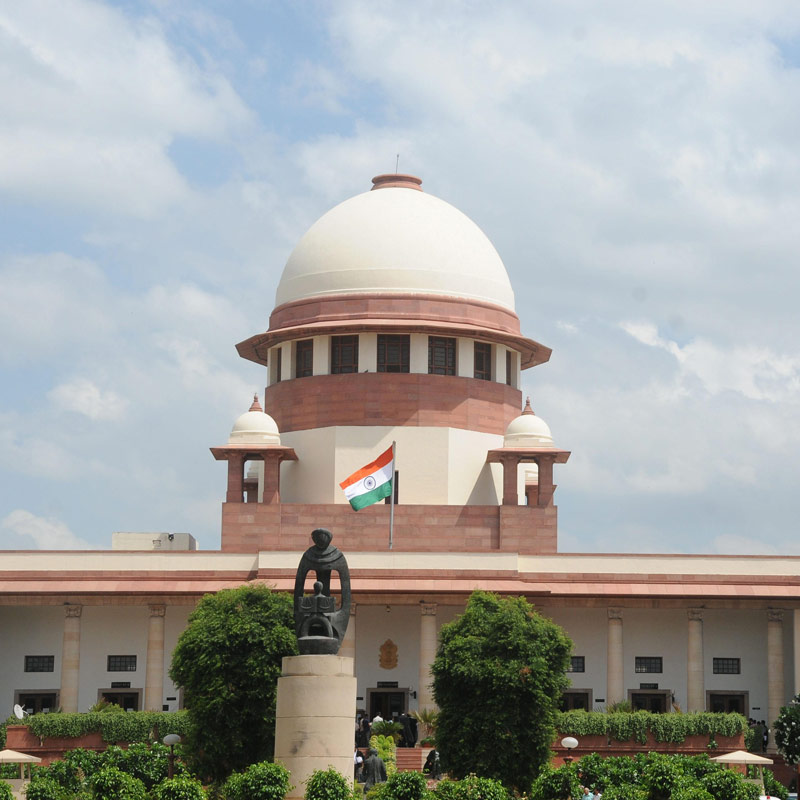
    NEW DELHI: The Supreme Court today upheld the contention by Prasar Bharati that enhancements embedded in the sports feed shared by sports channels with Doordarshan were commercial advertisements.

    Rejecting a special leave petition by Star India against a Delhi High Court order which had gone in favour of Prasar Bharati, The apex Court also held that the prohibition in Section 3 of the Sports Broadcasting Signals (Mandatory Sharing with Prasar Bharati) Act 2007 (Sports Act) is not only against advertisements of the broadcast service provider but also those of the content rights owner and holder.

    The Court said the word ‘its’ in Section 3 of the Act refers to the the content rights owners, holder and broadcast service provider. Therefore it was immaterial as to who inserted the enhancements. Under the Act the signal to be provided had to be free of advertisements.

    The Sports Act is clear that live signals of sporting events of national importance have to be shared by the content rights owners or holders and broadcast service providers with Prasar Bharati without advertisements. Furthermore, a clean feed is to be provided.

    Prasar Bharati in its petition in the High Court had claimed that the feed being provided contained commercial enhancements. But Star took the plea that the commercial enhancements were not advertisements and the enhancements were in any case being inserted by International Cricket Council.

    Star also said the prohibition in Section 3 of the Sports Act was only against advertisements of the broadcast service provider (Star) and not those of the content rights owner (ICC). It claimed that the word ‘its’ in Section 3 of the Act only referred to the broadcast service provider and not the content rights owner.

    While senior counsel Abhishek Manu Singhvi had appeared for Star Sports, Prasar Bharati was represented by Attorney General Mukul Rohatagi.

    Taking up the case in Febuary last year, Justice Ranjan Gogoi and Justice Prafulla C Pant had said ‘we are of the view that the interim order passed earlier to the effect that the impugned order dated 4 February of the High Court shall remain suspended should continue until further orders.’

    The Court had at that time said it was ‘not inclined’ to consider the suggestion made by Star Sports that Doordarshan should set up an extra/special channel which has been contended by Prasar Bharati to be unviable and technically unfeasible within any reasonable period of time.

    On the second suggestion about ‘putting up a scroll to the effect that ‘the channel displaying the sports event (concerned ICC World Cup 2015 matches) is meant only for Doordarshan’, the Court said ‘acceptance of the said suggestion would be understanding the provisions of Section 3 of the Sports Act 2007 and Section 8 of the Cable Television Networks (Regulation) Act 1995 in a particular manner which is not warranted at this stage of the proceedings. We, therefore, decline to accept the said second suggestion advanced on behalf of the respondents.’

    Star India had in an additional affidavit at the time said that it was losing around Rs 290 crore every year by sharing its sports signals with Doordarshan and was expecting to lose around Rs 120 crore by sharing the telecast of the World Cup this year. (Under the Sports Act, the rights holder gets 75 per cent of the revenue from the telecast on DD which keeps the balance 25 per cent.)

    The Delhi High Court had declined to set aside the must carry clause as well as the Sports Act in its judgment.

  • SC rejects Star appeal on sharing sports signals with DD

    SC rejects Star appeal on sharing sports signals with DD

    NEW DELHI: The Supreme Court today upheld the contention by Prasar Bharati that enhancements embedded in the sports feed shared by sports channels with Doordarshan were commercial advertisements.

    Rejecting a special leave petition by Star India against a Delhi High Court order which had gone in favour of Prasar Bharati, The apex Court also held that the prohibition in Section 3 of the Sports Broadcasting Signals (Mandatory Sharing with Prasar Bharati) Act 2007 (Sports Act) is not only against advertisements of the broadcast service provider but also those of the content rights owner and holder.

    The Court said the word ‘its’ in Section 3 of the Act refers to the the content rights owners, holder and broadcast service provider. Therefore it was immaterial as to who inserted the enhancements. Under the Act the signal to be provided had to be free of advertisements.

    The Sports Act is clear that live signals of sporting events of national importance have to be shared by the content rights owners or holders and broadcast service providers with Prasar Bharati without advertisements. Furthermore, a clean feed is to be provided.

    Prasar Bharati in its petition in the High Court had claimed that the feed being provided contained commercial enhancements. But Star took the plea that the commercial enhancements were not advertisements and the enhancements were in any case being inserted by International Cricket Council.

    Star also said the prohibition in Section 3 of the Sports Act was only against advertisements of the broadcast service provider (Star) and not those of the content rights owner (ICC). It claimed that the word ‘its’ in Section 3 of the Act only referred to the broadcast service provider and not the content rights owner.

    While senior counsel Abhishek Manu Singhvi had appeared for Star Sports, Prasar Bharati was represented by Attorney General Mukul Rohatagi.

    Taking up the case in Febuary last year, Justice Ranjan Gogoi and Justice Prafulla C Pant had said ‘we are of the view that the interim order passed earlier to the effect that the impugned order dated 4 February of the High Court shall remain suspended should continue until further orders.’

    The Court had at that time said it was ‘not inclined’ to consider the suggestion made by Star Sports that Doordarshan should set up an extra/special channel which has been contended by Prasar Bharati to be unviable and technically unfeasible within any reasonable period of time.

    On the second suggestion about ‘putting up a scroll to the effect that ‘the channel displaying the sports event (concerned ICC World Cup 2015 matches) is meant only for Doordarshan’, the Court said ‘acceptance of the said suggestion would be understanding the provisions of Section 3 of the Sports Act 2007 and Section 8 of the Cable Television Networks (Regulation) Act 1995 in a particular manner which is not warranted at this stage of the proceedings. We, therefore, decline to accept the said second suggestion advanced on behalf of the respondents.’

    Star India had in an additional affidavit at the time said that it was losing around Rs 290 crore every year by sharing its sports signals with Doordarshan and was expecting to lose around Rs 120 crore by sharing the telecast of the World Cup this year. (Under the Sports Act, the rights holder gets 75 per cent of the revenue from the telecast on DD which keeps the balance 25 per cent.)

    The Delhi High Court had declined to set aside the must carry clause as well as the Sports Act in its judgment.

  • Committee set up to monitor Government advertisements in accordance with Supreme Court directions

    Committee set up to monitor Government advertisements in accordance with Supreme Court directions

    NEW DELHI: A three-member committee headed by former chief election commissioner B.B. Tandon is to address issues related to Content Regulation in government advertising.

    The Information & Broadcasting ministry has set up the committee in compliance with the Supreme Court directions dated 13 May 2015 and the other members are News Broadcasters Association President and the editor-in-chief of India TV Rajat Sharma, and Ogilvy & Mather executive chairman and creative director, South Asia Piyush Pandey.

    The three member committee was selected by a three member panel constituted by ministry after obtaining advice from the Law ministry. The selection panel for constitution of the committee was headed by Press Council of India chairman Chandramauli Kumar Prasad.

    The terms of reference of the committee has been prepared by the I&B ministry in consultation with the Law ministry which includes the structure, functions and powers, duties and responsibilities of the committee. The Supreme Court had given the direction for ironing out the creases that are bound to show from time to time in implementation of the judgement of the apex court on Content Regulation of Government Advertising.

    Under the terms of reference, the committee would address complaints from the general public of violation on the implementation of the guidelines set out by the Supreme Court.

    The committee would also take suo motu cognizance of any violation / deviation of the guidelines of the Supreme Court and recommend corrective action to the ministry /department.

    The committee may recommend suitable changes to the Supreme Court guidelines to deal with new circumstances and situations that may arise from time to time, without making major policy changes within the policy direction of Supreme Court. The committee shall not be bound by any legal rules of evidence and may follow such procedure that appears to it to be fair and proper for swift settlement of grievances. For all decisions of the committee, the view of majority would prevail.

    The tenure of the members would be initially for a period of two years which shall be extendable by one year at a time, but overall extension should not be more than two times. The committee would be operational from Delhi and the Directorate of Advertising and Visual Publicity would facilitate day to day functioning of the committee.

  • Committee set up to monitor Government advertisements in accordance with Supreme Court directions

    Committee set up to monitor Government advertisements in accordance with Supreme Court directions

    NEW DELHI: A three-member committee headed by former chief election commissioner B.B. Tandon is to address issues related to Content Regulation in government advertising.

    The Information & Broadcasting ministry has set up the committee in compliance with the Supreme Court directions dated 13 May 2015 and the other members are News Broadcasters Association President and the editor-in-chief of India TV Rajat Sharma, and Ogilvy & Mather executive chairman and creative director, South Asia Piyush Pandey.

    The three member committee was selected by a three member panel constituted by ministry after obtaining advice from the Law ministry. The selection panel for constitution of the committee was headed by Press Council of India chairman Chandramauli Kumar Prasad.

    The terms of reference of the committee has been prepared by the I&B ministry in consultation with the Law ministry which includes the structure, functions and powers, duties and responsibilities of the committee. The Supreme Court had given the direction for ironing out the creases that are bound to show from time to time in implementation of the judgement of the apex court on Content Regulation of Government Advertising.

    Under the terms of reference, the committee would address complaints from the general public of violation on the implementation of the guidelines set out by the Supreme Court.

    The committee would also take suo motu cognizance of any violation / deviation of the guidelines of the Supreme Court and recommend corrective action to the ministry /department.

    The committee may recommend suitable changes to the Supreme Court guidelines to deal with new circumstances and situations that may arise from time to time, without making major policy changes within the policy direction of Supreme Court. The committee shall not be bound by any legal rules of evidence and may follow such procedure that appears to it to be fair and proper for swift settlement of grievances. For all decisions of the committee, the view of majority would prevail.

    The tenure of the members would be initially for a period of two years which shall be extendable by one year at a time, but overall extension should not be more than two times. The committee would be operational from Delhi and the Directorate of Advertising and Visual Publicity would facilitate day to day functioning of the committee.

  • ASCI upholds complaints against Balaji Telefilms, Viacom 18, Patanjali, Coca Cola, Facebook, Amazon.in, TOI

    ASCI upholds complaints against Balaji Telefilms, Viacom 18, Patanjali, Coca Cola, Facebook, Amazon.in, TOI

    MUMBAI: In January 2016, ASCI’s Consumer Complaints Council (CCC) upheld complaints against 51 out of 102 advertisements. Out of 51 advertisements against which complaints were upheld, 13 belonged to the education category, 12 to the food & beverages category, followed by 11 in the healthcare category, 6 in the eCommerce category and 9 advertisements from other categories.

    Balaji Telefilms The suggestive scenes in the movie promo showing “two men and women on the beach” are indecent, vulgar and repulsive, which, in the light of generally prevailing standards of decency and proprietary, will cause grave and widespread offence to general public.  

    Viacom18 Media Private Limited (Bigg Boss 9) The TV promo advertisement, depicting the protagonists wearing shoes in a temple is likely to cause grave and widespread offence.

    Patanjali Ayurved Limited (Youvan Gold Plus): The claims on pack of Youvan Gold Plus, ‘An authentic powder booster Ayurvedic Medicine useful in physical & sexual weakness which improves libido, vigour & vitality, sexual power. Keeps you always healthy, energetic & gives you total satisfaction of married life’, were not substantiated and imply that the product is meant for enhancement of sexual pleasure, which is in breach of the law as it violates the Drugs & Magic Remedies Act.

    Patanjali Ayurved Ltd. (Patanjali Pure Cow’s Ghee): The reference to ‘Keratin’ content in Cow’s milk in the advertisement was found to be an error. The word Keratin was used instead of ‘Carotene’ and the claim ‘Scientific fact: Cow’s milk contains Keratin’ was incorrect.

    Patanjali Ayurved Ltd. (Patanjali Atta Noodles): The claim in the advertisement, ‘Oil Free’ was not substantiated and is misleading by implication.

    Coca-Cola India Pvt. Ltd. (Coca-Cola Zero): The disclaimer in the advertisement of Coca-Cola Zero was not as per the size stipulated in the ASCI Guidelines for Supers. It was concluded that disclaimer in the advertisement is not clearly legible.  The advertisement contravened the ASCI Guidelines on Supers. 

    Facebook India (Facebook Free Basics): The claim in the advertisement, ‘Free Basics is at risk of being banned’ was considered to be misleading by exaggeration. Further, the claim in the advertisement, ‘Through a trial of Free Basics by Facebook, Ganesh learnt new farming techniques that doubled his crop yield’, the farmer’s interview / testimonial is not an adequate substantiation for the claim quantifying doubling of crop yield directly attributable to the Free Basics trial by the farmer. Also, it was not conclusively proven what the crop yields were prior to Ganesh using internet and post using Free Basics trial.  Using an individual testimonial without any claim support data, while reaching out to consumers at large, was considered to be misleading by implication and exaggeration. Also, in the absence of any disclaimer to that effect, the reference to the claim in the advertisement, ‘benefits of Free Internet’ was misleading by ambiguity.

    Amazon.in: The discrepancy between the specification declared on the Amazon.com web-site for AdraxxCrosman Roof Prism Binoculars, and the specification mentioned on the product visual led to the conclusion that the advertisement is misleading.

    The Times of India: The claim in the advertisement, ‘Presenting India’s most challenging school quiz.’ was not substantiated by providing comparative data versus other contests of similar nature to support how this quiz is better in the challenge level and the claim of the ‘Most’ challenging quiz.

  • ASCI upholds complaints against Balaji Telefilms, Viacom 18, Patanjali, Coca Cola, Facebook, Amazon.in, TOI

    ASCI upholds complaints against Balaji Telefilms, Viacom 18, Patanjali, Coca Cola, Facebook, Amazon.in, TOI

    MUMBAI: In January 2016, ASCI’s Consumer Complaints Council (CCC) upheld complaints against 51 out of 102 advertisements. Out of 51 advertisements against which complaints were upheld, 13 belonged to the education category, 12 to the food & beverages category, followed by 11 in the healthcare category, 6 in the eCommerce category and 9 advertisements from other categories.

    Balaji Telefilms The suggestive scenes in the movie promo showing “two men and women on the beach” are indecent, vulgar and repulsive, which, in the light of generally prevailing standards of decency and proprietary, will cause grave and widespread offence to general public.  

    Viacom18 Media Private Limited (Bigg Boss 9) The TV promo advertisement, depicting the protagonists wearing shoes in a temple is likely to cause grave and widespread offence.

    Patanjali Ayurved Limited (Youvan Gold Plus): The claims on pack of Youvan Gold Plus, ‘An authentic powder booster Ayurvedic Medicine useful in physical & sexual weakness which improves libido, vigour & vitality, sexual power. Keeps you always healthy, energetic & gives you total satisfaction of married life’, were not substantiated and imply that the product is meant for enhancement of sexual pleasure, which is in breach of the law as it violates the Drugs & Magic Remedies Act.

    Patanjali Ayurved Ltd. (Patanjali Pure Cow’s Ghee): The reference to ‘Keratin’ content in Cow’s milk in the advertisement was found to be an error. The word Keratin was used instead of ‘Carotene’ and the claim ‘Scientific fact: Cow’s milk contains Keratin’ was incorrect.

    Patanjali Ayurved Ltd. (Patanjali Atta Noodles): The claim in the advertisement, ‘Oil Free’ was not substantiated and is misleading by implication.

    Coca-Cola India Pvt. Ltd. (Coca-Cola Zero): The disclaimer in the advertisement of Coca-Cola Zero was not as per the size stipulated in the ASCI Guidelines for Supers. It was concluded that disclaimer in the advertisement is not clearly legible.  The advertisement contravened the ASCI Guidelines on Supers. 

    Facebook India (Facebook Free Basics): The claim in the advertisement, ‘Free Basics is at risk of being banned’ was considered to be misleading by exaggeration. Further, the claim in the advertisement, ‘Through a trial of Free Basics by Facebook, Ganesh learnt new farming techniques that doubled his crop yield’, the farmer’s interview / testimonial is not an adequate substantiation for the claim quantifying doubling of crop yield directly attributable to the Free Basics trial by the farmer. Also, it was not conclusively proven what the crop yields were prior to Ganesh using internet and post using Free Basics trial.  Using an individual testimonial without any claim support data, while reaching out to consumers at large, was considered to be misleading by implication and exaggeration. Also, in the absence of any disclaimer to that effect, the reference to the claim in the advertisement, ‘benefits of Free Internet’ was misleading by ambiguity.

    Amazon.in: The discrepancy between the specification declared on the Amazon.com web-site for AdraxxCrosman Roof Prism Binoculars, and the specification mentioned on the product visual led to the conclusion that the advertisement is misleading.

    The Times of India: The claim in the advertisement, ‘Presenting India’s most challenging school quiz.’ was not substantiated by providing comparative data versus other contests of similar nature to support how this quiz is better in the challenge level and the claim of the ‘Most’ challenging quiz.

  • Govt. considering ways to check hoax calls and their sensationalization on electronic media: Rathore

    Govt. considering ways to check hoax calls and their sensationalization on electronic media: Rathore

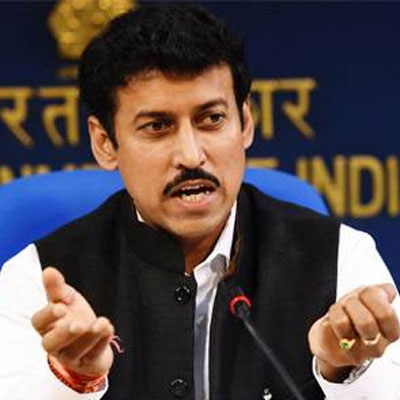
    New Delhi, 20 March: The Government is examining ways to ensure that hoax calls about planting of bombs etc and sensationalizing of such news by the electronic media can be checked.

    Minister of State for Information and Broadcasting Rajyavardhan Rathore said in reply to a question in the Rajya Sabha recently that the matter was ‘under consideration’.

    The question also related to the I and B Ministry planning concrete steps in consultation with the Home Ministry in this regard.

    In response to a similar question relating to anti-India messages on television channels asked in the Lok Sabha, the Minister said action is taken whenever any report is received by the Ministry about any anti-India messages.

    He stressed that programmes and advertisements telecast on private satellite TV channels are governed by the Programme and Advertising Codes prescribed under the Cable Television Network (Regulation) Act 1995 and the rules framed thereunder.

    The Act does not provide for pre-censorship of the programmes and advertisements aired on these channels. However, all these channels are required to adhere to the Programme and Advertisement codes which provide for a whole range of parameters to be adhered to for programmes on TV channels.

    Rule 6(1) of the Proqramme Code is clear that no programme should be transmitted/retransmitted on any cable service if it contains attack on religions or communities or visuals or words contemptuous of religious groups or which promote communal attitudes.

  • Govt. considering ways to check hoax calls and their sensationalization on electronic media: Rathore

    Govt. considering ways to check hoax calls and their sensationalization on electronic media: Rathore

    New Delhi, 20 March: The Government is examining ways to ensure that hoax calls about planting of bombs etc and sensationalizing of such news by the electronic media can be checked.

    Minister of State for Information and Broadcasting Rajyavardhan Rathore said in reply to a question in the Rajya Sabha recently that the matter was ‘under consideration’.

    The question also related to the I and B Ministry planning concrete steps in consultation with the Home Ministry in this regard.

    In response to a similar question relating to anti-India messages on television channels asked in the Lok Sabha, the Minister said action is taken whenever any report is received by the Ministry about any anti-India messages.

    He stressed that programmes and advertisements telecast on private satellite TV channels are governed by the Programme and Advertising Codes prescribed under the Cable Television Network (Regulation) Act 1995 and the rules framed thereunder.

    The Act does not provide for pre-censorship of the programmes and advertisements aired on these channels. However, all these channels are required to adhere to the Programme and Advertisement codes which provide for a whole range of parameters to be adhered to for programmes on TV channels.

    Rule 6(1) of the Proqramme Code is clear that no programme should be transmitted/retransmitted on any cable service if it contains attack on religions or communities or visuals or words contemptuous of religious groups or which promote communal attitudes.

  • ASCI upheld complaints against 62 out of 97 ads in Dec

    ASCI upheld complaints against 62 out of 97 ads in Dec

    MUMBAI: In December 2014, the Advertising Standard Council of India’s (ASCI) Consumer Complaints Council (CCC) upheld complaints against 62 out of 97 advertisements.

    Out of 62 advertisements against which complaints were upheld, 40 belonged to personal and healthcare category, followed by the education category with 11 advertisements.

    The CCC found the following claims in health and personal care product or service advertisements of 40 advertisers to be either misleading or false or not adequately/scientifically substantiated and hence violating ASCI’s Code. Some of the health care products or services advertisements also contravened provisions of the Drug & Magic Remedies Act and Chapter 1.1 and III.4 of the ASCI Code.

    Complaints were upheld against Procter & Gamble Home Products (Pantene Total Damage Care Shampoo & Conditioner) as the advertisement of Pantene Total Damage Care Shampoo & Conditioner claims that 3,50,00,000 women got the proof of Pantene’s Split-end protection. The figure of repeat usage of 3,50,00,000 users substantiated by the survey does not prove that the users actually got the proof of Pantene’s split-end reduction.

    Similarly, the ad of Super Height claims to be the best medicine, which increases height speedily, with two times faster results than usual. They claim to be an ayurvedic medicine made completely of herbs, to increase one’s height by up to five inches in three months, with full money refunded if no benefits are found. It also claims to be the “World’s No.1 product which increases height with speed now in India after Japan, China, America and Russia.”   

    General Mills India (Pillsbury Fridge Cheesecake) advertisement of Pillsbury Fridge Cheesecake disparages a healthy diet of vegetable salads as the advertisement states “sada hua salad.”

    In the education category, CCC found following claims in the advertisements by 11 different advertisers were not   substantiated and, thus, violated ASCI guidelines for advertising of educational institutions. For instance, the advertisement of Career Launcher claimed “No.1 CAT test series program,” “Closest to CAT Test series – on the new CAT pattern,” “Best rated test series by students,” “True percentile predictor enabled test series,” “CL was also the only player to predict accurately the change in pattern and the even the likely dates!”, were not substantiated.

    Advertisements of news channels also caught CCC eye. TV18 Broadcast (CNN-IBN) ad depicts a see-saw, which has CNN-IBN at one side shown with a big number 1, out weighing all the other channels depicted with numbers 2, 3, 4 and 5 on the other side of the see-saw. The CCC concluded that the negative portrayal of image of other channels is misleading by implication and disparaging to other competitor channels. Also, the advertisement claims that News X is India’s No.1 English News Channel. The source and date of the research / assessment for the claim was not indicated in the ad.