Tag: Advertisement

  • Sun TV posts improved y-o-y numbers for Q2-17

    Sun TV posts improved y-o-y numbers for Q2-17

    BENGALURU: Sun TV Network Limited (Sun TV) reported improved numbers across all important parameters for the quarter ended 30 September 2016 (Q2-17, current quarter) as compared to the corresponding year ago quarter (Q2-16).

    Sun TV reported 10.4 per cent higher year-over-year (y-o-y) revenue in the current quarter at Rs 625.49 crore as compared to Rs 567.55 crore in Q2-16.

    Revenue growth in Q2-17 was led by a 17 per cent y-o-y increase in subscription revenue at Rs 228.55 crore from Rs 195.32 crore, and a two per cent y-o-y increase in advertisement revenue at Rs 309.43 crore as compared to Rs 302.93 crore.

    The company’s Profit after tax or PAT improved 21.7 per cent y-o-y to Rs 270.35 crore (43.2 per cent margin) as compared to Rs 222.07 crore (39.1 per cent margin).

    Sun TV EBIDTA in the current quarter was Rs 466.32 crore (74.6 per cent EBIDTA margin), 8.3 per cent higher as compared to Rs 430.52 crore (75.9 per cent EBIDTA margin) in Q2-16.

    Total Expenditure (TE) in the current quarter increased 3 per cent to Rs 262.20 crore (41.9 per cent of TIO) as compared to Rs 254.61 crore (44.9 per cent of TIO) in the corresponding quarter of the previous year.

    Employee Remuneration and Benefits Expense (EBE) in Q2-17 increased 21.2 per cent to Rs 71.83 crore (11.5 per cent of TIO) as compared to Rs 59.27 crore (10.4 per cent of TIO) in Q2-16.

    Other expenses (OE) in the Q1-17 was 9.7 per cent higher at Rs 36.01 crore (5.8 per cent of TIO) as compared to Rs 32.83 crore (5.8 per cent of TIO) in the corresponding quarter of the previous year.

    IPL Franchisee Sun Risers Hyderabad

    Sun TV has paid franchisee fees for its IPL team SunRisers Hyderabad (SRH) of Rs 85.48 crore in Q1-17 as compared to Rs 85.05 crore in the first quarter of FY-16.

    The results of the half year ended 30 September 2016 (HY1-17) include IPL revenue of Rs 143.90 crore as compared to Rs 96.5 crore in HY1-16 and expenses of Rs 175.02 crore and Rs 143.25 crore for HY1-17 and HY-16 respectively.

    Note: The unit of currency in this report is the Indian rupee – Rs (also conventionally represented by INR). The Indian numbering system or the Vedic numbering system has been used to denote money values. The basic conversion to the international norm would be:
    (a) 100,00,000 = 100 lakh = 10,000,000 = 10 million = 1 crore.
    (b) 10,000 lakh = 100 crore = 1 arab = 1 billion.

  • Sun TV posts improved y-o-y numbers for Q2-17

    Sun TV posts improved y-o-y numbers for Q2-17

    BENGALURU: Sun TV Network Limited (Sun TV) reported improved numbers across all important parameters for the quarter ended 30 September 2016 (Q2-17, current quarter) as compared to the corresponding year ago quarter (Q2-16).

    Sun TV reported 10.4 per cent higher year-over-year (y-o-y) revenue in the current quarter at Rs 625.49 crore as compared to Rs 567.55 crore in Q2-16.

    Revenue growth in Q2-17 was led by a 17 per cent y-o-y increase in subscription revenue at Rs 228.55 crore from Rs 195.32 crore, and a two per cent y-o-y increase in advertisement revenue at Rs 309.43 crore as compared to Rs 302.93 crore.

    The company’s Profit after tax or PAT improved 21.7 per cent y-o-y to Rs 270.35 crore (43.2 per cent margin) as compared to Rs 222.07 crore (39.1 per cent margin).

    Sun TV EBIDTA in the current quarter was Rs 466.32 crore (74.6 per cent EBIDTA margin), 8.3 per cent higher as compared to Rs 430.52 crore (75.9 per cent EBIDTA margin) in Q2-16.

    Total Expenditure (TE) in the current quarter increased 3 per cent to Rs 262.20 crore (41.9 per cent of TIO) as compared to Rs 254.61 crore (44.9 per cent of TIO) in the corresponding quarter of the previous year.

    Employee Remuneration and Benefits Expense (EBE) in Q2-17 increased 21.2 per cent to Rs 71.83 crore (11.5 per cent of TIO) as compared to Rs 59.27 crore (10.4 per cent of TIO) in Q2-16.

    Other expenses (OE) in the Q1-17 was 9.7 per cent higher at Rs 36.01 crore (5.8 per cent of TIO) as compared to Rs 32.83 crore (5.8 per cent of TIO) in the corresponding quarter of the previous year.

    IPL Franchisee Sun Risers Hyderabad

    Sun TV has paid franchisee fees for its IPL team SunRisers Hyderabad (SRH) of Rs 85.48 crore in Q1-17 as compared to Rs 85.05 crore in the first quarter of FY-16.

    The results of the half year ended 30 September 2016 (HY1-17) include IPL revenue of Rs 143.90 crore as compared to Rs 96.5 crore in HY1-16 and expenses of Rs 175.02 crore and Rs 143.25 crore for HY1-17 and HY-16 respectively.

    Note: The unit of currency in this report is the Indian rupee – Rs (also conventionally represented by INR). The Indian numbering system or the Vedic numbering system has been used to denote money values. The basic conversion to the international norm would be:
    (a) 100,00,000 = 100 lakh = 10,000,000 = 10 million = 1 crore.
    (b) 10,000 lakh = 100 crore = 1 arab = 1 billion.

  • Banjara’s latest ad calls out on racist mindset in advertising

    Banjara’s latest ad calls out on racist mindset in advertising

    MUMBAI: Indian’s obsession with fairer skin dates back to immigrants, conquerors and rulers from the west with fairer skin lauding it over the `local’ or native Indians which later got defined into a caste system where dalits or ‘untouchables’ often had much darker skin than the upper castes. The innate implication is that if you have fair skin, you are somewhat superior to others around you. Most of the well-known FMCG companies are encashing upon this paranoia which is deep-rooted in our culture. Such advertisements encourage the notion that a fair girl is the definition of a beautiful girl, and that this skin color would ensure that she goes through a hassle free marriage and fulfill her every dream.

    To enhance it’s positioning of being known for its natural range of hair and skin care products, Banjara’s supports a movement against colour bias in India called ‘#proud of my colour.’

    Commenting on the communication objective behind the new campaign, Banjara’s  MD Ramesh Vishwanathan said, “We wanted to change the perception that fair skin does not mean beauty. A woman should feel gorgeous in her natural skin color. The focus of skin products should be on healthy skin and not skin lightening. The highlight of this short film will be to educate people to get over their unhealthy obsession about fairness.”

    The campaign comprises a film that focuses on how most often the pressure to be “fairer” really begins at home. It captures the concerns and apprehensions that older family members have about skin colour, especially when it comes to their daughters and marriage. Many things both desirable and not so desirable start at home says Prabhakar of India/2 who scripted and directed the film meant for a largely internet audience.

    A second film that captures the affinity of advertisers both large and small to only portray “fair girls” in their advertising is next on the cards. It will take on the need to look beyond colour at talent and achievement, and for that matter at the need to see beauty itself beyond color.

    Sharing his views on the creative thought process, Krishna Mohan, India/2 said, “We learnt a lot from the movement against colour bias that we launched #proudofmycolour. We built a community of almost 2 Lakhs in a period of just 4 months. And the support we got from our “mavens of colour” be it the girl next door (in their hundreds) or celebrities like Padma Lakshmi, Radhika Nair, Nidhi Sunil has been astonishing”. Many of the insights from the #proudofmycolor campaign went into making of the film for Banjara’s Skin +ive. Perhaps this explains why the Ad has resonated with audiences across the country and has recorded more than 3 million hits in under a week.

    The music composed by Dr. Divakar Subramaniam is built around the theme; you can’t judge beauty by colour, and specially created to enhance the desired message. The film has been shot by INDIA/2 Productions and will play on prominent online mediums and cinemas as part of its outreach plans. The strategic promotion of the film on the internet has been crafted by Manish Sinha and Arvind Jha of ParikshaLabs.

  • Banjara’s latest ad calls out on racist mindset in advertising

    Banjara’s latest ad calls out on racist mindset in advertising

    MUMBAI: Indian’s obsession with fairer skin dates back to immigrants, conquerors and rulers from the west with fairer skin lauding it over the `local’ or native Indians which later got defined into a caste system where dalits or ‘untouchables’ often had much darker skin than the upper castes. The innate implication is that if you have fair skin, you are somewhat superior to others around you. Most of the well-known FMCG companies are encashing upon this paranoia which is deep-rooted in our culture. Such advertisements encourage the notion that a fair girl is the definition of a beautiful girl, and that this skin color would ensure that she goes through a hassle free marriage and fulfill her every dream.

    To enhance it’s positioning of being known for its natural range of hair and skin care products, Banjara’s supports a movement against colour bias in India called ‘#proud of my colour.’

    Commenting on the communication objective behind the new campaign, Banjara’s  MD Ramesh Vishwanathan said, “We wanted to change the perception that fair skin does not mean beauty. A woman should feel gorgeous in her natural skin color. The focus of skin products should be on healthy skin and not skin lightening. The highlight of this short film will be to educate people to get over their unhealthy obsession about fairness.”

    The campaign comprises a film that focuses on how most often the pressure to be “fairer” really begins at home. It captures the concerns and apprehensions that older family members have about skin colour, especially when it comes to their daughters and marriage. Many things both desirable and not so desirable start at home says Prabhakar of India/2 who scripted and directed the film meant for a largely internet audience.

    A second film that captures the affinity of advertisers both large and small to only portray “fair girls” in their advertising is next on the cards. It will take on the need to look beyond colour at talent and achievement, and for that matter at the need to see beauty itself beyond color.

    Sharing his views on the creative thought process, Krishna Mohan, India/2 said, “We learnt a lot from the movement against colour bias that we launched #proudofmycolour. We built a community of almost 2 Lakhs in a period of just 4 months. And the support we got from our “mavens of colour” be it the girl next door (in their hundreds) or celebrities like Padma Lakshmi, Radhika Nair, Nidhi Sunil has been astonishing”. Many of the insights from the #proudofmycolor campaign went into making of the film for Banjara’s Skin +ive. Perhaps this explains why the Ad has resonated with audiences across the country and has recorded more than 3 million hits in under a week.

    The music composed by Dr. Divakar Subramaniam is built around the theme; you can’t judge beauty by colour, and specially created to enhance the desired message. The film has been shot by INDIA/2 Productions and will play on prominent online mediums and cinemas as part of its outreach plans. The strategic promotion of the film on the internet has been crafted by Manish Sinha and Arvind Jha of ParikshaLabs.

  • This IPL season, O&M goes ‘Pyar Jingalala’ for Tata Sky

    This IPL season, O&M goes ‘Pyar Jingalala’ for Tata Sky

    MUMBAI Tata Sky has rolled out its latest campaign showcasing its multiple products and services. The integrated campaign was launched alongside the ninth edition of Indian Premier League (IPL) 2016.

    Titled ‘Pyar Jingalala’, the advertisements in the campaign bring to life beautiful moments of love Tata Sky can re kindle among couples in all walks of life and across towns. The plethora of services available to a Tata Sky subscriber are woven into small yet multiple stories of couples experiencing moments of love thanks to their Tata Sky connection.

    “The idea was to take brand love a step further by highlighting the role Tata Sky plays in the lives of people across the country. How its innovative services and offerings help couples connect with each other better as they sit in front of their Tata Sky box for their daily dose of entertainment,” says Tata Sky chief communications officer, Malay Dikshit.

    Ogilvy and Mather creative director Sukesh Nayak says, “The campaign is based on a powerful insight that every day, couples across the country tune in to watch their favourite programs together. We used this insight to come up with an campaign idea that celebrates the love that Tata Sky helps rekindle every single day. The challenge was to bring alive the magical moments of love, rekindled through Tata Sky, through minimal scripting, with expressions taking center stage in each story.”

    Tata Sky is also rolling out South Indian versions of the campaign soon in Tamil, Telugu, Kannada and Malayalam. The campaign brings brilliant actors, some known (Patralekha, Rahul Bagga, Manish Chaudhry) some forgotten faces (Suchitra Krishnamoorthy, Vishwa Badola) on screen. These being a series of ad films throughout the IPL, watch out for the next addition to this bouquet of love.

  • This IPL season, O&M goes ‘Pyar Jingalala’ for Tata Sky

    This IPL season, O&M goes ‘Pyar Jingalala’ for Tata Sky

    MUMBAI Tata Sky has rolled out its latest campaign showcasing its multiple products and services. The integrated campaign was launched alongside the ninth edition of Indian Premier League (IPL) 2016.

    Titled ‘Pyar Jingalala’, the advertisements in the campaign bring to life beautiful moments of love Tata Sky can re kindle among couples in all walks of life and across towns. The plethora of services available to a Tata Sky subscriber are woven into small yet multiple stories of couples experiencing moments of love thanks to their Tata Sky connection.

    “The idea was to take brand love a step further by highlighting the role Tata Sky plays in the lives of people across the country. How its innovative services and offerings help couples connect with each other better as they sit in front of their Tata Sky box for their daily dose of entertainment,” says Tata Sky chief communications officer, Malay Dikshit.

    Ogilvy and Mather creative director Sukesh Nayak says, “The campaign is based on a powerful insight that every day, couples across the country tune in to watch their favourite programs together. We used this insight to come up with an campaign idea that celebrates the love that Tata Sky helps rekindle every single day. The challenge was to bring alive the magical moments of love, rekindled through Tata Sky, through minimal scripting, with expressions taking center stage in each story.”

    Tata Sky is also rolling out South Indian versions of the campaign soon in Tamil, Telugu, Kannada and Malayalam. The campaign brings brilliant actors, some known (Patralekha, Rahul Bagga, Manish Chaudhry) some forgotten faces (Suchitra Krishnamoorthy, Vishwa Badola) on screen. These being a series of ad films throughout the IPL, watch out for the next addition to this bouquet of love.

  • Q2-2016: TRAI Report: YoY and QoQ Radio ad revenue up 23 per cent

    Q2-2016: TRAI Report: YoY and QoQ Radio ad revenue up 23 per cent

    BENGALURU:  The radio industry in India has reported the highest advertisement revenue so far for the quarter ended September 30, 2015 (Q2-2016) as per the latest TRAI report. Advertisement revenue in Q2-2016 reported to TRAI by 236 radio stations was Rs 481.56 crore, or Rs2.04 crore per station. The ad revenue per station reported in Q2-2016 increased 23.17 per cent year-on-year (YoY) as compared to Rs 1.66 crore in (Rs 399.26 crore reported by 241 radio stations) Q2-2015 and 23.81 per cent quarter-on-quarter (QoQ) as compared to Rs 1.65 crore (Rs 393.9 crore reported by 239 radio stations) in the immediate trailing quarter.

    Before Q2-2016, the previous highest ad revenue was Rs 443.17 crore reported by 241 radio stations in Q3-2015 orRs 1.84 crore per station.

    Note (1): (a)100,00,000 = 100 lakh = 10 million = 1 crore

    (b) The author has taken the liberty to introduce a measure – average revenue per radio station. This is a rough yardstick and may not necessarily be indicative of a station or a networks performance, because factors such as geography and market conditions within the area of operations are among many that will also determine performance.

    (c) This report is skewed more towards general financial numbers in terms of revenue and results, and not operational performance.

    Trends across 18 consecutive quarters (four fiscal years, plus two quarters of the current fiscal)

    Please refer to Fig A below – Ad revenue per station has been calculated based on combined ad revenue figures disclosed by TRAI across 18 consecutive quarters starting Q1-2012 until Q2-2016. During the period, in general, ad revenue from radio stations shows an increasing linear trend as is indicted by the broken black trend line. Over the financial years 2012, 2013, 2014 and 2015, it has been noted that ad revenue increases in the following order from lowest to highest – Q1, Q2, Q4, Q3. It may be noted that in fiscals 2012 and 2013 ad revenue per station was actually higher in Q4 than Q3, but in fiscals 2014 and 2015, it was highest in Q3.

    Fig B below shows how ad revenues have changed YoY and QoQ since Q1-2013 until Q2-2016 (across 14 quarters). During this periodboth the YoY and QoQincrease was highest in Q2-2016 at approximately 23 per cent plus each. The previous highest YoY increase was Q2-2014 at 21.31 per cent, while the previous highest QoQ increase was Q3-2013 at 18.85 per cent. While there has never been a YoY decline, in the case of QoQ, revenues have declined in Q1-2013, Q1-2014, Q4-2014, Q1-2015, Q4-2015 and Q1-2016, hence further substantiating the above observations that Q1 of a financial year generally has the lowest ad revenue in a fiscal, while Q3, which is the festival quarter in India, has the highest ad revenue. Further, the QoQ drop in Q4 was not steep, and hence Q4 over the past two fiscals has the next highest ad revenues.

    For the year ended March 31, 2015 (FY-2015), the numbers reported by the radio industry for the year were the probably the best (indiantelevision link, radioandusic link) until then. Despite an 8.88 percent QoQ (quarter on quarter) fall in average ad revenue per station in Q1-2016, the ad average revenue per station of Rs 1.65 crore was the best yet for the first quarter over a period of 4 years. In Q1-2015, YoY ad revenue grew 11.90 percent as compared to Q1-2014.Combined with the great Q2-2016 numbers, historical trends indicate that FY-2016 could be an even better year in terms of average revenue per station and overall revenues.

    As per the latest TRAI data, the sum of average ad revenues per station for the first two quarters of 2016 at Rs 3.69 crore is already 54.4 per cent of the average ad revenue per station of Rs 6.78 crore for fiscal 2015. As mentioned above, Q1 and Q2 generally report the lowest and second lowest ad revenues respectively in a financial year. Results reported by a few companies for the third quarter ended 31 December 2015 (Q3-2016) indicate that YoY and QoQ revenues have risen.  Add to this the revenue of the new stations acquired in phase III auctions if/once they start operations in the fourth quarter, the radio industry should report substantial revenue increases from FY-2016 onwards.

    Let us look at how a few radio networks performed.

    Note (2):  (a) This report considers PAT posted by 2 radio companies (ENIL – Radio Mirchi, 32 radio stations; JagranPrakashan – Radio City – 20 radio stations), along with operating results of DB Corp (My FM, 17 stations); B. A.G. Films (Radio Dhamaal, 10 stations); HT Media (Fever FM, 4 stations); and TV Today (Oye! FM, 6 stations), or a total of 6 radio networks that represent 89, or 36.63 percent of the 243 private FM radio stations in Q2-2016.

    (b) The Q3-2016 numbers of individual players in this report have been obtained from their filings with regulatory bodies, the TRAI number for Q3-2016 has been extrapolated and could prove to be inaccurate.

    (c)Revenues for the sample stations mean Total Income from Operations and generally include ad revenue and other operating revenues.

    (d) Phase III and other radio stations acquisitions: ENIL has received permission from the Ministry of Information & Broadcasting (MIB) to acquire 4 stations from TV Today Network Limited (Oye! FM), viz., those at Amritsar, Patiala, Shimla and Jodhpur – which the company says have been/will be re-branded and re-launched shortly as Mirchi, adding to its North India network strength. With another 7 stations acquired in phase III auctions, the core Mirchi brand will now be available in 43 cities. There are/will be a total of 39 FM radio stations that JagranPrakashan Limited currently has. This includes the existing 20 radio stations plus 11 stations acquired in phase III auctions and 8 radio stations under the brand Radio Mantra.  Radio Mantra was earlier operated by Shri Puran Multimedia, Jagran’s promoter group. Besides, the group also runs a web radio network with 21 web radio streams under Planetradiocity.com.  During the Phase III auctions, DB Corp (My FM) acquired 14 frequencies, through which MY FM will extend its presence to seven states and 30 cities with 31 stations. HT Media acquired 10 radio frequencies during phase III auctions, taking its total radio stations to 14. However these changes are not considered here, for this report pertains to the period before all the new stations have started operations.

    (e) In mid-December 2015, Radio Mirchi added two more station, those at Amritsar and Patalia. It is presumed by the author that the addition of these two mare station brought in no significant addition to income to Radio Mirchi in Q3-2016, hence Radio Mirchi’s revenue per station has been calculated on the basis of 32 stations in this paper for that quarter. However, actual facts could be different.

    Entertainment Network India Limited (ENIL) that operates brand Radio Mirchi is the only separately listed radio company in India and one of the most profitable ones by far. It must be noted that in Q2-2016, ENIL’s revenue made up 50.6 per cent of the combined revenue of the six entities in this paper. In Q3-2016, ENIL contributed to 51.6 per cent of combined revenues. Other stations/radio brands of consequence, whose results are within the public domain have been considered in this report.

    Please refer to Fig C below. It may be noted that the figure of Rs2.30 crore in blue for All India ad revenue per station is a projection based on certain assumptions made by the author, and could be incorrect.

    In Q2-2016 (30 September 2015), combined revenues of the six entities in this report had increased 10.3 per cent YoY and had increased 15.5 per cent QoQ, much lower than the YoY andQoQ increases reported by TRAI (23.17 per cent and 23.81 per cent respectively)

    Combined revenues of the 89 radio stations run by the six entities increased 19.2 per cent YoY to Rs 278.16 crore in Q3-2016 (31 December 2016) as compared to Rs 233.41 crore and increased 21 per cent QoQ as compared to Rs 229.95 crore.

    Combined operating profit/PAT in Q3-2016 of the six entities declined 11.1 per cnt YoY to Rs 60.31 crore as compared to Rs 67.83 crore, but increased 36.6 per cent QoQ from Rs 44.15 crore.

    Music Broadcast Limited (MBL) which runs Radio City reported 14.9 YoY (year-on-year) growth in operating revenue for Q3-2016 at Rs 64.80 crore as compared to Rs 56.39 crore for the corresponding prior year quarter. Revenue in Q3-2016 was 16.7 per cent higher QoQ (quarter-on-quarter) as compared to Rs 55.54 crore in the immediate trailing quarter.

    B. A. G. Films Limited Radio segment Radio Dhamaalreported 1.8 per cent QoQ drop in operating revenue growth at Rs 2.18 crore as compared to Rs 2.22 crore and 10 per cent YoY decline in revenue as compared to Rs2.43 crore.

    HT Media’s radio segment Fever 104 FM reported a 25 per cent YoY increase in operating revenue to Rs 32.26 crore as compared to Rs 28.81 crore and grew 10 per cent QoQ as compared to Rs 29.34 crore.

    ENIL reported 22.9 percent YoY increase in Total Income from Operations (TIO) in the quarter ended December 31, 2015 (Q3-2016, current quarter) at Rs 143.57 crore as compared to the Rs 117.69 crore and 23.5 percent higher QoQ as compared to Rs 116.27 crore in the immediate trailing quarter.

    DB Corp’s My FMrevenue increased 25.8 percent YoY at Rs 32.32 crore as compared to Rs 25.69 crore) and a  34.9 percent QoQ  growth as compared to Rs 23.96 crore.

    TV Today’s Network Limited radio segment Oye! reported49.4 percent YoY decline in operating revenue at Rs 2.02 crore as compared to Rs 4.00 crore, and 22.5 percent lower operating revenue as compared to Rs 2.61 crore in the immediate trailing quarter.

    MBL’s (Radio City) profit after tax (PAT) in Q3-2016 declined 5.4 per cent YoY to Rs 16.17 crore (25 per cent margin) as compared to Rs 17.10 crore (30.3 per cent margin), but increased by more than a third (increased by 34.2 per cent) from Rs 12.05 crore (21.7 per cent margin). PAT for 9M-2016 declined 30.7 per cent to Rs 25.99 crore (15.5 per cent margin) from Rs 37.53 crore (24.9 per cent margin) in the corresponding period of the previous year.

    Dhamaal’s operating profit in Q3-2016 was less than a third (down 68.1 per cent) QoQ at Rs 0.23 crore as compared to Rs 0.73 crore and less than a fourth (down 75.5 per cent) YoY as compared to Rs 0.94 crore in Q2-2015.

    Fever reported 21 per cent decline in operating profit in Q3-2016 at Rs 7.46 crore as compared to Rs 9.44 crore, but was 94.3 per cent more QoQ than of Rs 3.84 crore.

    ENIL’s profit after tax (PAT) in Q3-2016 declined 18.8 percent to Rs 26.99 crore (18.8 percent margin) as compared to Rs 32.84 crore (28.1 percent margin) and was flat QoQ as compared to Rs 26.97 crore (23.2 percent margin) in Q2-2016. The company had entered the Rs 100 crore PAT club in FY-2015 with a PAT of Rs 105.98 crore (24.2 percent margin) on a TIO of Rs 483.48 crore.

    My FM reported almost double the operating profit (grew by 98.7 percent) QoQ at Rs 12 crore as compared to Rs 6.04 crore and increased 27.1 percent YoY as compared to Rs 9.44 crore.

    Oye! loss in the current quarter was higher at Rs2.54 crore as compared to the operating loss of Rs1.94 crore in Q3-2015 but lower than the operating loss of Rs 5.48 crore in Q2-2016.

  • Q2-2016: TRAI Report: YoY and QoQ Radio ad revenue up 23 per cent

    Q2-2016: TRAI Report: YoY and QoQ Radio ad revenue up 23 per cent

    BENGALURU:  The radio industry in India has reported the highest advertisement revenue so far for the quarter ended September 30, 2015 (Q2-2016) as per the latest TRAI report. Advertisement revenue in Q2-2016 reported to TRAI by 236 radio stations was Rs 481.56 crore, or Rs2.04 crore per station. The ad revenue per station reported in Q2-2016 increased 23.17 per cent year-on-year (YoY) as compared to Rs 1.66 crore in (Rs 399.26 crore reported by 241 radio stations) Q2-2015 and 23.81 per cent quarter-on-quarter (QoQ) as compared to Rs 1.65 crore (Rs 393.9 crore reported by 239 radio stations) in the immediate trailing quarter.

    Before Q2-2016, the previous highest ad revenue was Rs 443.17 crore reported by 241 radio stations in Q3-2015 orRs 1.84 crore per station.

    Note (1): (a)100,00,000 = 100 lakh = 10 million = 1 crore

    (b) The author has taken the liberty to introduce a measure – average revenue per radio station. This is a rough yardstick and may not necessarily be indicative of a station or a networks performance, because factors such as geography and market conditions within the area of operations are among many that will also determine performance.

    (c) This report is skewed more towards general financial numbers in terms of revenue and results, and not operational performance.

    Trends across 18 consecutive quarters (four fiscal years, plus two quarters of the current fiscal)

    Please refer to Fig A below – Ad revenue per station has been calculated based on combined ad revenue figures disclosed by TRAI across 18 consecutive quarters starting Q1-2012 until Q2-2016. During the period, in general, ad revenue from radio stations shows an increasing linear trend as is indicted by the broken black trend line. Over the financial years 2012, 2013, 2014 and 2015, it has been noted that ad revenue increases in the following order from lowest to highest – Q1, Q2, Q4, Q3. It may be noted that in fiscals 2012 and 2013 ad revenue per station was actually higher in Q4 than Q3, but in fiscals 2014 and 2015, it was highest in Q3.

    Fig B below shows how ad revenues have changed YoY and QoQ since Q1-2013 until Q2-2016 (across 14 quarters). During this periodboth the YoY and QoQincrease was highest in Q2-2016 at approximately 23 per cent plus each. The previous highest YoY increase was Q2-2014 at 21.31 per cent, while the previous highest QoQ increase was Q3-2013 at 18.85 per cent. While there has never been a YoY decline, in the case of QoQ, revenues have declined in Q1-2013, Q1-2014, Q4-2014, Q1-2015, Q4-2015 and Q1-2016, hence further substantiating the above observations that Q1 of a financial year generally has the lowest ad revenue in a fiscal, while Q3, which is the festival quarter in India, has the highest ad revenue. Further, the QoQ drop in Q4 was not steep, and hence Q4 over the past two fiscals has the next highest ad revenues.

    For the year ended March 31, 2015 (FY-2015), the numbers reported by the radio industry for the year were the probably the best (indiantelevision link, radioandusic link) until then. Despite an 8.88 percent QoQ (quarter on quarter) fall in average ad revenue per station in Q1-2016, the ad average revenue per station of Rs 1.65 crore was the best yet for the first quarter over a period of 4 years. In Q1-2015, YoY ad revenue grew 11.90 percent as compared to Q1-2014.Combined with the great Q2-2016 numbers, historical trends indicate that FY-2016 could be an even better year in terms of average revenue per station and overall revenues.

    As per the latest TRAI data, the sum of average ad revenues per station for the first two quarters of 2016 at Rs 3.69 crore is already 54.4 per cent of the average ad revenue per station of Rs 6.78 crore for fiscal 2015. As mentioned above, Q1 and Q2 generally report the lowest and second lowest ad revenues respectively in a financial year. Results reported by a few companies for the third quarter ended 31 December 2015 (Q3-2016) indicate that YoY and QoQ revenues have risen.  Add to this the revenue of the new stations acquired in phase III auctions if/once they start operations in the fourth quarter, the radio industry should report substantial revenue increases from FY-2016 onwards.

    Let us look at how a few radio networks performed.

    Note (2):  (a) This report considers PAT posted by 2 radio companies (ENIL – Radio Mirchi, 32 radio stations; JagranPrakashan – Radio City – 20 radio stations), along with operating results of DB Corp (My FM, 17 stations); B. A.G. Films (Radio Dhamaal, 10 stations); HT Media (Fever FM, 4 stations); and TV Today (Oye! FM, 6 stations), or a total of 6 radio networks that represent 89, or 36.63 percent of the 243 private FM radio stations in Q2-2016.

    (b) The Q3-2016 numbers of individual players in this report have been obtained from their filings with regulatory bodies, the TRAI number for Q3-2016 has been extrapolated and could prove to be inaccurate.

    (c)Revenues for the sample stations mean Total Income from Operations and generally include ad revenue and other operating revenues.

    (d) Phase III and other radio stations acquisitions: ENIL has received permission from the Ministry of Information & Broadcasting (MIB) to acquire 4 stations from TV Today Network Limited (Oye! FM), viz., those at Amritsar, Patiala, Shimla and Jodhpur – which the company says have been/will be re-branded and re-launched shortly as Mirchi, adding to its North India network strength. With another 7 stations acquired in phase III auctions, the core Mirchi brand will now be available in 43 cities. There are/will be a total of 39 FM radio stations that JagranPrakashan Limited currently has. This includes the existing 20 radio stations plus 11 stations acquired in phase III auctions and 8 radio stations under the brand Radio Mantra.  Radio Mantra was earlier operated by Shri Puran Multimedia, Jagran’s promoter group. Besides, the group also runs a web radio network with 21 web radio streams under Planetradiocity.com.  During the Phase III auctions, DB Corp (My FM) acquired 14 frequencies, through which MY FM will extend its presence to seven states and 30 cities with 31 stations. HT Media acquired 10 radio frequencies during phase III auctions, taking its total radio stations to 14. However these changes are not considered here, for this report pertains to the period before all the new stations have started operations.

    (e) In mid-December 2015, Radio Mirchi added two more station, those at Amritsar and Patalia. It is presumed by the author that the addition of these two mare station brought in no significant addition to income to Radio Mirchi in Q3-2016, hence Radio Mirchi’s revenue per station has been calculated on the basis of 32 stations in this paper for that quarter. However, actual facts could be different.

    Entertainment Network India Limited (ENIL) that operates brand Radio Mirchi is the only separately listed radio company in India and one of the most profitable ones by far. It must be noted that in Q2-2016, ENIL’s revenue made up 50.6 per cent of the combined revenue of the six entities in this paper. In Q3-2016, ENIL contributed to 51.6 per cent of combined revenues. Other stations/radio brands of consequence, whose results are within the public domain have been considered in this report.

    Please refer to Fig C below. It may be noted that the figure of Rs2.30 crore in blue for All India ad revenue per station is a projection based on certain assumptions made by the author, and could be incorrect.

    In Q2-2016 (30 September 2015), combined revenues of the six entities in this report had increased 10.3 per cent YoY and had increased 15.5 per cent QoQ, much lower than the YoY andQoQ increases reported by TRAI (23.17 per cent and 23.81 per cent respectively)

    Combined revenues of the 89 radio stations run by the six entities increased 19.2 per cent YoY to Rs 278.16 crore in Q3-2016 (31 December 2016) as compared to Rs 233.41 crore and increased 21 per cent QoQ as compared to Rs 229.95 crore.

    Combined operating profit/PAT in Q3-2016 of the six entities declined 11.1 per cnt YoY to Rs 60.31 crore as compared to Rs 67.83 crore, but increased 36.6 per cent QoQ from Rs 44.15 crore.

    Music Broadcast Limited (MBL) which runs Radio City reported 14.9 YoY (year-on-year) growth in operating revenue for Q3-2016 at Rs 64.80 crore as compared to Rs 56.39 crore for the corresponding prior year quarter. Revenue in Q3-2016 was 16.7 per cent higher QoQ (quarter-on-quarter) as compared to Rs 55.54 crore in the immediate trailing quarter.

    B. A. G. Films Limited Radio segment Radio Dhamaalreported 1.8 per cent QoQ drop in operating revenue growth at Rs 2.18 crore as compared to Rs 2.22 crore and 10 per cent YoY decline in revenue as compared to Rs2.43 crore.

    HT Media’s radio segment Fever 104 FM reported a 25 per cent YoY increase in operating revenue to Rs 32.26 crore as compared to Rs 28.81 crore and grew 10 per cent QoQ as compared to Rs 29.34 crore.

    ENIL reported 22.9 percent YoY increase in Total Income from Operations (TIO) in the quarter ended December 31, 2015 (Q3-2016, current quarter) at Rs 143.57 crore as compared to the Rs 117.69 crore and 23.5 percent higher QoQ as compared to Rs 116.27 crore in the immediate trailing quarter.

    DB Corp’s My FMrevenue increased 25.8 percent YoY at Rs 32.32 crore as compared to Rs 25.69 crore) and a  34.9 percent QoQ  growth as compared to Rs 23.96 crore.

    TV Today’s Network Limited radio segment Oye! reported49.4 percent YoY decline in operating revenue at Rs 2.02 crore as compared to Rs 4.00 crore, and 22.5 percent lower operating revenue as compared to Rs 2.61 crore in the immediate trailing quarter.

    MBL’s (Radio City) profit after tax (PAT) in Q3-2016 declined 5.4 per cent YoY to Rs 16.17 crore (25 per cent margin) as compared to Rs 17.10 crore (30.3 per cent margin), but increased by more than a third (increased by 34.2 per cent) from Rs 12.05 crore (21.7 per cent margin). PAT for 9M-2016 declined 30.7 per cent to Rs 25.99 crore (15.5 per cent margin) from Rs 37.53 crore (24.9 per cent margin) in the corresponding period of the previous year.

    Dhamaal’s operating profit in Q3-2016 was less than a third (down 68.1 per cent) QoQ at Rs 0.23 crore as compared to Rs 0.73 crore and less than a fourth (down 75.5 per cent) YoY as compared to Rs 0.94 crore in Q2-2015.

    Fever reported 21 per cent decline in operating profit in Q3-2016 at Rs 7.46 crore as compared to Rs 9.44 crore, but was 94.3 per cent more QoQ than of Rs 3.84 crore.

    ENIL’s profit after tax (PAT) in Q3-2016 declined 18.8 percent to Rs 26.99 crore (18.8 percent margin) as compared to Rs 32.84 crore (28.1 percent margin) and was flat QoQ as compared to Rs 26.97 crore (23.2 percent margin) in Q2-2016. The company had entered the Rs 100 crore PAT club in FY-2015 with a PAT of Rs 105.98 crore (24.2 percent margin) on a TIO of Rs 483.48 crore.

    My FM reported almost double the operating profit (grew by 98.7 percent) QoQ at Rs 12 crore as compared to Rs 6.04 crore and increased 27.1 percent YoY as compared to Rs 9.44 crore.

    Oye! loss in the current quarter was higher at Rs2.54 crore as compared to the operating loss of Rs1.94 crore in Q3-2015 but lower than the operating loss of Rs 5.48 crore in Q2-2016.
  • Q3-2016: DB Corp print revenue up 22%, radio revenue up 35%; radio op profit almost double

    Q3-2016: DB Corp print revenue up 22%, radio revenue up 35%; radio op profit almost double

    BENGALURU: DB Corp Limited (DB Corp), home to flagship newspapers Dainik Bhaskar, Divya Bhaskar, Dainik Divya Marathi and Saurashtra Samachar reported 22.5 per cent QoQ increase in Total Income from operations (TIO) for the quarter ended 31 December, 2015 (Q3-2016, current quarter). The company reported TIO of Rs 585.89 crore in the current quarter as compared to Rs 478.33 crore in the immediate trailing quarter. YoY, TIO increased 5.7 per cent as compared to Rs 554.57 crore in Q3-2015.


    Revenue growth was driven by a 21.9 per cent QoQ growth in revenue from the company’s print segment at Rs 539.28 crore as compared to Rs 442.24 crore and a 34.9 per cent QoQ growth in the company’s radio segment revenue at Rs 32.32 crore (5.5 per cent of TIO) as compared to Rs 23.96 crore (five per cent of TIO). YoY, revenue from print segment increased 3.9 per cent as compared to Rs 518.9 crore, while radio segment revenue increased 25.8 per cent as compared to Rs 25.69 crore (4.6 per cent of TIO).


    Note: 100,00,000 = 100 lakh = 10 million = 1 crore


    Operating Results/PAT


    The company reports revenue from five segments:  Printing and publishing of newspaper and periodicals (Printing segment); Radio segment (under the brand My FM); Events; Internet; and power. Two of the segments are major contributors to the revenue – printing and radio and their numbers have been considered in this report.


    The company reported 80.7 per cent QoQ growth in profit after tax (PAT) for the current quarter at Rs 108.63 crore (18.2 per cent margin) as compared to Rs 59.12 crore (12.4 per cent margin) and grew 1.6 per cent YoY as compared to Rs 105.11 crore (19 per cent margin).


    The company’s print business reported 73.5 per cent QoQ increase in operating profit at Rs 162.91 crore as compared to Rs 93.91 crore and increased 3.3 per cent YoY as compared to Rs 157.76 crore.


    Radio business reported almost double the operating profit (grew by 98.7 per cent) QoQ at Rs 12 crore as compared to Rs 6.04 crore and increased 27.1 per cent YoY as compared to Rs 9.44 crore.


    Advertisement and subscription revenue


    The company says that its advertising revenue declined 0.6 per cent YoY to Rs 391.2 crore in the current quarter as compared to Rs 393.4 crore in the corresponding quarter of last year, but increased 27 per cent QoQ as compared to Rs 307.9 crore. Circulation revenue increased 17.8 per cent in YOY in Q3-2016 to Rs 114.1 crore as compared to the Rs 96.9 crore and grew eight per cent QoQ as compared to Rs 105.7 crore.


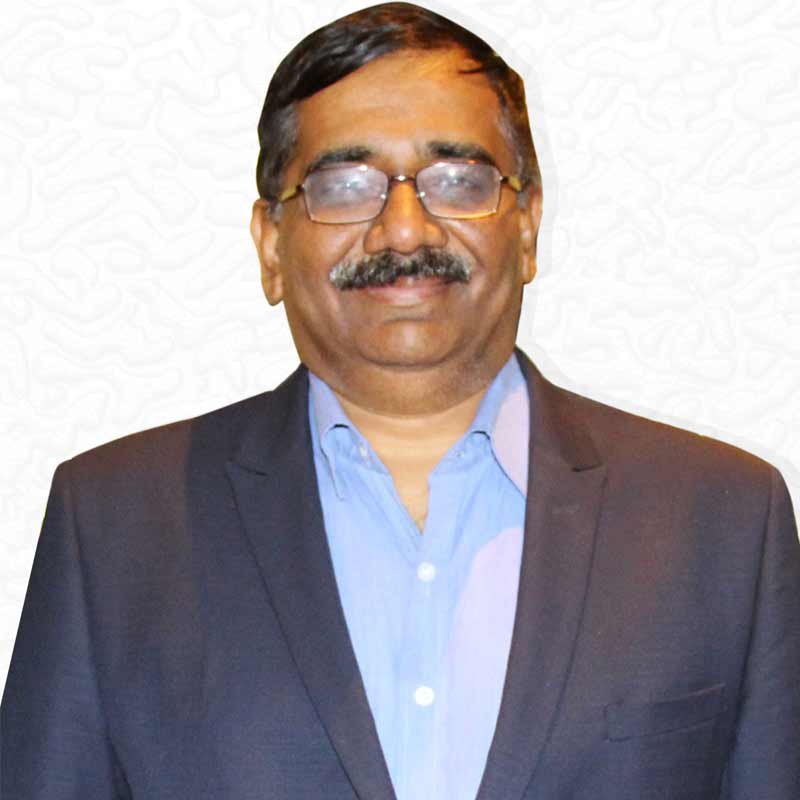
    DB Corp managing director Sudhir Agarwal said, “The success of our yield strategy has begun delivering encouraging results as we make aggressive efforts to gain back volume growth across our legacy and emerging markets, which have started responding well. We have taken every step to maintain our leadership position and we continue to be the largest circulated newspaper since last three years while we are the fourth largest circulated newspaper in the world – a great honour and responsibility for us. Our focus on stronger operating efficiencies and better expense management has ensured our financial health while softened newsprint costs have also protected our profitability.

    Our non-print businesses are well on course as our digital business continues to gather momentum and our radio business strategy maintains commendable progress as we prepare to commence operations of the newly acquired stations over four to six months. The government is in the midst of introducing structural reforms with a long term vision and we believe that present green shoots will translate into a positive pick up for a better economic environment.”

  • Q3-2016: DB Corp print revenue up 22%, radio revenue up 35%; radio op profit almost double

    Q3-2016: DB Corp print revenue up 22%, radio revenue up 35%; radio op profit almost double

    BENGALURU: DB Corp Limited (DB Corp), home to flagship newspapers Dainik Bhaskar, Divya Bhaskar, Dainik Divya Marathi and Saurashtra Samachar reported 22.5 per cent QoQ increase in Total Income from operations (TIO) for the quarter ended 31 December, 2015 (Q3-2016, current quarter). The company reported TIO of Rs 585.89 crore in the current quarter as compared to Rs 478.33 crore in the immediate trailing quarter. YoY, TIO increased 5.7 per cent as compared to Rs 554.57 crore in Q3-2015.


    Revenue growth was driven by a 21.9 per cent QoQ growth in revenue from the company’s print segment at Rs 539.28 crore as compared to Rs 442.24 crore and a 34.9 per cent QoQ growth in the company’s radio segment revenue at Rs 32.32 crore (5.5 per cent of TIO) as compared to Rs 23.96 crore (five per cent of TIO). YoY, revenue from print segment increased 3.9 per cent as compared to Rs 518.9 crore, while radio segment revenue increased 25.8 per cent as compared to Rs 25.69 crore (4.6 per cent of TIO).


    Note: 100,00,000 = 100 lakh = 10 million = 1 crore


    Operating Results/PAT


    The company reports revenue from five segments:  Printing and publishing of newspaper and periodicals (Printing segment); Radio segment (under the brand My FM); Events; Internet; and power. Two of the segments are major contributors to the revenue – printing and radio and their numbers have been considered in this report.


    The company reported 80.7 per cent QoQ growth in profit after tax (PAT) for the current quarter at Rs 108.63 crore (18.2 per cent margin) as compared to Rs 59.12 crore (12.4 per cent margin) and grew 1.6 per cent YoY as compared to Rs 105.11 crore (19 per cent margin).


    The company’s print business reported 73.5 per cent QoQ increase in operating profit at Rs 162.91 crore as compared to Rs 93.91 crore and increased 3.3 per cent YoY as compared to Rs 157.76 crore.


    Radio business reported almost double the operating profit (grew by 98.7 per cent) QoQ at Rs 12 crore as compared to Rs 6.04 crore and increased 27.1 per cent YoY as compared to Rs 9.44 crore.


    Advertisement and subscription revenue


    The company says that its advertising revenue declined 0.6 per cent YoY to Rs 391.2 crore in the current quarter as compared to Rs 393.4 crore in the corresponding quarter of last year, but increased 27 per cent QoQ as compared to Rs 307.9 crore. Circulation revenue increased 17.8 per cent in YOY in Q3-2016 to Rs 114.1 crore as compared to the Rs 96.9 crore and grew eight per cent QoQ as compared to Rs 105.7 crore.


    DB Corp managing director Sudhir Agarwal said, “The success of our yield strategy has begun delivering encouraging results as we make aggressive efforts to gain back volume growth across our legacy and emerging markets, which have started responding well. We have taken every step to maintain our leadership position and we continue to be the largest circulated newspaper since last three years while we are the fourth largest circulated newspaper in the world – a great honour and responsibility for us. Our focus on stronger operating efficiencies and better expense management has ensured our financial health while softened newsprint costs have also protected our profitability.

    Our non-print businesses are well on course as our digital business continues to gather momentum and our radio business strategy maintains commendable progress as we prepare to commence operations of the newly acquired stations over four to six months. The government is in the midst of introducing structural reforms with a long term vision and we believe that present green shoots will translate into a positive pick up for a better economic environment.”