Tag: Advertisement

  • India’s ad watchdog cracks down on stealth marketing by media companies

    India’s ad watchdog cracks down on stealth marketing by media companies

    MUMBAI: India’s advertising watchdog has tightened the screws on media companies that blur the lines between editorial content and paid promotions on social media. The Advertising Standards Council of India (Asci) has introduced tough new disclosure rules aimed at stopping advertisements masquerading as news.

    Under the updated code, media outlets must now slap clear labels on any sponsored content right at the top of social media posts. Acceptable tags include “advertisement,” “partnership,” “ad,” “sponsored,” and “collaboration”—no hiding behind fine print or vague disclaimers.

    The crackdown follows a surge in consumer complaints about misleading promotions on platforms where editorial credibility runs high. With digital media increasingly serving as Indians’ primary news source, regulators are worried that undisclosed advertising is eroding public trust.

    “Several media outlets regularly post editorial content on their social media handles,” said Asci  chief executive & secretary general Manisha Kapoor. “Increasingly, we see advertisements with no or poorly visible disclosures making their way to such posts.”

    The new Clause 1.8, tucked into the “Truthful and Honest Representation” chapter of Asci’s self-regulation code, reflects growing global concern about native advertising and influencer marketing. Consumer protection authorities worldwide are grappling with how to police content that deliberately mimics editorial material.

    For media companies, the rules represent both a burden and an opportunity. Clearer labelling may initially dent engagement rates, but could ultimately protect valuable editorial brands from advertiser influence. The regulations also level the playing field with international platforms, which already require similar disclosures under local laws.

    Asci, established in 1985, monitors advertising across all media and has worked closely with government bodies including the Department of Consumer Affairs and the Food Safety and Standards Authority of India. The council’s updated code can be found at ascionline.in.

  • ASCI introduces guidelines to ensure honest environmental claims in advertisements

    ASCI introduces guidelines to ensure honest environmental claims in advertisements

    Mumbai: The Advertising Standards Council of India (ASCI) has issued its guidelines to prevent false pro-environment claims, also known as greenwashing, that has been seen across sectors. These “Guidelines for Advertisements Making Environmental/ Green Claims”, have been in the public domain for consultation since November 16, 2023, and were approved in the recent Board of Governors meeting.

    Effective from 15 February, 2024, these guidelines aim to ensure that environmental claims made by advertisers are reliable, verifiable, and transparent. Consumers are increasingly demanding products and services which minimise harm to, or have a positive effect on, the environment. As a result of a proliferation of products, services and businesses which claim to meet that demand it is imperative for such claims to be reliable and verifiable.

    Greenwashing refers to unsubstantiated, false, deceptive, or misleading environmental claims about products, services, processes, brands or operations as a whole. It is often seen that products make such broad claims although only a very small component or part of the product is green. The ASCI guidelines require advertisements to make specific claims limited to the part of the product or service that actually has the environmental benefit. Advertisements must not claim an environmental benefit that results from a legal obligation if competing products are subject to the same requirements. The guidelines also require that all seals and certifications must be from accredited organizations. Future promises of being green cannot be made unless there are some specific plans to achieve those claims.

    Greenwashing violates Chapter I of the ASCI Code on misleading advertisements. In order not to breach Chapter I of the ASCI code, advertisements must adhere to the following guidelines.

    Guidelines:

    Absolute claims such as but not limited to “environment friendly”, “eco-friendly”, “sustainable”, “planet friendly” that imply that the entire product advertised has no impact or only a positive impact or reduces adverse impact must be capable of being substantiated by robust data and/ or well-recognised and credible accreditations. Such absolute claims cannot be diluted by means of a disclaimer or any other clarificatory mechanism such as a QR code or website link etc.

    Comparative claims such as “greener” or “friendlier” would need evidence that the advertised product or service provides an environmental benefit over that of the advertiser’s previous product or service or competitor products or services and the basis of such comparison is made clear.

    A general environmental claim must be based on the full life cycle of the advertised product or service, unless the advertisement states otherwise, and must make clear the limits of the life cycle. If a general environmental claim cannot be justified, a more limited claim about specific aspects of a product or service might be justifiable. Claims that are based on only part of an advertised product or service’s life cycle must not mislead consumers about the product or service’s total environmental impact.

    –  Unless it is clear from the context, an environmental claim should specify whether it refers to the product, the product’s packaging, a service, or just to a portion of the product, package, or service.

    –  Advertisements must not mislead consumers about the environmental benefit that a product or service offers by highlighting the absence of an environmentally damaging ingredient if that ingredient is not usually found in competing products or services. Similarly, advertisements must not claim an environmental benefit that results from a legal obligation if competing products are subject to the same requirements.

    –  Where such ‘free-of’ claim is necessary to equip the consumers with relevant information, an appropriate disclaimer should be added to indicate the purpose e.g. “XX-Free: (Names of regulation) prohibit the use of (name of prohibited substance/ingredient) in (category of products)”. It would be deceptive to claim that a product is “free-of” a substance if it is free of one substance but includes another that is known to pose a similar or higher environmental risk.

    –  Where the use of Certifications or Seals of Approval create the impression of an environmental claim to consumers, then the advertiser should make clear what attributes of the product or service have been evaluated by the certifier.  The advertiser should ensure that the certifying agency is nationally/internationally accredited by a certifying authority for e.g. agency accredited by the UN council/committee, BIS etc.

    An advertiser shall not use visual elements in an advertisement which results in the advertisement conveying a false impression that the product is less harmful or more beneficial to the environment, when seen as a whole, unless required under law. For example, logos representing a recycling process on packaging and/or in advertising material can significantly influence a consumer’s impression of the environmental impact of a product or service.

    Visual elements for the above purpose shall not include the colour scheme related to nature or environment or images of natural ingredients or natural elements used on the products / packaging / services as a part of its creative brand identity or trademark/trade name unless such elements used are connected directly to any Environmental Claim made on such products / packaging / services to influence a consumer’s impression of the environmental impact of a product, packaging or service. For example, a green coloured packaging with natural ingredients contained in the product will not be considered as contributing to a green claim unless it refers to an environmental claim.

    – Advertisers should refrain from making aspirational claims on the products/ packaging/services about future environmental objectives unless they have developed clear and actionable plans detailing how those objectives will be achieved.

    – For carbon offset claims where the offset does not occur within the next two years, advertisers should clearly and prominently disclose the same. Advertisements should not claim directly or by implication that a carbon offset represents an emission reduction if the reduction, or the activity that caused the reduction, was required by law.

    – For claims pertaining to the product being compostable, biodegradable, recyclable, non-toxic, free-of etc. advertisers should qualify the aspects to which such claims are being attributed, and the extent of the same. All such claims should have competent and reliable scientific evidence to show that:

    a)     The product or the qualified component where applicable will break down within a reasonably short period of time after customary disposal.

    b)    The product is free of elements that can lead to environmental hazards.

    ASCI, CEO and secretary general Manisha Kapoor said, “Consumers today are exercising their preferences for green products, and in many cases, pay a premium for them. It is necessary that consumers have the correct information to make informed choices to support green products. It is also important that organizations that genuinely provide greener products are able to communicate this clearly to consumers. The Government too has expressed their concern on greenwashing or false green claims, and we believe that these guidelines are a significant step towards promoting transparency and accountability in environmental/ green claims made in advertising.”

    Link to Guidelines for Advertisements Making Environmental/ Green Claims

  • Pepsi announces new campaign ‘More Fizz, More Refreshing’

    Pepsi announces new campaign ‘More Fizz, More Refreshing’

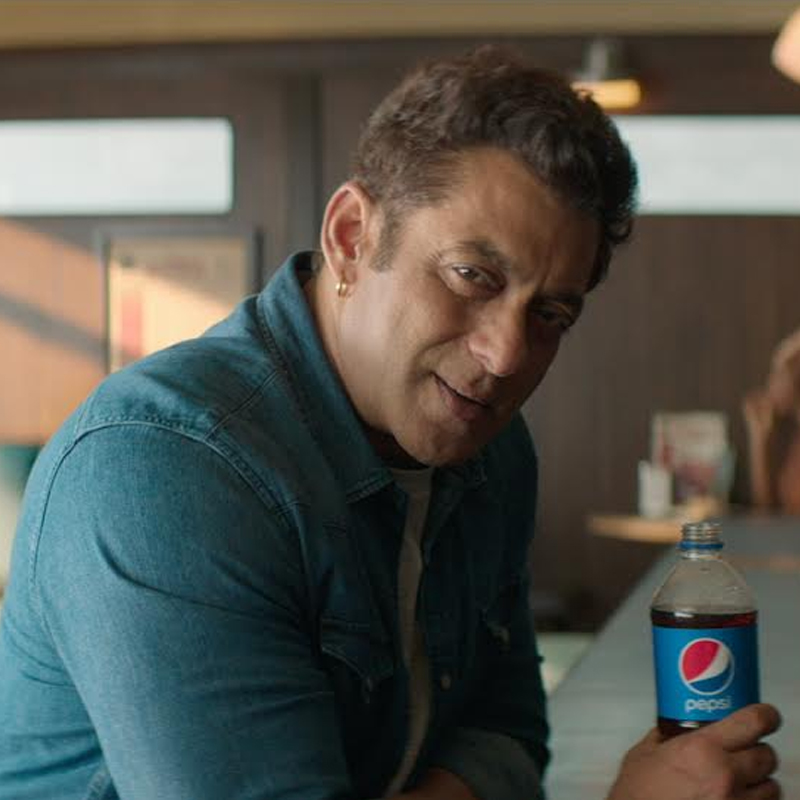
    Mumbai: Pepsi has rolled out a new ad film that continues to elevate its philosophy of “More Fizz, More Refreshing,” featuring brand ambassador Salman Khan.

    The new film reiterates that Pepsi is the voice and choice of the swag generation. The campaign’s core message is to encourage young people to try Pepsi, which is now offering a more fizzy refreshing experience to consumers.

    The new Pepsi TVC will be amplified via a robust 360-degree campaign. Pepsi is available in single and multi serve packs across all modern and traditional retail outlets in India, as well as on leading e-commerce platforms.  

    The film opens with a young couple sitting at a diner, where a waitress serves them a bottle of chilled Pepsi. The guy gets up, walks to the waitress, and asks her to serve them a cola beverage with more fizz, and he is overheard by none other than superstar and swag ambassador Salman Khan, who is seated nearby.

    Khan, in his irreverent swagger, passes on a glass of cola and asks him to try it. The boy’s thirst is dramatically quenched, and he asks the waitress if he wants the same cola beverage as the one given to him just now. Hearing this, Khan says he was just given Pepsi, which surprises the boy because he hadn’t expected Pepsi to have so much fizz. The boy then picks up a bottle of Pepsi and is seen enjoying the more refreshing experience that it has to offer.

    Speaking on the film, PepsiCo India Pepsi Cola category lead Saumya Rathor said, “Pepsi’s new campaign brings alive the philosophy of swag and refreshment with more fizz. This campaign is pivoting on driving trials while maintaining the brand’s quintessential irreverent challenger spirit. Working with Salman has been an absolute delight, and we are sure all Pepsi lovers will enjoy his new swag avatar in the film.”

  • Truecaller introduces ad tools for advertisers to engage with 320 mn people

    Truecaller introduces ad tools for advertisers to engage with 320 mn people

    Mumbai: Truecaller Ads has announced the launch of their new product range that aims to enable marketers to meet their objective needs across the funnel.

    Extending its platform towards mobile advertising and serving as a connecting dot between brands and potential customers, Truecaller Ads will provide marketers with a unique combination of expansive scale, engagement, an exclusive environment, nuanced targeting capabilities, and first-party data insights for precise audience segmentation.

    Truecaller Ads have been a gateway to helping brands reach out to millions of users, embarking on their presence and generating brand awareness by using a myriad of ad formats, innovative ad experiences, and performance metric calculators to track performance, among others.

    Marketers can access the following products to reach Truecaller audiences more effectively:

    • The Truecaller Audience Extension: It helps advertisers reach Truecaller audiences on over 1000+ premium apps across domains. A wide range of ad formats can be used ranging from display banners, interstitials, videos, GIFs, and Native ads. The product is integrated with all leading MMPs like Appsflyer, Branch, and Kochava, which offers a transparent and trustworthy environment.
    • Truecaller Ad Server: An ad-tech stack that drives advertiser KPIs with features and functionalities to optimise performance, offering advertisers transparency, flexibility, and optimization capabilities on par with the best ad servers in the market and integrated with all leading MMPs for seamless tracking of performance.
    • Innovative Ad Experiences: Such as “click to article,” which allows for the display of instant snackable articles, “click to call/SMS,” and “easy lead form” aid in the propagation of the demand funnel. These click experiences can be served even without an internet connection.

    Speaking about the launch of the new tools, Truecaller vice president of global ads business Sagar Manikpure said, “We recognise that today’s marketing objectives demand a well-orchestrated solution that combines the precision of first-party data with engaged audiences at scale. The massive global user base of 255 million DAUs, each engaging with the app several times a day via call and SMS-based interactions, provides us with a rare combination of hyper-scale of users, frequent engagement, and access to unique insights in a privacy-safe way. We then combine this with an intently designed ad stack and carefully crafted solutions to help marketers deliver on a range of objectives while extracting the highest ROI on their advertising spends.”

  • GUEST ARTICLE: How to evaluate the effectiveness of mobile marketing strategies and campaigns

    GUEST ARTICLE: How to evaluate the effectiveness of mobile marketing strategies and campaigns

    Mumbai: In the modern era driven by technology, organisations across sectors and industries are leveraging tech-enabled solutions to streamline business operations. The surge in digital transformation is also changing the metrics of key business areas, including product development, marketing, and communication, among others. Brands have been readily using the advantages of digital presence for awareness, promotion, and establishment. Soaring digitalisation has reluctantly changed the patterns of customer behaviour along with their needs. New-age tech-savvy users such as gen-z and millennials are now reliant on digital devices, and among them, smartphones have become the most preferred device for online shopping, news, utility, payment, shopping, entertainment, games, finance, etc. Therefore, to cater to the needs of these modern-day netizens, brands are using mobile marketing strategies to connect with them at multiple touch-points and lure them into the marketing funnel via personalised content (ads). However, the main point to ponder is how the effectiveness of the marketing campaigns is measured and the methods to optimise them according to the changing demands of the customers. 

    Key metrics to measure the effectiveness of mobile marketing campaigns 

    Mobile marketing is gaining momentum to be a comprehensive marketing strategy thanks to the rise of smartphones, internet accessibility, and social media. The measurement typically points out the customer’s behavioural pattern and lets the brands know their problems to improve. For instance, if the interface of an application is lagging, the customer might bounce back to other competitors, leading to the declination of reputation and sales. Therefore, to determine whether a brand is performing well in the market, it is essential to segregate a few pre-requisite metrics on which the campaign’s success can be measured. These KPIs help to determine the performance of the marketing strategy in terms of customer acquisition, loyalty, retention, awareness, etc.

    The effectiveness of the marketing campaign must align with the end-mile goals of the brand. These goals can include: driving sales of the product or service; initiating support for customer engagement and retention; increasing brand awareness and promoting the business via ads across viable platforms. There is also a need to analyse these goals at a regular interval of time to address the progress and optimise the strategies for desired outcomes.

    Social metrics to hear customer’s voice

    Until this day, word of mouth is considered a well-recognized metric to determine a product/brand’s popularity. This metric usually indicates how well a brand is performing on social media platforms. Modern-day marketers often use social media monitors to track how well the organisation, brand, or product is perceived by prospective customers online. The collective measurement is in the gist of audience sentiment, whether positive or negative. It is a crucial criterion as the marketers must take hold of the time and effort they are spending, which can directly affect the ROI. However, social media conversations are dispersed and far-flung, making it difficult for marketers to consolidate the information in a meaningful way. With social media analytics tools, they can gather data and make advances in data visualisation, analysis and predictive modelling to convert scattered information into useful statistics. By successfully implementing these techniques, the effectiveness of mobile marketing strategies can be measured efficiently and insight into the customer’s needs can be congregated. 

    Retention for measurement of churn rate

    While launching an application, a brand must know how the user is meant to interact with it. Customer retention rate is an essential metric which sheds light on why and how users stay on the app over a long timeframe. However, sometimes the app experiences a churn, which is a measure of how many potential customers have stopped using the app in a given period of time (one day, seven days, and 30 days). App retention is calculated by dividing monthly active users by monthly installations.

    The strategy can be structured based on the user-base the brand is targeting i.e. android or iOS. This can also include the measurement of CPI (cost per install) and CPLU (cost per loyal user) in response to seeing an advertisement. Both of these metrics when used ARPU (average revenue per user) determine the return on investment for the brand’s marketing efforts. The crucial element is to reduce the CAC (customer acquisition cost) and calculate the ROAS (return on ad spend), which is the measure of revenue earned for cost spend on the advertisement campaign.

    Measuring user engagement to build a ‘cohort’ 

    A brand employs a variety of strategies to capture the attention of netizens and convert them into loyal customers. This method can include curating content that is personalised and targeted based on an analysis of the visitor’s behaviour. Engagement is a strategy in which the brand wants customers to use the application frequently and for longer periods of time. The most important metrics to monitor are session length, session interval, and application screen per session, as well as the conversion rate in the case of an event, interaction rate, and opt-ins and opt-outs.

    Engaged customers act as bread and butter for the brand. They not only give decent reviews of the application/product/service but also recommend them to other users, making the campaign profitable. With cutting-edge strategies such as offers and discounts, these customers can be ‘cohorted’ to unwind the behavioural trends and gain insight into the actions that lead to higher engagement.

    All things considered 

    The main things that count in any marketing strategy are agility, flexibility, and creativity. Measuring the effectiveness of marketing campaigns can save a brand from exhaustive decision-making and save costs, which sharply leads to higher ROI. KPIs also help the brand to create better content (text, video, etc.) and measure what is performing well, engaging better customers so that the underperforming content can be eliminated. A brand must create an emotional connection with its customers in order to expect loyalty. 

    Personalisation and localisation are crucial factors in creating several touch-points under a marketing strategy. Audio, video, blogs, and content partnerships are some of the methods to make brand communication mobile-friendly. Organisations must be updated with megatrends such as multi-device behaviour, omnichannel approach, attribution strategies, A/B testing etc., to optimise advertisement campaigns for cost-effectiveness. 

    According to Statista, mobile advertising spending will surpass $339 billion by 2023 and the mobile marketing market size will nearly double by 2024, clearly stating how deeply mobile technologies are embedded in digital infrastructure. Therefore, with its growing significance, brands must make sure to use it efficiently and make the most of its potential to retain a competitive edge in the digital space.

    The author of this article is XY Ads head of supply Girish Chowdhary.

  • Triton Digital and VTION Digital demonstrate effectiveness of podcast in new study

    Triton Digital and VTION Digital demonstrate effectiveness of podcast in new study

    Mumbai: The global technology and service provider to the digital audio and podcast industry, Triton Digital, has unveiled the results of their “Podcast Advertising Effectiveness Study,” commissioned with VTION Digital Analytics, a leading digital consumer behaviour intelligence platform.

    The survey highlights the strong growth of podcast listening in India and the effectiveness of podcast advertising to drive brand and product recall.

    According to the study, on an average, audio content consumers in India listen to podcasts three to four times per week. In metro cities, this rate is even greater, with 70 per cent of respondents listening to podcasts weekly and 30 per cent listening daily.

    He added, “Our study further demonstrates a high brand recall in the region and a willingness to receive additional advertisements, setting the medium up for a long future of success.”

    Additional key findings of the study include:

    Podcast listeners are willing to listen to ads. In fact, out of the total respondents who have reported ever hearing a podcast ad, 42 per cent had no issues with hearing ads in the middle of podcasts that are free.

    Advertising frequently leads to purchases. 80 per cent of listeners who have heard of a product are interested in learning more about it, with 29 per cent claiming to have bought the product they heard advertised.

    Podcast advertisements catch people’s attention. 40 per cent of listeners state that ads in between podcasts always or often capture their attention, with 40 per cent of these listeners saying they trust these advertisements.

    “We are grateful to be commissioned by Triton Digital to study the state of podcast listening in India and measure the effectiveness of podcast advertising in the region,” said VTION Digital Analytics chief executive officer Manoj Dawane.

    “Podcasts are clearly becoming a popular medium in India. It is great to see listeners respond positively to podcast advertisements as well,” he concluded.

    The report surveyed 354 VTION panellists who defined themselves as podcast listeners between 1 August and 7 August. Triton Digital will be sharing these results at Radiodays Asia, 6-7 September in Kuala Lumpur, Malaysia.

    Check the full report here: (Embed Link) https://info.tritondigital.com/podcast-advertising-effectiveness-survey

  • Media experts are concerned about changing policies impacting their digital media buys: Report

    Media experts are concerned about changing policies impacting their digital media buys: Report

    Mumbai: Integral Ad Science (IAS), in collaboration with YouGov and a market research firm, has released its report ‘2022 Future of Privacy-First Advertising.’

    IAS surveyed 346 digital media experts and 1,131 consumers about their opinions on the future of ad targeting, upcoming changes to online data and privacy policies, and how media quality solutions can help marketers be more effective.

    The findings revealed that consumers have serious concerns about the security of their personal information when using the internet; that they are unaware of the laws governing the collection and use of their personal data; and that they are very uncomfortable when their online activity is used for advertising.

    IAS Global chief commercial officer Yannis Dosios said, “With upcoming online data and privacy policy changes coming down the pipe, privacy continues to be a priority for both consumers and media experts.”

    He further added, “IAS is well-suited to help ease the concerns of privacy policy transitions through our contextual targeting solutions that will help advertisers reach their ideal audience at scale, all while respecting their privacy.”

    The report explores a gap between what organisations are actually doing to deal with these changes and how crucial it is for media professionals to understand data privacy policies, as well as how concerned they are about how these policies will affect their work.

    The report also examines how brands are currently dealing with cookie depreciation through contextual, privacy-first advertising strategies that don’t use individuals’ personal information to target customers.

    Online data privacy 

    One of the report’s key findings was that while consumers value online data privacy, their trust in the security of their online data is low.

    While consumers agree that data privacy is important, only half (50 per cent) are confident in the security of their online data while surfing the web. More than two-thirds (67 per cent) of consumers also claim to be more cautious than ever when it comes to their privacy and online data.

    Targeting techniques 

    The study also discovered that consumers are aware of various targeting techniques. However, they might feel uncomfortable with their data being used for advertising.

    Although the majority of consumers (68 per cent) are still uncomfortable with personalisation, despite the fact that 90 per cent (nine in ten) of users are aware that websites and apps collect and share their data for advertising purposes.

    Brands have the chance to change the targeted ad experience so that contextual relevance is the driving factor. This would result in a better user experience for consumers and better results for advertisers.

    Privacy policy 

    Although the majority of media experts are concerned about evolving privacy policies, many are unaware of them and the majority lack a clear management strategy.

    Almost two-thirds (62 per cent) of media experts concur that this year it is important to understand data privacy, and an overwhelming majority (89 per cent) say that brands are particularly concerned about PII privacy.

    However, only about half of digital media experts are knowledgeable about privacy policy-related topics pertaining to browsers (53 per cent), regulations (51 per cent) or mobile identifiers (45 per cent).

    Furthermore, only 36 per cent of media experts claimed that their company had set up a team to handle upcoming policy changes, while 29 per cent said that they had taken no action.

    Contextual content

    The report suggested that brands should match their advertisements with contextually relevant content that appeals to consumers more.

    After seeing a targeted advertisement, 66 per cent of consumers said they are likely to visit a brand’s or product’s website.

    Considering consumers’ privacy concerns and desire for relevance, contextual targeting is an easy option for advertisers, but only 29 per cent of media experts have used this tactic.

    The majority of media experts (51 per cent) concur that ad buyers and sellers must actively cooperate throughout privacy changes and that media quality solutions will become more crucial for ensuring the right audiences are reached.

  • UFO Moviez Q1 FY23 revenues up to Rs 90.6 crore; loss down to Rs 2.5 crore

    UFO Moviez Q1 FY23 revenues up to Rs 90.6 crore; loss down to Rs 2.5 crore

    Mumbai: In-cinema advertising platform UFO Moviez reported its first quarter results for the financial year 2023. The company reported revenue of Rs 90.6 crore versus Rs 28.2 crore in the corresponding quarter last year. It saw a loss of Rs 2.5 crore versus Rs 26.7 crore in Q1 FY22.

    The company reported earnings before interest, tax, depreciation and amortisation (Ebitda) of Rs 9.8 crore compared to Rs 18.1 crore year-on-year.

    While theatrical revenues are increasing due to the consistent and uninterrupted release of films by both the Hindi and regional film industries, advertisement revenues are slowly recovering due to lower government advertising spending. The corporate advertising segment has, however, shown a significant recovery.

    “The steady release of movies has resulted in a fuller resumption of operations and a revival in revenues,” said UFO Moviez executive director and group CEO Rajesh Mishra. “The success of big budget movies in April’22 and May’22, provided an impetus to all revenue streams, especially the corporate advertisement revenue that has seen a substantial recovery. Whereas, the lag in government advertising spending continued to put pressure on the overall advertisement revenue. We have already turned Ebitda positive and we expect this upward trend to continue. Meanwhile, the increasing appetite of audiences to consume movies in different languages and genres will continue to benefit our theatrical revenues.

  • Tata Pravesh’s new ad film ‘Raahi’ explores gender inclusivity in workplace

    Tata Pravesh’s new ad film ‘Raahi’ explores gender inclusivity in workplace

    Mumbai: On Friday, Tata Pravesh, a brand of steel doors and windows, launched a new campaign titled “Raahi.” The film aimed to bring exclusive focus on diversity and inclusion by highlighting the importance of an inclusive workplace.

    Conceptualised by Wunderman Thompson Kolkata is purposefully set against a neutral corporate backdrop.

    It tells the story of an LGBTQIA+ individual, shunned by society but who is accepted by colleagues. The film signs off with the strong social message, “Acceptance can open doors,” encouraging us to open our minds—”#KholoMannKeDwaar”—allowing the winds of change to air out our prejudices.

    Shot by Happy Rabbit Films, the film encourages us to inculcate a sense of belonging in the workplace and make our LGBTQIA+ colleagues feel accepted, making them proud of us. It makes us stop for a moment and take cognizance of our biases, so we can work towards eliminating them.

    This initiative has been lauded not just because it is innovative, but because it is also a progressive way for such employees to enter mainstream society, be embraced by all around them, and made to feel like a part of the larger corporate family.

    Commenting on the creative concept, Wunderman Thompson, Kolkata vice president & senior ECD Arjun Mukherjee said, “We need to be sensitive towards our LGBTQIA+ co-workers and make them feel welcome at the workplace. This film encourages us to make them feel at home as our colleagues. It teaches us to build relationships based on love and respect, regardless of gender, so that no one ever walks alone.”

    Wunderman Thompson, Kolkata senior vice president & managing partner Vijay Jacob Parakkal added, “Tata Steel is widely recognised for its trailblazing HR initiatives and Tata Pravesh for its thought-provoking films. This extremely relevant and topical film will encourage us to embrace LGBTQIA+ people, making them feel accepted and included in the workplaces of tomorrow.”

  • Asci releases ‘sector report card 2021-22’: Ad violations by top six sectors

    Asci releases ‘sector report card 2021-22’: Ad violations by top six sectors

    Mumbai: The Advertising Standards Council of India (Asci) has recently released its annual complaints report for the financial year 21-22. The report provided information on the complaints examined and advertisements handled by the self-regulatory organisation. The report processed 4,184 advertisements across mediums including print, digital media and television.  

    The significance of the digital ecosystem was reflected in the fact that 48 per cent of the ads that Asci processed were published digitally, 29 per cent of the complaints that were filed concerned influencers, and the top six violative categories showed the emergence of sectors like gaming and cryptocurrency.

    The report also delves into the specifics of the advertisements examined, the types of complaints, the results of the ads processed, and the involvement of influencers and celebrities in each sector. Education, with 23 per cent increase in comparison to last year, remains the single largest violative industry, followed by gaming (472 per cent increase) and personal care (261 per cent increase).

    Education

    ASCI discovered 23 per cent more violations in this category during fiscal years 2020–21. The edtech category accounted for six per cent of the 1,728 ads checked. In total, 90 per cent of these advertisements were in print. 1.2 per cent were broadcast on television, 8.8 per cent were digital, and 0.1 per cent were distributed through other mediums.

    Nine ads featuring celebrities were found to be misleading, and 12 more were added with influencer disclosure violations.

    Only one per cent of the ads were rejected, while the other 99 per cent required modification. Under the procedural outcomes of cases requiring modification – 17 per cent had informal resolution, 83 per cent were upheld.

    The report stated, “Most of the violative claims against the education industry were pertaining to leadership, awards and rankings, and job guarantee claims. Comparative superlative claims like highest success, lowest fees, etc, and performance outcome claims like best results, success assured were also common. In addition to these, there were a significant number of money back guarantee claims, usually clubbed with result-oriented or outcome-related claims.”

    Gaming

    The gaming industry grew by 472 per cent in fiscal years 2021-22 compared to the previous year. Asci, in total, looked into 383 cases in this category. Where four per cent of the records were not valid, three per cent were dismissed, and 94 per cent required some modification. 11 per cent of ads were upheld while 89 per cent of them had an informal resolution: not contested.

    In total, one per cent of these advertisements were in print. One per cent was broadcast on television, 99 per cent on digital, and none were distributed via other means.

    Eight ads featuring celebrities were found to be misleading, and 22 added with influencer disclosure violations.

    “Most violative claims in the gaming industry were pertaining to leadership, guaranteed winnings, prize money assurance and safety, security & privacy claims. Other claims like consumer trust – trusted by three billion users etc., and comparative claims like win better, Xtimes more winnings were also seen,” said the report.

    Personal Care

    Surprisingly, Asci’s total number of ads checked increased by 261 per cent in the previous fiscal year, to 531. As per the report, four per cent of these were nullified, five per cent dismissed, and 91 per cent required modifications.

    While 69 per cent had an informal resolution—not contested, 31 per cent were upheld. Four per cent of these ads appeared in print, six per cent on television, 88 per cent in digital, and two per cent in other mediums. Four ads featuring celebrities were found to be misleading, and 371 ads were found to be violating the influencer disclosure code.

    In the report, Asci stated, “There were various claims made in the advertisements looked into under this category. Most of the violative claims were pertaining to product performance. Owing to the ongoing pandemic, we saw a number of protection and prevention claims, particularly those claiming protection from germs like viruses and bacteria. Besides these, there were comparative claims, ingredient performance-led claims, natural and organic product claims, leadership claims, consumer trust and recommendation by experts claims.”

    Healthcare

    The previous year saw a surge in Covid cure/protection claims that settled as the pandemic progressed, resulting in a 20 per cent decrease in ads seen by Asci on a fiscal year basis, from 967 to 775 in FY’22.

    The procedural outcomes of cases are: while 19 per cent had an informal resolution—not contested, 62 per cent were upheld, and 19 per cent were in DMR/Covid violations. Adding to that, 0.3 per cent of complaints were not valid, 1.7 per cent were dismissed, and 98 per cent required modification.

    Five ads featuring celebrities were found to be misleading, and 15 more were found to be violating the influencer disclosure code.

    The medium split of the platforms where these ads are published is: 75 per cent of these ads are in print, three per cent on television, 21 per cent in digital, and one per cent in other media.

    According to the report, the majority of the most egregious claims in the healthcare industry concerned leadership, awards and rankings, and comparative claims, particularly in clinics and hospitals. Treatment assurance claims were also fairly common. For drugs and medicinal products, claims of cure, prevention, and protection were the most common. Health condition reversal and product performance claims were among the other violative claims noted. There has been a rise in the occurrence of natural ingredient or procedure-led treatment or cure claims.

    Food & Beverages

    ASCI found a 31 per cent increase in violations in this category during fiscal years 2020–21. Asci, in total, looked into 373 cases. As mentioned in the report, 16 per cent of these advertisements were in print. Seven per cent were broadcast on television, 73 per cent were digital, and four per cent were distributed through other means.

    The procedural outcomes of cases requiring modification recorded 53 per cent informal resolution: not contested and 47 per cent upheld. Adding to that, two per cent of complaints were not valid, 14 per cent were dismissed, and 84 per cent (two cases are currently sub-judice) required modification.

    The number of ads featuring celebrities found to be misleading and violating the influencer disclosure code is two and 131, respectively.

    The report said, “Almost every product sub-category under F&B had immunity boosting claims along with ingredient benefit and product performance claims. Comparative claims, leadership claims, and health and disease risk reduction claims were also common. Like many other categories, there was an increase in claims pertaining to protection from and prevention of various diseases caused by viruses and bacteria. Other claims included awards and rankings, natural source/organic foods, consumer trust, and quality claims.”

    Virtual Digital Assets (VDA)

    The Asci report highlighted that advertising in this category had not been so prominent in the previous years. Therefore, the recorded number this year included only 394 ads in the process, of which four per cent were invalid, one per cent were rejected, and 95 per cent required modification.

    Additionally, while 53 per cent were informal resolution: not contested, 47 per cent were upheld.

    None of the ads featuring celebrities were found to be misleading this year. The number of violations in influencer disclosure stood at 385.

    The medium split of the platforms where these ads are published is: one per cent of these ads are in print, one per cent on television and 98 per cent in digital media.

    The report added, “Most of the advertisements looked into under this industry were influencer disclosure cases, where influencers were talking about how to navigate the VDA platforms or sharing information about the category and how the platform is easy to operate. From some of the ads that made misleading claims, leadership and consumer trust claims were most common. Guaranteed earnings and performance comparisons with other modes of investment like gold and stock investment are followed. The other commonly found claims revolved around promoting the category through referral programme claims like ‘refer a friend and win’.”