MUMBAI: Gender stereotypes are as common as stones in our streets. A few of them are so seamlessly merged that people have actually started believing them as a part of the structure. The advertising world probably has been the most consistent in addressing the gender parity. While a number of ads were released on the subject in the past few years, only a few hit the spot.
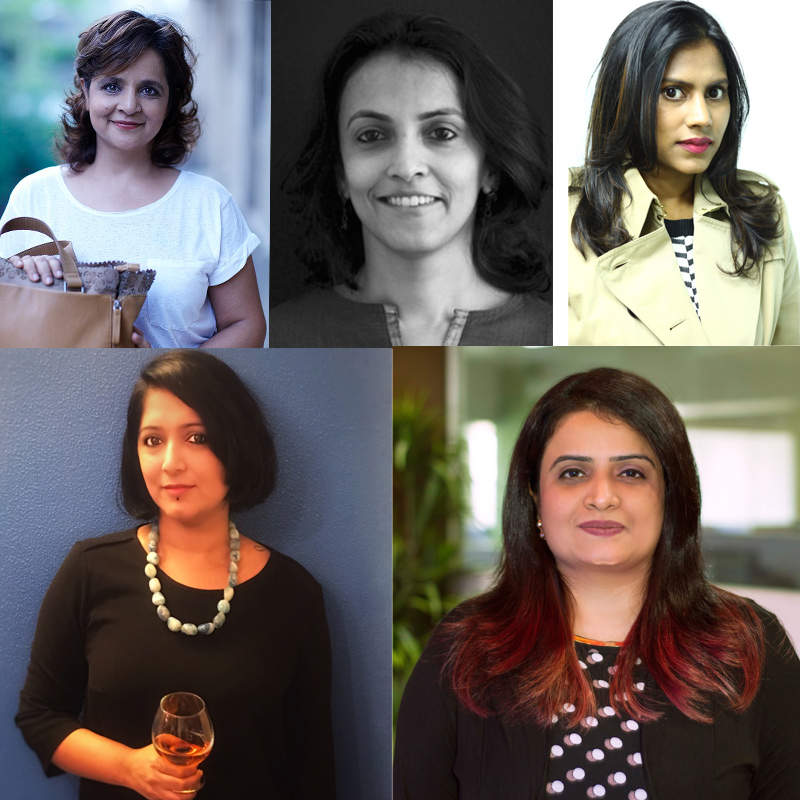
This International Women’s Day, Indiantelevision.com asked a few women in the business what according to them this brand activism means to the cause of gender equality, how effective it is in perpetuating change, and how it can be made more robust and meaningful.
Alcohowl CEO Pallavi Naidu shared that most brands are still struggling to find a “sweet spot” when it comes to balancing and promoting gender equality. She said, “Most are happy with perpetuating the ‘safe’ stereotypes that will appeal to a larger audience, especially in the heartlands. It is rare that an ad or campaign is released which makes people sit up and take notice of the issue.”
Grapes Digital COO Shradha Agarwal noted that brands should incorporate the Gender Equality Measurement (GEM) Module that helps identify and eliminate gender bias in media. As per the module, one has to ask four simple questions every time they sit to chalk out the script for an ad. These are: what is one’s overall opinion of the female presented as, is she portrayed respectfully, is she being depicted inappropriately, and is she seen as a positive role model for young women and girls. “If your ad scripts answer these questions in a positive light, then you are home,” she said.
Speaking about a few brands that are doing it right, IdeateLabs director Vrutika Dawda said, “Gender equality is the need of the hour. The last few years have seen a dramatic shift in gender-dynamics. Companies and brands alike, today, are waking up to the importance of promoting gender equality. A campaign that instantly comes to mind is Ariel’s “Share the Load” campaign. They challenged the typical Indian stereotype with their message on sharing household chores and responsibilities.”
Dawda added, “Another campaign that comes to mind is Lane Bryant’s #ImNoAngel campaign which celebrates women of all shapes and sizes, redefining the traditional image of what is perceived to be as sexy. Another very powerful campaign is the #LikeAGirl campaign by Always. The campaign changes the use of the phrase “like a girl” and sheds a positive light on it.”
However, she feels that these campaigns are just scratching the surface. “We need more brands talking about LBGT, women repression and equal opportunity,” she noted.
Agarwal also mentioned some of the campaigns that, according to her, are doing a commendable job in promoting gender equality, “Right from Ariel’s share the load to Airtel’s power couple ad where we have showcased the changing dynamics of society and breaking down the construct of patriarchy, Indian advertising has involved a lot. These are the various topics that have been touched till date – women don’t have to be singularly responsible for households chores irrespective of the fact whether they are working or not (Airtel Boss Ad); men don’t have to take care of all things in family, we can take care of the half (Benetton United by Half Ad); be it man or woman of whatever age they can get remarried when they want (Tanishq’s annual wedding film); husband changing his surname and not the wife only (Havell’s Hawa Badlegi Ad); men not being the one who has to take care of the women a women can also do that for her sister or herself (Ford Raksha Bandhan ad); and many more.”
Baggit MD and chief design curator Nina Lekhi gives the example of her own campaign to drive the message home, “The campaign #PutItOnTheTable aimed at women empowerment and inspired women to share their view without any hesitation. The campaign talked about concerns affecting women across all backgrounds. The campaign TVC stood for this message, talking to consumers about how gender roles are repressive, and that there is no place for gender-based power games.”
The executives also shared their personal favourites. While Agarwal named campaigns like Flipkart’s Raise This Generation Equally, Biba’s Change Is Beautiful, Elle India’s Let the Girls Be, and Dove Digital ad Change the Rhyme, among others, Naidu praised campaigns like ‘Titan Raga – Her Life Her Choice’, and Star Sports – Nayi Soch, where the players displayed their mother’s names on their jerseys, etc.
Dawda mentioned, “A top favourite has to be the one by ‘Vicks #TouchofCare’ where they featured a transgender mom. The advert touched upon two important topics, adoption of older girls and transgender rights. The best one yet though, has to be Nike’s recently released ‘Dream Crazier’ campaign with all the athletes.”
While all of them were positive that a lot of work is being done by the brands in sparking relatable and responsible conversations with their ads to end the menace of gender inequality, they also felt that a few are still indulging in promoting unhealthy stereotypes. Most of them agreed that brands from automotive, insurance service providers, fairness products, and a few of the soft drinks are still serving regressive content to the viewers.
Naidu said, “I can recall two soft drinks ads which are regressive in content; ‘Thums up – Taste the Thunder’ and ‘Mountain dew- Darr Ke Aage Jeet Hai’. Both of these, show testosterone-filled activities, performed by male superstars that perpetuate the myth that action-oriented tasks and ‘risk-taking’, in general, is a male domain. Not to mention the likes of fairness cream, deodorants, cars, soap ads that either sexualise women or show them as inferior. Special mentions to Axe ads and Amul Macho. Appalling!”
IdeateLabs director Vrutika Dawda added, “For me, one of the most regressive campaigns is the ad campaign for Fair and Lovely. It equates success with being fair skinned. Also, in all insurance brands, why is it always the male figure buying insurance?”
The ladies, in conclusion, also shared how the brands can improve their ads and make them more gender-sensitive-and inclusive.
Dawda said, “Breaking stereotypes without coming across as self-righteous is what we should aim for. Brands today need to understand that their target audiences are of a much wider range. Brands that offer a strong message on gender inclusive content are the ones that have bigger recall value.”
“I think slice of life ads work beautifully, as long as you are not adjusting the narrative to suit stereotypes. We have great examples in everyday lives that when portrayed in the correct light, bring out the best connect with the consumers. Also, letting go of what is the ‘expected’ behaviour of the genders is also important. Like men driving cars and women doing laundry is a done to death concept. The audience is smarter than that and it’s time that the marketers respect their intelligence,” shared Naidu.
Taproot Dentsu general manager Ayesha Ghosh also highlighted some interesting and pertinent points as she quoted, “Instead of picking topics that are pressing social issues and finding a tenuous connection back to the brand, the focus needs to shift to being sensitive to casual stereotyping, which is equally, if not more damaging. It is ordinary, everyday patriarchy as depicted through stereotypical roles assigned to the wife or daughter or sister that perpetuates the idea of women playing second fiddle.”
She concluded, “It is easier to break the mould today, with women’s issues no longer being issues for women only. The marketer’s dilemma is whether to influence culture and society in a positive way by going against the grain or to resort to a comfortable stereotype. The marketer’s responsibility is to his brand first and foremost but it can no longer be at the cost of harmful typecasting.”