
Tag: ad campaign

  • Irrfan Khan promotes Digital India in new Mastercard campaign

    Irrfan Khan promotes Digital India in new Mastercard campaign

    Aimed at accelerating the country’s shift from cash to digital payments, Mastercard has launched ‘KhulGayiLife’, a new marketing campaign. The campaign will further strengthen the company’s digital payments efforts in the metros with an increased focus on the tremendous opportunity that sits within the nation’s tier 2 and tier 3 cities.

    Commenting on the launch of #KhulGayiLife, Manasi Narasimhan Vice-President, Marketing and Communications said “Mastercard has always been at the forefront of creating a trusted payment gateway and is leading the effort to build a digitally empowered socio-economic ecosystem. We have been supporting the Indian Government’s agenda of establishing India as a cashless society through our technology solutions, partnerships and investments in the country. To further accelerate the acceptance of digital payments, we have launched #KhulGayiLife, our latest marketing campaign. Through this, we aim to reach out to consumers across metros and tier 2 and tier 3 cities over the next few months. We are confident that this campaign will bring forth the true potential of digital payments thus establishing Debit Cards as a safe and secure payment option.”

    The Indian economy has traditionally been cash dependent. However, demonetisation and government incentives for adopting digital payments have triggered an all-time high awareness about various alternative payment systems and exposed various cash users to the ease of using digital systems. Mastercard is fully committed to government initiatives like Make in India, Digital India and Skill India. The #KhulGayiLife campaign showcases the convenience of using digital transactions across internet banking, mobile wallets, debit cards, mobile and QR codes etc and for everyday uses such as tolls and transits, for utility bills, grocery, fuel, among others. The publicity strategy is aimed at mass audiences across all cities.

    The campaign film has been created by leading advertising agency McCann. Bollywood superstar Irrfan Khan has also been signed on as face of the campaign as he truly typifies the modern face of Tier 2 India. A creative TVC that is already on air and has the actor creating personal connections with consumers as the campaign runs its course to increase preference for debit cards across audiences in tier 2 and tier 3 cities.
  • Body Shop launches ‘Forever Against Animal Testing’ campaign

    MUMBAI: The Body Shop recently launched a new campaign for a global ban on cosmetics animal testing on products and ingredients by 2020, revolutionizing the beauty industry and protecting millions of animals around the world. Partnering with the leading non – profit organization working to end animal testing, Cruelty Free International, The Body Shop will take the campaign to the highest authority, the United Nations, and request an international convention banning cosmetics testing on animals.

    The potential for animal testing is still a huge risk around the world, with over 80% of countries still having no laws against testing in cosmetics. Despite the fact that most countries do not require safety data based on animal tests and reliable alternatives are available and that beauty companies like The Body Shop use innovative and effective cruelty–free ingredients in their products. Cruelty Free International estimates that approximately 500,000 animals are still used in some countries in cosmetics testing every year.

    Speaking on the campaign, Jacqueline Fernandez, Brand Ambassador of The Body Shop India says, “Real beauty cannot be achieved at the cost of harming anyone especially animals. The concept of animal testing for cosmetic brands should be banned. A socially responsible conglomerate would prefer not to implement testing measures that prove hazardous to anyone’s health. That’s why I extend support to The Body Shop’s noble initiative to end this atrocious practice across this industry by launching a campaign to spread a global ban on animal testing of cosmetic products and ingredients. I request you all to sign the petition and save our animals.”

    Shriti Malhotra, COO, The Body Shop India says, “We are pleased to say that India was the first country in South Asia to ban Animal Testing in 2013. The Body Shop is proud to be a cruelty free brand and a staunch supporter of effective, modern, non-animal alternatives to cosmetic animal testing. With our’ Forever Against Animal Testing’ (FAAT) campaign we are asking our customers to help us end the unnecessary and out-dated practice of animal testing for good by signing the petition in our stores or on our website.”

    Rules on animal testing in cosmetics are currently patchwork, with legislation differing around the world leaving consumers ill informed. Traditional animal tests have never been validated for their use in reliably detecting the safety of cosmetic products and ingredients. There are now modern alternatives such as artificially grown human skin, that are, in the majority of cases, as effective as the animal test they replace and have been validated by authorities.

    Jessie Macneil – Brown, Senior Manager International Campaigns and Corporate Responsibility, The Body Shop, says: “The Body Shop passionately believes that no animal should be harmed in the name of cosmetics and that animal testing on products and ingredients is outdated, cruel and unnecessary. This is why The Body Shop and Cruelty Free International have partnered to deliver the largest and most ambitious campaign ever to seek a global ban on the use of animals to test cosmetic products and ingredients.

    “This campaign will finish what we both started back in the 1980s. We are calling on at least 8 million people from every corner of the globe who care about animal welfare to join our cause and sign our petition. We will take this petition to the United Nations to compel them to create a global law a ban animal testing in cosmetic products and ingredients. With an international law enforced, consumers would finally be confident that any cosmetics they buy are cruelty free. It’s time to end animal testing for cosmetics purposes once and for all. Join us to make it happen.”

    Michelle Thew, CEO of Cruelty Free International says: “People are confused about animal testing. The world over, people want this cruel practice to end, yet existing laws are a patchwork of different rules with some very big gaps. While more and more countries require non-animal safety tests and many have taken steps to prohibit cosmetics testing on animals, there is more work to be done. Where animal testing is allowed – on both products and ingredients – most countries do not require testing data to be made available to the public or even to regulators. This makes it extremely difficult to know how widespread animal testing is. What we know is that one single test may involve hundreds of animals. If just one company or one country relies on animal testing, the impact on animal lives could be huge. Because 80% of countries around the world still allow animal testing for cosmetics, a global ban is the only way to truly eliminate animal suffering. We are delighted Cruelty Free International and The Body Shop are together campaigning for a ban that would finally end animal testing forever.”

    The Body Shop and Cruelty Free International’s new campaign is calling for an international ban on animal testing in cosmetics, on both products and ingredients, everywhere and forever. It is the most ambitious campaign ever against animal testing, and aims to engage eight million people to sign the petition calling on the United Nations to introduce an international convention to end the practice once and for all. The petition can be signed online or at any of The Body Shop’s 3,000 stores across the world. Consumers are being encouraged to use the campaign hashtag, #ForeverAgainstAnimalTesting, on social media to raise awareness of the issue.

  • Tech in Durex Love ad

    NEW DELHI: February may be the shortest month of the year, but for love it is an important month as Valentine’s Day falls on 14 February.

    In a bold move to ignite the passion among lovers in this month of love, sexual wellbeing brand Durex has launched a new campaign, ‘Look Up For Love’.

    The new campaign aims to demonstrate that when utilized properly, technology can rekindle the romance.

    The campaign has been designed in view of the era where technology has become an addiction and where lovers are too immersed in their virtual world on mobiles and miss their real love.

    A recent study on one-upmanship in relationships has shown that when a person begins to play with a mobile phone, the partner tends to spend even more time on his or hers. The survey showed that 71.4% admitted using mobile phone very often and 61% agreed that their partner uses a mobile phone frequently.

    Consequently, relationships are affected because of the technology and importance of creating a ‘technology-free’ zone with one’s loved one.

    The campaign aims to bring together couples who are estranged because of the frequent usage of technology and encourage them to have a more real conversation with each other. For enhancing the relationship and build true connection, Durex has launched the Love Bug – A reminder to the partner that one wants to be #TrulyConnected.

    Speaking about the new campaign, RB India Marketing Director Rohit Jindal said: “The campaign is an attemptto inspire couples to ditch the technology, have a more real conversation and connect with each other this Valentine’s Day. We believe that key to a healthy relationship is staying engaged and appreciating every moment with each other.”

  • Multi-media ad campaign to popularise gold coin

    Multi-media ad campaign to popularise gold coin

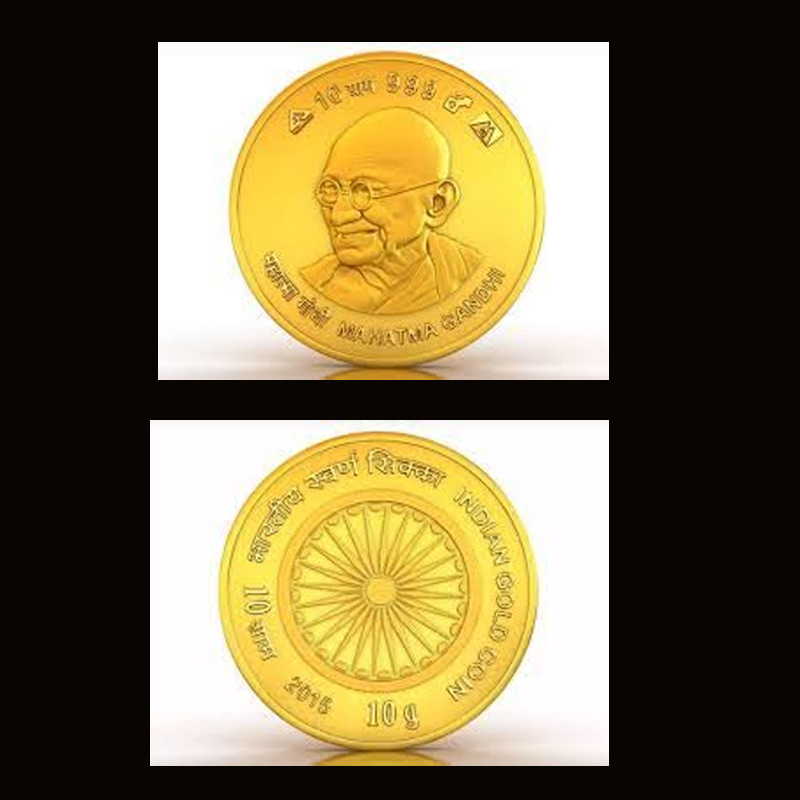
    NEW DELHI: A year after it was first launched, a multimedia advertising campaign is being launched to drive awareness around Diwali on the availability of the Indian gold coin by the Mines and Minerals Trading Corporation along with World Gold Council. Being launched this week, the campaign will cover newspapers, radio, digital and select cinema halls.

    More information on Indian Gold Coin can be accessed on www.indiangoldcoin.com or toll free number 1800 1800 000.

    The coin is available in denominations of 5 gm and 10 gm coin, and 20 gm bar. The coins are available at all MMTC outlets across India, along with select branches of seven Banks – Indian Overseas Bank, Vijaya Bank, Federal Bank, Yes Bank, Andhra Bank, ICICI Bank and HDFC Bank. Indian Gold Coin is available at about 383 outlets across India now.

    The coin was launched by the prime minister Narendra Modi on 5 November 2015. It is India’s first-ever sovereign gold offering, and are hallmarked by the Bureau of Indian Standards (BIS) for purity. The creation of a national branded coin, of uniform price and quality has addressed the trust deficit that exists around the buying and selling of gold. It aligns with the “Make in India” priority of the Government.

    The coin has the national emblem Ashoka Chakra engraved on one side and Mahatma Gandhi on the reverse. Its other unique features include 24 Karat 999 fineness purity, positive tolerance, both in weight and purity, tamper-proof packaging and advanced anti-counterfeit features.

    The coin is minted in India from gold sourced domestically from Gold Monetisation Scheme. It enters the international basket of national gold coins which is minted locally by the Indian Government Mint in Mumbai and Kolkata. It will aid in recycling of gold through transparent buy-back option being brought by MMTC.

    Through the coin, the Government aims to reduce dependence on gold imports to meet the local gold demand as Indian Gold Coin is being minted from the gold collected under Gold Monetization Scheme (GMS).

  • Multi-media ad campaign to popularise gold coin

    Multi-media ad campaign to popularise gold coin

    NEW DELHI: A year after it was first launched, a multimedia advertising campaign is being launched to drive awareness around Diwali on the availability of the Indian gold coin by the Mines and Minerals Trading Corporation along with World Gold Council. Being launched this week, the campaign will cover newspapers, radio, digital and select cinema halls.

    More information on Indian Gold Coin can be accessed on www.indiangoldcoin.com or toll free number 1800 1800 000.

    The coin is available in denominations of 5 gm and 10 gm coin, and 20 gm bar. The coins are available at all MMTC outlets across India, along with select branches of seven Banks – Indian Overseas Bank, Vijaya Bank, Federal Bank, Yes Bank, Andhra Bank, ICICI Bank and HDFC Bank. Indian Gold Coin is available at about 383 outlets across India now.

    The coin was launched by the prime minister Narendra Modi on 5 November 2015. It is India’s first-ever sovereign gold offering, and are hallmarked by the Bureau of Indian Standards (BIS) for purity. The creation of a national branded coin, of uniform price and quality has addressed the trust deficit that exists around the buying and selling of gold. It aligns with the “Make in India” priority of the Government.

    The coin has the national emblem Ashoka Chakra engraved on one side and Mahatma Gandhi on the reverse. Its other unique features include 24 Karat 999 fineness purity, positive tolerance, both in weight and purity, tamper-proof packaging and advanced anti-counterfeit features.

    The coin is minted in India from gold sourced domestically from Gold Monetisation Scheme. It enters the international basket of national gold coins which is minted locally by the Indian Government Mint in Mumbai and Kolkata. It will aid in recycling of gold through transparent buy-back option being brought by MMTC.

    Through the coin, the Government aims to reduce dependence on gold imports to meet the local gold demand as Indian Gold Coin is being minted from the gold collected under Gold Monetization Scheme (GMS).

  • BBH India launches ad campaign for Mumbai eatery – Gustoso

    BBH India launches ad campaign for Mumbai eatery – Gustoso

    MUMBAI: BBH India has launched an ad campaign for Gustoso, the latest addition to Mumbai’s fine dining scene.

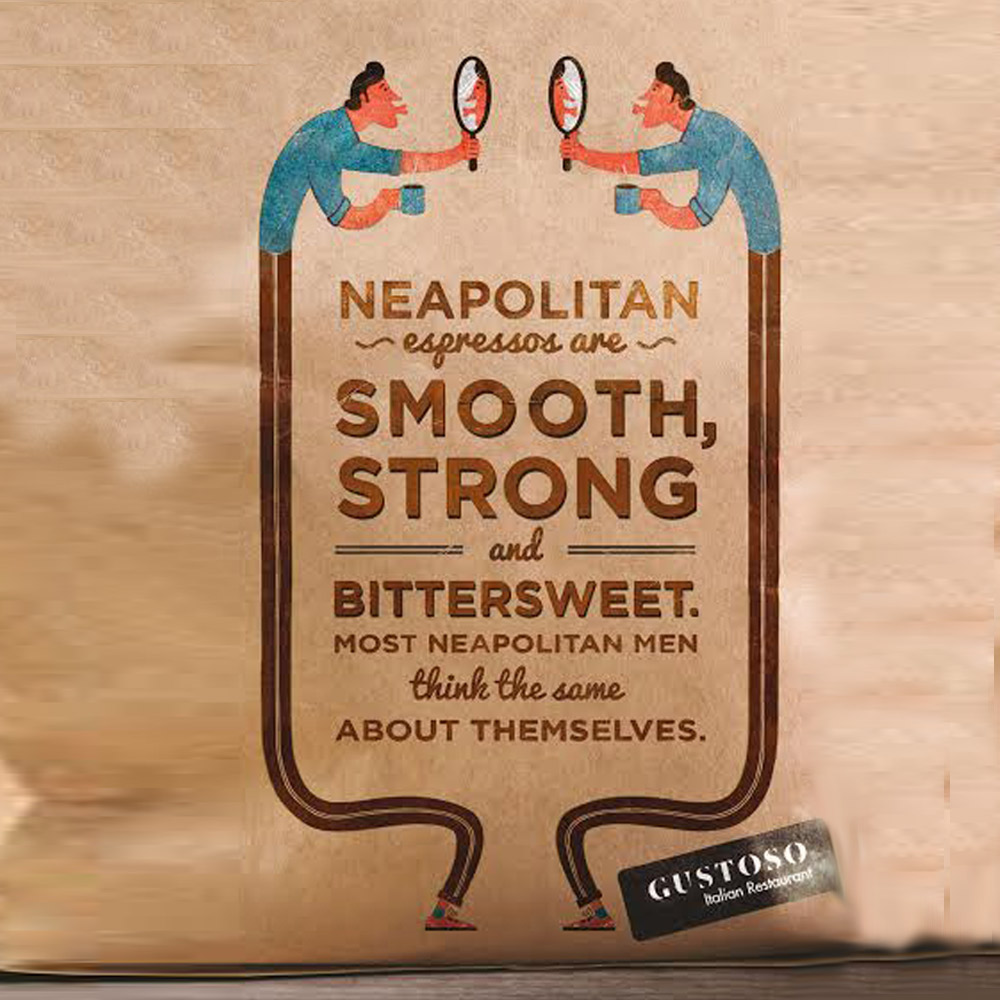
    The insights for the campaign came from common misconceptions people have about Neapolitan food. Statements like, ‘pizza’s need to be thin and crispy or they need to be laden with ketchup or Tabasco’, ‘pasta needs to soft’ and so on were common fallacies appearing as part of reviews across popular food listing websites. BBH decided to use quirk and wit to educate people about authentic Neapolitan cuisine.

    The press ads display artistic illustrations of Neapolitan stereotypes and food paired with humorous headlines.

    The campaign will employ an integrated strategy that includes print ads, posters, outdoor, radio and digital activations.

    Speaking about the campaign, BBH India managing partner and chief creative officer Russell Barrett said: “Print ads in mainstream media have either become dull reminders of TV commercials (read key visuals) or purely functional reminders that you’d rather forget. We wanted to ensure we communicated, engaged and entertained people while still only doing print. Because it’s possible.

    Gustoso is unique in that it doesn’t cater to what we’re used to in Italian food. The food here is lovingly crafted to taste like genuine Italian cuisine. Whether you like it or not. We hope to have captured the spirit of the offering and the spirit of the people of Naples as well. Most importantly we hope we’ve been able to create enough curiosity for the growing tribe of foodies in this city to visit Gustoso.”

    Indianapoli Hospitality partrner Arja Shridhar says “At Gustoso, we want our patrons to experience food that pleases all their senses. We have taken great effort in designing the menu with the help of Chef GiulioAdriani to ensure that we provide dishes with freshest ingredients at the same time are lip smacking, as you would experience in Naples. The team at BBH has skillfully put together communication that helps us convey this and break the clutter with jest.”

    The campaign is created by BBH. Sapna Ahluwalia is the Art director and Yohan Daver, Shivani Krishan are copuwriters for the campaign.

  • BBH India launches ad campaign for Mumbai eatery – Gustoso

    BBH India launches ad campaign for Mumbai eatery – Gustoso

    MUMBAI: BBH India has launched an ad campaign for Gustoso, the latest addition to Mumbai’s fine dining scene.

    The insights for the campaign came from common misconceptions people have about Neapolitan food. Statements like, ‘pizza’s need to be thin and crispy or they need to be laden with ketchup or Tabasco’, ‘pasta needs to soft’ and so on were common fallacies appearing as part of reviews across popular food listing websites. BBH decided to use quirk and wit to educate people about authentic Neapolitan cuisine.

    The press ads display artistic illustrations of Neapolitan stereotypes and food paired with humorous headlines.

    The campaign will employ an integrated strategy that includes print ads, posters, outdoor, radio and digital activations.

    Speaking about the campaign, BBH India managing partner and chief creative officer Russell Barrett said: “Print ads in mainstream media have either become dull reminders of TV commercials (read key visuals) or purely functional reminders that you’d rather forget. We wanted to ensure we communicated, engaged and entertained people while still only doing print. Because it’s possible.

    Gustoso is unique in that it doesn’t cater to what we’re used to in Italian food. The food here is lovingly crafted to taste like genuine Italian cuisine. Whether you like it or not. We hope to have captured the spirit of the offering and the spirit of the people of Naples as well. Most importantly we hope we’ve been able to create enough curiosity for the growing tribe of foodies in this city to visit Gustoso.”

    Indianapoli Hospitality partrner Arja Shridhar says “At Gustoso, we want our patrons to experience food that pleases all their senses. We have taken great effort in designing the menu with the help of Chef GiulioAdriani to ensure that we provide dishes with freshest ingredients at the same time are lip smacking, as you would experience in Naples. The team at BBH has skillfully put together communication that helps us convey this and break the clutter with jest.”

    The campaign is created by BBH. Sapna Ahluwalia is the Art director and Yohan Daver, Shivani Krishan are copuwriters for the campaign.

  • “Intolerance is a politicized term which suits everyone including media, ratings, etc”: Shobhaa De

    “Intolerance is a politicized term which suits everyone including media, ratings, etc”: Shobhaa De

    GOA: “India is hugely tolerant. Tolerance and intolerance are very loaded words. India is highly tolerant because we tolerate dirt and tolerant corruption. We are fine about rapes, violence against men, women and children, cold blooded daylight murders, etc. We all consider holy frauds, God frauds, women in saffron, women not in saffron, all of them perpetuating hate in the country.”

    Coming from an established writer, columnist, opinion shaper and social commentator Shobhaa De at the first session of Day 2 at Goafest, the words were no surprise.

    And reiterating this, the person who is considered an authority on popular culture spoke about being outspoken in an intolerant world.

    She said the young persons in the country carry messages strongly and will do what they think is correct. “We have forgotten defining moments. I think India has some short memory issues”.

    “Intolerance is a politicized term which suits everyone including media, ratings, etc”. De noted that every person should look ahead of things in his or her own way rather than voicing anyone else’s opinion.

    In a room full of stalwarts from media, advertising and marketing industry, she praised ad agencies and termed them as ‘game changers’ for positioning women as well as the nation in a totally different way.

    De spoke about how ads can go wrong at times with their content. She mentioned about a famous fairness cream and how she opposes the entire idea behind that ad though she appreciates the ad campaign.

    In today’s world, we come across many people who speak their mind out without worrying about the end result. But she referred to how being outspoken gets people in a lot of trouble because challenging a point of view that is not in consonance with theirs is bad. She condemned India’s ‘seemingly’ favourite line for young girls ‘adjust kar le beta’.

    De boldly spoke of how accommodating views that are perpetrating and are intrinsically ugly are wrong. “Noone should ever adjust to justice. A person should confront the unfair event, speak up about it, may be intervene and help. Being outspoken is not a bad thing. It requires moral courage. As a citizen of this democracy, you should exercise this or else you will be dead; intellectually, morally and physically”.

    When asked whether intolerance is a new phenomena or a social media driving awareness, she pointed out that it is not a new phenomena which the generation has invented. De mentioned referred to the positives and negatives of social media and explained how a message can be misinterpreted because of the language used.

    “I tweet and therefore I am. If you don’t tweet you are not there. You can’t say that I will shut these platforms. You have to deal with them.”

    Asked about the importance of free speech, De said: “It is not as terrible as the media wants it to be. We live in an augmented, opinionated, volatile and articulated country. But nothing can keep us down. Free speech is ingrained in every Indian and the advertising community is brilliant in capturing the zeitgeist. “

    She also referred ti her own observation about how there is a tremendous change in portrayal of women and senior citizens in ads. “The senior citizens are no longer ‘becharas’; housewives have found a voice. These are subliminal messages, but they go a long way in influencing mindsets.”

    On gender neutrality, she said society is structured and is weighed against women.

    With no regrets, De related how her journey has been and always anticipates what would wait for her at the end. “My life is like a river finding its own coast. Not knowing what is at the end always drives me further”, she said..


  • “Intolerance is a politicized term which suits everyone including media, ratings, etc”: Shobhaa De

    “Intolerance is a politicized term which suits everyone including media, ratings, etc”: Shobhaa De

    GOA: “India is hugely tolerant. Tolerance and intolerance are very loaded words. India is highly tolerant because we tolerate dirt and tolerant corruption. We are fine about rapes, violence against men, women and children, cold blooded daylight murders, etc. We all consider holy frauds, God frauds, women in saffron, women not in saffron, all of them perpetuating hate in the country.”

    Coming from an established writer, columnist, opinion shaper and social commentator Shobhaa De at the first session of Day 2 at Goafest, the words were no surprise.

    And reiterating this, the person who is considered an authority on popular culture spoke about being outspoken in an intolerant world.

    She said the young persons in the country carry messages strongly and will do what they think is correct. “We have forgotten defining moments. I think India has some short memory issues”.

    “Intolerance is a politicized term which suits everyone including media, ratings, etc”. De noted that every person should look ahead of things in his or her own way rather than voicing anyone else’s opinion.

    In a room full of stalwarts from media, advertising and marketing industry, she praised ad agencies and termed them as ‘game changers’ for positioning women as well as the nation in a totally different way.

    De spoke about how ads can go wrong at times with their content. She mentioned about a famous fairness cream and how she opposes the entire idea behind that ad though she appreciates the ad campaign.

    In today’s world, we come across many people who speak their mind out without worrying about the end result. But she referred to how being outspoken gets people in a lot of trouble because challenging a point of view that is not in consonance with theirs is bad. She condemned India’s ‘seemingly’ favourite line for young girls ‘adjust kar le beta’.

    De boldly spoke of how accommodating views that are perpetrating and are intrinsically ugly are wrong. “Noone should ever adjust to justice. A person should confront the unfair event, speak up about it, may be intervene and help. Being outspoken is not a bad thing. It requires moral courage. As a citizen of this democracy, you should exercise this or else you will be dead; intellectually, morally and physically”.

    When asked whether intolerance is a new phenomena or a social media driving awareness, she pointed out that it is not a new phenomena which the generation has invented. De mentioned referred to the positives and negatives of social media and explained how a message can be misinterpreted because of the language used.

    “I tweet and therefore I am. If you don’t tweet you are not there. You can’t say that I will shut these platforms. You have to deal with them.”

    Asked about the importance of free speech, De said: “It is not as terrible as the media wants it to be. We live in an augmented, opinionated, volatile and articulated country. But nothing can keep us down. Free speech is ingrained in every Indian and the advertising community is brilliant in capturing the zeitgeist. “

    She also referred ti her own observation about how there is a tremendous change in portrayal of women and senior citizens in ads. “The senior citizens are no longer ‘becharas’; housewives have found a voice. These are subliminal messages, but they go a long way in influencing mindsets.”

    On gender neutrality, she said society is structured and is weighed against women.

    With no regrets, De related how her journey has been and always anticipates what would wait for her at the end. “My life is like a river finding its own coast. Not knowing what is at the end always drives me further”, she said..


  • Kidzania launches monsoon ad campaign to woo visitors

    Kidzania launches monsoon ad campaign to woo visitors

    MUMBAI: Summer vacations are over and kids are back to school. However, it’s not just the kids who are racking their brain solving sums in school. The entire kids recreation sector has been making permutation and combinations to launch various marketing campaigns to keep the footfalls intact. Launching one such campaign is the Mexico originated indoor edutainment conglomerate Kidzania’s India venture, which has announced attractive discounts for the monsoons.

    The venture is targeting first timers who could not explore the experience because of pricing with the Wow Monsoon campaign. Visitors can avail 40 per cent discount by booking over the counter post 4 pm on Tuesday, Wednesday and Thursday. Whereas visitors 15 days prior to their visit will get 15 per cent discount throughout the day on weekdays.

    “We want to drive the online booking and that’s why we announced the 15 per cent offer. Soon we are going to be launching an app and hence we want to make online ticketing a habit,” asserts Kidzania CMO Viraj Jit Singh.

    Being an indoor amusement park Kidzania is making efforts to extract maximum benefit of the weather conditions. “Kidzania is a well covered amusement park and hence it secures parents’ assurance as we take total care of kids’ safety. Hence during the monsoon season we become the exclusive destination for visitors so we launch many such discount offers. It is something we practiced last year too and we tasted good success,” adds Singh.

     Kidzania’s doles out 80 per cent of marketing spend on print and radiowhile the booming digital media gets 15-20 per cent of the pie. “Digital media is booming and we are certainly strategising to make more use of the medium. Marketing strategy differs from time to time and so does the spend. We target across the socio economic class of India and all the marketing campaigns are targeted to them,” opines Singh.

    Kidzania has more than 1,47,000 likes on its Facebook page. All the creatives and strategising is done by Kidzania’s in-house marketing team.

    Reports predict an increase of four per cent over the next five years in the average Indian’s spend on recreation, which brings a lot of optimism to the sector. New players are coming in and existing conglomerates are expanding their base by invading into new territory. The enhanced competition is a compliment, feels Singh. “The sector has a lot of potential and in the next few years it will take a good shape. We are expanding to NCR by the start of next financial year (2016) and then we have plans of launching in the south too. The economic condition of the country is growing substantially, disposable income is increasing and that’s why I feel the sector has a lot of potential,” he adds.

    The months of December and January attract maximum visitors, but footfall remains constant throughout the year. “When schools are on, we get a lot of school excursions so the footfall more or less remains the same. We already had more than 300 schools visiting us, there are different packages, which we offer and all of that depends on the number of students coming in. Besides excursions, Kidzania is emerging as the destination for birthday celebration,” concludes Singh.