Tag: Achint Setia

  • Myntra’s Achint Setia joins Zalora Singapore as chief revenue & marketing officer

    Myntra’s Achint Setia joins Zalora Singapore as chief revenue & marketing officer

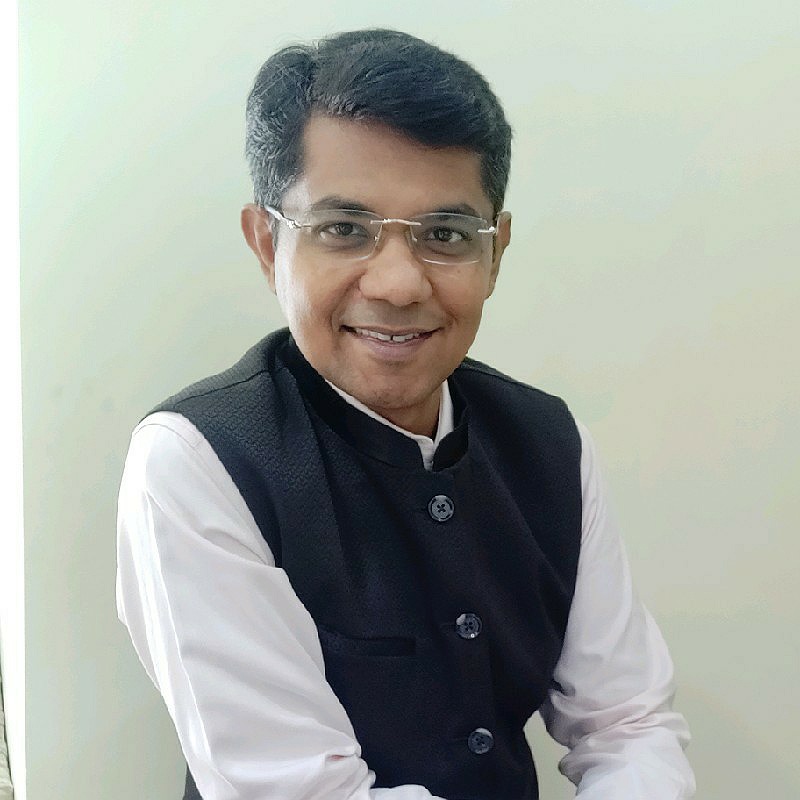
    Mumbai: Myntra CXO and head of marketing & social commerce business Achint Setia has announced he is moving on from his current role at the fashion e-commerce major. He has joined fashion e-retailer Zalora Singapore as chief revenue & marketing officer. Setia took to LinkedIn to make the announcement. At Zalora, he leads the revenue and profit & loss for the regional cluster along with driving the marketing function for the group. 

    Earlier in January this year, Flipkart-owned fashion e-commerce platform Myntra had promoted Achint Setia to the position of marketing and social commerce business head. In this role, Setia was responsible for building the Myntra brand, loyalty program (insider), user growth, content-led commerce, and live commerce businesses. He was previously the vice president and business head – social commerce at the fashion portal, having joined it in August 2018.

    Setia has business building expertise in consumer tech and media with cross-functional experience across marketing, operations, strategy, content, product development, and analytics.

    Before joining Myntra, he worked with companies like McKinsey & Co, Microsoft R&D, and Viacom18 Media.  

    An alumnus of Stanford’s Graduate School of Business, as well as the Indian School of Business, Setia also holds a Bachelor’s degree in Computer Engineering from NSIT.

  • Achint Setia named marketing & social comm business head at Myntra

    Achint Setia named marketing & social comm business head at Myntra

    Mumbai: Flipkart-owned fashion e-commerce platform Myntra has promoted Achint Setia to the position of marketing and social commerce business head. He was previously the VP and business head – social commerce at the fashion portal.

    In his new role, Setia will be responsible for building Myntra brand, loyalty program (Insider), user growth, content-led commerce, and Live commerce businesses.

    “Starting another new chapter at Myntra helping people look good and feel good! Thanks to my teams, mentors and well wishers,” Setia said in a LinkedIn post, announcing his new role.

    Setia is a business building expertise in consumer tech and media with cross-functional experience across marketing, operations, strategy, content, product development, and analytics.

    He joined Myntra as VP of marketing in 2018 and led brand, sale events, digital and performance marketing in that role. He conceptualised, launched and scaled the Myntra loyalty programme (Insider) and the venture into content to commerce play (Myntra Studio).

    Before joining Myntra, he worked with companies like McKinsey & Co, Microsoft R&D, and Viacom18 Media.  

  • Content Hub 2021: Growing relevance of language personalisation in OTT advertising

    Content Hub 2021: Growing relevance of language personalisation in OTT advertising

    Mumbai: The last one and a half years have escalated the pervasiveness of the OTTs and streaming platforms in our lives like never before. Not wanting to lose out on their share of the OTT marketing pie, brands have begun exploring promotions and advertisements on these channels.

    With regional content being a major chunk of the consumer viewership on the OTT platforms, there is a growing conversation around advertising too being tuned towards regional to resonate more with their audiences. Representatives from some leading brands came together to discuss the growing relevance of this regional targeting in OTT advertising at the fifth edition of the Content Hub 2021- ‘TV, Film, Digital Video, and Beyond’ which was organised virtually by IndianTelevision.com from 28-30 July.

    The panel consisted of representatives from Lenskart, Myntra, DABUR, ESSENCE and Zee Entertainment Enterprises Ltd (ZEEL). The discussion was moderated by IndianTelevision’s founder, CEO & editor-in-chief Anil Wanvari, who began the session by seeking the panellists’ views on how brands are looking at the OTT ecosystem as a communication tool with their customers.

    “The platform (OTT) represents the best of both worlds,” remarked ESSENCE India, managing director, Sonali Malaviya, “It provides the ‘comfort & love of Television’ and the possibility of ‘an ad-free background’, which is what consumers have been wanting to have, since time immemorial. As an advertiser, it gives you the flexibility, the dynamism and the targeting dexterity which we have always wished for in TV. So definitely OTT platforms are here to stay.”

    As the OTT boom revolutionised the media industry, it also opened new avenues for advertisers who had otherwise been reviewing their ad spends on certain genres. One such example has been Lenkskart, which moved out of advertising on English genre, along with the premium audience which gradually moved to OTT.

    However, the lack of data measurability remains a concern, pointed out Lenskart, brand media head, Anupam Tripathi. “The only worrying factor is that little black-box of information about viewership, targets in terms of absolute numbers that doesn’t pass on via the OTT to the marketers. Especially during the streaming of live sports,” said Tripathi.

    While the OTTs have evolved in terms of content and consumer reach, the lack of adequate data measurement and the ability to compare that data with other platforms has proved to be an obstacle for advertisers looking to invest in OTT, according to the panellists. But they also contended that, since these are early days for digital platforms, it may take some time before the new technologies and data measurement systems are devised and made available for advertisers and brands.

    One of the many things that may be challenging for OTT is the high level of expectations that advertisers may have from it. Nevertheless, there’s one area that sets the OTTs apart as a marketing medium, is the regional reach, and the ability to target specific audiences through vernacular content.

    “From an OTT stand point, that’s where the next level of growth is going to come from,” highlighted Malaviya. “And, this is also what makes ‘measurability’ all the more critical- for brands to be able to figure out the scope of the language content, and for marketers to know where they are putting their money is the most optimal use of it.”

    Regional content is drawing advertisers’ interest across all segments. A major portion of the ad-spends of FMCG brands is also shifting towards regional, highlighted Dabur, head of media, Rajiv Dubey. The brand has also been creating regional marketing teams, producing local content & ads, getting local influencers, getting closer to the ground by creating custom made campaigns for that market.

    “This goes hand in hand with regional content on OTTs,” he added. “But, OTTs have to give people options to watch original content in their language. Then it becomes a level playing field. Right now the content is only skewed towards English & Hindi content. So there’s a huge place to grow over there. Though, reaching people behind the paywall will be a challenge.”

    Myntra vice president & head of marketing, Achint Setia concurred. “The next big growth for OTT will come from regional content and advertisers would want to be part of this journey. However, the expectations from OTTs are higher. Almost one-third of our money is deployed in sharp regional campaigns today, so I think it’s just going to get bigger as we see success in this. It’s bound to happen- if anybody has to scale in this country you just cannot not go regional,” said Setia. “It’s an industry which we all have to support because in the future, it will provide solutions which do not exist today.”

    While it took television several decades to understand the power of regional, digital platforms are plunging into vernacular content within a few years of their debut. “Regional is a dominant force in OTT content because of the sheer numbers of people consuming it. It’s just that the expectations from OTTs are also higher, in terms of addressability. The responsibility is higher,” said Zee Entertainment Enterprises Ltd (ZEEL), Revenue, COO, Rajiv Bakshi.

    The OTT platform launched three years ago has already expanded into 11 languages, including Hindi, Bhojpuri, Tamil and Telugu. It has been leading the way in regional content with the release of several original series in local languages, including Nanna Koochi (Telugu), Utsaha Ithihasam (Malayalam), Date with Saie (Marathi) and What’s up Velakkari (Tamil).

    “I don’t think any medium can invest or prepare for the future, as best as OTT,” added Bakshi, giving a sneak peek into the platform’s latest solution for brands and advertisers, which he said will differentiate why OTT is an important medium for tomorrow’s media planning. “So, when you are watching any piece of content, you can pause and see the jhumkas (or any other item), and when you press on it, you can see the price, colors, details etc and if interested, you can go to the platform and buy it. This is the new solution we are offering to our advertisers. So, at any point viewers can pause and visit the platform to purchase an item. We have the solution, now rest depends on our partnership with the client as to how to develop it so as to ensure it doesn’t affect the overall consumer experience. These are the kind of solutions we are investing in.”

    Summing up the discussion, Wanvari also drew attention towards the lower cost of advertising on digital and OTT, compared to TV. “Digital and OTT channels are offering reach at a fraction of the cost that print and TV offer, and that makes a case for allowing this new medium to develop and grow similarly too with adequate support. At the end of the day, for anyone using regional languages to target specific audiences, first movers would always stand to benefit from the platform as the medium grows because one builds a relationship early on,” he added.

    The three-day summit organised from 28-30 July, 2021 concluded on Friday. It was co-presented by IN10 Media Network and ZEE5, and co-powered by Applause Entertainment and Tipping Point, the digital content unit of Viacom18 Studios. PTC Network was the supporting partner.

    Centred on the theme – ‘The New Dynamic’, the three-day event witnessed insightful sessions with industry stakeholders deliberating on how the new forces are transforming the way content is created and stories are told. It also delved into the impact of these changes on the business models for the world of films, TV and OTT.

    For more details, visit: https://www.thecontenthub.in/

  • Myntra leverages IPL to expand reach & diversify its brand image

    Myntra leverages IPL to expand reach & diversify its brand image

    NEW DELHI: In India, there are two things that people lose their minds over: cricket and festivals. And the IPL is a festival of cricket. Add on the fact that this year, it happens to coincide with the Dussehra-Diwali season – and it's no wonder that brands are pulling out all the stops when it comes to advertising and promotional campaigns to capitalise on miraculous opportunity.

    Ahead of its Big Fashion Festival, fashion e-commerce platform Myntra has decided to hop on the IPL bandwagon to maximise its visibility and sales. The brand has also tied up with multiple brand ambassadors tailored to click with different demographics and help the brand double its sales compared to the same period last year. It is also Myntra's debut on the IPL pitch.

    ‘IPL will help Myntra expand into newer markets’

    Myntra has partnered with not one, but three IPL teams – Royal Challengers Bangalore, Mumbai Indians, and Chennai Super Kings. The brand is RCB’s official fashion sponsor and will have its logo on the upper right chest of the team’s jersey. CSK and MI will carry the Myntra logo across the teams’ branding and communications.

    According to Myntra, VP- marketing Achint Setia, “Myntra is keen to form deep connections with users across India and believes that engaging with prospective customers at all possible and relevant touchpoints is crucial to this vision. We believe that cricket in general, specifically the IPL makes for a key touchpoint and will help Myntra expand into newer markets.”

    The company has a bunch of activities planned with its partner teams. It has developed strong user engagement through social media, via the RCB, CSK, MI, and Myntra handle, where customers can win unique daily prizes by participating in interactive contests centred around the cricket tournament. The fan engagement innovation ‘Virtual Wankhede’, developed in association with the Mumbai Indians, is a platform which provides MI’s army of fans to unite virtually and cheer on their favourite team. 

    "The way IPL has also come up with innovations by bringing in the virtual crowd noise, virtual meet and greet with top fans, has helped the brand to drive a lot of traffic from digital and social channels,” Setia added.

    To leverage the season effectively, the fashion portal has planned several exciting gamification features and content properties which will provide users with entertainment in the coming days.

    One such feature that has grabbed users’ attention is the Myntra Fireball, which provides customers the opportunity to bag specific and time-bound deals by catching a moving ball of flame on the Myntra app.

    ‘Looking to expand in South, tier-2 and tier-3 cities’

    The unique overlap of the IPL and the festive season this year was like a lifeline thrown to brands reeling under the Covid2019 crisis and Myntra is trying to make the most of it. Besides a 2X growth in sales from last year, the fashion firm is also expecting sales momentum from tier-2 and tier-3 cities to continue into the festive period. In fact, it is anticipating that over 50 per cent of its sales will come from outside metro and tier-1 cities.

    Looking at the team partnerships closely, the e-commerce firm has chosen two teams from south India and one from north, highlighting its push to diversify and expand its reach. Setia also agreed, saying: “We intend to make a big expansion in the south market. RCB and CSK not only have a strong following in the metros such as Bangalore and Chennai but also drive countless conversations in the smaller cities and towns of the south market.”

    Mumbai’s importance to retail businesses can hardly be understated and tying up with the city’s most prominent sports team will only further solidify Myntra’s position in a crucial market, he elaborated. Factors such as team popularity and style quotient were also given strong consideration by Myntra executives when opting for team partners this IPL season.

    ‘Celebrity endorsements to boost audience appeal’

    Brand image and new user engagement are two agendas high on the list of Myntra’s marketing strategy for its festive season jamboree. With this goal in mind, it has roped in vlogging sensation Bhuvan Bam as its first digital brand ambassador.

    Myntra and Bam will co-ideate and create content that effectively portrays the brand in an innovative and entertaining manner that goes beyond the traditional forms of communication. The e-commerce platform is counting on Bam’s engaging social media presence and high resonance with the people to gain traction with his 1.93 crore-strong loyal fan base.

    Similarly, as part of the Big Fashion Festival promotion, Myntra has partnered up with Soha and Saif Ali Khan to bring the sweetness of Durga Puja to the fore.

    The brand film aptly re-creates the present scenario, with countless families celebrating the festive season through video calls, thereby striking an emotional chord with the audience, while underscoring the value of the right attire to enhance any festive celebration and make moments special.

    The fashion e-tailer recently announced Bollywood actor Disha Patani as its first-ever beauty ambassador to further consolidate its strong position in the massive and rapidly-growing beauty and personal care (BPC) market in India; actor Kiara Advani is the brand’s nationwide celebrity endorser.

    In the same month, south cine star Samantha Akkineni signed on with Myntra as the fashion marquee’s face to win over the region’s large and widespread audience.

    Myntra’s holistic approach to its marketing campaigns, with Bollywood, Tollywood, and other regional celebrities, along with top IPL teams, is expected to reach 150+ million people across the nation. According to the brand, the mega fashion event is also set to witness a massive uptick in demand, at 4X over its BAU (business as usual).

    Speaking about the overall marketing plan for the festive season, Setia explained: “Our key goal is to ensure Myntra has a prominent space in the key touchpoints with potential customers ahead of its blockbuster sale events. This festive season, our marketing efforts will further drive conversations around the brand through the star-studded campaigns with celebrity brand ambassadors, who have a wide audience appeal reaching all corners of the country.”

    However, the company did not share the marketing budget allocated for the festive period, and replied, in terms of spends, the investment varied for each partner as the scale and size of the associations are different.

    Myntra’s Big Fashion Festival is scheduled to be held between October 16 and 22. The fashion major will offer various lakh styles from the widest collection of 5000+ brands for its customers. As part of the seven-day festive season sale, the platform is expected to cater to over 4 million unique customers.

  • BrandVid – Can a brand become a media company?

    BrandVid – Can a brand become a media company?

    MUMBAI: Traditional media companies today have a very diverse story and narrative no matter what the subject. A consistent story is shared across paid, earned and owned media. However, media companies are more than that today. They create programming and/or distribute it. They also share the content via various media channels.

    But what we’ve been increasingly seeing is that brands have now started to become media companies by creating and distributing their in-house content. 

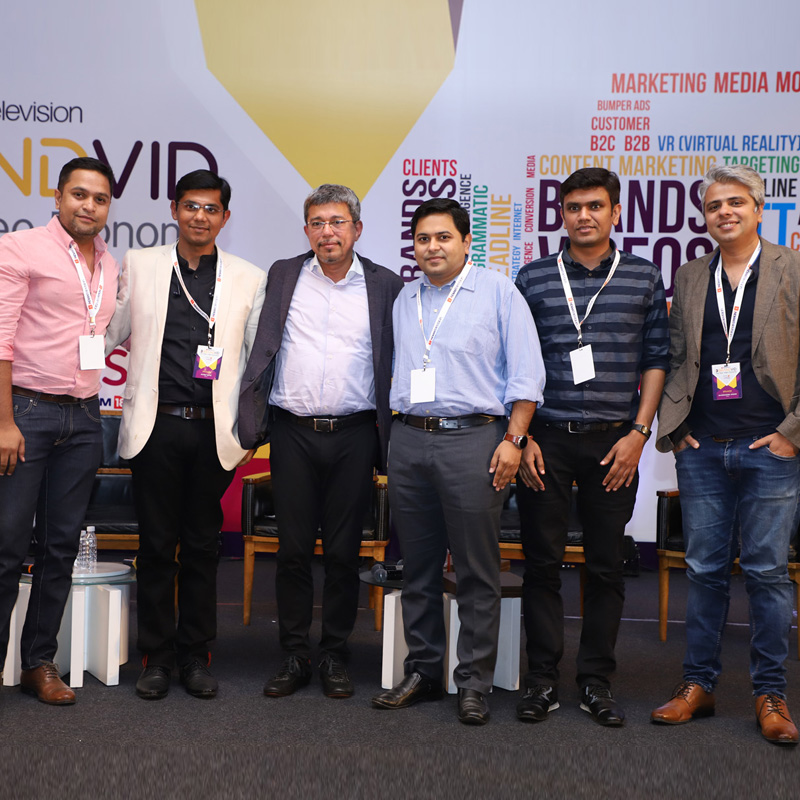
    It is challenging for a traditional agency to sustain and survive in a competing environment like this. But is there a way where brands, agencies and publishers can co-exist and collaborate? Well, that was precisely the topic of discussion at BrandVid 2018, powered by Colors. The session saw industry leaders discuss on whether a brand can after all become a media company. And if yes, how can they monetise their assets. 

    Clearly disagreeing with the proposition, Firstpost business head of revenue & strategy Anurag Iyer believes that the objective of becoming a media company and becoming a brand are completely different. He said, “Redbull as a business looks at its studio business as a separate entity and has great traction back to its website, but does its film on adventure and sports result in more Redbulls being sold? I don’t think so! But does it have a great brand rub off with their audiences? Absolutely!”

    On the other hand, Online Fashion portal Myntra is a brand as well as an e-commerce company that is also a media company to some extend as it creates in-house content. But does that mean it will become a full-fledged media company in the time to come? Probably! Myntra VP marketing Achint Setia is of the opinion that brands need to first figure out the role of content and the business objective. For a brand, its business objective is to drive revenue and sales and that’s where content plays a critical role. “Brands have a role to play in consumer’s mind and they should stick to that role. However, that role can get enhanced and more meaningful with the right use of content.”

    But while brands are struggling to find their sweet spot in the cluttered media ecosystem, there hasn’t been a better time for agencies as they get to have the cake and eat it too. Isobar Group MD South Asia Shamsuddin Jasani wants partake of that cake. Though it is a difficult proposition, big global brands want to monetise their content. Global FMCG giants Mondelez and Pepsi want 20-30 per cent of their spends to be recovered via video content and Isobar doesn’t want to miss out on that opportunity. 

    A lot of brands mistake content’s role in their business lifecycle. It is not about monetising content for the sake of it or about using content as an ROI drive. It is more about using content to have a deeper relationship with your community. 

    Shamsuddin said, "Big advertisers feel there is some monetisation that needs to happen and they are all grappling with how to create those monetisation opportunities. As an agency, we are working with brands to create those IPs. As brands, they will do it and as agencies we will have to do it because we don’t have a choice or they will push us to do it.”

    Although it’s a vicious and profitable cycle, but when does a brand pause, take a step back and think whether they are overstepping their business objective and should rather focus on sales and revenue? That’s exactly what Marico head of media and digital marketing Ankit Desai thinks. He believes it will be a few hits and a lot of misses for brands if they go the media company route. “While media companies can deal with many misses and start over again, it’s a different ball game for brands as it is linked back to business objective where you don’t have the option of repetitive failure since your marketing money will be wasted and that’s really the challenge.”

    Getting customer attention is a task for most marketers today. The millennial consumer will not stick to your content no matter how well made it is if it isn’t engaging and informative enough. It will take a lot of time for brands to understand the young customer of today. Agreeing that brands will become media companies in the future, Fastrack head of marketing Ayushman Chiranewala said that you cannot time when it will actually happen. He however thinks that it will come from a different business need which will be to be on the top of customer mind because getting the customer attention will only keep getting difficult in the future.

    Brands will become media companies in the times to come and there is no denying that but the timeline is likely to vary. For Myntra, it may happen in less than three years from now whereas Fastrack believes it will take five to 10 years. Interestingly, today content creators are also becoming brands in themselves. They create an IP and later sell products around the IP, eventually creating a brand. 

    All in all, maybe the world in the future will not be about everyone trying to do everything but about a lot of collaborations and partnerships. But every brand and creator should keep their minds open and think about consumer intent first.

  • Want to make Viacom18 digitally transformed via VStEP: Achint Setia

    Want to make Viacom18 digitally transformed via VStEP: Achint Setia

    For every young graduate today, the fairytale dream is no more finding a stable job in an MNC. Instead, youngsters are eager to leave a mark with their world-changing ideas. But launching a startup is no piece of cake. They may have the expertise, the financial backers and the time but what they sometimes lack is the right mentor from companies that made it large. But media company Viacom18 has come forth as a saviour to train technology startups with its property, VStEP.

    A unique initiative in India’s media and entertainment space, VStEP is a startup engagement programme that creates an opportunity for start-ups to pilot technology-based solutions to business problems.

    Working in close collaboration with business units across the Viacom18 network, the VStEP startups develop solutions that are relevant to both media and non-media companies. Viacom18 recently concluded the first class of VStEP in partnership with Zone Startups India, a global brand of technology accelerators and early stage venture funds, operated by Toronto-based Ryerson Futures Inc.

    Indiantelevision.com spoke exclusively to the man heading VStEP, Viacom18 digital ventures senior vice president Achint Setia who gave us insights about the thought behind launching VsTEP, what makes them tick, importance of technology for Viacom18 and much more.

    What was the rationale behind launching VStEP?

    We launched VStEP in October 2017 with the thought of how do we stay close to the disruption along with solving our daily business problems which cannot be resolved at speed and scale unless we have significant technology intervention there.  We also wanted to create an open work culture in the organisation. We have been working with startups for several years now in different projects here and there. But what we’ve realised, is that if these startups are left alone in the organisation, they get aloof in the corporate system. They need a continuous mentorship and guidance on how to manoeuvre in the corporate system to get the best outcomes for their products.

    So you want to mentor talent rather than just investing in them?

    Money is the easiest problem to solve for any startup because you have a lot of people with tons of money who don’t know where to invest. There are sufficient crowdfunding platforms that will get you the right money. The key is to identify where do you deploy that money effectively to scale up. Scaling up today in the current ecosystem is the biggest challenge for a large organisation as well as for a startup. It is important to realise what problem you’re trying to solve. A lot of young guys come with interesting solutions but get lost in technology and forget the business proposition. This will only come with correct mentorship. If we don’t listen to the real potential impact of some of these solutions, a lot of good ideas get lost in translation. People came to the program with a particular idea, and what really came out by the end of the program was completely different. Of course, money is also important but not the driving factor.

    What were the key problems that you were trying to solve with the program?

    When we started the program, we had five focus areas where we felt technology could help our business model and operations. The first focus areas was about doing something in AI/deep learning space and solutions which could come in help for our digital platforms, especially Voot, along with our other assets to enhance the consumer experience or improve the quality of content we serve or just the way we understand consumers. The second focus area for us was around corporate legal where we didn’t want to rely too much on human intervention and make it automated. Third corporate finance, followed by content and consumer insight   . We also wanted to give an opportunity to other M&E tech startups to pitch their solutions to us which is why we had the fifth focus areas as other promising M&E innovations

    So are you looking at building the company very differently with a lot of dependence on technology and less on human interaction?

    The entire initiative is to make Viacom18 more tech savvy and a digitally transformed organisation having adopted technology not only in certain parts but across the board. As the technology evolves, we also want to make sure that the technology skill and understanding of our employees develop simultaneously.

    You recently concluded your first masterclass/program. How did it go and how many entries did you see?

    We started the program last year with road shows across Delhi, Mumbai and Bangalore.  We had over 200 entries from startups across the country from which we shortlisted 12 startups for the first round of pitch. The shortlisting was done in combination with our partners, zone startups, and a bunch of leaders from within the organisation who understand the business in and out.

    How involved will the winners of the program be at Viacom18? Will they work closely with the organisation?

    We have already signed up two of the VStEP First Class startups with long-term contracts. We are working with the winners of the showcase on piloting their solution to assess its deployment at scale. We completed successful POCs with the other two startups as well and shall engage them on business use-cases as required in future.

    What were the areas of delivery of the winners?

    The startup that won the VStEP startup showcase is an Artificial intelligence and data analytics  startup. The first winner works on auto-generation of fine meta-data tags; which will help us in understanding the consumer better. The second winner had done brainwave mapping (also known as Neuro testing)to understand the consumer behaviour which is very effective when we are doing research on   promos, new content etc. The third winner is into automating the Customer/Vendor verification with real time due diligence reporting which helps expedite the due-diligence process.

    What was the range of investment for first season of VStEP program?

    We are not looking at investment as a key criteria in this program. Investment would be something which we evaluate on a case to case basis.

    In the program, were the entries just ideas or a definite product? What were your criteria?

    Our criterion was that we want growth stage startup, which means they would have already developed a proof of concept and have a solution ready. While the solution may not be immediately deployable for our business problem but it has to be ready in some stage or we spend a lot of time working with them to make something ready.

    You mentioned that it’s important for brands to invest in technologies. How important will technology be for Viacom18 in 2020?

    Technology is becoming core to every industry and organisation now. The media industry has been historically a very technology dependent industry. To put anything on air requires heavy investment in technology. The way technology is manifesting now has changed. Technology is a big focus area for our organisation’s transformation program.

    So will you only invest in technology companies?

    The startup ecosystem in India is largely dependent on technology sector. If there are certain sector issues that we can’t solve at speed, we will look at all kinds of startups. But technology will always remain at the core of it.

    Who were involved in the program from the leadership team?

    There were bunch of people from our leadership team starting right from Sudhanshu Vats, to our finance head, Digital ventures head, strategy head and our legal head. In total, we had 9  people from the leadership team. It wasn’t just the first layer of leadership but mentorship came from three layers of leadership Led by the VStEP Champions.

    When will you roll out the next program?

    We will roll it out in the next quarter or so. It is going to be an ongoing thing. As we look at scaling up the technology at Viacom18, we want to expand the scope of problems we want to solve and the kind of startups we will look at. This year, we may also look outside India in Singapore, Israel and so on to find startups. We also want to build an ecosystem of partners which is very important for us who could add layers to the program in terms of mentorship, access to their status to VStEP and providing access to our startups to other platforms.

    How will you put the word out and let the startup community know that you are willing to invest and mentor them?

    The word of mouth spreads fast in this community as the startup community is extremely connected.

    Will you promote all the talent from the program in the industry?

    Absolutely! We don’t want to constrain the startup to work with only Viacom18. We want them to grow on their own even if they want to work with another broadcaster. The IP of the idea remains with the startup. We are not into this for IP rights as we are not investing in them monetarily.

  • Viacom18 partners with Anthill Ventures for AR, VR

    Viacom18 partners with Anthill Ventures for AR, VR

    MUMBAI: Anthill Ventures, an investment and scaling platform for early-stage startups, has partnered with Viacom18 for an accelerator program called Anthill Studio.

    With this partnership, the studio will provide additional market access opportunities to the startups of Anthill Ventures.  

    The program will scout for startups building products for the media and entertainment industry using technologies such as AI/ML, AR/VR, IoT, Big Data, Blockchain and others. The areas of focus include filmed entertainment, TV, gaming and digital media industries.

    Anthill Ventures founder and CEO Prasad Vanga said, “Viacom18 has emerged as a prominent entertainment network and is a key enabler of sustained innovation and thought leadership.”

    For Anthill Studio, Viacom18 will act as a catalyst to create the desired ecosystem for startups by providing easy access to the media and entertainment market.

    In order to nurture Indian startups, the Mukesh Ambani-led media network Viacom18 launched its startup engagement program VsTEP last year.

    With VsTEP, Viacom18 aims to provide startups with business and technology mentorship along with an opportunity to scale up by collaborating with them on contract basis or via other commercial opportunities.

    Positive about the partnership with Anthill, VStEP head and Viacom18 Digital Ventures senior VP Achint Setia aims to bring disruptive innovations to media businesses. “We are looking at tech innovations especially in the areas of AI, ML, automation for our TV, films and digital business,” he said.

    Located at Hyderabad, the studio division of Anthill Ventures is already in partnership with film production and distribution company Suresh Production to accelerate programmes towards helping the technology startups in building solutions for the M&E sector.

    Anthill Ventures is present in nine global hubs across the world, with offices in Singapore, USA and India.

    VStEP is a startup engagement programme that creates an opportunity for start-ups to pilot technology-based solutions to business problems.

  • Building on India’s startup revolution, Viacom18 completes first class of itspioneering start-up engagement program VStEP

    Building on India’s startup revolution, Viacom18 completes first class of itspioneering start-up engagement program VStEP

    MUMBAI: Viacom18, India’s fastest growing Media & Entertainment company, yesterday conferred graduation certificates to five start-ups who were a part of the VStEP program. True to its brand promise of Open New Worlds, Viacom18 has been engaging with start-ups to build a culture of inclusive innovation. A pioneering initiative in India’s Media & Entertainment space, VStEP is a startup engagement programme that creates an opportunity for start-ups to pilot technology-based solutions to business problems. The five start-ups that were a part of the first class of VStEP are TESSACT, Karza Technologies, Entropik Technologies, Firmwayand vPhrase.

    Working in close collaboration with business units across the Viacom18 network, the VStEP startups have developed solutions that are relevant to both media and non-media companies. The first class of VStEP has been onboarded in partnership with Zone Startups India, a global brand of technology accelerators and early stage venture funds, operated by Toronto-based Ryerson Futures Inc.

    Speaking about the VStEP initiative, Achint Setia, Senior Vice President-Viacom18 Digital Ventures and Head- VStEPsaid, “At Viacom18, we propel ourselves on the back of innovation concurrent to our brand promise of Open New Worlds. Engaging with startups through VStEP has been an enriching experience as the initiative has brought solutions that add business value while at the same time drives a culture of innovation internally as well. Over the last 6 months, our teams have worked closely with the startups on the POCs, perfecting them into solutions that are adoption ready.”

    FurtheringViacom18’s commitment in fostering a culture of innovation and engaging with startups, the company recently entered a strategic partnership with Anthill Ventures for an accelerator program called Anthill Studio that will scout for startups building products for Media & Entertainment industry using technologies such as AI/ML, AR/VR, IoT, Big Data, Blockchain and others. The areas of focus include filmed entertainment, TV, gaming and digital media industries.

    A brief on the five startups of the VStEP first class and their POCs are:

    •    Tessact- Enabling Indian M&E players auto index their content library and enabled for contextual search on a single cognitive platform built.The platform comes with applications for contextual search, S&P compliance review, Social feed moderation, Subtitle QC/Edit, Ad detection in live stream and other useful scenarios built specifically for Indian M&E Industry using customized deep learning models.

    •    Karza Technologies-The platform assists corporates to onboard vendors/ partners by automatically fetching company details, registration details (GST, PAN, etc), e-court searches, defaulter searches, etc along with a due-diligence report (Karza Scan), providing insights about existing consumers for a group. The Karza platform enables holistic view of a network and the negativity around it using public data sources.

    •    Entropik Technologies- An Emotion Intelligence platform for Media/ Brands that tracks users’ emotions as they experience any media/content on a sec by sec basis. The platform uses Brainwave Mapping & Facial Gesture Recognition to track data points like (Attention, Appreciation, Mental Effort, Activation Level, Emotion Spectrum). This can be useful in video/ audio optimization, post production editing and brand placement within the content.

    •    Firmway-Firmway digitizes the entire confirmation process through a web based interface by sending confirmations on the click of a button, including automated follow ups on SMS and emails, online reconciliation platform, direct access of confirmation to auditors and real-time dashboard for all the responses. 

    •    vPhrase-vPhrase helps companies make their reports easy to understand by explaining the insights in words, using AI. The company’s platform, Phrazor, analyses data, derives insights and then communicates those insights, in words, in multiple languages. It automates the work of analysis and communication while also having the capability to personalise narratives for each employee highlighting all important points that need attention.