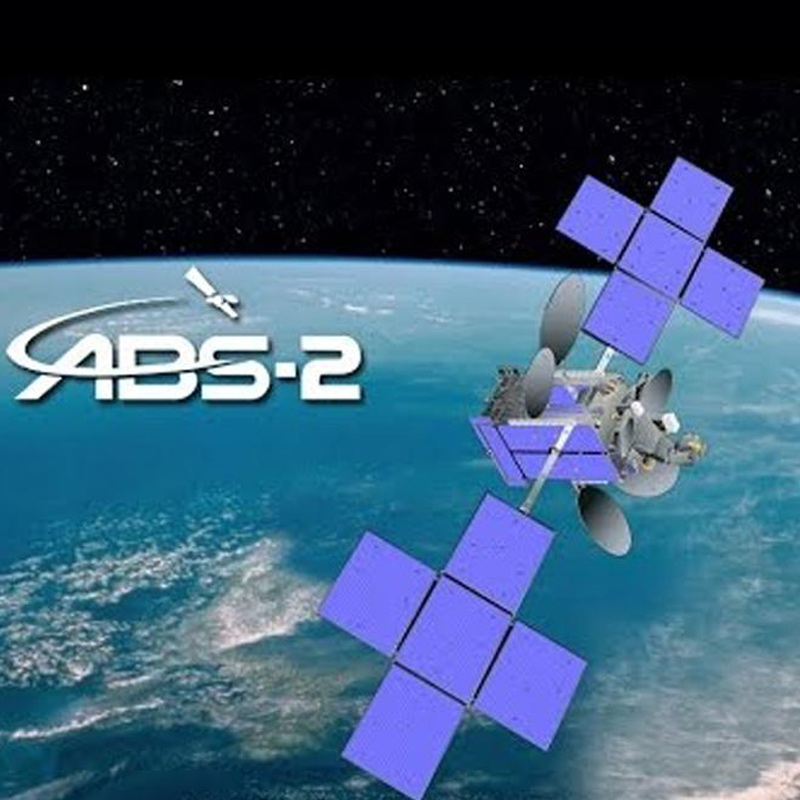
Tag: ABS-2

  • Did govt pressure nudge ABS-2 to shutter Indian TV channels on FTA DTH service?

    Did govt pressure nudge ABS-2 to shutter Indian TV channels on FTA DTH service?

    NEW DELHI: ABS has closed the doors from 1 May 2018 on Indian TV channels that were using the ABS-2 satellite-beamed FTA Ku-band platform. Apparent reason: Indian government pressure on local TV channels to stop using the ‘unlicenced’ platform that discouraged payment of carriage fee to the satellite operator, which was the origin of the business.

    The Bermuda-registered satellite operator’s ABS-2 signals — hosting on its South Asian beam a Nepalese and a Bangladeshi DTH services licenced in their respective countries — have been spilling over into India and a mix of Indian, Nepalese and Bangladeshi TV channels were available to Indians as a FTA service that was accessed via some plain vanilla hardware (read set-top boxes and antennae) at a nominal cost.

    On being petitioned by Indian distribution platforms, Ministry of Information and Broadcasting (MIB) in 2017 had asked Department of Space (DoS) to block the “unauthorised” DTH or KU-band ABS-2 service on the grounds of possible threat to national security — an allegation that was refuted by ABS citing international laws of ITU.

    Finally, when ABS took the decision to shut the doors on the Indian TV channels, there were 90 of them, mostly beaming content in non-Hindi Indian languages. These channels were using the FTA Ku-band platform to reach not only Indian audiences in southern and eastern parts of India but, probably, also those in Nepal and Bangladesh for additional eyeballs. Eyeballs meant advertising revenue for these TV channels.

    ABS last year had refuted Indian government charges saying “natural spillover” of satellite signals into neighbouring countries, outside the service area of the countries offering licensed DTH services, but falling within the coverage area of the satellite, was in “full compliance” of ITU provisions.

    With ABS discontinuing the Indian TV channels, Reliance Big TV (sold by Anil Ambani’s Reliance Communications to new investors) FTA DTH service yet to fully bloom and Doordarshan’s FreeDish platform locked in a policy logjam, free to air platforms and low-cost television viewing for people in the Indian hinterland seem to have run into air turbulence.

    According to industry experts, Indian hardware companies had devised a way to have two LNBs (low-noise box) in one single DTH antenna that was capable of receiving both ABS-2 and DD FreeDish services, resulting in sizable popularity of these two platforms that were accessed via a low-cost hardware. This was unlike the full-fledged subscription-based DTH services made available by the likes of Tata Sky, Dish TV, Videocon d2h and Sun TV.

    Also Read :

    Block illegal DTH FTA, space dept told

    Could India blocking ABS’ FTA TV signals lead to breach of ITU norms?

    Boeing delivers ABS-2A to optimise video services, DTH

  • Boeing delivers ABS-2A to optimise video services, DTH

    Boeing delivers ABS-2A to optimise video services, DTH

    MUMBAI: Boeing has delivered ABS-2A, an all-electric propulsion 702 satellite, to ABS which entered into commercial service on 21 January. This is the second of the pair of all-electric satellite Boeing has delivered to ABS.

    ABS, one of the globe’s fastest growing global satellite operators, offers a complete range of tailored solutions including broadcasting, data and telecommunication services to broadcasters, service providers, enterprises and government organisations.

    It operates a fleet of satellites; ABS-2, ABS-2A, ABS-3A, ABS-4/Mobisat-1, ABS-6 and ABS-7. The satellite fleet covers 93 per cent of the population across the Americas, Africa, Asia-Pacific, Europe, the Middle East, CIS and Russia.

    ABS-2A was launched in June 2016 aboard SpaceX Falcon 9 and will provide enhanced satellite communications services, including direct-to-home television services.

    Equipped with 48 Ku-band transponders, the satellite will serve ABS’ customers in Africa, the Middle East and North Africa (MENA), Russia, South Asia and South East Asia regions at 74.725 degrees east.

    “We have completed our three satellite build investment in launching as many satellites in as many consecutive years (ABS-2 in 2014, ABS-3A in 2015 and ABS-2A in 2016). ABS-2A is the latest high-capacity satellite providing expansion capacity and continuity of satellite services at our prime gateway over the Indian Ocean region. It is located with ABS-2 at our premium neighborhood at 75°E, optimized for video services for growing CATV and DTH businesses,” said ABS CEO Tom Choi.

    “Boeing is the first satellite manufacturer to build and deliver all-electric propulsion satellites, and this latest delivery reaffirms our leadership with all-electric propulsion,” said Boeing Satellite Systems International president Mark Spiwak. “The scalable 702 satellite, coupled with the efficiency of all-electric propulsion, allows two satellites to launch inside one rocket. This ability to stack and join the satellites using our patented design enables our customers to minimize the costs associated with launching a single satellite.”

    Headquartered in Bermuda, ABS, with offices in the U.S, the UAE, South Africa and Asia, is majority-owned by funds managed by PE Permira.

    Also Read:

    ABS partners PT Sarana Media to launch Indonesian DTH FreeViews platform

  • Boeing delivers ABS-2A to optimise video services, DTH

    Boeing delivers ABS-2A to optimise video services, DTH

    MUMBAI: Boeing has delivered ABS-2A, an all-electric propulsion 702 satellite, to ABS which entered into commercial service on 21 January. This is the second of the pair of all-electric satellite Boeing has delivered to ABS.

    ABS, one of the globe’s fastest growing global satellite operators, offers a complete range of tailored solutions including broadcasting, data and telecommunication services to broadcasters, service providers, enterprises and government organisations.

    It operates a fleet of satellites; ABS-2, ABS-2A, ABS-3A, ABS-4/Mobisat-1, ABS-6 and ABS-7. The satellite fleet covers 93 per cent of the population across the Americas, Africa, Asia-Pacific, Europe, the Middle East, CIS and Russia.

    ABS-2A was launched in June 2016 aboard SpaceX Falcon 9 and will provide enhanced satellite communications services, including direct-to-home television services.

    Equipped with 48 Ku-band transponders, the satellite will serve ABS’ customers in Africa, the Middle East and North Africa (MENA), Russia, South Asia and South East Asia regions at 74.725 degrees east.

    “We have completed our three satellite build investment in launching as many satellites in as many consecutive years (ABS-2 in 2014, ABS-3A in 2015 and ABS-2A in 2016). ABS-2A is the latest high-capacity satellite providing expansion capacity and continuity of satellite services at our prime gateway over the Indian Ocean region. It is located with ABS-2 at our premium neighborhood at 75°E, optimized for video services for growing CATV and DTH businesses,” said ABS CEO Tom Choi.

    “Boeing is the first satellite manufacturer to build and deliver all-electric propulsion satellites, and this latest delivery reaffirms our leadership with all-electric propulsion,” said Boeing Satellite Systems International president Mark Spiwak. “The scalable 702 satellite, coupled with the efficiency of all-electric propulsion, allows two satellites to launch inside one rocket. This ability to stack and join the satellites using our patented design enables our customers to minimize the costs associated with launching a single satellite.”

    Headquartered in Bermuda, ABS, with offices in the U.S, the UAE, South Africa and Asia, is majority-owned by funds managed by PE Permira.

    Also Read:

    ABS partners PT Sarana Media to launch Indonesian DTH FreeViews platform